Lemon Balm Seeds – 1500 Non-GMO Perennial Herb Seeds – Mosquito Repellent Plant


Lemon Balm Seeds – 1500 Non-GMO Perennial Herb Seeds – Mosquito Repellent Plant
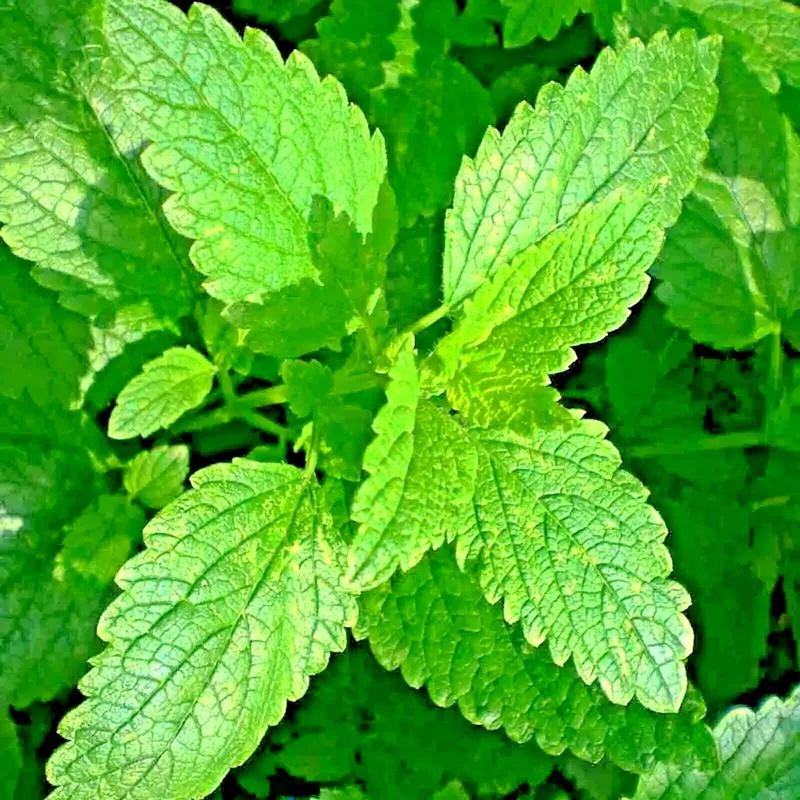
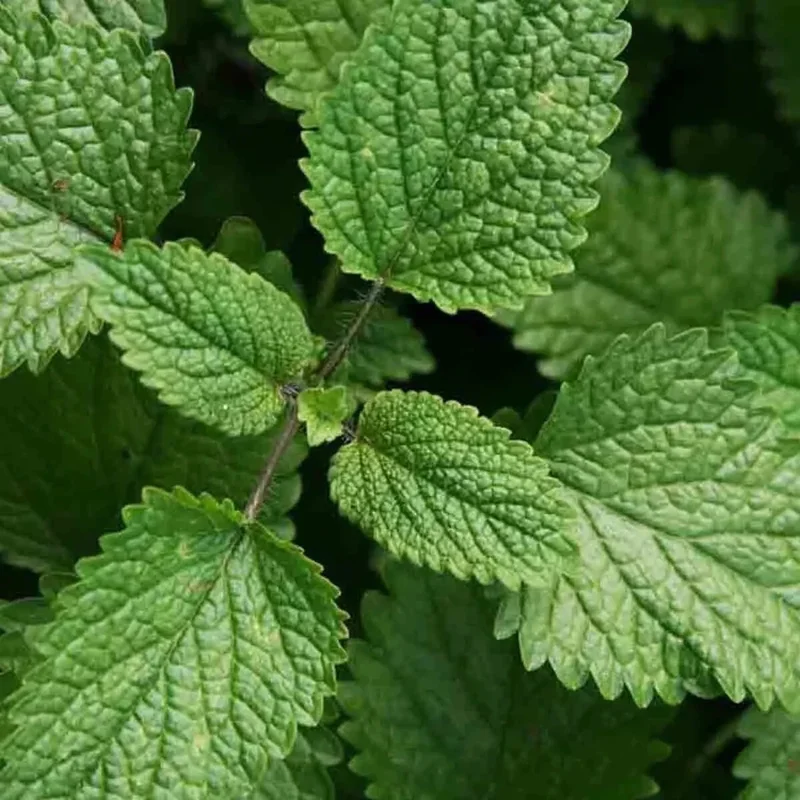
Cultivate a vibrant and fragrant garden with 1500 high-quality lemon balm seeds. This versatile perennial herb, known for its refreshing citrusy scent, acts as a natural mosquito repellent plant and is perfect for culinary use. These non-gmo herb seeds are easy to grow for gardeners of all levels.
$6.98

With our Alive & Thrive Guarantee, we’ve got your back for the first 30 days! If you have any concerns about your plants, just reach out to us. Our team is here to help answer your questions and guide you in selecting the best plants for your garden, climate, and unique preferences. We're excited to help you create the garden of your dreams!
Estimated arrival
Oct 08
Oct 13 - Oct 15
Oct 18 - Oct 22


Product Details
-
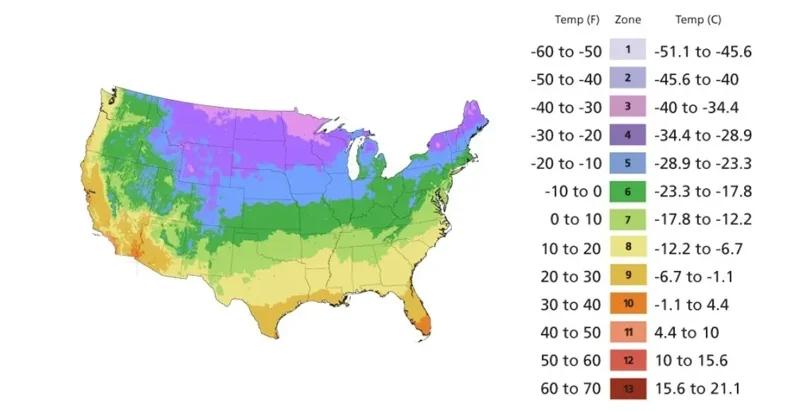
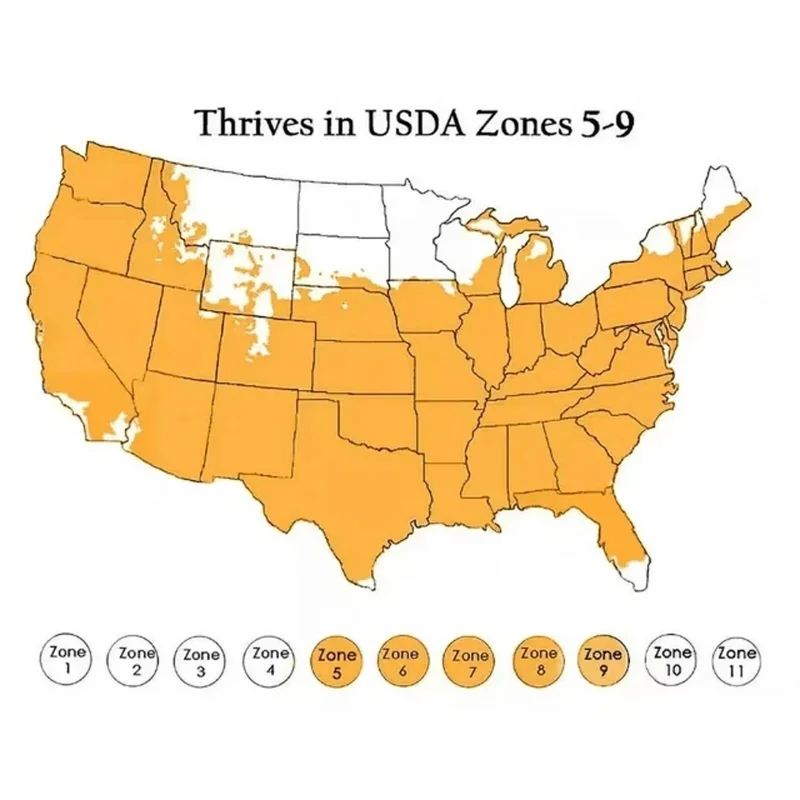
USDA Hardiness Zone
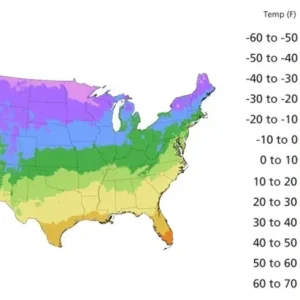
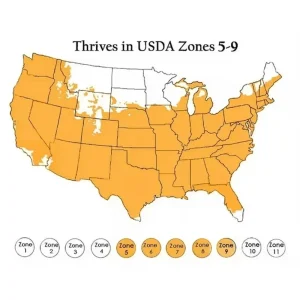
USDA Zones 4-9 -
Soil type
Well-draining, fertile loam -
Sunlight Exposure
Full sun to partial shade -
Expected Planting Period
Spring to early summer
Overview
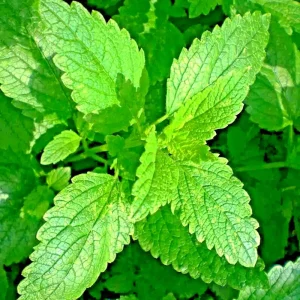
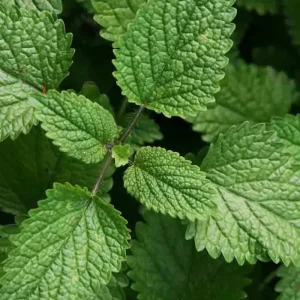
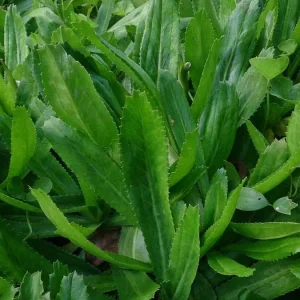
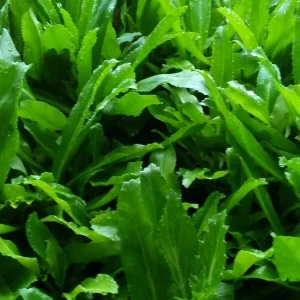
Embark on a rewarding gardening journey with this generous pack of 1500 high-quality lemon balm seeds. This perennial herb, scientifically known as Melissa officinalis, is a beloved addition to any garden, cherished for its refreshing citrusy scent and vibrant green foliage. Often associated with its potential as a mosquito repellent plant, lemon balm creates a more enjoyable outdoor environment while adding beauty and fragrance. These non-gmo herb seeds ensure you start with a pure and natural foundation for your garden. Lemon balm is a versatile plant, suitable for various climates and known for its relatively easy cultivation, making it a great choice for both novice and experienced gardeners looking to grow lemon balm.
Originating from Southern Europe, North Africa, and West Asia, lemon balm has been cultivated for centuries for its aromatic leaves. It belongs to the mint family (Lamiaceae) and its pleasant aroma is released when the leaves are brushed or crushed. Beyond its aesthetic and aromatic appeal, lemon balm is a robust perennial that returns year after year, providing continuous enjoyment and utility. This seed pack offers an abundant supply, allowing you to establish a sizable patch or share with fellow gardening enthusiasts, all while knowing you’re planting high-quality, perennial herb seeds.
Key Benefits
Adding lemon balm seeds to your garden offers a multitude of advantages that enhance both your outdoor space and your well-being. This resilient herb is a fantastic choice for those seeking low-maintenance yet highly rewarding plants.
- Natural Insect Repellent: The distinct citrusy scent of lemon balm, particularly when its leaves are crushed or brushed against, acts as a natural deterrent against mosquitoes and other common garden pests. This makes it an excellent choice if you’re looking for a mosquito repellent plant to enjoy your patio or garden more comfortably.
- Soothing Aroma: Lemon balm provides a calming and uplifting lemon-mint fragrance that can enhance the ambiance of your garden. Its presence can create a relaxing atmosphere, perfect for unwinding after a long day.
- Culinary Versatility: The leaves of lemon balm can be used in a variety of culinary applications, including teas, salads, desserts, and as a garnish. Its fresh, lemony flavor adds a unique twist to many dishes and beverages.
- Medicinal Properties: Traditionally, lemon balm has been used for its calming effects, aiding in stress reduction, improving sleep, and soothing digestion. Growing your own ensures a fresh supply for herbal remedies.
- Attracts Beneficial Pollinators: While deterring unwanted insects, lemon balm flowers attract bees and other beneficial pollinators to your garden, contributing to a healthier ecosystem and supporting local biodiversity.
- Easy to Cultivate: These non-gmo herb seeds are known for their ease of germination and growth, making them suitable for gardeners of all skill levels. With minimal effort, you can successfully grow lemon balm and enjoy its many benefits.
- Perennial Growth: As a perennial, lemon balm returns year after year from its rootstock, saving you the effort of replanting annually. This makes it a sustainable and cost-effective choice for long-term garden enjoyment, providing continuous fresh growth from these perennial herb seeds.
Plant Care & Growing Tips
Successfully cultivating lemon balm seeds is a straightforward process, thanks to the plant’s hardy and adaptable nature. To ensure your lemon balm thrives, consider the following care and growing tips. For best results when you want to grow lemon balm, it’s important to provide the right conditions from the start. Lemon balm is quite forgiving, but optimal care will lead to a more robust and fragrant plant, enhancing its natural ability as a mosquito repellent plant.
Sunlight Requirements: Lemon balm prefers full sun to partial shade. In hotter climates, partial shade during the intense afternoon hours can prevent scorching of the leaves. Aim for at least 4-6 hours of direct sunlight daily for the most vigorous growth and strongest aroma. For indoor cultivation, a bright, sunny window or grow lights are ideal. Watering Schedule & Soil Moisture: Keep the soil consistently moist, especially during germination and the plant’s establishment phase. Once mature, lemon balm is somewhat drought-tolerant but performs best with regular watering, allowing the top inch of soil to dry out between waterings. Avoid overwatering, which can lead to root rot. Soil Type & Drainage: Lemon balm is adaptable to various soil types but thrives in well-draining, fertile loam. A pH between 6.0 and 7.0 is ideal. If your soil is heavy clay, amend it with organic matter like compost to improve drainage and aeration. Temperature Range & USDA Hardiness Zone: Lemon balm is cold-resistant and generally hardy in USDA Zones 4-9. It can tolerate light frosts but may die back to the ground in colder winters, re-emerging in spring. It prefers moderate temperatures for optimal growth. Fertilization Schedule: This herb is not a heavy feeder. A light application of a balanced organic fertilizer in spring, or incorporating compost into the soil, is usually sufficient. Avoid excessive fertilization, which can reduce the intensity of its aromatic oils. Common Problems & Solutions: Lemon balm is relatively pest and disease-resistant. Occasionally, aphids or powdery mildew may appear. Treat aphids with insecticidal soap, and ensure good air circulation to prevent mildew. Regular harvesting also helps maintain plant health and vigor, and encourages more aromatic growth from your perennial herb seeds.
Size & Details
This package contains approximately 1500 high-quality lemon balm seeds, providing an ample supply for establishing a thriving patch in your garden. Once mature, lemon balm plants typically reach a height of 18-24 inches (45-60 cm) and can spread equally wide, forming attractive, clumping mounds of green foliage. The growth habit is clumping, preventing it from becoming overly invasive, unlike some other mint varieties. These non-gmo herb seeds are open-pollinating, ensuring genetic diversity and viability for future generations if you choose to collect seeds. The plants are fast-growing, with germination typically occurring within 7-14 days under ideal conditions, and mature plants ready for harvesting within 8-10 weeks. They are shipped as seeds in a packet, ready for you to grow lemon balm directly. Expect a vibrant green color as the foliage develops, contributing to the beauty and functionality of your garden as a mosquito repellent plant.
Frequently Asked Questions
- Q: How big does this lemon balm plant get? A: A mature lemon balm plant typically grows to a height of 18-24 inches (45-60 cm) and can spread equally wide, forming a bushy, clumping mound. Its size can be managed with regular harvesting and pruning.
- Q: Is this an indoor or outdoor plant? A: Lemon balm thrives outdoors as a perennial herb in most temperate climates. It can also be grown indoors in a pot near a sunny window, making it versatile for various living situations.
- Q: How much sunlight does lemon balm need? A: For optimal growth and fragrance, lemon balm requires at least 4-6 hours of direct sunlight per day. It can tolerate partial shade, especially in hot climates, but full sun generally leads to more vigorous plants.
- Q: Is this plant easy to care for? A: Yes, lemon balm is considered very easy to care for, making it an excellent choice for beginner gardeners. It’s resilient, adapts to various conditions, and is relatively pest and disease-free.
- Q: Can I use lemon balm in cooking? A: Absolutely! Lemon balm leaves have a delightful lemony flavor and aroma, making them perfect for teas, infusions, salads, desserts, and as a garnish for various dishes. These non-gmo herb seeds will provide a fresh culinary supply.
- Q: How long until these lemon balm seeds germinate and mature? A: Under ideal conditions, you can expect the lemon balm seeds to germinate within 7-14 days. The plants will typically be ready for their first harvest in about 8-10 weeks.
- Q: Will lemon balm survive winter in my zone? A: Lemon balm is a perennial hardy in USDA Zones 4-9. In colder zones, it will die back to the ground in winter and reliably re-emerge in spring. In warmer zones, it may remain evergreen.
- Q: Is lemon balm effective as a mosquito repellent plant? A: Yes, the citrusy compounds in lemon balm, particularly citronellal, are known to repel mosquitoes. Crushing the leaves and rubbing them on your skin can provide a natural, although temporary, deterrent. Planting it nearby also helps.
- Q: What type of soil does lemon balm prefer? A: Lemon balm prefers well-draining, fertile soil with a slightly acidic to neutral pH (6.0-7.0). Amending heavy soils with organic matter will improve drainage and plant health for these perennial herb seeds.
- Q: Are these seeds non-GMO? A: Yes, these are non-gmo herb seeds, ensuring you are growing a natural and unaltered plant from your garden.
Related products
-50%
Original price was: $32.00.$16.00Current price is: $16.00.
-50%
Original price was: $32.00.$16.00Current price is: $16.00.
-50%
Original price was: $79.96.$39.98Current price is: $39.98.
-50%
Original price was: $43.80.$21.90Current price is: $21.90.
-50%
From Original price was: $64.00.$32.00Current price is: $32.00.
PLANTING & CARE
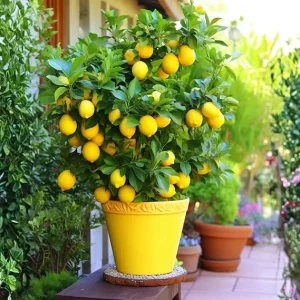
Lemon Tree Growing: Choose, Plant, and Harvest
Learn how to choose, plant, feed, and protect a lemon tree so it fits your
23
Sep
Sep
Dwarf Meyer Lemon Tree Australia: Climate Guide
Learn where dwarf Meyer lemon trees grow, how much cold they tolerate, and whether Australia,
Where to Buy a Dwarf Meyer Lemon Tree: Buyer’s Guide
Find the right dwarf Meyer lemon tree online or locally, compare starter sizes and costs,
Dwarf Meyer Lemon Tree for Sale: Buying Guide
Compare Meyer lemon tree sizes, prices, shipping limits, indoor growing and California options before you
Dwarf Meyer Lemon Tree Guide: Size, Care and Fruit
META: Learn how large a dwarf Meyer lemon tree grows, where it thrives, and how
How to Prune a Dwarf Meyer Lemon Tree
Learn when and how to prune a dwarf Meyer lemon tree, including tools, shaping cuts,
Can You Grow a Dwarf Meyer Lemon Tree in a Pot?
META: Learn how to grow a dwarf Meyer lemon tree in a pot, including container
When Do Dwarf Meyer Lemon Trees Bloom and Fruit?
META: Dwarf Meyer lemon trees usually bloom from winter through spring and may flower again