Lemon Coral Sedum Bare Root Plant – Yellow-Green Groundcover – Perennial Zones 7-11 – 3-5 inches Tall
-10%
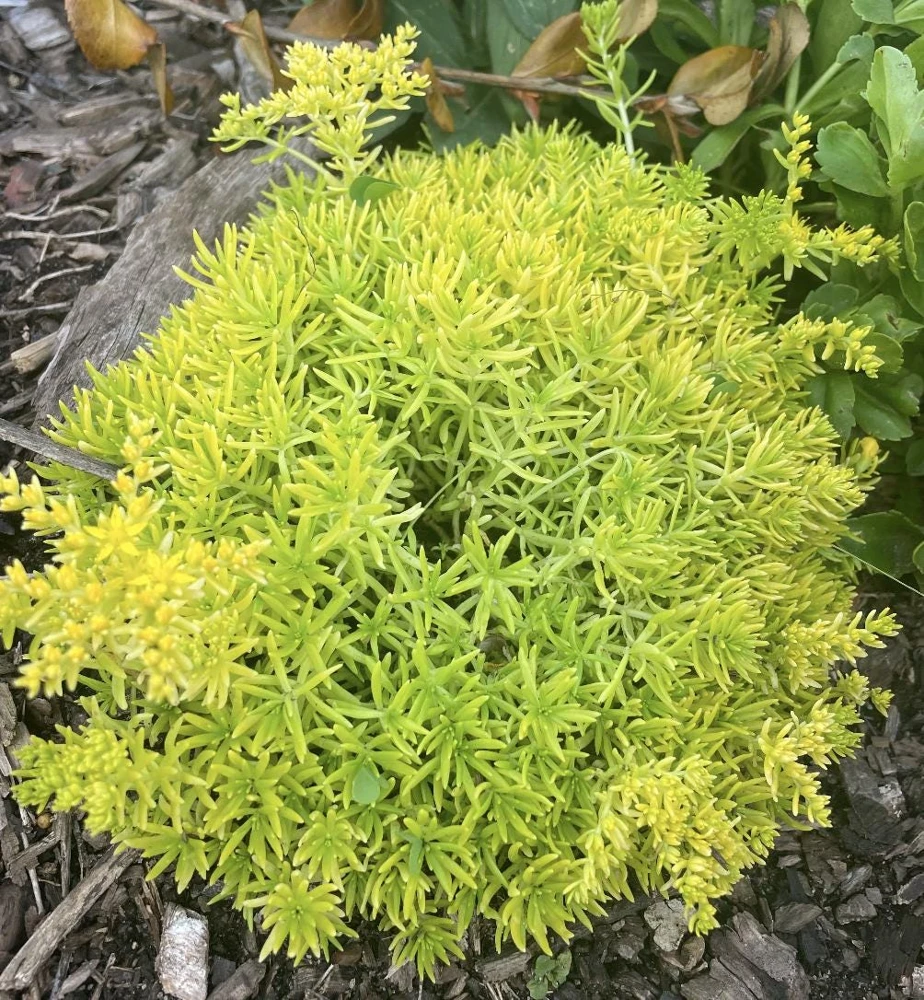
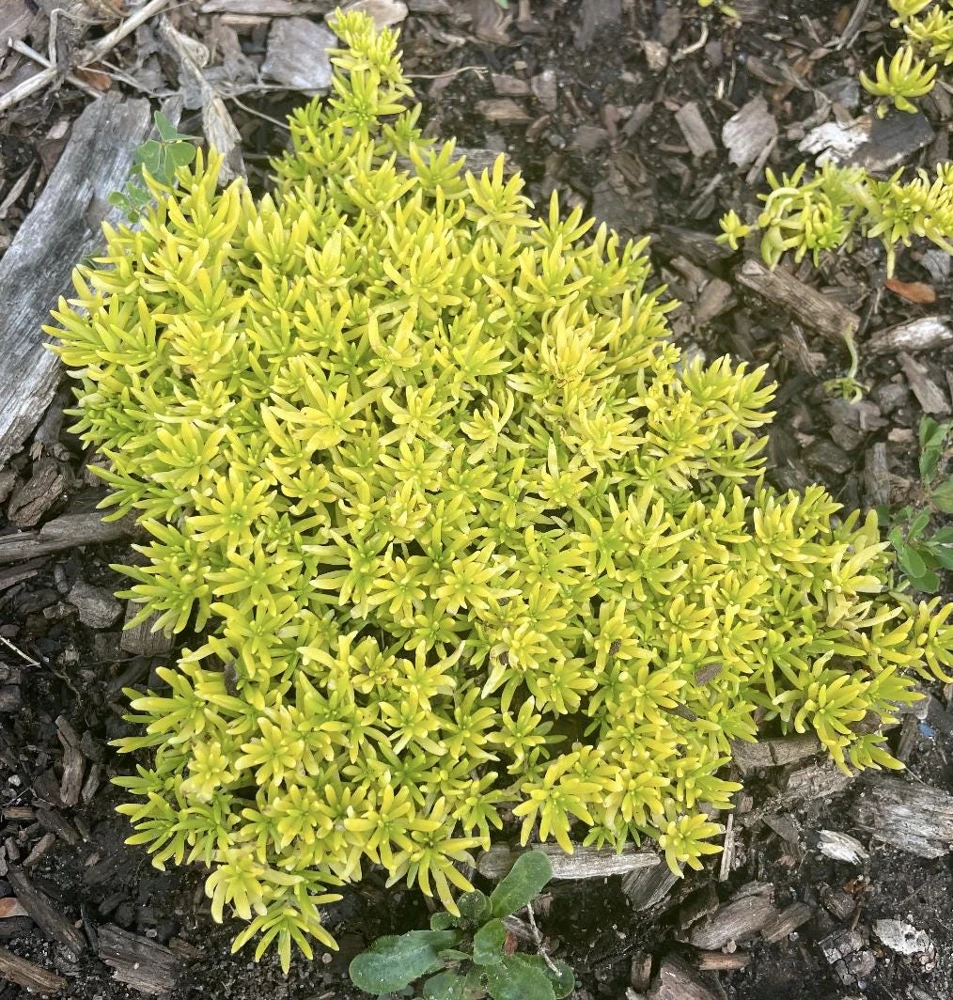
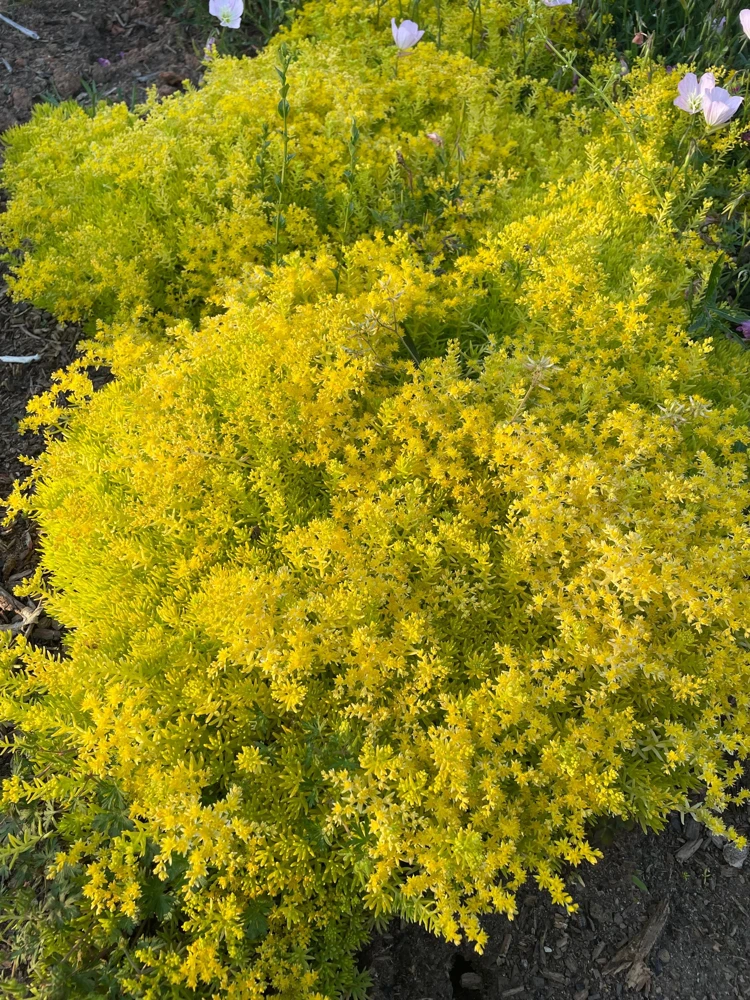
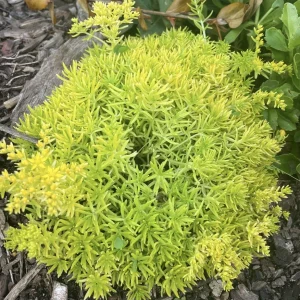
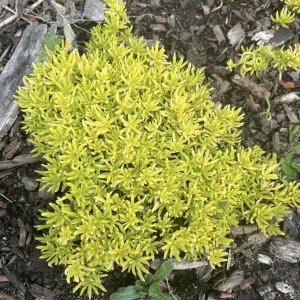
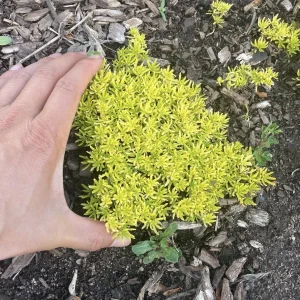
Lemon Coral Sedum Bare Root Plant – Yellow-Green Groundcover – Perennial Zones 7-11 – 3-5 inches Tall
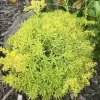
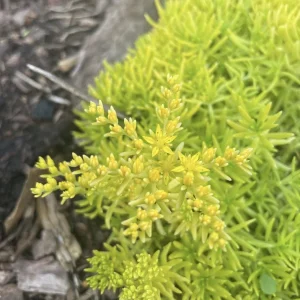
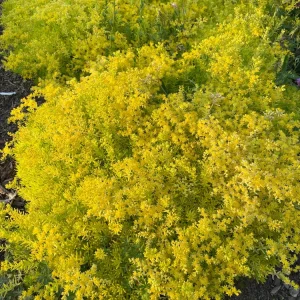
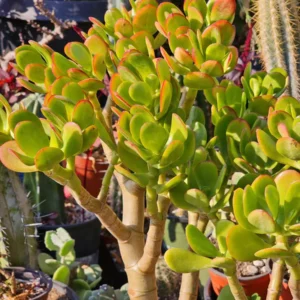
Add a vibrant splash of color to your garden with this lemon coral sedum bare root plant. Known for its striking yellow-green foliage, this easy-care succulent forms a dense, low-growing mat, perfect for ground cover, borders, or container arrangements. Thriving in full to partial sun, it’s a heat- and drought-tolerant choice for zones 7-11.
Original price was: $23.98.$21.58Current price is: $21.58.

With our Alive & Thrive Guarantee, we’ve got your back for the first 30 days! If you have any concerns about your plants, just reach out to us. Our team is here to help answer your questions and guide you in selecting the best plants for your garden, climate, and unique preferences. We're excited to help you create the garden of your dreams!
Estimated arrival
Nov 12
Nov 17 - Nov 19
Nov 22 - Nov 26
Product Details
-
USDA Hardiness Zone
7-11 (Perennial), below 7 (Annual) -
Soil type
Well-drained soil -
Sunlight Exposure
Full sun to partial sun -
Expected Planting Period
Spring to early summer
Overview
Introduce a burst of sunshine into your landscape with the stunning lemon coral sedum bare root plant. This beautiful, low-maintenance succulent, scientifically known as Sedum mexicanum ‘Lemon Coral’, is celebrated for its brilliant chartreuse to yellow-green foliage that creates a soft, textured mat. Ideal for adding visual interest and vibrant color, this live plant is a versatile choice for a variety of garden designs. It’s perfect for those seeking an easy-care, drought-tolerant option that delivers maximum impact with minimal effort. Whether you’re filling in gaps, creating a striking border, or enhancing container plantings, the lemon coral sedum plant offers exceptional appeal.
Originating from Mexico, this particular sedum cultivar has gained immense popularity for its adaptability and unique aesthetic. It’s a fantastic solution for challenging spots in the garden where other plants might struggle, thriving even in less-than-ideal conditions once established. Its ability to serve as an annual in cooler climates and a perennial in warmer regions (USDA Zones 7-11) makes it a flexible addition to almost any garden.
Key Benefits
The lemon coral sedum bare root offers numerous advantages for both novice and experienced gardeners. Its striking appearance and resilient nature make it a standout choice for various outdoor settings.
- Vibrant Foliage: Enjoy the bright, cheerful yellow-green leaves that provide continuous color and texture, brightening up any garden space or container arrangement. This vibrant hue remains consistent throughout the growing season.
- Excellent Groundcover: Forms a dense, low-growing mat, effectively suppressing weeds and covering bare spots. It’s a perfect solution for creating a lush, uniform look in rock gardens, along pathways, or on slopes.
- Low Maintenance: This is a truly easy-care plant that requires minimal attention once established. It’s an ideal choice for busy gardeners or those looking for a hassle-free addition to their landscape.
- Heat and Drought Tolerant: Once established, the lemon coral sedum plant can withstand periods of heat and drought, making it a resilient choice for xeriscaping or water-wise gardens.
- Versatile Use: Beyond ground cover, it excels in containers, hanging baskets, and as an edger for garden beds, offering flexibility in design. Its trailing habit makes it an excellent ‘spiller’ in mixed arrangements.
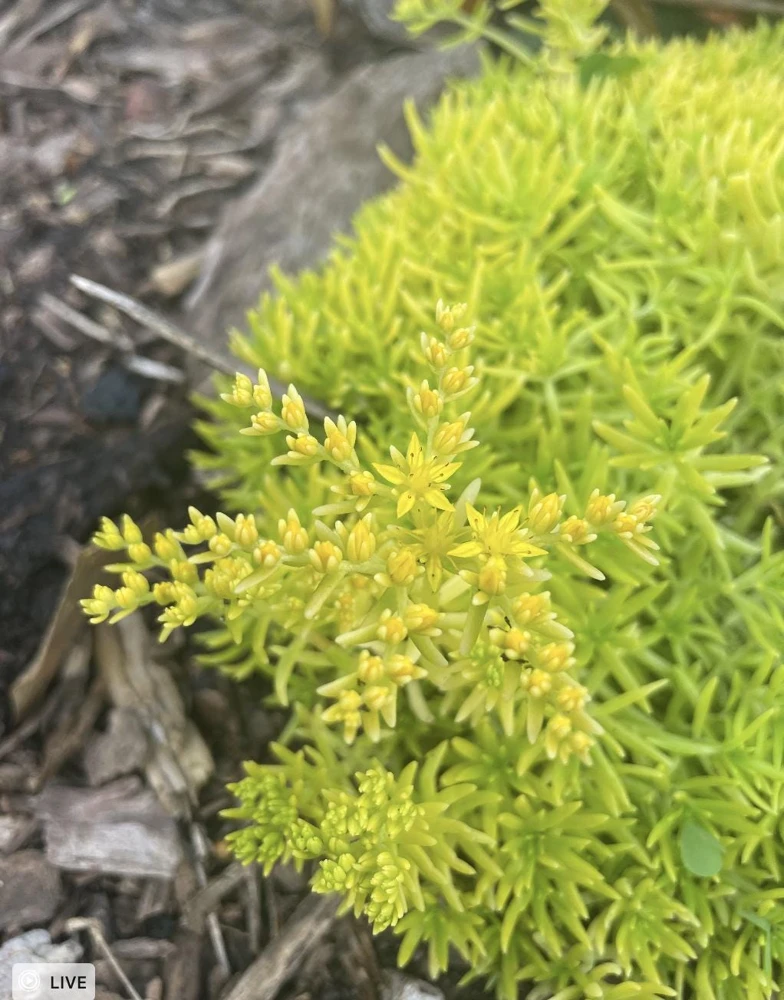
- Attracts Pollinators: While its primary appeal is foliage, the small yellow flowers that appear in summer can attract beneficial pollinators like bees.
- Deer Resistant: Generally not favored by deer, making it a good choice for gardens prone to browsing.
Plant Care & Growing Tips
Caring for your lemon coral sedum bare root is straightforward, ensuring a thriving and colorful addition to your garden. This succulent is quite forgiving, but providing the right conditions will help it flourish. For optimal growth, plant your sedum ground cover in a location that receives full sun to partial sun. Full sun (6+ hours of direct sunlight per day) will encourage the brightest foliage color, while partial sun (4-6 hours, especially afternoon shade in hot climates) can help prevent scorching during intense summer heat. It is a perennial in USDA zones 7-11 and can be grown as an annual in colder regions.
When it comes to watering, this succulent prefers well-drained soil and is drought-tolerant once established. Water thoroughly when the top inch or two of soil feels dry to the touch, then allow the soil to dry out completely before watering again. Overwatering is the most common cause of problems for sedums, leading to root rot. Well-draining soil is crucial; a sandy or gritty mix is ideal. If planting in containers, ensure pots have drainage holes. Fertilization is generally not required for this low-maintenance plant. If your soil is very poor, a light application of a balanced, slow-release fertilizer in spring can be beneficial, but avoid over-fertilizing, which can lead to leggy growth. This yellow sedum perennial is relatively pest-free, though occasional issues with aphids or mealybugs can be resolved with insecticidal soap.
Size & Details
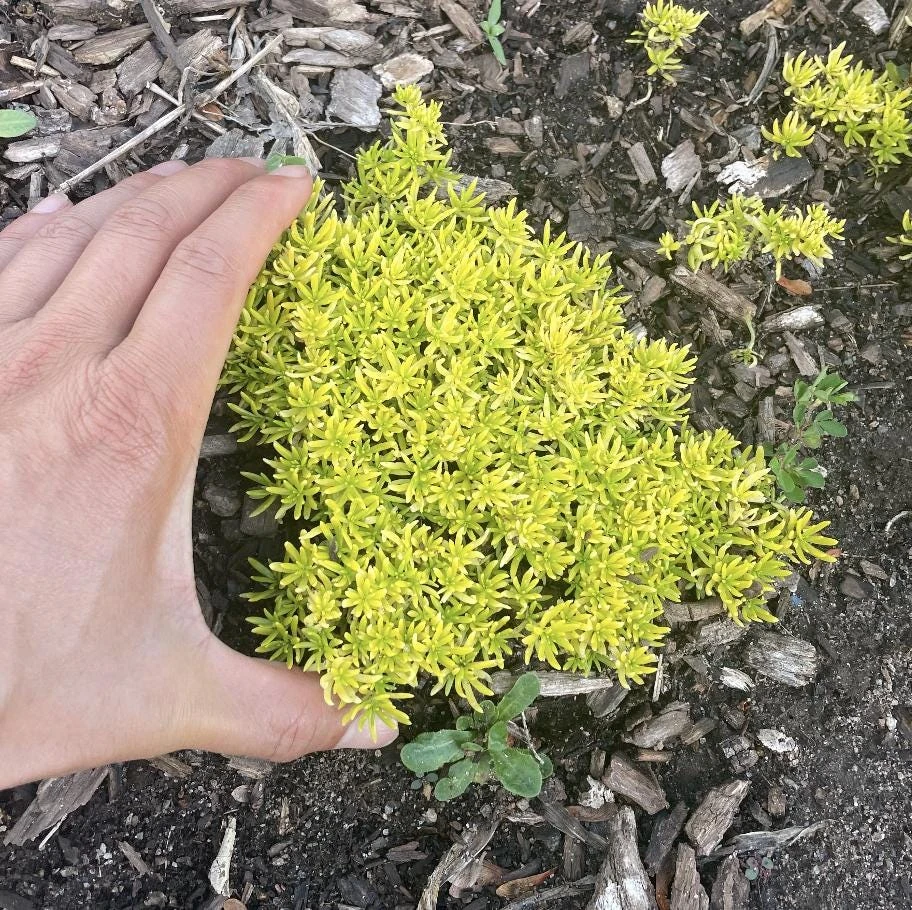
This offering is for a lemon coral sedum bare root plant, ready for planting. Each bundle measures approximately 3 inches wide before being prepared for shipping. Once planted and established, this dynamic succulent typically grows to a height of 3–5 inches, creating a low, dense carpet. It spreads outwards, reaching a width of 10–14 inches, making it an excellent choice for broad ground cover applications. As a fast-growing plant, you can expect it to quickly establish itself and begin spreading, providing noticeable coverage within its first growing season. While it will arrive as a bare root, which means it will need a few weeks to recover and establish, with proper care, it will soon flourish into a vibrant display. This easy care sedum is delivered without soil or a pot, allowing for flexible planting directly into your garden beds or chosen containers.
Frequently Asked Questions
- Q: How big does this plant get? A: The lemon coral sedum bare root typically grows to a height of 3–5 inches and spreads 10–14 inches wide, forming a dense, low-growing mat.
- Q: Is this an indoor or outdoor plant? A: This plant is primarily an outdoor plant, thriving as a perennial in USDA Zones 7-11 and as an annual in colder climates. It can be grown indoors in a very bright, sunny spot, but it generally performs best outdoors.
- Q: How much sunlight does it need? A: Lemon coral sedum plant prefers full sun (at least 6 hours of direct sunlight) but can tolerate partial sun. For the brightest yellow-green color, full sun is recommended.
- Q: Is this plant easy to care for? A: Yes, this is considered an easy care sedum. It is drought-tolerant and requires minimal attention once established, making it suitable for beginners.
- Q: What condition will it arrive in? A: Your plant will arrive as a lemon coral sedum bare root, wrapped to retain moisture. It may appear stressed from transit and will need time to recover and establish after planting.
- Q: When is the best time to plant? A: The best time to plant bare root sedum is in spring or early summer, after the last frost, to allow it ample time to establish before extreme heat or cold.
- Q: Will it survive winter in my zone? A: This yellow sedum perennial is hardy in USDA Zones 7-11. In zones below 7, it is typically grown as an annual and may not survive winter outdoors.
- Q: What kind of soil does this sedum prefer? A: It thrives in well-drained soil. A sandy or gritty soil mix is ideal to prevent root rot, as sedums do not tolerate consistently wet feet.
- Q: Does this plant have flowers? A: While primarily grown for its foliage, the lemon coral sedum plant does produce small, star-shaped yellow flowers during the summer months, which can attract pollinators.
- Q: Is this plant drought tolerant? A: Yes, once established, sedum ground cover is highly heat and drought tolerant, making it an excellent choice for water-wise gardens and drier climates.
Related products
-30%
Original price was: $85.98.$60.18Current price is: $60.18.
-40%
Original price was: $19.60.$11.76Current price is: $11.76.
-30%
Original price was: $79.98.$55.98Current price is: $55.98.
-30%
Original price was: $79.98.$55.98Current price is: $55.98.
-30%
Original price was: $79.98.$55.98Current price is: $55.98.
-30%
Original price was: $79.98.$55.98Current price is: $55.98.
-39%
Original price was: $39.98.$24.50Current price is: $24.50.
PLANTING & CARE
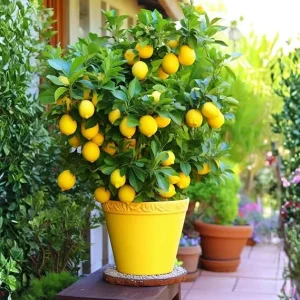
Lemon Tree Growing: Choose, Plant, and Harvest
Learn how to choose, plant, feed, and protect a lemon tree so it fits your
23
Sep
Sep
Dwarf Meyer Lemon Tree Australia: Climate Guide
Learn where dwarf Meyer lemon trees grow, how much cold they tolerate, and whether Australia,
Where to Buy a Dwarf Meyer Lemon Tree: Buyer’s Guide
Find the right dwarf Meyer lemon tree online or locally, compare starter sizes and costs,
Dwarf Meyer Lemon Tree for Sale: Buying Guide
Compare Meyer lemon tree sizes, prices, shipping limits, indoor growing and California options before you
Dwarf Meyer Lemon Tree Guide: Size, Care and Fruit
META: Learn how large a dwarf Meyer lemon tree grows, where it thrives, and how
How to Prune a Dwarf Meyer Lemon Tree
Learn when and how to prune a dwarf Meyer lemon tree, including tools, shaping cuts,
Can You Grow a Dwarf Meyer Lemon Tree in a Pot?
META: Learn how to grow a dwarf Meyer lemon tree in a pot, including container
When Do Dwarf Meyer Lemon Trees Bloom and Fruit?
META: Dwarf Meyer lemon trees usually bloom from winter through spring and may flower again