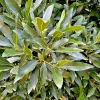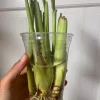
Lemongrass Live Plant Starter – Culinary Herb for Garden & Pots
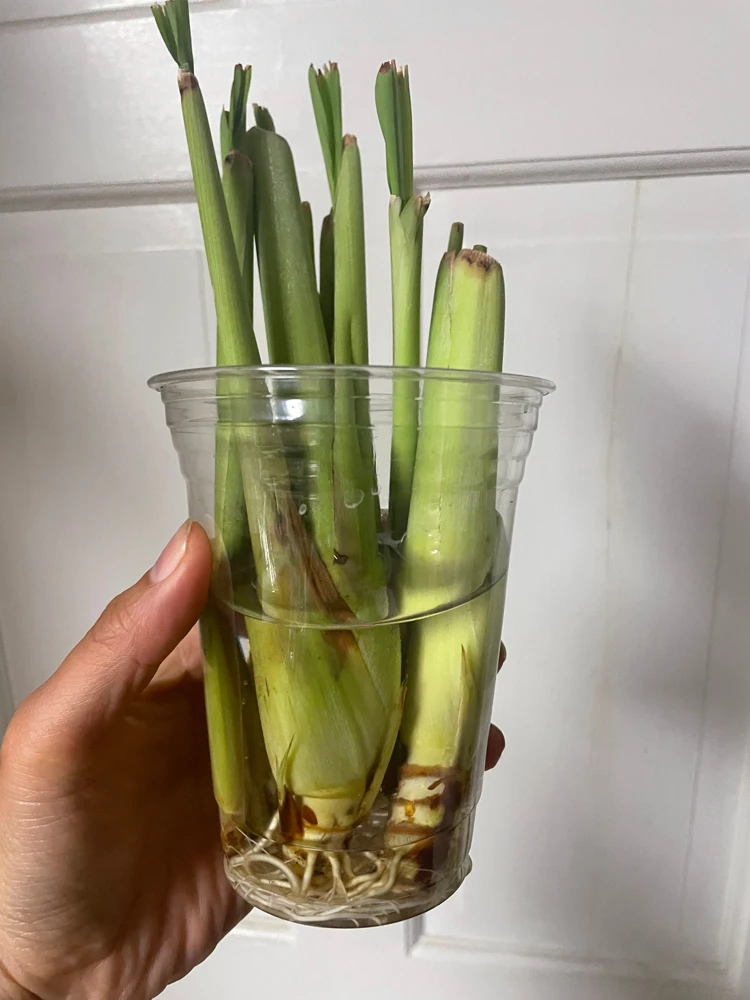
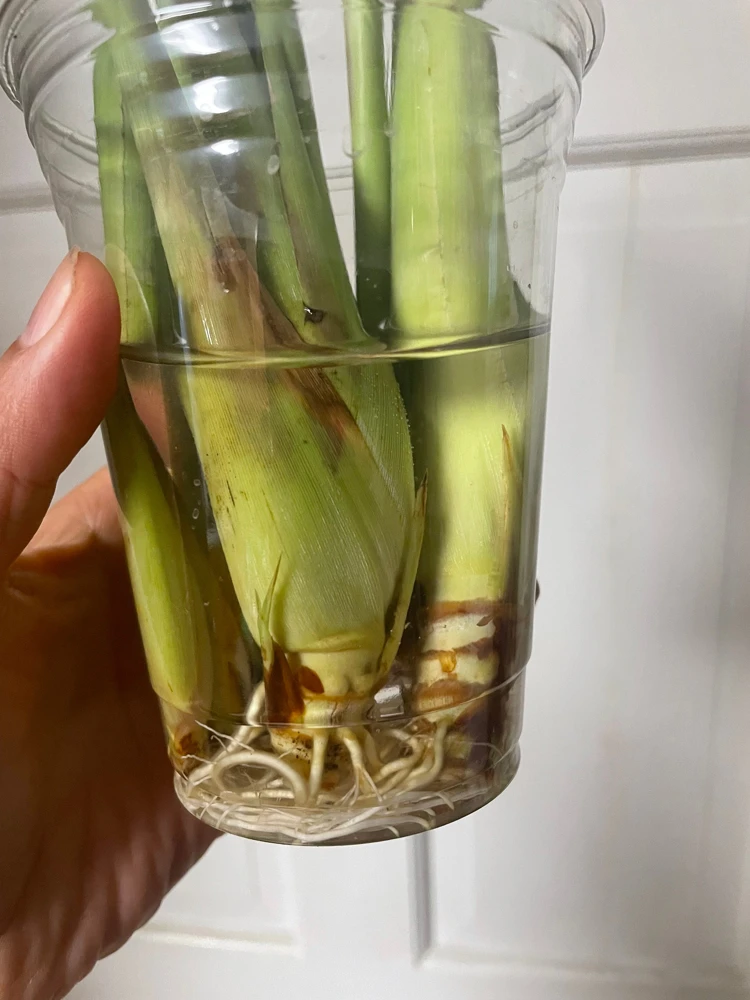
Lemongrass Live Plant Starter – Culinary Herb for Garden & Pots
Cultivate your own aromatic lemongrass live plant for fresh culinary ingredients and a beautiful garden accent. This vigorous starter plant is ready to thrive in your garden or a large container, bringing exotic flavor to your dishes and teas. Enjoy the ease of growing this versatile culinary herb at home.
$27.98

With our Alive & Thrive Guarantee, we’ve got your back for the first 30 days! If you have any concerns about your plants, just reach out to us. Our team is here to help answer your questions and guide you in selecting the best plants for your garden, climate, and unique preferences. We're excited to help you create the garden of your dreams!
Estimated arrival
Nov 12
Nov 17 - Nov 19
Nov 22 - Nov 26
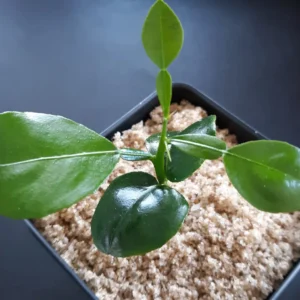
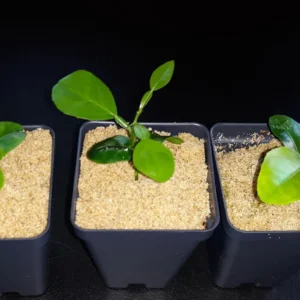
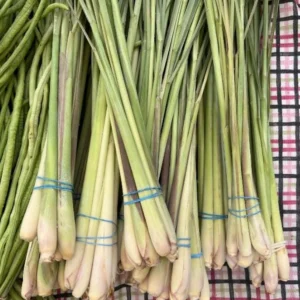
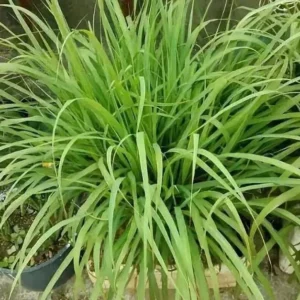
Product Details
-
USDA Hardiness Zone
USDA zones 9–11 (perennial), otherwise annual or overwintered indoors -
Soil type
Rich, well-draining soil -
Sunlight Exposure
Full sun (6–8+ hours daily) -
Expected Planting Period
Spring to early summer (after last frost)
Overview
Bring the vibrant, citrusy aroma of the tropics to your home with a healthy lemongrass live plant starter. This essential culinary herb, scientifically known as Cymbopogon citratus, is renowned for its distinctive flavor and fragrant stalks, making it a staple in Asian cuisine, teas, and even natural insect repellents. Our starter plants are carefully cultivated to ensure a strong root system, providing you with a head start on growing your own fresh supply. Whether you’re an experienced gardener or a budding enthusiast, growing lemongrass live plant is a rewarding experience that offers both aesthetic beauty and practical benefits.
Lemongrass is incredibly versatile, thriving in various environments from garden beds to large containers, making it an excellent choice for almost any growing space. Its tall, graceful blades add a unique texture to landscapes, while its robust growth habit means you’ll have plenty of fresh stalks for cooking, brewing soothing teas, or infusing oils. Embrace the joy of harvesting your own aromatic herbs with this easy-to-grow lemongrass live plant.
Key Benefits
A lemongrass live plant offers a multitude of benefits, from enhancing your culinary creations to providing a refreshing presence in your garden. This resilient herb is a fantastic addition for anyone looking to cultivate fresh, flavorful ingredients at home.
- Fresh Culinary Flavor: Enjoy the distinct, bright citrusy flavor of fresh lemongrass in your cooking. It’s an indispensable ingredient for curries, soups, stir-fries, and marinades, elevating dishes with its unique aromatic profile. Growing your own ensures you always have the freshest stalks on hand.
- Aromatic & Therapeutic Teas: Brew soothing and refreshing herbal teas directly from your garden. Lemongrass tea is known for its calming properties and delightful aroma, offering a natural way to unwind.
- Natural Insect Repellent: The natural oils in lemongrass, particularly citronella, make it a natural deterrent for mosquitoes and other pests. Planting it near your patio or windows can help keep unwanted insects at bay.
- Beautiful Ornamental Grass: With its tall, slender, arching blades, lemongrass serves as a striking ornamental grass. It adds a tropical flair and architectural interest to garden beds, borders, and container arrangements, enhancing your outdoor living spaces.
- Container Friendly: Ideal for container gardening, lemongrass thrives in large pots, making it perfect for patios, balconies, or even indoors in sunny locations. This flexibility allows gardeners in cooler climates to easily bring plants indoors before frost.
- Easy to Grow: This starter plant is known for its vigorous growth and relatively low maintenance requirements once established. It’s a fantastic choice for both novice and experienced gardeners looking to expand their herb collection.
- Health & Wellness: Beyond its culinary uses, lemongrass is recognized for its potential health benefits, including antioxidant properties and digestive aid, making it a truly valuable plant for your home.
Plant Care & Growing Tips
Caring for your lemongrass live plant is straightforward, especially when you understand its preferences for heat, sun, and consistent moisture. To ensure your plant thrives and produces abundant, flavorful stalks, follow these essential guidelines. The key to successful grow lemongrass is to mimic its native tropical environment.
Sunlight Requirements: Lemongrass absolutely loves the sun. It requires full sun exposure, meaning 6–8+ hours of direct sunlight daily, to achieve its best growth and flavor intensity. If growing indoors, place it in your brightest south-facing window or supplement with a grow light. Insufficient light will result in leggy growth and less robust stalks. When planting outdoors, choose a location that receives ample sunshine throughout the day.
Watering Schedule and Soil Moisture: Keep the soil consistently moist but never soggy. Lemongrass is a thirsty plant, especially during warm weather and active growth periods. Water deeply when the top inch of soil feels dry to the touch. Ensure good drainage to prevent root rot, as waterlogged conditions are detrimental. Reduce watering slightly during cooler months or if growing indoors where evaporation is slower.
Soil Type and Drainage: This plant thrives in rich, well-draining soil. A good quality potting mix amended with compost will provide the necessary nutrients and structure. For outdoor planting, ensure your garden soil is fertile and drains well; heavy clay soils should be amended with organic matter to improve drainage. Proper drainage is crucial for preventing fungal issues and maintaining healthy roots.
Temperature Range and USDA Hardiness Zone: Lemongrass is a warm-weather plant and is sensitive to frost. It thrives in temperatures above 50°F (10°C) and performs best in warm, humid conditions. It is typically grown as an annual in cooler climates but can be overwintered indoors or in a greenhouse. For outdoor cultivation, it is perennial in USDA zones 9–11. In colder zones, plant it in a container that can be moved indoors before the first frost, allowing you to continue enjoying this wonderful culinary herb year-round.
Fertilization Schedule: Feed your lemongrass plant every 2-4 weeks during its active growing season (spring through fall) with a balanced liquid fertilizer. A slow-release granular fertilizer can also be incorporated into the soil at planting time. Reduce or cease fertilization during winter months when growth naturally slows down. Healthy feeding supports the development of thick, flavorful stalks.
Common Problems and Solutions: Lemongrass is generally pest-resistant, but occasionally, spider mites or mealybugs can appear, especially on indoor plants. Treat infestations with insecticidal soap or neem oil. The most common issue is root rot due to overwatering; ensure proper drainage and allow the soil to dry slightly between waterings. Protect plants from strong winds which can damage the tall blades.
Size & Details
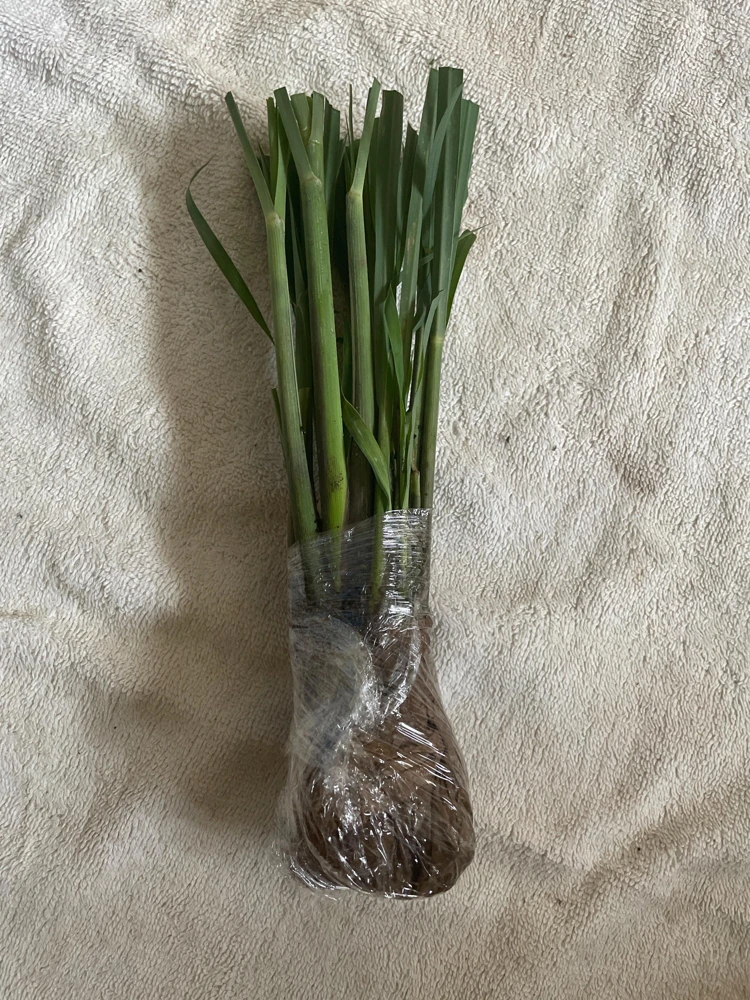
This lemongrass live plant arrives as a healthy starter plant with an established root system, ready for immediate planting. Each plant is carefully prepared for shipment to ensure it arrives in the best possible condition, typically wrapped to retain moisture during transit. The exact size will vary slightly based on growth stage, but you can expect a robust young plant that will quickly establish itself and begin to flourish in its new home.
When mature, lemongrass can grow quite tall, typically reaching 3–5 feet in height and spreading 1–2 feet wide, forming a dense clump of grassy foliage. It has a moderate to fast growth rate under optimal conditions, allowing you to enjoy harvests within a few months of planting. It’s an excellent choice for adding vertical interest to your garden or a substantial presence in a large pot for container gardening. Expect multiple plant stems to emerge from one main plant, providing an abundant supply for your culinary needs. This resilient herb thrives with consistent warmth and sunlight.
Frequently Asked Questions
- Q: How big does this plant get? A: A mature lemongrass live plant can typically reach heights of 3-5 feet and spread about 1-2 feet wide, forming a dense clump. Its size can be influenced by pot size and growing conditions, but it’s known for vigorous growth.
- Q: What size pot does it come in? A: This is a starter plant, meaning it arrives with a developed root system, ready to be transplanted. While not shipped in a large pot, it’s prepared for immediate planting into your preferred container or garden bed.
- Q: Is this an indoor or outdoor plant? A: Lemongrass thrives outdoors in full sun in warm climates (USDA zones 9–11). In cooler zones, it can be grown outdoors during summer and brought indoors before the first frost, making it suitable for both indoor and outdoor cultivation.
- Q: How much sunlight does it need? A: This plant requires at least 6-8 hours of direct sunlight daily to grow strong and flavorful. Choose a sunny spot in your garden or a bright window if growing indoors.
- Q: Is this plant easy to care for? A: Yes, lemongrass live plant is relatively easy to care for, especially if its basic needs for sun, consistent moisture, and warmth are met. It’s a great option for gardeners of all experience levels.
- Q: What condition will it arrive in? A: Your plant will arrive as a healthy starter with its roots carefully wrapped to retain moisture during transit. It may appear a bit stressed from the journey but will recover quickly with proper care after planting.
- Q: Is it shipped in soil? A: To minimize shipping weight and ensure plant health, starter plants are typically shipped with roots wrapped in a damp medium, not in a pot with soil. This helps protect the roots while making transit more efficient.
- Q: Can I use lemongrass in cooking? A: Absolutely! This culinary herb is perfect for cooking. The lower stalks are used to impart a fresh, lemony flavor to Asian dishes, soups, curries, and teas.
- Q: When is the best time to plant? A: The best time to plant lemongrass is in spring or early summer, after all danger of frost has passed and soil temperatures have warmed up. This gives the plant ample time to establish before cooler weather.
- Q: Will it survive winter in my zone? A: Lemongrass is perennial in USDA zones 9–11. In colder zones, it will not survive outdoor winter temperatures and should be brought indoors or treated as an annual.
Related products
-67%
Original price was: $39.72.$13.24Current price is: $13.24.
-67%
Original price was: $39.72.$13.24Current price is: $13.24.
-50%
Original price was: $59.96.$29.98Current price is: $29.98.
-67%
Original price was: $75.72.$25.24Current price is: $25.24.
-37%
Original price was: $15.96.$9.98Current price is: $9.98.
-50%
Original price was: $107.96.$53.98Current price is: $53.98.
-50%
Original price was: $53.98.$26.99Current price is: $26.99.
PLANTING & CARE
Lemon Tree Growing: Choose, Plant, and Harvest
Learn how to choose, plant, feed, and protect a lemon tree so it fits your
23
Sep
Sep
Dwarf Meyer Lemon Tree Australia: Climate Guide
Learn where dwarf Meyer lemon trees grow, how much cold they tolerate, and whether Australia,
Where to Buy a Dwarf Meyer Lemon Tree: Buyer’s Guide
Find the right dwarf Meyer lemon tree online or locally, compare starter sizes and costs,
Dwarf Meyer Lemon Tree for Sale: Buying Guide
Compare Meyer lemon tree sizes, prices, shipping limits, indoor growing and California options before you
Dwarf Meyer Lemon Tree Guide: Size, Care and Fruit
META: Learn how large a dwarf Meyer lemon tree grows, where it thrives, and how
How to Prune a Dwarf Meyer Lemon Tree
Learn when and how to prune a dwarf Meyer lemon tree, including tools, shaping cuts,
Can You Grow a Dwarf Meyer Lemon Tree in a Pot?
META: Learn how to grow a dwarf Meyer lemon tree in a pot, including container
When Do Dwarf Meyer Lemon Trees Bloom and Fruit?
META: Dwarf Meyer lemon trees usually bloom from winter through spring and may flower again