Lily of the Valley Bulbs – 5 Count Bare Roots for Outdoor Garden
-50%
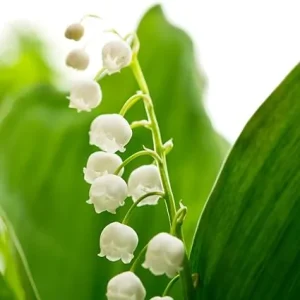
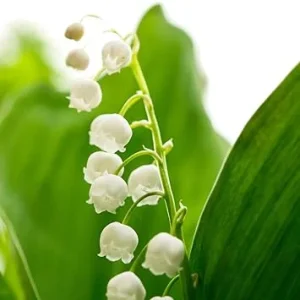
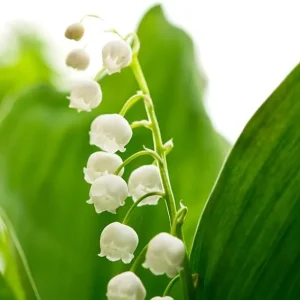
Lily of the Valley Bulbs – 5 Count Bare Roots for Outdoor Garden
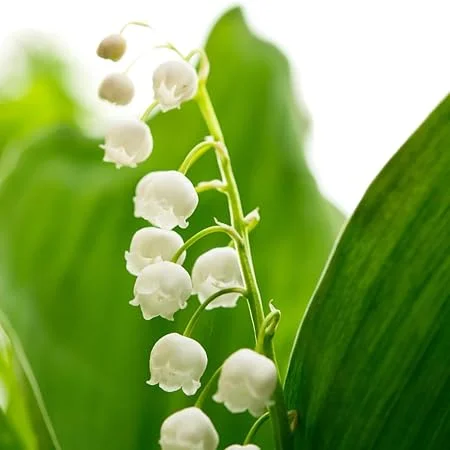
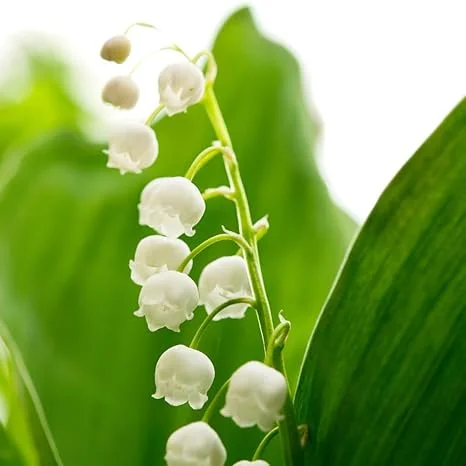
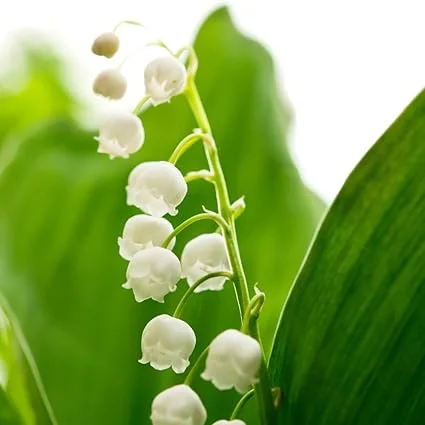
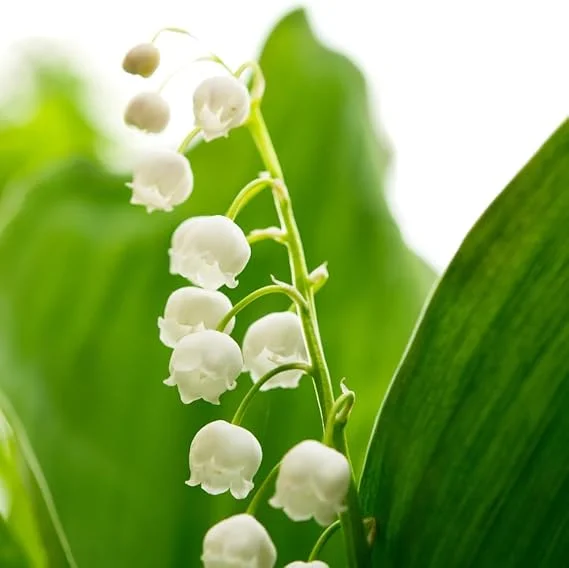
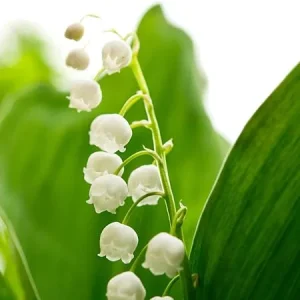
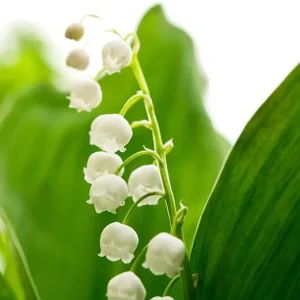
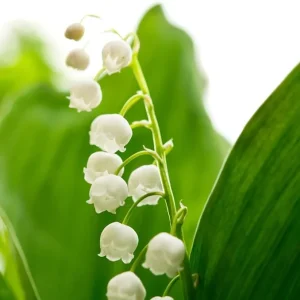
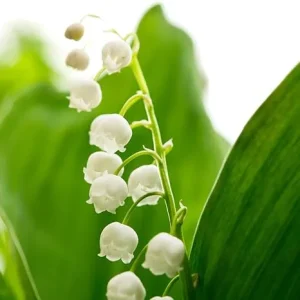
Discover the timeless beauty of lily of the valley bulbs. This pack includes 5 bare roots ready for planting, yielding delicate, fragrant white bell-shaped flowers perfect for outdoor gardens and shaded areas. Enjoy easy-to-grow perennials that return year after year.
Original price was: $25.92.$12.96Current price is: $12.96.

With our Alive & Thrive Guarantee, we’ve got your back for the first 30 days! If you have any concerns about your plants, just reach out to us. Our team is here to help answer your questions and guide you in selecting the best plants for your garden, climate, and unique preferences. We're excited to help you create the garden of your dreams!
Estimated arrival
Oct 14
Oct 19 - Oct 21
Oct 24 - Oct 28

Product Details
-
USDA Hardiness Zone
USDA Zones 2-7 -
Soil type
Rich, well-draining soil -
Sunlight Exposure
Partial to Full Shade -
Expected Planting Period
Fall or Early Spring
Overview
Introduce an air of classic elegance and delightful fragrance to your garden with these premium lily of the valley bulbs. Each order includes 5 robust bare roots, scientifically known as Convallaria majalis, ready to establish themselves and produce their iconic, sweetly scented white bell-shaped flowers. Often associated with spring and new beginnings, lily of the valley is a beloved perennial that forms charming groundcover, thriving in shady to partially shaded garden spots. These resilient plants are an excellent choice for creating a serene woodland feel, naturalizing under trees, or brightening up areas where other flowering plants might struggle. Planting these lily of the valley bulbs will ensure a captivating display and an exquisite aroma each spring, making your garden a true sensory delight. They are a low-maintenance yet high-impact addition to any landscape.
Key Benefits
Cultivating lily of the valley bulbs offers a multitude of advantages for both novice and experienced gardeners. Their charming appearance and captivating scent make them a standout choice. Here are some of the fantastic benefits you’ll enjoy:
- Exquisite Fragrance: Enjoy the intensely sweet and unmistakable aroma that wafts through your garden each spring, creating a truly enchanting atmosphere. This natural perfume is one of the primary reasons gardeners choose to plant lily of the valley.
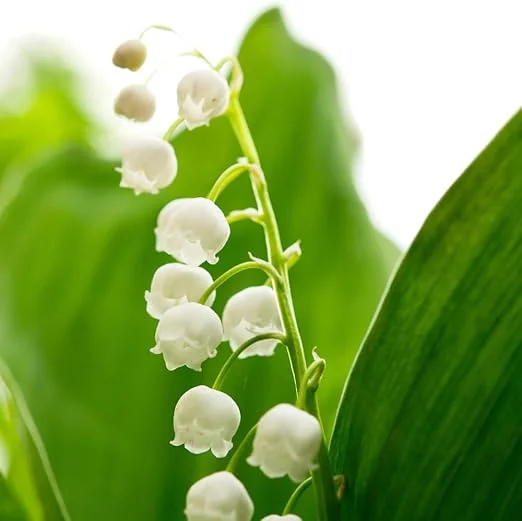
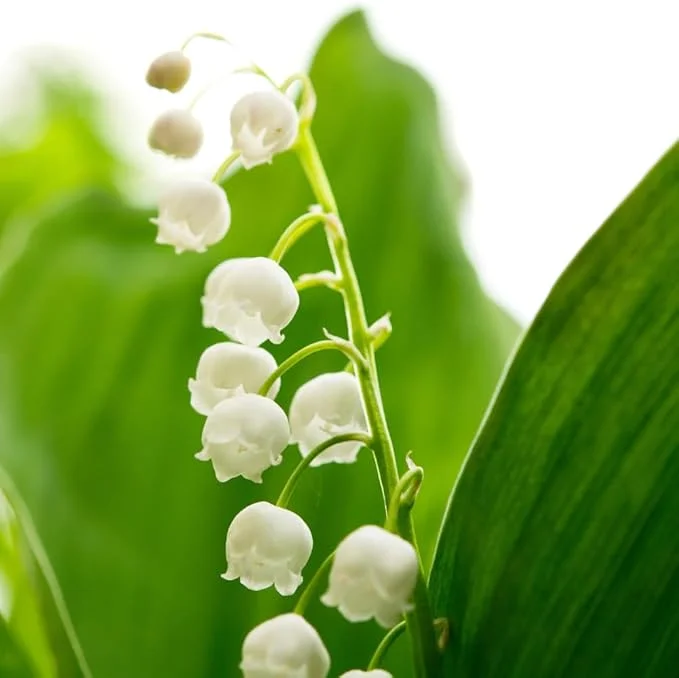
- Charming Aesthetic: The delicate, pendulous white bells nestled among broad green leaves provide a classic, refined look, perfect for cottage gardens, shaded borders, or groundcover.
- Perennial Reliability: Once established, these plants return year after year with minimal fuss, spreading gently to form beautiful colonies. This makes them a fantastic long-term investment for your garden.
- Shade Tolerance: Unlike many flowering plants, lily of the valley thrives in partial to full shade, making it ideal for brightening up difficult, low-light areas in your landscape.
- Low Maintenance: After initial planting and watering, lily of the valley bulbs require little ongoing care, making them suitable for busy gardeners or those new to gardening.
- Versatile Landscaping: Excellent for groundcover, naturalizing, underplanting shrubs and trees, or as a fragrant border plant. Their adaptability makes growing lily of the valley a rewarding experience.
- Cut Flower Potential: The charming stems of flowers and foliage are perfect for small, elegant bouquets, bringing their delightful scent indoors.
Plant Care & Growing Tips
Ensuring the success of your lily of the valley bulbs is straightforward with a few key care practices. These resilient perennials are known for their hardiness and ability to thrive in various conditions, but optimal care will yield the best blooms and spread. When considering how to plant lily of the valley, remember that they prefer cool, moist conditions.
For sunlight exposure, lily of the valley flourishes in partial to full shade. While they can tolerate some morning sun, direct afternoon sun, especially in warmer climates, can scorch their leaves. Aim for a location that receives dappled light or is shaded for most of the day. Regular watering is crucial, particularly during dry spells and when the plants are actively growing. The soil should be consistently moist but never waterlogged, as this can lead to rot. A good indicator is to check the top inch of soil; if it feels dry, it’s time to water. As for soil type, they prefer rich, well-draining soil that is high in organic matter. Amending heavy clay soils with compost or peat moss before planting will improve drainage and fertility. A slightly acidic to neutral pH (6.0-7.0) is ideal.
These plants are cold-hardy, typically thriving in USDA Zones 2-7. They require a period of cold dormancy to bloom effectively. Fertilization is generally not heavily required if the soil is rich in organic matter. However, a light application of a balanced, slow-release granular fertilizer in early spring can boost growth and flowering. Pests and diseases are rarely a major issue when growing lily of the valley, but keep an eye out for slugs and snails, which can be deterred with organic baits or barriers. Overall, providing the right balance of shade, moisture, and well-draining soil will ensure your convallaria majalis bulbs establish well and provide years of beautiful, fragrant blooms.
Size & Details
This offering includes 5 individual lily of the valley bulbs, provided as bare roots. Each bare root is a robust division, ready for planting upon arrival. When established, mature lily of the valley plants typically reach a height of 6-12 inches (15-30 cm) and spread to form a dense groundcover. Their growth rate is moderate, and they are known to naturalize over time, forming charming colonies. Expect blooms to appear in mid to late spring, usually lasting for several weeks, filling the air with their delightful fragrance. These bare roots are dormant upon shipment, ensuring they transplant well and have the best chance of successful establishment in your garden. With proper care, these convallaria majalis bulbs will provide a reliable and beautiful display for many seasons to come.
Frequently Asked Questions
- Q: How big does this plant get? A: Lily of the valley typically grows to a height of 6 to 12 inches (15-30 cm) and spreads to form a dense groundcover over time. Its compact size makes it ideal for borders or underplanting.
- Q: Is this an indoor or outdoor plant? A: Lily of the valley is primarily an outdoor perennial plant. It requires a cold dormancy period to thrive and bloom effectively, making it unsuitable for long-term indoor cultivation.
- Q: How much sunlight does it need? A: These lily of the valley bulbs prefer partial to full shade. While they can tolerate some morning sun, they should be protected from harsh afternoon sun, especially in warmer climates, to prevent leaf scorch.
- Q: Is this plant easy to care for? A: Yes, lily of the valley is considered a low-maintenance plant once established. It’s quite hardy and can spread vigorously under ideal conditions, making growing lily of the valley a rewarding experience for beginners.
- Q: What condition will it arrive in? A: Your order will arrive with 5 dormant bare roots, carefully packaged to ensure freshness and viability. These bare roots are ready for immediate planting upon receipt.
- Q: How long until it blooms? A: Depending on your planting time and climate, you can expect the first blooms in the spring following planting, typically mid to late spring. Established plants will bloom consistently each year.
- Q: When is the best time to plant these lily of the valley bulbs? A: The best time to plant these bare roots is in the fall or early spring, allowing them to establish their root system before the heat of summer or to benefit from winter chilling for spring blooms.
- Q: Will it survive winter in my zone? A: Yes, lily of the valley is very cold-hardy and thrives in USDA Zones 2-7, requiring a winter chill to perform well. It will go dormant in winter and re-emerge in spring.
- Q: Is Lily of the Valley safe for pets? A: No, it’s important to note that all parts of the lily of the valley plant are toxic if ingested by humans or pets. Keep this in mind when choosing a location for convallaria majalis bulbs in your garden.
- Q: What kind of soil is best for lily of the valley? A: Lily of the valley prefers rich, well-draining soil that is high in organic matter. Amending your soil with compost will help create the ideal environment for these plants to flourish. Proper soil is key to successful lily of the valley care.
Related products
-60%
Original price was: $69.99.$27.99Current price is: $27.99.
-20%
Original price was: $28.98.$23.18Current price is: $23.18.
-50%
Original price was: $179.60.$89.80Current price is: $89.80.
-50%

Original price was: $79.96.$39.98Current price is: $39.98.

-50%
Original price was: $63.96.$31.98Current price is: $31.98.
-50%
Original price was: $71.96.$35.98Current price is: $35.98.
PLANTING & CARE
Lemon Tree Growing: Choose, Plant, and Harvest
Learn how to choose, plant, feed, and protect a lemon tree so it fits your
23
Sep
Sep
Dwarf Meyer Lemon Tree Australia: Climate Guide
Learn where dwarf Meyer lemon trees grow, how much cold they tolerate, and whether Australia,
Where to Buy a Dwarf Meyer Lemon Tree: Buyer’s Guide
Find the right dwarf Meyer lemon tree online or locally, compare starter sizes and costs,
Dwarf Meyer Lemon Tree for Sale: Buying Guide
Compare Meyer lemon tree sizes, prices, shipping limits, indoor growing and California options before you
Dwarf Meyer Lemon Tree Guide: Size, Care and Fruit
META: Learn how large a dwarf Meyer lemon tree grows, where it thrives, and how
How to Prune a Dwarf Meyer Lemon Tree
Learn when and how to prune a dwarf Meyer lemon tree, including tools, shaping cuts,
Can You Grow a Dwarf Meyer Lemon Tree in a Pot?
META: Learn how to grow a dwarf Meyer lemon tree in a pot, including container
When Do Dwarf Meyer Lemon Trees Bloom and Fruit?
META: Dwarf Meyer lemon trees usually bloom from winter through spring and may flower again