Loquat Tree Live Plant -half gal pot – Outdoor Fruit Tree
Loquat Tree Live Plant -half gal pot – Outdoor Fruit Tree
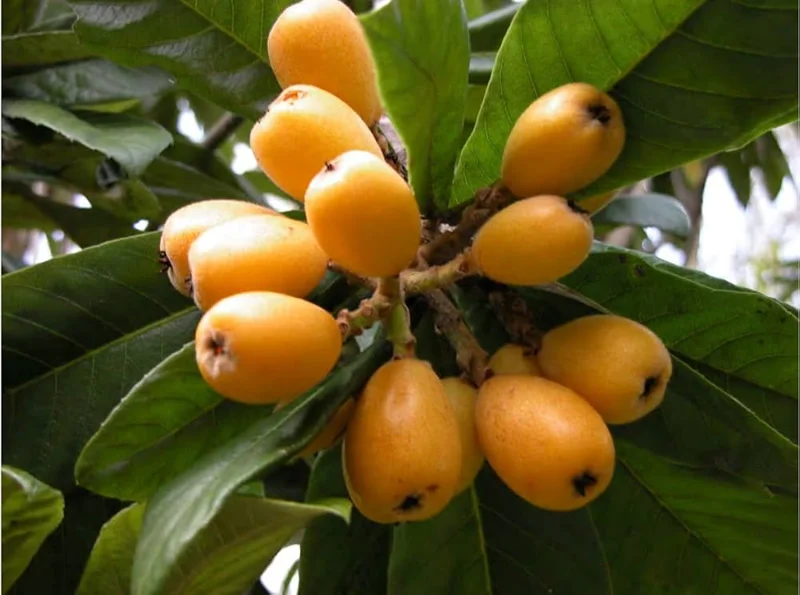
Bring the joy of fresh fruit to your garden with this loquat live plant. This hardy fruit tree is ideal for edible landscaping and offers delicious, sweet-tart fruit. Easy to grow and beautiful year-round.
$45.99

With our Alive & Thrive Guarantee, we’ve got your back for the first 30 days! If you have any concerns about your plants, just reach out to us. Our team is here to help answer your questions and guide you in selecting the best plants for your garden, climate, and unique preferences. We're excited to help you create the garden of your dreams!
Estimated arrival
Oct 14
Oct 19 - Oct 21
Oct 24 - Oct 28

Product Details
-
USDA Hardiness Zone
USDA zones 8-10 -
Soil type
Well-draining soil -
Sunlight Exposure
Full sun -
Expected Planting Period
Spring or fall
Overview
Introduce a touch of the exotic and the delicious to your garden with a loquat live plant. This beautiful and productive fruit tree, scientifically known as Eriobotrya japonica, is a fantastic addition to any landscape, offering both ornamental beauty and a bounty of sweet, tangy fruit. Known for its attractive evergreen foliage, fragrant flowers, and early-season fruit, the loquat is a versatile choice for gardeners looking for something unique and rewarding. Whether you’re an experienced horticulturist or a budding enthusiast, learning to grow loquat tree is a delightful journey that culminates in a harvest of delectable, juicy fruits.
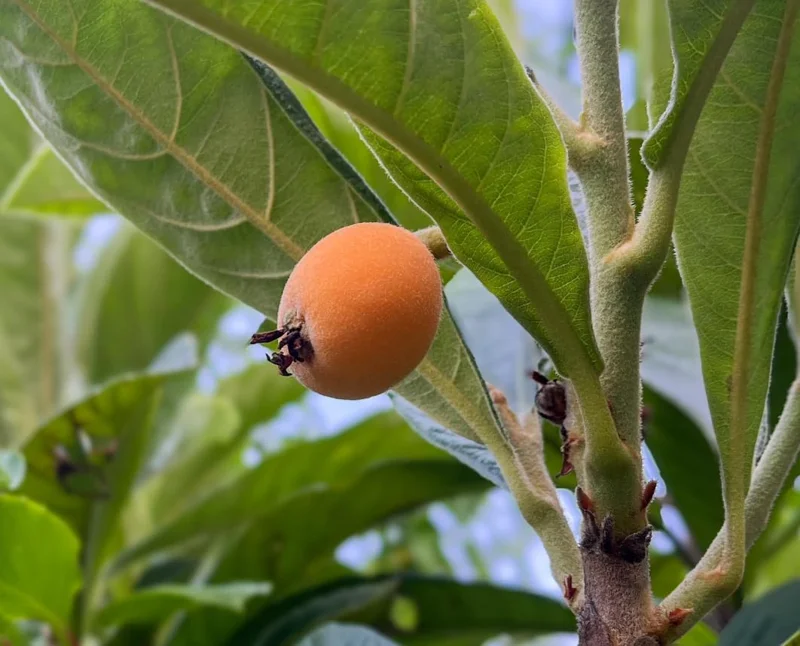
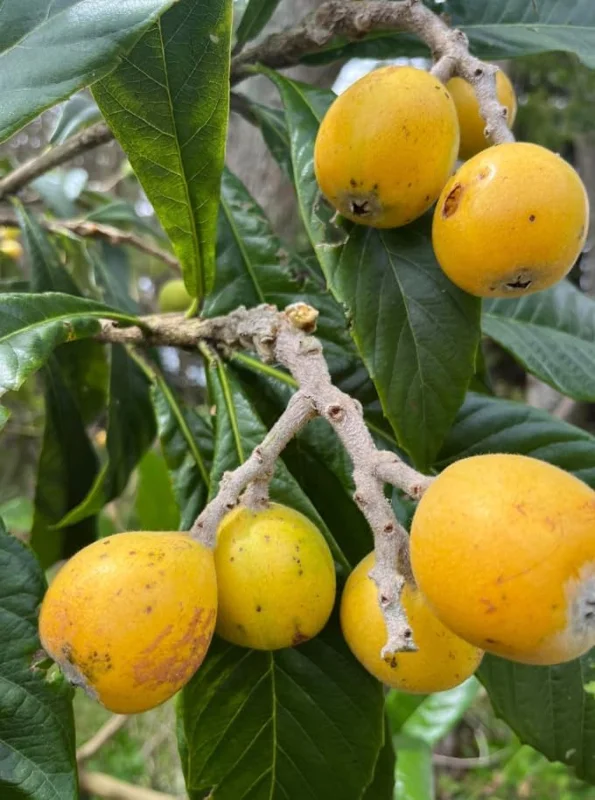
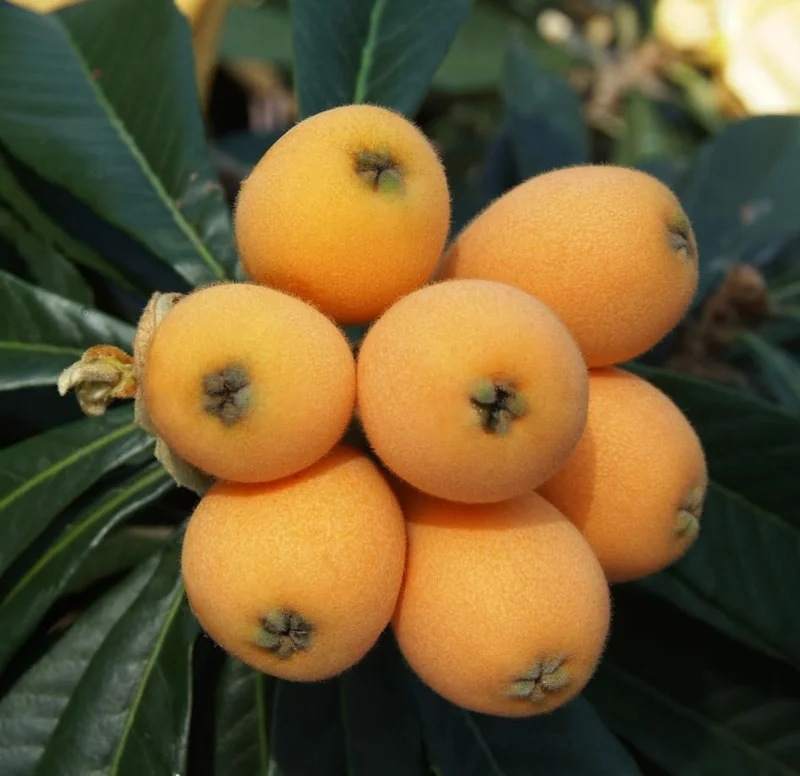
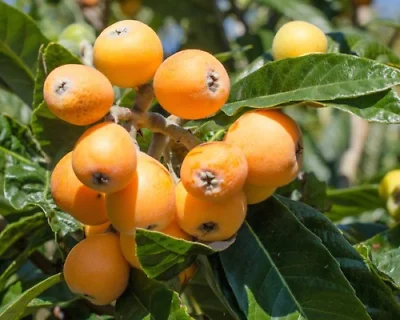
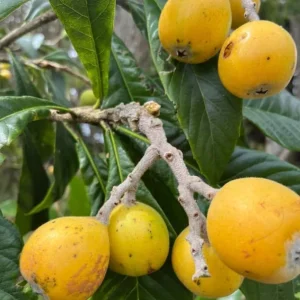
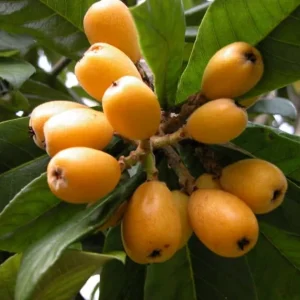
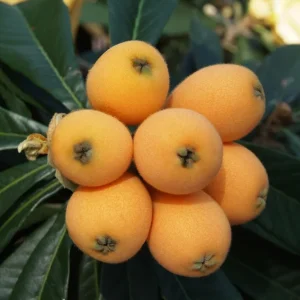
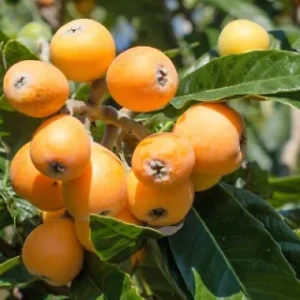
Originating from China, the loquat has spread its charm across the globe, becoming a popular choice for home gardens in many mild climates. Its broad, dark green leaves provide year-round visual interest, making it an excellent specimen tree or a vibrant addition to a mixed border. The fruit, resembling a small apricot, ripens in late winter to early spring, offering a refreshing taste experience when other fruits are scarce. This plant is not just a food source; it’s a living piece of art that enhances the aesthetic and ecological value of your outdoor space, making it perfect for edible landscaping.
Key Benefits
Adding a loquat tree to your garden brings a multitude of advantages, from its aesthetic appeal to its delicious yield. This resilient plant is an investment in both beauty and sustenance, providing enjoyment for years to come.
- Delicious and Unique Fruit: Enjoy a harvest of sweet-tart, juicy loquat fruits, typically ripening in late winter or early spring. These unique fruits are perfect for fresh eating, jams, jellies, or pies, offering a flavor profile often compared to a blend of peach, citrus, and cherry.
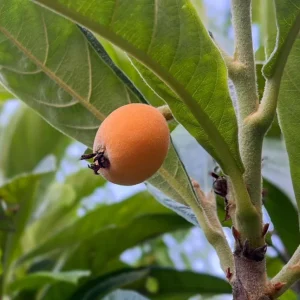
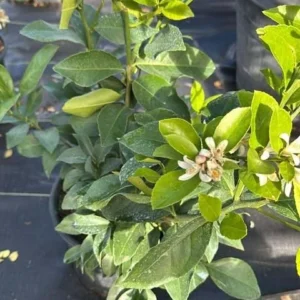
- Evergreen Beauty: The large, leathery, dark green leaves of the loquat live plant provide year-round visual interest, making it an attractive ornamental tree even when not in fruit. Its lush foliage adds a tropical touch to any garden.
- Fragrant Winter Blooms: Loquats produce clusters of small, fragrant, pale yellow to white flowers in the fall and early winter. These blooms not only add a lovely scent to your garden but also attract pollinators during a time when few other plants are flowering.
- Low Maintenance: Once established, the loquat tree is relatively low-maintenance, tolerating a range of soil conditions and requiring minimal pruning. This makes it an excellent choice for busy gardeners or those new to fruit tree cultivation.
- Versatile Landscaping Plant: Its moderate size and attractive appearance make it suitable for various garden roles, from a standalone specimen tree to a component of a mixed border or even a large container plant. It’s an ideal choice for edible landscaping.
- Hardy and Adaptable: The loquat is surprisingly hardy, thriving in USDA zones 8-10. It can withstand cooler temperatures than many other subtropical fruit trees, making it a reliable choice for many regions.
- Health Benefits: Loquat fruits are rich in vitamins, minerals, and antioxidants, contributing to a healthy diet. They are known for their potential to support digestion and overall well-being.
Plant Care & Growing Tips
To successfully grow loquat tree and ensure a bountiful harvest, understanding its specific care requirements is essential. Loquats are generally robust, but providing optimal conditions will lead to a healthier and more productive plant. When caring for your loquat live plant, consider its needs for sunlight, water, soil, and protection from extreme conditions.
Sunlight: Loquats thrive in full sun, meaning at least 6-8 hours of direct sunlight per day. While they can tolerate partial shade, full sun exposure promotes better fruit production and overall plant vigor. For best results, choose a location in your garden that receives ample morning sun and some afternoon shade in very hot climates to prevent leaf scorch. Watering: Young loquat trees require regular watering to establish a strong root system. Water deeply once or twice a week, especially during dry periods, ensuring the soil remains consistently moist but not waterlogged. Once established, loquats are quite drought-tolerant but will produce better fruit with consistent moisture. Reduce watering frequency during winter months. Soil: Loquats prefer well-draining soil with a slightly acidic to neutral pH (6.0-7.0). They can adapt to various soil types, including sandy, loamy, or clay soils, as long as drainage is adequate. Amend heavy clay soils with organic matter to improve drainage. Temperature & Hardiness: This fruit tree is best suited for USDA hardiness zones 8-10. While mature trees can tolerate brief dips in temperature down to about 10-15°F (-12 to -9°C), young trees and flowering buds are more susceptible to frost damage. Consider covering young plants during unexpected freezes. Fertilization: Feed your loquat tree with a balanced, slow-release fertilizer in early spring and again in mid-summer. Avoid over-fertilizing, which can promote lush foliage at the expense of fruit production. Follow product instructions for application rates. Pruning: Prune your loquat tree in late spring or early summer after fruiting. Remove any dead, diseased, or crossing branches. You can also prune to maintain a desired size and shape, or to open up the canopy for better air circulation and sunlight penetration.
Size & Details
Loquat trees have a moderate growth rate and can reach mature heights of 15-25 feet, with a similar spread, if left unpruned. However, they can be easily maintained at a smaller size through regular pruning, making them suitable for smaller gardens or even large pots. Expect the plant to establish quickly once planted in its permanent location, with fruit production typically beginning within 3-5 years. The plant will arrive carefully packaged to ensure its safety during transit, ready for planting upon arrival.
Frequently Asked Questions
- Q: Is this an indoor or outdoor plant? A: The loquat is primarily an outdoor fruit tree, best suited for USDA zones 8-10. While it can be grown in a large container and moved indoors in colder climates, it generally thrives outdoors in full sun.
- Q: How much sunlight does a loquat tree need? A: Loquat trees require full sun, meaning at least 6-8 hours of direct sunlight per day, to produce the best fruit and maintain vigorous growth.
- Q: Is this plant easy to care for? A: Yes, loquat trees are relatively easy to care for once established. They are drought-tolerant and require minimal pruning, making them a good choice for both experienced and novice gardeners. Learning to grow loquat tree is straightforward.
- Q: What condition will the loquat live plant arrive in? A: Your loquat live plant will arrive carefully packaged in its 1-gallon nursery pot, with a healthy root system and foliage, ready for planting. We take great care to ensure safe transit.
- Q: When is the best time to plant a loquat tree? A: The best time to plant a loquat tree is in the spring or fall, allowing it to establish its root system before extreme summer heat or winter cold.
- Q: Will it survive winter in my zone? A: Loquat trees are hardy in USDA zones 8-10. If you are in zone 7 or colder, you may need to provide winter protection for young plants or grow it in a container that can be moved indoors.
- Q: Can I grow a loquat in a large pot? A: Yes, loquats can be successfully grown in large containers, especially in colder climates where they can be moved indoors during winter. Ensure the pot has good drainage and is large enough to accommodate root growth.
- Q: What are loquat fruits used for? A: Loquat fruits are delicious fresh, but can also be used in jams, jellies, pies, sauces, and even fermented into wine. They are excellent for edible landscaping.
Related products
-20%
Original price was: $32.00.$25.60Current price is: $25.60.
-20%
Original price was: $36.00.$28.80Current price is: $28.80.
-20%
Original price was: $31.98.$25.58Current price is: $25.58.
-20%
Original price was: $80.00.$64.00Current price is: $64.00.
-7%
Original price was: $105.99.$98.99Current price is: $98.99.
-20%
Original price was: $36.00.$28.80Current price is: $28.80.
-20%
Original price was: $60.00.$48.00Current price is: $48.00.
PLANTING & CARE
Lemon Tree Growing: Choose, Plant, and Harvest
Learn how to choose, plant, feed, and protect a lemon tree so it fits your
23
Sep
Sep
Dwarf Meyer Lemon Tree Australia: Climate Guide
Learn where dwarf Meyer lemon trees grow, how much cold they tolerate, and whether Australia,
Where to Buy a Dwarf Meyer Lemon Tree: Buyer’s Guide
Find the right dwarf Meyer lemon tree online or locally, compare starter sizes and costs,
Dwarf Meyer Lemon Tree for Sale: Buying Guide
Compare Meyer lemon tree sizes, prices, shipping limits, indoor growing and California options before you
Dwarf Meyer Lemon Tree Guide: Size, Care and Fruit
META: Learn how large a dwarf Meyer lemon tree grows, where it thrives, and how
How to Prune a Dwarf Meyer Lemon Tree
Learn when and how to prune a dwarf Meyer lemon tree, including tools, shaping cuts,
Can You Grow a Dwarf Meyer Lemon Tree in a Pot?
META: Learn how to grow a dwarf Meyer lemon tree in a pot, including container
When Do Dwarf Meyer Lemon Trees Bloom and Fruit?
META: Dwarf Meyer lemon trees usually bloom from winter through spring and may flower again