Luffa Acutangula Seeds – Angled Luffa Ridge Gourd, 10 Seeds for Edible Fruits & Sponges
-50%
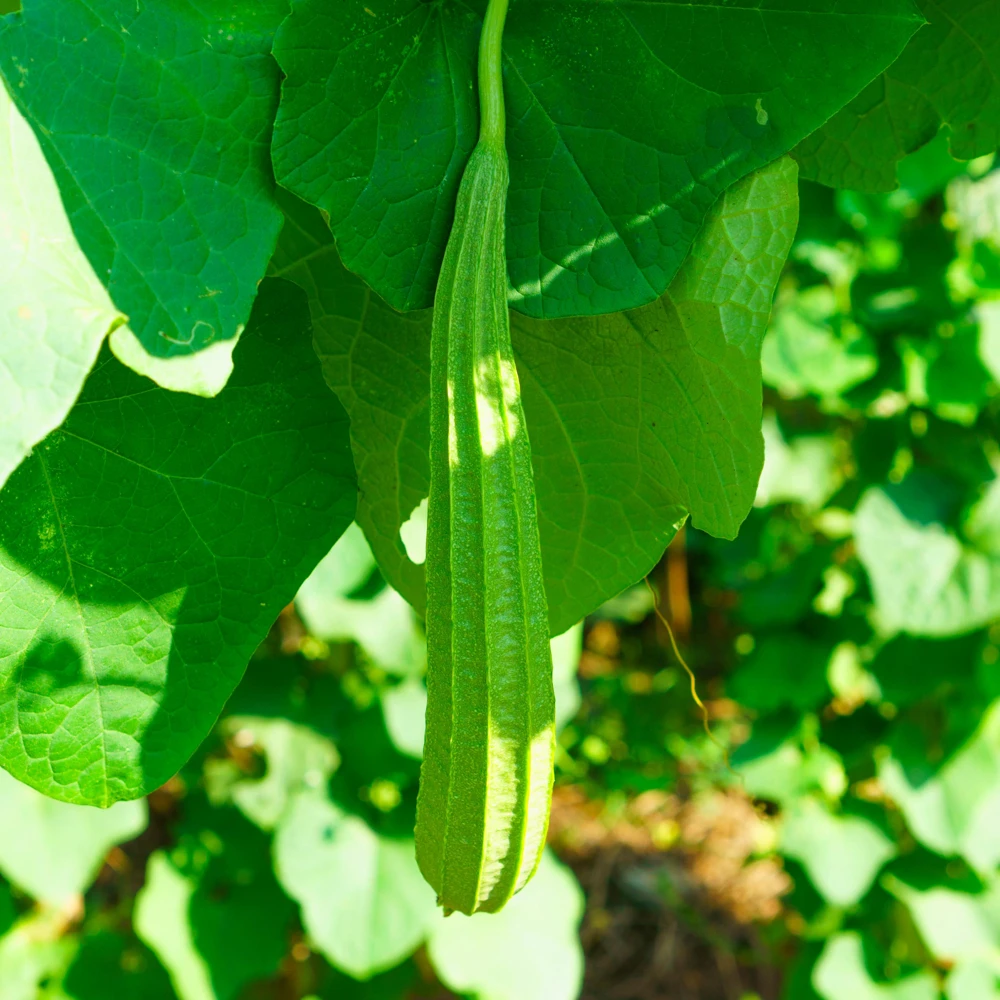
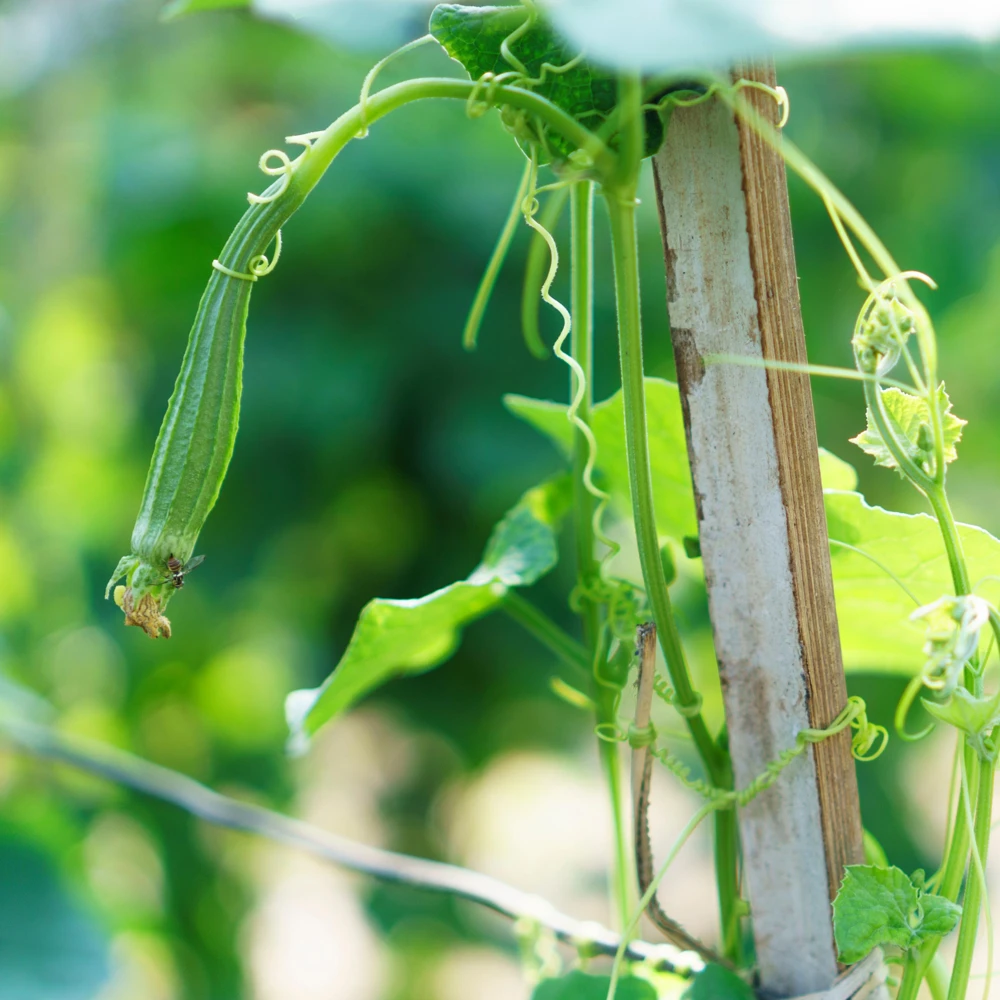
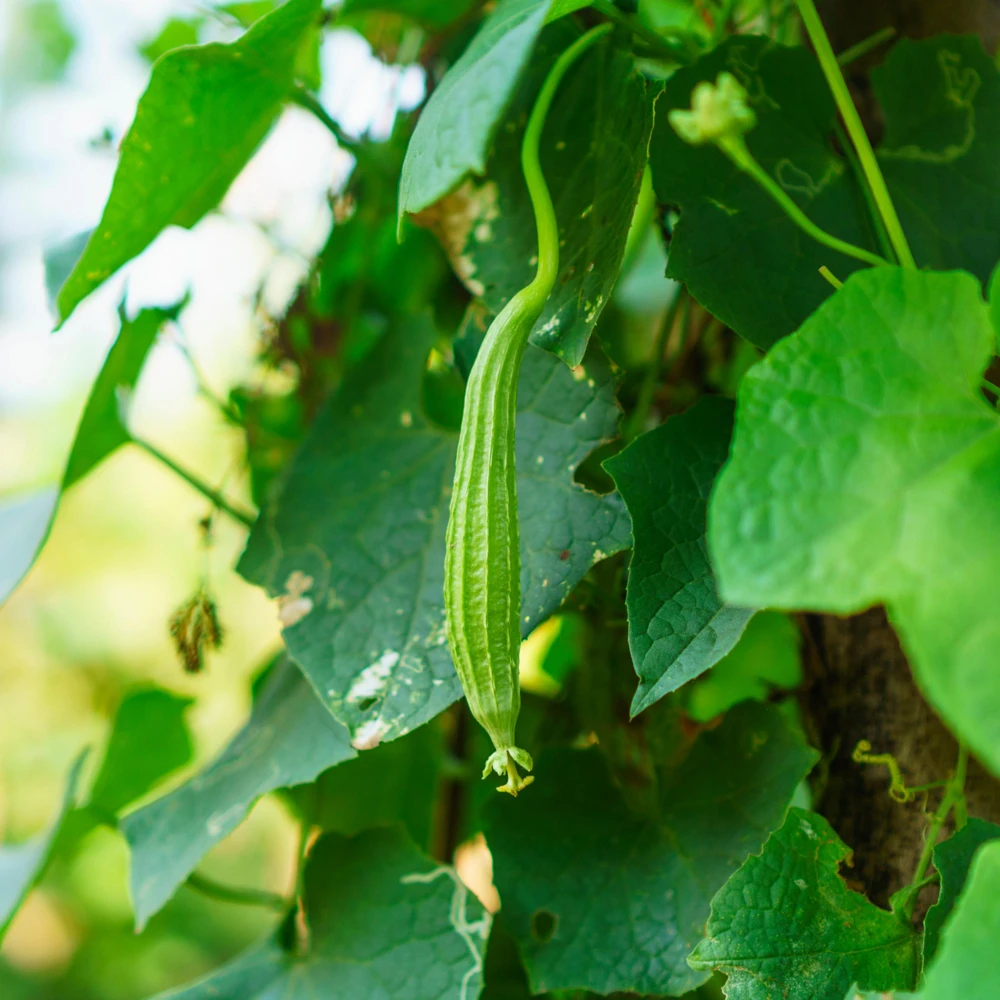
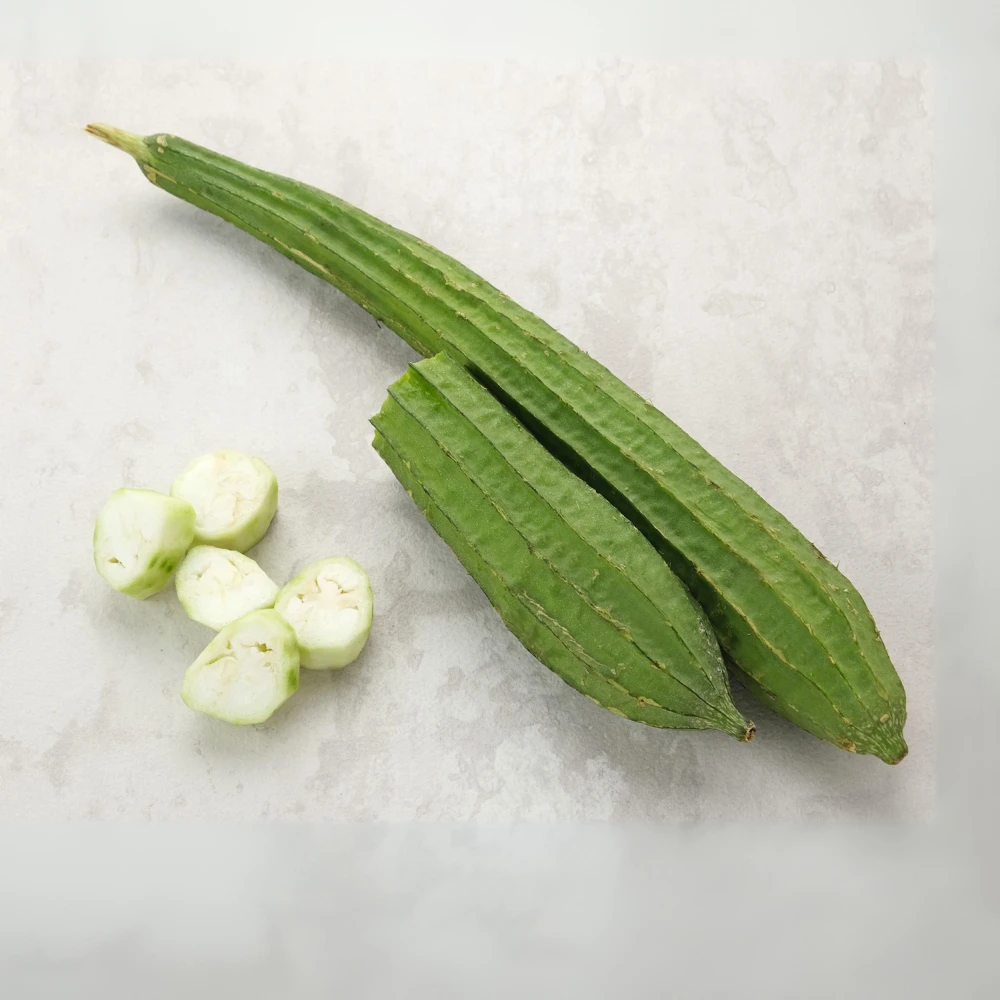
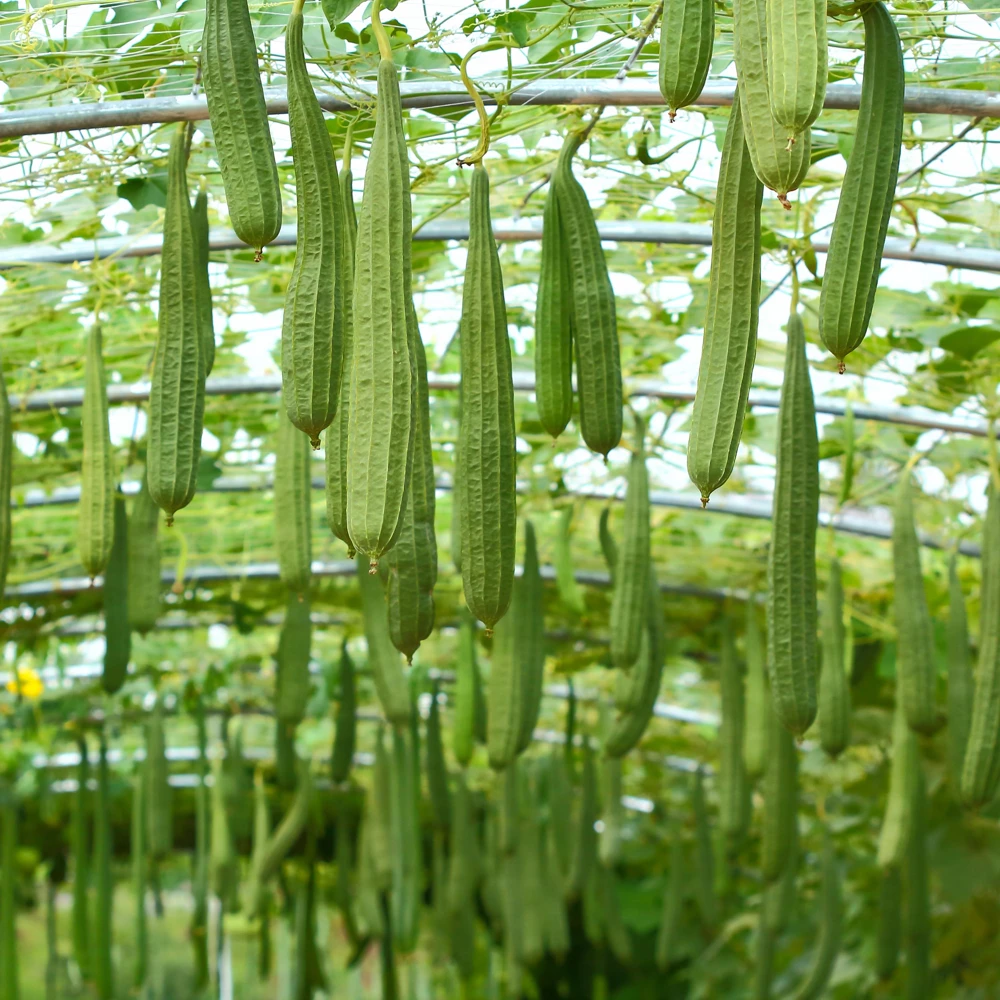
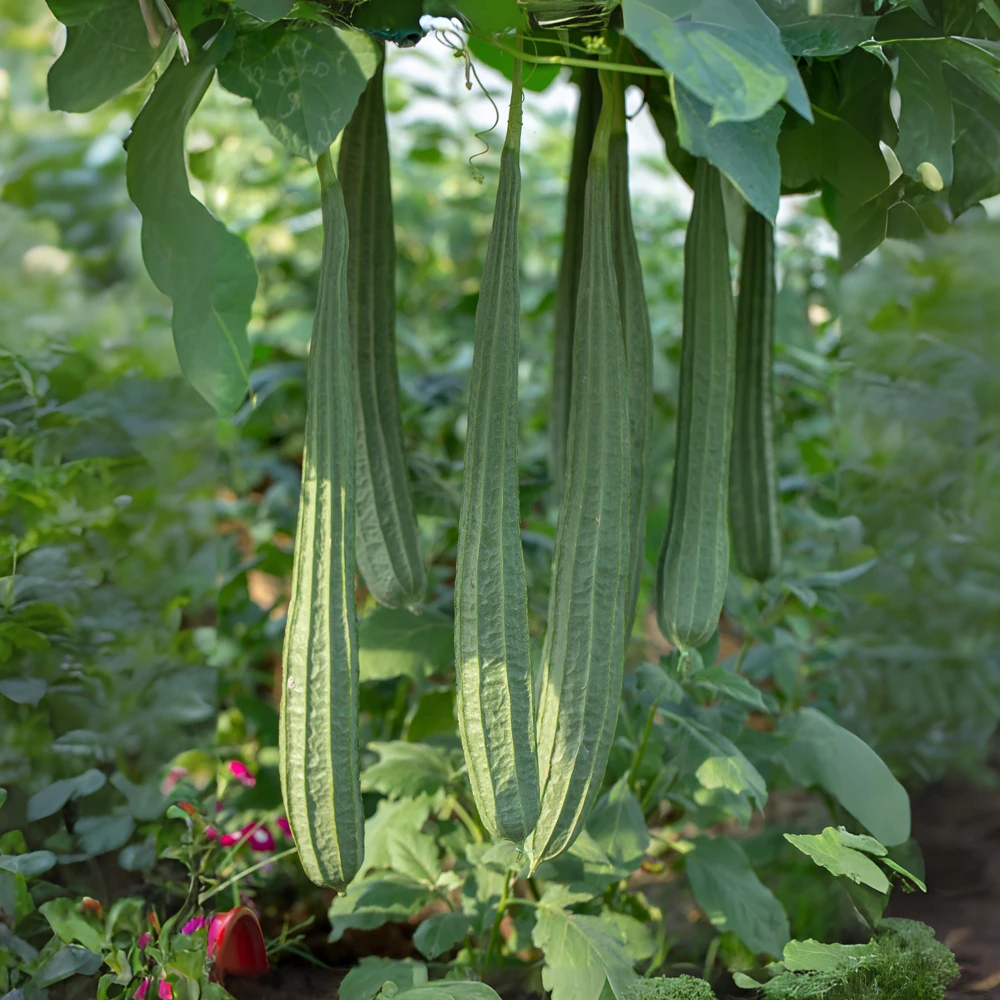
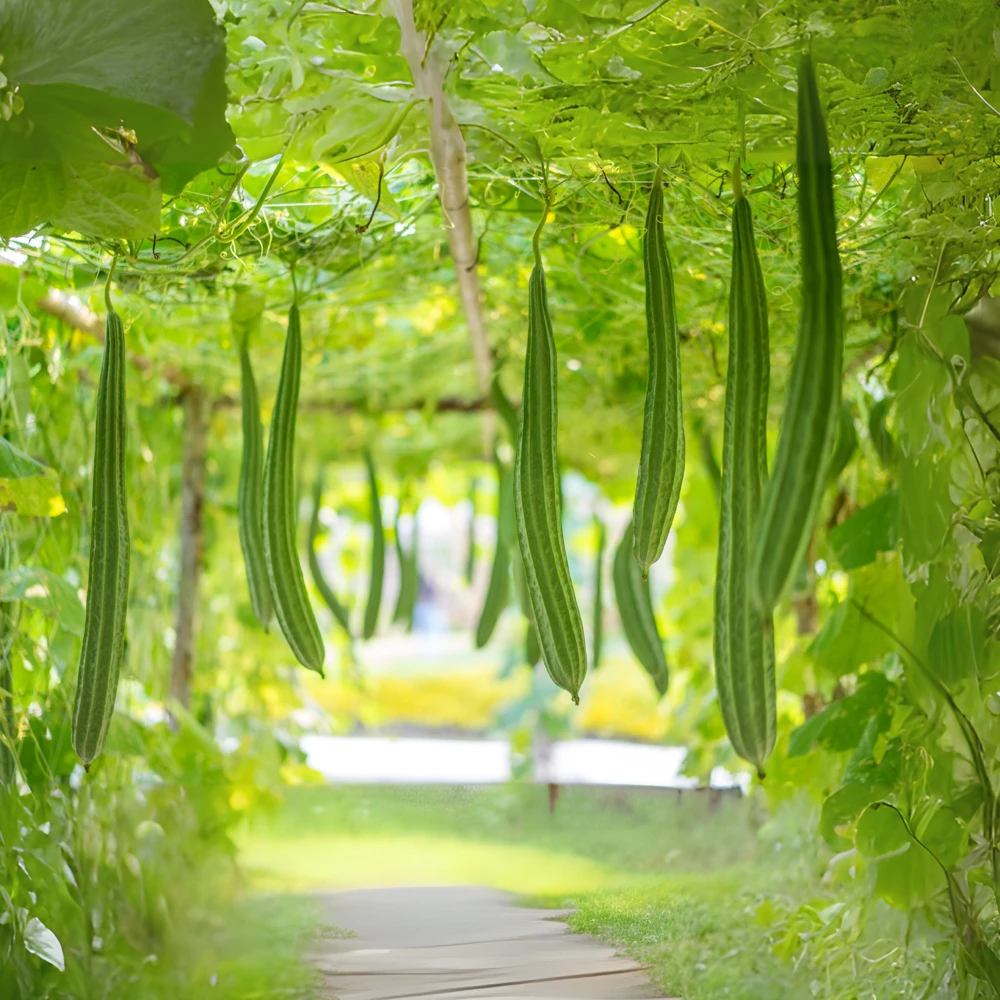
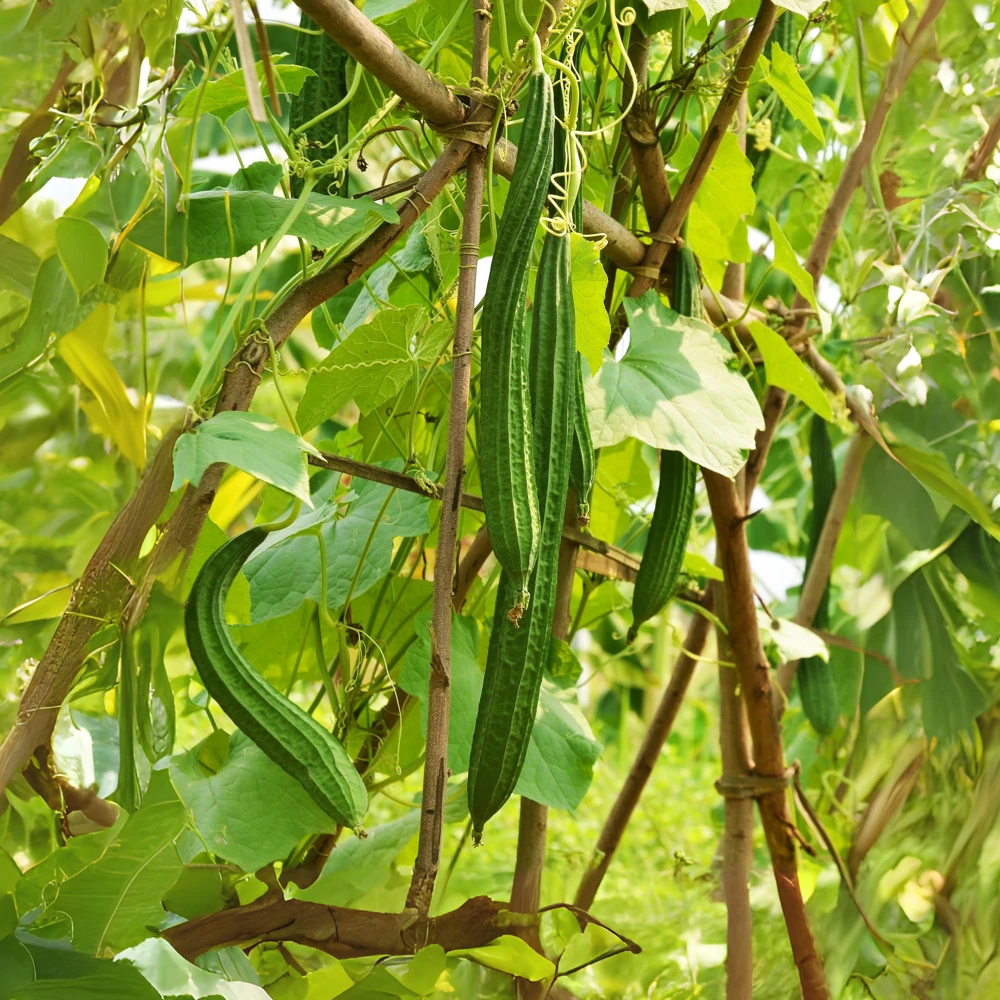
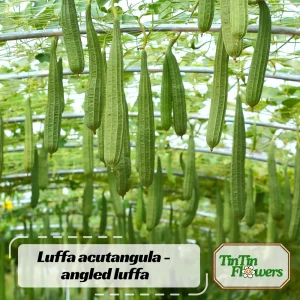
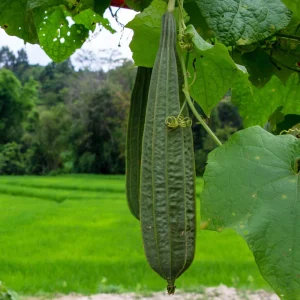
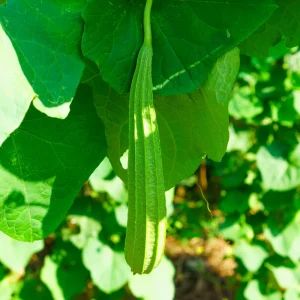
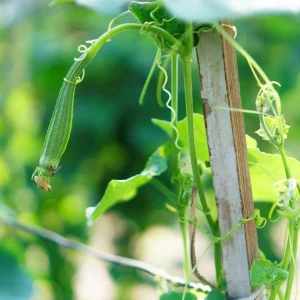
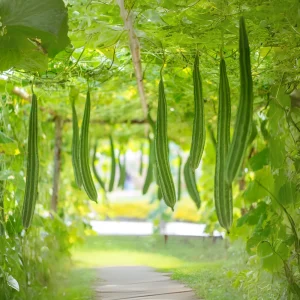
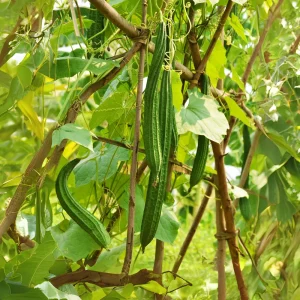
Luffa Acutangula Seeds – Angled Luffa Ridge Gourd, 10 Seeds for Edible Fruits & Sponges
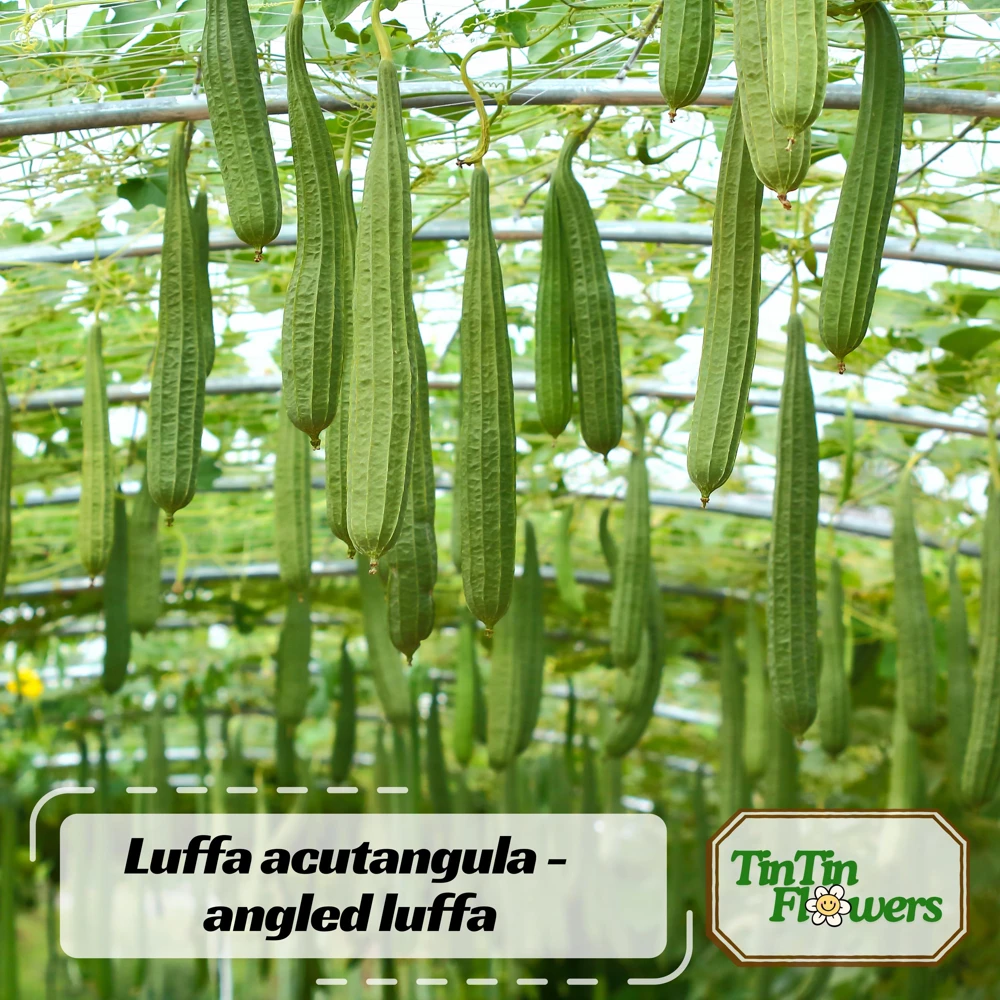
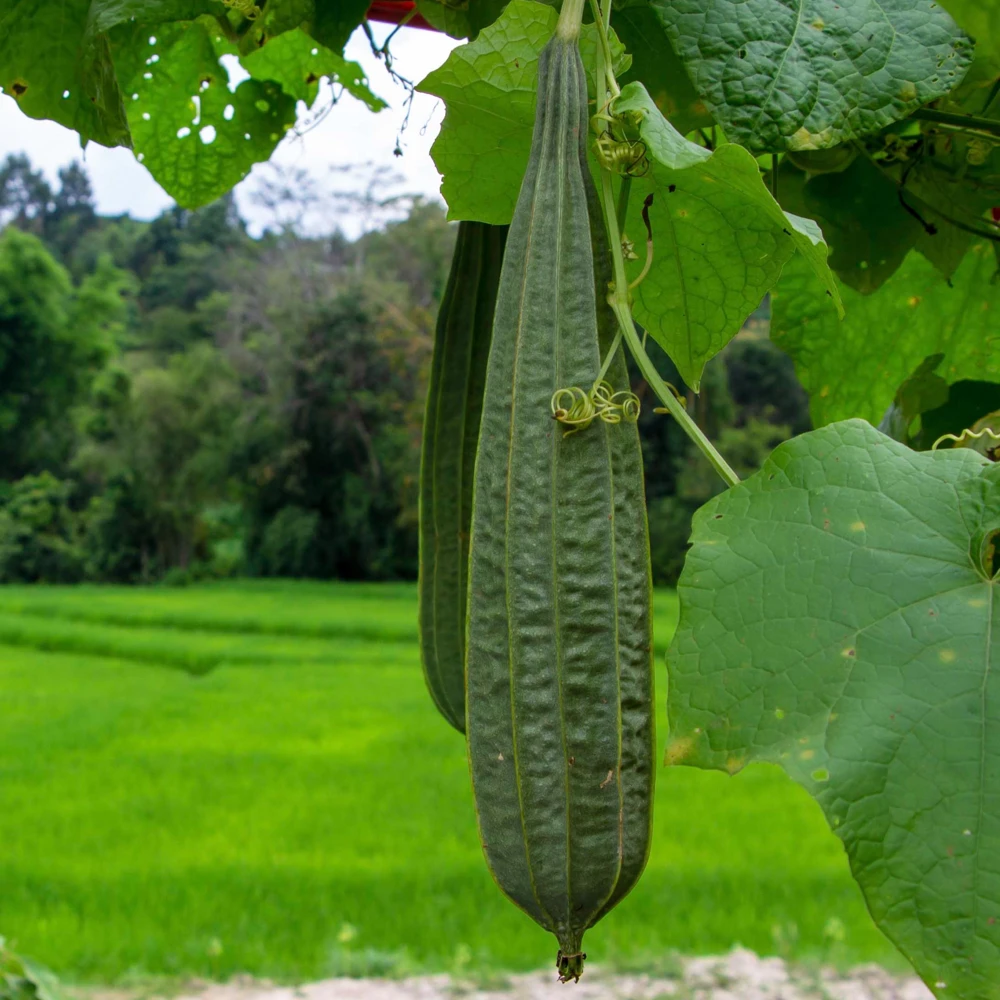
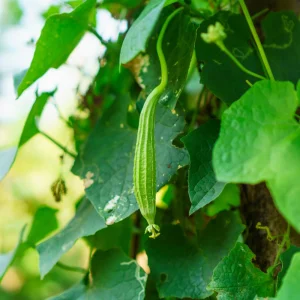
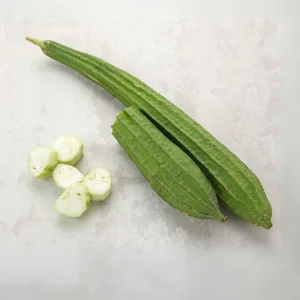
Cultivate your own versatile luffa acutangula seeds, also known as angled luffa seeds or ridge gourd seeds. These high-quality seeds produce plants yielding delicious young fruits for culinary use and mature gourds for natural sponges. Perfect for gardeners seeking an interesting and productive vine.
Original price was: $994.34.$497.16Current price is: $497.16.

With our Alive & Thrive Guarantee, we’ve got your back for the first 30 days! If you have any concerns about your plants, just reach out to us. Our team is here to help answer your questions and guide you in selecting the best plants for your garden, climate, and unique preferences. We're excited to help you create the garden of your dreams!
Estimated arrival
Oct 08
Oct 13 - Oct 15
Oct 18 - Oct 22






Product Details
-
USDA Hardiness Zone
unknown -
Soil type
Fertile, well-drained, compost-rich loam -
Sunlight Exposure
Full sun (6–8 hrs daily) -
Expected Planting Period
Late spring to early summer (after last frost)
Overview
Embark on a rewarding gardening journey with our premium luffa acutangula seeds. Known by several common names such as Angled Luffa, Ridge Gourd, Egyptian Cucumber, or Vietnamese Luffa, Luffa acutangula is a vigorous climbing vine celebrated for its dual utility. These seeds promise to grow into robust plants that produce both tender, edible young fruits and, if left to mature, fibrous gourds that can be processed into natural exfoliating sponges. Ideal for home gardens, this plant offers a unique blend of culinary delight and practical household use, making it a favorite among gardening enthusiasts in the US.
Our luffa acutangula seeds are carefully selected to ensure high germination rates and healthy plant development. Whether you’re an experienced gardener or just starting out, growing this fascinating plant is a fulfilling experience. The lush foliage and interesting fruits add an exotic touch to any garden space, while providing a bountiful harvest for your kitchen and home. Discover the joy of cultivating your own ridge gourds and luffa sponges from these exceptional seeds.
Key Benefits
Growing luffa acutangula seeds offers a multitude of advantages for the home gardener:
-
Dual-Purpose Harvest: Enjoy the best of both worlds with this versatile plant. Harvest young fruits (6-12 inches) for delicious culinary applications, or allow them to mature on the vine to create natural, eco-friendly luffa sponges for bathing and cleaning.
-
Nutritious Edible Fruits: The young ridge gourds are tender and flavorful, perfect for stir-fries, soups, curries, and other Asian-inspired dishes. They are a healthy addition to any diet, rich in vitamins and minerals.
-
Natural Sponge Production: For those interested in sustainable living, allowing the gourds to mature provides a renewable source of natural sponges. These sponges are excellent for exfoliation and can replace synthetic alternatives.
-
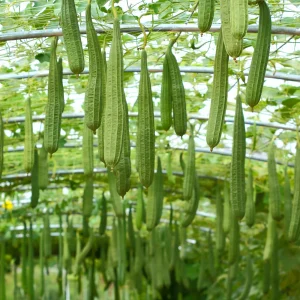
Vigorous Growth:Luffa acutangula is a fast-growing vine, providing ample foliage and a generous yield with proper care. It quickly covers trellises or fences, adding an attractive green screen to your garden.
-
Rewarding Gardening Experience: Watching these unique gourds develop from flower to fruit and then to sponge is an incredibly satisfying experience for gardeners of all skill levels. It’s an engaging plant that provides continuous interest throughout its growing season.
-
Supports Pollinators: The flowers of the luffa plant attract beneficial pollinators to your garden, contributing to a healthier and more productive ecosystem.
Plant Care & Growing Tips
Successful cultivation of luffa acutangula seeds requires attention to a few key environmental factors. Begin by soaking the seeds in warm water for 12-24 hours to soften their tough outer coat, which significantly aids germination. Optionally, you can lightly nick the seed edge (scarify) to further improve sprouting. Sow seeds at a depth of 1-2 cm (½–¾ in) in well-draining soil. Optimal germination temperatures range from 22–30°C (72–86°F), with sprouting typically occurring within 7-14 days. Providing consistent warmth is crucial during this initial phase to ensure a strong start for your plants.
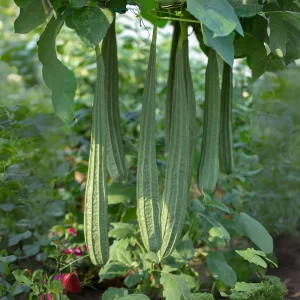
Once established, ridge gourd seeds thrive in full sun, requiring at least 6-8 hours of direct sunlight daily. The ideal soil is fertile, well-drained, and rich in organic matter, such as compost-rich loam. Space your plants 18-24 inches (45-60 cm) apart to allow for adequate air circulation and growth. As a long climbing vine, Luffa acutangula absolutely needs a sturdy trellis, fence, or other support structure to climb, which also helps keep the fruits off the ground and prevents disease. Keep the soil evenly moist but never waterlogged, especially during dry periods and when fruits are developing. For best results, feed your plants with organic compost or a balanced fertilizer every 2-3 weeks throughout the growing season. Understanding how to grow luffa acutangula successfully ensures a bountiful harvest.
Harvesting is a critical step for maximizing the utility of your luffa plants. For culinary use, pick the young fruits when they are 6-12 inches (15-30 cm) long. At this stage, they are tender and perfect for stir-fries, curries, and soups. If you intend to make natural sponges, allow the gourds to mature fully on the vine until they turn yellow or brown and feel light. Once mature, peel the skin, remove the seeds, and rinse the fibrous interior to reveal your homemade luffa sponges. This process for how to grow luffa acutangula from seed to sponge is incredibly rewarding.
Size & Details
This package contains 1 full pack of 10 premium luffa acutangula seeds, ensuring you have enough to start a productive garden. Each seed holds the potential to grow into a vigorous vine that can reach considerable lengths, often extending 10-20 feet or more with adequate support. The young edible fruits typically grow to be 6-12 inches long, while gourds left to mature for sponges can become much larger. The growth rate is rapid, with plants often producing fruits within 60-90 days from germination under optimal conditions. These seeds are suitable for planting in USDA zones where warm season crops thrive, generally above zone 6 once the danger of frost has passed.
The plants will require substantial vertical space to climb, making them an excellent choice for arbors, pergolas, or strong trellises. Expect a continuous harvest of young fruits throughout the summer months. For sponge production, allow the fruits to remain on the vine until they are fully mature and dry, typically into late summer or early fall. The luffa sponge plant offers a unique and sustainable harvest for both kitchen and home.
Frequently Asked Questions
-
Q: How big does the luffa acutangula plant get? A: This is a vigorous climbing vine that can reach lengths of 10 to 20 feet or more, depending on growing conditions and support. It requires a sturdy trellis or fence to support its growth and the weight of its fruits.
-
Q: Is this an indoor or outdoor plant? A: Luffa acutangula is primarily an outdoor plant, thriving in warm climates with full sun exposure. It needs a long, warm growing season to produce fruit and mature gourds. While it can be started indoors, it must be transplanted outside.
-
Q: How much sunlight does it need? A: These plants require at least 6-8 hours of direct sunlight per day to produce a good harvest. Full sun is crucial for healthy growth and fruit development of your ridge gourd seeds.
-
Q: Is this plant easy to care for? A: While needing consistent warmth, sunlight, and a support structure, luffa plants are relatively easy to care for once established. Regular watering and feeding will ensure a productive harvest. They are a great choice for gardeners looking for something unique to grow luffa acutangula.
-
Q: What condition will the seeds arrive in? A: Your luffa acutangula seeds will arrive as a pack of 10 high-quality, viable seeds, carefully packaged to ensure their integrity during transit, ready for planting.
-
Q: Can I use the fruits for cooking? A: Yes, the young fruits (6-12 inches long) of the angled luffa are delicious and commonly used in Asian cuisine. They are tender and mild, perfect for stir-fries, soups, and curries, offering a unique texture and flavor.
-
Q: When is the best time to plant luffa acutangula seeds? A: The best time to plant is after all danger of frost has passed in your region, typically in late spring or early summer, when soil temperatures are consistently warm. This allows for a long growing season for the vines to mature.
-
Q: How long until it produces fruit or sponges? A: You can expect to start harvesting young edible fruits within 60-90 days from germination. If you’re growing for sponges, it will take longer, typically 120-150 days or until the gourds are fully mature and dry on the vine.
-
Q: What’s the minimum temperature these plants can tolerate? A: Luffa acutangula is a warm-season crop and is very sensitive to frost. It thrives in temperatures between 70-85°F (21-29°C) and cannot tolerate temperatures below 50°F (10°C) for extended periods.
-
Q: Is this the same as the luffa used for sponges? A: While Luffa acutangula can produce sponges, the more common species for sponge production is Luffa aegyptiaca (smooth luffa). However, if left to mature, the angled luffa also develops a fibrous interior suitable for use as a natural sponge, making it a true luffa sponge plant.
Related products
-48%

Original price was: $28.99.$14.99Current price is: $14.99.
-48%
Original price was: $28.99.$14.99Current price is: $14.99.
-48%
Original price was: $28.99.$14.99Current price is: $14.99.
-50%

Original price was: $19.00.$9.50Current price is: $9.50.
-50%
Original price was: $181.98.$90.99Current price is: $90.99.
-50%


Original price was: $59.96.$29.98Current price is: $29.98.
-48%


Original price was: $28.99.$14.99Current price is: $14.99.
-50%


Original price was: $19.96.$9.98Current price is: $9.98.
PLANTING & CARE
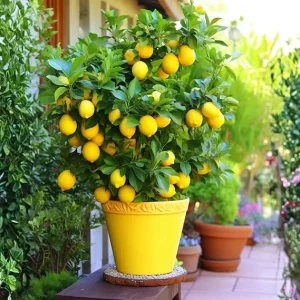
Lemon Tree Growing: Choose, Plant, and Harvest
Learn how to choose, plant, feed, and protect a lemon tree so it fits your
23
Sep
Sep
Dwarf Meyer Lemon Tree Australia: Climate Guide
Learn where dwarf Meyer lemon trees grow, how much cold they tolerate, and whether Australia,
Where to Buy a Dwarf Meyer Lemon Tree: Buyer’s Guide
Find the right dwarf Meyer lemon tree online or locally, compare starter sizes and costs,
Dwarf Meyer Lemon Tree for Sale: Buying Guide
Compare Meyer lemon tree sizes, prices, shipping limits, indoor growing and California options before you
Dwarf Meyer Lemon Tree Guide: Size, Care and Fruit
META: Learn how large a dwarf Meyer lemon tree grows, where it thrives, and how
How to Prune a Dwarf Meyer Lemon Tree
Learn when and how to prune a dwarf Meyer lemon tree, including tools, shaping cuts,
Can You Grow a Dwarf Meyer Lemon Tree in a Pot?
META: Learn how to grow a dwarf Meyer lemon tree in a pot, including container
When Do Dwarf Meyer Lemon Trees Bloom and Fruit?
META: Dwarf Meyer lemon trees usually bloom from winter through spring and may flower again