Lupine Seeds – Bluebonnet Wildflower – Perennial Flower Seeds – 30 Seeds
-50%
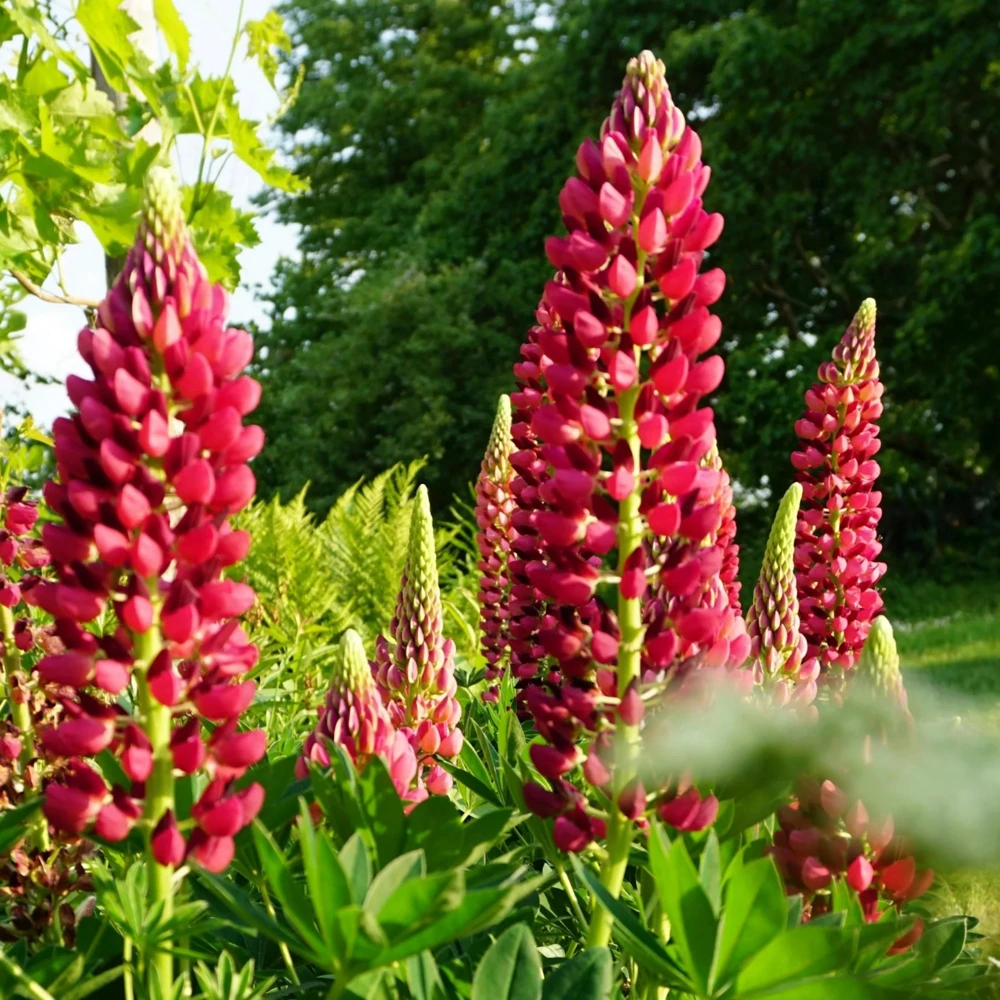
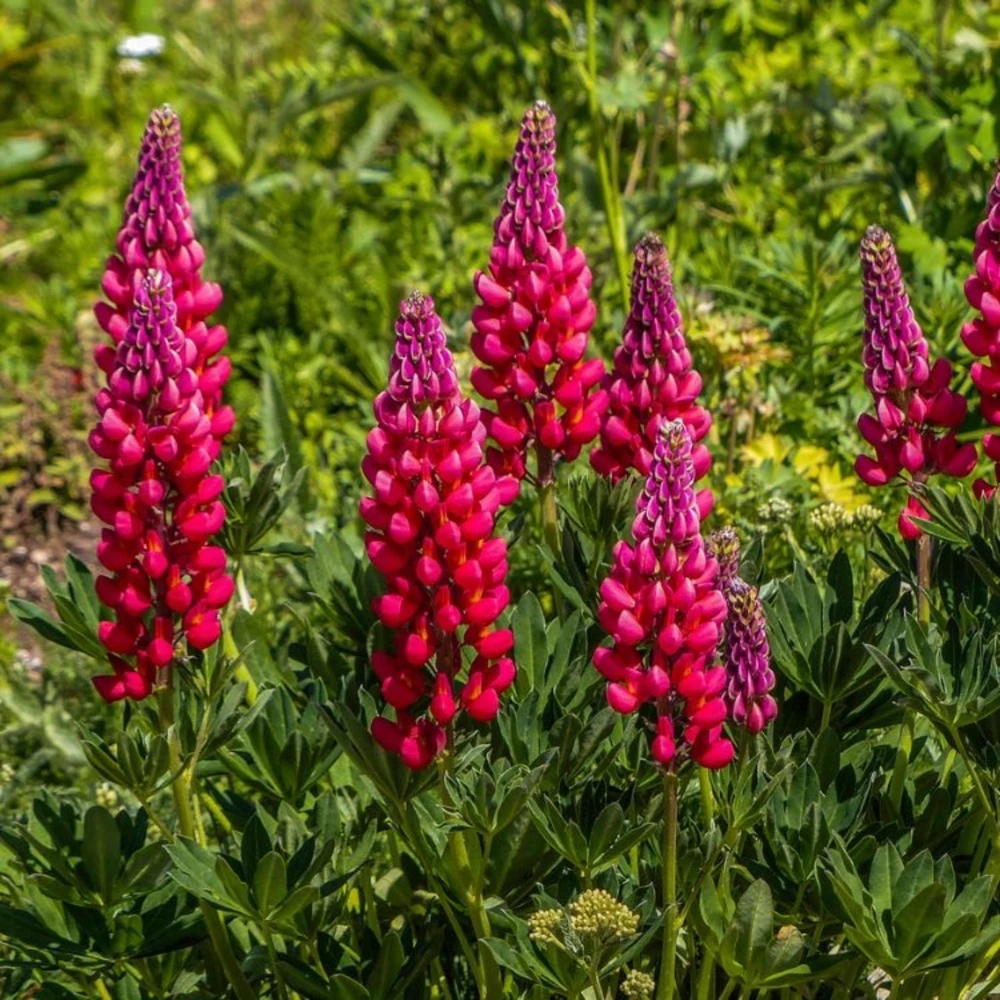
Lupine Seeds – Bluebonnet Wildflower – Perennial Flower Seeds – 30 Seeds
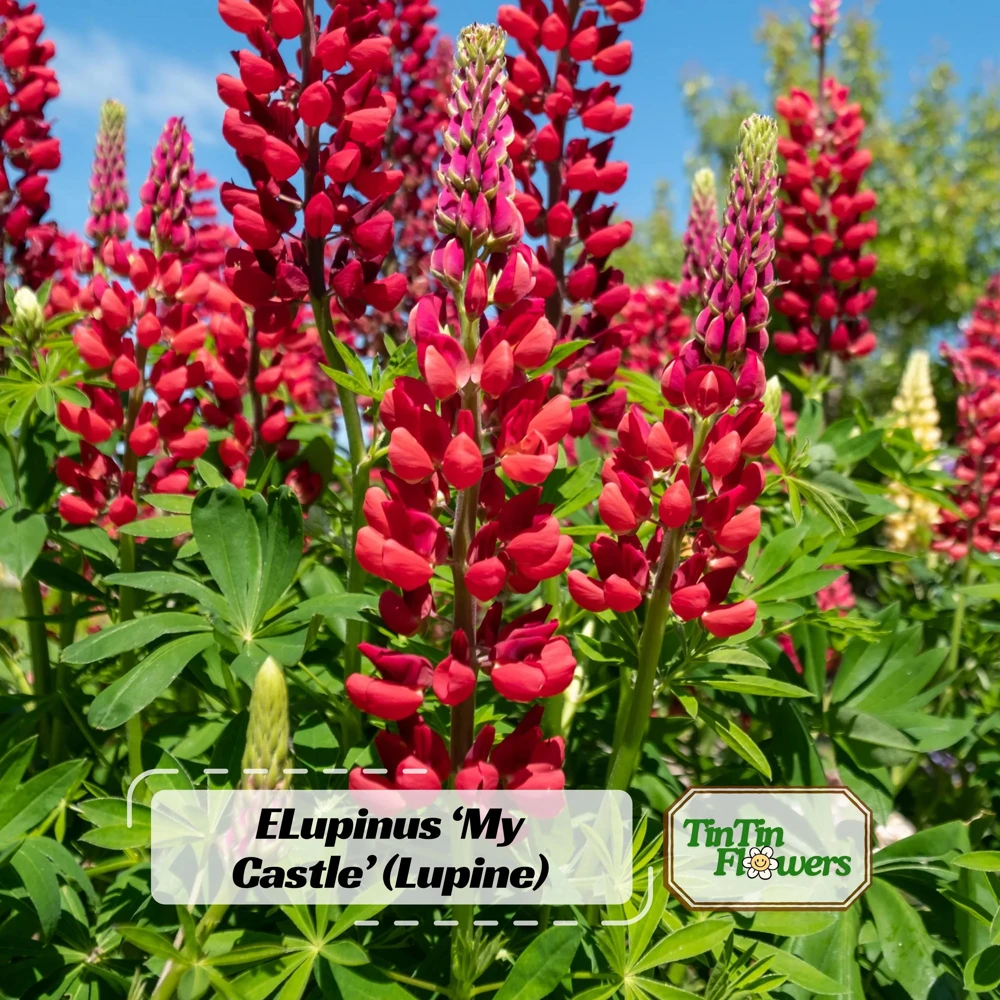
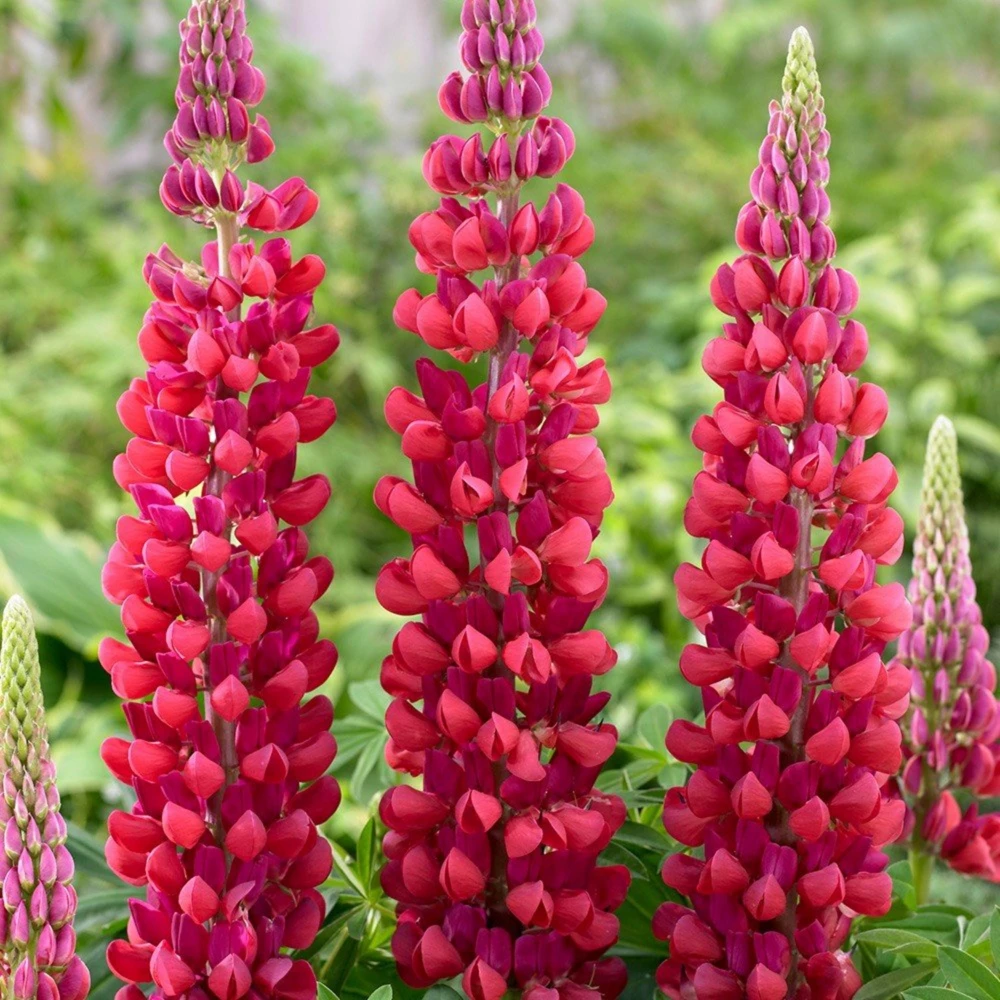
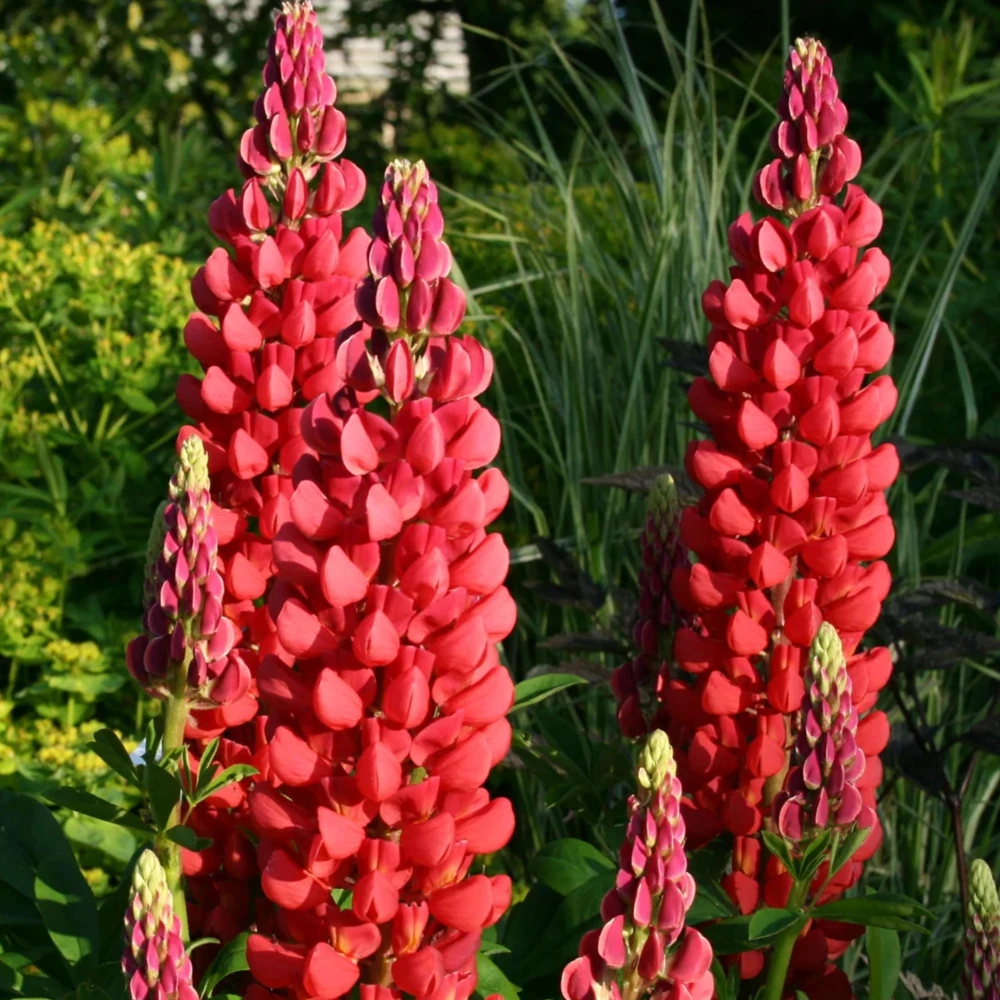
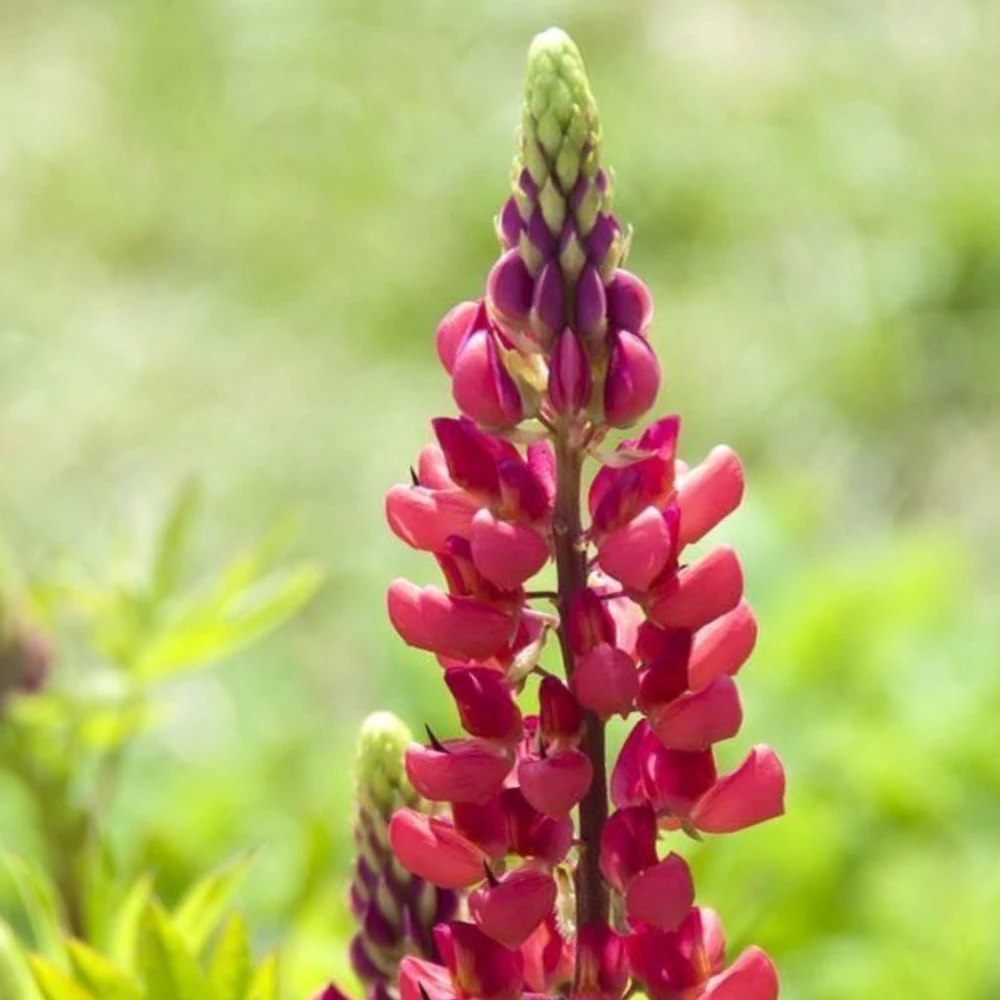
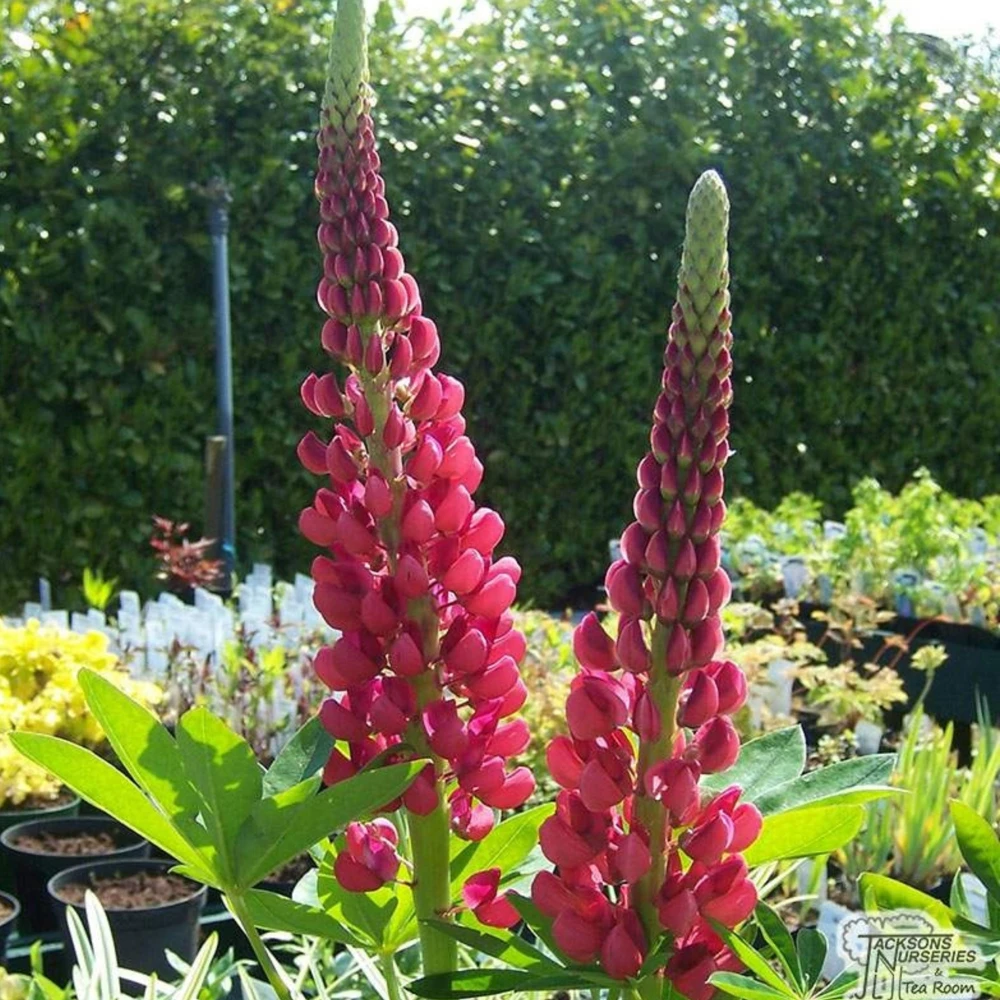
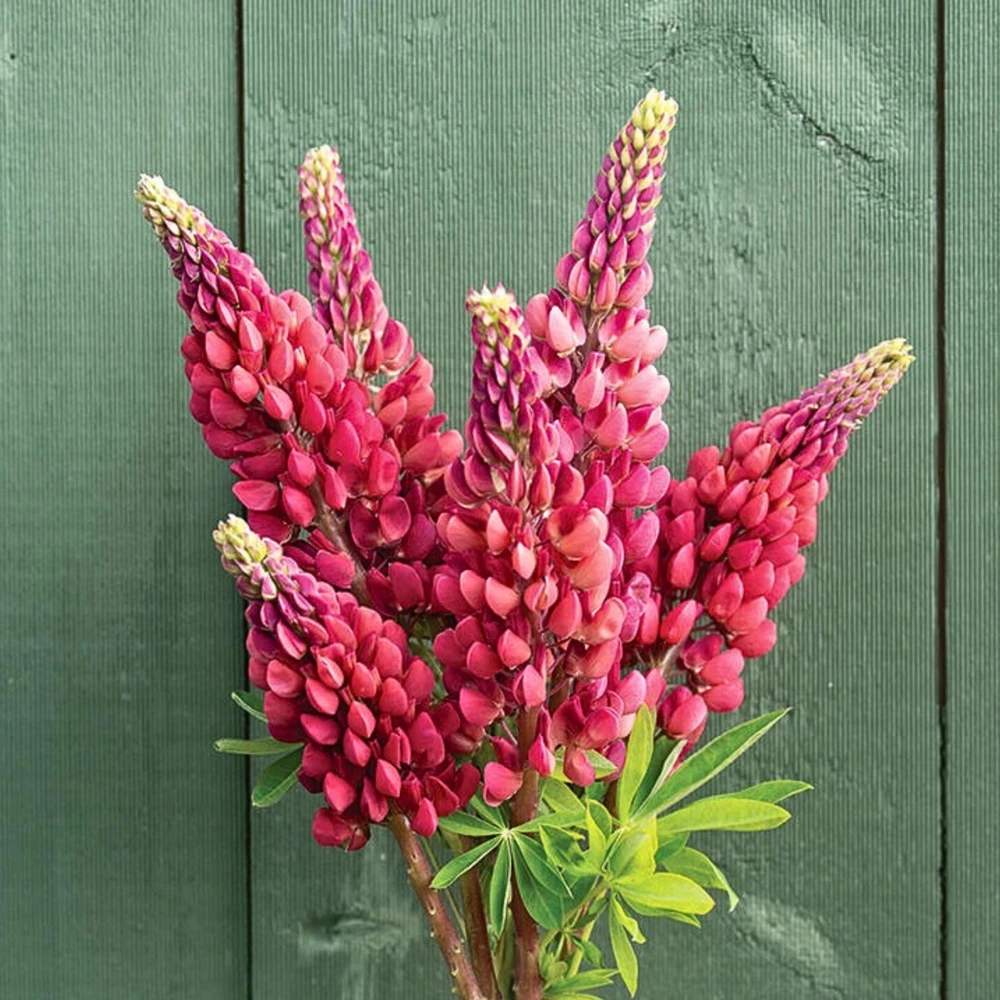
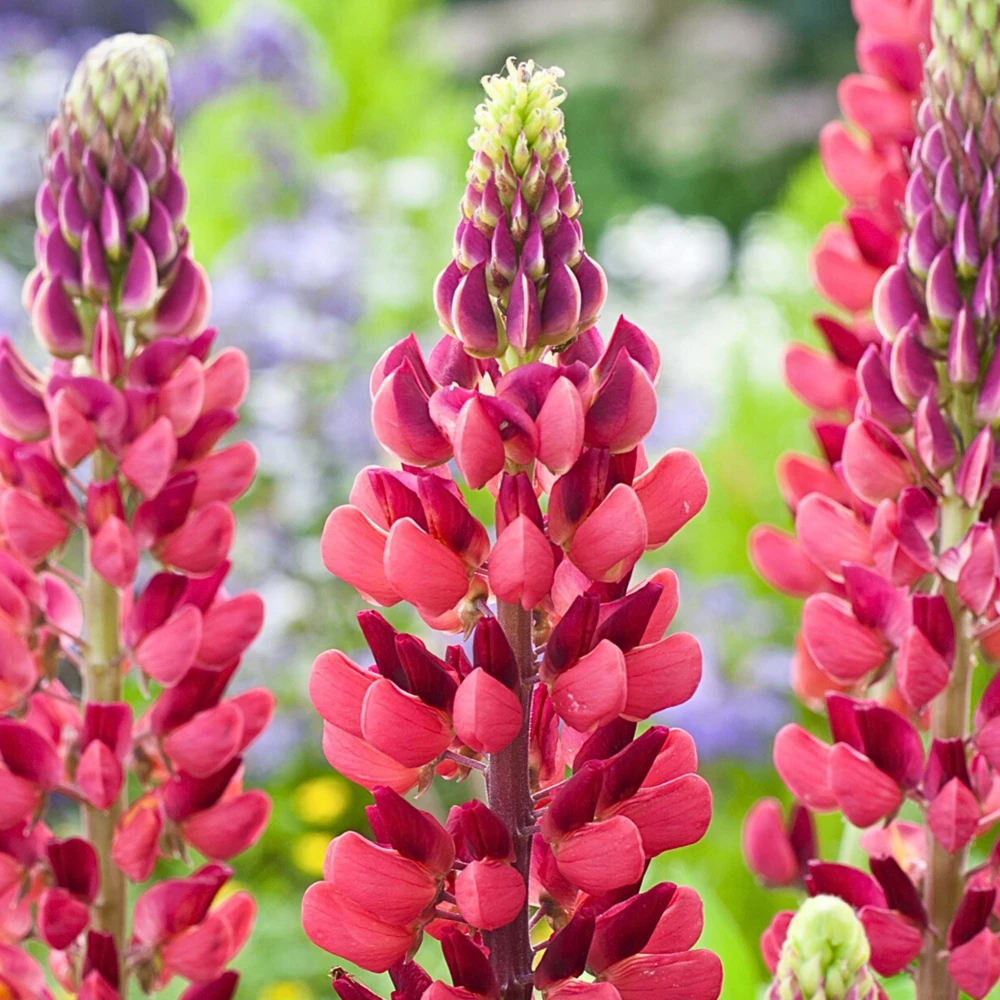
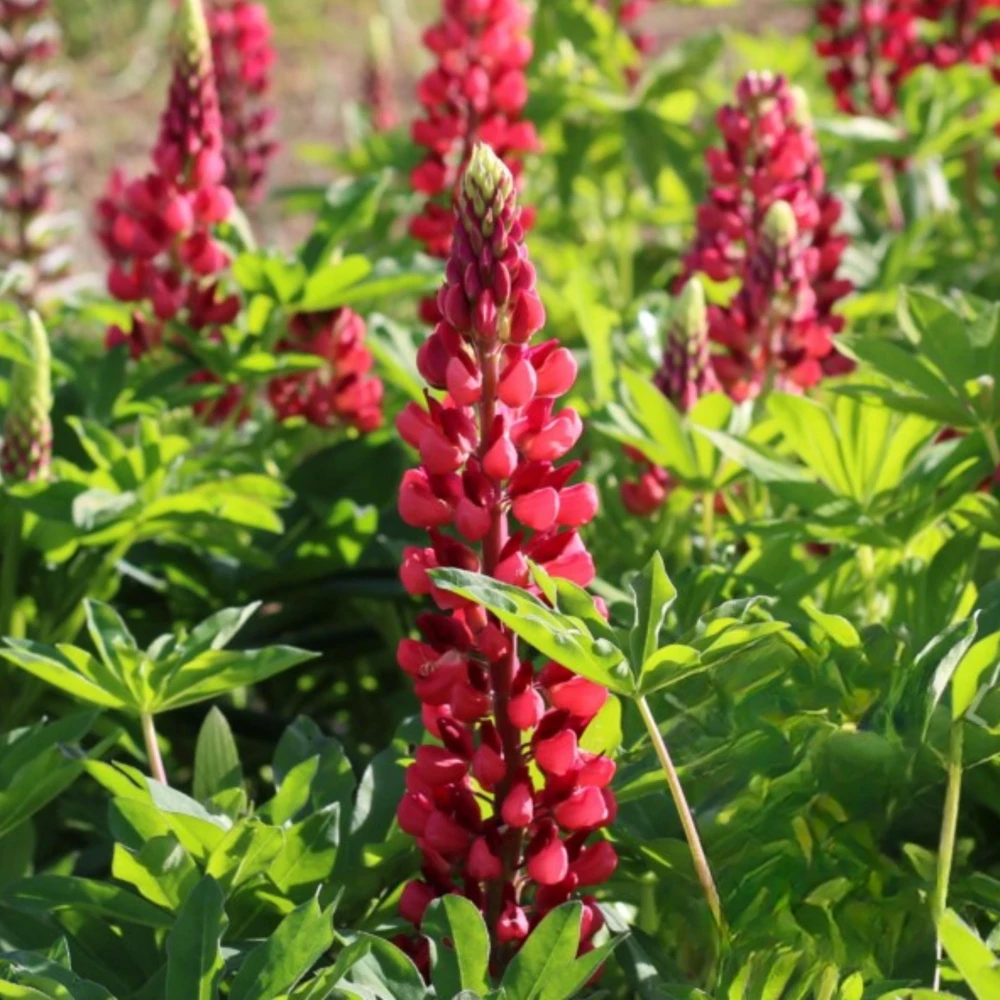
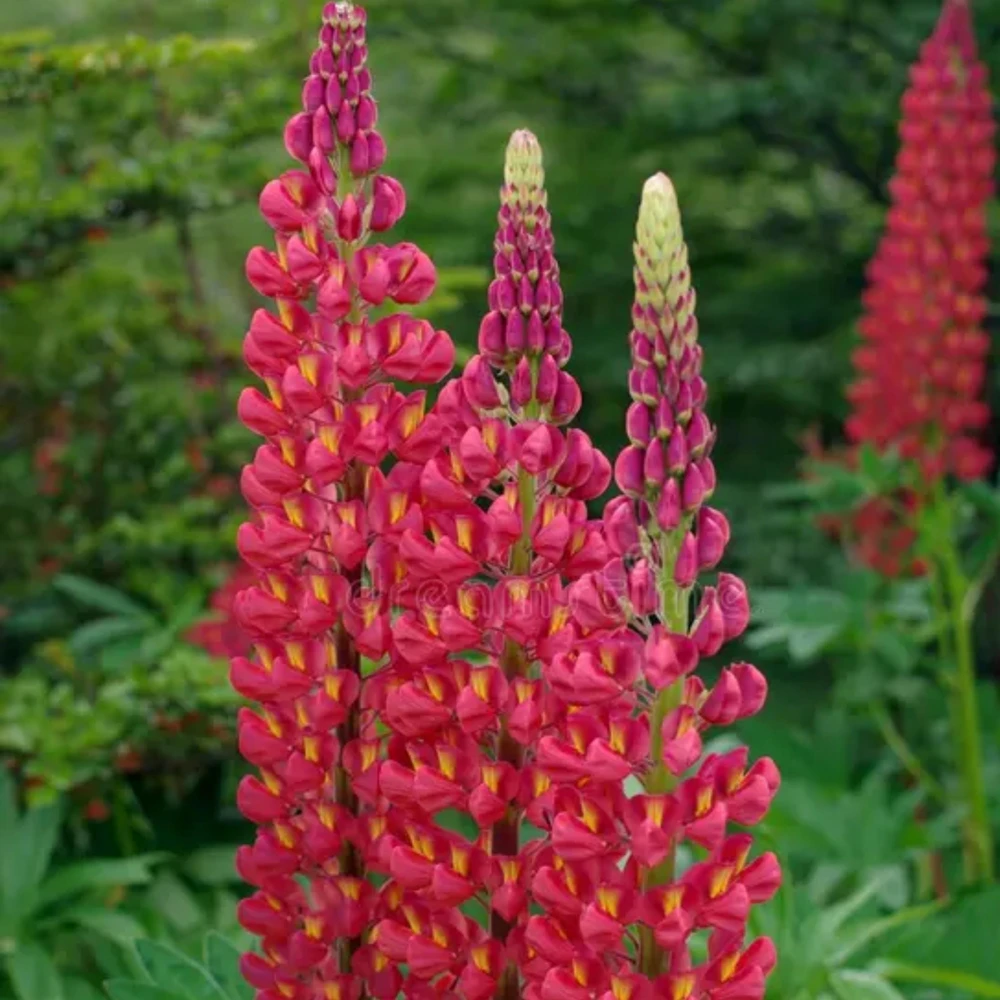
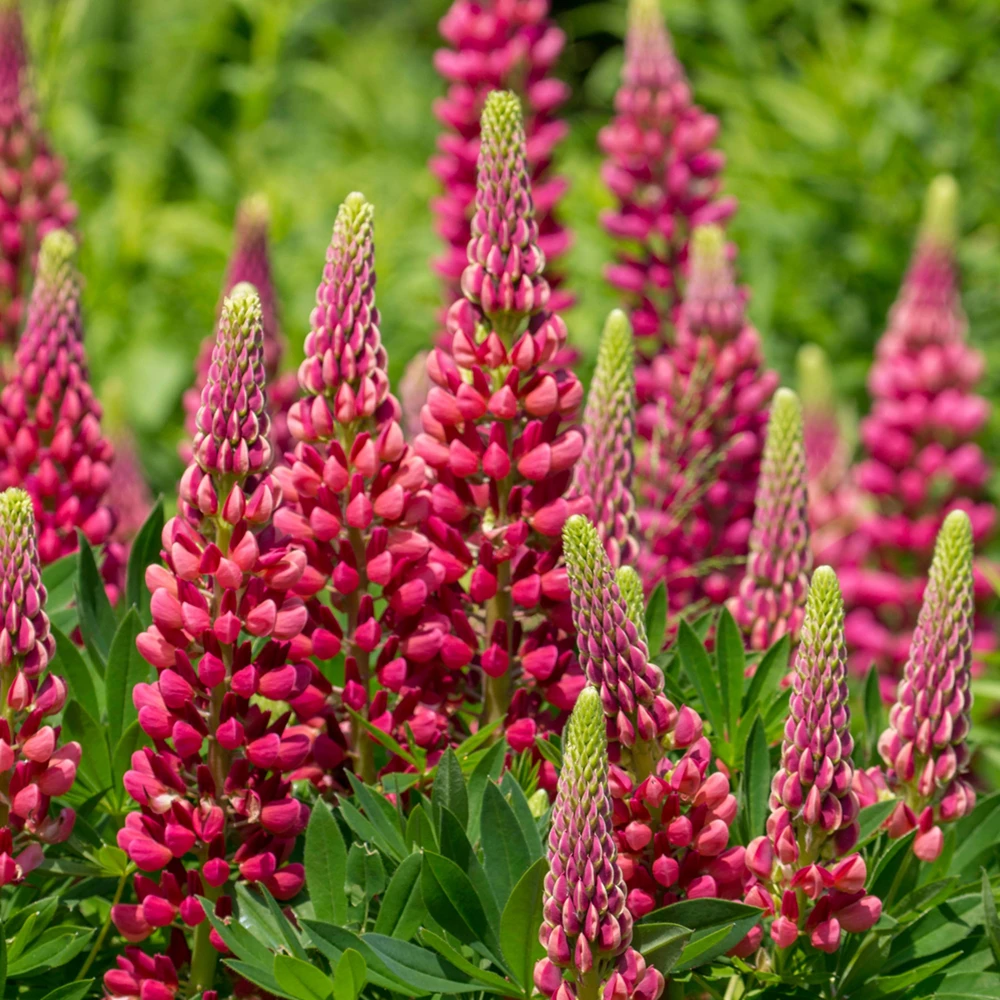
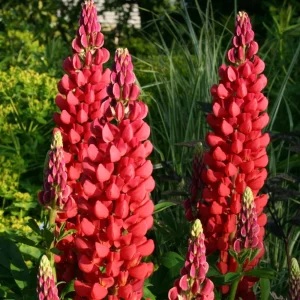
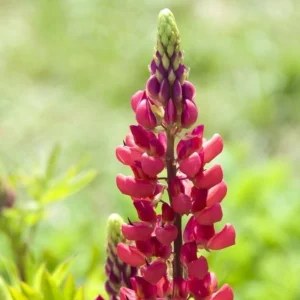
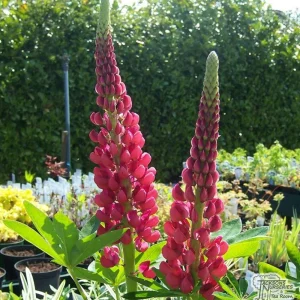
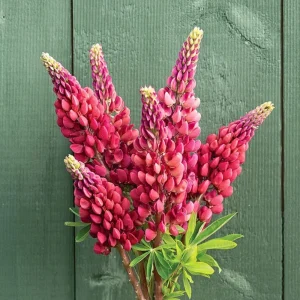
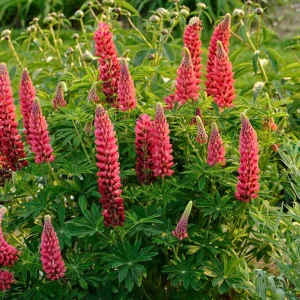
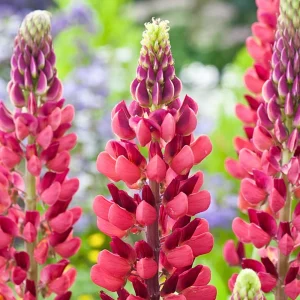
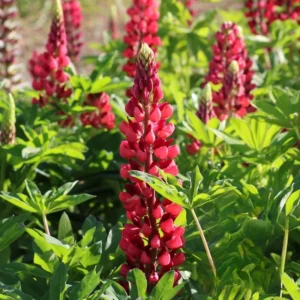
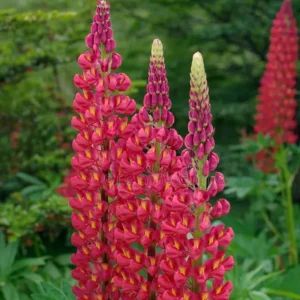
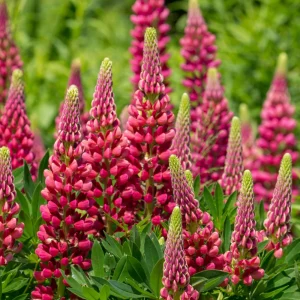
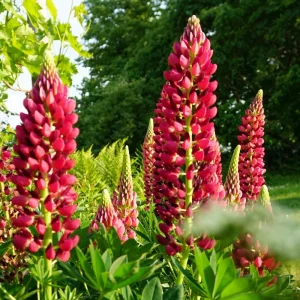
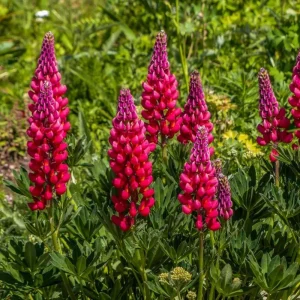
Cultivate stunning lupine seeds, also known as bluebonnet seeds, a beloved North American perennial wildflower seeds. Each pack contains 30 seeds, perfect for attracting pollinators and adding vibrant color to your garden. Enjoy the beauty of these hardy, low-maintenance flowers.
Original price was: $15.16.$7.58Current price is: $7.58.

With our Alive & Thrive Guarantee, we’ve got your back for the first 30 days! If you have any concerns about your plants, just reach out to us. Our team is here to help answer your questions and guide you in selecting the best plants for your garden, climate, and unique preferences. We're excited to help you create the garden of your dreams!
Estimated arrival
Oct 08
Oct 13 - Oct 15
Oct 18 - Oct 22





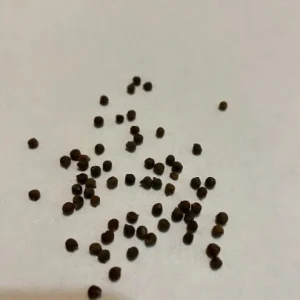
Product Details
-
USDA Hardiness Zone
USDA Zones 4-8 -
Soil type
Well-draining, moderately fertile soil -
Sunlight Exposure
Full sun to partial shade -
Expected Planting Period
Spring or late fall
Overview
Transform your garden into a vibrant haven with our premium lupine seeds. Also known as Bluebonnet, these beautiful wildflower seeds are perfect for creating stunning floral displays and attracting beneficial pollinators. Each pack contains 30 high-quality seeds, ready to bring majestic spires of color to your landscape. Lupines (Lupinus) are cherished for their tall, elegant flower spikes and their ability to thrive in various conditions, making them a fantastic choice for both novice and experienced gardeners. These perennial beauties are native to the US and are a wonderful addition to any pollinator garden, providing essential nectar for bees and butterflies. Growing lupine seeds allows you to experience the full life cycle of this remarkable plant, from germination to glorious bloom.
Our lupine seeds are carefully selected to ensure a successful growing experience. Lupinus, commonly known as lupine or bluebonnet, offers a captivating presence with its dense clusters of pea-like flowers. These perennial wildflower seeds will return year after year, establishing deep root systems that help improve soil health. Whether you’re aiming to naturalize a meadow, fill a border, or simply enjoy a touch of wild beauty, these seeds provide an excellent opportunity to cultivate a truly rewarding garden feature. Discover the simple joy of watching these magnificent flowers emerge from humble seeds.
Key Benefits
Our lupine seeds offer a multitude of advantages for your garden and the environment. These robust plants are not only visually appealing but also contribute significantly to ecological balance. Here are some of the key benefits you’ll enjoy when you plant these wonderful seeds:
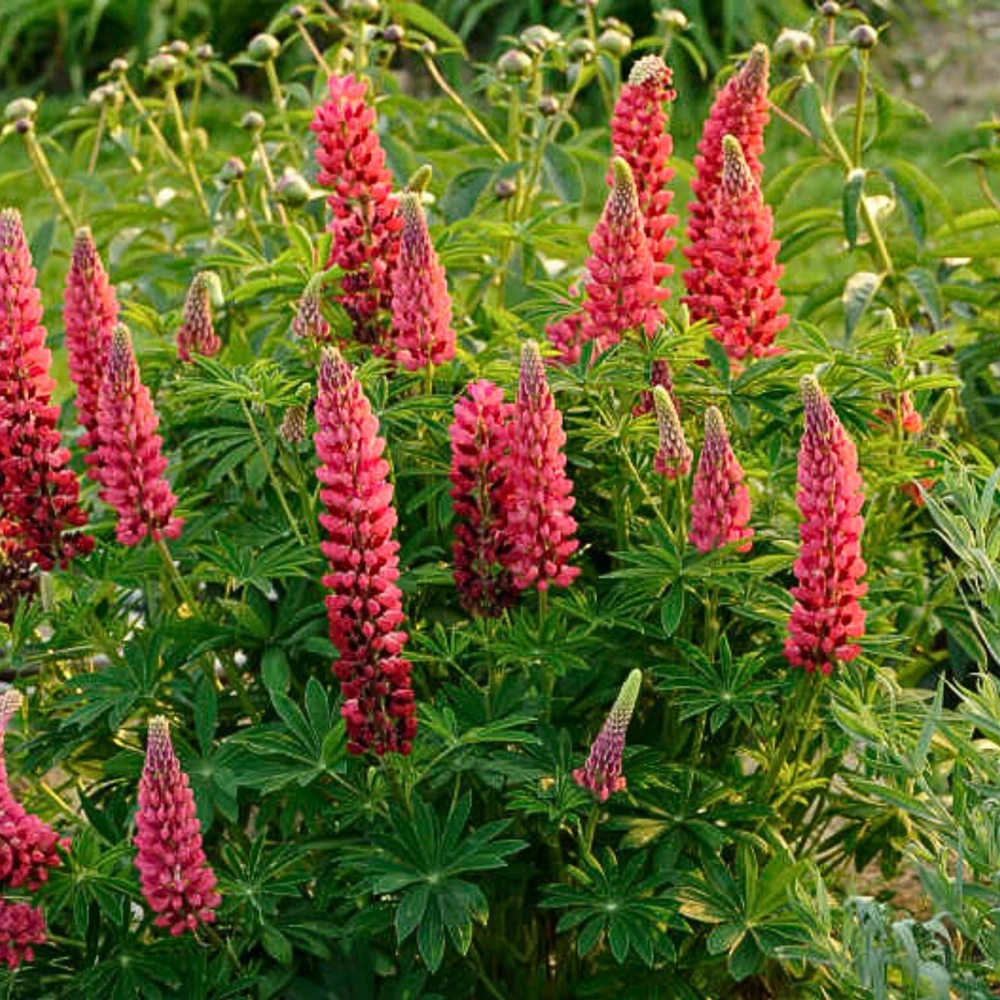
- Stunning Visual Appeal: Lupines produce tall, stately flower spikes in gorgeous shades, adding dramatic vertical interest and vibrant color to any garden bed, border, or naturalized area. Their unique form and rich hues make them a focal point.
- Pollinator Magnet: These flowers are highly attractive to beneficial pollinators such as bees, butterflies, and hummingbirds. Planting pollinator friendly seeds like lupine helps support local ecosystems and biodiversity, ensuring your garden thrives with life.
- Hardy Perennial Growth: As perennial wildflower seeds, lupines establish themselves and return year after year, providing continuous beauty with minimal effort once established. They are known for their resilience and long-lasting presence in the garden.
- Soil Improvement: Lupines are legumes, meaning they have the ability to fix nitrogen in the soil. This natural process enriches the soil, benefiting surrounding plants and reducing the need for artificial fertilizers, making them an eco-friendly choice.
- Drought Tolerance: Once established, lupine plants are relatively drought-tolerant thanks to their deep taproots. This makes them a great option for gardens in regions with drier summers or for those looking for water-wise landscaping solutions.
- Easy to Grow from Seed: With proper preparation, lupine seeds are straightforward to germinate and grow, making them accessible even for beginner gardeners. The satisfaction of watching them grow from seed is immensely rewarding.
- North American Native: These are US native wildflowers, making them perfectly suited to many North American climates and contributing to the conservation of indigenous flora. Their natural beauty feels right at home in any regional garden.
Plant Care & Growing Tips
Growing lupine seeds into flourishing plants is a rewarding experience with a few key considerations. Lupines thrive when their specific needs for sunlight, soil, and water are met. For best germination, it’s recommended to soak the lupine seeds in warm water for 12–24 hours before planting, or lightly scarify the hard outer coating with sandpaper. This helps break dormancy and encourages quicker sprouting. Plant the prepared seeds about 1/4 inch deep in a well-draining seed-starting mix, ensuring the soil remains consistently moist but not waterlogged.
Once germinated, typically within 10–30 days at temperatures of 60–70°F (16–21°C), provide bright light to the seedlings. When they have several true leaves and the danger of severe frost has passed, carefully transplant them outdoors. Lupines develop a long taproot, so minimizing root disturbance during transplanting is crucial. For outdoor growing, choose a location with full sun to partial shade, where they will receive at least 6 hours of direct sunlight daily for optimal flowering. The ideal soil is well-draining and moderately fertile. Space plants about 12–24 inches apart, depending on the variety, to allow for proper air circulation and growth. Water regularly during establishment, then reduce frequency, allowing the soil to dry slightly between waterings. These perennial wildflower seeds will develop into robust plants that require minimal ongoing care.
Lupines generally bloom from late spring to summer. Deadheading spent flower spikes can encourage a longer blooming period and maintain the plant’s tidy appearance. Many varieties are winter hardy in suitable climates; in colder regions, applying a light layer of mulch around the base after the ground freezes can provide extra protection. Due to their long taproot, direct sowing outdoors or using deep containers is often preferred over transplanting older seedlings to avoid root shock. Ensuring proper soil drainage is paramount, as lupines do not tolerate soggy conditions. With these tips, you’ll be well on your way to enjoying a garden full of magnificent lupines, attracting pollinators and adding a touch of natural elegance.
Size & Details
This product includes one full pack of lupine seeds, containing 30 individual seeds ready for planting. These are the seeds for the classic Lupinus species, commonly known as Bluebonnet. When fully grown, lupine plants typically reach a height of 2 to 4 feet, with a spread of 1 to 2 feet, creating a substantial and impactful presence in the garden. The tall flower spikes contribute significantly to vertical interest. These are perennial wildflower seeds, meaning once established, the plants will return year after year, gradually expanding their footprint. The seeds are suitable for outdoor planting and will develop into mature flowering plants within one to two growing seasons, with blooms generally appearing from late spring through summer.
The seeds are shipped in a protective package to ensure their viability upon arrival. As these are seeds, the initial size is small, but they promise robust growth into mature plants that will enhance your garden for years. The long taproot developed by lupines makes them resilient and drought-tolerant once established. Expect a germination period of approximately 10-30 days under ideal conditions. By planting these bluebonnet seeds, you are investing in long-term garden beauty and ecological benefit.
Frequently Asked Questions
- Q: How many lupine seeds are included in one pack? A: Each pack contains 30 high-quality lupine seeds, providing a good quantity to start a vibrant patch in your garden or spread across different areas.
- Q: What is the best time to plant these lupine seeds? A: The ideal time to plant lupine seeds is in the spring after the last frost, or in late fall in milder climates. This allows them to establish before extreme weather.
- Q: How much sunlight do lupines need? A: Lupines thrive in full sun to partial shade, preferring at least 6 hours of direct sunlight per day for the best flowering performance. Too much shade can result in leggy growth and fewer blooms.
- Q: Are these suitable for a beginner gardener? A: Yes, with proper seed preparation (soaking or scarifying) and following the planting instructions, lupine seeds are relatively easy for beginners to grow and enjoy.
- Q: How tall do these perennial wildflower seeds grow? A: When mature, lupine plants grown from these perennial wildflower seeds can reach heights of 2 to 4 feet, creating impressive vertical accents in your garden.
- Q: Are lupines good for pollinators? A: Absolutely! Lupines are excellent pollinator friendly seeds, attracting bees, butterflies, and other beneficial insects with their nectar-rich flowers.
- Q: What kind of soil do lupines prefer? A: Lupines prefer well-draining, moderately fertile soil. They do not tolerate heavy, waterlogged soils, which can lead to root rot.
- Q: What USDA hardiness zones are suitable for lupines? A: Lupines are generally hardy in USDA Zones 4-8, though specific varieties may vary. They are known for their resilience in a range of climates.
- Q: How long does it take for lupine seeds to germinate? A: Germination usually takes about 10 to 30 days, depending on the variety and environmental conditions, especially after proper seed preparation.
- Q: Can I grow these bluebonnet seeds in containers? A: Yes, you can grow bluebonnet seeds in deep containers, especially since they develop a long taproot. Ensure the containers have excellent drainage.
Related products
-50%


Original price was: $19.16.$9.58Current price is: $9.58.
-50%
Original price was: $23.96.$11.98Current price is: $11.98.
-50%
Original price was: $23.96.$11.98Current price is: $11.98.
-50%
Original price was: $23.96.$11.98Current price is: $11.98.
-15%
From Original price was: $28.00.$23.80Current price is: $23.80.
-50%

Original price was: $23.96.$11.98Current price is: $11.98.
-50%

Original price was: $38.36.$19.18Current price is: $19.18.
-50%

Original price was: $23.96.$11.98Current price is: $11.98.
PLANTING & CARE
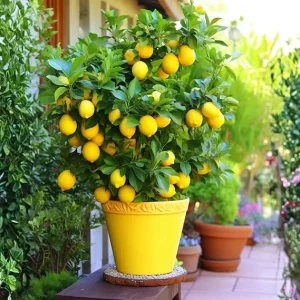
Lemon Tree Growing: Choose, Plant, and Harvest
Learn how to choose, plant, feed, and protect a lemon tree so it fits your
23
Sep
Sep
Dwarf Meyer Lemon Tree Australia: Climate Guide
Learn where dwarf Meyer lemon trees grow, how much cold they tolerate, and whether Australia,
Where to Buy a Dwarf Meyer Lemon Tree: Buyer’s Guide
Find the right dwarf Meyer lemon tree online or locally, compare starter sizes and costs,
Dwarf Meyer Lemon Tree for Sale: Buying Guide
Compare Meyer lemon tree sizes, prices, shipping limits, indoor growing and California options before you
Dwarf Meyer Lemon Tree Guide: Size, Care and Fruit
META: Learn how large a dwarf Meyer lemon tree grows, where it thrives, and how
How to Prune a Dwarf Meyer Lemon Tree
Learn when and how to prune a dwarf Meyer lemon tree, including tools, shaping cuts,
Can You Grow a Dwarf Meyer Lemon Tree in a Pot?
META: Learn how to grow a dwarf Meyer lemon tree in a pot, including container
When Do Dwarf Meyer Lemon Trees Bloom and Fruit?
META: Dwarf Meyer lemon trees usually bloom from winter through spring and may flower again