Magenta Silver Catchfly Seeds – Rose Campion – Silene coronaria – 30 Seed Pack
-50%
Magenta Silver Catchfly Seeds – Rose Campion – Silene coronaria – 30 Seed Pack
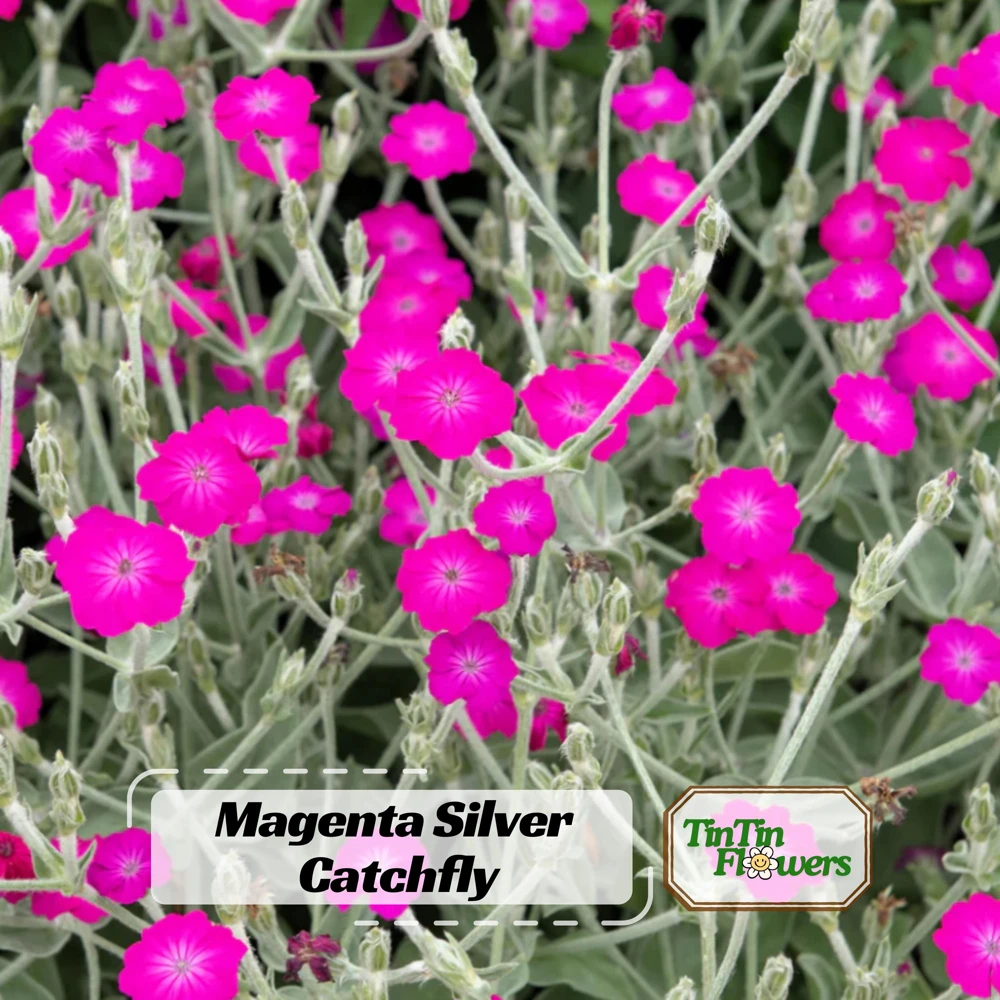
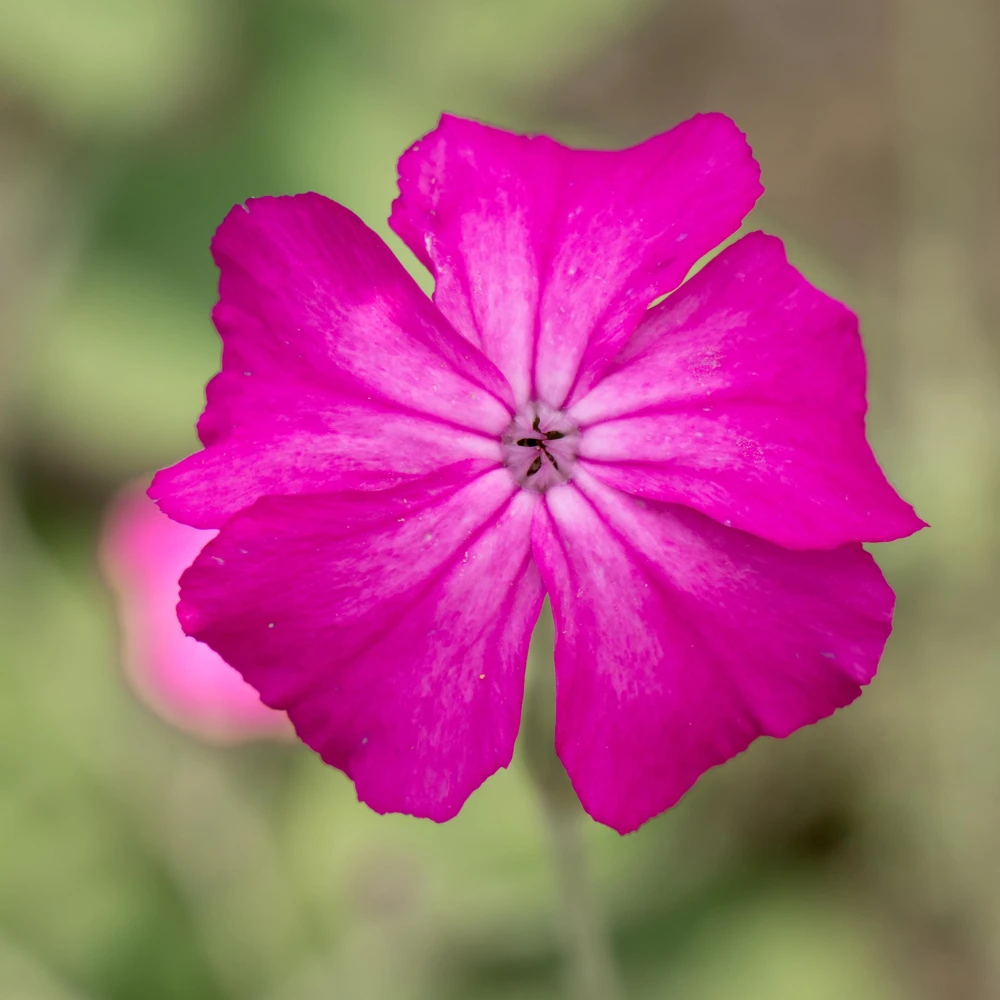
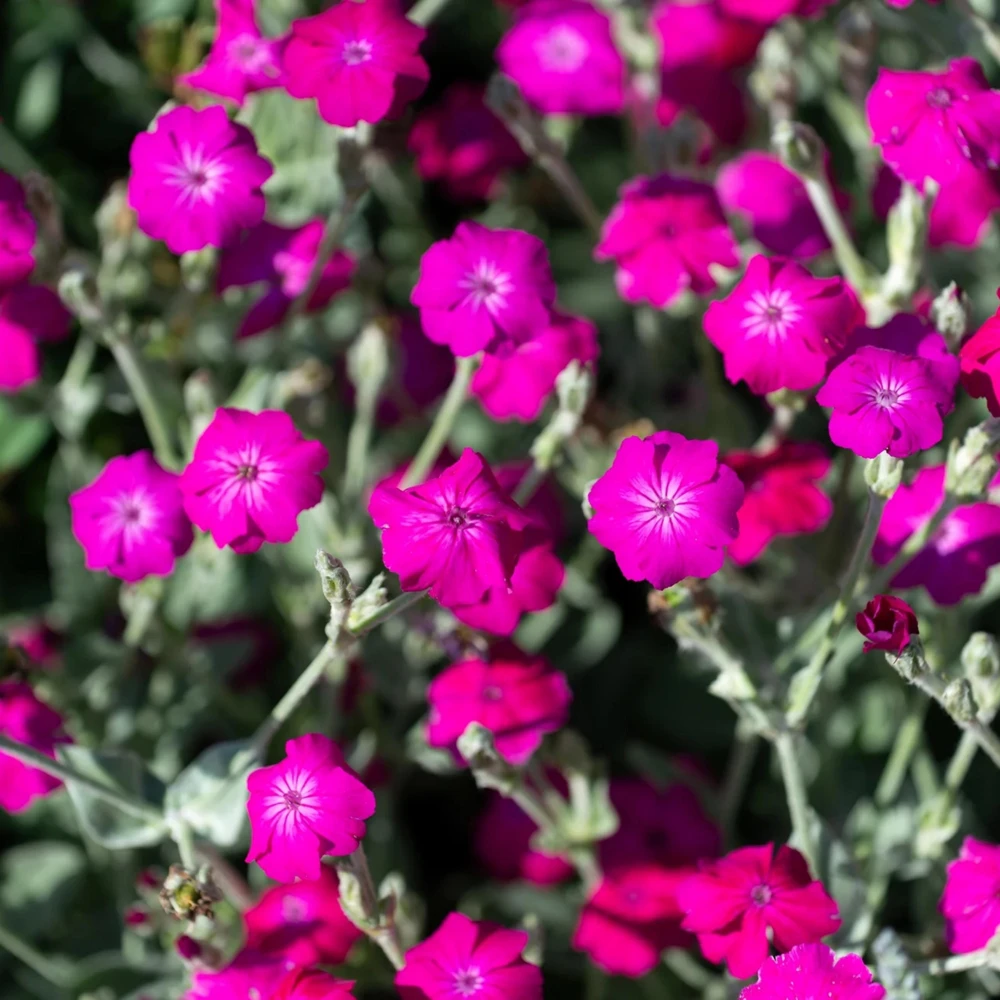
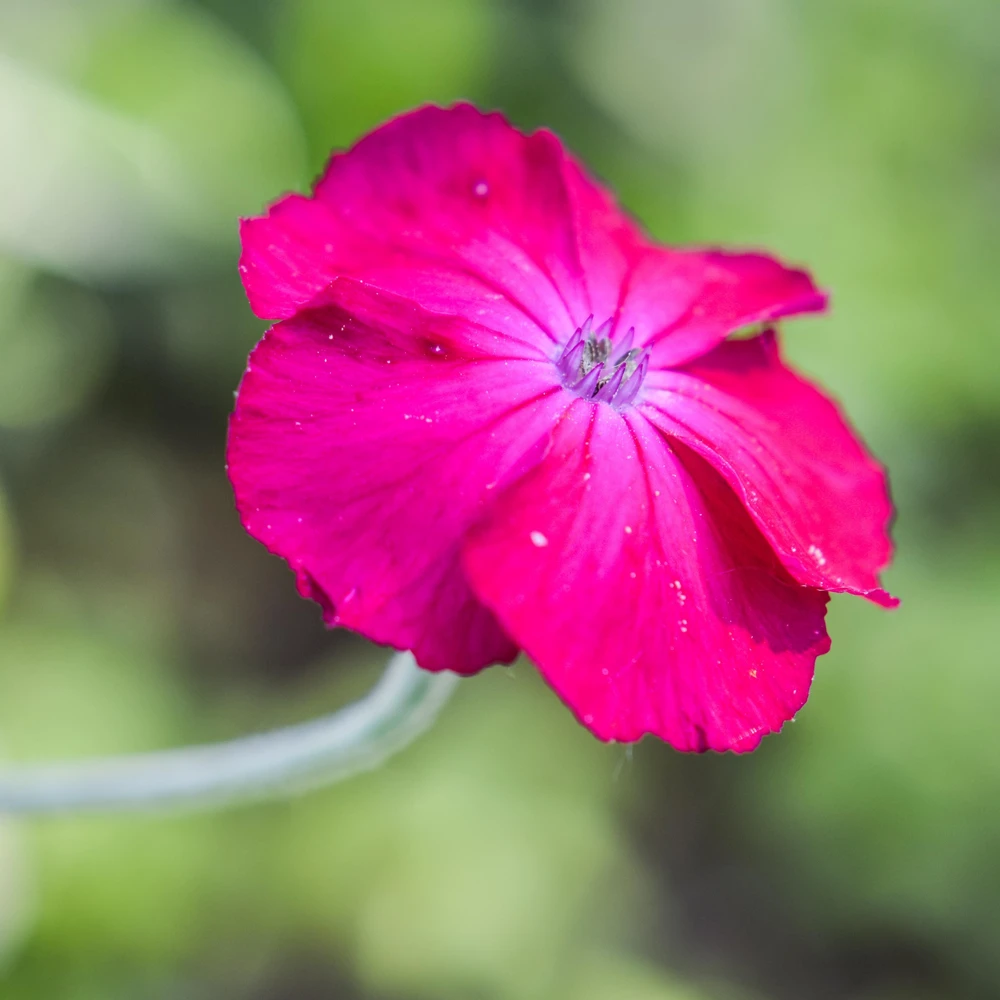
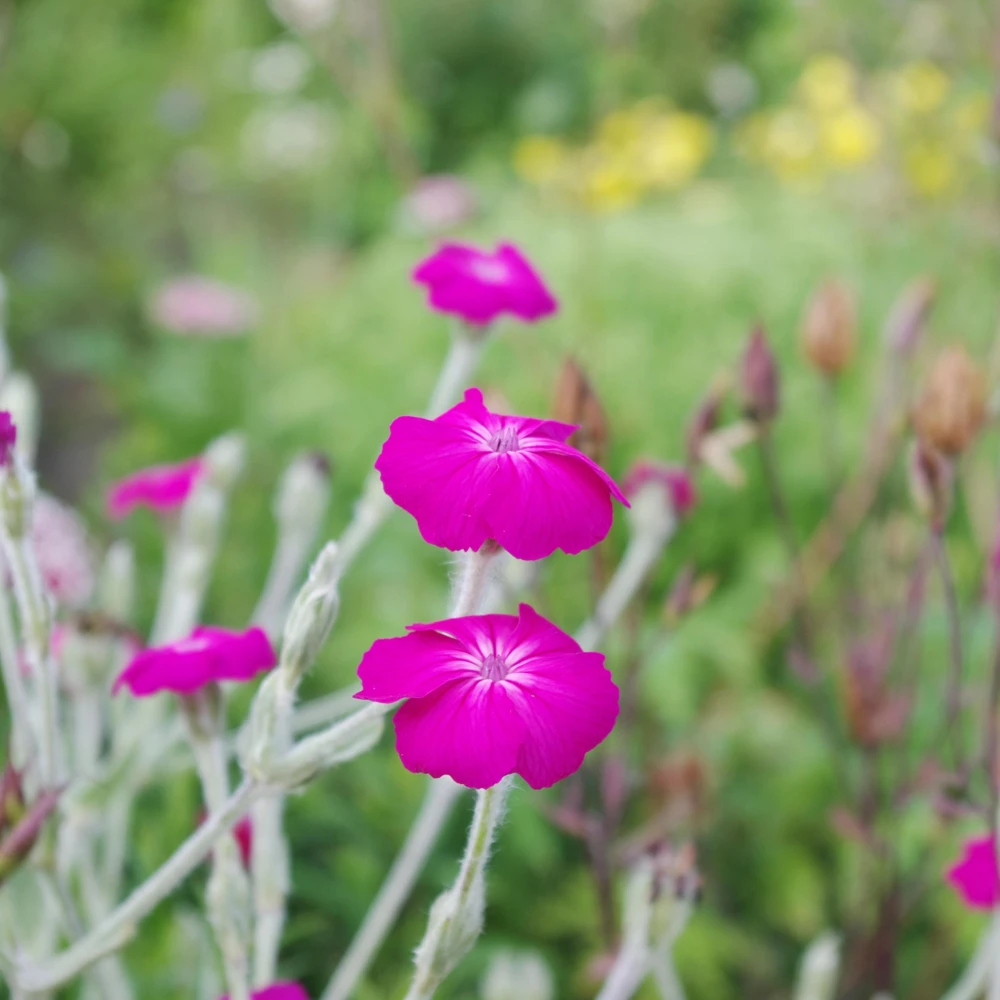
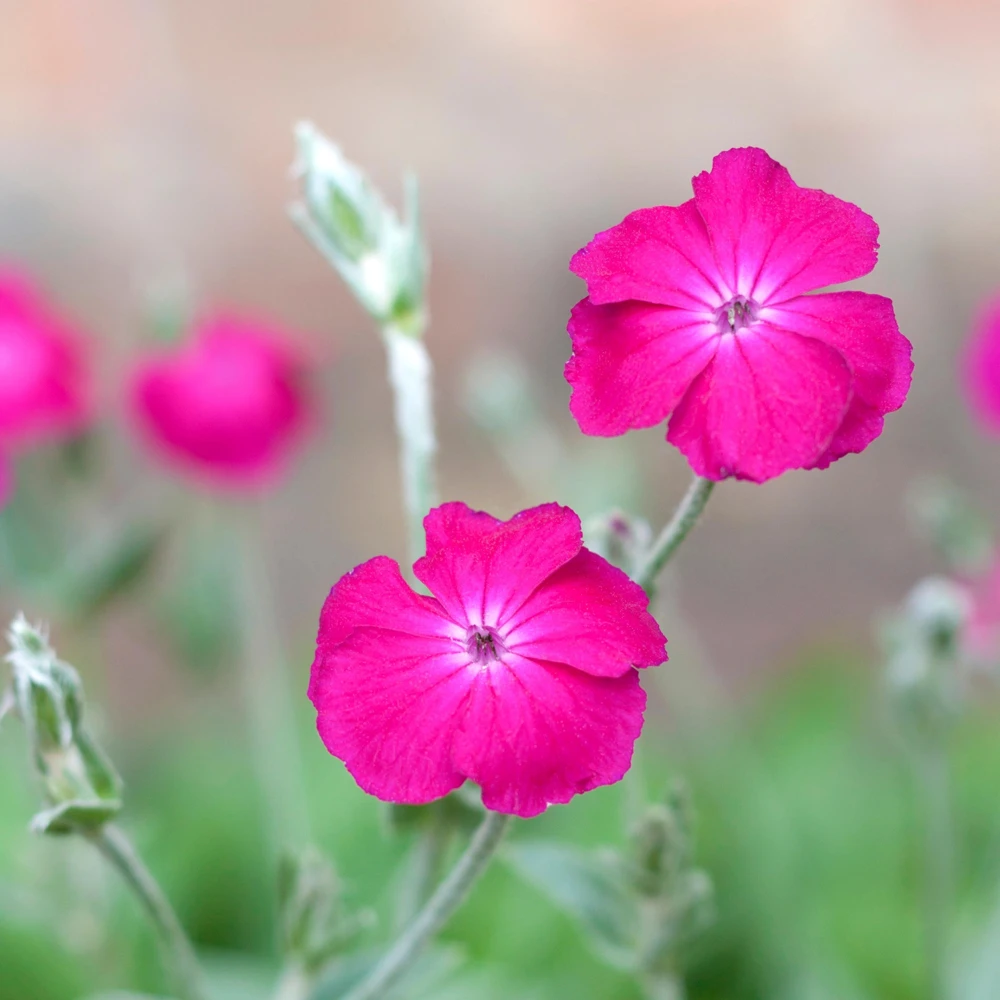
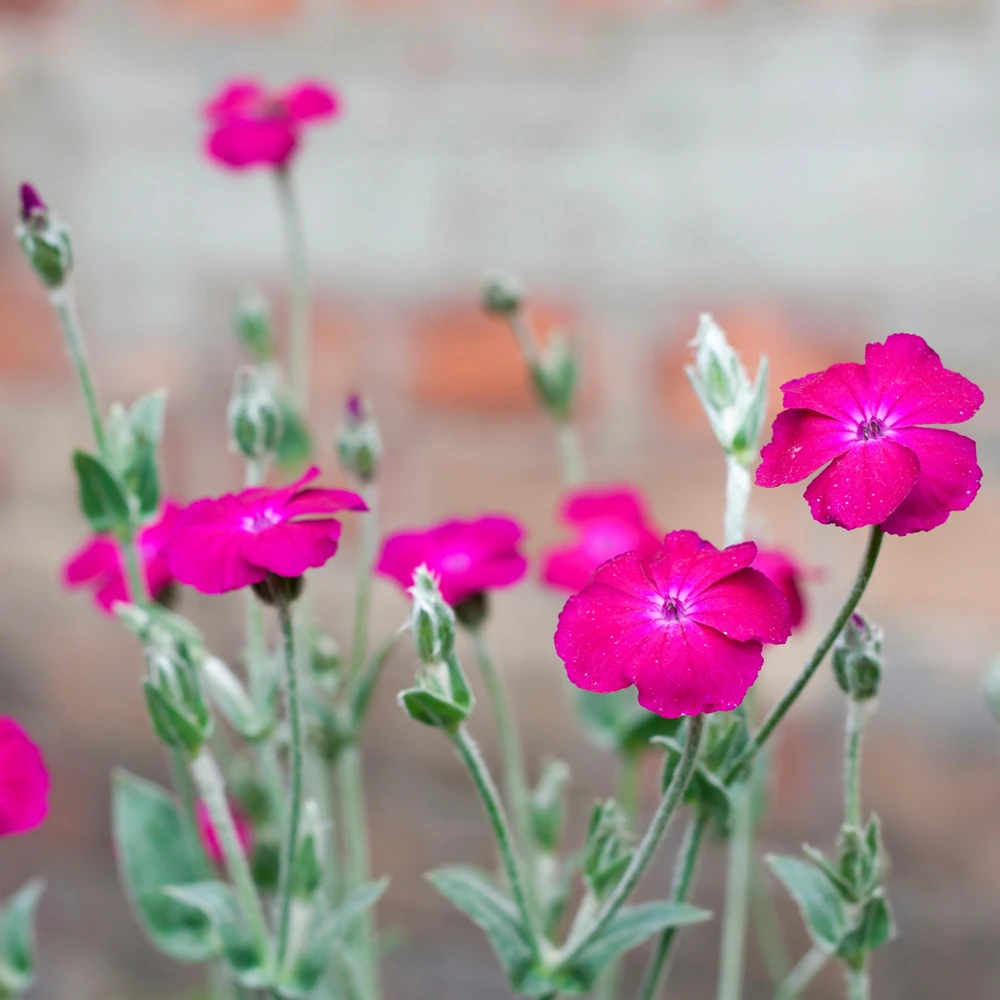
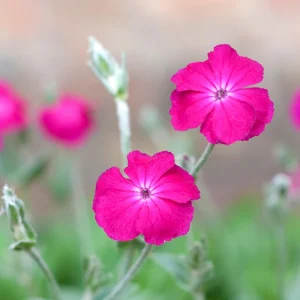
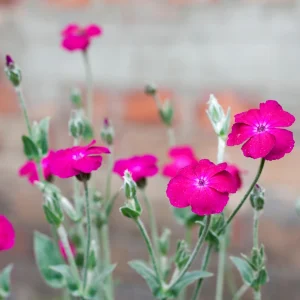
Discover the beauty of magenta silver catchfly seeds (Silene coronaria), also known as rose campion seeds. These easy-to-grow flower seeds produce striking magenta blooms complemented by soft, silvery foliage, perfect for borders and cottage gardens. Enjoy a burst of color and unique texture in your outdoor space.
Original price was: $14.08.$7.04Current price is: $7.04.

With our Alive & Thrive Guarantee, we’ve got your back for the first 30 days! If you have any concerns about your plants, just reach out to us. Our team is here to help answer your questions and guide you in selecting the best plants for your garden, climate, and unique preferences. We're excited to help you create the garden of your dreams!
Estimated arrival
Oct 08
Oct 13 - Oct 15
Oct 18 - Oct 22


Product Details
-
USDA Hardiness Zone
USDA Zones 4-8 -
Soil type
Well-draining soil -
Sunlight Exposure
Full sun -
Expected Planting Period
Late spring (outdoors) or 6-8 weeks before last frost (indoors)
Overview
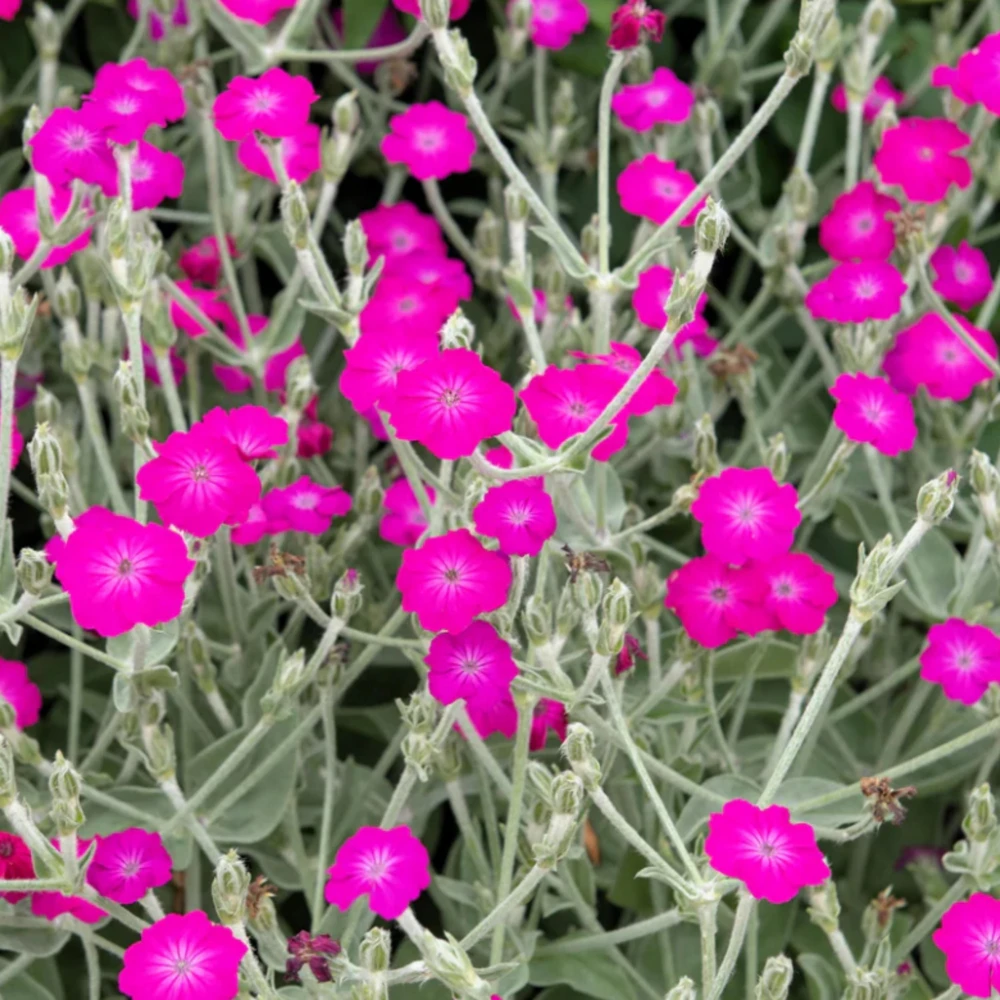
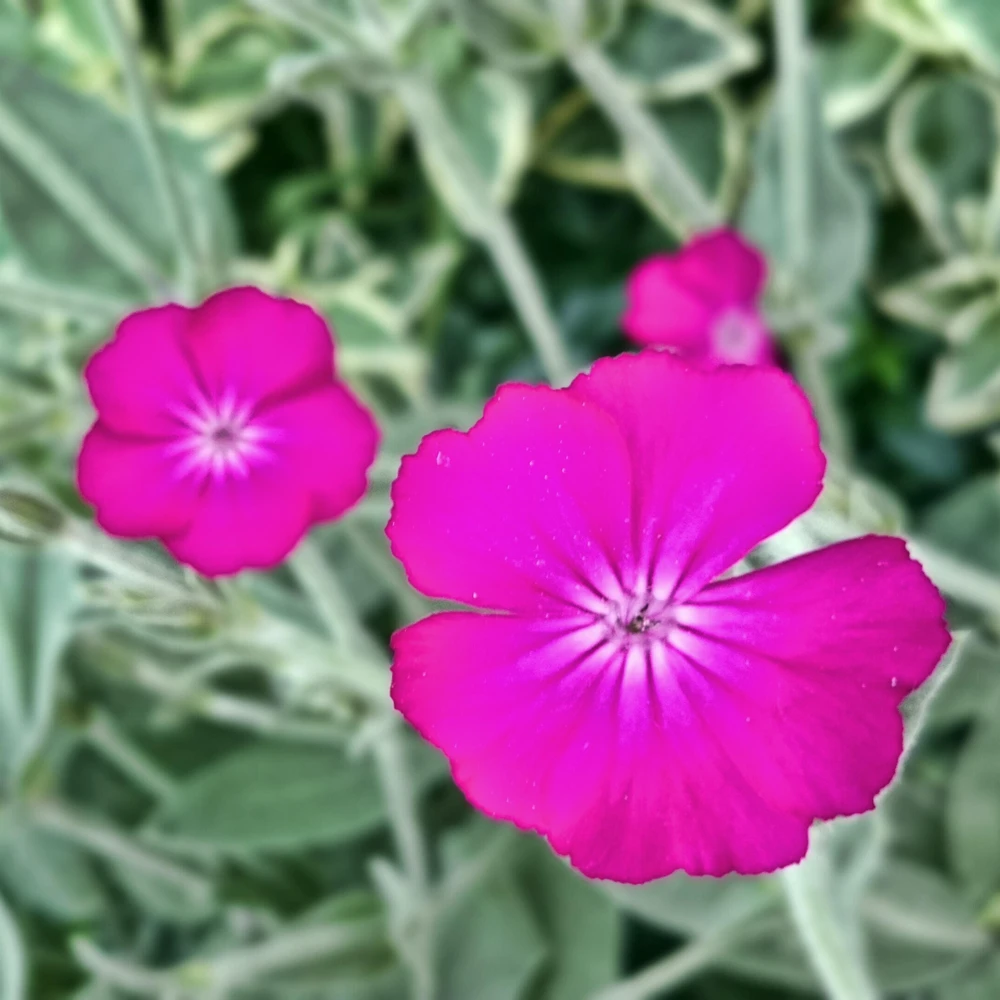
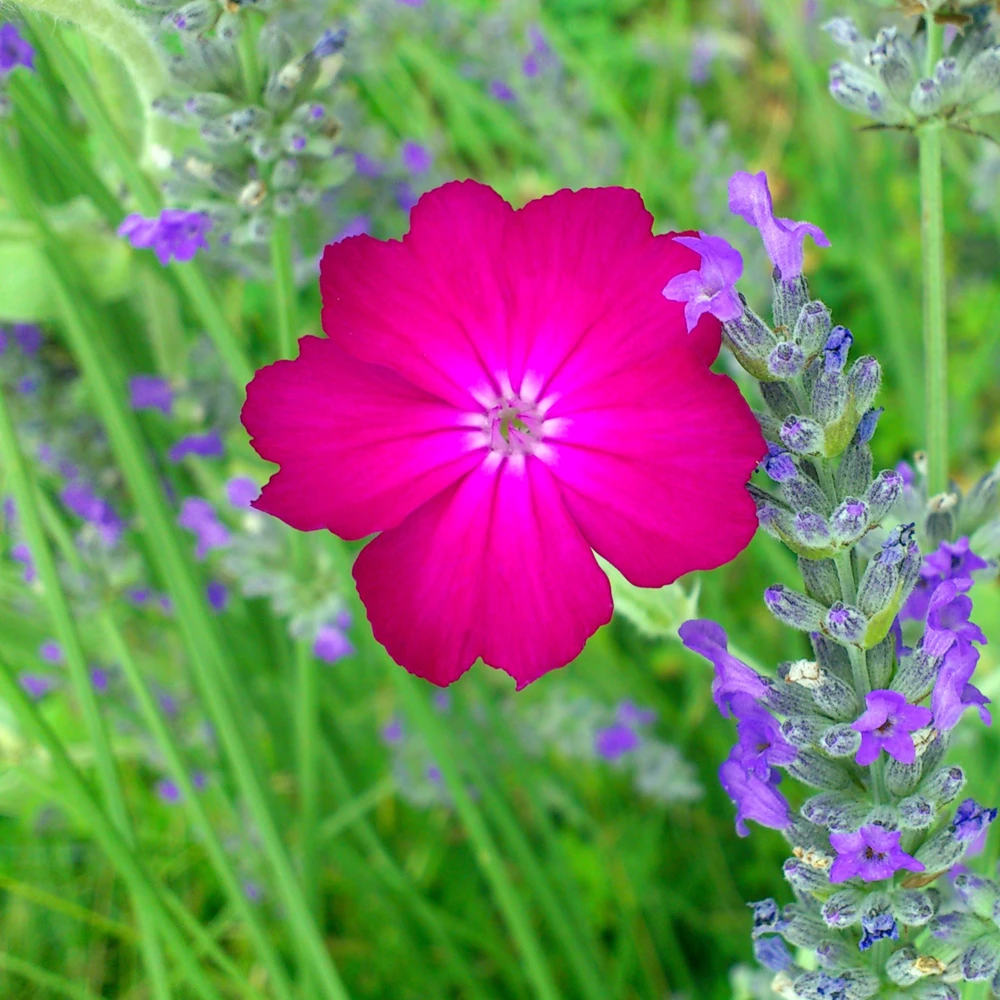
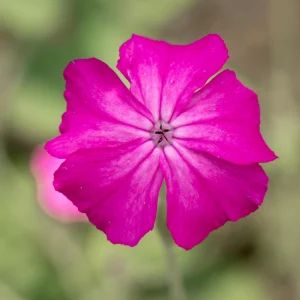
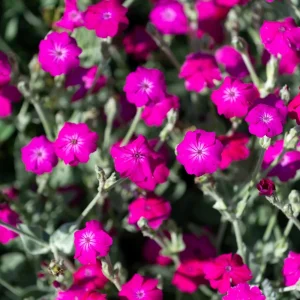
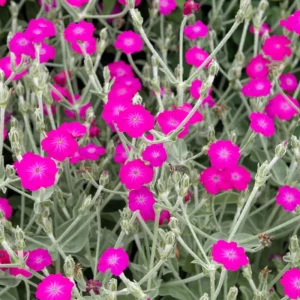
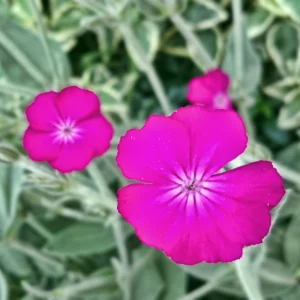
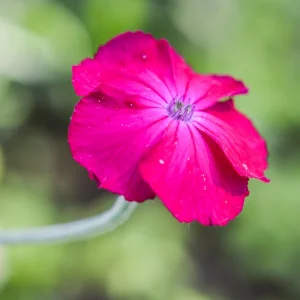
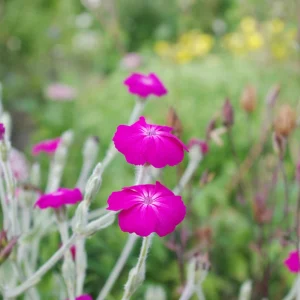
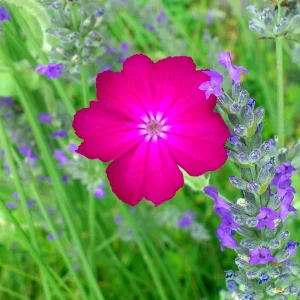
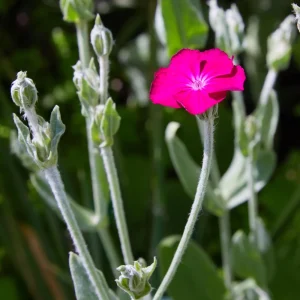
Transform your garden with the enchanting beauty of magenta silver catchfly seeds. Also known as Rose Campion or Silene coronaria, this delightful perennial is celebrated for its striking visual contrast. Imagine vibrant, almost neon magenta blooms set against a backdrop of soft, velvety silver-grey foliage. These unique flowers create an unforgettable display, adding a touch of old-world charm and modern vibrancy to any landscape. Ideal for gardeners seeking low-maintenance yet high-impact plants, these seeds promise a spectacular show that will captivate onlookers and attract beneficial pollinators. Whether you’re designing a cottage garden, enhancing a border, or creating a dedicated pollinator patch, magenta silver catchfly seeds are an excellent choice for reliable beauty.
Each pack contains 30 premium quality seeds, ensuring a generous start to your floral adventure. These seeds are easy to sow and establish, making them suitable for both novice and experienced gardeners. The resulting plants are known for their resilience and ability to thrive in various conditions, especially in sunny, well-drained locations. The unique color combination of the flowers and foliage makes Silene coronaria a standout specimen, providing continuous interest from late spring through summer. Prepare to enjoy a garden filled with captivating color and texture with these exceptional rose campion seeds.
Key Benefits
Growing magenta silver catchfly seeds offers a multitude of advantages for gardeners looking to enhance their outdoor spaces with beauty and resilience. These seeds mature into plants that deliver consistent charm and ecological value.
- Stunning Visual Contrast: Enjoy the dramatic appeal of brilliant magenta flowers perfectly paired with soft, silvery-grey foliage, creating an eye-catching display in any garden setting. This unique color combination makes the plant a focal point.
- Drought Tolerance: Once established, these plants are remarkably drought-tolerant, making them an excellent choice for xeriscaping or gardens in drier climates, reducing the need for frequent watering.
- Attracts Pollinators: The vibrant blooms are a magnet for bees, butterflies, and other beneficial insects, helping to support local ecosystems and enhance garden biodiversity.
- Low Maintenance: These silene coronaria seeds grow into plants that require minimal care. They are generally pest-resistant and thrive with basic attention, making them ideal for busy gardeners.
- Versatile Garden Use: Perfect for borders, rock gardens, cottage gardens, mass plantings, or as a striking accent plant. Their adaptable nature allows them to fit into various design schemes.
- Long Blooming Period: With proper deadheading, these plants will produce continuous blooms from late spring through summer, providing extended color and interest in your garden.
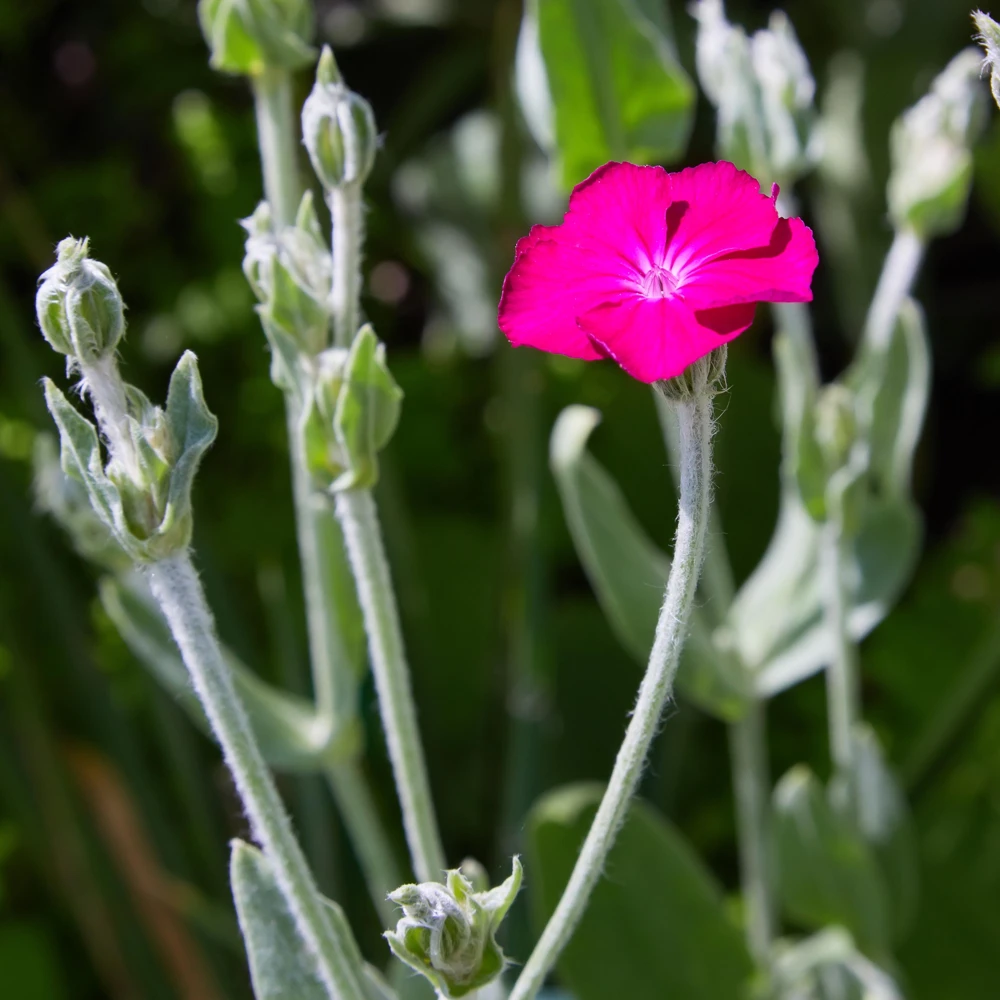
- Deer Resistant: The slightly fuzzy foliage of Rose Campion tends to be unappealing to deer, offering a beautiful option for gardens in areas prone to deer browsing.
Plant Care & Growing Tips
Cultivating vibrant magenta silver catchfly seeds is a rewarding experience, as these plants are relatively easy to grow and maintain. To ensure optimal growth and abundant blooms, understanding their specific needs is key. These plants thrive in full sun, meaning they require at least 6 hours of direct sunlight per day. Adequate sunlight is crucial for promoting strong growth, dense foliage, and prolific flowering. While they can tolerate some partial shade, too much shade can lead to leggy growth and fewer flowers. Ensure they are planted in a location that receives ample light throughout the day.
When it comes to soil, rose campion seeds prefer well-drained conditions. They are not particular about soil fertility but will struggle in heavy, waterlogged soils. Amend clay soils with organic matter like compost or sand to improve drainage. Once established, these plants are exceptionally drought-tolerant, making them a great choice for water-wise gardens. Water regularly after sowing seeds and during the initial establishment phase to keep the soil consistently moist but not soggy. Once mature, allow the soil to dry out between waterings. Fertilization is generally not necessary, especially in average garden soil, as excessive nutrients can promote foliage growth over flowering. If your soil is very poor, a light application of a balanced slow-release fertilizer in spring can be beneficial. These plants are typically hardy in USDA zones 4-8, tolerating a range of temperatures.
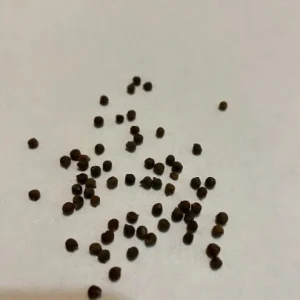
Starting your silene coronaria seeds can be done indoors 6-8 weeks before the last frost date or sown directly outdoors in late spring after all danger of frost has passed. When sowing, sprinkle the tiny seeds on the surface of the soil and lightly press them in; do not cover them with soil as they need light to germinate. Keep the soil gently moist until germination occurs, which usually takes 1-3 weeks. Once seedlings are large enough to handle, thin them to 12-16 inches apart to ensure good air circulation and prevent overcrowding. Deadhead spent flowers regularly to encourage continuous blooming throughout the season and prevent self-seeding if desired. While generally pest and disease resistant, ensure good air circulation to prevent fungal issues in humid conditions. These tips will help you grow beautiful, healthy plants from your drought tolerant flower seeds.
Size & Details
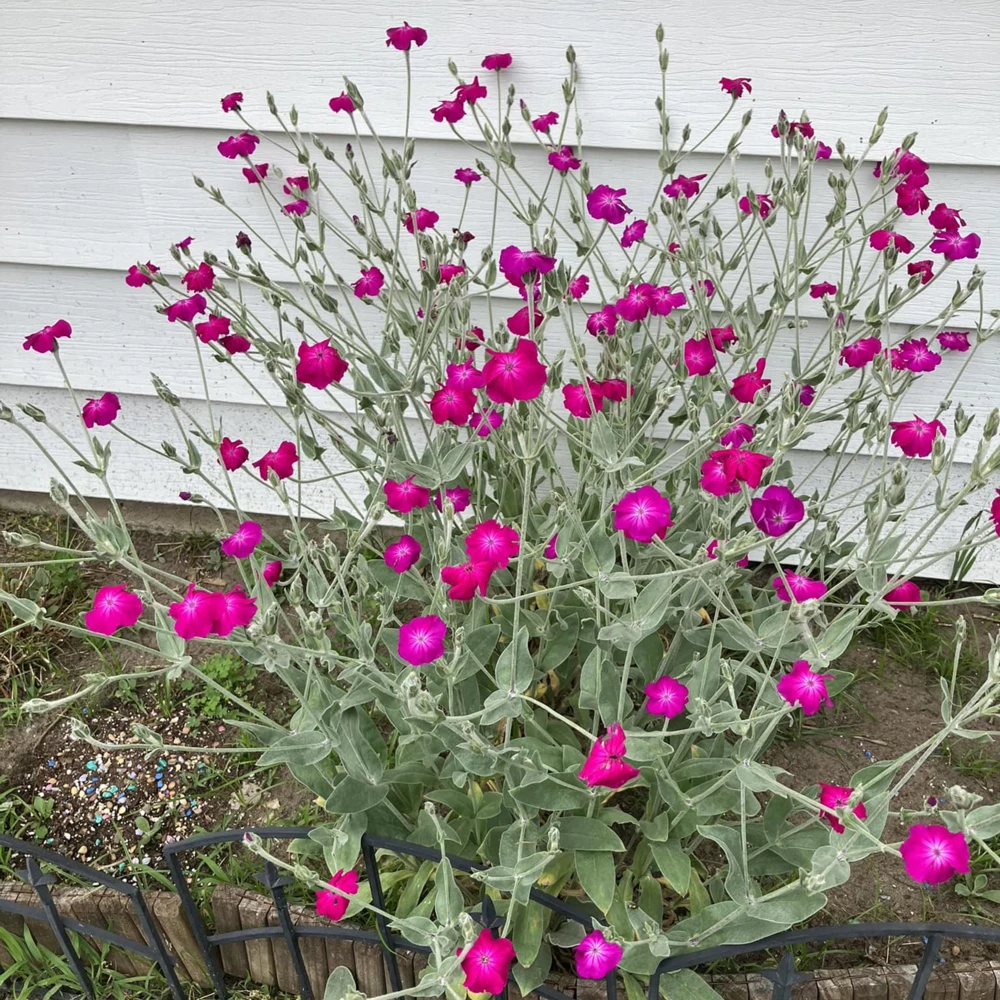
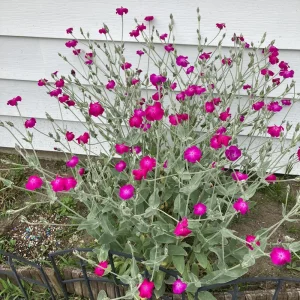
Our magenta silver catchfly seeds will grow into robust and visually appealing plants, typically reaching a height of 18 to 30 inches (45-75 cm) and spreading about 12 to 18 inches (30-45 cm) wide. These plants exhibit a moderate growth rate, establishing themselves well within their first growing season. You can expect the first vibrant magenta blooms to appear from late spring to early summer, continuing through to the first frosts, especially with consistent deadheading. Each packet contains 30 high-quality seeds, providing a generous quantity to start a beautiful display in your garden. These seeds are easy to sow and mature into hardy, resilient plants that form attractive clumps of silvery foliage topped with cheerful flowers.
The mature plants feature lance-shaped, woolly, silver-grey leaves that create a stunning contrast with the bright, five-petaled magenta flowers. They are generally grown as short-lived perennials but often self-seed readily, ensuring their presence in your garden for years to come. The overall structure is upright and bushy, making them an excellent choice for adding vertical interest and striking color to mixed borders, cottage gardens, or naturalized areas. The compact size makes them suitable for various garden designs, from large landscapes to smaller urban plots, ensuring that you can enjoy these vibrant magenta flowers in almost any setting.
Frequently Asked Questions
- Q: How big do Magenta Silver Catchfly plants get? A: These plants typically grow to a height of 18 to 30 inches and spread about 12 to 18 inches wide. Their upright habit makes them a good choice for adding vertical interest to your garden beds.
- Q: Is Magenta Silver Catchfly an indoor or outdoor plant? A: Magenta Silver Catchfly (Rose Campion) is primarily an outdoor plant, thriving in garden beds, borders, and containers where it receives ample sunlight. It is not typically grown as an indoor houseplant.
- Q: How much sunlight do these seeds need to grow well? A: For best results and abundant blooms, magenta silver catchfly seeds require full sun, meaning at least 6 hours of direct sunlight per day. They can tolerate some partial shade, but flowering may be reduced.
- Q: Are these plants easy to care for, especially for beginners? A: Yes, Rose Campion is considered very easy to care for and is an excellent choice for beginner gardeners. They are drought-tolerant once established and require minimal maintenance, making them a low-fuss option.
- Q: What condition will the seeds arrive in? A: Your silene coronaria seeds will arrive in a protective packet, ensuring they are fresh and viable, ready for planting. We take care to package them securely to prevent damage during transit.
- Q: How long until these seeds bloom after planting? A: If started early indoors, you can expect blooms in the first year, typically from late spring to early summer. If sown directly outdoors in spring, they may bloom in late summer of the first year or more prolifically in their second year.
- Q: Will Magenta Silver Catchfly survive winter in my zone? A: Magenta Silver Catchfly is hardy in USDA Zones 4-8. In these zones, it will typically survive winter as a perennial. In colder zones, it may behave as an annual or biennial, often self-seeding for new plants the following year.
- Q: Do I need to cover the seeds when planting? A: No, these tiny seeds need light to germinate. Simply sprinkle the rose campion seeds on the soil surface and lightly press them in without covering them with soil. Keep the surface moist until germination.
- Q: Are these drought tolerant flower seeds suitable for rock gardens? A: Absolutely! Their preference for well-drained soil and their drought tolerance make them an ideal candidate for rock gardens, where they can add vibrant color and texture.
- Q: How many seeds are included in one pack? A: Each pack contains 30 high-quality magenta silver catchfly seeds, providing a good quantity to start a beautiful floral display in your garden.
Related products
-50%
Original price was: $23.96.$11.98Current price is: $11.98.
-50%

Original price was: $23.96.$11.98Current price is: $11.98.
-50%
Original price was: $23.96.$11.98Current price is: $11.98.
-15%
From Original price was: $16.00.$13.60Current price is: $13.60.
-50%

Original price was: $23.96.$11.98Current price is: $11.98.
-15%
From Original price was: $28.00.$23.80Current price is: $23.80.
-50%
Original price was: $23.96.$11.98Current price is: $11.98.
-50%

Original price was: $7.98.$3.98Current price is: $3.98.
PLANTING & CARE
Lemon Tree Growing: Choose, Plant, and Harvest
Learn how to choose, plant, feed, and protect a lemon tree so it fits your
23
Sep
Sep
Dwarf Meyer Lemon Tree Australia: Climate Guide
Learn where dwarf Meyer lemon trees grow, how much cold they tolerate, and whether Australia,
Where to Buy a Dwarf Meyer Lemon Tree: Buyer’s Guide
Find the right dwarf Meyer lemon tree online or locally, compare starter sizes and costs,
Dwarf Meyer Lemon Tree for Sale: Buying Guide
Compare Meyer lemon tree sizes, prices, shipping limits, indoor growing and California options before you
Dwarf Meyer Lemon Tree Guide: Size, Care and Fruit
META: Learn how large a dwarf Meyer lemon tree grows, where it thrives, and how
How to Prune a Dwarf Meyer Lemon Tree
Learn when and how to prune a dwarf Meyer lemon tree, including tools, shaping cuts,
Can You Grow a Dwarf Meyer Lemon Tree in a Pot?
META: Learn how to grow a dwarf Meyer lemon tree in a pot, including container
When Do Dwarf Meyer Lemon Trees Bloom and Fruit?
META: Dwarf Meyer lemon trees usually bloom from winter through spring and may flower again