Mammillaria Chionocephala Live Plant – Snowball Cactus – Powder Puff Cactus – 4 inch or 6 inch Pot
-31%
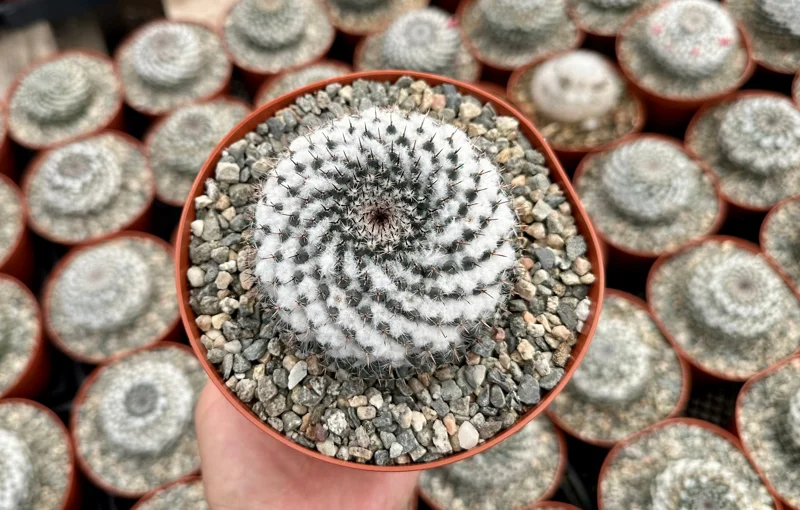
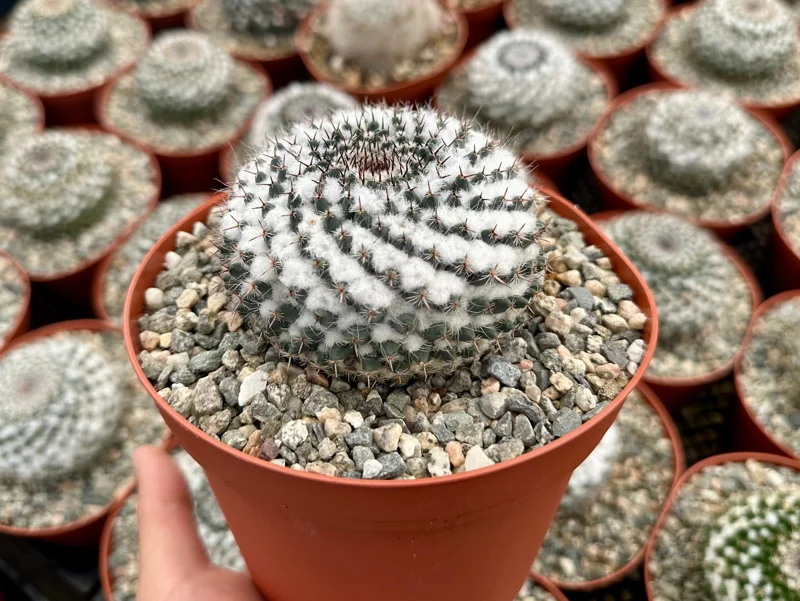
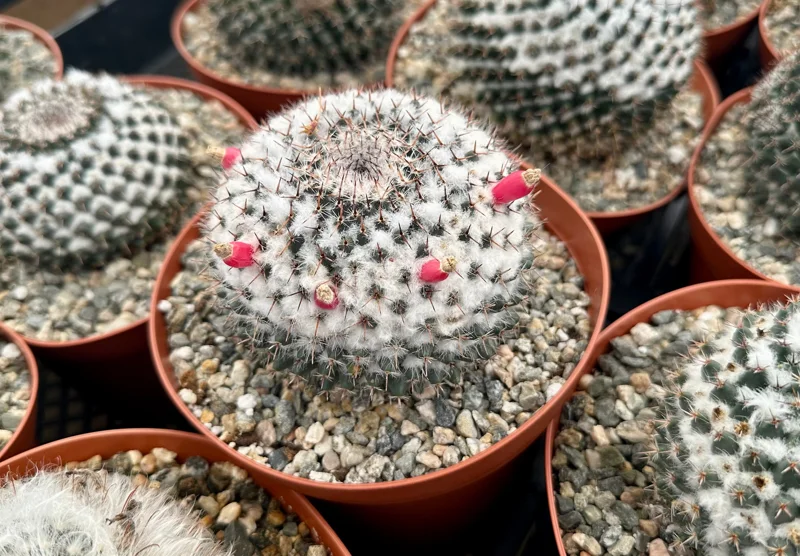
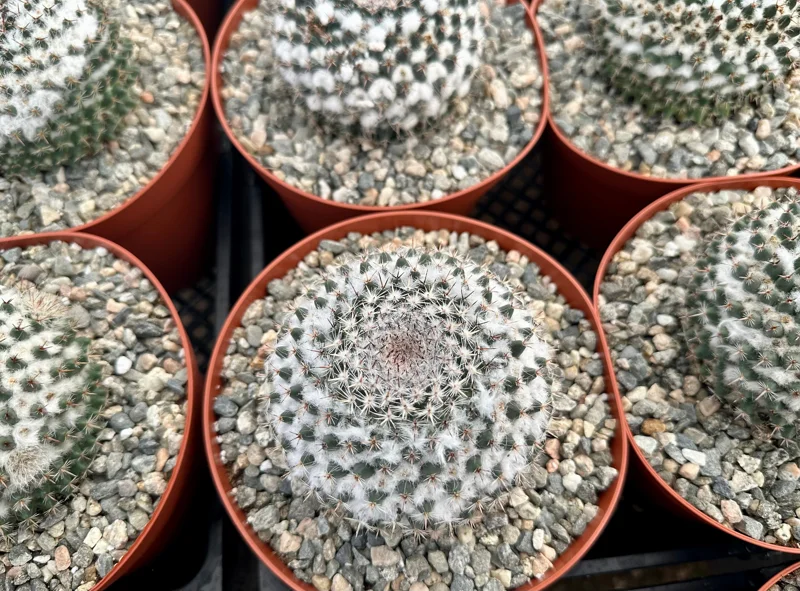
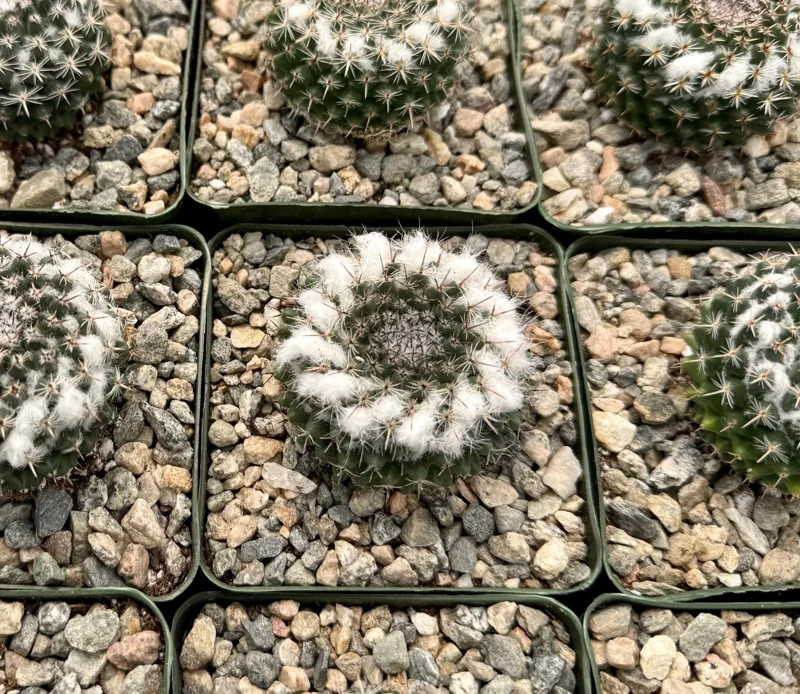
Mammillaria Chionocephala Live Plant – Snowball Cactus – Powder Puff Cactus – 4 inch or 6 inch Pot
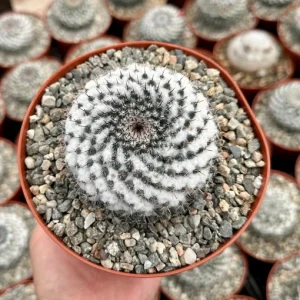
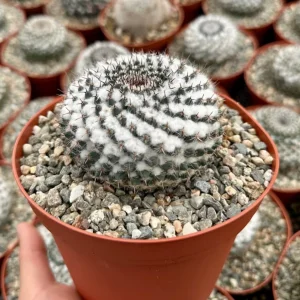
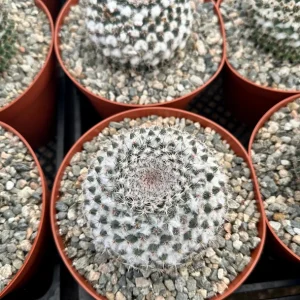
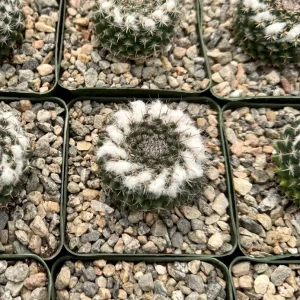
Bring home a beautiful mammillaria chionocephala live plant, also known as snowball cactus care or Powder Puff Cactus, in a 4-inch or 6-inch pot. This drought-tolerant succulent offers unique aesthetic appeal with its dense white spines and vibrant spring blooms, perfect for mammillaria chionocephala indoor cultivation and adding to your collection of unique desert plants.
From Original price was: $48.99.$33.99Current price is: $33.99.

With our Alive & Thrive Guarantee, we’ve got your back for the first 30 days! If you have any concerns about your plants, just reach out to us. Our team is here to help answer your questions and guide you in selecting the best plants for your garden, climate, and unique preferences. We're excited to help you create the garden of your dreams!
Estimated arrival
Oct 14
Oct 19 - Oct 21
Oct 24 - Oct 28
Product Details
-
USDA Hardiness Zone
USDA zones 9-11 (outdoors) or year-round indoors -
Soil type
Well-draining cactus or succulent potting mix -
Sunlight Exposure
Bright, indirect light -
Expected Planting Period
Year-round indoors
Overview
Welcome the enchanting mammillaria chionocephala live plant into your collection. This remarkable succulent, often affectionately called the Snowball Cactus or Powder Puff Cactus, is celebrated for its distinctive appearance and charming blooms. Native to arid regions of Mexico, particularly Durango and Sinaloa, this species has evolved to thrive in rocky, dry environments, making it a resilient and fascinating addition to any home or garden. Its name, ‘chionocephala,’ translates to ‘snow head,’ a perfect description of its densely covered white, hair-like spines that create a soft, alluring texture. This mammillaria chionocephala live plant offers not just aesthetic appeal but also a testament to nature’s incredible adaptability. Whether you’re a seasoned succulent enthusiast or new to the world of cacti, this plant promises to be a delightful and low-maintenance companion, perfect for those seeking unique desert plants.
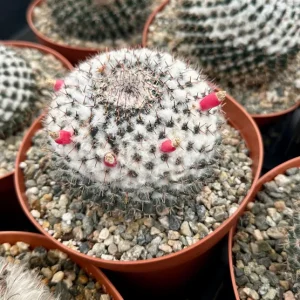
The mammillaria chionocephala live plant is a true marvel of the plant kingdom. Its compact, spherical to slightly elongated form typically reaches up to 3 inches tall and 2.4 inches wide, making it a perfect desk-friendly or windowsill plant. Beyond its visual charm, the dense white spines serve a dual purpose: they protect the plant from predators and provide natural shade, significantly reducing water loss in its native habitat. During spring, this captivating cactus adds another layer of beauty by producing small, bright pink or magenta flowers near its crown, offering a stunning contrast against its snowy white body. This combination of unique form, protective spines, and vibrant blooms makes the mammillaria chionocephala live plant a truly special and sought-after specimen, especially for those interested in mammillaria chionocephala indoor cultivation.
Key Benefits
The mammillaria chionocephala live plant offers a multitude of benefits, making it an excellent choice for both experienced plant parents and beginners:
- Unique Aesthetic Appeal: Its distinctive dense white spines give it a ‘snowball’ or ‘powder puff’ appearance, adding a unique textural element to any plant collection. The compact, spherical form is visually striking and captivating, making it a standout amongst unique desert plants.
- Vibrant Seasonal Blooms: During spring, the mammillaria chionocephala live plant produces small, beautiful bright pink or magenta flowers near its crown, providing a delightful splash of color against its white body. This blooming period adds another layer of charm and visual interest.
- Low Maintenance & Drought-Tolerant: As a desert native, this succulent is incredibly resilient and requires minimal watering, making it ideal for those with busy lifestyles or new to plant care. Its drought-tolerant nature means it can withstand periods of neglect, simplifying snowball cactus care.
- Compact Size: Growing only up to 3 inches tall and 2.4 inches wide, it’s perfect for small spaces, windowsills, desks, or as part of a succulent arrangement. Its manageable size makes it versatile for various indoor settings, particularly as a mammillaria chionocephala indoor plant.
- Natural Defense Mechanism: The dense white spines not only contribute to its beauty but also act as a natural defense against potential predators and help reduce water loss by providing shade, a fascinating adaptation for this powder puff cactus succulent.
- Easy to Propagate: With proper care, this cactus can produce offsets, allowing for easy propagation and sharing with friends and family. This makes it a rewarding plant for those who enjoy expanding their collections.
- Excellent for Collectors: For succulent and cactus enthusiasts, the powder puff cactus succulent is a must-have due to its unique characteristics and relatively easy care, fitting well into diverse collections of unique desert plants.
Plant Care & Growing Tips
Caring for your mammillaria chionocephala live plant is straightforward, making it an excellent choice for both novice and experienced gardeners. This resilient plant requires attention to a few key environmental factors to thrive. First and foremost, light is crucial. It prefers a good amount of bright light, ideally indirect or filtered sunlight for most of the day. While it enjoys ample light, protect it from intense, direct afternoon sun, especially in hot climates, as this can lead to scorching and damage its beautiful white spines. An east-facing window is often ideal, providing gentle morning sun, or a south/west-facing window with some sheer curtain protection for optimal mammillaria chionocephala indoor growth.
When it comes to watering, less is often more for your mammillaria chionocephala live plant. As a drought-tolerant succulent, its primary requirement is well-draining soil. Use a specialized cactus mix or create your own by amending regular potting soil with perlite, pumice, or coarse sand to ensure excellent drainage. Water thoroughly during the growing season (spring and summer), allowing the soil to dry out completely between waterings. This is critical to prevent root rot, which is the most common killer of cacti. In winter, during its dormancy period, significantly reduce watering, providing little to no water. The plant benefits from cooler temperatures during this time, which can encourage better blooming in the spring. This species of unique desert plants is not frost-tolerant, so if you live in an area with freezing temperatures, it’s essential to bring it indoors or provide adequate winter protection. Proper snowball cactus care emphasizes careful watering.
Fertilization is generally minimal for the mammillaria chionocephala live plant. During the active growing season (spring and summer), you can feed it with a diluted, balanced liquid fertilizer specifically formulated for cacti and succulents, typically once every 4-6 weeks. Avoid fertilizing during its dormant winter period. While generally pest-resistant, keep an eye out for common succulent pests like mealybugs or spider mites. Treat any infestations promptly with insecticidal soap or neem oil. Repotting is only necessary when the plant outgrows its container, usually every 2-3 years, always using fresh, well-draining soil mix. Following these simple guidelines will ensure your powder puff cactus succulent remains healthy and robust, rewarding you with its unique beauty for years to come.
Size & Details
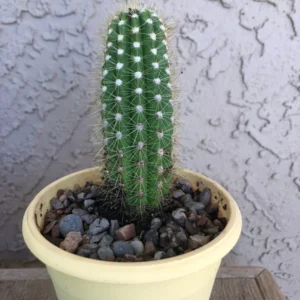
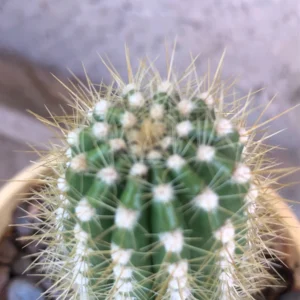
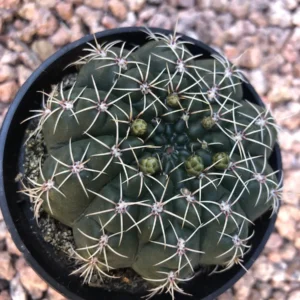
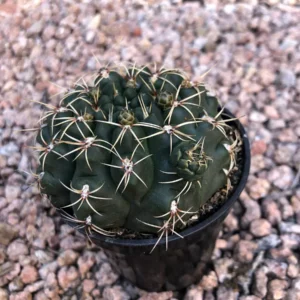
This listing is for a mammillaria chionocephala live plant, commonly known as the Snowball Cactus or Powder Puff Cactus, provided in a 4-inch or 6-inch nursery pot, depending on selection. Each plant is carefully selected to ensure a healthy and robust specimen, similar in size and appearance to those pictured. The typical growth habit of this species is compact, usually reaching an average height of 3 inches (7.6 cm) and a width of 2.4 inches (6 cm) at maturity. Its growth rate is slow, making it an enduring fixture in your collection without quickly outgrowing its space. The plant will arrive rooted in its nursery container, ready for you to place in your desired spot or repot into a decorative planter, perfect for cultivating this mammillaria chionocephala indoor beauty.
The dense white spines are a hallmark of this species of unique desert plants, providing its characteristic ‘snowball’ look. While it is a relatively small cactus, its presence is significant due to its striking appearance. During its blooming period in spring, you can expect small, bright pink or magenta flowers to emerge from the crown. This plant is shipped as a live, established specimen, ensuring it has a strong root system to adapt to its new environment. Its compact nature also means it’s easy to handle and integrate into various indoor garden designs or succulent arrangements, making the mammillaria chionocephala live plant a versatile choice for any home.
Frequently Asked Questions
- Q: How big does a mammillaria chionocephala live plant typically get? A: This compact cactus usually grows up to 3 inches (7.6 cm) tall and 2.4 inches (6 cm) wide, making it an ideal size for windowsills, desks, or small decorative pots.
- Q: Is snowball cactus care difficult? A: No, the Snowball Cactus is known for being relatively low-maintenance. It thrives on neglect rather than over-care, making it suitable for beginners or those with busy schedules.
- Q: How much sunlight does my powder puff cactus succulent need? A: It prefers bright, indirect light for most of the day. While it enjoys a lot of light, protect it from intense, direct afternoon sun to prevent scorching. This is crucial for a healthy mammillaria chionocephala indoor plant.
- Q: What kind of soil is best for this mammillaria chionocephala indoor plant? A: A well-draining cactus or succulent potting mix is essential. You can also amend regular potting soil with perlite or pumice to improve drainage, ensuring proper growth for these unique desert plants.
- Q: How often should I water my mammillaria chionocephala live plant? A: Water thoroughly during the growing season (spring/summer) only when the soil has completely dried out. Reduce watering significantly in winter during its dormancy period to prevent root rot.
- Q: Will my mammillaria chionocephala live plant bloom? When? A: Yes, with proper care, it can produce small, bright pink or magenta flowers in the spring. Consistent light and a winter dormancy period can encourage blooming.
- Q: Is this cactus frost-tolerant? A: No, the Mammillaria Chionocephala is not frost-tolerant. If you live in an area where temperatures drop below freezing, it’s crucial to bring the plant indoors or provide protection to ensure its survival.
- Q: What size pot does this plant come in? A: This mammillaria chionocephala live plant is offered in either a 4-inch or 6-inch nursery pot, depending on your selection.
- Q: How can I tell if I’m overwatering my snowball cactus care? A: Signs of overwatering include a soft, mushy stem, discoloration (yellowing or browning), and eventually root rot. Always let the soil dry out completely between waterings to avoid these issues.
- Q: Can I keep this powder puff cactus succulent outdoors? A: It can be kept outdoors in warm climates (USDA zones 9-11) where frost is not a concern, provided it receives bright, indirect light and protection from intense afternoon sun. Otherwise, it thrives as a mammillaria chionocephala indoor plant.
| Pot Size | 4", 6" |
|---|
Related products
-97%
Original price was: $316.80.$9.92Current price is: $9.92.
-30%
Original price was: $79.98.$55.98Current price is: $55.98.
-30%

Original price was: $85.98.$60.18Current price is: $60.18.
-30%
Original price was: $47.98.$33.58Current price is: $33.58.
-40%

Original price was: $19.60.$11.76Current price is: $11.76.
-30%
Original price was: $79.98.$55.98Current price is: $55.98.
PLANTING & CARE
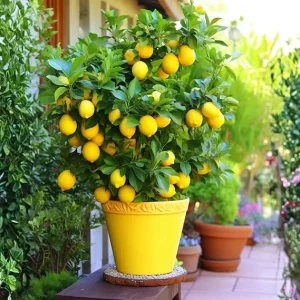
Lemon Tree Growing: Choose, Plant, and Harvest
Learn how to choose, plant, feed, and protect a lemon tree so it fits your
23
Sep
Sep
Dwarf Meyer Lemon Tree Australia: Climate Guide
Learn where dwarf Meyer lemon trees grow, how much cold they tolerate, and whether Australia,
Where to Buy a Dwarf Meyer Lemon Tree: Buyer’s Guide
Find the right dwarf Meyer lemon tree online or locally, compare starter sizes and costs,
Dwarf Meyer Lemon Tree for Sale: Buying Guide
Compare Meyer lemon tree sizes, prices, shipping limits, indoor growing and California options before you
Dwarf Meyer Lemon Tree Guide: Size, Care and Fruit
META: Learn how large a dwarf Meyer lemon tree grows, where it thrives, and how
How to Prune a Dwarf Meyer Lemon Tree
Learn when and how to prune a dwarf Meyer lemon tree, including tools, shaping cuts,
Can You Grow a Dwarf Meyer Lemon Tree in a Pot?
META: Learn how to grow a dwarf Meyer lemon tree in a pot, including container
When Do Dwarf Meyer Lemon Trees Bloom and Fruit?
META: Dwarf Meyer lemon trees usually bloom from winter through spring and may flower again