Mammillaria Cristata Brain Cactus – Crested Succulent Live Plant – Unique Form
-50%
Mammillaria Cristata Brain Cactus – Crested Succulent Live Plant – Unique Form
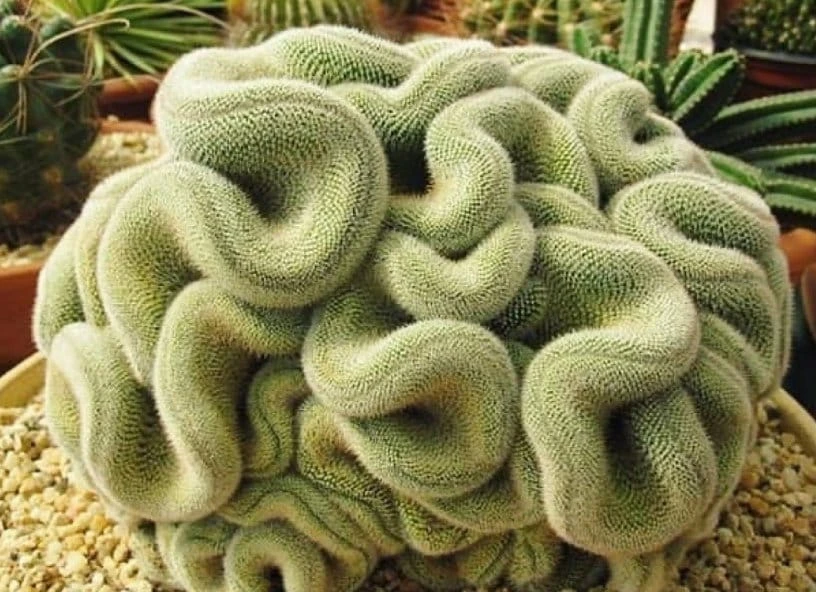
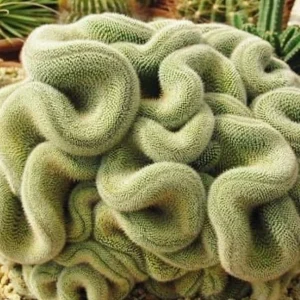
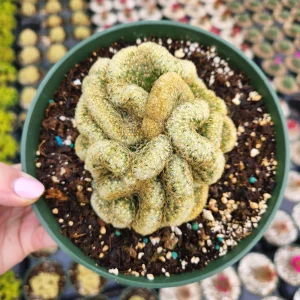
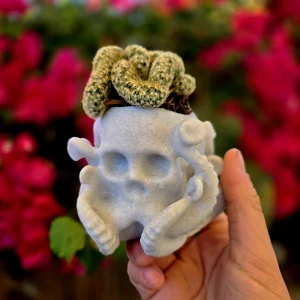
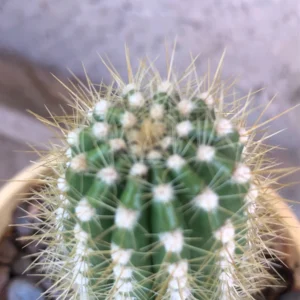
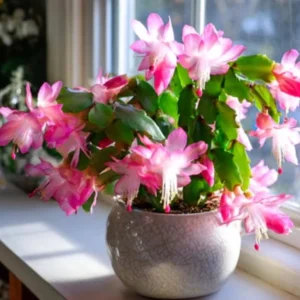
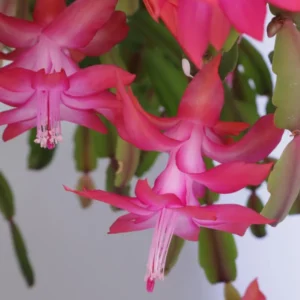
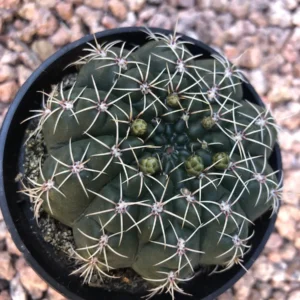
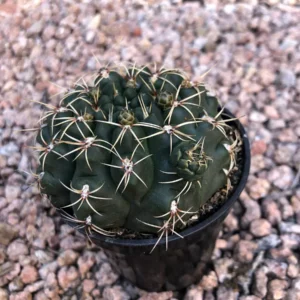
Bring home a truly unique botanical specimen with the Mammillaria Cristata Brain Cactus. This fascinating crested succulent live plant boasts an intricate, brain-like growth pattern, making it a captivating addition to any collection. Ideal for indoor display, it’s a conversation starter and a joy to cultivate.
From Original price was: $60.00.$30.00Current price is: $30.00.

With our Alive & Thrive Guarantee, we’ve got your back for the first 30 days! If you have any concerns about your plants, just reach out to us. Our team is here to help answer your questions and guide you in selecting the best plants for your garden, climate, and unique preferences. We're excited to help you create the garden of your dreams!
Estimated arrival
Oct 14
Oct 19 - Oct 21
Oct 24 - Oct 28

Product Details
-
USDA Hardiness Zone
USDA zones 9-11 (outdoors); year-round indoors -
Soil type
Well-draining cactus/succulent mix -
Sunlight Exposure
Bright direct light (4-6 hours daily) -
Expected Planting Period
Year-round indoors
Overview
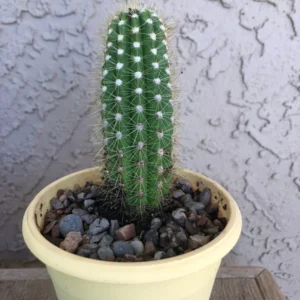
Introduce a touch of the extraordinary to your plant collection with the Mammillaria Cristata Brain Cactus. This remarkable succulent is renowned for its captivating, undulating, and convoluted growth pattern, which often resembles a brain, hence its popular common name, “Brain Cactus.” Scientifically known as Mammillaria elongata ‘Cristata’, this crested form of the Mammillaria elongata cactus develops a fan-like or ridge-like crest instead of the typical columnar growth. Each crested succulent live plant is a unique work of art, showcasing nature’s incredible diversity. Perfect for both seasoned succulent enthusiasts and those new to the hobby, this plant offers visual intrigue and is relatively straightforward to care for, making it a rewarding addition to any indoor garden or rockery.
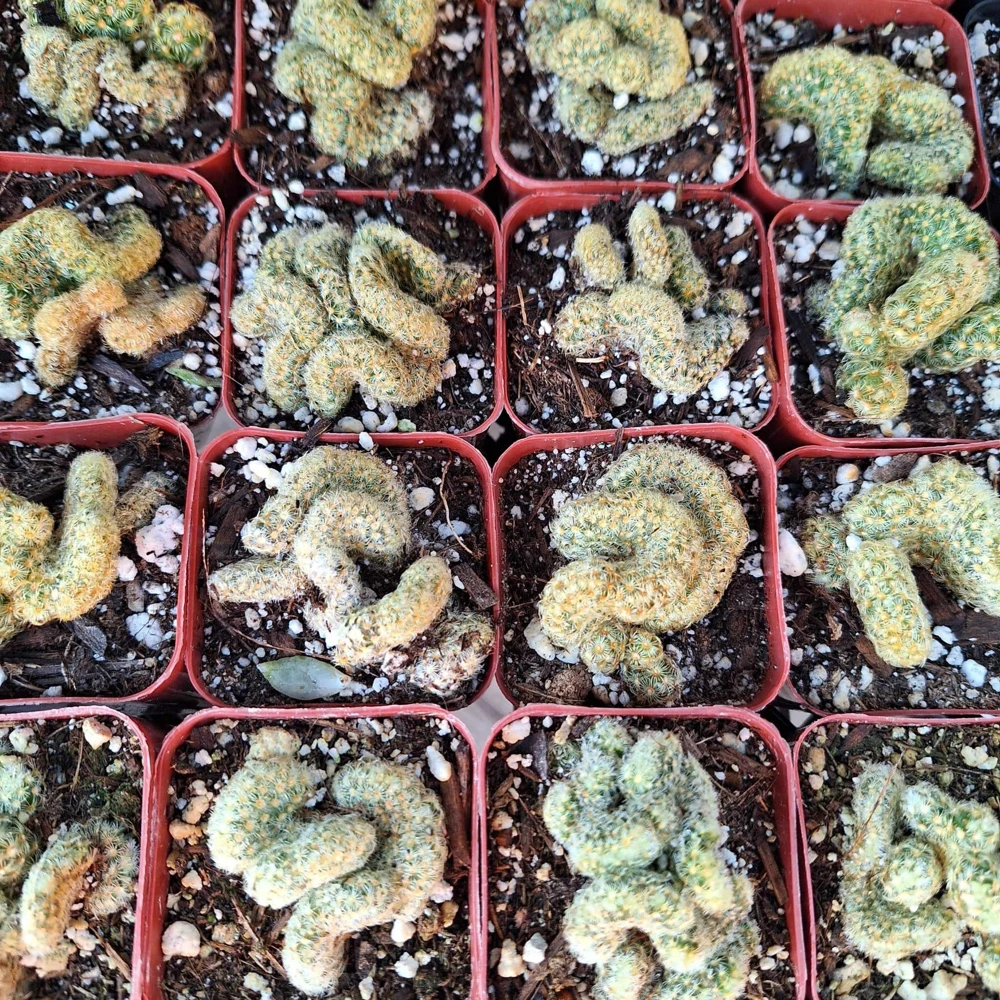
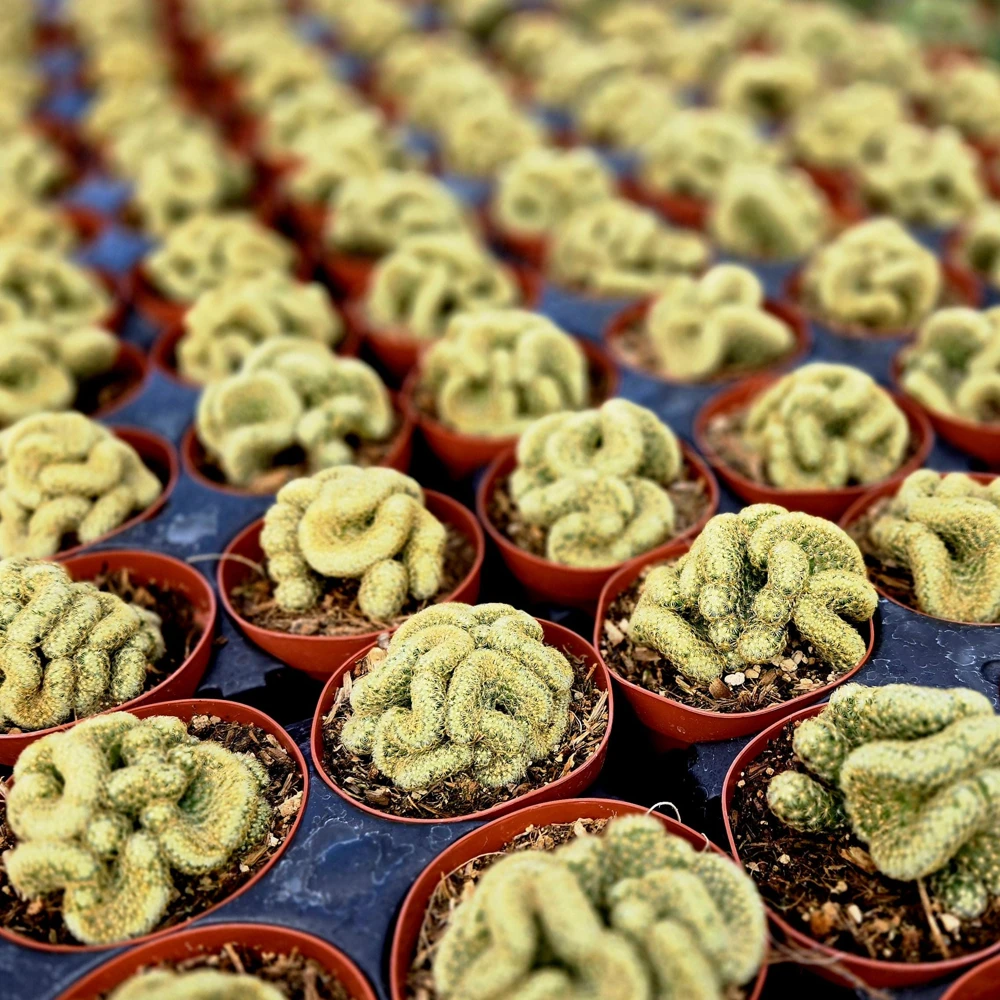
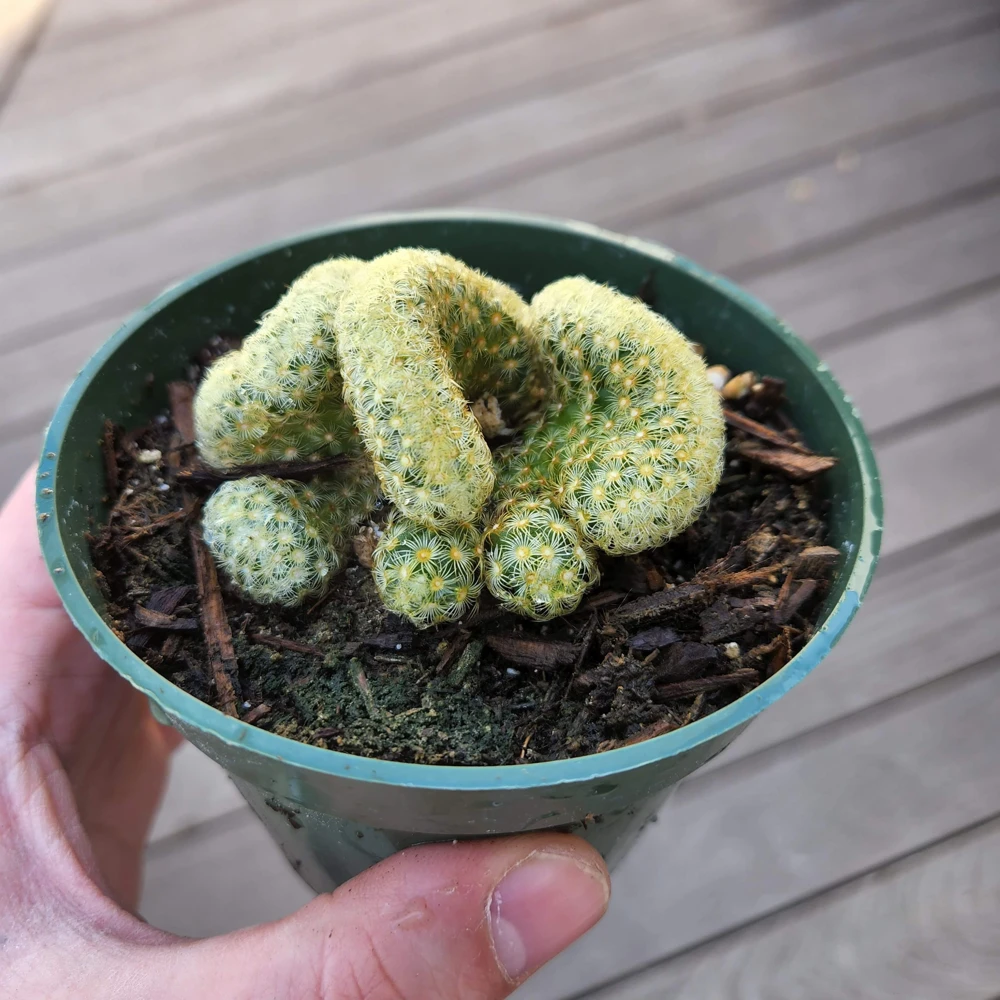
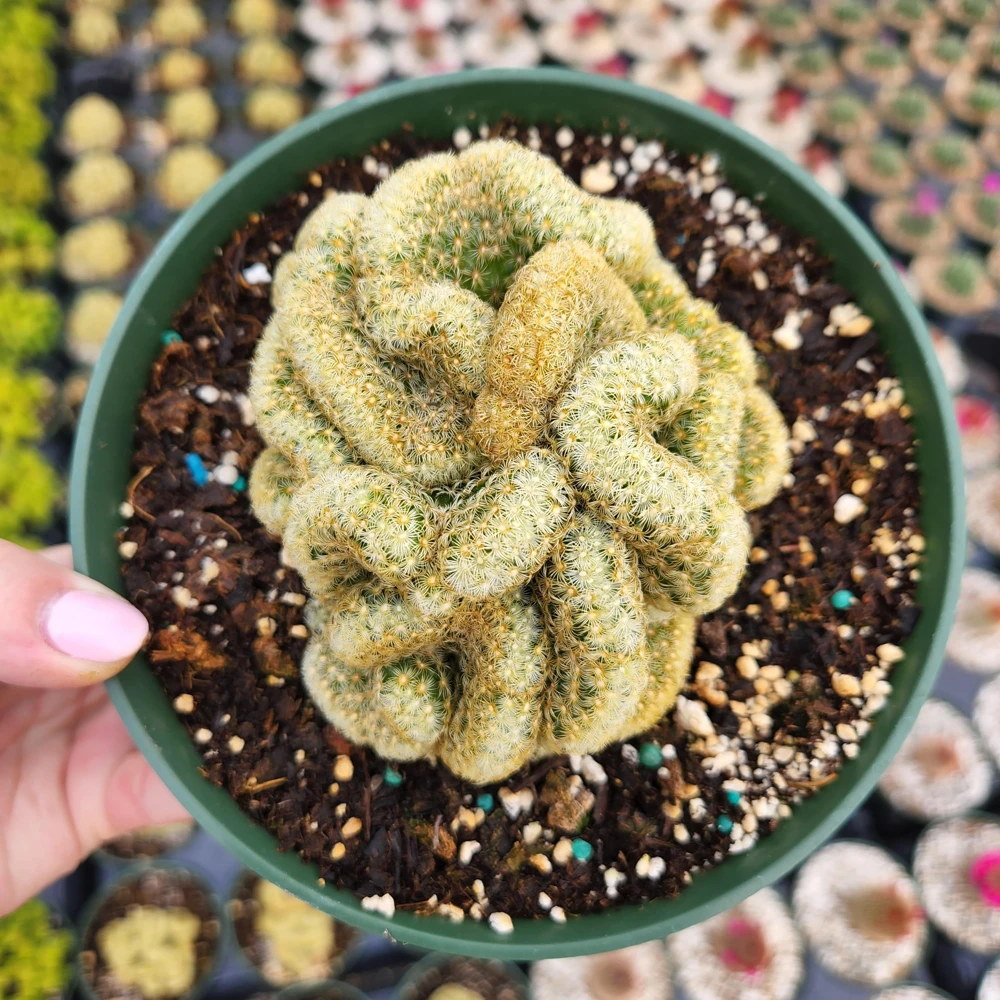
The unique appearance of the Mammillaria Cristata Brain Cactus arises from a genetic mutation that causes the growing point of the stem to flatten and elongate, forming a crest. This creates a dense, wavy mound of tubercles, typically covered in golden-yellow to reddish-brown spines, adding to its distinctive charm. When you purchase a Mammillaria Cristata for sale, you’re acquiring a living sculpture that will evolve and grow, providing endless fascination. Its compact size also makes it an excellent choice for windowsills, desks, or terrariums, where its intricate details can be admired up close.
Key Benefits
The Mammillaria Cristata Brain Cactus offers a range of benefits that make it a highly desirable plant for any home or office. Its distinctive appearance is just one of many advantages:
- Unique Aesthetic Appeal: The most striking benefit is its extraordinary form. The brain-like convolutions and dense spination create a highly sculptural and visually engaging plant that stands out from typical succulents. It serves as a natural focal point in any plant arrangement.
- Low Maintenance: Like many succulents, this crested succulent live plant is incredibly drought-tolerant and requires minimal watering. It thrives on neglect, making it perfect for busy individuals or those new to plant care.
- Compact Size: Generally remaining small, the Brain Cactus is ideal for small spaces, apartments, or office desks. It doesn’t require much room to make a significant visual impact.
- Collector’s Item: Due to its unusual growth habit, the Mammillaria Cristata is highly sought after by succulent and cactus collectors, adding prestige to any collection.
- Drought Tolerance: Adapted to arid conditions, it stores water in its stems, meaning it can go for extended periods without water, reducing the risk of overwatering, a common plant killer.
- Indoor Potted Plant: This plant thrives indoors, making it suitable for a wide range of climates and allowing you to enjoy its beauty year-round without worrying about frost or extreme weather.
- Air Purification: While not as pronounced as some foliage plants, succulents contribute to indoor air quality by absorbing carbon dioxide and releasing oxygen, especially at night.
Plant Care & Growing Tips
Caring for your Mammillaria Cristata Brain Cactus is relatively simple, provided you understand its basic needs as a succulent. The key to successful cultivation lies in mimicking its natural desert habitat, focusing on ample light and excellent drainage.
Sunlight requirements: This unique succulent plant thrives in bright, direct sunlight for at least 4-6 hours per day. An south-facing window is often ideal indoors. If sufficient natural light isn’t available, consider supplementing with a grow light. While it loves sun, protect it from intense, scorching afternoon sun during peak summer, which can cause sunburn. Gradual acclimation to new light conditions is crucial to prevent shock.
Watering schedule and soil moisture preferences: Overwatering is the biggest killer of succulents. Allow the soil to dry out completely between waterings. During the active growing season (spring and summer), water thoroughly until water drains from the bottom of the pot. In fall and winter, reduce watering significantly, perhaps once every 3-4 weeks, or even less, as the plant enters a dormant phase. Always err on the side of underwatering rather than overwatering. If you’re unsure how to tell if it’s time to water, consider the weight of the pot; a dry pot will be noticeably lighter.
Soil type and drainage requirements: Excellent drainage is paramount for the health of your brain cactus care. Use a well-draining cactus or succulent potting mix, or create your own by mixing regular potting soil with perlite, pumice, or coarse sand in a 1:1 ratio. The pot must have drainage holes to prevent water from sitting around the roots, which leads to rot. Repotting is generally only necessary every 2-3 years, or when the plant outgrows its container.
Temperature range and USDA hardiness zone: The Mammillaria Cristata prefers warm temperatures, ideally between 65-80°F (18-27°C) during its growing season. It can tolerate cooler temperatures in winter, down to about 50°F (10°C), but should be protected from frost. It is typically grown as an indoor plant in most regions; for outdoor cultivation, it is best suited for USDA hardiness zones 9-11. Avoid sudden temperature fluctuations.
Fertilization schedule and type: Fertilize sparingly, if at all. During the growing season (spring and summer), you can feed your Mammillaria Cristata Brain Cactus with a diluted cactus or succulent fertilizer once every 2-3 months. Use a fertilizer low in nitrogen and high in phosphorus and potassium. Do not fertilize during its dormant period in fall and winter.
Common problems and solutions: The most common issues include root rot from overwatering, mealybugs, and spider mites. Ensure proper watering practices to prevent rot. For pests, isolate the plant and treat with rubbing alcohol on a cotton swab for mealybugs, or insecticidal soap for spider mites. Provide good air circulation to deter fungal issues.
Size & Details
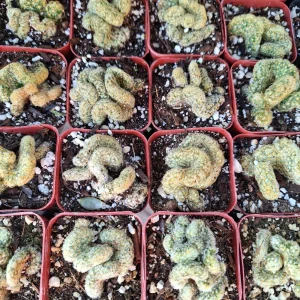
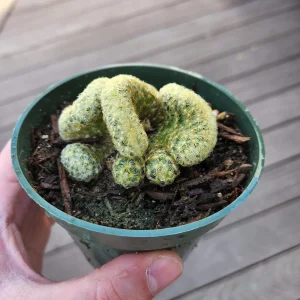
The Mammillaria Cristata Brain Cactus typically grows into a compact, mounding form, often reaching a diameter of 3 to 6 inches, though larger, more mature specimens can spread further. Its height is usually proportional to its width, creating a low, dense cushion of crested growth. The growth rate is generally slow, allowing you to enjoy its intricate form as it gradually develops over time. This plant is usually shipped as a live, rooted plant, often bare root or with minimal soil, depending on the destination weather conditions to ensure its survival and minimize stress during transit. Each plant’s unique crested formation means that no two specimens will look exactly alike, offering a truly one-of-a-kind addition to your collection. Expect a healthy, vibrant plant ready to be potted in its new home.
Frequently Asked Questions
- Q: How big does this plant get? A: The Mammillaria Cristata Brain Cactus typically grows 3 to 6 inches in diameter, forming a compact, mounding shape. Its slow growth rate means it will retain a manageable size for many years, making it perfect for smaller spaces.
- Q: Is this an indoor or outdoor plant? A: While it can be grown outdoors in warm climates (USDA zones 9-11), it is most commonly cultivated as an indoor plant in the US due to its preference for consistent temperatures and protection from frost.
- Q: How much sunlight does it need? A: This crested succulent live plant thrives in bright, direct sunlight for at least 4-6 hours daily. A south-facing window is ideal indoors, or you can supplement with a grow light.
- Q: Is this plant easy to care for? A: Yes, the Mammillaria Cristata Brain Cactus is considered easy to care for, especially for those who understand basic succulent needs. Its primary requirements are ample sunlight and infrequent watering with excellent drainage.
- Q: What condition will it arrive in? A: Your unique succulent plant will arrive as a live, healthy specimen. Depending on weather conditions and transit time, it may be shipped bare root to ensure its survival and prevent rot. Some minor imperfections from shipping are normal.
- Q: How often should I water my brain cactus? A: Water thoroughly only when the soil is completely dry. This usually means every 2-4 weeks during the growing season and much less frequently in winter (once a month or less). Always ensure good drainage.
- Q: Does the Mammillaria Cristata Brain Cactus flower? A: Yes, like its non-crested counterpart, the Mammillaria Cristata can produce small, bell-shaped flowers, typically pink or yellow, forming a ring around the crest during spring or early summer.
- Q: What type of soil is best for brain cactus care? A: A specialized cactus or succulent potting mix that offers excellent drainage is crucial. You can also mix regular potting soil with perlite, pumice, or coarse sand for improved aeration and drainage.
- Q: Is the Mammillaria Cristata pet-safe? A: While generally not considered toxic, the spines can be sharp and cause irritation if ingested or handled improperly. It’s best to keep it out of reach of curious pets and children.
- Q: How often should I repot my Mammillaria Cristata for sale? A: Repotting is generally needed every 2-3 years, or when the plant has significantly outgrown its current container. Choose a pot only slightly larger than the current one to prevent excess moisture retention.
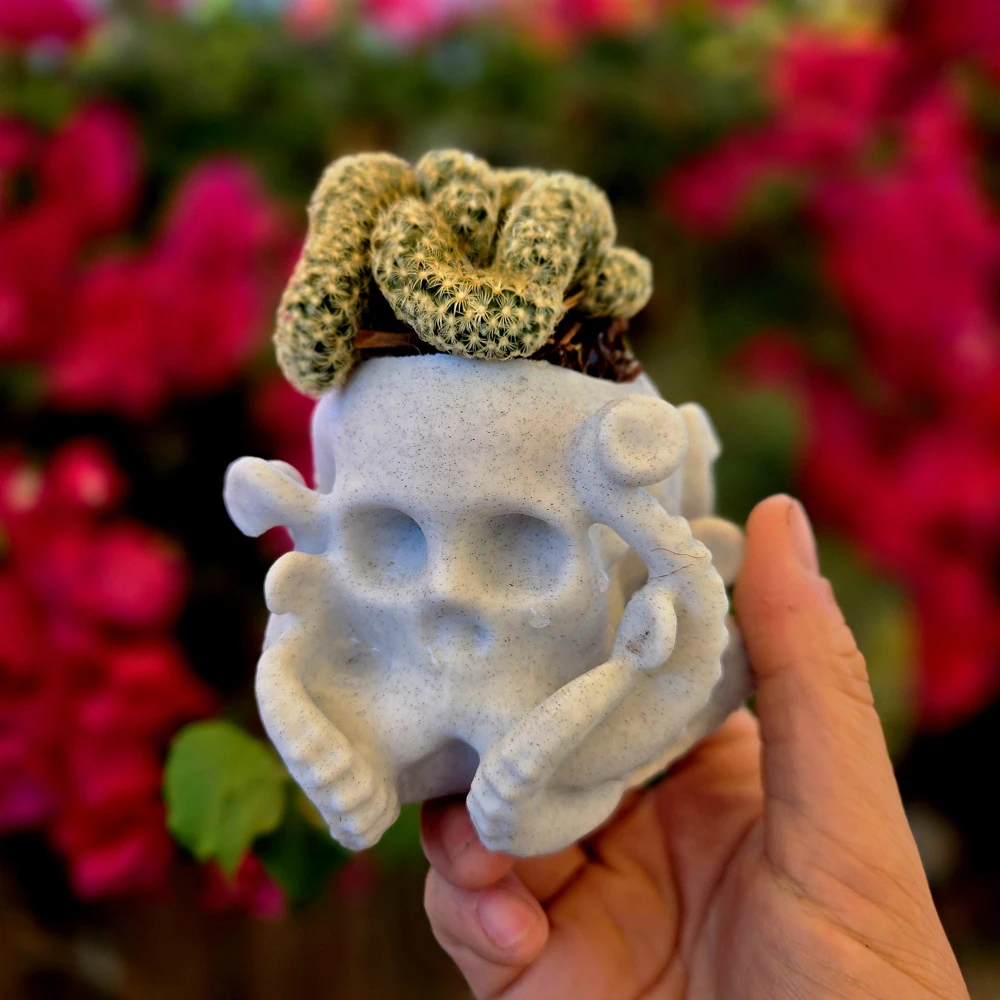
| Size | 2 Gallons Pot, 4" Pot, Planter With Cactus |
|---|
Related products
-30%
Original price was: $79.98.$55.98Current price is: $55.98.
-30%
Original price was: $79.98.$55.98Current price is: $55.98.
-30%
Original price was: $85.98.$60.18Current price is: $60.18.

-30%
Original price was: $85.98.$60.18Current price is: $60.18.
-40%

Original price was: $19.60.$11.76Current price is: $11.76.
-30%
Original price was: $79.98.$55.98Current price is: $55.98.
PLANTING & CARE
Lemon Tree Growing: Choose, Plant, and Harvest
Learn how to choose, plant, feed, and protect a lemon tree so it fits your
23
Sep
Sep
Dwarf Meyer Lemon Tree Australia: Climate Guide
Learn where dwarf Meyer lemon trees grow, how much cold they tolerate, and whether Australia,
Where to Buy a Dwarf Meyer Lemon Tree: Buyer’s Guide
Find the right dwarf Meyer lemon tree online or locally, compare starter sizes and costs,
Dwarf Meyer Lemon Tree for Sale: Buying Guide
Compare Meyer lemon tree sizes, prices, shipping limits, indoor growing and California options before you
Dwarf Meyer Lemon Tree Guide: Size, Care and Fruit
META: Learn how large a dwarf Meyer lemon tree grows, where it thrives, and how
How to Prune a Dwarf Meyer Lemon Tree
Learn when and how to prune a dwarf Meyer lemon tree, including tools, shaping cuts,
Can You Grow a Dwarf Meyer Lemon Tree in a Pot?
META: Learn how to grow a dwarf Meyer lemon tree in a pot, including container
When Do Dwarf Meyer Lemon Trees Bloom and Fruit?
META: Dwarf Meyer lemon trees usually bloom from winter through spring and may flower again