Manuka Tea Tree Live Plant – 4″ Pot Starter – Culinary & Medicinal Uses
-47%


Manuka Tea Tree Live Plant – 4″ Pot Starter – Culinary & Medicinal Uses
Bring home a Manuka Tea Tree live plant in a 4-inch pot, perfect for culinary and health uses. This easy-to-grow, drought-tolerant starter offers both beauty and utility to your garden or patio.
Original price was: $28.58.$15.19Current price is: $15.19.

With our Alive & Thrive Guarantee, we’ve got your back for the first 30 days! If you have any concerns about your plants, just reach out to us. Our team is here to help answer your questions and guide you in selecting the best plants for your garden, climate, and unique preferences. We're excited to help you create the garden of your dreams!
Estimated arrival
Oct 21
Oct 26 - Oct 28
Oct 31 - Nov 04
Product Details
-
USDA Hardiness Zone
USDA zones 9-11 -
Soil type
Well-draining, slightly acidic to neutral soil -
Sunlight Exposure
Full sun (at least 6 hours direct sunlight daily) -
Expected Planting Period
Spring to early summer
Overview
The Manuka Tea Tree live plant, botanically known as Leptospermum scoparium, is a remarkable addition to any garden or patio, prized for its ornamental beauty, resilience, and numerous practical applications. This 4-inch potted starter plant provides an excellent foundation for cultivating a versatile and beneficial shrub. Native to New Zealand and southeastern Australia, the Manuka Tea Tree live plant is famous for its distinct aroma and the potent honey produced from its flowers. Beyond its well-known honey, the plant itself offers a range of health benefits and culinary uses, making it a valuable and intriguing specimen for both novice and experienced gardeners.
This particular starter plant is designed to be easy to grow, making it accessible for those new to gardening. Its drought-tolerant nature means it can withstand periods of dry weather, reducing the need for constant watering once established. Whether you’re looking to enhance your landscape with an attractive, fragrant shrub or explore the potential medicinal and culinary properties of Manuka, this live plant offers a unique opportunity. Its adaptability allows it to thrive in various conditions, providing a robust and enduring presence in your outdoor space.
Key Benefits
Cultivating a Manuka Tea Tree live plant offers a wealth of advantages, from its aesthetic appeal to its functional versatility. This plant is not only beautiful but also a source of natural goodness.
- Health and Wellness Support: The leaves and flowers of the Manuka Tea Tree live plant are traditionally used for their beneficial properties. They contain compounds that contribute to overall well-being, often associated with soothing qualities. Incorporating this plant into your garden allows for direct access to its natural elements.
- Culinary Versatility: Explore the unique flavor profile of Manuka leaves, which can be used to infuse teas, flavor dishes, or create aromatic garnishes. The subtle, earthy notes add a distinctive touch to various culinary creations, offering a fresh perspective on herbal cooking. This makes it a fascinating choice for those interested in Tea Tree culinary uses.
- Drought Tolerance: Once established, this plant is remarkably resilient to dry conditions, requiring less water than many other species. This makes it an ideal choice for water-wise gardens or for gardeners seeking low-maintenance options, contributing to its reputation as one of the best drought tolerant plants.
- Attracts Pollinators: The delicate flowers of the Manuka Tea Tree are highly attractive to bees and other pollinators, contributing to a healthier garden ecosystem. Supporting local wildlife and biodiversity is a rewarding aspect of growing this plant.
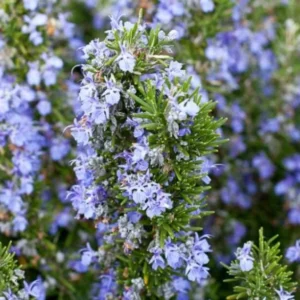
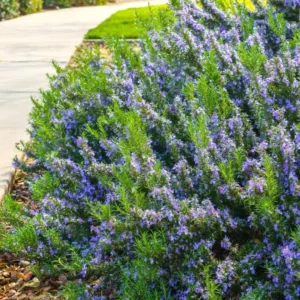
- Attractive Ornamental Shrub: With its small, fragrant leaves and often prolific white or pink blossoms, the Manuka Tea Tree serves as an elegant ornamental shrub. It can be a focal point in a garden bed or a beautiful addition to a container arrangement.
- Easy to Grow: This starter plant is selected for its ease of cultivation, making it suitable for gardeners of all experience levels. It adapts well to various soil types and conditions, simplifying the growing process.
- Natural Pest Deterrent: Some gardeners find that the strong aroma of the Manuka Tea Tree can help deter certain common garden pests, adding another layer of practical benefit to its presence.
Plant Care & Growing Tips
Caring for your Manuka Tea Tree live plant is relatively straightforward, especially given its drought-tolerant nature. To ensure optimal growth and vitality, understanding its specific needs is key. This plant thrives in sunny locations, requiring at least 6 hours of direct sunlight per day to produce abundant flowers and maintain vigorous growth. If growing indoors in a colder climate, place it in a south-facing window or under grow lights to mimic its natural environment. Proper light exposure is crucial for the plant’s overall health and the development of its beneficial compounds.
When it comes to watering, the Manuka Tea Tree live plant prefers consistent moisture in its early stages but becomes quite tolerant of drier conditions once established. Allow the top inch or two of soil to dry out between waterings to prevent root rot, which is a common issue for many plants. Good drainage is paramount; ensure your pot or garden bed has excellent drainage. A well-draining soil mix, ideally slightly acidic to neutral, will provide the best environment for its roots. For container plants, a high-quality potting mix blended with perlite or sand works well. In the garden, amend heavy clay soils with organic matter to improve drainage.
The Manuka Tea Tree is hardy in USDA zones 9-11, preferring mild winters and warm summers. In colder regions, it can be grown in containers and brought indoors during the winter months. Fertilize sparingly; a balanced, slow-release fertilizer in spring is usually sufficient. Avoid over-fertilizing, which can lead to excessive foliage growth at the expense of flowers. Pruning can be done after flowering to maintain shape and encourage bushier growth. Watch out for common pests like scale or mealybugs, though the plant is generally quite resistant. Addressing any issues promptly with organic pest control methods will ensure your Leptospermum scoparium remains healthy and vibrant. Understanding these aspects of care will help you maximize the unique qualities and potential of your Manuka plant benefits.
Size & Details
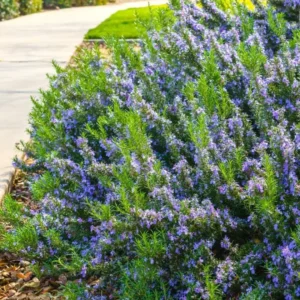
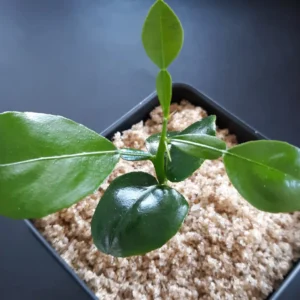
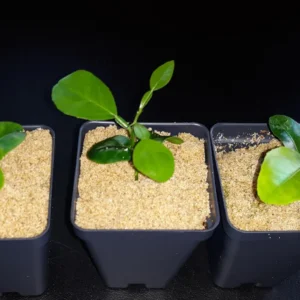
This offering is for one Manuka Tea Tree live plant, provided as a starter plant in a 4-inch nursery pot. At the time of shipment, the plant typically stands approximately 6-10 inches tall, ready to be transplanted into a larger pot or directly into your garden. The Manuka Tea Tree is a moderately fast-growing shrub, capable of reaching heights of 6-15 feet and widths of 4-10 feet in ideal outdoor conditions over several years. Its growth rate is influenced by climate, soil, and care. When grown in containers, its size can be managed through regular pruning. Expect to see its characteristic small, often fragrant leaves and delicate flowers, which usually appear in late spring to early summer. The plant is shipped without its decorative pot to ensure safe and efficient transit, arriving with its root ball intact and protected.
Frequently Asked Questions
- Q: How big does this Manuka Tea Tree live plant get? A: In ideal outdoor conditions, the Manuka Tea Tree live plant can reach heights of 6-15 feet and widths of 4-10 feet over several years. Its size can be managed with pruning, especially when grown in containers.
- Q: Is this an indoor or outdoor plant? A: The Manuka Tea Tree can be grown outdoors in USDA zones 9-11. In colder climates, it is best grown in containers and brought indoors during winter, making it a versatile option for various environments.
- Q: How much sunlight does the Manuka Tea Tree need? A: This plant thrives in full sun, requiring at least 6 hours of direct sunlight per day. Adequate sunlight ensures robust growth and abundant flowering.
- Q: Is this plant easy to care for? A: Yes, the Manuka Tea Tree live plant is considered easy to care for, especially once established. It is drought-tolerant and adaptable to various soil conditions, making it suitable for beginners.
- Q: Will it arrive with a pot? A: No, the plant is shipped without its decorative pot to ensure safe transport. It will arrive with its root ball safely packaged, ready for you to plant in your chosen container or garden bed.
- Q: Can I use the leaves of the Manuka Tea Tree for culinary purposes? A: Yes, the leaves of the Manuka Tea Tree live plant have traditional Tea Tree culinary uses. They can be used to flavor teas, infuse dishes, or as an aromatic garnish, offering a unique flavor profile.
- Q: When is the best time to plant this Manuka Tea Tree? A: The best time to plant is typically in spring or early summer, after the last frost, allowing the plant ample time to establish itself before colder weather.
- Q: What kind of soil does it prefer? A: The Manuka Tea Tree prefers well-draining soil, ideally slightly acidic to neutral. For container planting, use a high-quality potting mix amended with perlite or sand for improved drainage.
- Q: Is the Manuka Tea Tree drought tolerant? A: Yes, once established, the Manuka Tea Tree live plant is known for its excellent drought tolerance. This makes it a great choice for water-wise gardening.
- Q: Does this plant attract pollinators? A: Absolutely! The flowers of the Manuka Tea Tree are very attractive to bees and other beneficial pollinators, contributing to a healthy and vibrant garden ecosystem.
Related products
-67%
Original price was: $39.72.$13.24Current price is: $13.24.
-37%
Original price was: $15.96.$9.98Current price is: $9.98.
-30%
Original price was: $57.98.$40.58Current price is: $40.58.
-50%
Original price was: $27.96.$13.98Current price is: $13.98.
-58%
Original price was: $39.99.$16.99Current price is: $16.99.
-20%
Original price was: $35.00.$28.00Current price is: $28.00.
-50%
Original price was: $59.96.$29.98Current price is: $29.98.
-50%
Original price was: $47.96.$23.98Current price is: $23.98.
PLANTING & CARE
Lemon Tree Growing: Choose, Plant, and Harvest
Learn how to choose, plant, feed, and protect a lemon tree so it fits your
23
Sep
Sep
Dwarf Meyer Lemon Tree Australia: Climate Guide
Learn where dwarf Meyer lemon trees grow, how much cold they tolerate, and whether Australia,
Where to Buy a Dwarf Meyer Lemon Tree: Buyer’s Guide
Find the right dwarf Meyer lemon tree online or locally, compare starter sizes and costs,
Dwarf Meyer Lemon Tree for Sale: Buying Guide
Compare Meyer lemon tree sizes, prices, shipping limits, indoor growing and California options before you
Dwarf Meyer Lemon Tree Guide: Size, Care and Fruit
META: Learn how large a dwarf Meyer lemon tree grows, where it thrives, and how
How to Prune a Dwarf Meyer Lemon Tree
Learn when and how to prune a dwarf Meyer lemon tree, including tools, shaping cuts,
Can You Grow a Dwarf Meyer Lemon Tree in a Pot?
META: Learn how to grow a dwarf Meyer lemon tree in a pot, including container
When Do Dwarf Meyer Lemon Trees Bloom and Fruit?
META: Dwarf Meyer lemon trees usually bloom from winter through spring and may flower again