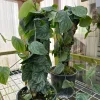
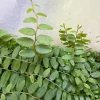
Marcgravia Shingling Vine Cutting – Rare Tropical Houseplant
-50%
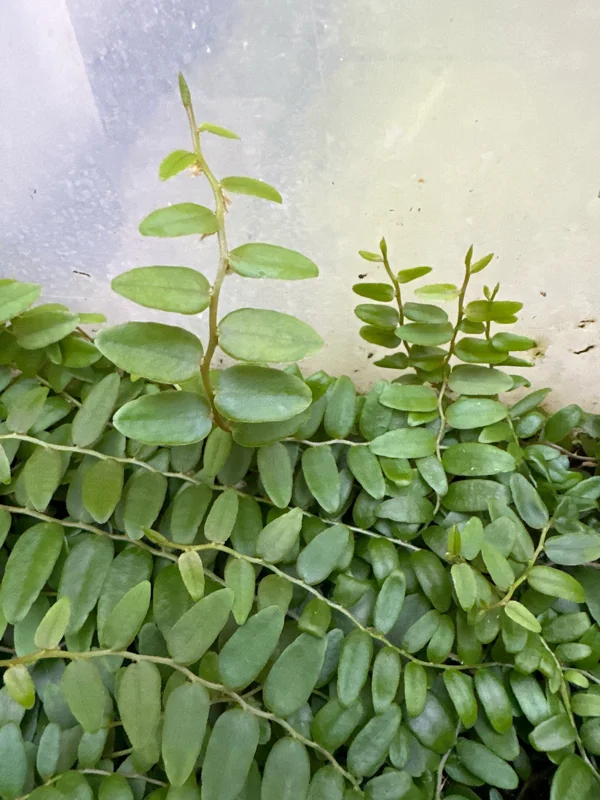
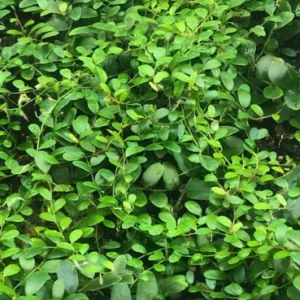
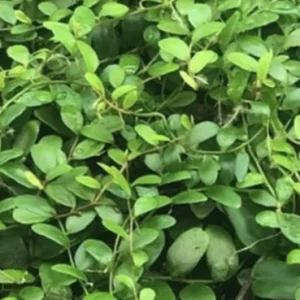
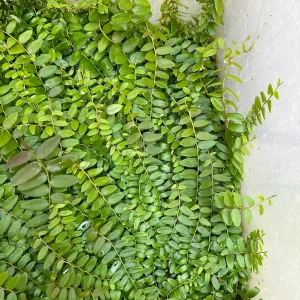
Marcgravia Shingling Vine Cutting – Rare Tropical Houseplant
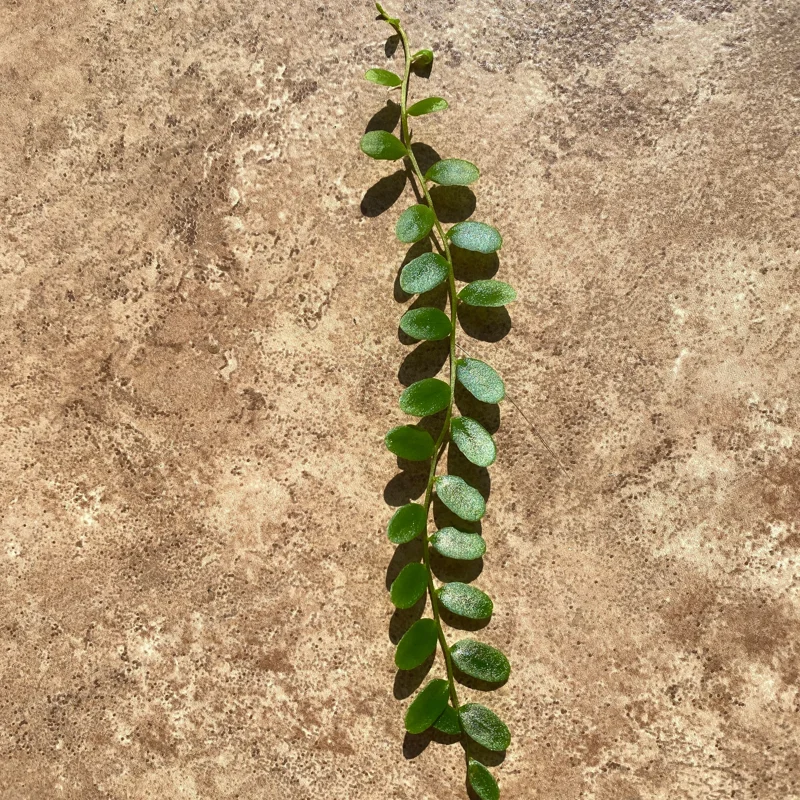
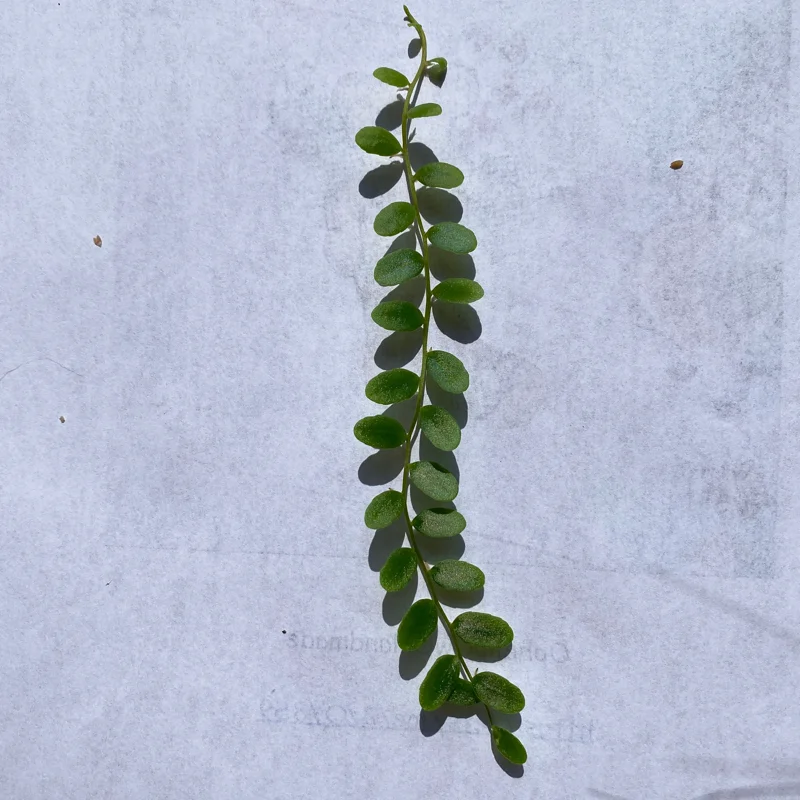
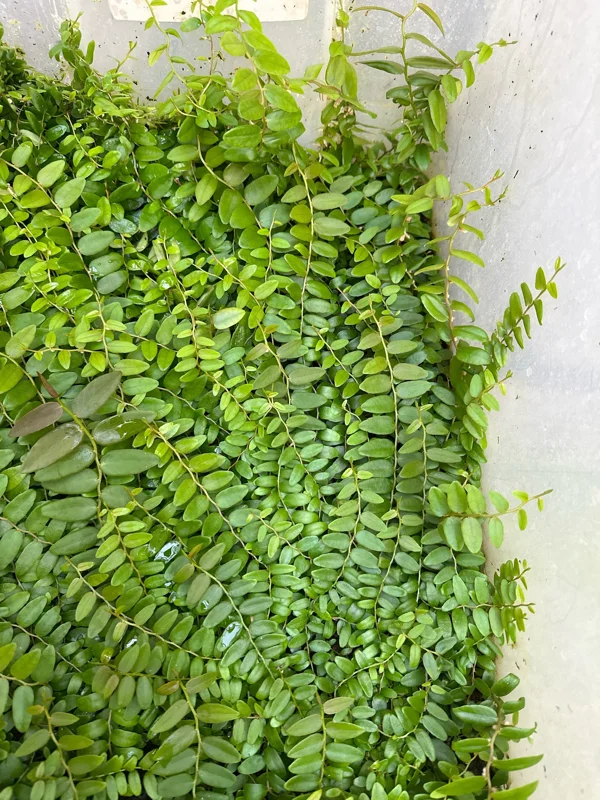
Cultivate an exotic touch with this Marcgravia shingling vine cutting, a rare tropical plant known for its unique growth habit. Perfect for terrariums or as a striking indoor specimen, this cutting offers an opportunity to grow a beautiful and captivating plant. Enjoy its medium moisture preference and warm growing needs, making it an ideal addition to your collection.
Original price was: $76.00.$38.00Current price is: $38.00.

With our Alive & Thrive Guarantee, we’ve got your back for the first 30 days! If you have any concerns about your plants, just reach out to us. Our team is here to help answer your questions and guide you in selecting the best plants for your garden, climate, and unique preferences. We're excited to help you create the garden of your dreams!
Estimated arrival
Oct 21
Oct 26 - Oct 28
Oct 31 - Nov 04
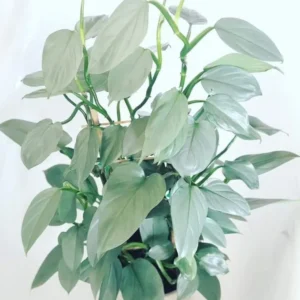
Product Details
-
USDA Hardiness Zone
unknown (best grown indoors) -
Soil type
well-draining, airy substrate (e.g., sphagnum moss, perlite, coir) -
Sunlight Exposure
bright indirect light -
Expected Planting Period
year-round indoors
Overview
Introduce an extraordinary element to your indoor plant collection with a Marcgravia shingling vine cutting. This fascinating tropical plant, native to the Lesser Antilles in the Caribbean, is renowned for its distinctive shingling growth pattern, where its leaves lie flat against surfaces as it climbs. Often sought after by collectors, the Marcgravia shingling vine offers a unique aesthetic whether displayed in a terrarium or allowed to climb a decorative support in your home. Each cutting provided will feature at least 10-20 leaves, giving you a strong start to growing this captivating species. Known for its warm growing preferences and medium moisture needs, this plant is a rewarding addition for both novice and experienced plant enthusiasts looking for a rare tropical plant.
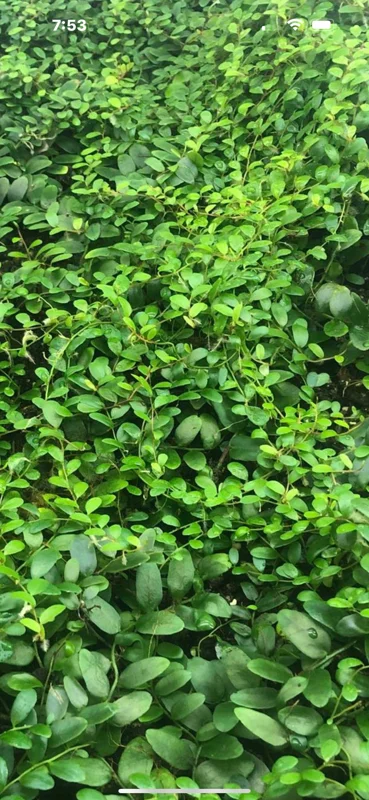
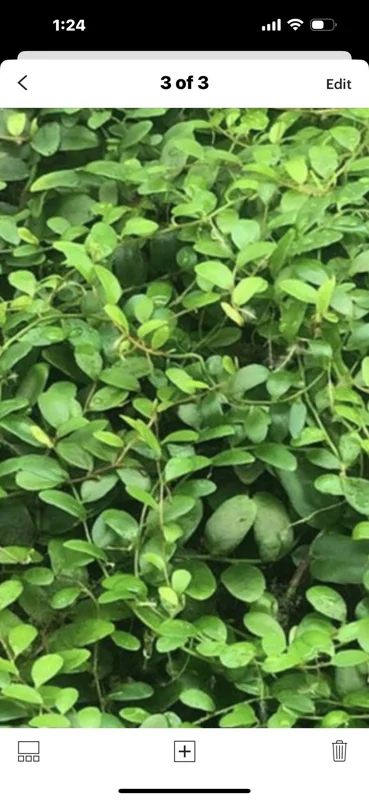
The Marcgravia genus is celebrated for its unusual growth, creating a living tapestry as it matures. This cutting provides a wonderful opportunity to observe and nurture this natural wonder firsthand. Its adaptable nature means it can thrive in various indoor environments, bringing a touch of the rainforest to your living space. Embrace the joy of cultivating this exquisite plant, watching it transform and add character to any room or enclosed environment.
Key Benefits
Adding a Marcgravia shingling vine to your home offers numerous advantages beyond its striking appearance. This rare tropical plant is a true conversation starter and a delight for plant lovers.
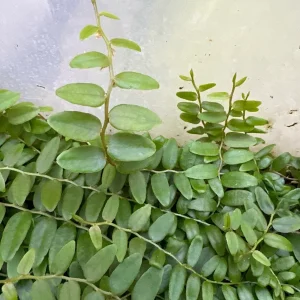
- Unique Aesthetic Appeal: The primary benefit of the Marcgravia shingling vine is its captivating shingling growth pattern. Its small, tightly packed leaves create a mosaic-like effect as they adhere to surfaces, providing unparalleled visual interest that stands out from typical houseplants.
- Terrarium & Paludarium Perfect: Due to its climbing and compact growth habit, this plant is an ideal candidate for enclosed environments like terrariums and paludariums, where it can truly showcase its shingling nature in a humid, controlled setting.
- Relatively Low Maintenance: Once established, this shingling vine care is straightforward, requiring consistent warmth and medium moisture, making it suitable for those who appreciate easy-to-manage exotic plants.
- Air Purification: Like many houseplants, the Marcgravia contributes to better indoor air quality, helping to filter out common pollutants and creating a fresher living environment.
- Exotic Collector’s Item: For plant enthusiasts, acquiring a Marcgravia shingling vine cutting represents a valuable addition to a collection of rare and unusual plants, offering the satisfaction of growing something truly special.
- Versatile Indoor Display: While excellent for terrariums, this vine can also be grown on a moss pole or other climbing structures, adapting its unique growth to various indoor decorative schemes.
Plant Care & Growing Tips
Proper shingling vine care is crucial for the successful establishment and growth of your Marcgravia cutting. This tropical plant thrives in conditions that mimic its native Lesser Antilles environment, focusing on warmth, humidity, and consistent moisture.
Light Requirements
The Marcgravia shingling vine prefers bright, indirect light. Avoid direct, harsh sunlight, which can scorch its delicate leaves. An east-facing window is often ideal, providing gentle morning sun, or a spot several feet away from a south or west-facing window. In terrariums, ensure adequate lighting from LED grow lights without causing excessive heat buildup.
Watering & Humidity
Maintain medium moisture levels in the growing medium. The soil should be consistently damp but never waterlogged. Allow the top inch of the moss or substrate to dry slightly before watering again. High humidity is paramount for this tropical plant, ideally above 70%. Misting regularly, using a pebble tray, or placing it in a terrarium or cloche will help provide the necessary humidity. For a healthy Marcgravia shingling vine, avoid letting it dry out completely.
Temperature & Substrate
As a warm-growing species, the Marcgravia thrives in temperatures between 65-80°F (18-27°C). Protect it from cold drafts and sudden temperature fluctuations. The cutting will be shipped with moss, which is an excellent initial rooting medium. For long-term growth, a well-draining, airy substrate is recommended, such as a mix of sphagnum moss, perlite, and a small amount of orchid bark or fine coir. This terrestrial plant appreciates a substrate that retains moisture but allows for good aeration to prevent root rot.
Fertilization & Pests
During the growing season (spring and summer), feed your Marcgravia shingling vine with a diluted balanced liquid fertilizer (e.g., half-strength every 2-4 weeks). Reduce feeding during cooler months. Keep an eye out for common houseplant pests like spider mites or mealybugs, especially in lower humidity environments. Treat any infestations promptly with insecticidal soap or neem oil.
Size & Details
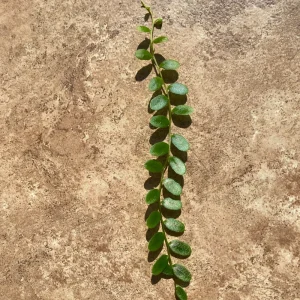
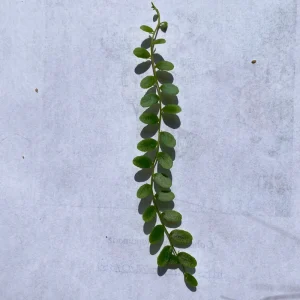
This offering is for a Marcgravia cutting, specifically a segment of the vine with at least 10-20 leaves. The cutting provides a robust foundation for establishing your new plant. Upon arrival, it will be carefully packed with moss to ensure its vitality during transit. As a shingling vine, its growth habit is to spread horizontally and climb surfaces, rather than grow upright as a bushy plant. The ultimate size depends on its growing environment and support structure; in ideal terrarium conditions, it can spread to cover significant areas. It is an actively growing plant, and with proper shingling vine care, you can expect to see new growth as it establishes roots and begins to climb.
The cutting does not include a pot, allowing you the flexibility to choose the perfect container or terrarium setup for its specific needs. This method of propagation ensures you receive a healthy, viable section of a mature plant ready for rooting and cultivation. The establishment phase will vary, but with consistent warmth and humidity, the cutting will develop roots and begin its characteristic shingling growth, creating a beautiful display.
Frequently Asked Questions
- Q: What size is the Marcgravia shingling vine cutting? A: Each Marcgravia cutting will have at least 10-20 leaves, providing a healthy and substantial piece for propagation. The length of the vine may vary slightly but will be suitable for rooting.
- Q: Is this an indoor or outdoor plant? A: The Marcgravia shingling vine is primarily an indoor plant in most climates, especially in the US, due to its preference for warm temperatures and high humidity. It thrives in controlled indoor environments like terrariums.
- Q: How much sunlight does the Marcgravia need? A: This plant requires bright, indirect light. Avoid direct sun exposure, which can harm its leaves. Filtered light or a location near an east-facing window is ideal for optimal growth and shingling vine care.
- Q: Is this plant easy to care for? A: While it has specific humidity and temperature requirements, the Marcgravia shingling vine is considered moderately easy to care for once these conditions are met. It’s a great choice for those looking to expand their plant care skills.
- Q: How will the Marcgravia cutting arrive? A: Your Marcgravia cutting will be carefully packaged with moss to maintain moisture and protect it during shipping, ensuring it arrives in the best possible condition, ready for planting.
- Q: Can I grow this Marcgravia cutting in a regular pot? A: While it can be grown in a pot with a climbing structure, it truly excels and displays its unique shingling habit best in a high-humidity environment like a terrarium or paludarium.
- Q: What is the best way to root a Marcgravia cutting? A: It is best to root the Marcgravia cutting in a humid environment using sphagnum moss or a well-draining, airy substrate. Keep the medium consistently moist and provide warmth for successful rooting.
- Q: Is the Marcgravia shingling vine a fast grower? A: Once established and provided with optimal conditions, the Marcgravia shingling vine can exhibit moderate to fast growth, especially in a suitable climbing setup within a terrarium.
- Q: What are the temperature preferences for this rare tropical plant? A: The Marcgravia prefers warm growing conditions, ideally between 65-80°F (18-27°C). It is sensitive to cold and should be protected from temperatures below 60°F (15°C).
Related products
-30%
Original price was: $25.98.$18.18Current price is: $18.18.


PLANTING & CARE
Lemon Tree Growing: Choose, Plant, and Harvest
Learn how to choose, plant, feed, and protect a lemon tree so it fits your
23
Sep
Sep
Dwarf Meyer Lemon Tree Australia: Climate Guide
Learn where dwarf Meyer lemon trees grow, how much cold they tolerate, and whether Australia,
Where to Buy a Dwarf Meyer Lemon Tree: Buyer’s Guide
Find the right dwarf Meyer lemon tree online or locally, compare starter sizes and costs,
Dwarf Meyer Lemon Tree for Sale: Buying Guide
Compare Meyer lemon tree sizes, prices, shipping limits, indoor growing and California options before you
Dwarf Meyer Lemon Tree Guide: Size, Care and Fruit
META: Learn how large a dwarf Meyer lemon tree grows, where it thrives, and how
How to Prune a Dwarf Meyer Lemon Tree
Learn when and how to prune a dwarf Meyer lemon tree, including tools, shaping cuts,
Can You Grow a Dwarf Meyer Lemon Tree in a Pot?
META: Learn how to grow a dwarf Meyer lemon tree in a pot, including container
When Do Dwarf Meyer Lemon Trees Bloom and Fruit?
META: Dwarf Meyer lemon trees usually bloom from winter through spring and may flower again