Mini Desert Rose Succulent Live Plant – Trichodiadema densum – 4 inch pot
-50%
Mini Desert Rose Succulent Live Plant – Trichodiadema densum – 4 inch pot
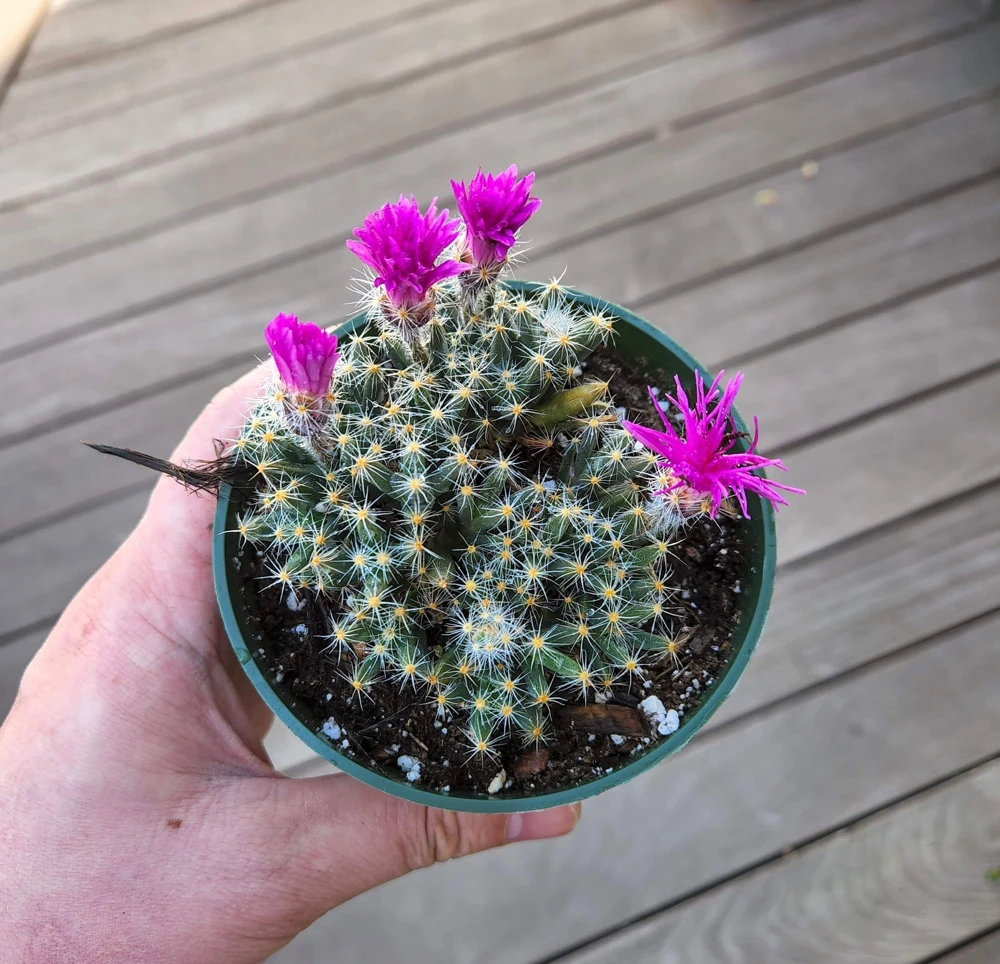
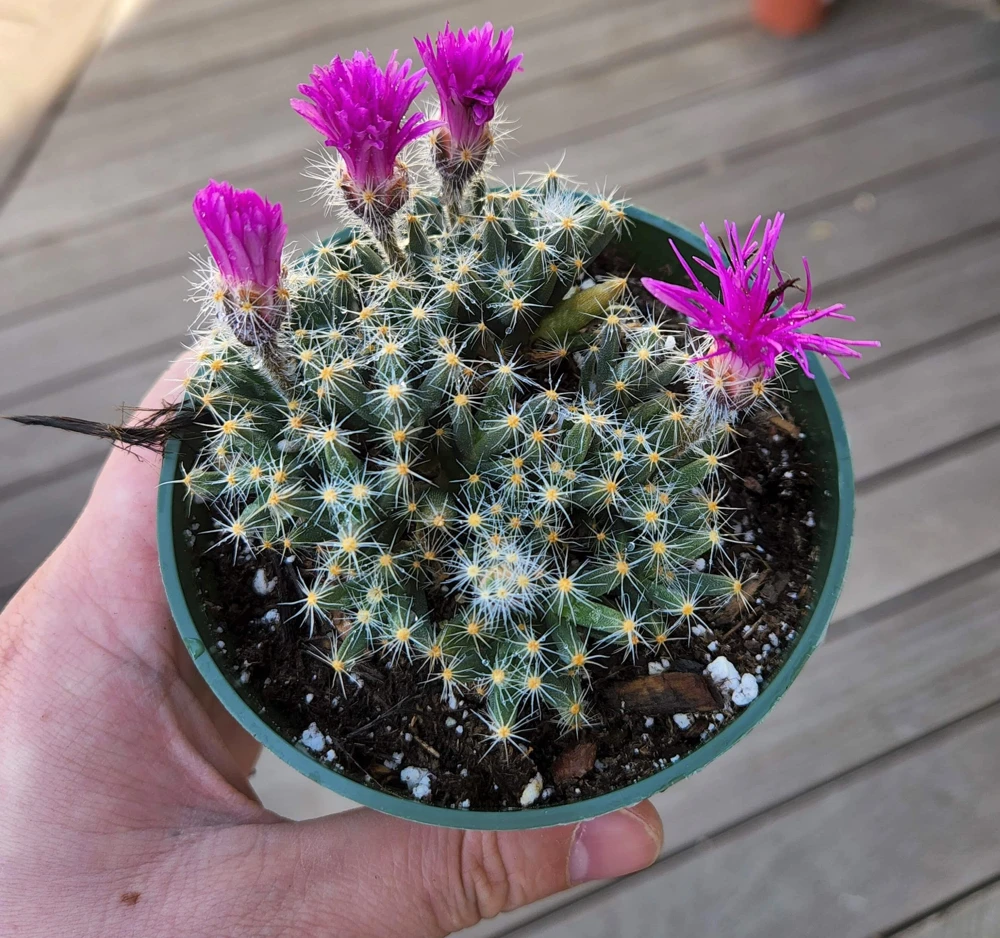
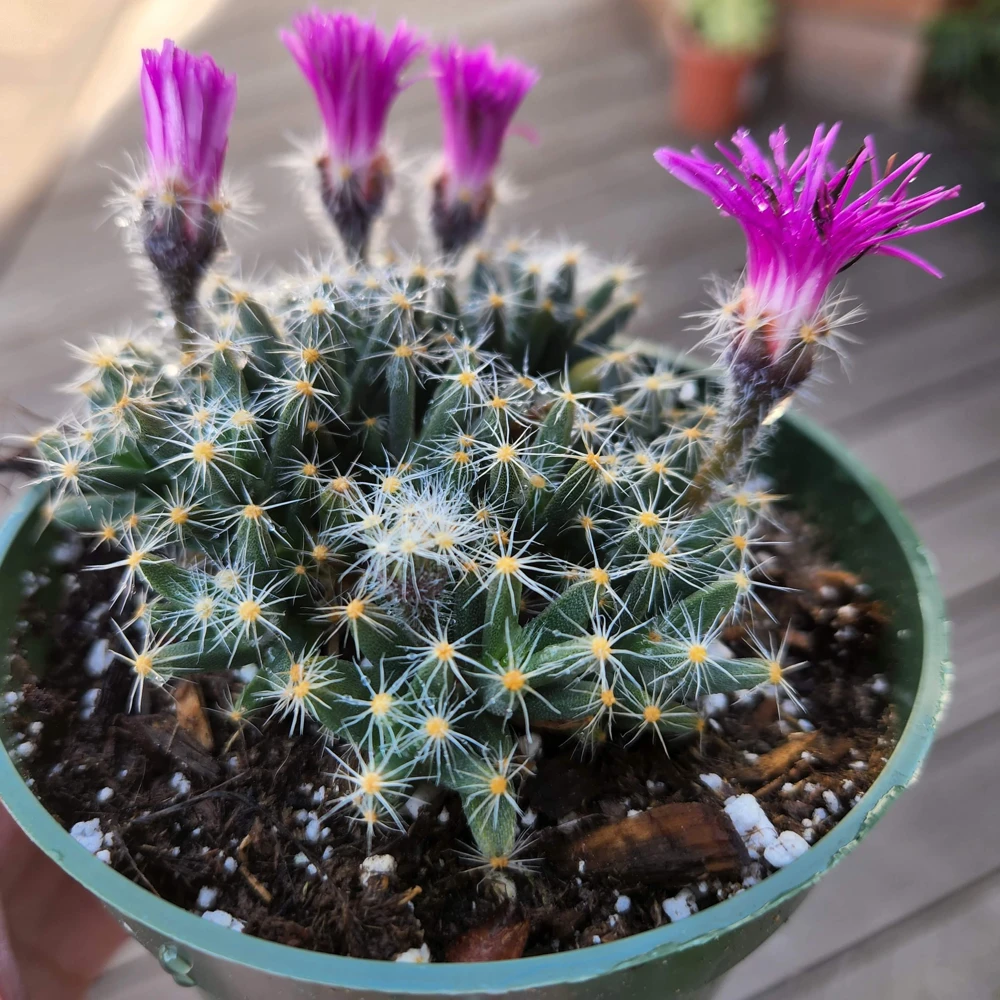
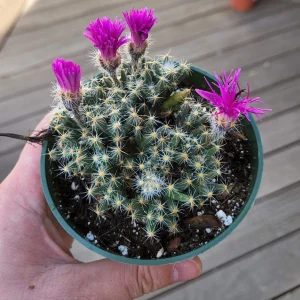
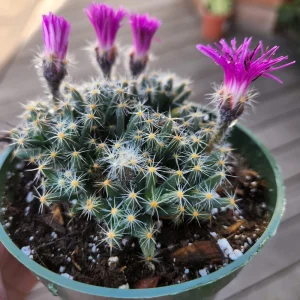
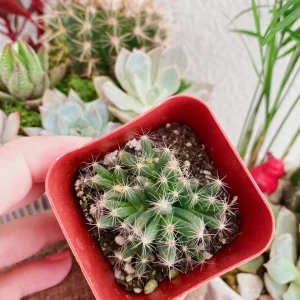
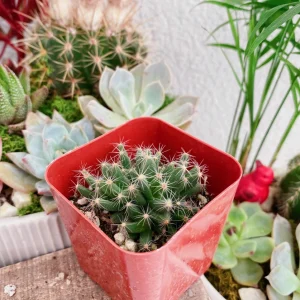
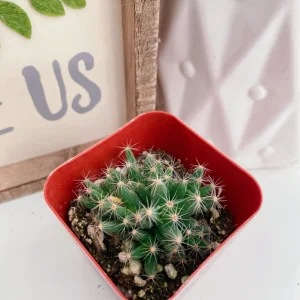
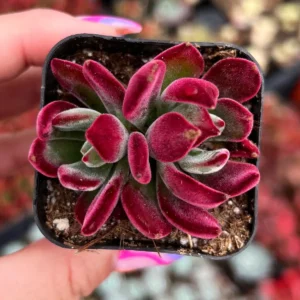
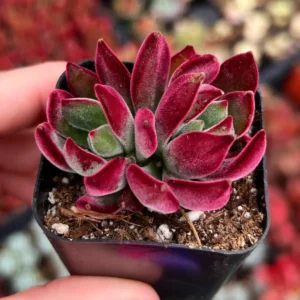
Bring home a unique and charming mini desert rose succulent (Trichodiadema densum), a delightful addition to any plant collection. This miniature ice plant is known for its distinctive bristle-topped leaves, resembling a tiny cactus, and its compact spreading growth habit. Perfect for indoor growing, it thrives with minimal care, making it an ideal choice for both novice and experienced plant enthusiasts seeking a desert rose plant indoor.
Original price was: $56.00.$28.00Current price is: $28.00.

With our Alive & Thrive Guarantee, we’ve got your back for the first 30 days! If you have any concerns about your plants, just reach out to us. Our team is here to help answer your questions and guide you in selecting the best plants for your garden, climate, and unique preferences. We're excited to help you create the garden of your dreams!
Estimated arrival
Oct 13
Oct 18 - Oct 20
Oct 23 - Oct 27

Product Details
-
USDA Hardiness Zone
USDA Zone 10+ -
Soil type
Fast-draining succulent/cactus mix -
Sunlight Exposure
Bright indirect light -
Expected Planting Period
Year-round indoors
Overview
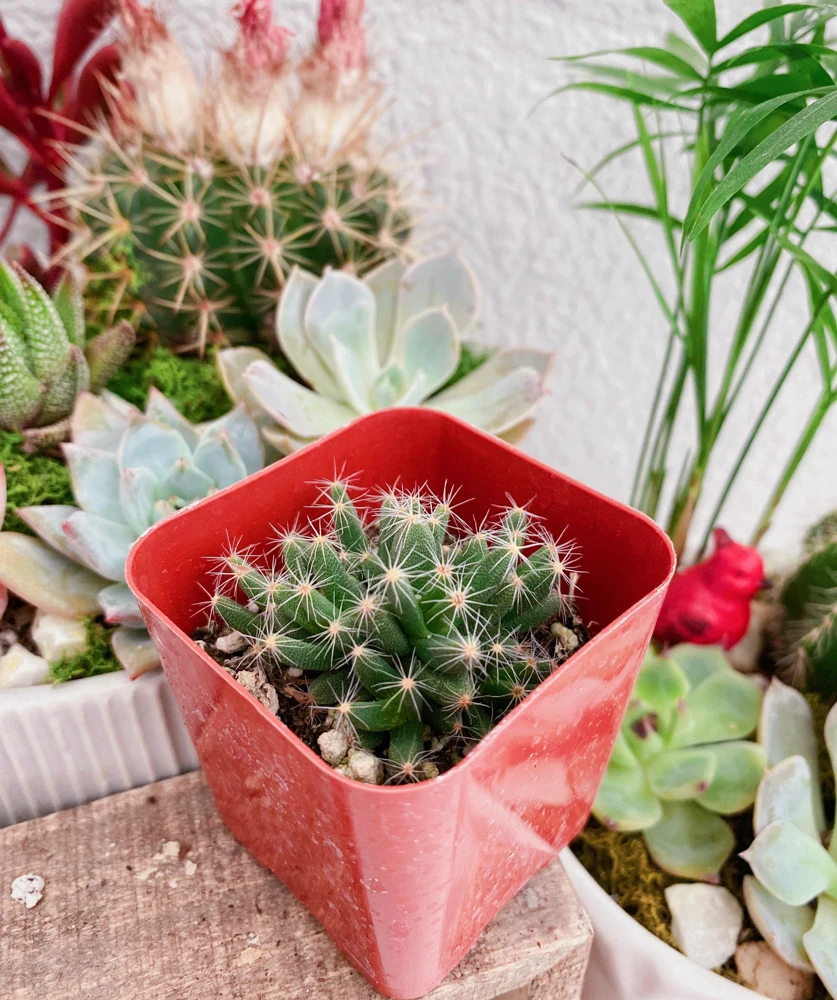
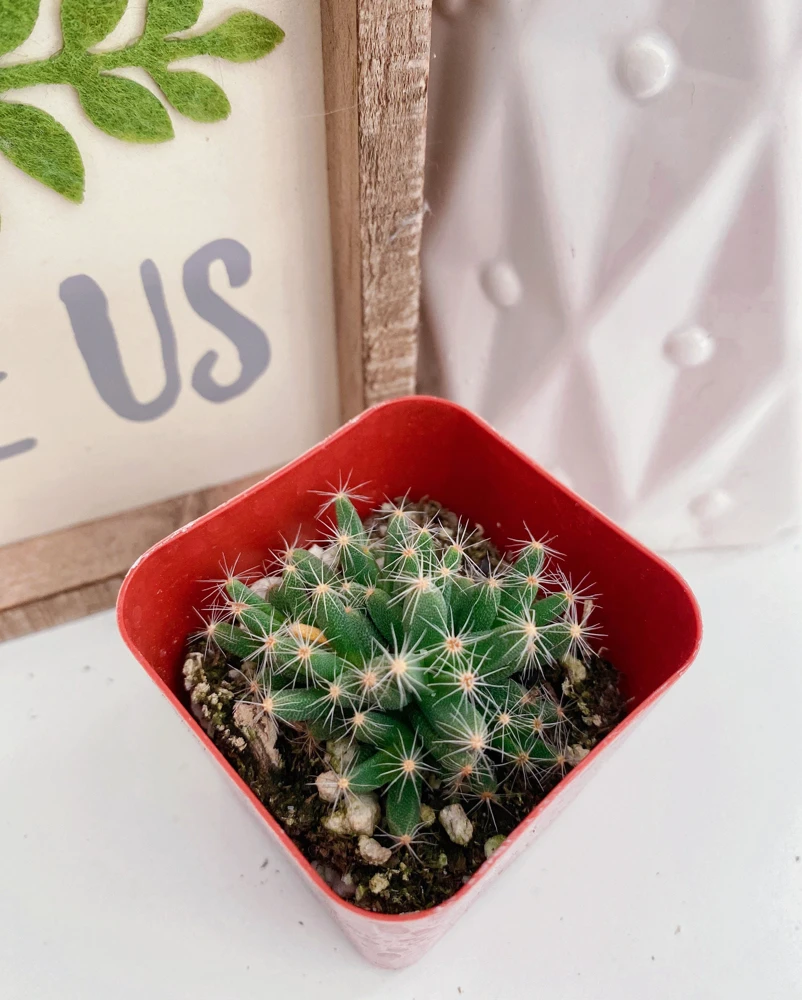
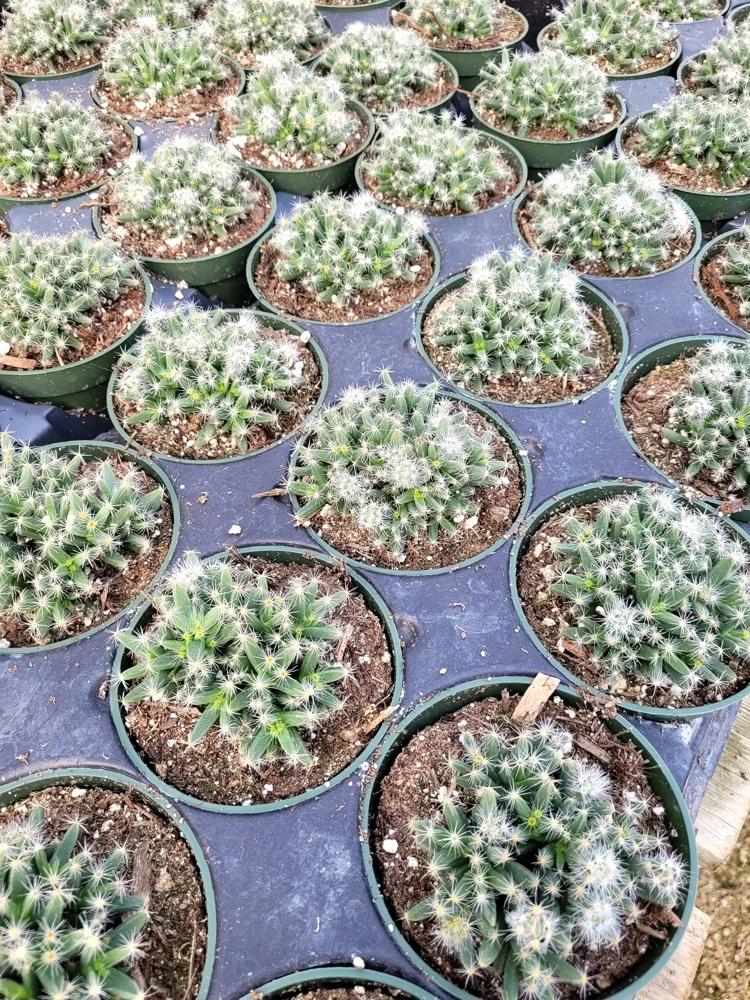
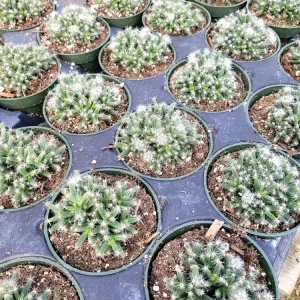
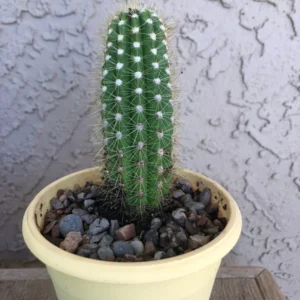
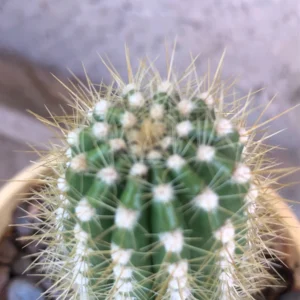
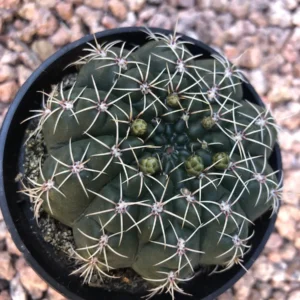
Introduce a touch of the desert to your home with the fascinating mini desert rose succulent, scientifically known as Trichodiadema densum. Despite its common name, this captivating plant is actually a type of ice plant, not a true desert rose (Adenium). Its unique appearance, featuring small, fleshy leaves adorned with soft, white bristles, often leads to it being mistaken for a miniature cactus. However, its characteristically glittery, textured foliage sets it apart. This particular variety, the mini desert rose succulent, remains compact, typically growing under 4.0 inches in height but spreading outward to form a dense, attractive mat. It’s an ideal choice for succulent enthusiasts looking for something truly distinctive and easy to care for.
The Trichodiadema densum care is relatively straightforward, making it a rewarding plant for various indoor environments. Its resilience and striking form make it a conversation starter, perfect for windowsills, desks, or as part of a succulent arrangement. This live plant arrives healthy and ready to thrive, bringing immediate visual interest to your space. Embrace the charm of this miniature ice plant and enjoy its unique beauty year-round.
Key Benefits
The mini desert rose succulent offers a host of benefits, making it an excellent choice for a wide range of plant lovers. Its unique characteristics contribute to both aesthetic appeal and ease of maintenance.
- Unique Aesthetic Appeal: The distinctive bristle-topped leaves give it an unusual, almost otherworldly appearance, resembling a tiny cactus while being a resilient ice plant. This makes it a captivating focal point in any plant collection.
- Compact Growth Habit: Staying under 4 inches tall, this succulent is perfect for small spaces, terrariums, or as part of a mixed succulent dish. Its spreading nature creates a beautiful, dense groundcover effect.
- Low Maintenance: Known for its drought tolerance and minimal care requirements, the mini desert rose succulent is an excellent choice for busy individuals or those new to plant care. It forgives occasional neglect, thriving with infrequent watering.
- Drought Tolerant: As a succulent, it naturally stores water in its leaves, allowing it to endure periods of dryness. This characteristic makes trichodiadema densum care simple and water-efficient.
- Versatile Placement: While ideal for a desert rose plant indoor setting, it can also thrive outdoors in appropriate climates (Zone 10+), adding unique texture to rock gardens or arid landscapes.
- Distinctive Foliage: The glittery, textured leaves are a standout feature, providing visual interest that differs from typical succulents. This unique foliage ensures it will be a talking point.
- Great for Beginners: Its hardiness and simple needs make it an ideal starting point for new plant parents looking to cultivate compact succulents without extensive effort.
Plant Care & Growing Tips
Caring for your mini desert rose succulent, or Trichodiadema densum, is quite simple, provided you understand its native desert-like preferences. The key to successful trichodiadema densum care lies in proper light, watering, and soil. This plant thrives in bright, indirect light when kept indoors. A south or west-facing window with some protection from intense midday sun is often ideal. If placed outdoors in suitable climates, ensure it receives partial shade, especially during the hottest parts of the day, to prevent leaf scorch. Aim for at least 4-6 hours of bright light daily for optimal growth and health.
Watering is perhaps the most crucial aspect of caring for this miniature ice plant. It is highly susceptible to overwatering, which can lead to root rot. Adopt an infrequent watering schedule; typically, once every 1-2 weeks is sufficient, but always allow the soil to completely dry out between waterings. You can check the soil moisture by inserting your finger about an inch deep. If it feels dry, it’s time to water. During its dormant period in winter, reduce watering significantly. Use a fast-draining soil mix, ideally one formulated for succulents and cacti, which often includes a good amount of perlite or pumice to enhance drainage. A well-draining terracotta pot is also highly recommended, especially for a desert rose plant indoor, as it allows excess moisture to evaporate.
The mini desert rose succulent is not frost-tolerant and is hardy only to USDA Zone 10 (approximately 30°F). If you live in a colder climate, it must be brought indoors before temperatures drop. Fertilize sparingly; once a month during the active growing season (spring and summer) with a diluted houseplant or succulent fertilizer is generally enough. Avoid fertilizing during fall and winter. With these simple guidelines, your compact succulents will flourish and provide years of enjoyment.
Size & Details
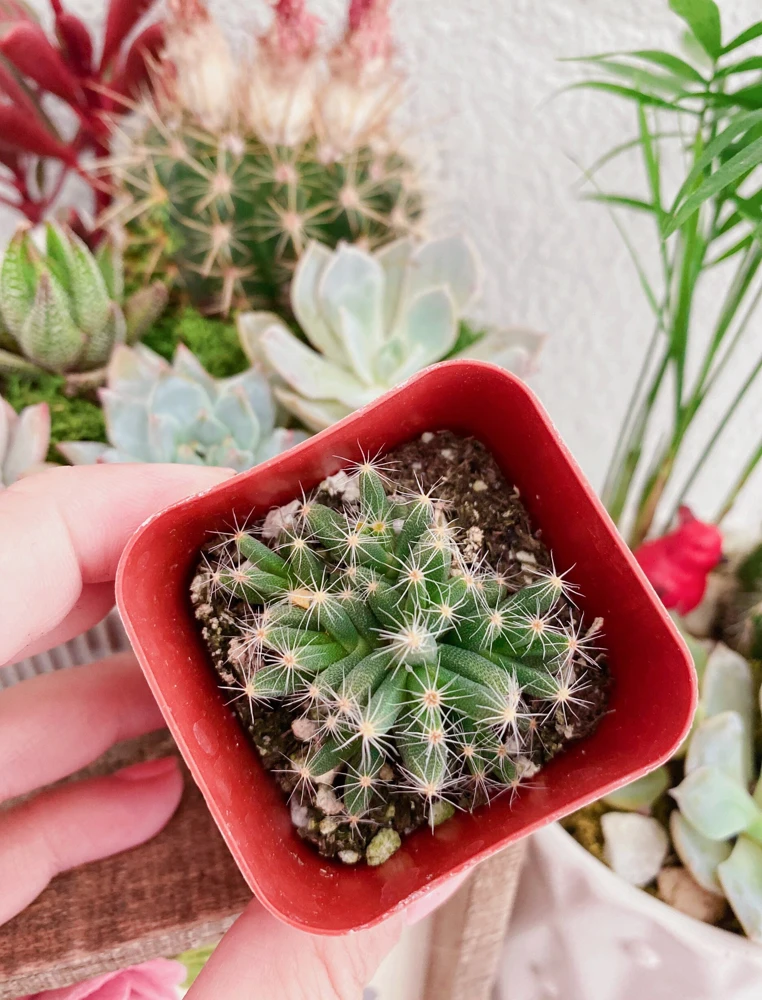
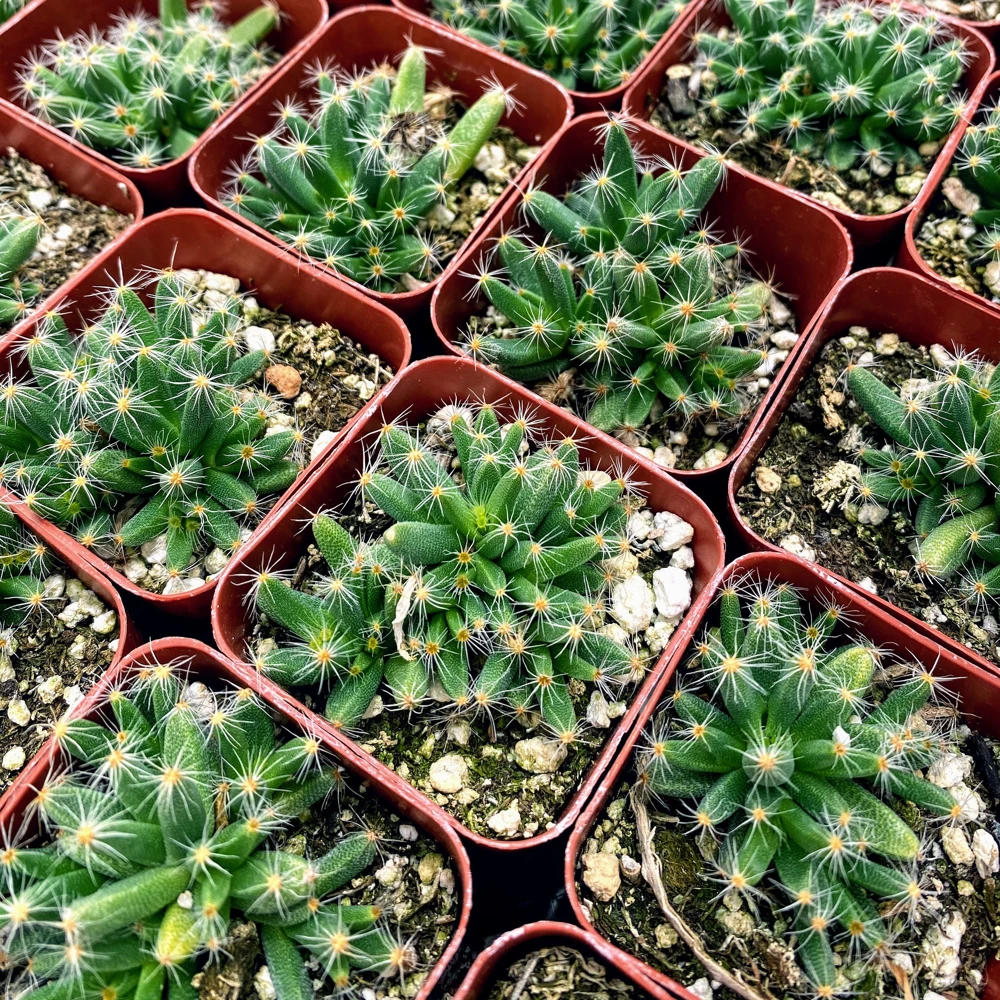
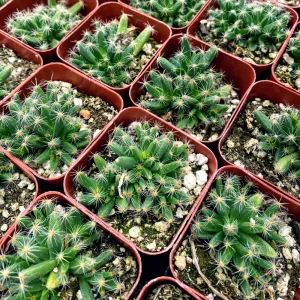
This offering includes one live mini desert rose succulent (Trichodiadema densum) carefully grown in a 4-inch nursery pot. The plant’s compact nature means it typically remains under 4.0 inches in height, making it an ideal choice for small spaces, dish gardens, or terrariums. While individual plants will vary slightly in exact shape and color due to natural growth patterns, each specimen is carefully selected for health and vitality. The plant is shipped in its nursery pot with filler, ensuring it arrives safely and ready for its new home. Expect a moderate growth rate, with the plant slowly spreading to form an attractive, dense mat over time.
The miniature ice plant is known for its robust nature and ability to adapt to various indoor conditions, provided its basic light and watering needs are met. Its small size makes it manageable for transplanting into your preferred decorative container, especially if you’re aiming for a specific aesthetic with your compact succulents. The unique texture and form of this plant ensure it will stand out in any collection.
Frequently Asked Questions
- Q: How big does this plant get? A: The mini desert rose succulent is a compact variety, typically growing no more than 4 inches in height. It tends to spread outwards, forming a dense mat rather than growing tall, making it perfect for small spaces.
- Q: What size pot does it come in? A: This mini desert rose succulent is shipped in a 4-inch nursery pot, providing ample space for its initial growth and allowing for easy transplanting into your chosen decorative container.
- Q: Is this an indoor or outdoor plant? A: While it can be grown outdoors in USDA Zone 10 and warmer, the mini desert rose succulent is most commonly enjoyed as a desert rose plant indoor. It thrives in bright, indirect light indoors.
- Q: How much sunlight does it need? A: This miniature ice plant prefers bright, indirect light for at least 4-6 hours a day. Avoid harsh, direct midday sun, especially if grown outdoors, to prevent leaf burn.
- Q: Is this plant easy to care for? A: Yes, the mini desert rose succulent is considered low-maintenance. Its drought-tolerant nature and minimal needs make trichodiadema densum care relatively easy, suitable for beginners and busy plant enthusiasts.
- Q: What condition will it arrive in? A: Your plant will arrive as one live, healthy plant in a 4-inch pot, carefully packed in a shipping box with filler to protect it during transit. Some minor imperfections from shipping may occur.
- Q: Is it shipped in soil? A: Yes, the plant is shipped in its nursery pot with soil, ensuring it stays hydrated and healthy during its journey to your home.
- Q: Is this plant pet-safe? A: We recommend keeping all plants out of reach of pets, as some succulents can cause mild irritation if ingested. It’s always best to err on the side of caution with compact succulents.
- Q: When is the best time to plant? A: As an indoor plant, it can be planted year-round. If transplanting outdoors in a suitable climate, spring is generally the best time after all danger of frost has passed.
- Q: What’s the minimum temperature it can tolerate? A: The mini desert rose succulent is hardy to USDA Zone 10, meaning it can tolerate temperatures down to approximately 30°F (-1°C). It will not survive frost and must be protected in colder climates.
Related products
-30%
Original price was: $79.98.$55.98Current price is: $55.98.
-97%
Original price was: $316.80.$9.92Current price is: $9.92.
-30%
Original price was: $79.98.$55.98Current price is: $55.98.
PLANTING & CARE
Lemon Tree Growing: Choose, Plant, and Harvest
Learn how to choose, plant, feed, and protect a lemon tree so it fits your
23
Sep
Sep
Dwarf Meyer Lemon Tree Australia: Climate Guide
Learn where dwarf Meyer lemon trees grow, how much cold they tolerate, and whether Australia,
Where to Buy a Dwarf Meyer Lemon Tree: Buyer’s Guide
Find the right dwarf Meyer lemon tree online or locally, compare starter sizes and costs,
Dwarf Meyer Lemon Tree for Sale: Buying Guide
Compare Meyer lemon tree sizes, prices, shipping limits, indoor growing and California options before you
Dwarf Meyer Lemon Tree Guide: Size, Care and Fruit
META: Learn how large a dwarf Meyer lemon tree grows, where it thrives, and how
How to Prune a Dwarf Meyer Lemon Tree
Learn when and how to prune a dwarf Meyer lemon tree, including tools, shaping cuts,
Can You Grow a Dwarf Meyer Lemon Tree in a Pot?
META: Learn how to grow a dwarf Meyer lemon tree in a pot, including container
When Do Dwarf Meyer Lemon Trees Bloom and Fruit?
META: Dwarf Meyer lemon trees usually bloom from winter through spring and may flower again