Mixed Lantana Live Plants, Set of 4, 4-7 inch, Flowering Outdoor Shrubs
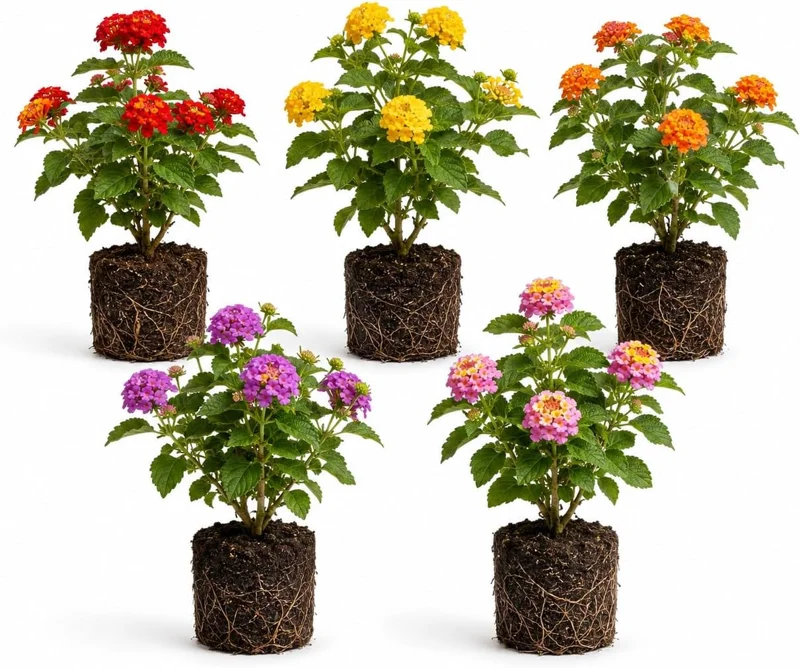
Mixed Lantana Live Plants, Set of 4, 4-7 inch, Flowering Outdoor Shrubs
Introduce continuous color and charm to your outdoor spaces with this set of 4 mixed Lantana live plants. These 4-7 inch well-rooted lantana starter shrubs are perfect for garden beds, containers, and borders. Enjoy vibrant, long-lasting blooms that attract butterflies and hummingbirds.
$27.99

With our Alive & Thrive Guarantee, we’ve got your back for the first 30 days! If you have any concerns about your plants, just reach out to us. Our team is here to help answer your questions and guide you in selecting the best plants for your garden, climate, and unique preferences. We're excited to help you create the garden of your dreams!
Estimated arrival
Aug 16
Aug 21 - Aug 23
Aug 26 - Aug 30
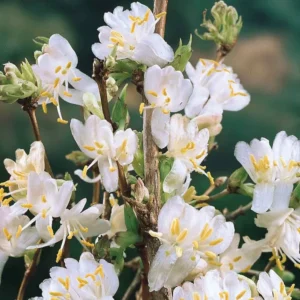
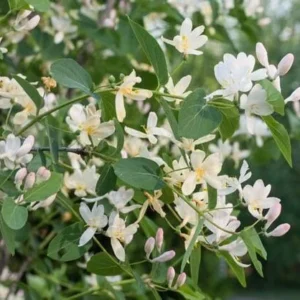
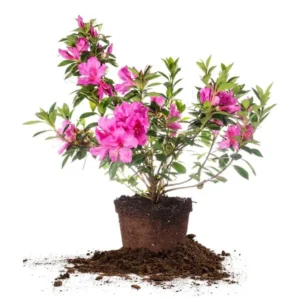
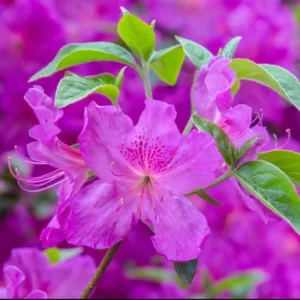

Product Details
-
USDA Hardiness Zone
USDA Zones 9-11 (Perennial), Colder zones (Annual) -
Soil type
Well-draining, slightly acidic to neutral soil -
Sunlight Exposure
Full sun (at least 6 hours daily) -
Expected Planting Period
Spring after last frost
Overview
Introduce a burst of continuous color and charm to your outdoor living areas with this exquisite set of 4 mixed Lantana live plants. These beautiful flowering starter shrubs, typically ranging from 4 to 7 inches in height, are a fantastic choice for gardeners seeking vibrant, low-maintenance additions to their landscape. Lantana plants are renowned for their clusters of small, brightly colored flowers that bloom profusely from spring through fall, attracting butterflies and hummingbirds. Whether you’re looking to fill garden beds, create stunning patio displays, or add texture to borders, these well-rooted lantana starter shrubs are ready to thrive and transform your garden into a colorful sanctuary. Lantana (Lantana camara) is a versatile and resilient plant, celebrated for its heat and drought tolerance once established. Its ability to flourish in various conditions makes it an excellent option for both novice and experienced gardeners. The mixed varieties ensure a delightful array of colors, providing dynamic visual interest throughout the growing season. These plants are shipped healthy and ready for planting, ensuring a smooth transition to their new home in your outdoor garden or containers.
Key Benefits
Our mixed lantana live plants offer numerous advantages, making them a popular choice for enhancing any outdoor space. Their robust nature and stunning appearance provide both aesthetic appeal and ecological benefits, making them an excellent choice for any gardener.
- Vibrant, Long-Lasting Blooms: Enjoy a spectacular display of colorful flowers from spring until the first frost, providing continuous visual interest and a cheerful atmosphere. These mixed lantana live plants ensure a dynamic visual display throughout the warm seasons.
- Attracts Pollinators: The bright blooms are a magnet for butterflies, bees, and hummingbirds, contributing to a healthy garden ecosystem and adding lively movement to your outdoor areas.
- Low Maintenance & Easy Care: Known for their resilience, these easy care lantana shrubs require minimal attention once established, making them perfect for busy gardeners or those new to plant care.
- Drought & Heat Tolerant: Lantana thrives in warm climates and can withstand periods of dry weather, reducing the need for frequent watering once established, saving you time and resources.
- Versatile Landscaping: Ideal for garden beds, borders, patio containers, hanging baskets, and mass plantings, offering flexibility in garden design. They are also excellent lantana for containers.
- Pest & Deer Resistant: Generally unappealing to common garden pests and deer, ensuring your plants remain healthy and beautiful with less intervention.
- Enhances Outdoor Spaces: Adds a tropical touch and a splash of cheer to any patio, balcony, or garden area, making it a joy to spend time outdoors with these beautiful outdoor lantana plants.
Plant Care & Growing Tips
Caring for your mixed lantana live plants is straightforward, ensuring they remain vibrant and healthy throughout their growing season. These hardy plants prefer a sunny location, thriving in full sun (at least 6 hours of direct sunlight daily). While they can tolerate partial shade, too little sun may result in fewer blooms. When planting, choose a site with well-draining soil. Lantana is not particular about soil type but performs best in slightly acidic to neutral soil. Good drainage is crucial to prevent root rot, which can be a common issue in overly wet conditions.
Water newly planted lantana regularly to help them establish strong root systems. Once established, these plants are quite drought-tolerant and can withstand dry conditions, making them an easy care lantana option. Water deeply when the top inch or two of soil feels dry to the touch, but avoid overwatering. Fertilize sparingly; too much fertilizer can encourage foliage growth at the expense of flowers. A balanced, slow-release fertilizer applied in spring is usually sufficient. Pruning can be done in late winter or early spring to shape the plant, remove dead wood, and encourage bushier growth and more blooms. Deadheading spent flowers can also promote continuous blooming throughout the season.
Lantana is typically grown as an annual in colder climates but can be a perennial in USDA Zones 9-11. For those in cooler regions, consider growing lantana for containers, which allows you to bring them indoors during winter to protect them from frost, as they are not cold-hardy. Watch out for common issues like whiteflies or spider mites, especially in dry conditions; these can usually be managed with insecticidal soap. Providing adequate airflow and proper watering will help keep your outdoor lantana plants healthy and robust, ensuring a continuous display of their beautiful flowers.
Size & Details
This offering includes a set of 4 mixed Lantana live plants, each measuring approximately 4 to 7 inches in height. These are well-rooted lantana starter shrubs, carefully cultivated to ensure they are healthy and ready for immediate planting upon arrival. They are shipped in nursery pots, protecting their root systems during transit. While initial size is compact, lantana has a moderate to fast growth rate, quickly filling out garden beds or containers. Depending on the variety and growing conditions, mature plants can reach heights of 2 to 6 feet and spread 3 to 10 feet wide, though they can be kept smaller with regular pruning. Expect beautiful blooms to appear shortly after planting, continuing throughout the warm seasons. These plants are perfect as lantana starter shrubs for establishing a vibrant garden display that will attract beneficial pollinators.
Frequently Asked Questions
- Q: How big do these Lantana plants get? A: Each plant in this set of 4 mixed Lantana live plants arrives 4-7 inches tall. With proper care, they can grow to a mature height of 2-6 feet and spread 3-10 feet, depending on the variety and whether they are pruned. Regular pruning can help manage their size and shape.
- Q: Is this an indoor or outdoor plant? A: Lantana is primarily an outdoor plant, thriving in full sun. In USDA Zones 9-11, it can be a perennial. In colder zones, it is typically grown as an annual or brought indoors as a houseplant for winter, making it versatile for various climates as outdoor lantana plants.
- Q: How much sunlight does Lantana need? A: Lantana requires at least 6 hours of direct sunlight daily to produce the most abundant blooms. While it can tolerate partial shade, flowering may be reduced, so a sunny spot is ideal for vibrant color.
- Q: Is this plant easy to care for? A: Yes, Lantana is well-known for its ease of care and drought tolerance once established, making it an excellent choice for those seeking easy care lantana. Regular watering for new plants and occasional feeding is usually sufficient to keep them thriving.
- Q: What condition will the plants arrive in? A: Your lantana starter shrubs will arrive as well-rooted, healthy live plants, carefully packaged in nursery pots to ensure their protection during shipping, ready for immediate planting in your garden or containers.
- Q: When is the best time to plant Lantana? A: The best time to plant Lantana is in the spring after the last threat of frost has passed, when soil temperatures have warmed. This allows the plant ample time to establish before the heat of summer, promoting strong growth.
- Q: Can I grow Lantana in containers? A: Absolutely! Lantana is an excellent choice for containers and hanging baskets, especially for those in colder climates who wish to enjoy their beauty and potentially overwinter them indoors. Many choose lantana for containers due to its compact growth when pruned and ease of relocation.
- Q: Are Lantana plants attractive to deer? A: No, Lantana plants are generally considered deer-resistant, making them a good choice for gardens where deer can be an issue. Their foliage is typically unappealing to deer.
- Q: Do these mixed Lantana live plants attract pollinators? A: Yes, the vibrant, clustered flowers of Lantana are a strong magnet for various pollinators, including butterflies, bees, and hummingbirds, making your garden a lively and ecological haven.
- Q: What kind of soil is best for Lantana? A: Lantana thrives in well-draining soil and is not overly particular about soil type, though it prefers slightly acidic to neutral soil. Good drainage is key to preventing root rot and ensuring healthy growth.
Related products
-43%

Original price was: $89.99.$50.99Current price is: $50.99.
-50%

Original price was: $133.98.$66.99Current price is: $66.99.
-50%


Original price was: $63.00.$31.50Current price is: $31.50.
-50%
Original price was: $83.00.$41.50Current price is: $41.50.
PLANTING & CARE
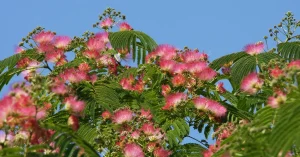
How to Grow Persian Silk Trees Easily in Your Garden
If you’re looking for a tree that brings a soft, tropical feel to your garden,
04
Aug
Aug
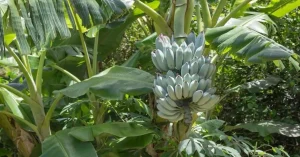
How to Grow Blue Java Banana Trees: A Beginner’s Guide
Have you ever heard of the Blue Java banana tree? If not, you’re in for
28
Jun
Jun
5 Common Blue Java Banana Tree Problems and How to Fix Them
Have you ever looked at your Blue Java banana tree (aka “ice cream banana”) and
19
Jun
Jun
Top 10 Plants for Father’s Day to Honor Dad This Father’s Day
Father’s Day is a special time to show your dad just how much he means
19
Jun
Jun
The Comprehensive Guide to Growing Bougainvillea for Colorful Blooms
Have you ever wanted your garden to be filled with brilliant color and tropical energy
19
Jun
Jun
How to Successfully Plant Bare Root Strawberries in Containers
Have you ever wondered about planting strawberries in containers, but aren’t sure where to begin?
11
Jun
Jun
Top 5 Easiest Ornamental Trees to Grow for Beginners
Ever feel overwhelmed by the idea of planting a tree in your yard? You’re not
11
Jun
Jun
Growing Glencoe Raspberry: A Complete Guide for Gardeners
If you’re looking to add something unique to your garden, look no further than the
31
Mar
Mar