Pink Manuka Tea Live Plants, 2-Pack, 4-6 Inch Tall, Evergreen Flowering Shrub
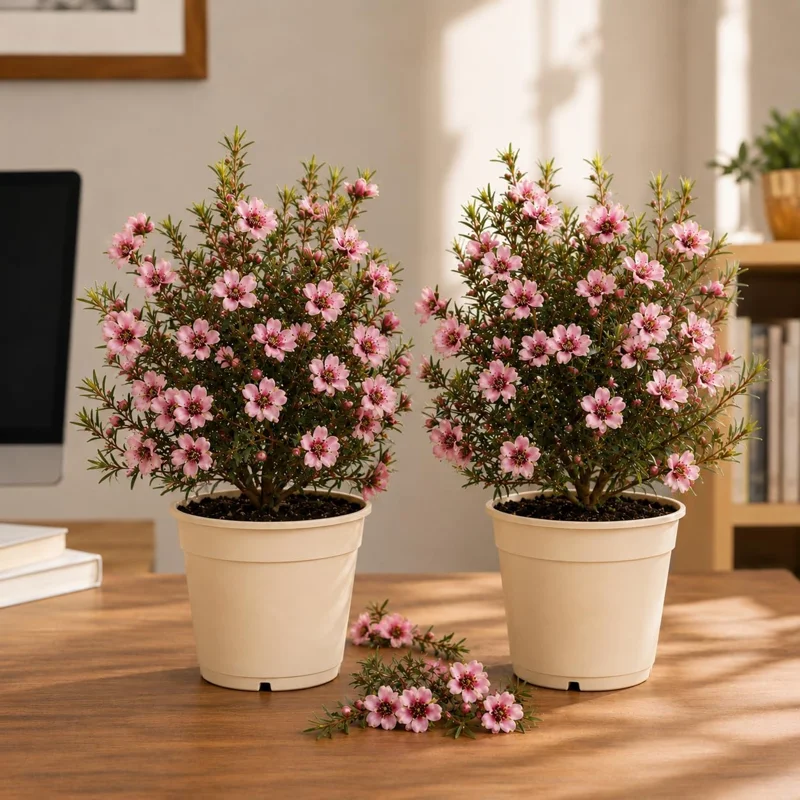
Pink Manuka Tea Live Plants, 2-Pack, 4-6 Inch Tall, Evergreen Flowering Shrub
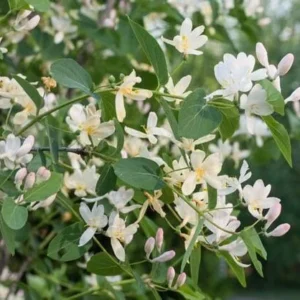
Introduce elegance to your garden with this pink manuka tea plant 2-pack. These 4-6 inch starter plants feature charming pink flowers and evergreen foliage, perfect for borders or containers. Enjoy a beautiful, low-maintenance pink flowering shrub.
$26.99

With our Alive & Thrive Guarantee, we’ve got your back for the first 30 days! If you have any concerns about your plants, just reach out to us. Our team is here to help answer your questions and guide you in selecting the best plants for your garden, climate, and unique preferences. We're excited to help you create the garden of your dreams!
Estimated arrival
Oct 17
Oct 22 - Oct 24
Oct 27 - Oct 31


Product Details
-
USDA Hardiness Zone
USDA Zones 9-11 -
Soil type
Well-draining, slightly acidic to neutral soil -
Sunlight Exposure
Full sun -
Expected Planting Period
Spring to early summer
Overview
Introduce a touch of elegance and natural beauty to your garden with our pink manuka tea plant, offered as a convenient 2-pack. These live starter plants, botanically known as Leptospermum scoparium, are renowned for their charming pink flowers and attractive foliage. Originating from New Zealand and Australia, the Manuka plant is a versatile evergreen shrub that can add year-round interest to your outdoor space. While often associated with the medicinal Manuka honey, these ornamental varieties are primarily cultivated for their aesthetic appeal, providing a dense, bushy structure and a profusion of blooms. You will receive young starter plants, typically 4-6 inches tall, ready to be nurtured into flourishing specimens. The pink manuka tea plant is an excellent choice for gardeners looking for a resilient and beautiful addition to their landscape, bringing a unique character and a burst of color.
Our pink manuka tea plant selection is carefully chosen to ensure healthy growth and vigorous flowering. These shrubs are ideal for creating borders, adding to mixed perennial beds, or even growing in containers in suitable climates. With their ability to adapt to various garden styles, from cottage gardens to modern landscapes, they offer both visual appeal and a sense of tranquility. Prepare to enjoy the delicate beauty of these plants as they mature and begin to display their lovely pink blossoms.
Key Benefits
The pink manuka tea plant offers numerous advantages for any garden, combining beauty with resilience. Here are some of the key benefits:
- Stunning Pink Flowers: Enjoy a prolific display of delicate pink flowers, typically blooming from spring to early summer, adding a vibrant splash of color to your garden. These blossoms are highly attractive to pollinators like bees, enhancing your garden’s biodiversity.
- Evergreen Foliage: Maintain year-round interest with its dense, evergreen foliage, providing structure and color even outside of its blooming season. The small, aromatic leaves contribute to its overall charm and garden appeal.
- Low Maintenance: Once established, the pink manuka tea plant is relatively low-maintenance, requiring minimal care compared to many other flowering shrubs. It’s an ideal choice for busy gardeners seeking beauty without constant upkeep, making garden tasks simpler.
- Drought Tolerant: These plants are known for their ability to withstand periods of drought once mature, making them suitable for water-wise landscaping in appropriate climates. This resilience helps conserve water and ensures the plant thrives in drier conditions.
- Versatile Landscaping: Perfect for a variety of uses, including hedges, borders, specimen plants, or even in large containers. Its compact to medium size allows for flexibility in garden design, fitting into various aesthetic plans. This pink flowering shrub adapts well to different garden styles.
- Attracts Pollinators: The nectar-rich flowers are a magnet for bees and other beneficial pollinators, contributing to the biodiversity and health of your garden ecosystem. This natural interaction supports local wildlife and enhances garden vitality.
- Hardy in Warm Climates: Thrives in USDA Zones 9-11, making it a reliable choice for gardens in warmer regions where it can flourish outdoors. This hardiness ensures a long-lasting and vibrant addition to your landscape.
Plant Care & Growing Tips
To ensure your pink manuka tea plant thrives, understanding its specific care requirements is essential. These plants prefer a location that receives full sun, meaning at least 6 hours of direct sunlight per day. Adequate sunlight is crucial for promoting abundant flowering and healthy growth. While they can tolerate some partial shade, especially in hotter climates, full sun will yield the best results. The ideal temperatures for growth are between 50 and 85 degrees Fahrenheit. In colder zones, consider growing them in containers that can be moved indoors during winter or treating them as annuals.
When it comes to watering, establish a regular schedule during the plant’s first growing season to help it develop a strong root system. Once established, the pink manuka tea plant is quite drought-tolerant, but it will benefit from moderate watering during dry spells. Avoid overwatering, as these plants are susceptible to root rot in waterlogged soil. The soil should be well-draining, ideally a slightly acidic to neutral pH. A good quality potting mix amended with some sand or perlite can improve drainage for container-grown plants. Fertilization is generally not heavily required; a balanced, slow-release fertilizer applied in spring can encourage vigorous growth and blooming. Pruning can be done after flowering to maintain shape and promote bushier growth. Watch out for common pests like scale insects or mealybugs, and treat with horticultural oil or insecticidal soap if necessary. Understanding manuka bush plant care is key to a flourishing garden.
Size & Details
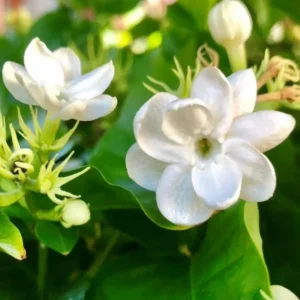
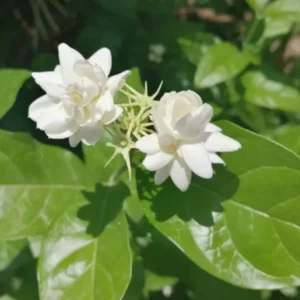
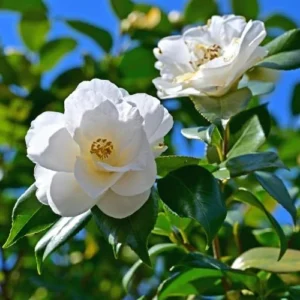
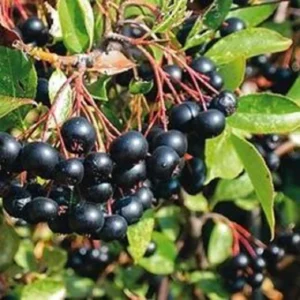
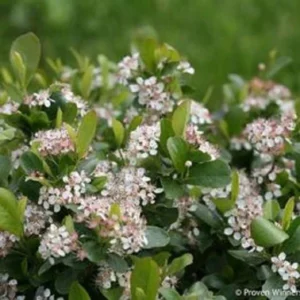
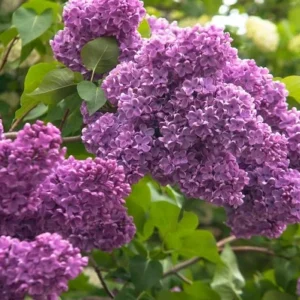
You will receive a 2-pack of pink manuka tea plant starter plants, each approximately 4-6 inches tall. These young plants are shipped without a pot, carefully packaged to ensure their health upon arrival. Please note that the photos provided are of mature plants and are for reference only; your starter plants will be young and may not have flowers or the same size and appearance as the mature specimens shown. These shrubs typically grow to a mature height of 6-10 feet and a similar spread, though they can be kept smaller with regular pruning. They have a moderate growth rate, establishing themselves within a year or two and beginning to flower reliably. The blooming season is generally from spring to early summer, providing a beautiful seasonal display. These plants are best suited for outdoor cultivation in USDA Zones 9-11, where they can thrive year-round. Their compact size makes them suitable for various garden applications, and they are a fantastic choice for those looking for a beautiful pink flowering shrub. These varieties are ideal for those interested in growing manuka tea for ornamental purposes.
Frequently Asked Questions
- Q: How big does this pink manuka tea plant get at maturity? A: The pink manuka tea plant typically grows to a mature height and spread of 6-10 feet, creating a dense, bushy shrub. Its final size can be managed with pruning, allowing it to fit various garden spaces.
- Q: Is this an indoor or outdoor plant? A: This plant is primarily an outdoor shrub, thriving in USDA Zones 9-11. In colder climates, it can be grown in containers and brought indoors during winter, but it prefers outdoor conditions for optimal growth and flowering.
- Q: How much sunlight does the pink manuka tea plant need? A: These plants require full sun, meaning at least 6 hours of direct sunlight per day, to achieve optimal growth and flowering. Adequate light is crucial for vibrant blooms and healthy foliage.
- Q: What condition will the plants arrive in? A: You will receive young starter plants, approximately 4-6 inches tall, without a pot. They are carefully packaged to ensure their safe arrival, but may not have flowers or the mature appearance shown in reference photos.
- Q: When is the best time to plant a pink manuka tea plant? A: The best time to plant is in spring to early summer, after the last threat of frost, allowing the plant ample time to establish its root system before winter. This gives it the best chance to flourish.
- Q: Is this plant easy to care for? A: Yes, once established, the pink manuka tea plant is relatively low-maintenance, requiring well-draining soil, full sun, and moderate watering. It’s a great choice for gardeners looking for a beautiful and resilient shrub without constant upkeep.
- Q: Will this pink flowering shrub survive winter in my zone? A: These plants are hardy in USDA Zones 9-11. If you are in a colder zone, you will need to protect them from frost or grow them as annuals, or bring them indoors during winter.
- Q: What kind of soil does leptospermum scoparium pink prefer? A: It prefers well-draining soil, ideally slightly acidic to neutral. Amending heavy clay soils with organic matter and sand can improve drainage significantly, preventing root rot.
- Q: How often should I water my growing manuka tea? A: Water regularly during the first growing season to establish roots. Once mature, water moderately, allowing the top inch or two of soil to dry out between waterings, avoiding waterlogged conditions.
- Q: What is the significance of the pink manuka tea plant? A: While the leaves have some aromatic qualities, these specific varieties are primarily cultivated for their ornamental value, providing beautiful pink flowers and evergreen foliage for landscaping. They are not typically used for medicinal ‘Manuka tea’ from the leaves.
Related products

-50%


Original price was: $63.00.$31.50Current price is: $31.50.
-76%
Original price was: $103.96.$24.99Current price is: $24.99.
-60%
Original price was: $53.99.$21.59Current price is: $21.59.
-60%
Original price was: $53.99.$21.59Current price is: $21.59.
-20%
Original price was: $66.00.$52.80Current price is: $52.80.
PLANTING & CARE
Lemon Tree Growing: Choose, Plant, and Harvest
Learn how to choose, plant, feed, and protect a lemon tree so it fits your
23
Sep
Sep
Dwarf Meyer Lemon Tree Australia: Climate Guide
Learn where dwarf Meyer lemon trees grow, how much cold they tolerate, and whether Australia,
Where to Buy a Dwarf Meyer Lemon Tree: Buyer’s Guide
Find the right dwarf Meyer lemon tree online or locally, compare starter sizes and costs,
Dwarf Meyer Lemon Tree for Sale: Buying Guide
Compare Meyer lemon tree sizes, prices, shipping limits, indoor growing and California options before you
Dwarf Meyer Lemon Tree Guide: Size, Care and Fruit
META: Learn how large a dwarf Meyer lemon tree grows, where it thrives, and how
How to Prune a Dwarf Meyer Lemon Tree
Learn when and how to prune a dwarf Meyer lemon tree, including tools, shaping cuts,
Can You Grow a Dwarf Meyer Lemon Tree in a Pot?
META: Learn how to grow a dwarf Meyer lemon tree in a pot, including container
When Do Dwarf Meyer Lemon Trees Bloom and Fruit?
META: Dwarf Meyer lemon trees usually bloom from winter through spring and may flower again