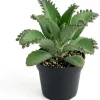
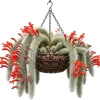
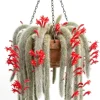
Monkey Tail Cactus Live Plant – 2 Inch Pot Rare Trailing Succulent, Orange Flowers
-50%
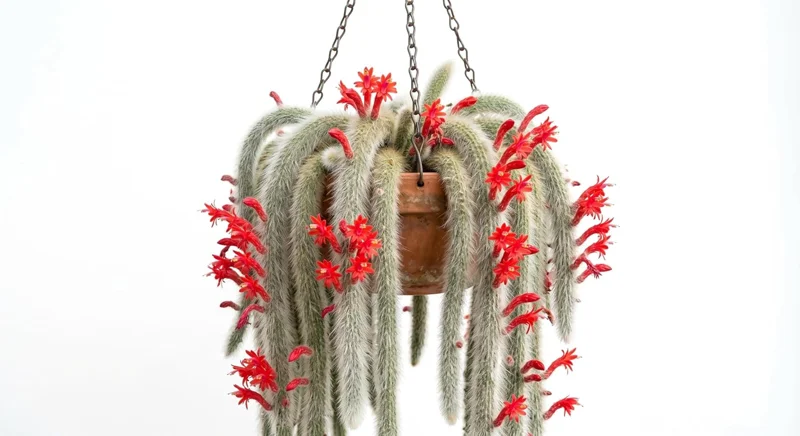
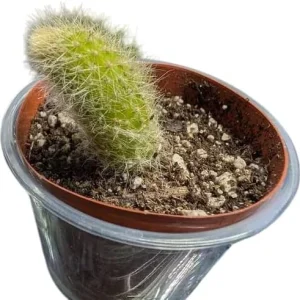
Monkey Tail Cactus Live Plant – 2 Inch Pot Rare Trailing Succulent, Orange Flowers
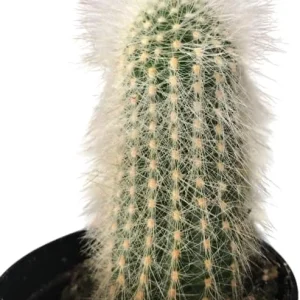
Bring home a unique Monkey Tail Cactus live plant, a fascinating rare trailing succulent known for its soft, furry stems and bright orange flowers. Ideal for indoor pots and hanging baskets, this 2-inch potted starter plant adds exotic charm with minimal effort.
Original price was: $28.98.$14.49Current price is: $14.49.

With our Alive & Thrive Guarantee, we’ve got your back for the first 30 days! If you have any concerns about your plants, just reach out to us. Our team is here to help answer your questions and guide you in selecting the best plants for your garden, climate, and unique preferences. We're excited to help you create the garden of your dreams!
Estimated arrival
Oct 21
Oct 26 - Oct 28
Oct 31 - Nov 04
Product Details
-
USDA Hardiness Zone
9-11 -
Soil type
Well-draining cactus or succulent soil -
Sunlight Exposure
Bright indirect light or partial sun -
Expected Planting Period
Year-round indoors
Overview
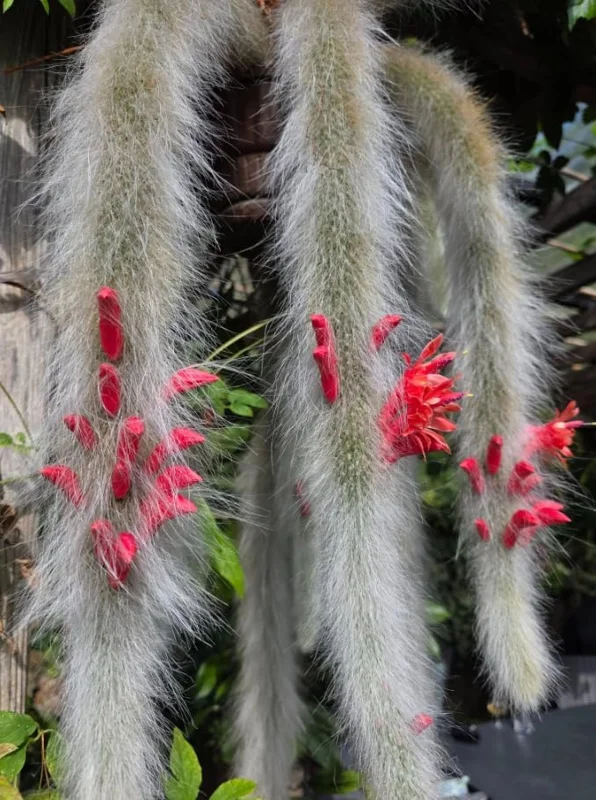
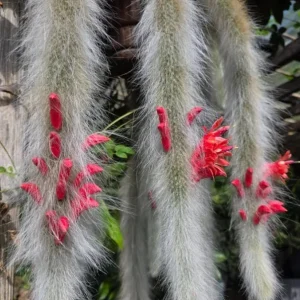
Introduce an extraordinary botanical specimen into your collection with the Monkey Tail Cactus live plant. This captivating succulent, scientifically known as Hildewintera colademononis or Cleistocactus colademononis, derives its common name from its long, pendant stems covered in soft, white, hair-like spines, resembling a monkey’s tail. Originating from Bolivia, this rare trailing succulent is a true conversation starter, offering not just unique texture but also stunning seasonal displays of vibrant orange-red flowers. Perfect for enthusiasts seeking an uncommon yet relatively easy-to-care-for plant, the Monkey Tail Cactus adds a touch of playful elegance to any indoor space. Its cascading habit makes it an excellent choice for hanging baskets, elevated planters, or as a striking component in succulent displays. Whether you’re a seasoned collector or a beginner looking for something special, this plant promises to delight with its distinctive appearance and charming blooms.
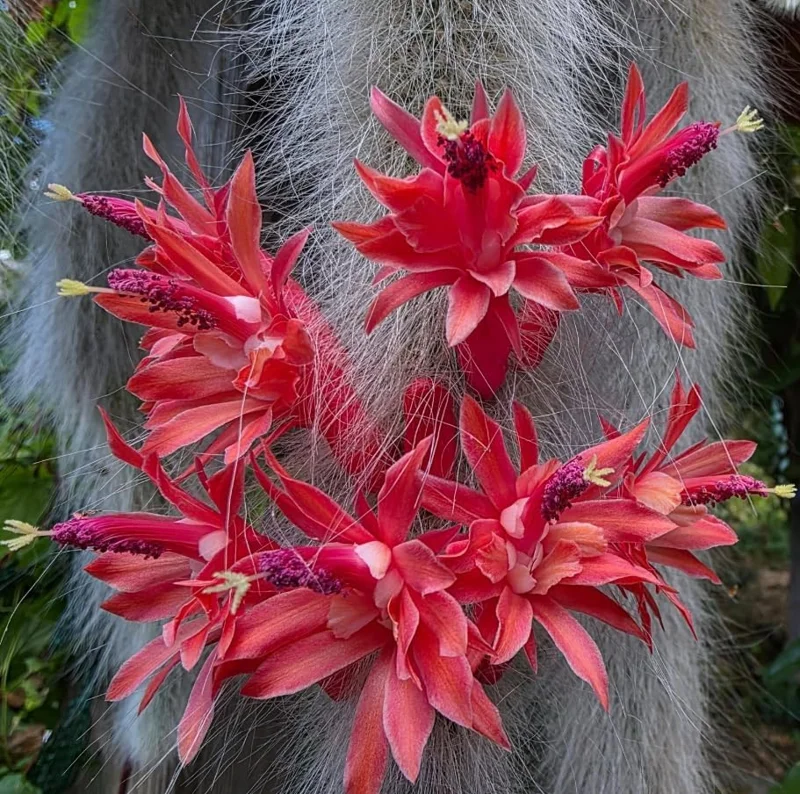
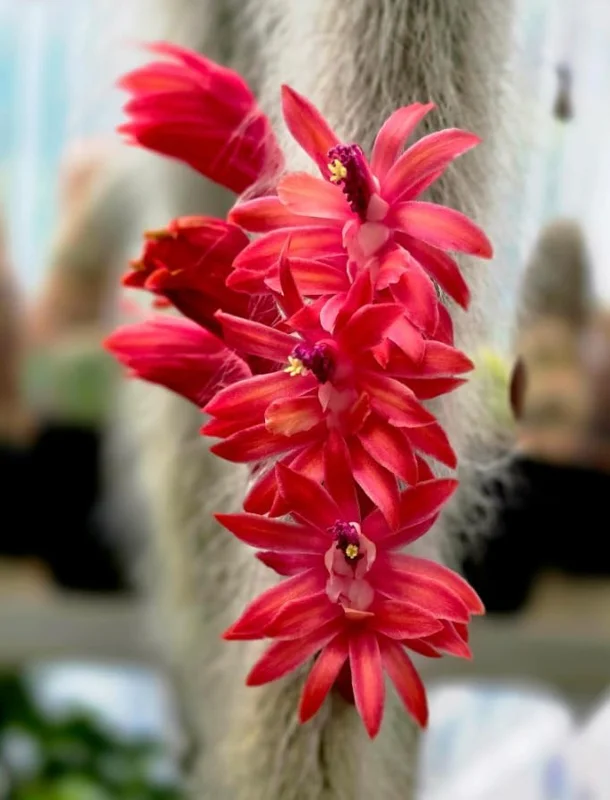
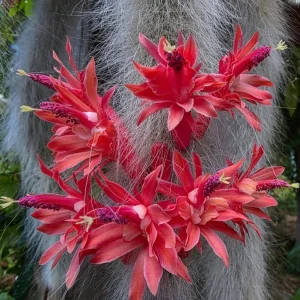
The Monkey Tail Cactus live plant is highly sought after for its ornamental value and its ability to thrive in arid conditions, making it a low-maintenance option for busy plant parents. It’s not just a plant; it’s a living sculpture that evolves over time, with its ‘tails’ growing longer and more pronounced. The vivid orange flowers, which typically emerge in spring and summer, provide a beautiful contrast to the white, furry stems, creating a spectacular visual appeal. This particular offering provides a healthy starter plant, ready to grow and develop into a magnificent specimen under your care. Embrace the joy of cultivating this unique succulent and watch it transform your living space with its exotic beauty.
Key Benefits
The Monkey Tail Cactus live plant offers a multitude of benefits that make it a cherished addition to any home or garden. Its unique characteristics and relatively simple care requirements contribute to its widespread appeal:
- Unique Ornamental Appeal: The most striking feature of this succulent is its soft, furry, trailing stems that resemble a monkey’s tail. This distinctive texture and cascading growth habit make it a focal point in any plant collection, providing visual interest unlike most other succulents.
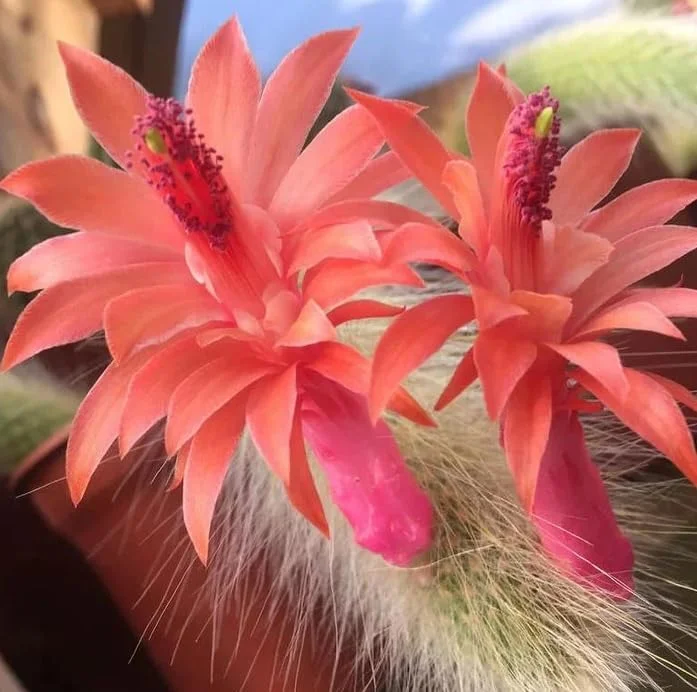
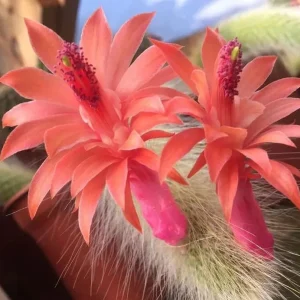
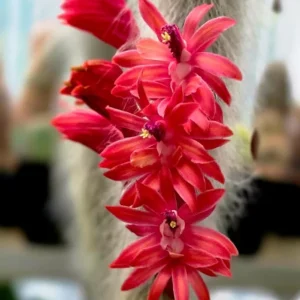
- Vibrant Orange Blooms: Beyond its interesting foliage, the rare trailing succulent produces brilliant orange-red flowers. These showy blooms typically appear along the length of mature stems, creating a stunning contrast and adding a splash of color, especially during spring and summer.
- Low Maintenance: As a desert native, the Monkey Tail Cactus is incredibly drought-tolerant and requires minimal watering. It thrives on neglect, making it an ideal choice for busy individuals or those new to plant care, reducing the stress associated with maintaining more demanding plants.
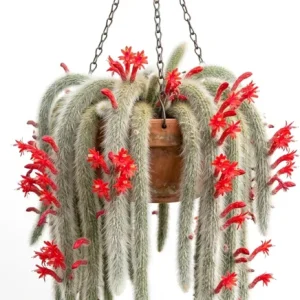
- Versatile Display Options: Its trailing nature makes it perfect for hanging baskets, allowing its ‘tails’ to dangle gracefully. It also looks fantastic on shelves, in elevated planters, or as part of a mixed succulent arrangement, complementing various interior design styles.
- Air Purification Qualities: Like many houseplants, the Monkey Tail Cactus live plant contributes to a healthier indoor environment by absorbing carbon dioxide and releasing oxygen, subtly improving air quality in your home.
- Pet-Friendly: While opinions vary, the soft spines of the Monkey Tail Cactus are generally considered less harmful than those of many other cacti. However, supervision around curious pets is always recommended.
- Conversation Starter: Its unusual appearance and charming name make it an instant conversation starter, allowing you to share the wonder of this unique plant with guests and friends.
Plant Care & Growing Tips
Caring for your Monkey Tail Cactus live plant is straightforward, especially if you understand its natural habitat and preferences. This rare trailing succulent thrives on conditions that mimic its native Bolivian environment, characterized by plenty of sunlight and well-draining soil. The key to a happy and healthy Monkey Tail Cactus is to avoid overwatering and provide ample light. For optimal growth and flowering, place your plant in a location where it receives bright, indirect light for most of the day, or even partial sun. A south-facing window with some protection from intense midday sun is often ideal. While it can tolerate some direct sun, too much can scorch its delicate stems, especially during the hottest parts of the day.
When it comes to watering, less is more with the Monkey Tail Cactus. Allow the soil to dry out completely between waterings. A good rule of thumb is to feel the soil; if the top inch or two is dry, it’s time to water thoroughly until water drains from the bottom of the pot. During its dormant period in winter, reduce watering significantly. Overwatering is the most common cause of problems, leading to root rot. Use a well-draining cactus or succulent potting mix, or create your own by amending regular potting soil with perlite, coarse sand, or pumice to ensure excellent drainage. The ideal temperature range for this plant is between 60-80°F (15-27°C), and it prefers low humidity. Protect it from frost, as it is not cold-hardy.
Fertilize your monkey tail succulent care with a balanced, diluted liquid fertilizer specifically formulated for cacti and succulents during its active growing season (spring and summer), typically once every 2-4 weeks. Avoid fertilizing in fall and winter. Repotting is generally only needed every 2-3 years, or when the plant becomes root-bound. Choose a pot that is only slightly larger than the previous one to prevent excess moisture retention. Keep an eye out for common pests like mealybugs or spider mites, which can be treated with insecticidal soap. Proper air circulation also helps prevent fungal issues. With these simple guidelines, your Monkey Tail Cactus will flourish, eventually producing its charming orange flower succulent blooms.
Size & Details
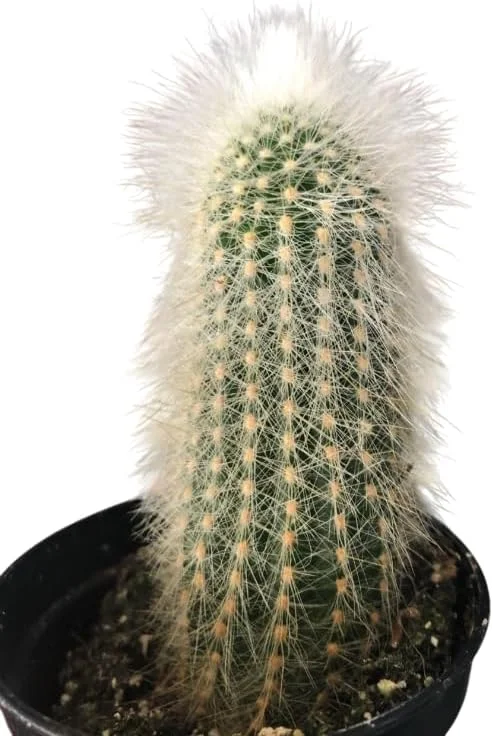
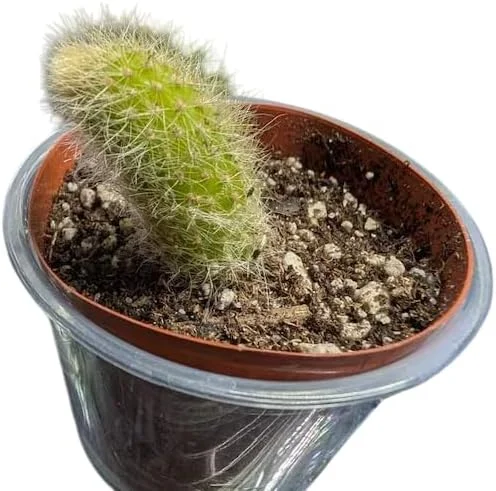
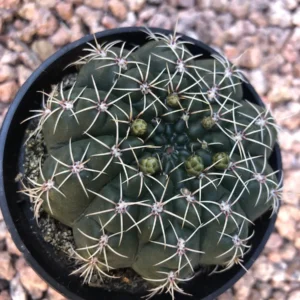
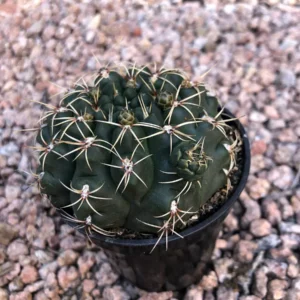
This offering is for a healthy Monkey Tail Cactus live plant, provided as a starter plant approximately 2–3 inches tall. It comes pre-potted in a 2-inch nursery pot, perfectly sized for immediate integration into your indoor garden or for transplanting into a decorative container. The plant is shipped young and small, allowing you to enjoy its growth and development from an early stage. While listing photos may sometimes show a mature mother plant for reference, rest assured you will receive a vibrant young specimen with its distinctive ‘tail’ already forming, ready to thrive in its new home.
The rare trailing succulent is known for its relatively fast growth rate under ideal conditions, with its ‘tails’ eventually reaching lengths of up to 4 feet or more, creating a dramatic cascading effect. Its soft, white, hair-like spines are a defining characteristic, providing a unique tactile and visual appeal. Expect the plant to mature and begin producing its striking orange flowers once it has established itself and reached a sufficient size, typically within a year or two with proper care. This compact size makes it an excellent choice for windowsills, desks, or as a component in larger succulent arrangements before it grows into its full trailing potential.
Frequently Asked Questions
- Q: How big does this Monkey Tail Cactus get? A: Your starter Monkey Tail Cactus live plant is approximately 2-3 inches tall in a 2-inch pot. With proper care, its trailing stems can eventually grow quite long, often reaching up to 4 feet or more in length, creating a beautiful cascading display.
- Q: What size pot does it come in? A: The plant is shipped in a 2-inch nursery pot, which is suitable for the young starter plant. You can keep it in this pot for a while or transplant it into a slightly larger decorative pot or hanging basket upon arrival.
- Q: Is this an indoor or outdoor plant? A: The Monkey Tail Cactus live plant can be grown both indoors and outdoors, depending on your climate. It thrives outdoors in USDA Hardiness Zones 9-11. In colder climates, it is best grown as an indoor houseplant, especially during winter months, as it is not frost-tolerant.
- Q: How much sunlight does it need? A: This rare trailing succulent prefers bright, indirect light to partial sun. Too much intense direct sunlight, especially during the hottest parts of the day, can cause scorching. A bright east-facing window or a south-facing window with some afternoon shade is ideal indoors.
- Q: Is this plant easy to care for? Is it good for beginners? A: Yes, the Monkey Tail Cactus is considered relatively easy to care for, making it a good choice for beginners. Its key requirements are plenty of light and infrequent watering, avoiding overwatering is crucial for its health. Following basic monkey tail succulent care guidelines will ensure success.
- Q: What condition will it arrive in? A: Your plant will arrive as a healthy, young starter plant, approximately 2-3 inches tall, securely packaged in its 2-inch nursery pot. While slight variations may occur during shipping, it will be ready to thrive in its new home.
- Q: How long until it blooms? A: The Monkey Tail Cactus typically begins producing its vibrant orange flower succulent blooms once it reaches maturity and has established itself, usually within one to two years of consistent care. Blooms usually appear in spring and summer.
- Q: What’s the minimum temperature this plant can tolerate? A: This succulent is not frost-tolerant. It prefers temperatures above 50°F (10°C). If outdoor temperatures drop below this, it should be brought indoors to protect it from cold damage.
- Q: What kind of soil does it need? A: The Monkey Tail Cactus requires well-draining soil. A specialized cactus or succulent potting mix is ideal. You can also create your own by mixing regular potting soil with perlite, coarse sand, or pumice to enhance drainage.
- Q: Are the ‘hairs’ on the Monkey Tail Cactus sharp? A: The ‘hairs’ on the Monkey Tail Cactus live plant are actually soft, white, hair-like spines. While they are not as sharp or rigid as typical cactus spines, they can still be a bit prickly if handled roughly. It’s generally safe to touch, but care should be taken.
Related products
-30%
Original price was: $85.98.$60.18Current price is: $60.18.
-30%
Original price was: $47.98.$33.58Current price is: $33.58.
-30%
Original price was: $79.98.$55.98Current price is: $55.98.
-30%
Original price was: $79.98.$55.98Current price is: $55.98.
-97%
Original price was: $316.80.$9.92Current price is: $9.92.
PLANTING & CARE
Lemon Tree Growing: Choose, Plant, and Harvest
Learn how to choose, plant, feed, and protect a lemon tree so it fits your
23
Sep
Sep
Dwarf Meyer Lemon Tree Australia: Climate Guide
Learn where dwarf Meyer lemon trees grow, how much cold they tolerate, and whether Australia,
Where to Buy a Dwarf Meyer Lemon Tree: Buyer’s Guide
Find the right dwarf Meyer lemon tree online or locally, compare starter sizes and costs,
Dwarf Meyer Lemon Tree for Sale: Buying Guide
Compare Meyer lemon tree sizes, prices, shipping limits, indoor growing and California options before you
Dwarf Meyer Lemon Tree Guide: Size, Care and Fruit
META: Learn how large a dwarf Meyer lemon tree grows, where it thrives, and how
How to Prune a Dwarf Meyer Lemon Tree
Learn when and how to prune a dwarf Meyer lemon tree, including tools, shaping cuts,
Can You Grow a Dwarf Meyer Lemon Tree in a Pot?
META: Learn how to grow a dwarf Meyer lemon tree in a pot, including container
When Do Dwarf Meyer Lemon Trees Bloom and Fruit?
META: Dwarf Meyer lemon trees usually bloom from winter through spring and may flower again