Monstera Dubia Cutting – Live Plant – Rare Shingle Plant for Indoors
-49%
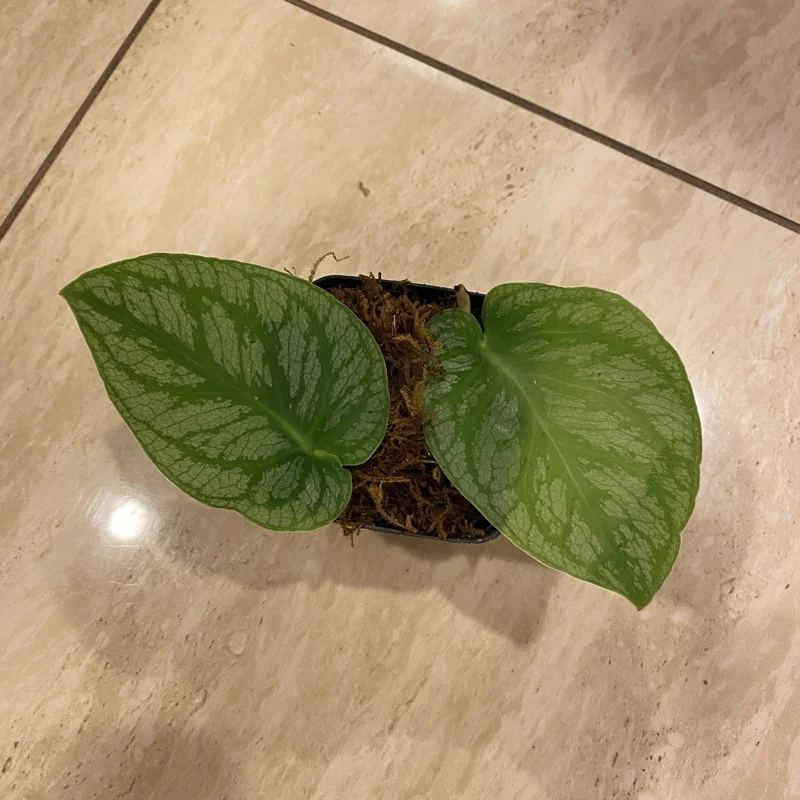
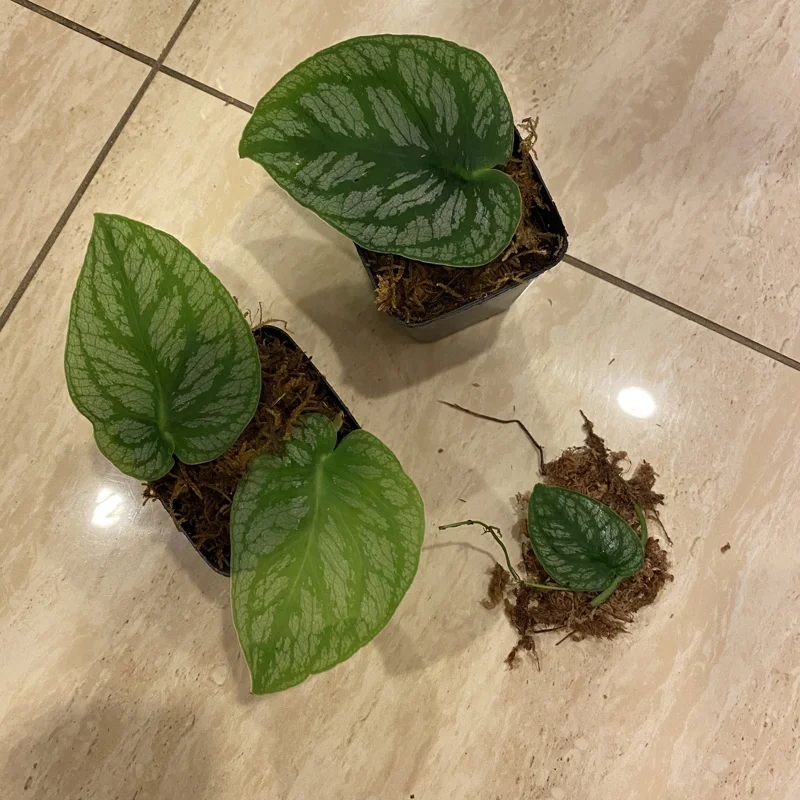
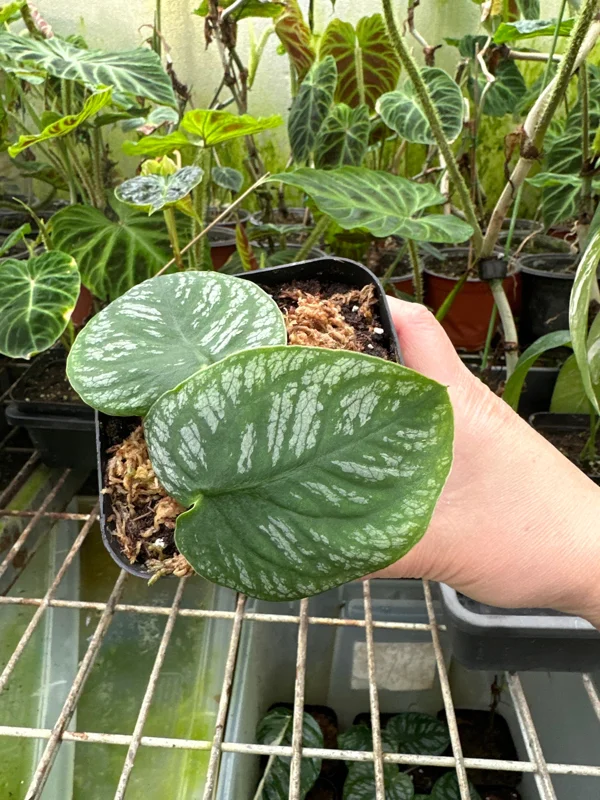
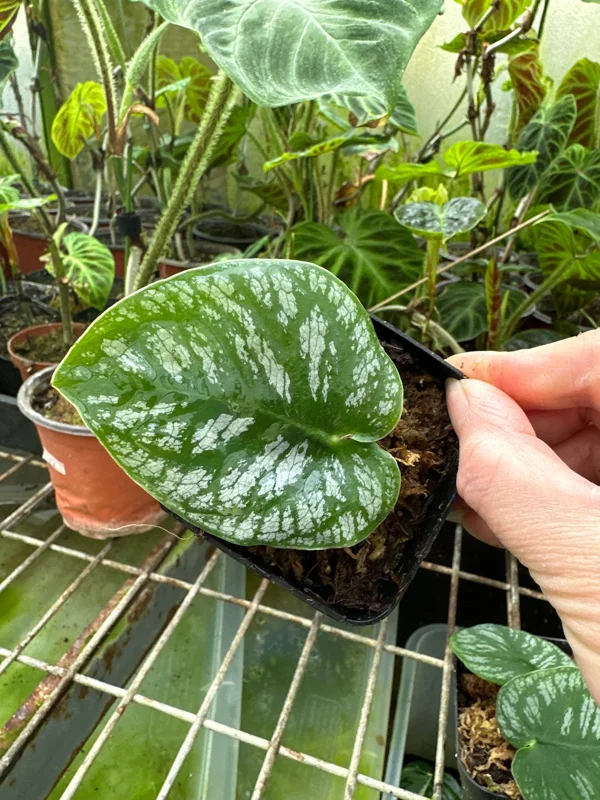
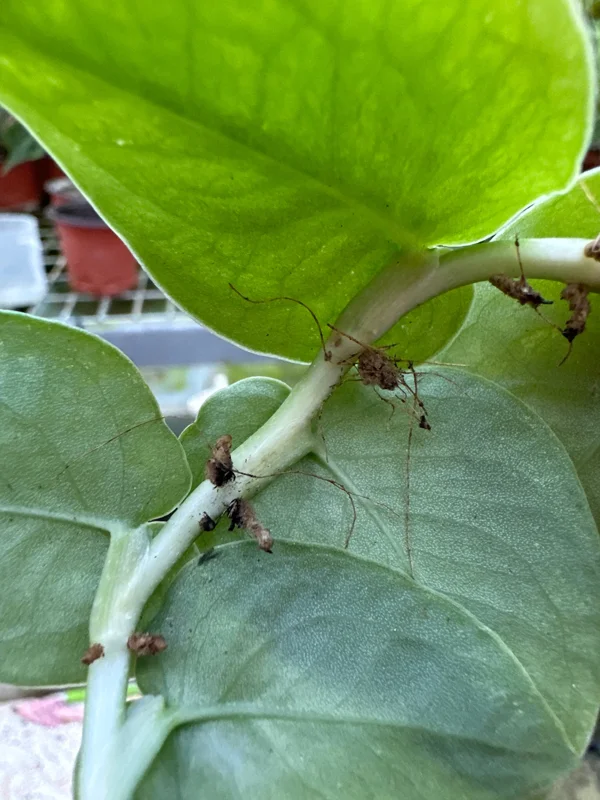
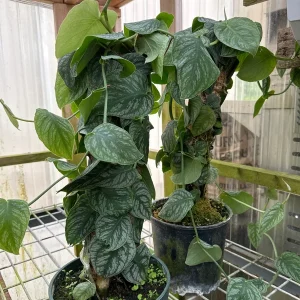
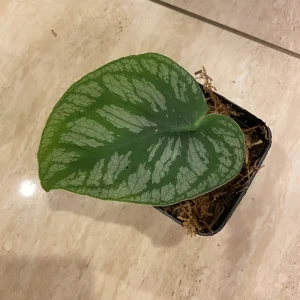
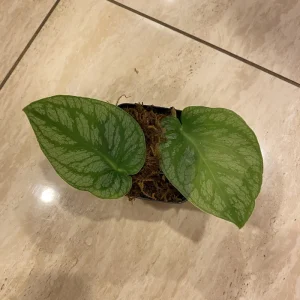
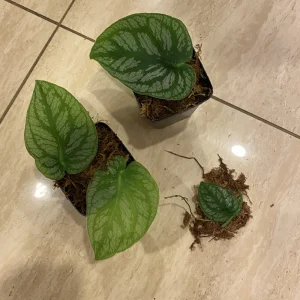
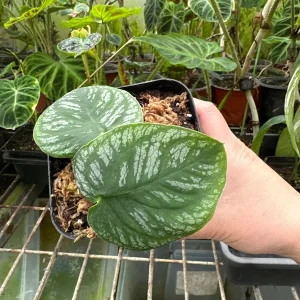
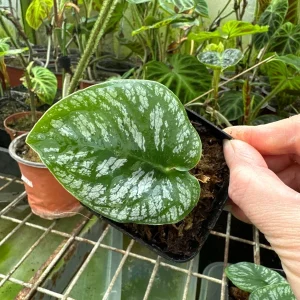
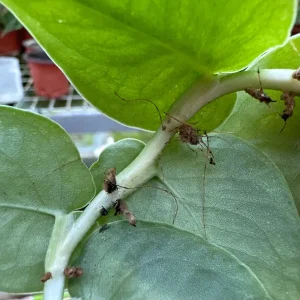
Monstera Dubia Cutting – Live Plant – Rare Shingle Plant for Indoors
Bring home a unique Monstera Dubia cutting, a rare and easy-to-care-for shingle plant known for its distinctive foliage that clings to surfaces as it grows. Perfect for adding a touch of exotic greenery to any indoor space, this vining houseplant thrives with minimal effort, making it ideal for both beginners and experienced plant enthusiasts.
Original price was: $69.99.$35.99Current price is: $35.99.

With our Alive & Thrive Guarantee, we’ve got your back for the first 30 days! If you have any concerns about your plants, just reach out to us. Our team is here to help answer your questions and guide you in selecting the best plants for your garden, climate, and unique preferences. We're excited to help you create the garden of your dreams!
Estimated arrival
Oct 21
Oct 26 - Oct 28
Oct 31 - Nov 04


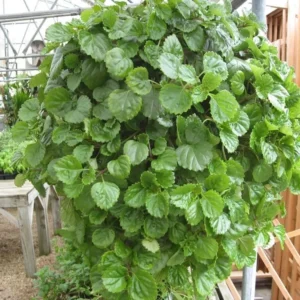
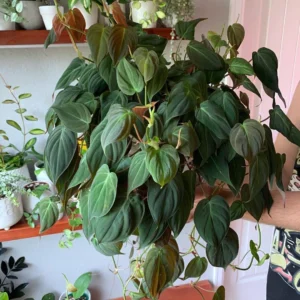
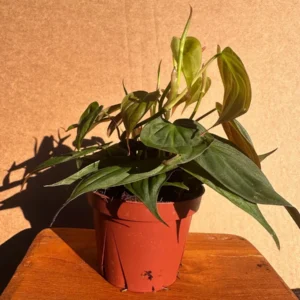
Product Details
-
USDA Hardiness Zone
USDA zones 10-12 (indoors in most regions) -
Soil type
Well-draining aroid mix -
Sunlight Exposure
Bright indirect light -
Expected Planting Period
Year-round indoors
Overview
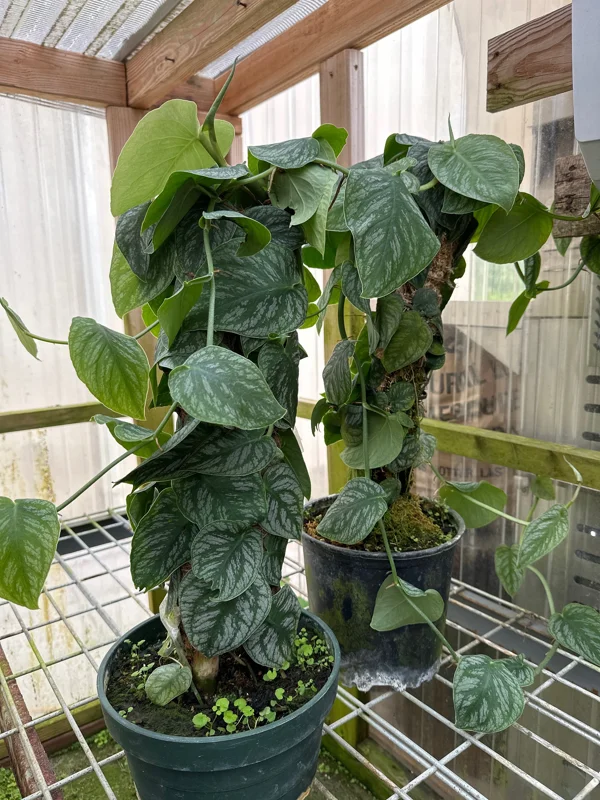
Introduce an extraordinary element to your indoor plant collection with a Monstera Dubia cutting. This fascinating plant, often referred to as the ‘Shingle Plant’ due to its unique growth habit, is a must-have for any aroid enthusiast. Unlike its larger Monstera relatives, the Monstera Dubia is celebrated for its smaller, heart-shaped leaves that lie flat against a surface as it climbs, creating a beautiful shingled effect. As the rare Monstera plant matures, its leaves can develop fenestrations, adding to its allure. Our cuttings are carefully selected to ensure you receive a healthy, viable piece ready to root and flourish in your home. This live plant offers a captivating visual appeal and is surprisingly simple to care for, making it an excellent choice for those looking to expand their plant horizons.
The Monstera Dubia cutting is a juvenile form of this stunning plant, known for its rapid growth once established. Its ability to adhere to a moss pole or plank makes it a versatile decorative piece, transforming any corner into a lush, tropical display. This particular species is highly sought after for its distinctive texture and the promise of its mature fenestrated leaves. Whether you’re a seasoned collector or just starting your journey with tropical plants, this cutting provides an exciting opportunity to cultivate a truly unique specimen.
Key Benefits
The Monstera Dubia cutting offers numerous advantages, making it a highly desirable addition to any indoor garden. Its unique growth pattern and relatively low maintenance requirements contribute to its popularity. Discover the key benefits:
- Unique Aesthetic Appeal: The distinctive shingling habit of the Monstera Dubia cutting against a support creates a mesmerizing, textured look unlike most other houseplants. Its juvenile heart-shaped leaves provide a fresh, vibrant green touch to any decor.
- Easy Care Indoor Plant: Despite its exotic appearance, this easy care indoor plant is remarkably forgiving, making it suitable for beginners. It adapts well to typical indoor conditions and doesn’t demand constant attention.
- Space-Saving Vertical Growth: As a vining plant, the Monstera Dubia grows upwards, utilizing vertical space efficiently. This makes it perfect for smaller apartments or areas where floor space is limited, allowing you to enjoy lush greenery without clutter.
- Air Purification Qualities: Like many houseplants, the Monstera Dubia contributes to improved indoor air quality by filtering out common toxins, creating a healthier living environment.
- Engaging Growth Habit: Observing the shingle plant care and watching its leaves develop and adhere to a climbing structure is a rewarding experience, providing a dynamic and evolving display.
- Collectible Rarity: The Monstera Dubia is considered a rare Monstera plant, making it a prized possession for plant collectors and enthusiasts looking for something beyond the ordinary.
- Versatile Decor: Its elegant growth can complement various interior design styles, from minimalist to bohemian, adding a sophisticated tropical touch.
Plant Care & Growing Tips
Caring for your Monstera Dubia cutting is a straightforward process, especially when you understand its basic needs. This plant thrives in conditions that mimic its natural tropical habitat. For optimal growth, provide bright, indirect light. Direct sunlight can scorch its delicate leaves, so place it near a window with filtered light or a few feet away from a south-facing window. Insufficient light may lead to slower growth and less pronounced shingling. The ideal temperature range for this vining houseplant is between 65-80°F (18-27°C). Avoid sudden temperature fluctuations and cold drafts, especially during winter months.
When it comes to watering, consistency is key. Allow the top inch or two of the soil to dry out between waterings. Overwatering can lead to root rot, which is detrimental to the plant’s health. Use a well-draining potting mix that retains some moisture but doesn’t become waterlogged. A mix containing perlite, orchid bark, and peat moss works well. High humidity is beneficial for the Monstera Dubia, so consider using a humidifier, placing it near a pebble tray, or misting it regularly, particularly if your indoor environment is dry. This also promotes the aerial roots to attach to a support, facilitating the shingling effect. Fertilize sparingly during the growing season (spring and summer) with a balanced liquid fertilizer diluted to half strength. Reduce or cease fertilization during fall and winter.
To encourage the iconic shingling growth, provide a climbing structure such as a moss pole, a cedar plank, or even a piece of cork bark. Gently guide the aerial roots towards the support as the plant grows. Regular pruning is not typically required but can be done to maintain shape or propagate new cuttings. Keep an eye out for common houseplant pests like spider mites or mealybugs; address any infestations promptly with insecticidal soap or neem oil. Understanding proper shingle plant care will ensure your Monstera Dubia cutting flourishes into a magnificent specimen.
Size & Details
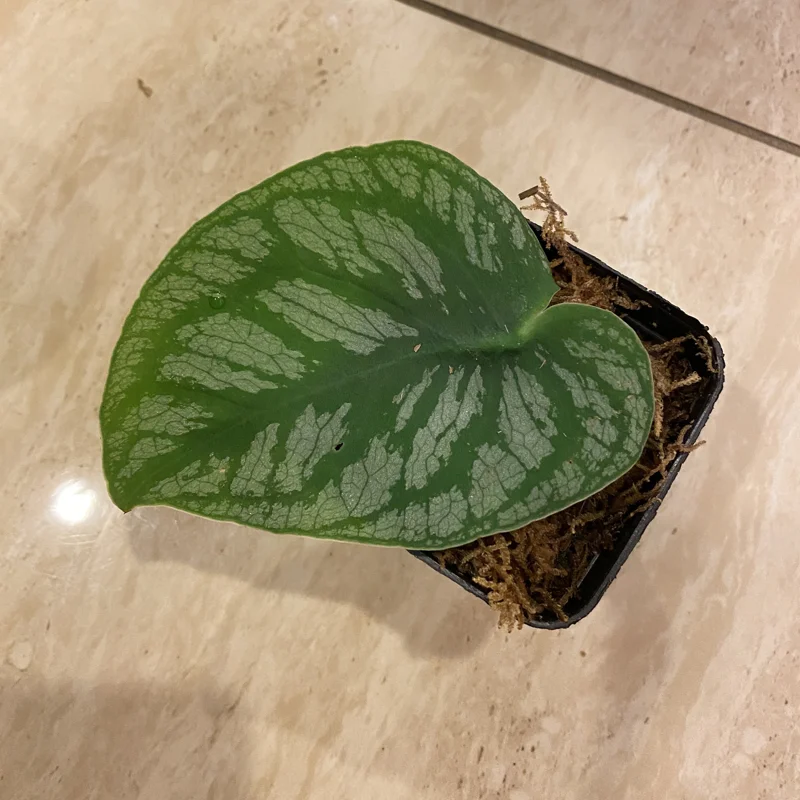
This offering is for a healthy Monstera Dubia cutting, typically featuring 1-2 nodes and at least one established leaf, ready for propagation. The size of the leaf will vary, but generally, juvenile leaves are heart-shaped and range from 2-4 inches in length. Upon arrival, the cutting should be placed in a rooting medium such as sphagnum moss, perlite, or water until roots develop. Once rooted, it can be transferred to a small pot, ideally 3-4 inches in diameter, filled with a suitable well-draining potting mix. As a vining houseplant, its growth rate is moderate to fast once established, and it will begin to climb and shingle if given a proper support.
Mature plants can reach several feet in height, with leaves growing larger and eventually developing fenestrations, though this can take a few years. The cutting is shipped carefully packaged to minimize stress during transit. While the initial appearance is that of a small cutting, with proper shingle plant care, it will quickly develop into a stunning display plant. This rare Monstera plant is an investment in a unique botanical journey, offering the satisfaction of nurturing a plant from its early stages to its full, beautiful potential.
Frequently Asked Questions
- Q: How do I root my Monstera Dubia cutting? A: Place your Monstera Dubia cutting in a propagation box with moist sphagnum moss, perlite, or simply in a jar of water. Ensure the node is submerged or in contact with the moist medium. Provide warmth and bright, indirect light. Roots typically appear within 2-4 weeks.
- Q: Is this an indoor or outdoor plant? A: The Monstera Dubia cutting is primarily an indoor plant in most climates due to its tropical origins. It thrives in consistent indoor temperatures and humidity. It can be moved outdoors in warm, humid conditions during summer but should be brought inside before temperatures drop.
- Q: How much sunlight does a Monstera Dubia need? A: This easy care indoor plant prefers bright, indirect light. Avoid direct sun exposure, which can burn its leaves. An east-facing window or a few feet from a south or west-facing window with sheer curtains is ideal.
- Q: What type of soil is best for this shingle plant? A: A well-draining, airy potting mix is best. A mix formulated for aroids, containing ingredients like orchid bark, perlite, and coco coir or peat moss, will provide the necessary drainage and aeration for healthy root development for your shingle plant care.
- Q: How big does a Monstera Dubia get? A: While the cutting starts small, with proper support and care, a mature Monstera Dubia can grow several feet tall, with leaves increasing in size and developing fenestrations over time. Its growth is largely dictated by the support it is given.
- Q: Is the Monstera Dubia pet-safe? A: No, like most plants in the Araceae family, Monstera Dubia contains calcium oxalate crystals, which can be irritating to pets if ingested. It’s best to keep this rare Monstera plant out of reach of curious pets.
- Q: How often should I water my Monstera Dubia? A: Water when the top 1-2 inches of soil feel dry to the touch. This typically means watering every 7-10 days, but frequency can vary based on humidity, temperature, and pot size. Always check the soil moisture before watering.
Related products
-30%
Original price was: $79.98.$55.98Current price is: $55.98.
-25%
Original price was: $33.90.$25.42Current price is: $25.42.
-30%
Original price was: $129.98.$90.98Current price is: $90.98.
-39%
Original price was: $49.00.$29.99Current price is: $29.99.
-30%
Original price was: $129.98.$90.98Current price is: $90.98.
-30%
Original price was: $13.98.$9.78Current price is: $9.78.
PLANTING & CARE
Lemon Tree Growing: Choose, Plant, and Harvest
Learn how to choose, plant, feed, and protect a lemon tree so it fits your
23
Sep
Sep
Dwarf Meyer Lemon Tree Australia: Climate Guide
Learn where dwarf Meyer lemon trees grow, how much cold they tolerate, and whether Australia,
Where to Buy a Dwarf Meyer Lemon Tree: Buyer’s Guide
Find the right dwarf Meyer lemon tree online or locally, compare starter sizes and costs,
Dwarf Meyer Lemon Tree for Sale: Buying Guide
Compare Meyer lemon tree sizes, prices, shipping limits, indoor growing and California options before you
Dwarf Meyer Lemon Tree Guide: Size, Care and Fruit
META: Learn how large a dwarf Meyer lemon tree grows, where it thrives, and how
How to Prune a Dwarf Meyer Lemon Tree
Learn when and how to prune a dwarf Meyer lemon tree, including tools, shaping cuts,
Can You Grow a Dwarf Meyer Lemon Tree in a Pot?
META: Learn how to grow a dwarf Meyer lemon tree in a pot, including container
When Do Dwarf Meyer Lemon Trees Bloom and Fruit?
META: Dwarf Meyer lemon trees usually bloom from winter through spring and may flower again