Monstera Dubia Live Plant Cutting – Rare Shingle Plant for Indoor Decor
-29%
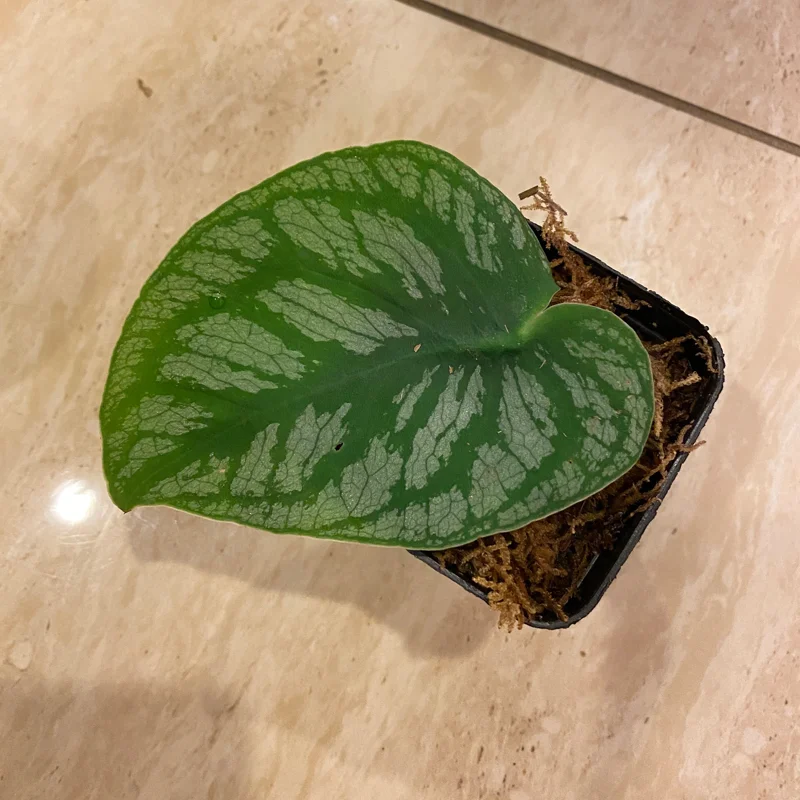
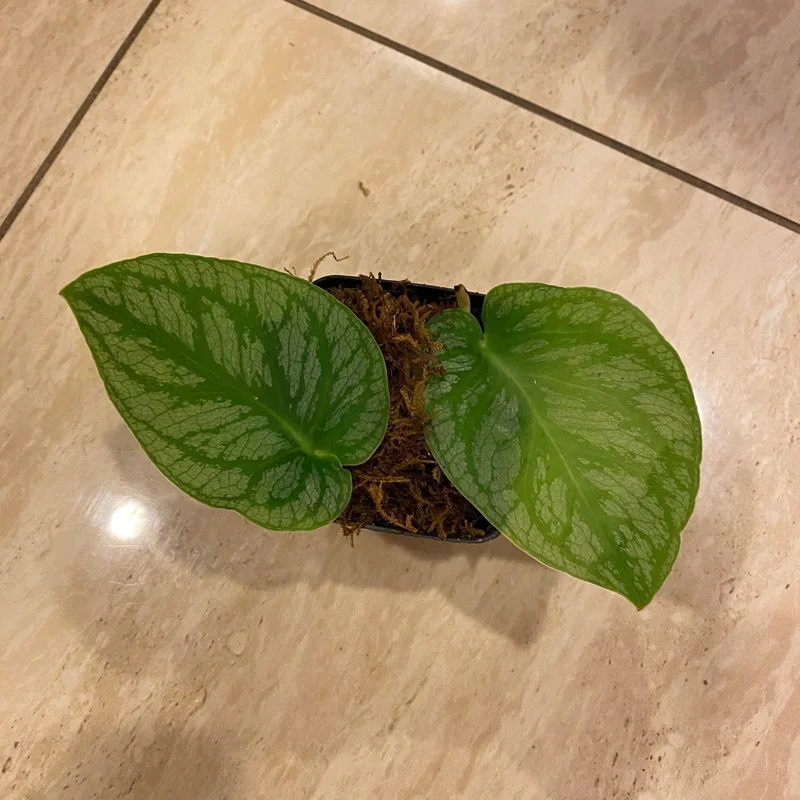
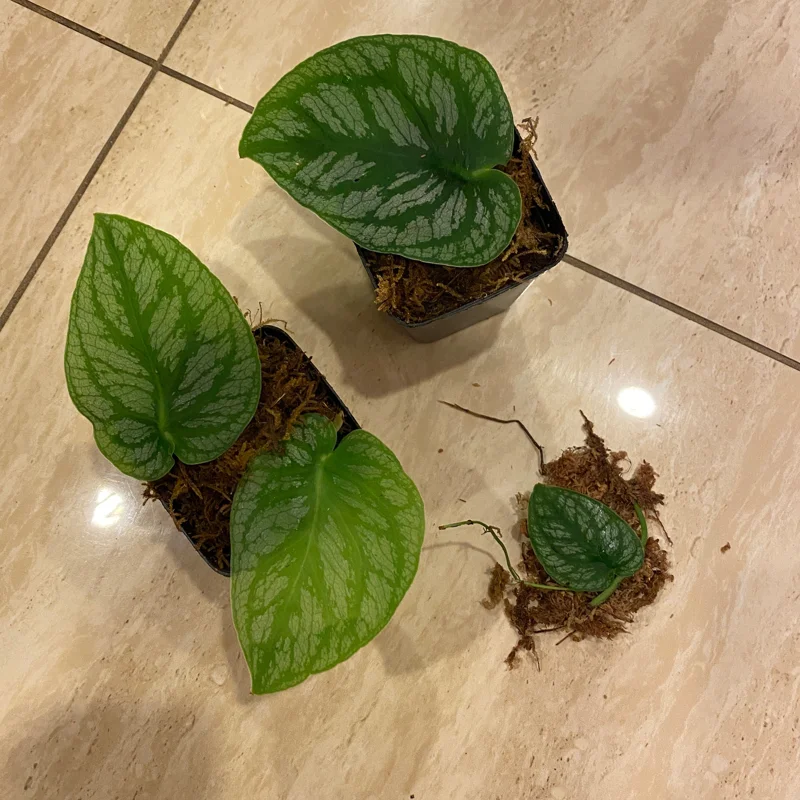
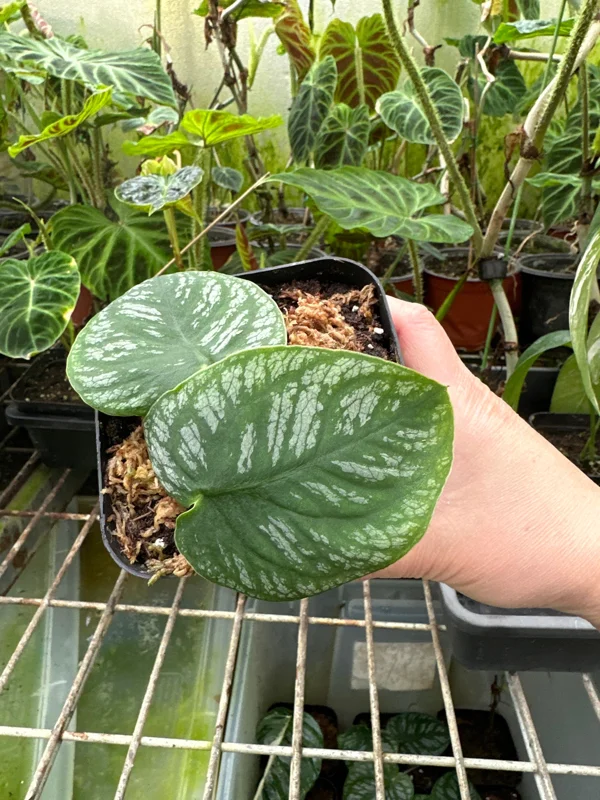
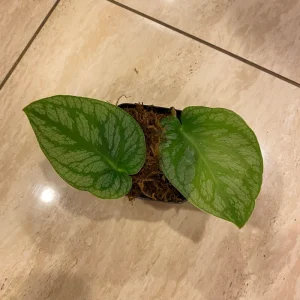
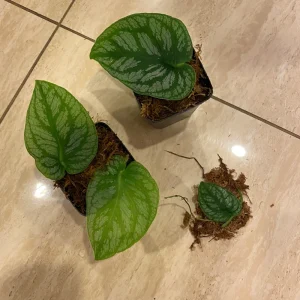
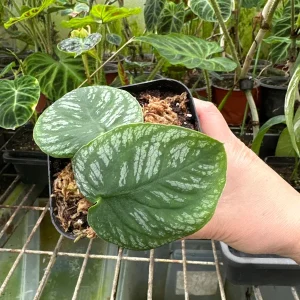
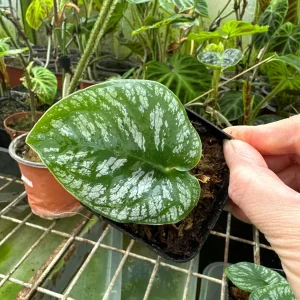
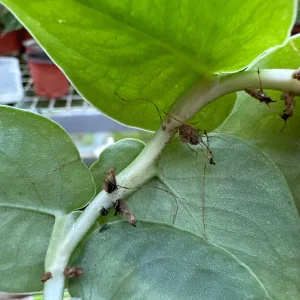
Monstera Dubia Live Plant Cutting – Rare Shingle Plant for Indoor Decor
Elevate your indoor plant collection with a stunning monstera dubia live plant cutting. Known for its unique shingling leaves, this rare aroid is an easy-care addition to any home, perfect for climbing or trailing displays.
Original price was: $50.99.$35.99Current price is: $35.99.

With our Alive & Thrive Guarantee, we’ve got your back for the first 30 days! If you have any concerns about your plants, just reach out to us. Our team is here to help answer your questions and guide you in selecting the best plants for your garden, climate, and unique preferences. We're excited to help you create the garden of your dreams!
Estimated arrival
Oct 21
Oct 26 - Oct 28
Oct 31 - Nov 04
Product Details
-
USDA Hardiness Zone
USDA zones 10-11 (outdoors); suitable for all indoor zones -
Soil type
Well-draining Aroid mix (e.g., orchid bark, perlite, coco coir) -
Sunlight Exposure
Bright indirect light -
Expected Planting Period
Year-round indoors
Overview
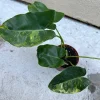
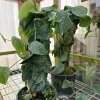
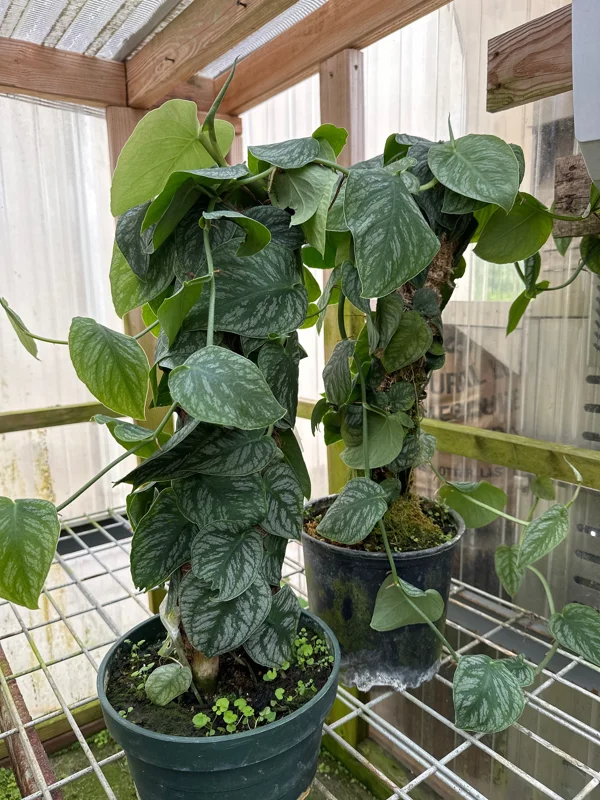
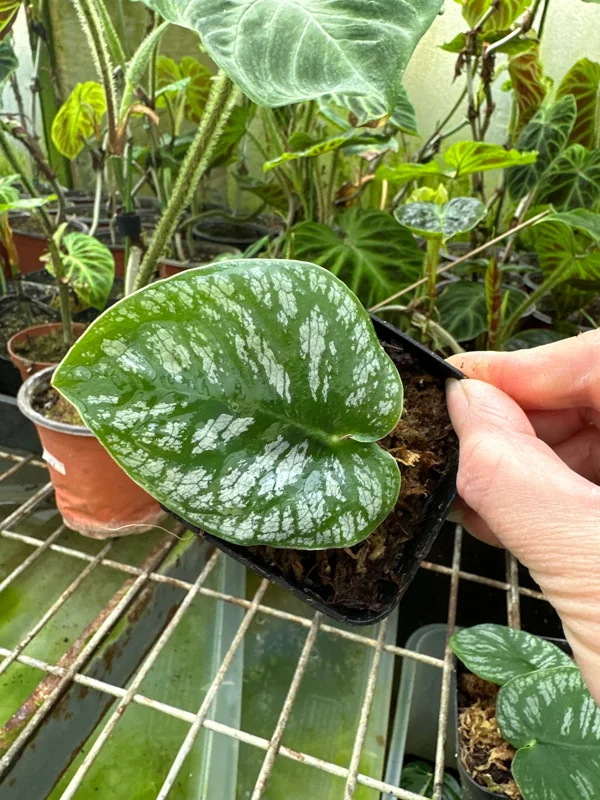
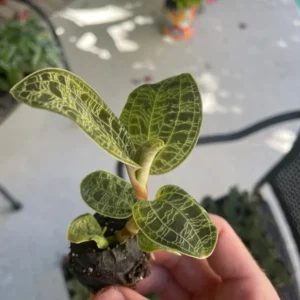
Introduce a touch of tropical elegance to your home with a monstera dubia live plant cutting. This fascinating aroid, often referred to as the ‘Shingle Plant’ due to its distinctive growth habit, is a must-have for plant enthusiasts and collectors alike. Unlike its more common Monstera relatives, Monstera dubia features small, heart-shaped leaves that lie flat against a surface as it climbs, creating a beautiful shingled effect. As the plant matures and receives adequate support, its leaves will eventually fenestrate, developing the iconic splits and holes characteristic of many Monstera species. This particular offering is for a healthy cutting, providing you with the opportunity to propagate and grow your own magnificent specimen. It’s a relatively easy plant to care for, making it suitable for both experienced growers and those looking to expand their indoor jungle with something truly special. The vibrant green foliage and unique growth pattern of the monstera dubia live plant will undoubtedly become a captivating focal point in any room.
Key Benefits
Adding a monstera dubia live plant to your home offers a range of aesthetic and environmental benefits, enhancing your living space with its natural charm and unique characteristics.
- Unique Aesthetic Appeal: The primary benefit of the monstera dubia live plant is its striking appearance. Its small, heart-shaped leaves tightly shingle against a surface, creating a visually interesting texture that evolves as the plant matures and develops fenestrations.
- Rare & Collectible: This specific Monstera species is considered a rare find, making it a valuable addition for plant collectors seeking unique and less common houseplants to diversify their collection.
- Easy to Care For: Despite its rare status, Monstera dubia is surprisingly low-maintenance once established. It thrives with consistent care and provides a rewarding growing experience without demanding constant attention, making monstera dubia care straightforward.
- Air Purification: Like many houseplants, the Monstera Dubia contributes to improved indoor air quality by absorbing common household toxins and releasing fresh oxygen, creating a healthier environment.
- Versatile Display Options: This plant is an excellent climber. Provide it with a moss pole, trellis, or wooden board, and watch its leaves beautifully shingle upwards, creating a living work of art. It can also trail gracefully from a hanging basket.
- Growth & Transformation: Observing the transformation of its leaves from small, solid hearts to larger, fenestrated forms as it matures is a captivating process, offering continuous visual interest and a sense of accomplishment for the grower.
- Tropical Ambiance: Its lush green foliage and tropical origins instantly bring a serene and exotic atmosphere into any room, helping to create a relaxing and inviting space.
Plant Care & Growing Tips
Proper monstera dubia care is essential for its healthy growth and to encourage its unique shingling and eventual fenestration. This plant thrives in conditions that mimic its native tropical habitat. For light, Monstera dubia prefers bright, indirect light. Avoid direct sunlight, which can scorch its delicate leaves. An east-facing window or a few feet away from a south or west-facing window is ideal. Consistent, filtered light will promote vigorous growth and healthy leaf development. When considering a shingle plant for sale, understanding its light needs is crucial for its success.
Watering should be done thoroughly when the top inch or two of soil feels dry to the touch. It’s better to slightly underwater than to overwater, as persistently wet soil can lead to root rot. Ensure your potting mix is well-draining, and the pot has drainage holes. Humidity is also important for this tropical plant; aim for 60% or higher. You can achieve this by using a humidifier, placing the pot on a pebble tray with water, or grouping it with other humidity-loving plants. As a rare monstera, providing optimal humidity will help prevent crispy leaf edges and encourage lush growth.
For soil, a chunky, well-aerated Aroid mix is best. This typically consists of orchid bark, perlite, and coco coir, providing both moisture retention and excellent drainage. Fertilize lightly during the growing season (spring and summer) with a balanced liquid fertilizer diluted to half strength, approximately once a month. Provide a climbing support like a moss pole, plank, or trellis from a young age to encourage the shingling effect and mature leaf development. This indoor climbing plant will reward you with stunning foliage when given the right conditions and support.
Size & Details
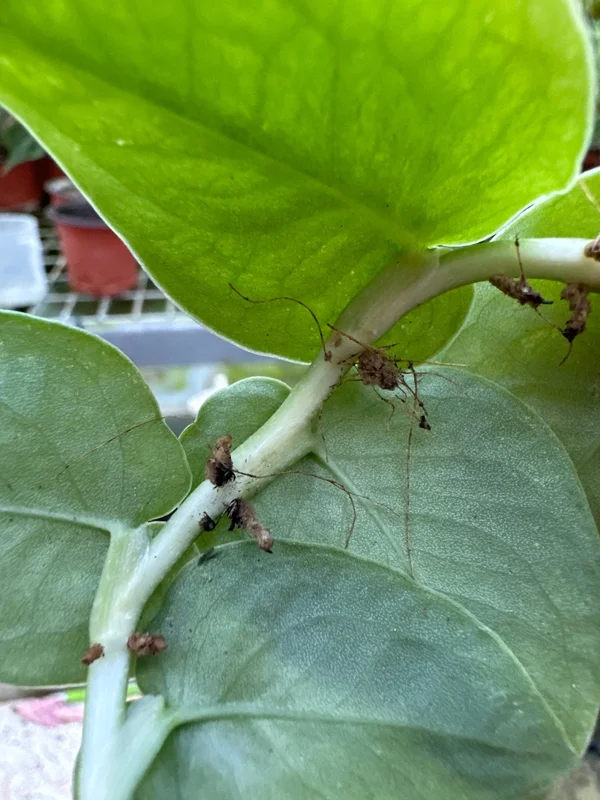
This offering is for a healthy monstera dubia live plant cutting, ready for propagation and growth. The cutting will typically feature 1-2 nodes and at least one healthy leaf, providing a strong starting point for your new plant. While exact dimensions will vary per cutting, you can expect a viable piece capable of rooting and growing into a mature specimen. Monstera dubia is known for its relatively slow to moderate growth rate, especially in its juvenile shingling phase. When mature and given ideal climbing conditions, it can reach several feet in height, with individual leaves that can grow to be several inches long and wide, eventually developing characteristic fenestrations.
The plant will be carefully packaged to ensure its safe arrival. Upon receiving your cutting, it is recommended to place it in a suitable propagation medium, such as sphagnum moss, perlite, or water, until roots develop. Once rooted, transplant it into a well-draining Aroid potting mix and provide a climbing support to encourage its natural shingling behavior. This rare monstera cutting offers an exciting opportunity to cultivate a unique and beautiful addition to your indoor garden.
Frequently Asked Questions
- Q: How big does this plant get? A: As a cutting, it starts small. With proper care and support, a mature monstera dubia live plant can grow several feet tall, with leaves eventually reaching several inches in size and developing fenestrations.
- Q: What size pot does it come in? A: This product is a plant cutting, not a potted plant. It will arrive as a bare cutting, ready for you to propagate in your preferred medium before potting.
- Q: Is this an indoor or outdoor plant? A: Monstera dubia is primarily grown as an indoor houseplant in most climates due to its tropical origins. It can be grown outdoors in very warm, humid, frost-free environments, typically USDA zones 10-11.
- Q: How much sunlight does it need? A: This plant thrives in bright, indirect light. Avoid direct sun exposure, which can burn its leaves. Filtered light is best for optimal growth and to encourage its shingling.
- Q: Is this plant easy to care for? A: Yes, once established, monstera dubia care is considered relatively easy. It requires consistent humidity, bright indirect light, and proper watering, making it suitable for attentive beginners and experienced plant parents.
- Q: What condition will it arrive in? A: Your shingle plant for sale cutting will be carefully packaged to ensure it arrives in the best possible condition, ready for propagation. We take great care to protect it during transit.
- Q: Is it pet-safe? A: Like many Aroids, Monstera dubia contains calcium oxalates and can be toxic if ingested by pets or humans. It’s best to keep it out of reach of curious pets and children.
- Q: How long until it starts to shingle? A: The shingling behavior typically begins once the plant has established a robust root system and is given a suitable climbing surface to adhere to. It’s part of the natural growth habit of this indoor climbing plant.
- Q: When is the best time to plant this cutting? A: Cuttings can be propagated year-round indoors, but you may see faster rooting and growth during the warmer spring and summer months when light levels are higher.
- Q: What’s the minimum temperature it can tolerate? A: As a tropical plant, Monstera dubia is sensitive to cold. It prefers temperatures above 60°F (15°C) and should never be exposed to frost or temperatures below 50°F (10°C).
Related products
-25%
Original price was: $30.00.$22.50Current price is: $22.50.
-36%
Original price was: $39.00.$25.00Current price is: $25.00.
-25%
Original price was: $33.90.$25.42Current price is: $25.42.
-39%
Original price was: $49.00.$29.99Current price is: $29.99.
-30%
Original price was: $25.98.$18.18Current price is: $18.18.


PLANTING & CARE
Lemon Tree Growing: Choose, Plant, and Harvest
Learn how to choose, plant, feed, and protect a lemon tree so it fits your
23
Sep
Sep
Dwarf Meyer Lemon Tree Australia: Climate Guide
Learn where dwarf Meyer lemon trees grow, how much cold they tolerate, and whether Australia,
Where to Buy a Dwarf Meyer Lemon Tree: Buyer’s Guide
Find the right dwarf Meyer lemon tree online or locally, compare starter sizes and costs,
Dwarf Meyer Lemon Tree for Sale: Buying Guide
Compare Meyer lemon tree sizes, prices, shipping limits, indoor growing and California options before you
Dwarf Meyer Lemon Tree Guide: Size, Care and Fruit
META: Learn how large a dwarf Meyer lemon tree grows, where it thrives, and how
How to Prune a Dwarf Meyer Lemon Tree
Learn when and how to prune a dwarf Meyer lemon tree, including tools, shaping cuts,
Can You Grow a Dwarf Meyer Lemon Tree in a Pot?
META: Learn how to grow a dwarf Meyer lemon tree in a pot, including container
When Do Dwarf Meyer Lemon Trees Bloom and Fruit?
META: Dwarf Meyer lemon trees usually bloom from winter through spring and may flower again