Montauk Daisy Live Plant – Chrysanthemum – 2-5″ Tall Hardy Perennial WHITE Flower
-36%




Montauk Daisy Live Plant – Chrysanthemum – 2-5″ Tall Hardy Perennial WHITE Flower
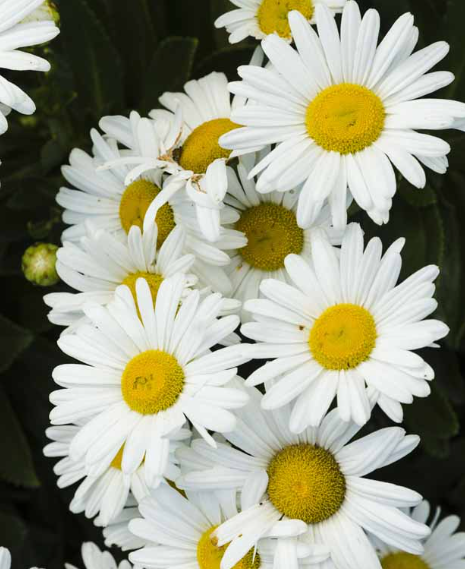
Enhance your garden with a robust Montauk Daisy live plant. This beautiful Nipponanthemum nipponicum features abundant white, daisy-like flowers, ideal for garden borders and coastal environments. Arrives 2-5″ tall, ready to thrive.
Original price was: $21.99.$13.98Current price is: $13.98.

With our Alive & Thrive Guarantee, we’ve got your back for the first 30 days! If you have any concerns about your plants, just reach out to us. Our team is here to help answer your questions and guide you in selecting the best plants for your garden, climate, and unique preferences. We're excited to help you create the garden of your dreams!
Estimated arrival
Oct 21
Oct 26 - Oct 28
Oct 31 - Nov 04
Product Details
-
USDA Hardiness Zone
USDA zones 5-9 -
Soil type
Well-draining, sandy or loamy soil -
Sunlight Exposure
Full sun -
Expected Planting Period
Spring to early fall
Overview
Bring the timeless charm of the seaside to your garden with the Montauk Daisy live plant. Also known by its botanical name, Nipponanthemum nipponicum, this exceptional hardy perennial is celebrated for its prolific display of brilliant white, daisy-like flowers that bloom abundantly from late summer through fall. Originating from coastal regions, the Montauk Daisy is incredibly resilient, tolerating salt spray and windy conditions, making it an ideal choice for challenging landscapes. When you choose a Montauk Daisy live plant, you’re investing in a robust, low-maintenance flower that provides a spectacular late-season burst of color, attracting pollinators and adding a crisp, refreshing aesthetic to any outdoor space.
This vigorous plant forms a dense, bushy mound of attractive, dark green foliage, creating a beautiful backdrop for its cheerful blooms. Its ability to thrive in less-than-ideal conditions, coupled with its stunning floral show, makes the Nipponanthemum nipponicum a favorite among gardeners seeking dependable, long-lasting beauty. Whether you’re looking to fill a border, stabilize a slope, or simply enjoy a continuous display of fresh flowers, the Montauk Daisy offers both beauty and resilience.
Key Benefits
The Montauk Daisy live plant offers numerous advantages for any garden, combining aesthetic appeal with environmental benefits and ease of care. Its unique qualities make it a standout choice for gardeners of all experience levels, providing continuous enjoyment and enhancing garden biodiversity.
- Late-Season Blooms: Enjoy a vibrant display of white flowers from late summer into autumn, extending your garden’s blooming season long after many other plants have faded. This provides crucial nectar sources for pollinators when other options are scarce.
- Hardy and Resilient: As a hardy perennial flower, the Montauk Daisy is exceptionally tough. It withstands coastal conditions, including salt spray and strong winds, making it perfect for challenging environments and requiring minimal intervention once established.
- Attracts Pollinators: The bright, open daisy-like flowers are a magnet for bees, butterflies, and other beneficial insects, contributing to a healthy and thriving garden ecosystem. Supporting pollinators is vital for local biodiversity.
- Low Maintenance: This plant requires very little fuss once established. It’s drought-tolerant and generally pest and disease resistant, allowing you more time to enjoy its beauty and less time on demanding care routines.
- Versatile Landscaping: Ideal for garden borders, mass plantings, rock gardens, and coastal landscapes. Its bushy habit and abundant blooms create a strong visual impact, whether used as a focal point or a complementary planting.
- Deer Resistant: Montauk Daisies are generally unappealing to deer, offering a reliable flowering option in areas where deer browsing is a concern. This reduces the need for protective measures, letting you cultivate a beautiful garden without worry.
- Excellent Cut Flowers: The cheerful white blooms make wonderful additions to fresh flower arrangements, bringing the beauty of your garden indoors. Their long-lasting nature ensures your bouquets stay vibrant for days.
Plant Care & Growing Tips
Caring for your Montauk Daisy live plant is straightforward, ensuring a spectacular display year after year. These resilient perennials prefer a location with full sun, meaning at least 6 hours of direct sunlight per day. While they can tolerate partial shade, too little sun may result in leggy growth and fewer blooms. They are well-suited for outdoor environments, particularly thriving in garden borders and coastal landscapes due to their robust nature.
When it comes to watering, the Nipponanthemum nipponicum is quite drought-tolerant once established. However, young plants will benefit from regular watering to help them establish a strong root system. Water deeply once or twice a week, allowing the soil to dry out slightly between waterings. Overwatering should be avoided, as it can lead to root rot. The ideal soil type is well-draining, sandy or loamy soil. Good drainage is crucial for the health of this plant. Amend heavy clay soils with organic matter to improve permeability. This hardy perennial flower is typically suitable for USDA hardiness zones 5-9, meaning it can withstand winter temperatures down to -20°F (-29°C).
Fertilization is generally not heavily required for Montauk Daisies. If your soil is poor, a light application of a balanced, slow-release granular fertilizer in early spring can promote vigorous growth and blooming. Avoid over-fertilizing, especially with high-nitrogen formulas, as this can encourage foliage growth at the expense of flowers. Deadheading spent blooms throughout the season can encourage more flowers and maintain a tidy appearance. In late winter or early spring, cut back the entire plant to about 4-6 inches from the ground to encourage fresh new growth. This practice also helps maintain a compact shape and prevents the plant from becoming leggy. Watch out for common problems like powdery mildew in humid conditions; ensuring good air circulation can help prevent this.
Size & Details
This Montauk Daisy live plant arrives as a healthy, actively growing specimen, typically measuring 2-5 inches tall from the base of the plant to the top of its foliage. It is shipped in a nursery pot, ready for transplanting into your garden or a larger container. The plant exhibits a moderate growth rate, quickly establishing itself and forming a bushy mound that can reach mature dimensions of 18-36 inches in height and 24-36 inches in width. Expect the plant to begin flowering in its first full season, providing a beautiful display from late summer through autumn.
The robust root system ensures an easy transition to its new home, making it an excellent addition for those looking for a dependable and beautiful coastal garden plant. Its compact size upon arrival makes it easy to handle and plant, while its mature dimensions offer substantial visual impact in the landscape.
Frequently Asked Questions
- Q: How big does this plant get? A: The Montauk Daisy live plant typically grows to a mature height of 18-36 inches and spreads 24-36 inches wide, forming a dense, rounded mound. It arrives at 2-5 inches tall, ready for establishment in your garden.
- Q: What size pot does it come in? A: Your Nipponanthemum nipponicum will arrive in a standard nursery pot, appropriately sized for its current growth stage, making it convenient for immediate planting. The specific pot size may vary but is chosen to ensure the plant’s health during transit.
- Q: Is this an indoor or outdoor plant? A: The Montauk Daisy is primarily an outdoor plant, celebrated for its hardiness and resilience in garden settings, especially in coastal areas. It is not typically grown as an indoor houseplant.
- Q: How much sunlight does it need? A: This hardy perennial flower thrives in full sun, requiring at least 6 hours of direct sunlight per day for optimal growth and abundant flowering. It can tolerate partial shade but may produce fewer blooms.
- Q: Is this plant easy to care for? A: Yes, the Montauk Daisy is known for being a low-maintenance and easy-to-care-for perennial. Once established, it is drought-tolerant and generally resistant to pests and diseases, making it suitable for beginners.
- Q: What condition will it arrive in? A: Your Montauk Daisy live plant will arrive alive and healthy, carefully packaged to ensure its safe journey. It may experience some stress during transit, but with proper care, it will quickly recover and thrive.
- Q: Is it shipped in soil? A: Yes, the plant is shipped securely in its nursery pot with soil, ensuring its roots remain moist and protected during transit. This allows for an easy transition to your garden upon arrival.
- Q: How long until it blooms? A: Given proper care and suitable growing conditions, your Montauk Daisy live plant is expected to produce its cheerful white blooms in its first full season, typically from late summer into autumn.
- Q: When is the best time to plant? A: The best time to plant your Montauk Daisy is in spring or early fall, allowing the plant sufficient time to establish its root system before extreme summer heat or winter cold. This helps the coastal garden plant adapt well.
- Q: Will it survive winter in my zone? A: The Montauk Daisy is a hardy perennial typically suited for USDA zones 5-9. If you are within these zones, it should reliably survive winter and return each spring with fresh growth.
Related products
-83%
Original price was: $44.97.$7.74Current price is: $7.74.
-81%
Original price was: $80.97.$15.54Current price is: $15.54.
-67%
Original price was: $59.97.$19.99Current price is: $19.99.
-67%
Original price was: $37.47.$12.49Current price is: $12.49.
-82%
Original price was: $50.97.$9.04Current price is: $9.04.
-70%
Original price was: $89.98.$27.00Current price is: $27.00.
PLANTING & CARE
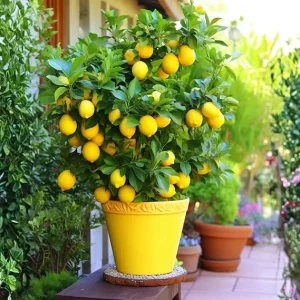
Lemon Tree Growing: Choose, Plant, and Harvest
Learn how to choose, plant, feed, and protect a lemon tree so it fits your
23
Sep
Sep
Dwarf Meyer Lemon Tree Australia: Climate Guide
Learn where dwarf Meyer lemon trees grow, how much cold they tolerate, and whether Australia,
Where to Buy a Dwarf Meyer Lemon Tree: Buyer’s Guide
Find the right dwarf Meyer lemon tree online or locally, compare starter sizes and costs,
Dwarf Meyer Lemon Tree for Sale: Buying Guide
Compare Meyer lemon tree sizes, prices, shipping limits, indoor growing and California options before you
Dwarf Meyer Lemon Tree Guide: Size, Care and Fruit
META: Learn how large a dwarf Meyer lemon tree grows, where it thrives, and how
How to Prune a Dwarf Meyer Lemon Tree
Learn when and how to prune a dwarf Meyer lemon tree, including tools, shaping cuts,
Can You Grow a Dwarf Meyer Lemon Tree in a Pot?
META: Learn how to grow a dwarf Meyer lemon tree in a pot, including container
When Do Dwarf Meyer Lemon Trees Bloom and Fruit?
META: Dwarf Meyer lemon trees usually bloom from winter through spring and may flower again