Mugwort Live Plant – Traditional Herb – 2.5 inch Pot – Starter Plant
Mugwort Live Plant – Traditional Herb – 2.5 inch Pot – Starter Plant
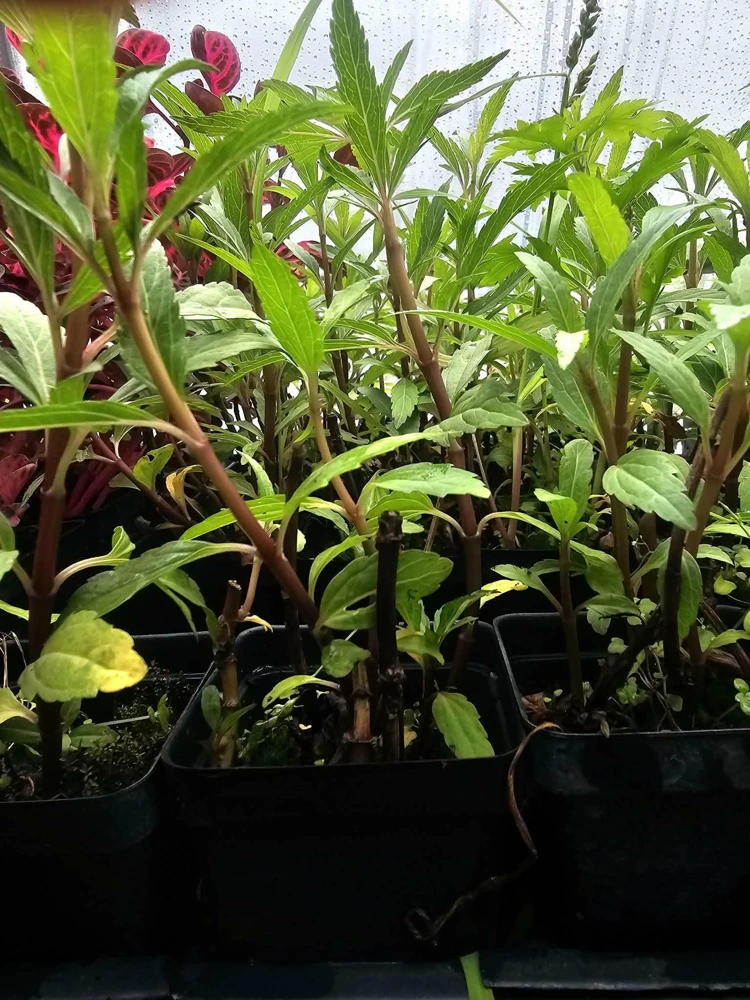
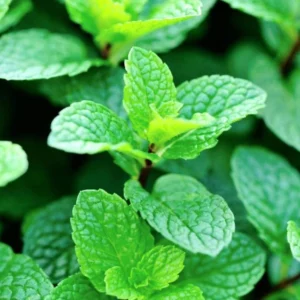
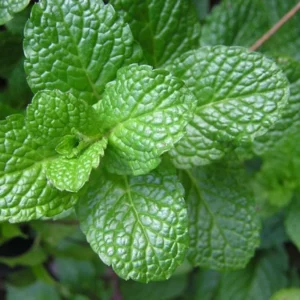
Bring home a mugwort live plant, a traditional herb known for its robust growth and historical uses. This starter plant comes in a 2.5 inch pot, ready for your garden or indoor cultivation. Valued for generations, this particular traditional herbal plant is a wonderful addition to any collection.
$14.00

With our Alive & Thrive Guarantee, we’ve got your back for the first 30 days! If you have any concerns about your plants, just reach out to us. Our team is here to help answer your questions and guide you in selecting the best plants for your garden, climate, and unique preferences. We're excited to help you create the garden of your dreams!
Estimated arrival
Oct 14
Oct 19 - Oct 21
Oct 24 - Oct 28
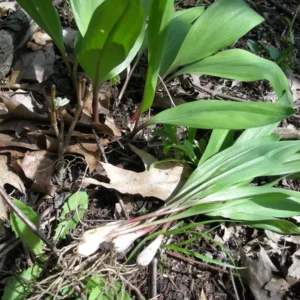
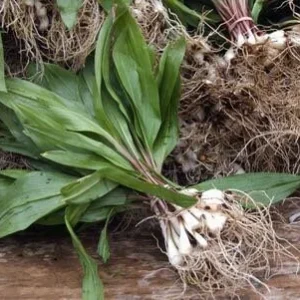
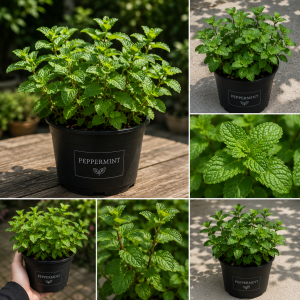
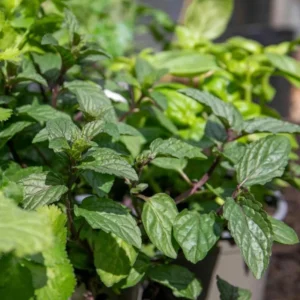
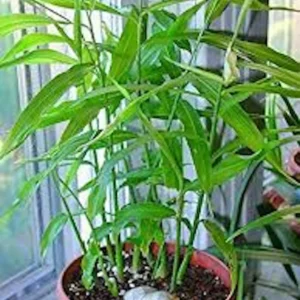
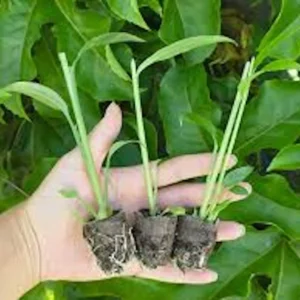
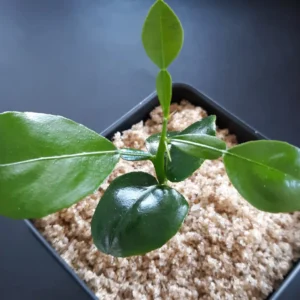
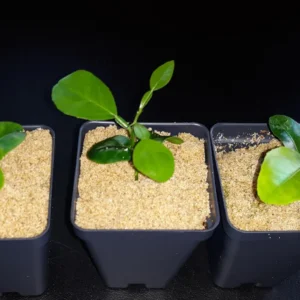
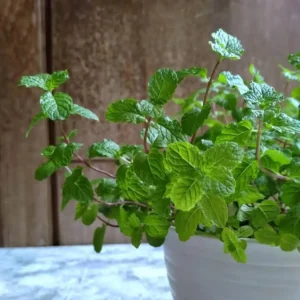
Product Details
-
USDA Hardiness Zone
USDA zones 3-9 -
Soil type
Well-draining, moderately fertile soil -
Sunlight Exposure
Full sun to partial shade -
Expected Planting Period
Spring to early summer outdoors, year-round indoors
Overview
Introduce the ancient charm of a mugwort live plant to your home or garden. This versatile herb, also known as Artemisia vulgaris, is cherished for its historical significance and distinctive aromatic foliage. Originating from various regions, including parts of Asia and Europe, mugwort has been a staple in traditional practices for centuries. Our offering is a healthy starter mugwort live plant, carefully cultivated and ready for transplanting into your chosen space. It arrives in a 2.5 inch pot, providing a strong foundation for vigorous growth. Whether you’re a seasoned gardener or new to cultivating herbs, this plant offers a unique blend of beauty and heritage. The artemisia vulgaris plant is a resilient perennial, making it a rewarding addition to your botanical collection.
Key Benefits
Integrating a mugwort live plant into your environment comes with a host of advantages, extending beyond its aesthetic appeal to its rich historical and practical uses. This plant is not just a green addition; it’s a piece of living tradition that offers multiple benefits.
- Traditional Significance: Mugwort has been revered for generations in various cultures, particularly in traditional herbal practices. It’s often associated with promoting overall wellness and balance as part of an herbal regimen.
- Aromatic Foliage: The leaves of the mugwort live plant release a pleasant, earthy aroma, making it a delightful sensory addition to herb gardens, borders, or even indoor settings.
- Hardy and Resilient: As a perennial herb, mugwort is known for its hardiness and ability to thrive in various conditions. It’s relatively low-maintenance once established, making it suitable for gardeners of all experience levels.
- Versatile Use: This traditional herbal plant can be used in a variety of ways, from ornamental planting to culinary experimentation in certain traditions. Its distinctive flavor profile can add depth to specific dishes.
- Easy to Grow: Our starter mugwort live plant provides a robust beginning, allowing for easy transplanting and establishment. With proper care, it will quickly grow into a flourishing specimen.
- Natural Repellent Properties: Some gardeners use mugwort for its purported natural pest-repelling qualities, helping to protect other plants in the garden.
- Historical Value: Owning a mugwort plant connects you to a long history of human interaction with nature, offering a glimpse into ancient herbal wisdom and practices. Understanding the mugwort benefits deeply enriches the gardening experience.
Plant Care & Growing Tips
Caring for your mugwort live plant is straightforward, as it’s a robust and adaptable herb. To ensure vigorous growth, understanding its basic needs is key. This perennial thrives in a variety of conditions but prefers a spot where it can receive ample sunlight. Aim for at least 6 hours of direct sun daily, though it can tolerate partial shade, especially in hotter climates. In indoor settings, place it near a south-facing window or under grow lights to mimic its preferred light conditions. Good air circulation is also beneficial to prevent fungal issues.
When it comes to watering, mugwort prefers consistently moist but not waterlogged soil. Allow the top inch or two of soil to dry out between waterings. Overwatering can lead to root rot, so ensure your pot or garden bed has excellent drainage. The ideal soil type for your artemisia vulgaris plant is well-draining, moderately fertile soil. A standard potting mix amended with some compost works well for container plants, while garden beds should have loose, loamy soil. Mugwort is generally tolerant of a wide range of soil pH, from slightly acidic to slightly alkaline.
Mugwort is remarkably cold-hardy, typically thriving in USDA zones 3-9. It can withstand frost and will often die back in winter, only to re-emerge in spring. In warmer climates, it may remain evergreen. Fertilization is generally not heavily required for this plant; a balanced, all-purpose fertilizer applied once in spring is usually sufficient. Avoid excessive fertilization, as it can lead to leggy growth. Pruning spent flower stalks and older foliage can help maintain a tidy appearance and encourage bushier growth. The mugwort plant care routine is minimal, making it an excellent choice for beginners and busy gardeners alike.
Size & Details
This offering is for one healthy mugwort live plant, provided as a starter specimen in a 2.5 inch pot. Each plant is carefully selected to ensure it has a strong root system and established foliage, ready for successful transplanting into your garden, a larger container, or an indoor growing environment. At the time of shipping, the plant typically stands between 4 to 8 inches tall, depending on its growth stage, and is actively growing. Mugwort is a fast-growing perennial herb that can reach a mature height of 2 to 4 feet in optimal outdoor conditions, with a spread of 1 to 3 feet. Its growth rate is considered moderate to fast, allowing it to establish quickly. When grown in containers, its size can be managed with pruning. The plant will be shipped securely to minimize stress during transit, ensuring it arrives in the best possible condition for you to begin enjoying its unique qualities and exploring the many traditional mugwort benefits.
Frequently Asked Questions
- Q: How big does this mugwort live plant get? A: This starter plant comes in a 2.5 inch pot. When mature, a mugwort plant can typically reach heights of 2 to 4 feet tall and spread 1 to 3 feet wide, though its size can be managed with pruning, especially in containers.
- Q: Is this an indoor or outdoor plant? A: Mugwort is a versatile plant that can be grown both indoors and outdoors. Outdoors, it thrives in full sun. Indoors, it requires bright, direct light for several hours a day to grow well.
- Q: How much sunlight does this traditional herbal plant need? A: For optimal growth, the mugwort live plant prefers full sun, meaning at least 6 hours of direct sunlight per day. It can tolerate partial shade, especially in hot afternoon sun.
- Q: Is this plant easy to care for? A: Yes, mugwort is considered a relatively easy-to-care-for plant. It’s quite hardy and adaptable, making it suitable for gardeners of all experience levels. Consistent watering and adequate sunlight are its main requirements.
- Q: What condition will the mugwort live plant arrive in? A: Your mugwort live plant will arrive securely packaged in its 2.5 inch nursery pot, with its root ball intact. While some minor stress during transit is normal, plants are carefully prepared to ensure they reach you in healthy condition.
- Q: What’s the best time to plant mugwort? A: The best time to plant mugwort outdoors is typically in spring after the last frost, or in early fall. If growing indoors, it can be planted year-round.
- Q: Will it survive winter in my zone? A: Mugwort is very cold-hardy, typically surviving winters in USDA Hardiness Zones 3-9. In colder zones, it will die back to the ground and regrow in spring. In warmer zones, it may remain evergreen.
- Q: What are the main mugwort benefits? A: Historically, mugwort has been valued for its traditional uses in herbal practices, often associated with promoting balance and overall wellness. It also offers aromatic foliage and is a hardy, easy-to-grow plant.
- Q: What kind of soil does an artemisia vulgaris plant prefer? A: The artemisia vulgaris plant thrives in well-draining, moderately fertile soil. A good quality potting mix for containers or loamy garden soil is ideal. Avoid heavy, waterlogged soils.
- Q: How often should I water my mugwort plant? A: Water your mugwort plant when the top 1-2 inches of soil feel dry to the touch. It prefers consistently moist, but not soggy, conditions. Adjust watering frequency based on climate, pot size, and sunlight exposure.
Related products
-67%
From Original price was: $35.22.$11.74Current price is: $11.74.
-50%
Original price was: $107.96.$53.98Current price is: $53.98.
-67%
Original price was: $39.72.$13.24Current price is: $13.24.
-30%
Original price was: $59.98.$41.98Current price is: $41.98.
-10%
Original price was: $75.00.$67.50Current price is: $67.50.
-30%
Original price was: $67.98.$47.58Current price is: $47.58.
-67%
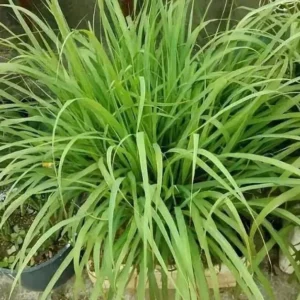
From Original price was: $35.22.$11.74Current price is: $11.74.
PLANTING & CARE
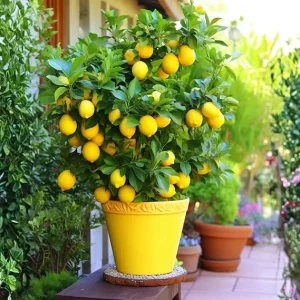
Lemon Tree Growing: Choose, Plant, and Harvest
Learn how to choose, plant, feed, and protect a lemon tree so it fits your
23
Sep
Sep
Dwarf Meyer Lemon Tree Australia: Climate Guide
Learn where dwarf Meyer lemon trees grow, how much cold they tolerate, and whether Australia,
Where to Buy a Dwarf Meyer Lemon Tree: Buyer’s Guide
Find the right dwarf Meyer lemon tree online or locally, compare starter sizes and costs,
Dwarf Meyer Lemon Tree for Sale: Buying Guide
Compare Meyer lemon tree sizes, prices, shipping limits, indoor growing and California options before you
Dwarf Meyer Lemon Tree Guide: Size, Care and Fruit
META: Learn how large a dwarf Meyer lemon tree grows, where it thrives, and how
How to Prune a Dwarf Meyer Lemon Tree
Learn when and how to prune a dwarf Meyer lemon tree, including tools, shaping cuts,
Can You Grow a Dwarf Meyer Lemon Tree in a Pot?
META: Learn how to grow a dwarf Meyer lemon tree in a pot, including container
When Do Dwarf Meyer Lemon Trees Bloom and Fruit?
META: Dwarf Meyer lemon trees usually bloom from winter through spring and may flower again