Muscat Hamburg Grape Vine Tree – Bare Root – Black Table Grape – Sweet & Aromatic
-50%
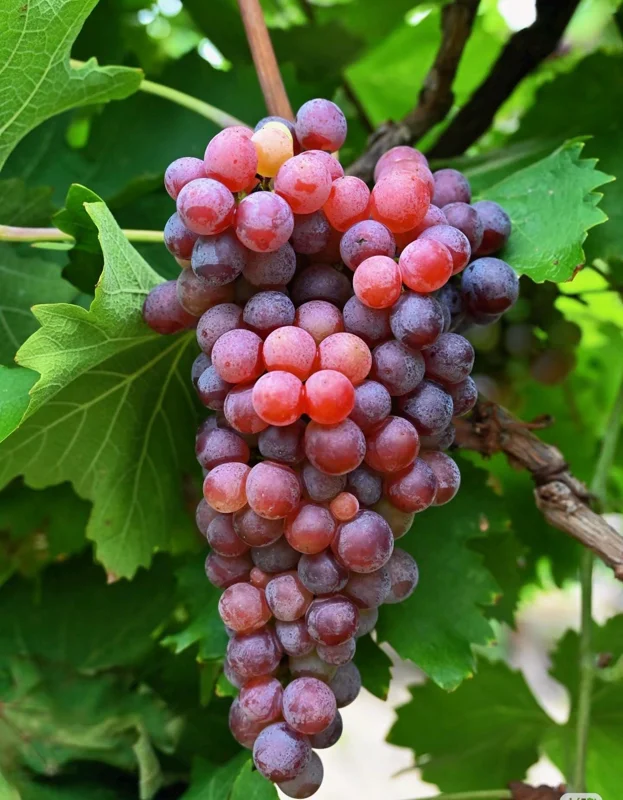
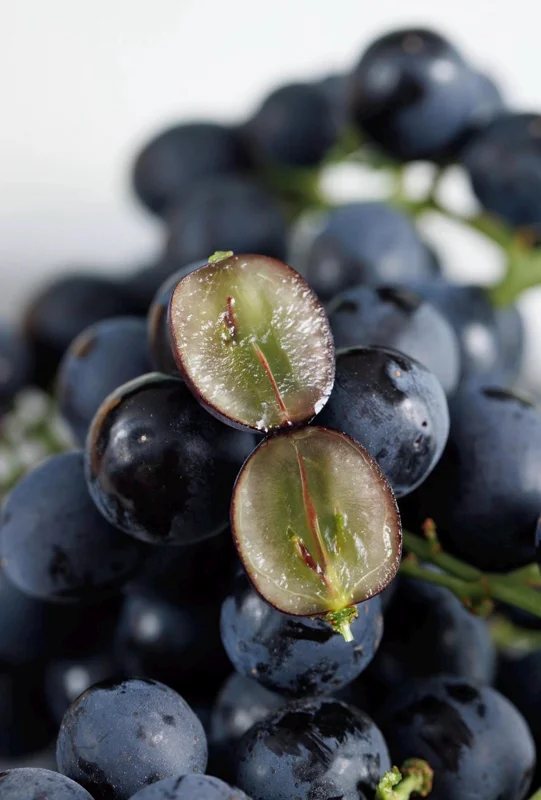
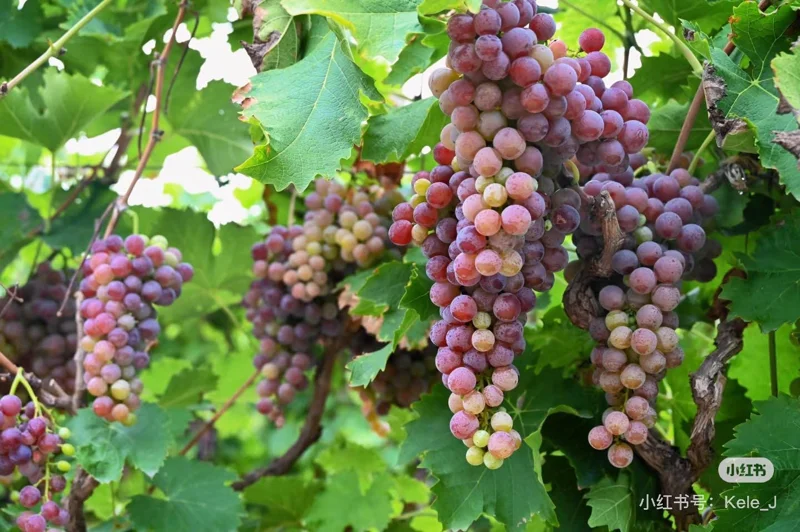


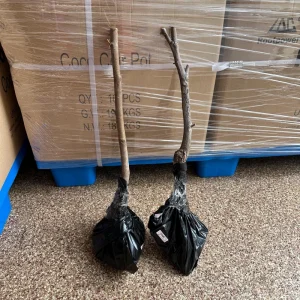
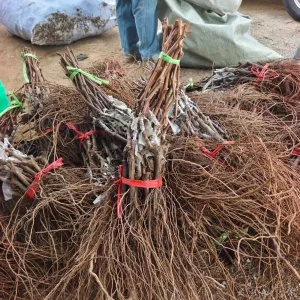

Muscat Hamburg Grape Vine Tree – Bare Root – Black Table Grape – Sweet & Aromatic
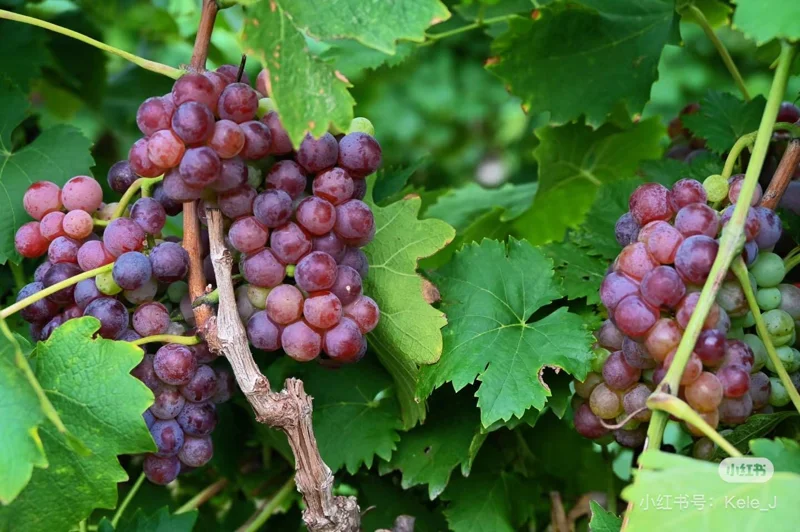
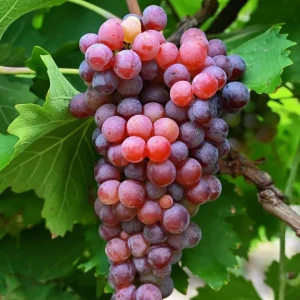
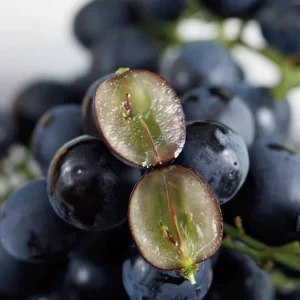
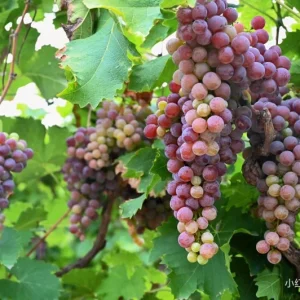
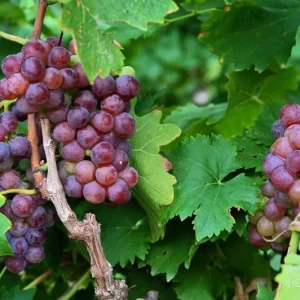
Cultivate your own flavorful grapes with this Muscat Hamburg grape vine. This bare root grape plant produces sweet, dark purple, black muscat grape berries with a distinctive rose-like aroma, perfect for fresh eating. Enjoy the taste of homegrown sweet table grapes.
Original price was: $196.00.$98.00Current price is: $98.00.

With our Alive & Thrive Guarantee, we’ve got your back for the first 30 days! If you have any concerns about your plants, just reach out to us. Our team is here to help answer your questions and guide you in selecting the best plants for your garden, climate, and unique preferences. We're excited to help you create the garden of your dreams!
Estimated arrival
Oct 21
Oct 26 - Oct 28
Oct 31 - Nov 04




Product Details
-
USDA Hardiness Zone
USDA Zones 6-9 -
Soil type
Well-draining, loamy soil -
Sunlight Exposure
Full sun (6-8+ hours daily) -
Expected Planting Period
Late winter to early spring
Overview
Embark on a rewarding gardening journey with the Muscat Hamburg grape vine, a premium choice for home vineyards and garden enthusiasts. This particular offering is a bare root grape plant, meaning it arrives ready for planting in its dormant state, allowing for optimal establishment when planted at the right time. Known for its exceptional flavor and aromatic qualities, the Muscat Hamburg, often referred to as ‘Meiguixiang’ (Rose Muscat) in China, is a highly prized black muscat table grape. Originating from 19th-century Europe, this variety has stood the test of time, celebrated for its tender, juicy flesh and a distinct, rich muscat (rose-like) aroma. Growing your own Muscat Hamburg grape vine allows you to enjoy fresh, high-quality fruit directly from your garden, offering an unparalleled taste experience compared to store-bought grapes.
The Meiguixiang grape is a robust and moderately vigorous vine, capable of producing abundant clusters of beautiful, dark purple to black berries. It’s an excellent addition for anyone looking to add a productive and ornamental vine to their landscape. Whether you are an experienced gardener or just starting out with fruit trees, this black muscat grape variety offers a satisfying cultivation experience and a delicious harvest of sweet table grapes.
Key Benefits
The Muscat Hamburg grape vine offers numerous advantages, making it a fantastic choice for both avid gardeners and those new to growing grapes. Its unique characteristics contribute to a delightful and productive growing experience.
- Exceptional Flavor Profile: Enjoy the distinct, rich muscat (rose-like) aroma and tender, juicy flesh of these grapes. With a Brix level typically between 18–22°, they offer a superior sweetness that is perfect for fresh eating, desserts, or homemade jams. Growing your own Muscat Hamburg grape vine ensures you get the freshest, most flavorful grapes possible.
- Attractive Foliage and Fruit: Beyond its delicious fruit, the vine itself is ornamental. The lush green foliage and developing clusters of dark purple to black berries add significant aesthetic appeal to arbors, pergolas, or trellises, enhancing your garden’s beauty.
- Versatile Culinary Use: While primarily a table grape, the rich flavor of the Meiguixiang grape makes it excellent for various culinary applications, including juices, jellies, and even homemade wine. Its versatility ensures you can enjoy your harvest in many ways.
- Moderate Vigor for Manageability: The vine exhibits moderate vigor, which means it grows robustly enough to produce good yields but is not overly aggressive, making it easier to manage and prune compared to some other grape varieties. This makes the bare root grape plant ideal for home gardeners.
- Rewarding Home Harvest: Experience the satisfaction of harvesting your own fruit. The mid-season harvest provides a bounty of fresh, homegrown black muscat grape berries, free from commercial pesticides and picked at their peak ripeness.
- Adaptable to Warm Climates: This variety performs best in warm climates with good sunlight, making it suitable for many regions across the US where temperatures are favorable for grape cultivation.
- Seed-Bearing for Traditional Appeal: For those who appreciate traditional grape varieties, the seeded nature of the Muscat Hamburg provides a classic grape eating experience, often associated with a richer flavor profile. These sweet table grapes are a true delight.
Plant Care & Growing Tips
Caring for your Muscat Hamburg grape vine requires attention to several key factors to ensure healthy growth and a bountiful harvest. As a bare root grape plant, it’s crucial to plant it correctly upon arrival. Soak the roots in water for a few hours before planting. Dig a hole wide and deep enough to accommodate the roots without bending them. Create a small mound of soil in the center of the hole, spread the roots over it, and backfill with soil, ensuring the graft union (if present) is above the soil line. Water thoroughly after planting.
Sunlight Requirements: The Muscat Hamburg grape vine thrives in full sun, requiring at least 6-8 hours of direct sunlight per day. This is critical for fruit development and sugar production, leading to those delicious sweet table grapes. Choose a planting location that receives ample sunlight throughout the day. In regions with intense summer heat, some afternoon shade might be beneficial to prevent scorching, but generally, more sun is better.
Watering Schedule and Soil Moisture: Consistent watering is essential, especially during the first few years of establishment and during dry spells. Water deeply and regularly, ensuring the soil remains consistently moist but not waterlogged. Once established, grapevines are relatively drought-tolerant but will produce better fruit with regular irrigation. Reduce watering as harvest approaches to concentrate sugars in the fruit. Good drainage is paramount; soggy soil can lead to root rot. The Meiguixiang grape prefers consistent moisture.
Soil Type and Drainage: Grapevines prefer well-draining, moderately fertile soil with a pH between 6.0 and 7.0. Loamy or sandy-loamy soils are ideal. Amend heavy clay soils with organic matter like compost or aged manure to improve drainage and aeration. Avoid planting in areas where water tends to collect. Proper soil preparation before planting your black muscat grape will significantly impact its long-term health.
Temperature Range and USDA Hardiness Zone: The Muscat Hamburg grape vine is generally suited for USDA Hardiness Zones 6-9. It performs best in warm climates. Protection from harsh winter winds and extreme cold might be necessary in the colder parts of its range. Late spring frosts can damage new growth, so consider covering young vines if cold snaps are predicted. This Muscat Hamburg grape vine is a resilient plant, but understanding its cold tolerance is key.
Fertilization Schedule and Type: Fertilize your grape vine in early spring before new growth begins. Use a balanced fertilizer or one slightly higher in phosphorus and potassium to encourage fruit production. Avoid excessive nitrogen, which can promote leafy growth at the expense of fruit. A soil test can help determine specific nutrient deficiencies. Apply a slow-release granular fertilizer or liquid feed according to product instructions. A healthy feeding regimen will support the growth of your bare root grape plant.
Pruning and Training: Regular pruning is vital for grape production and vine health. Prune in late winter while the vine is dormant. Establish a strong framework (cordon or cane system) and prune to encourage fruiting wood. Training the vine on a trellis, arbor, or wires is essential for support, air circulation, and sun exposure, all contributing to the quality of your sweet table grapes. Thinning clusters can also improve berry size and quality.
Common Problems and Solutions: Grapevines can be susceptible to fungal diseases like powdery mildew and downy mildew, especially in humid regions. Ensure good air circulation through proper pruning and spacing. Apply fungicides preventatively if disease is common in your area. Pests like grape leafhoppers or Japanese beetles can also be an issue; monitor your vines and use appropriate organic or chemical controls if necessary. Early detection and intervention are key to maintaining a healthy Muscat Hamburg grape vine.
Size & Details
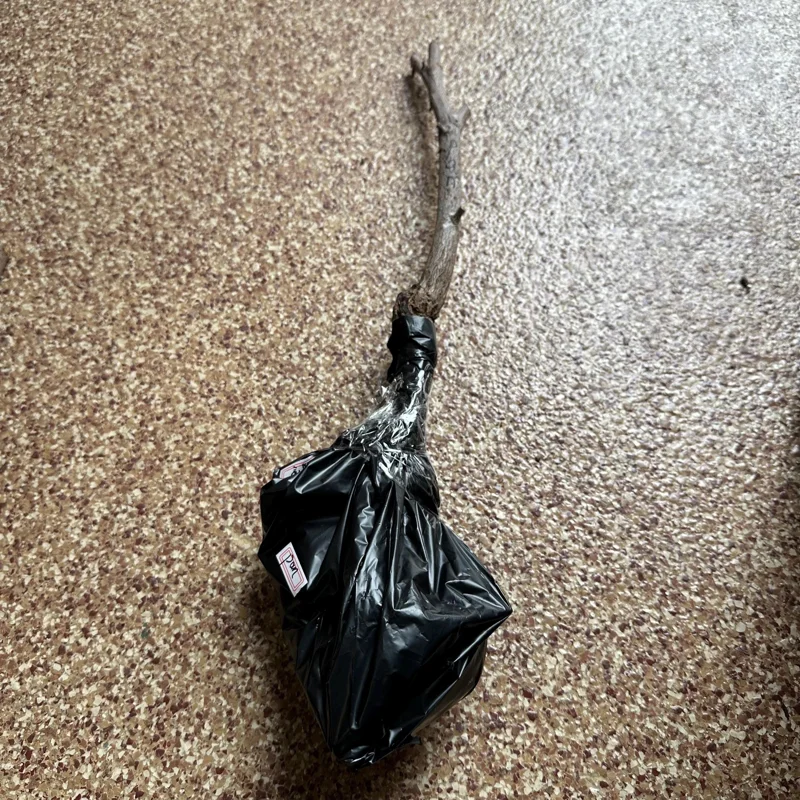
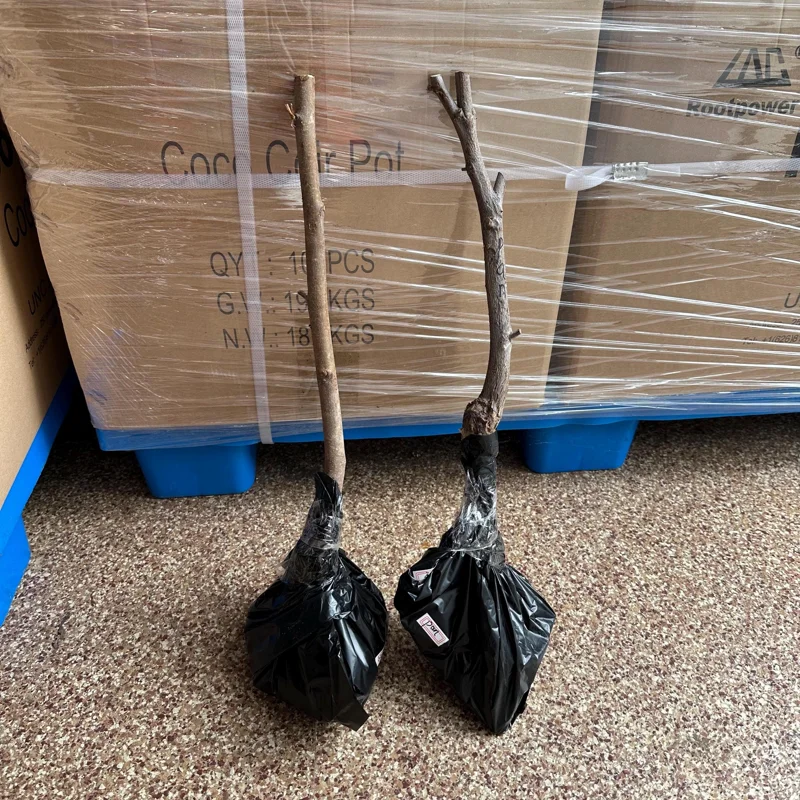
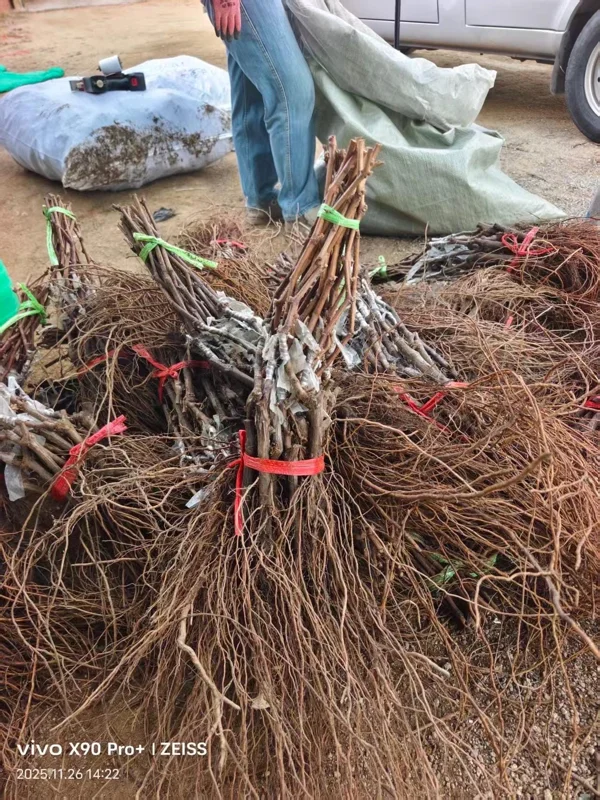
This offering is for a Muscat Hamburg grape vine provided as a bare root grape plant. This means the plant is dormant and shipped without soil around its roots, which is a common and effective method for shipping deciduous plants. Upon arrival, the vine will typically have a root system and a short stem, ready for immediate planting. The exact size will vary slightly but will be of a healthy, plantable grade. When mature, a well-cared-for Meiguixiang grape vine can reach lengths of 15-20 feet or more, depending on the training system and pruning. Its spread will also depend on how it’s trained, usually covering a significant area on a trellis or arbor.
The black muscat grape typically begins to bear fruit within 2-3 years after planting, with full production achieved in 5-7 years. The harvest season is mid-season, generally from late summer to early fall, depending on your specific climate and growing conditions. Each berry is medium to large in size, with a tender, juicy flesh and seeds, offering a truly authentic grape experience. Expect your Muscat Hamburg grape vine to be a long-term producer, providing delicious sweet table grapes for many years with proper care.
Frequently Asked Questions
- Q: How big does this Muscat Hamburg grape vine get? A: A mature Muscat Hamburg grape vine can grow quite large, typically reaching 15-20 feet or more in length. Its ultimate size is highly dependent on how it’s trained and pruned on a trellis, arbor, or support structure.
- Q: Is this an indoor or outdoor plant? A: The Muscat Hamburg grape vine is an outdoor plant. It requires full sun and specific growing conditions to thrive and produce fruit, making it unsuitable for indoor cultivation. It is best grown in a garden or vineyard setting.
- Q: How much sunlight does the Meiguixiang grape need? A: This grape vine requires a minimum of 6-8 hours of direct sunlight per day. Full sun exposure is crucial for optimal growth, fruit development, and the sugar content of the sweet table grapes.
- Q: Is this bare root grape plant easy to care for? A: While growing grapes requires consistent care including pruning, watering, and disease management, the Muscat Hamburg grape vine is considered moderately vigorous. With proper attention to its needs, it can be a rewarding plant for gardeners of various experience levels.
- Q: What condition will the black muscat grape arrive in? A: Your grape vine will arrive as a bare root grape plant. This means it will be dormant, with its roots free of soil, carefully packaged to ensure its health during transit. You should plant it as soon as possible after arrival.
- Q: When is the best time to plant a Muscat Hamburg grape vine? A: The best time to plant a bare root grape vine is in late winter or early spring, after the danger of severe frost has passed but before the vine breaks dormancy and begins to leaf out.
- Q: What USDA Hardiness Zones are suitable for this grape? A: The Muscat Hamburg grape vine typically thrives in USDA Hardiness Zones 6-9. It prefers warm climates with good sunlight for optimal growth and fruit production.
- Q: How long until this grape vine produces fruit? A: You can generally expect your Muscat Hamburg grape vine to start bearing fruit within 2-3 years after planting. Full production typically occurs in 5-7 years, providing a consistent harvest of delicious sweet table grapes.
- Q: What kind of soil does the Meiguixiang grape prefer? A: This grape vine prefers well-draining, moderately fertile soil with a pH between 6.0 and 7.0. Loamy or sandy-loamy soils are ideal, and good drainage is essential to prevent root issues.
- Q: Are these grapes seeded or seedless? A: The Muscat Hamburg is a seeded variety. The berries contain seeds, which is characteristic of many traditional grape varieties known for their rich flavor and aroma.
Related products
-67%
Original price was: $62.22.$20.74Current price is: $20.74.
-67%


Original price was: $59.97.$19.99Current price is: $19.99.
-67%
Original price was: $50.97.$16.99Current price is: $16.99.
-67%


Original price was: $50.97.$16.99Current price is: $16.99.
-50%
Original price was: $85.98.$42.99Current price is: $42.99.
-67%

Original price was: $50.97.$16.99Current price is: $16.99.
PLANTING & CARE
Lemon Tree Growing: Choose, Plant, and Harvest
Learn how to choose, plant, feed, and protect a lemon tree so it fits your
23
Sep
Sep
Dwarf Meyer Lemon Tree Australia: Climate Guide
Learn where dwarf Meyer lemon trees grow, how much cold they tolerate, and whether Australia,
Where to Buy a Dwarf Meyer Lemon Tree: Buyer’s Guide
Find the right dwarf Meyer lemon tree online or locally, compare starter sizes and costs,
Dwarf Meyer Lemon Tree for Sale: Buying Guide
Compare Meyer lemon tree sizes, prices, shipping limits, indoor growing and California options before you
Dwarf Meyer Lemon Tree Guide: Size, Care and Fruit
META: Learn how large a dwarf Meyer lemon tree grows, where it thrives, and how
How to Prune a Dwarf Meyer Lemon Tree
Learn when and how to prune a dwarf Meyer lemon tree, including tools, shaping cuts,
Can You Grow a Dwarf Meyer Lemon Tree in a Pot?
META: Learn how to grow a dwarf Meyer lemon tree in a pot, including container
When Do Dwarf Meyer Lemon Trees Bloom and Fruit?
META: Dwarf Meyer lemon trees usually bloom from winter through spring and may flower again