Mysore Raspberry Live Plant – Rubus niveus – 3-6″ Tall Tropical Berry
-30%
Mysore Raspberry Live Plant – Rubus niveus – 3-6″ Tall Tropical Berry
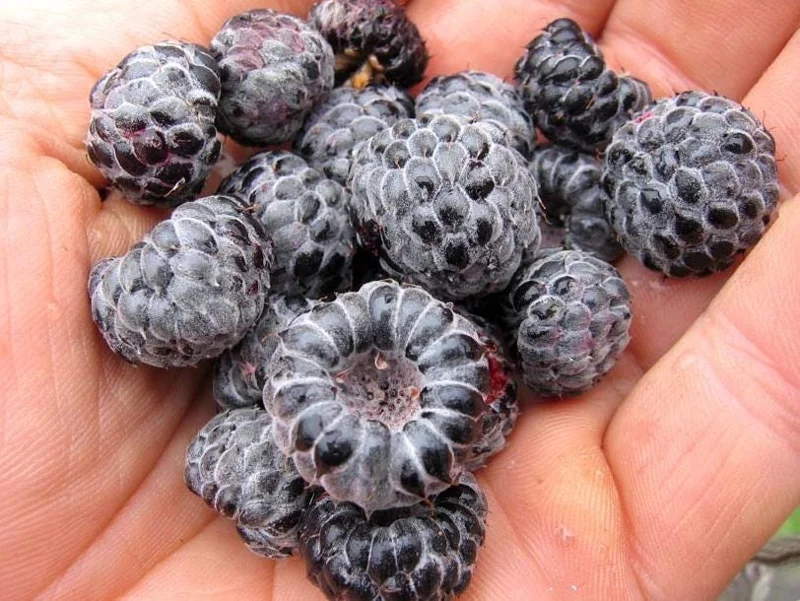
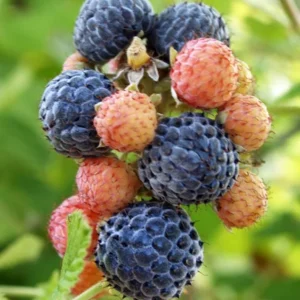
Bring the taste of the tropics to your garden with a mysore raspberry live plant. This beautiful Rubus niveus cultivar produces delicious, unique berries. Perfect for home orchards and edible landscapes, this 3-6 inch plant is ready to thrive.
Original price was: $26.39.$18.47Current price is: $18.47.

With our Alive & Thrive Guarantee, we’ve got your back for the first 30 days! If you have any concerns about your plants, just reach out to us. Our team is here to help answer your questions and guide you in selecting the best plants for your garden, climate, and unique preferences. We're excited to help you create the garden of your dreams!
Estimated arrival
Oct 21
Oct 26 - Oct 28
Oct 31 - Nov 04
Product Details
-
USDA Hardiness Zone
USDA Zones 9-11 -
Soil type
Well-draining, fertile soil -
Sunlight Exposure
Full sun -
Expected Planting Period
Spring to early summer
Overview
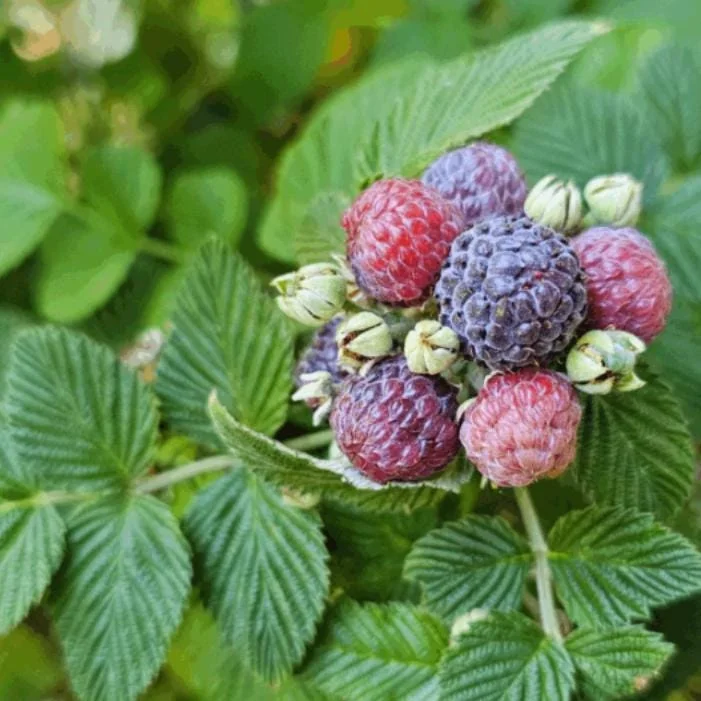
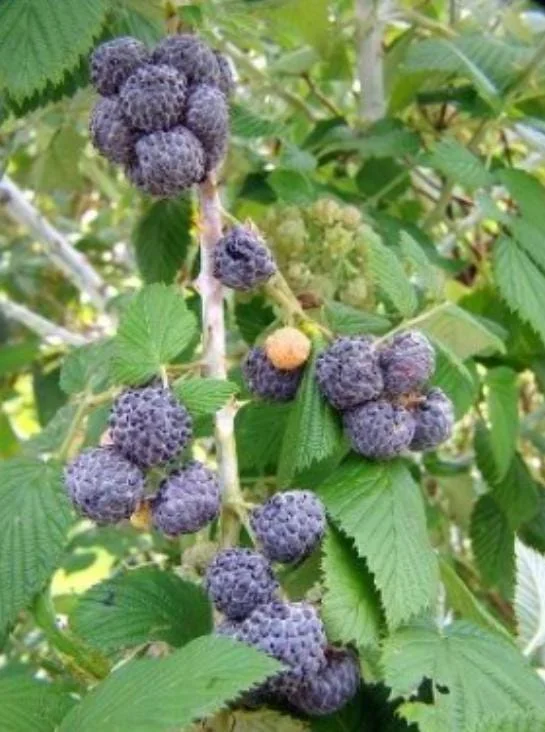
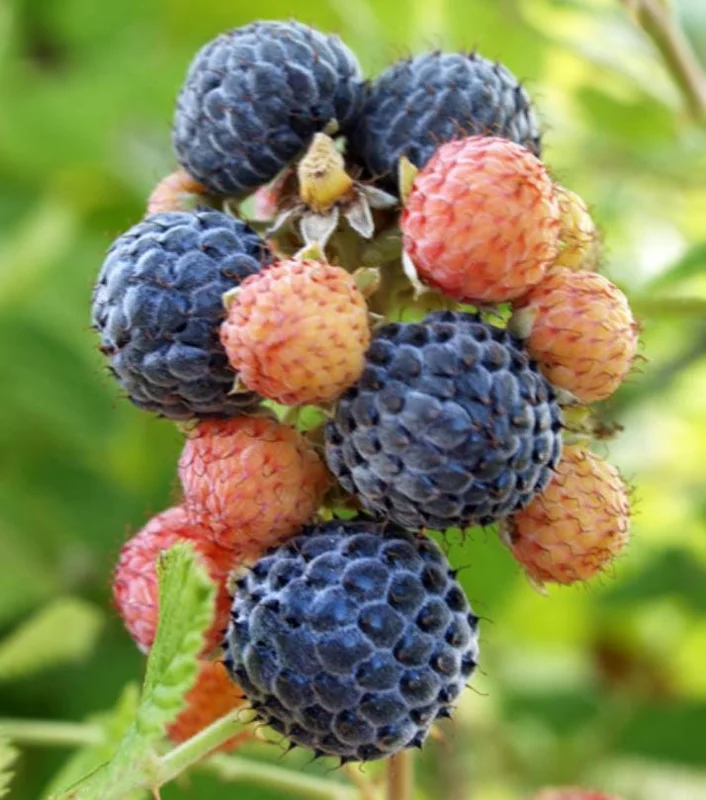
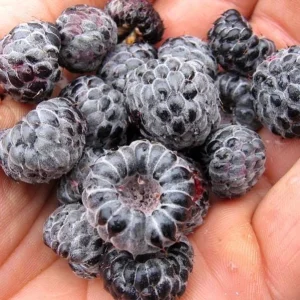
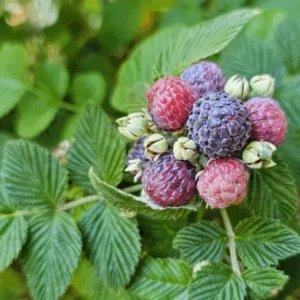
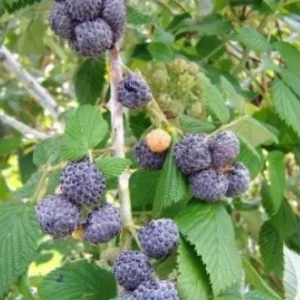
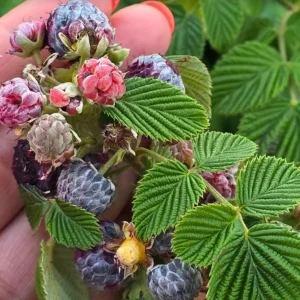
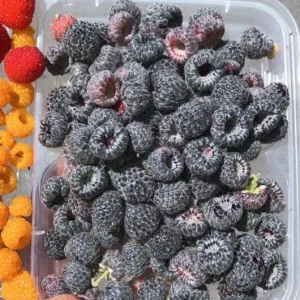
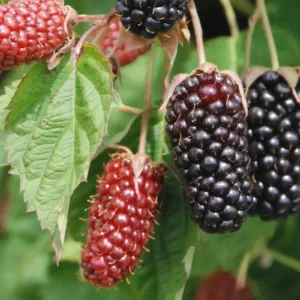
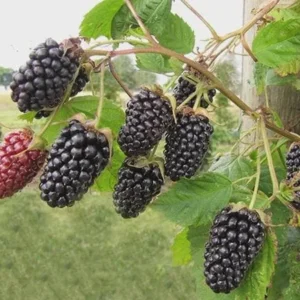
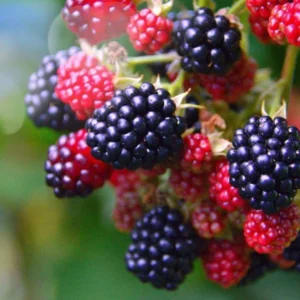
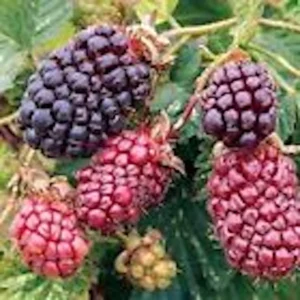
Embark on a delightful gardening journey with the mysore raspberry live plant (Rubus niveus). This exceptional tropical berry plant is renowned for its vigorous growth and abundant harvest of sweet, juicy, dark purple-red raspberries. Originating from Southeast Asia, the Mysore Raspberry is a unique addition to any home garden or orchard, offering a distinct flavor profile that sets it apart from traditional raspberries. Unlike its temperate cousins, the rubus niveus plant thrives in warmer climates, making it an ideal choice for gardeners in subtropical and tropical regions, or those with protected growing spaces. Each plant is carefully cultivated to ensure a healthy start, promising a rewarding experience as you watch it grow and produce its delectable fruit.
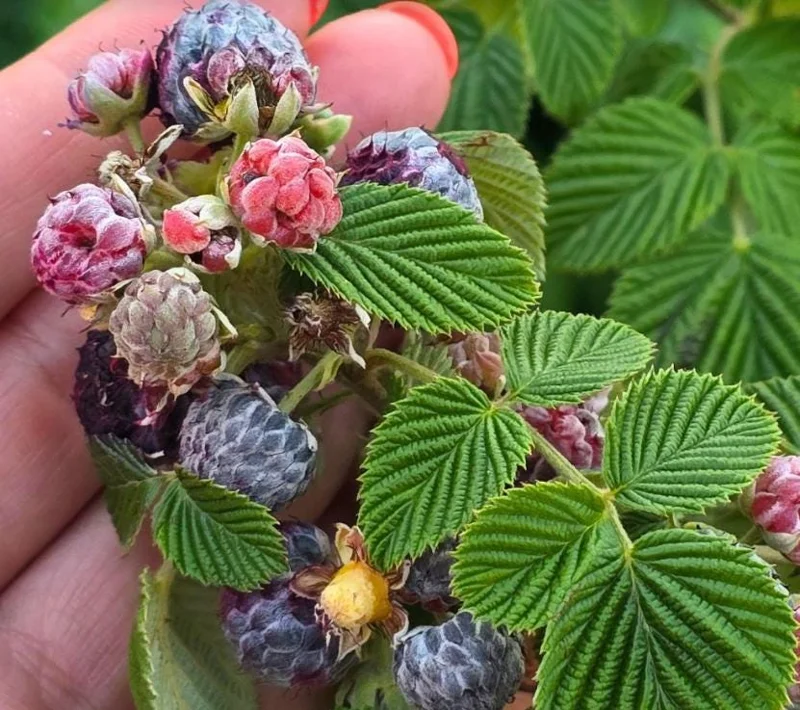
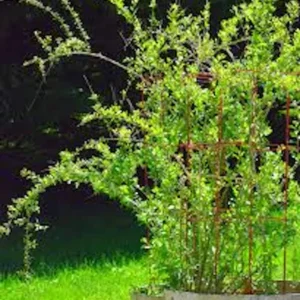
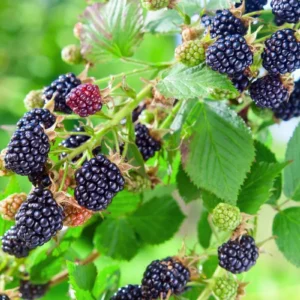
The Mysore Raspberry is not only a producer of delicious fruit but also an attractive plant with its arching canes and silvery undersides of leaves. It’s an excellent choice for edible landscaping, providing both aesthetic appeal and a bountiful harvest. Whether you’re an experienced gardener looking for an exotic challenge or a beginner eager to try something new, this tropical raspberry plant offers an exciting opportunity to cultivate a truly special berry.
Key Benefits
Cultivating a mysore raspberry live plant in your garden offers a plethora of advantages, from its unique fruit to its resilient nature. These benefits make it a highly desirable addition for both novice and experienced gardeners.
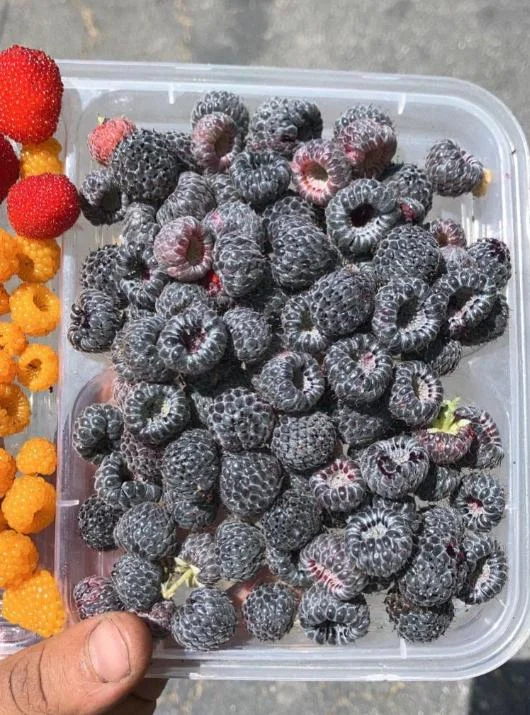
- Exotic Fruit Production: Enjoy a continuous harvest of sweet, dark purple-red raspberries with a unique, rich flavor profile, distinct from common varieties. These berries are perfect for fresh eating, desserts, jams, and jellies.
- Vigorous Growth: The rubus niveus plant is known for its fast and robust growth, quickly establishing itself and producing fruit, often within the first year of planting under optimal conditions.
- Adaptability to Warm Climates: Unlike many raspberry varieties, Mysore Raspberries thrive in warm, subtropical, and tropical environments, making them an excellent choice for regions with mild winters.
- Low Maintenance: Once established, this tropical raspberry plant is relatively low-maintenance, requiring basic care to flourish and produce fruit. Its resilience makes it suitable for busy gardeners.
- Ornamental Value: Beyond its fruit, the arching canes and attractive foliage with silvery undersides add an ornamental touch to your garden or edible landscape, enhancing its visual appeal.
- Health Benefits: Like all raspberries, Mysore Raspberries are packed with antioxidants, vitamins, and fiber, contributing to a healthy diet and offering numerous nutritional benefits.
- Pest and Disease Resistance: The mysore raspberry live plant generally exhibits good resistance to common pests and diseases, reducing the need for extensive chemical treatments and promoting organic gardening practices.
Plant Care & Growing Tips
To ensure your mysore raspberry live plant thrives and produces abundant fruit, understanding its specific care requirements is crucial. These plants are relatively forgiving but perform best when their needs are met.
Sunlight Requirements: Mysore Raspberries prefer full sun, meaning at least 6-8 hours of direct sunlight per day. While they can tolerate partial shade, fruit production may be reduced. In extremely hot climates, some afternoon shade can prevent scorching of leaves and fruit. For optimal growth and fruit development, choose a location in your garden that receives ample morning sun.
Watering Schedule and Soil Moisture: Consistent moisture is key for the rubus niveus plant, especially during flowering and fruiting. Water deeply and regularly, ensuring the soil remains evenly moist but not waterlogged. Allow the top inch or two of soil to dry out slightly between waterings. Reduce watering during cooler, dormant periods. Drip irrigation or soaker hoses are ideal for providing consistent moisture directly to the root zone.
Soil Type and Drainage: These plants prefer well-draining, fertile soil with a slightly acidic to neutral pH (6.0-7.0). A sandy loam enriched with organic matter is ideal. Avoid heavy clay soils that retain too much water, as this can lead to root rot. If your soil is heavy, amend it with compost, perlite, or sand to improve drainage. Ensure your planting site has good drainage to prevent water accumulation around the roots.
Temperature Range and USDA Hardiness Zone: The tropical raspberry plant is best suited for USDA Hardiness Zones 9-11, where it can be grown as a perennial. It is sensitive to hard frosts, so in colder zones, it can be grown in containers and brought indoors during winter, or treated as an annual. It thrives in temperatures above 20°F (-6°C) and prefers warm, humid conditions during its growing season. Protecting it from prolonged periods below freezing is essential for survival.
Fertilization Schedule and Type: Fertilize your mysore raspberry live plant in early spring before new growth begins and again after the first flush of fruit. Use a balanced, slow-release granular fertilizer or a liquid feed rich in phosphorus and potassium to encourage flowering and fruiting. Organic options like compost tea or well-rotted manure can also be incorporated into the soil. Avoid excessive nitrogen, which can promote leafy growth at the expense of fruit.
Common Problems and Solutions: Mysore Raspberries are generally robust, but watch out for common raspberry issues like cane borers or fungal diseases if conditions are too wet. Ensure good air circulation and prune out any diseased or dead canes promptly. Proper spacing and sanitation are key to preventing most problems. Regular inspection will help you catch and address issues early, ensuring successful growing mysore raspberry.
Size & Details
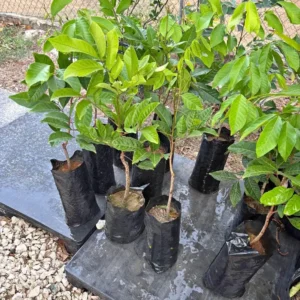
This offering is for a mysore raspberry live plant seedling, typically measuring 3-6 inches tall at the time of shipment. These young plants are carefully selected to ensure health and vigor, providing a strong foundation for future growth. They are shipped in a bare-root or minimal soil format to ensure safe transit and reduce shipping stress, ready for immediate planting upon arrival. The Mysore Raspberry is known for its rapid growth rate, with canes that can reach 6-10 feet in length in a single season, often requiring support like a trellis or fence. Plants typically begin fruiting within 1-2 years of planting, with peak production occurring in subsequent years. The mature plant forms a dense thicket, producing continuous flushes of berries throughout the warmer months. Expect a broad spread of 5-8 feet at maturity if not pruned. This exotic berry plant will transform your garden into a productive and beautiful space.
Frequently Asked Questions
- Q: How big does this plant get? A: The mysore raspberry live plant typically grows 6-10 feet tall with a spread of 5-8 feet at maturity. Its canes are vigorous and arching, benefiting from support like a trellis.
- Q: What size pot does it come in? A: This plant is shipped as a 3-6 inch tall live plant, usually bare-root or with minimal soil, not in a pot, to ensure safe and efficient transport.
- Q: Is this an indoor or outdoor plant? A: The rubus niveus plant is primarily an outdoor plant, best suited for warm climates (USDA Zones 9-11). In colder regions, it can be grown in large containers and moved indoors during winter.
- Q: How much sunlight does it need? A: It requires full sun, ideally 6-8 hours of direct sunlight daily, for optimal growth and fruit production. Partial shade is tolerated but may reduce yield.
- Q: Is this plant easy to care for? A: Once established, the tropical raspberry plant is relatively easy to care for, requiring consistent watering, good drainage, and occasional fertilization. It’s a great option for those interested in growing mysore raspberry.
- Q: What condition will it arrive in? A: Your plant will arrive healthy and ready for planting, carefully packaged to withstand transit. It will be a young, 3-6 inch specimen, ready to establish in its new home.
- Q: When is the best time to plant? A: The best time to plant is in spring after the last frost, or in early fall in warmer climates. This allows the plant to establish its root system before extreme temperatures.
- Q: Will it survive winter in my zone? A: The mysore raspberry live plant is hardy in USDA Zones 9-11. In colder zones, it will need winter protection or should be grown in a container and brought indoors.
- Q: Can I grow this plant in a container? A: Yes, you can grow this exotic berry plant in a large container (at least 15-20 gallons) with good drainage, especially if you live in a colder climate and need to move it indoors for winter.
- Q: How long until it produces fruit? A: With proper care, your Mysore Raspberry plant can begin producing fruit within the first 1-2 years of planting, with yields increasing as the plant matures.
Related products
-20%
Original price was: $50.00.$40.00Current price is: $40.00.
-20%
Original price was: $32.00.$25.60Current price is: $25.60.
-20%
Original price was: $32.00.$25.60Current price is: $25.60.
-49%
Original price was: $59.38.$29.99Current price is: $29.99.
-20%
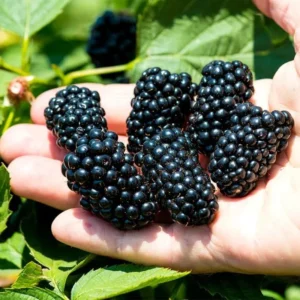
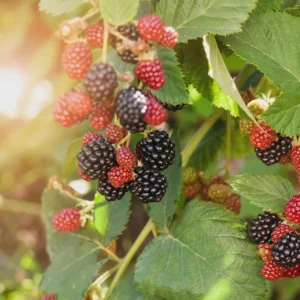
Original price was: $36.00.$28.80Current price is: $28.80.
-10%
Original price was: $75.00.$67.50Current price is: $67.50.
-20%
Original price was: $56.00.$44.80Current price is: $44.80.
PLANTING & CARE
Lemon Tree Growing: Choose, Plant, and Harvest
Learn how to choose, plant, feed, and protect a lemon tree so it fits your
23
Sep
Sep
Dwarf Meyer Lemon Tree Australia: Climate Guide
Learn where dwarf Meyer lemon trees grow, how much cold they tolerate, and whether Australia,
Where to Buy a Dwarf Meyer Lemon Tree: Buyer’s Guide
Find the right dwarf Meyer lemon tree online or locally, compare starter sizes and costs,
Dwarf Meyer Lemon Tree for Sale: Buying Guide
Compare Meyer lemon tree sizes, prices, shipping limits, indoor growing and California options before you
Dwarf Meyer Lemon Tree Guide: Size, Care and Fruit
META: Learn how large a dwarf Meyer lemon tree grows, where it thrives, and how
How to Prune a Dwarf Meyer Lemon Tree
Learn when and how to prune a dwarf Meyer lemon tree, including tools, shaping cuts,
Can You Grow a Dwarf Meyer Lemon Tree in a Pot?
META: Learn how to grow a dwarf Meyer lemon tree in a pot, including container
When Do Dwarf Meyer Lemon Trees Bloom and Fruit?
META: Dwarf Meyer lemon trees usually bloom from winter through spring and may flower again