Mysore Raspberry Live Plant – Rubus Niveus – Tropical Fruit Bush – 3 inch Pot
-28%
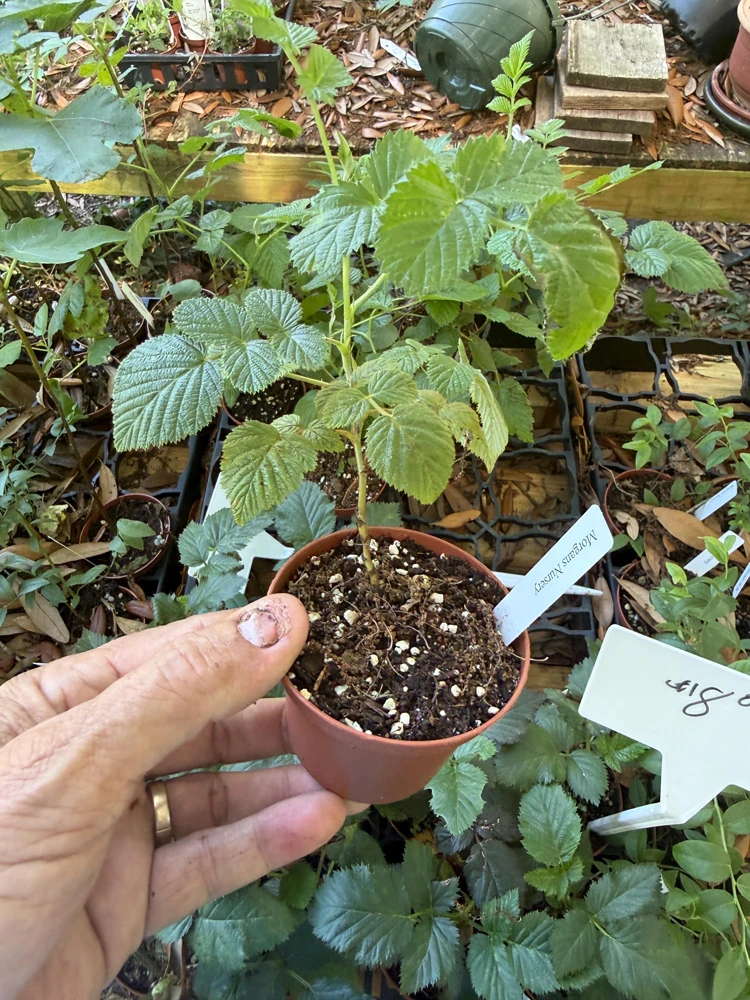
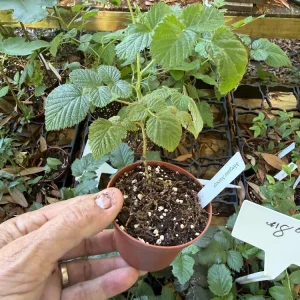
Mysore Raspberry Live Plant – Rubus Niveus – Tropical Fruit Bush – 3 inch Pot
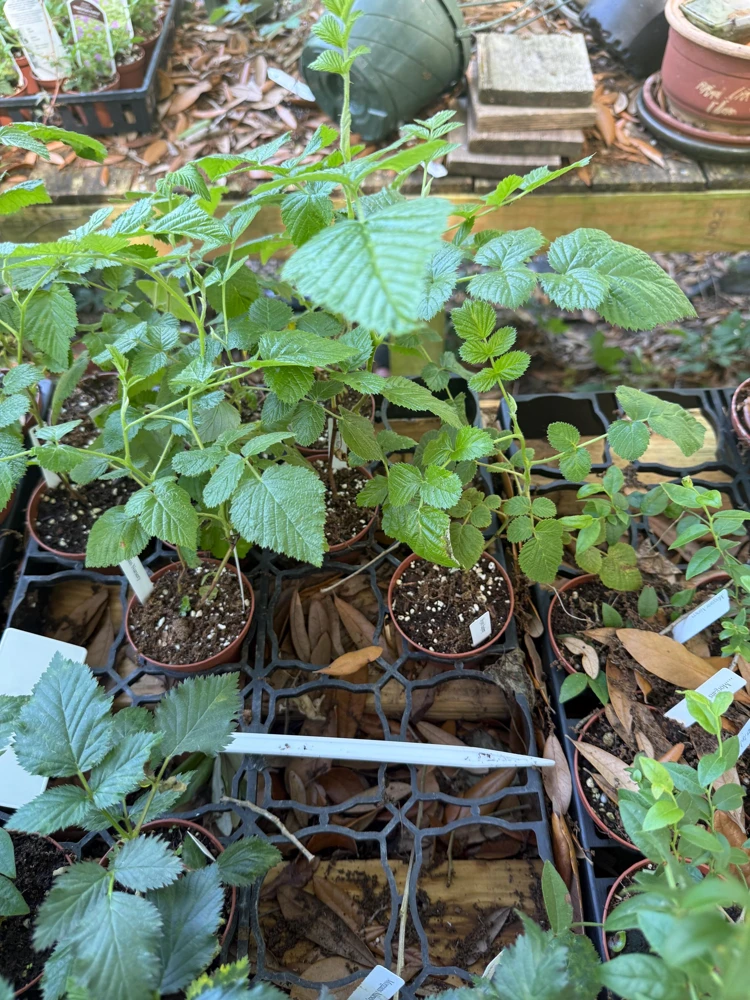
Cultivate your own delicious Mysore Raspberry live plant, a tropical bramble known for its sweet, dark purple-black berries. This Rubus niveus plant thrives in warm climates, offering attractive foliage and abundant fruit for fresh eating or preserves. Perfect for gardeners in USDA zones 7-11, this starter plant comes in a 3 inch pot, ready to grow into a productive fruit bush.
Original price was: $40.00.$29.00Current price is: $29.00.

With our Alive & Thrive Guarantee, we’ve got your back for the first 30 days! If you have any concerns about your plants, just reach out to us. Our team is here to help answer your questions and guide you in selecting the best plants for your garden, climate, and unique preferences. We're excited to help you create the garden of your dreams!
Estimated arrival
Oct 14
Oct 19 - Oct 21
Oct 24 - Oct 28
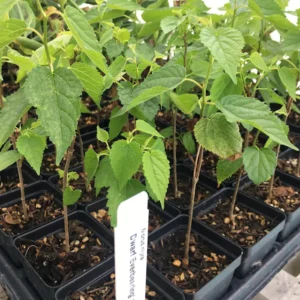
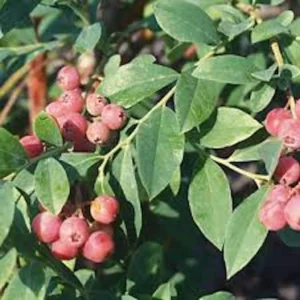
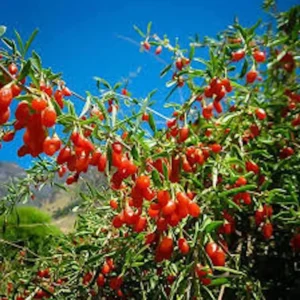
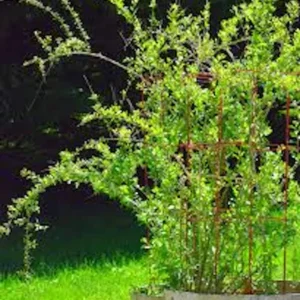
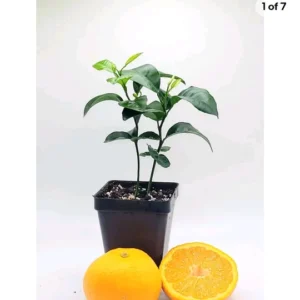
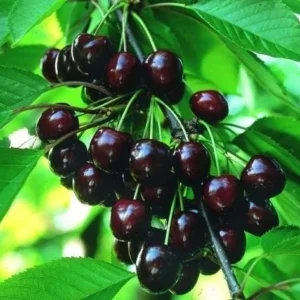
Product Details
-
USDA Hardiness Zone
USDA zones 7-11 -
Soil type
Well-draining soil -
Sunlight Exposure
Full sun -
Expected Planting Period
Year-round in warm climates; spring after last frost in cooler zones
Overview
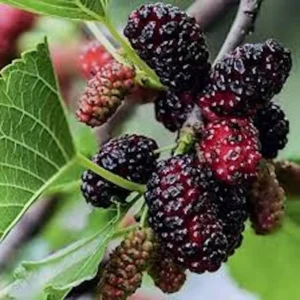
Discover the exotic delight of the Mysore Raspberry live plant, botanically known as Rubus niveus. This fascinating tropical and subtropical bramble, native to southern Asia, is celebrated for its delectable dark purple-black berries. Each berry is not only sweet and juicy but also packed with beneficial antioxidants, making it a healthy and delicious addition to any garden. The Mysore Raspberry live plant also boasts attractive, silvery-leaved foliage, adding ornamental value even before fruiting. As a starter plant in a 3 inch pot, it’s perfectly sized to begin its journey in your garden, promising a rewarding harvest of unique tropical raspberries.
The Rubus niveus plant is an excellent choice for those looking to expand their edible landscape with something a little different. Its vigorous growth and abundant fruit production make it a valuable asset for fresh eating, creating exquisite jams, or enhancing desserts. Known for its adaptability in warmer climates, this robust plant brings a touch of the tropics to your backyard, offering both beauty and a bountiful harvest. Embrace the joy of growing your own exotic fruit with this easy-to-manage and highly productive plant.
Key Benefits
Bringing a Mysore Raspberry live plant into your garden offers numerous advantages, from its unique taste to its robust growth habits. You’ll quickly appreciate the many reasons why this tropical bramble is a gardener’s favorite.
- Abundant, Delicious Fruit Production: The primary benefit of the Mysore Raspberry live plant is its prolific yield of sweet, juicy, dark purple-black berries. These berries are perfect for eating fresh off the cane, adding to smoothies, or making homemade jams and pies.
- Rich in Antioxidants: Beyond their delightful flavor, the berries of the Rubus niveus plant are known for their high antioxidant content, contributing to a healthy diet and overall well-being.
- Attractive Silvery Foliage: Even when not in fruit, the plant’s distinctive silvery-backed leaves provide an appealing visual texture to your garden, making it an ornamental as well as a productive plant.
- Adaptable to Warm Climates: This tropical raspberry thrives in USDA zones 7-11, making it an excellent choice for gardeners in warmer regions where other raspberries might struggle. It is a resilient and vigorous grower in its preferred conditions.
- Versatile Culinary Uses: The fruit is incredibly versatile, lending itself to a wide array of culinary applications from fresh consumption to preserves, desserts, and sauces, allowing you to get creative in the kitchen.
- Supports Pollinators: Like many fruiting plants, the flowers of the Mysore Raspberry live plant attract bees and other beneficial pollinators, contributing to the biodiversity and health of your garden ecosystem.
- Easy to Grow for Beginners: With proper care, growing a Mysore Raspberry live plant is relatively straightforward, making it suitable for both experienced gardeners and those new to cultivating fruit-bearing plants.
Plant Care & Growing Tips
Caring for your Mysore Raspberry live plant is straightforward, ensuring a bountiful harvest of delicious berries. This tropical bramble, or Rubus niveus plant, thrives in specific conditions that mimic its native habitat. For optimal growth and fruit production, plant your Mysore Raspberry live plant in a location that receives full sun, meaning at least 6-8 hours of direct sunlight per day. Adequate sunlight is crucial for fruit development and overall plant vigor. It prefers well-drained soil, ideally a loamy or sandy loam mix, with a slightly acidic to neutral pH (6.0-7.0). Good drainage is vital to prevent root rot, so consider amending heavy clay soils with organic matter like compost or perlite to improve aeration.
Watering should be consistent, especially during dry spells and when the plant is establishing. Keep the soil consistently moist but never waterlogged. Once established, the Mysore Raspberry live plant can tolerate some drought, but regular watering will promote better fruit yield. Fertilize in early spring with a balanced slow-release fertilizer or an organic compost to provide essential nutrients for robust growth and fruiting. Pruning is important for managing growth and encouraging fruit production, as berries are produced on second-year canes. After fruiting, cut back the canes that have produced fruit to the ground. This practice, often referred to as Mysore raspberry care, ensures new, productive canes emerge. Protect young plants from extreme cold snaps if temperatures drop below zone 7, though mature plants are quite hardy within their recommended zones. Regularly inspect for pests and diseases, addressing any issues promptly to maintain plant health. Understanding how to grow Mysore raspberry effectively will lead to years of enjoyment.
Size & Details
Your Mysore Raspberry live plant will arrive as a healthy starter in a 3 inch pot, ready for transplanting. This initial size allows for easy handling and establishes quickly in its new environment. Typically, a mature Rubus niveus plant can reach heights of 5 to 10 feet and spread equally wide, forming a dense thicket if not managed. While specific growth rates vary based on climate and care, you can expect noticeable growth within the first season, with fruit production often beginning on second-year canes. The plant ships as a live, actively growing specimen, carefully packaged to ensure its safe arrival.
The vigorous nature of this plant means it can establish quickly, providing delicious berries in a relatively short period. While it can be a valuable food crop, it’s important to note its potential for vigorous spread in certain tropical regions, though it is generally well-behaved in its recommended hardiness zones. The plant’s robust root system helps it establish firmly, allowing it to become a long-lasting and productive addition to your edible garden. Proper spacing and occasional pruning will help maintain its size and shape, ensuring a manageable and fruitful harvest.
Frequently Asked Questions
- Q: How big does this Mysore Raspberry live plant get? A: A mature Mysore Raspberry live plant can typically reach a height and spread of 5 to 10 feet, forming a substantial bush. Its size can be managed with regular pruning.
- Q: What size pot does it come in? A: Your Mysore Raspberry live plant will be shipped as a starter plant in a convenient 3 inch pot, perfect for easy transplanting into your garden or a larger container.
- Q: Is this an indoor or outdoor plant? A: The Rubus niveus plant is primarily an outdoor plant, thriving in full sun. It is best suited for outdoor gardens in USDA zones 7-11, where it can receive adequate sunlight and space to grow.
- Q: How much sunlight does it need? A: For optimal growth and fruit production, the Mysore Raspberry live plant requires full sun, meaning at least 6-8 hours of direct sunlight per day.
- Q: Is this plant easy to care for? A: Yes, with the right conditions and consistent watering during establishment, the Mysore Raspberry live plant is considered relatively easy to care for, making it a good choice for various gardening skill levels. Following basic Mysore raspberry care guidelines will ensure success.
- Q: What condition will it arrive in? A: Your plant will arrive as a healthy, live starter plant, carefully packaged to ensure it reaches you in the best possible condition, ready for planting.
- Q: Can I use Mysore raspberry in cooking? A: Absolutely! The sweet, dark purple-black berries are excellent for fresh eating, making jams, jellies, pies, desserts, and adding to smoothies. Learning how to grow Mysore raspberry means enjoying fresh fruit.
- Q: How long until it blooms and fruits? A: The Mysore Raspberry live plant typically produces fruit on second-year canes. You can expect flowers and fruit in the season following the establishment of new canes.
- Q: Will it survive winter in my zone? A: This plant is hardy in USDA zones 7-11. If you are in zone 7, some winter protection may be beneficial during severe cold spells, but it generally tolerates these conditions well.
- Q: What’s the minimum temperature it can tolerate? A: The Rubus niveus plant can generally tolerate temperatures down to about 0°F (-18°C) once established, but prefers warmer climates and may need protection in the lower end of its hardiness range.
Related products
-20%
Original price was: $80.00.$64.00Current price is: $64.00.
-20%
Original price was: $66.00.$52.80Current price is: $52.80.
-20%
Original price was: $32.00.$25.60Current price is: $25.60.
-20%
Original price was: $34.00.$27.20Current price is: $27.20.
-49%
Original price was: $59.38.$29.99Current price is: $29.99.
-7%
Original price was: $105.99.$98.99Current price is: $98.99.
PLANTING & CARE
Lemon Tree Growing: Choose, Plant, and Harvest
Learn how to choose, plant, feed, and protect a lemon tree so it fits your
23
Sep
Sep
Dwarf Meyer Lemon Tree Australia: Climate Guide
Learn where dwarf Meyer lemon trees grow, how much cold they tolerate, and whether Australia,
Where to Buy a Dwarf Meyer Lemon Tree: Buyer’s Guide
Find the right dwarf Meyer lemon tree online or locally, compare starter sizes and costs,
Dwarf Meyer Lemon Tree for Sale: Buying Guide
Compare Meyer lemon tree sizes, prices, shipping limits, indoor growing and California options before you
Dwarf Meyer Lemon Tree Guide: Size, Care and Fruit
META: Learn how large a dwarf Meyer lemon tree grows, where it thrives, and how
How to Prune a Dwarf Meyer Lemon Tree
Learn when and how to prune a dwarf Meyer lemon tree, including tools, shaping cuts,
Can You Grow a Dwarf Meyer Lemon Tree in a Pot?
META: Learn how to grow a dwarf Meyer lemon tree in a pot, including container
When Do Dwarf Meyer Lemon Trees Bloom and Fruit?
META: Dwarf Meyer lemon trees usually bloom from winter through spring and may flower again