Nodding Bur Marigold Seeds – 50 Bidens cernua Wildflower Seeds for Pollinators
-65%
Nodding Bur Marigold Seeds – 50 Bidens cernua Wildflower Seeds for Pollinators
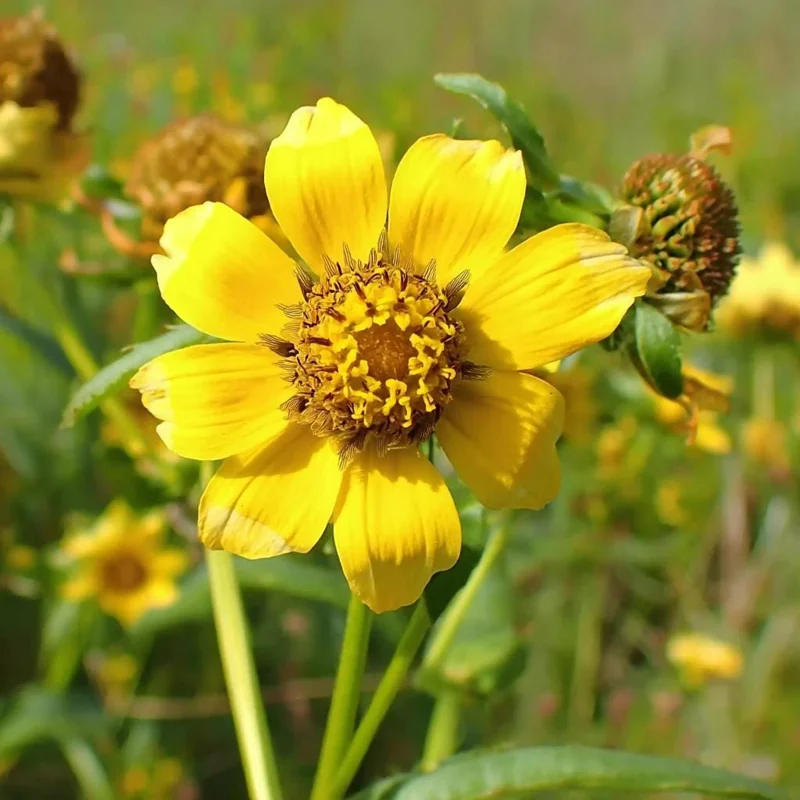
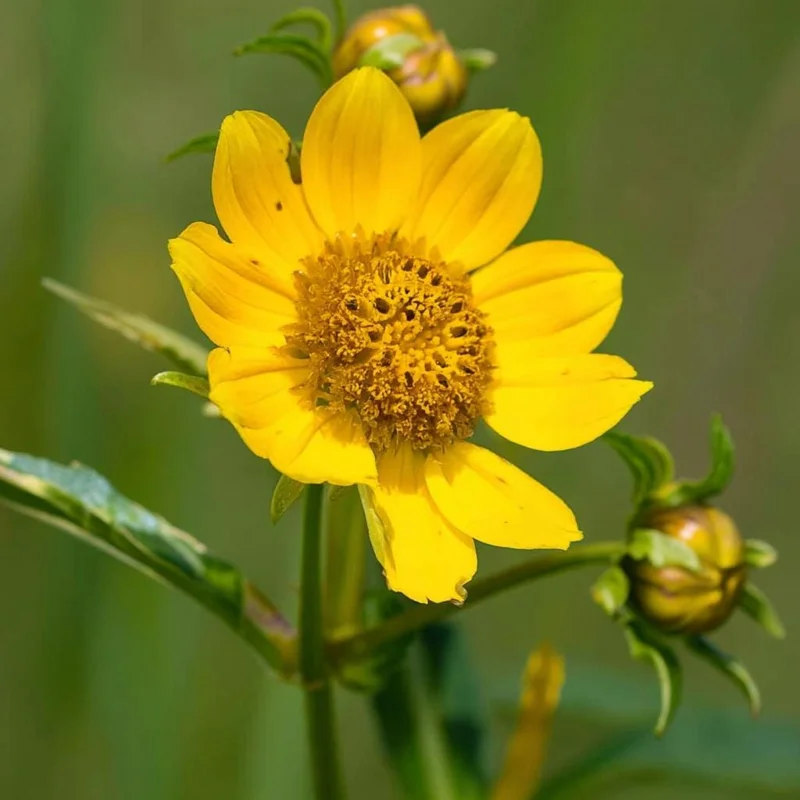
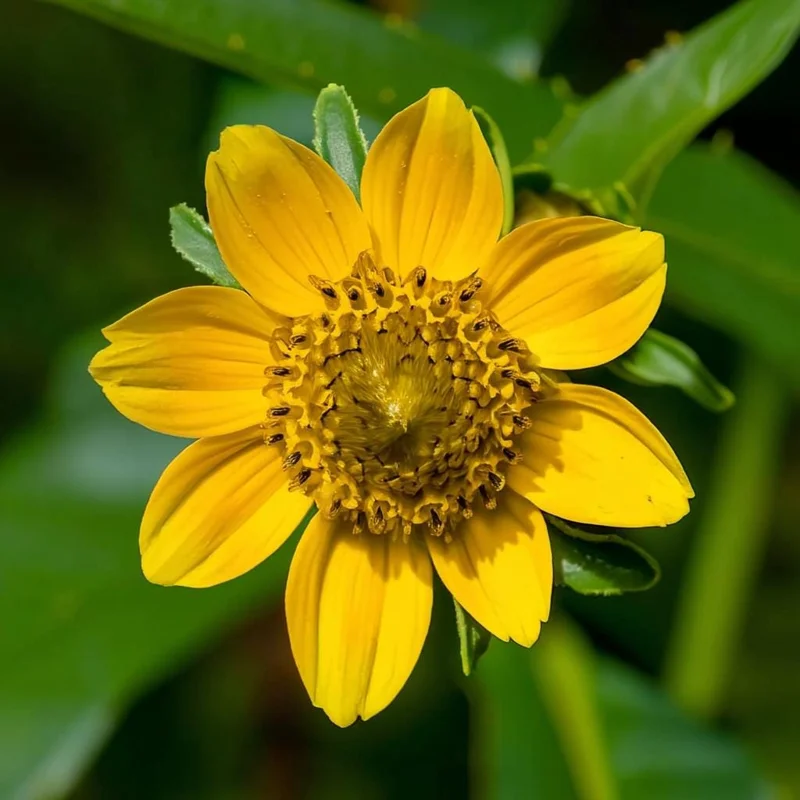
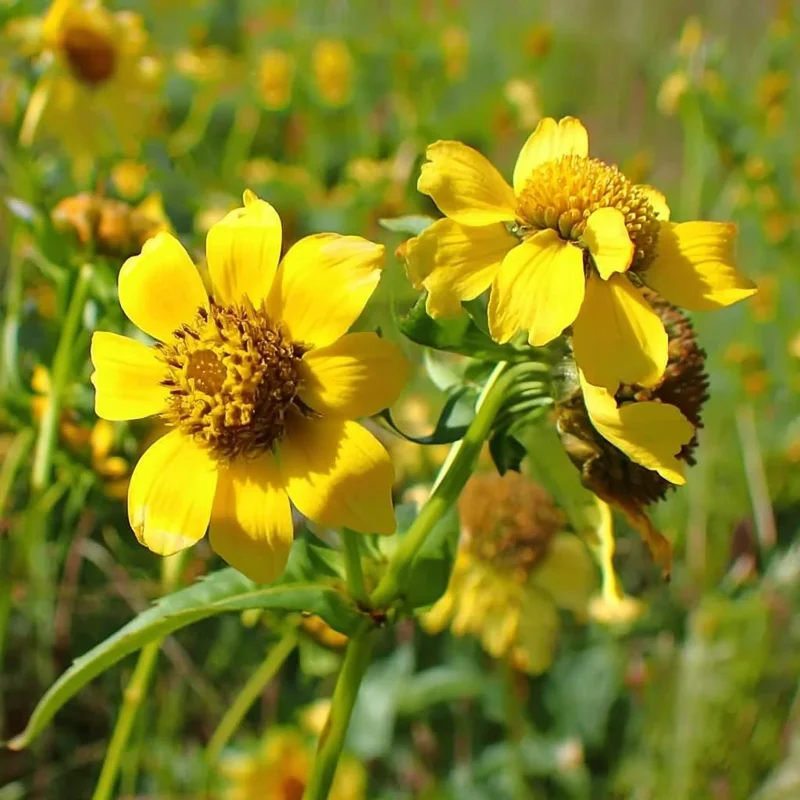
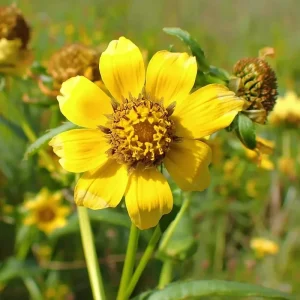
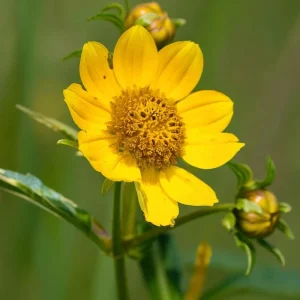
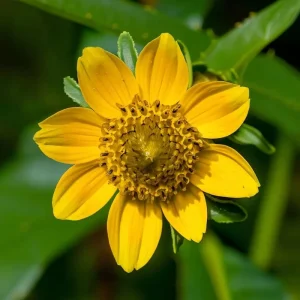
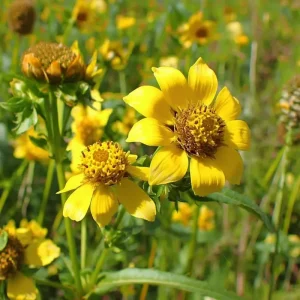
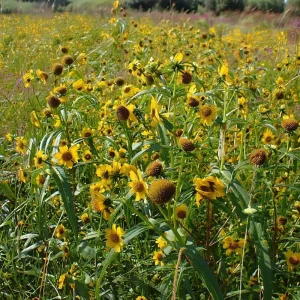
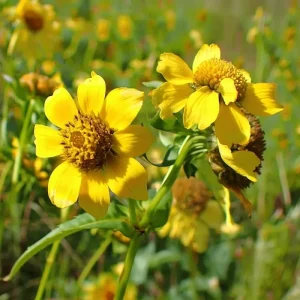
Cultivate beautiful, golden-yellow nodding bur marigold seeds (Bidens cernua), a native wildflower ideal for moist areas. These seeds will grow into plants that attract bees and butterflies, enhancing your garden’s biodiversity. Perfect for rain gardens and naturalized landscapes.
Original price was: $30.99.$10.99Current price is: $10.99.

With our Alive & Thrive Guarantee, we’ve got your back for the first 30 days! If you have any concerns about your plants, just reach out to us. Our team is here to help answer your questions and guide you in selecting the best plants for your garden, climate, and unique preferences. We're excited to help you create the garden of your dreams!
Estimated arrival
Oct 21
Oct 26 - Oct 28
Oct 31 - Nov 04
Product Details
-
USDA Hardiness Zone
unknown -
Soil type
Moist to wet soil, adaptable to various types -
Sunlight Exposure
Full sun to partial shade -
Expected Planting Period
Fall or early spring
Overview
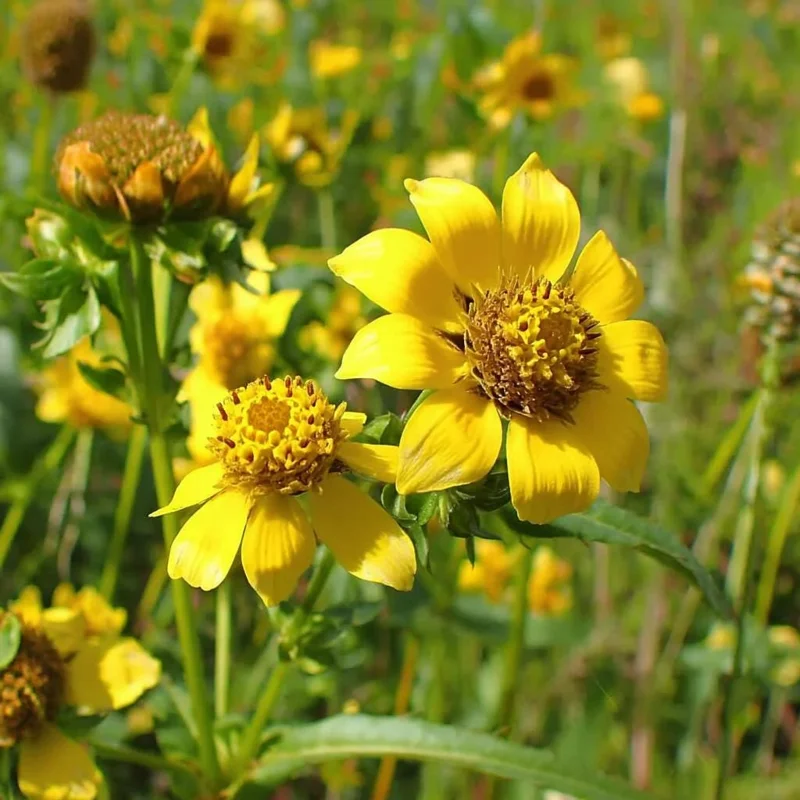
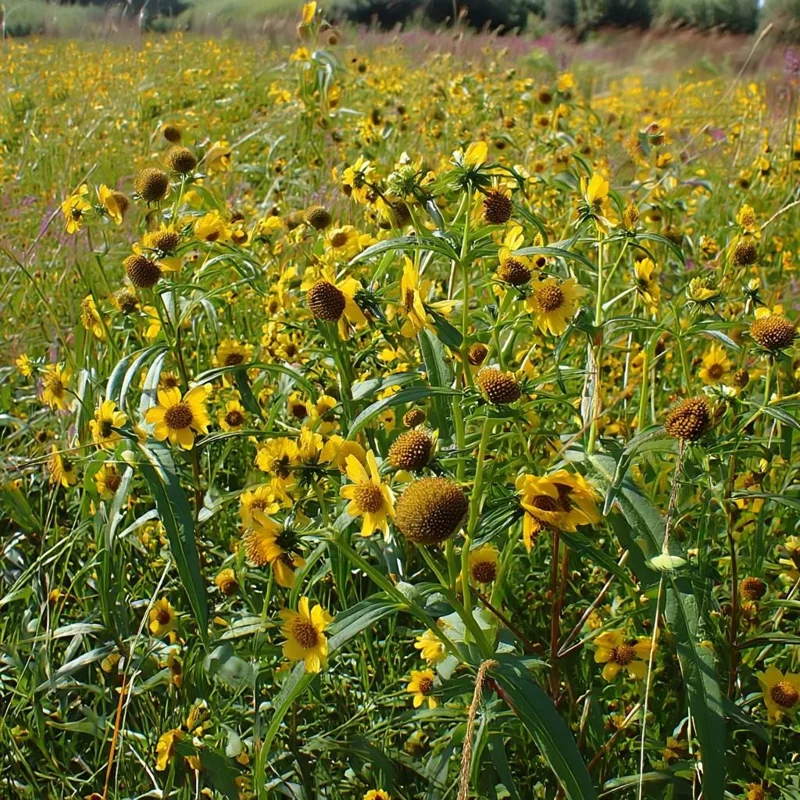
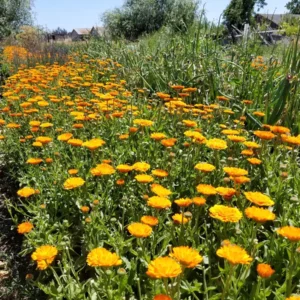
Introduce a vibrant splash of golden-yellow to your garden with our premium nodding bur marigold seeds. Each packet contains 50 high-quality seeds of Bidens cernua, a charming native wildflower known for its cheerful, daisy-like blooms that gently sway on slender stems. This annual plant is a fantastic choice for gardeners seeking to create a naturalized look, enhance a rain garden, or support local ecosystems. Thriving in moist to wet conditions, Nodding Bur Marigold is perfectly suited for pond edges, stream banks, and low-lying areas where other plants might struggle. Its late summer to fall blooming period ensures a continuous food source for essential pollinators like bees and butterflies when many other flowers have faded. Growing nodding bur marigold seeds contributes to habitat restoration and adds ecological value to any landscape, making it a truly rewarding addition to your outdoor space.
Key Benefits
Choosing to plant nodding bur marigold seeds offers a multitude of advantages for both your garden and the environment. This resilient native wildflower brings beauty and ecological support, making it an excellent investment for any gardener. Its vibrant presence and adaptability are just a few of its many appealing qualities.
- Attracts Pollinators: The bright golden-yellow flowers of Nodding Bur Marigold are a magnet for bees, butterflies, and other beneficial insects, providing crucial nectar during late summer and fall when food sources can be scarce. Planting pollinator plant seeds helps support local biodiversity.
- Ideal for Wet Areas: This moisture-loving plant thrives in consistently moist to wet soil conditions, making it perfect for rain gardens, pond margins, boggy areas, and stream banks where other plants may not survive. It’s a natural solution for challenging landscape spots.
- Easy to Grow from Seeds: Bidens cernua seeds are straightforward to sow and establish, making them suitable for gardeners of all experience levels. With minimal maintenance required once established, it’s a hassle-free addition to your garden.
- Native Wildflower Beauty: Adds a natural, uncultivated charm to your landscape with its cheerful, nodding blooms. Its vibrant color and airy texture create a beautiful, dynamic display.
- Ecological Value: Beyond its visual appeal, Nodding Bur Marigold contributes significantly to local ecosystems, supporting wildlife and promoting a healthy garden environment. It’s an excellent choice for a native wildflower seeds project.
Plant Care & Growing Tips
Growing nodding bur marigold seeds is a rewarding experience, especially with the right care. This adaptable wildflower prefers specific conditions to truly flourish and provide its best display. Understanding its needs will ensure a successful and vibrant addition to your garden.
For optimal growth, direct sow nodding bur marigold seeds outdoors in fall or early spring. Choose a location with consistently moist to wet soil. Full sun to partial shade is ideal, meaning at least 4-6 hours of direct sunlight per day. When sowing, lightly press the tiny seeds onto the soil surface and cover them very lightly, as some light is beneficial for germination. Keep the soil evenly moist throughout the germination period, which typically takes 10–21 days. Once seedlings are established and large enough to handle, thin them to a spacing of 8–12 inches apart to allow for proper air circulation and growth. This moisture-loving wildflower does not require extensive fertilization; a naturally rich soil in its preferred wet environment is usually sufficient. In garden beds, regular watering will be necessary to maintain the moist conditions it prefers. It’s a low-maintenance annual that readily reseeds in suitable conditions, ensuring a return display year after year.
This plant is generally hardy and disease-resistant. Ensure good air circulation to prevent any potential fungal issues in very humid conditions. Its preference for moist soil makes it an ideal candidate for areas that naturally retain water, reducing the need for constant manual watering once established. Enjoy the vibrant beauty and ecological benefits of your blooming bidens cernua seeds as they transform your garden.
Size & Details
Our offering includes 50 high-quality nodding bur marigold seeds (Bidens cernua), carefully selected to ensure vigorous growth. Once established, these annual plants typically grow to a height of 1 to 3 feet, with a spread of about 1 to 2 feet, forming an airy, bushy clump of foliage topped with numerous golden-yellow flowers. The blooms are daisy-like, usually about 1 to 1.5 inches in diameter, and appear from late summer through fall. The seeds are packaged to maintain viability and are ready for direct sowing. Expect germination within 10-21 days under optimal conditions. These seeds are perfect for creating naturalized areas, enhancing wetland margins, or adding a touch of wild beauty to any garden space, especially where a moisture-loving wildflower is desired.
Frequently Asked Questions
- Q: How big does Nodding Bur Marigold get? A: Nodding Bur Marigold typically grows to a height of 1 to 3 feet tall with a spread of 1 to 2 feet, creating an attractive, upright display of golden flowers.
- Q: Is this an indoor or outdoor plant? A: Nodding bur marigold seeds are intended for outdoor cultivation. This native wildflower thrives in garden beds, rain gardens, and naturalized areas, especially those with consistent moisture.
- Q: How much sunlight does Nodding Bur Marigold need? A: It prefers full sun to partial shade, meaning it should receive at least 4-6 hours of direct sunlight daily for best growth and abundant flowering.
- Q: Is this plant easy to care for? A: Yes, Nodding Bur Marigold is considered an easy-to-grow wildflower. Once established, it requires minimal maintenance, especially in its preferred moist conditions, and readily reseeds.
- Q: What condition will the seeds arrive in? A: The bidens cernua seeds will arrive in a protective packet, ensuring their viability and readiness for planting in your garden.
- Q: How long until Nodding Bur Marigold blooms? A: From direct sowing, plants grown from nodding bur marigold seeds typically begin blooming in late summer and continue through fall of the same year.
- Q: What kind of soil does Nodding Bur Marigold prefer? A: This plant thrives in consistently moist to wet soil conditions, making it perfect for areas that retain water, such as rain gardens or near pond edges.
- Q: Can I grow this in a container? A: While primarily suited for ground planting, Nodding Bur Marigold can be grown in large containers if kept consistently moist, though it will likely require more frequent watering.
- Q: Are these seeds suitable for attracting pollinators? A: Absolutely! These pollinator plant seeds are excellent for attracting bees, butterflies, and other beneficial insects, providing a vital nectar source in the late season.
- Q: What is the best time to plant nodding bur marigold seeds? A: The best time to direct sow these native wildflower seeds is in the fall or early spring, ensuring optimal conditions for germination and establishment.
Related products
-50%
Original price was: $95.96.$47.98Current price is: $47.98.
-50%
Original price was: $23.96.$11.98Current price is: $11.98.
-50%
Original price was: $23.96.$11.98Current price is: $11.98.
-50%

Original price was: $23.96.$11.98Current price is: $11.98.
-50%
Original price was: $23.96.$11.98Current price is: $11.98.
-50%
Original price was: $7.98.$3.98Current price is: $3.98.
-50%
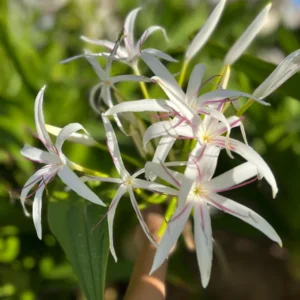
Original price was: $95.96.$47.98Current price is: $47.98.
PLANTING & CARE
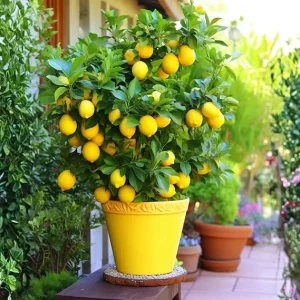
Lemon Tree Growing: Choose, Plant, and Harvest
Learn how to choose, plant, feed, and protect a lemon tree so it fits your
23
Sep
Sep
Dwarf Meyer Lemon Tree Australia: Climate Guide
Learn where dwarf Meyer lemon trees grow, how much cold they tolerate, and whether Australia,
Where to Buy a Dwarf Meyer Lemon Tree: Buyer’s Guide
Find the right dwarf Meyer lemon tree online or locally, compare starter sizes and costs,
Dwarf Meyer Lemon Tree for Sale: Buying Guide
Compare Meyer lemon tree sizes, prices, shipping limits, indoor growing and California options before you
Dwarf Meyer Lemon Tree Guide: Size, Care and Fruit
META: Learn how large a dwarf Meyer lemon tree grows, where it thrives, and how
How to Prune a Dwarf Meyer Lemon Tree
Learn when and how to prune a dwarf Meyer lemon tree, including tools, shaping cuts,
Can You Grow a Dwarf Meyer Lemon Tree in a Pot?
META: Learn how to grow a dwarf Meyer lemon tree in a pot, including container
When Do Dwarf Meyer Lemon Trees Bloom and Fruit?
META: Dwarf Meyer lemon trees usually bloom from winter through spring and may flower again