Orange Calendula Flower Seeds – 50 Seeds – Perennial – Non-GMO – Easy Grow
-50%
Orange Calendula Flower Seeds – 50 Seeds – Perennial – Non-GMO – Easy Grow
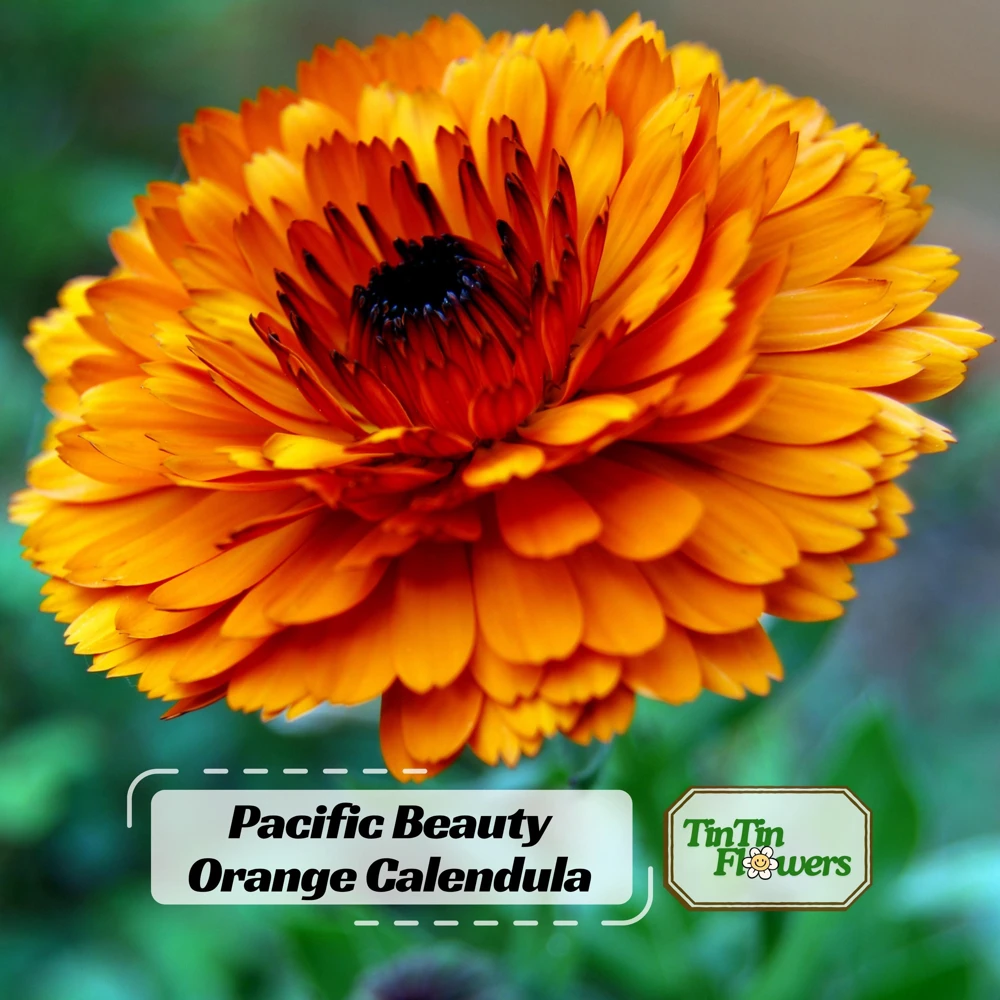
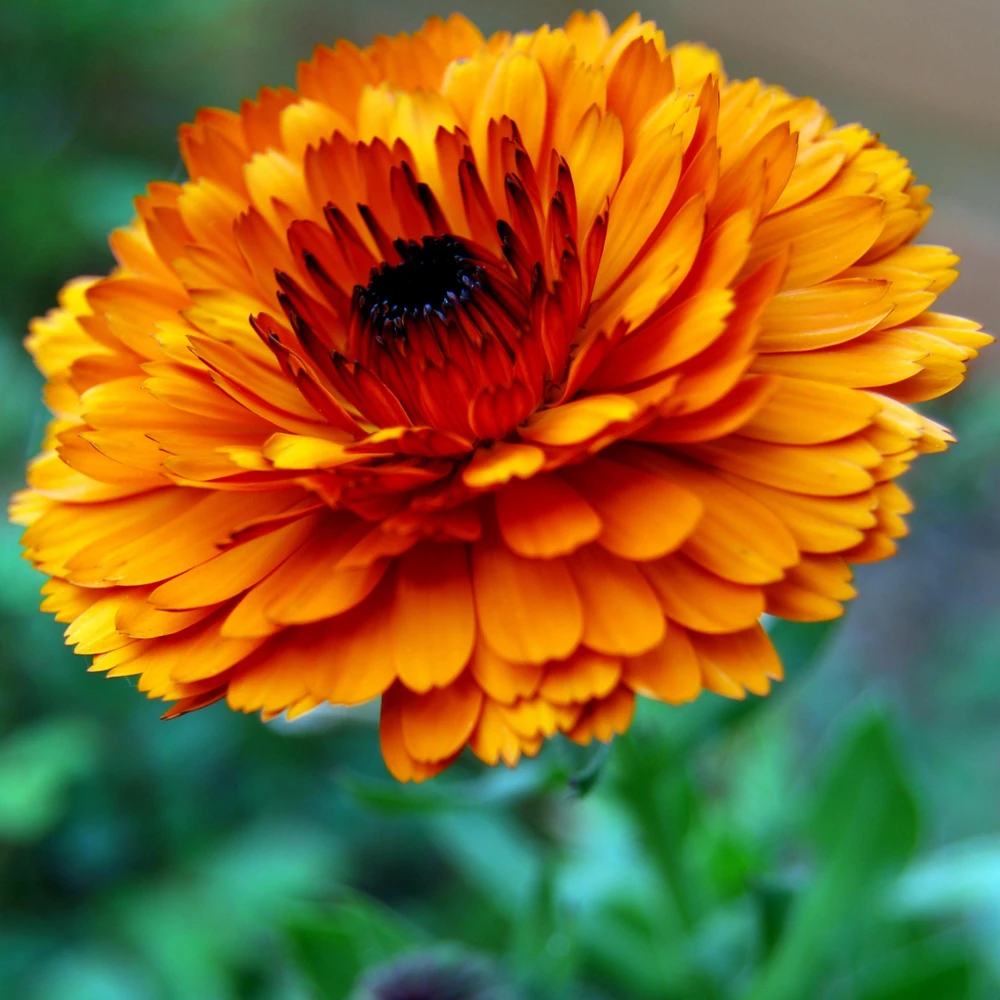
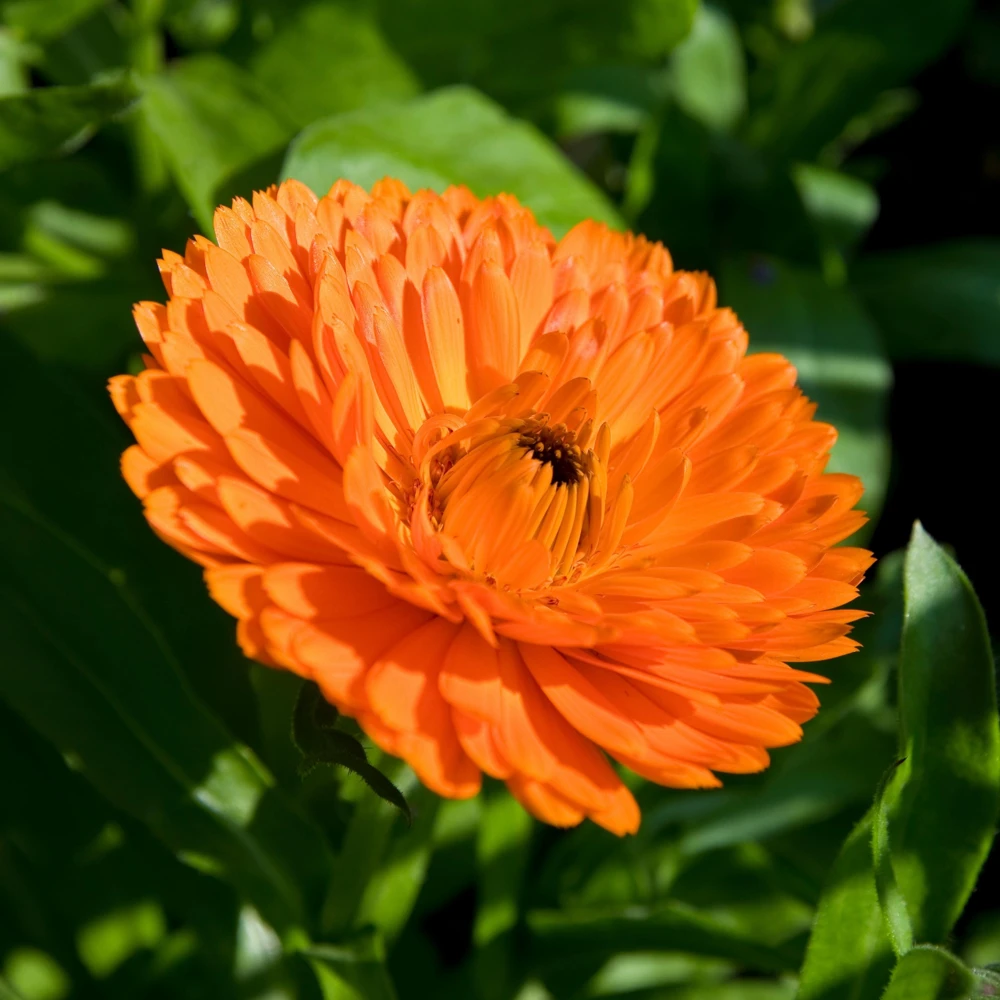
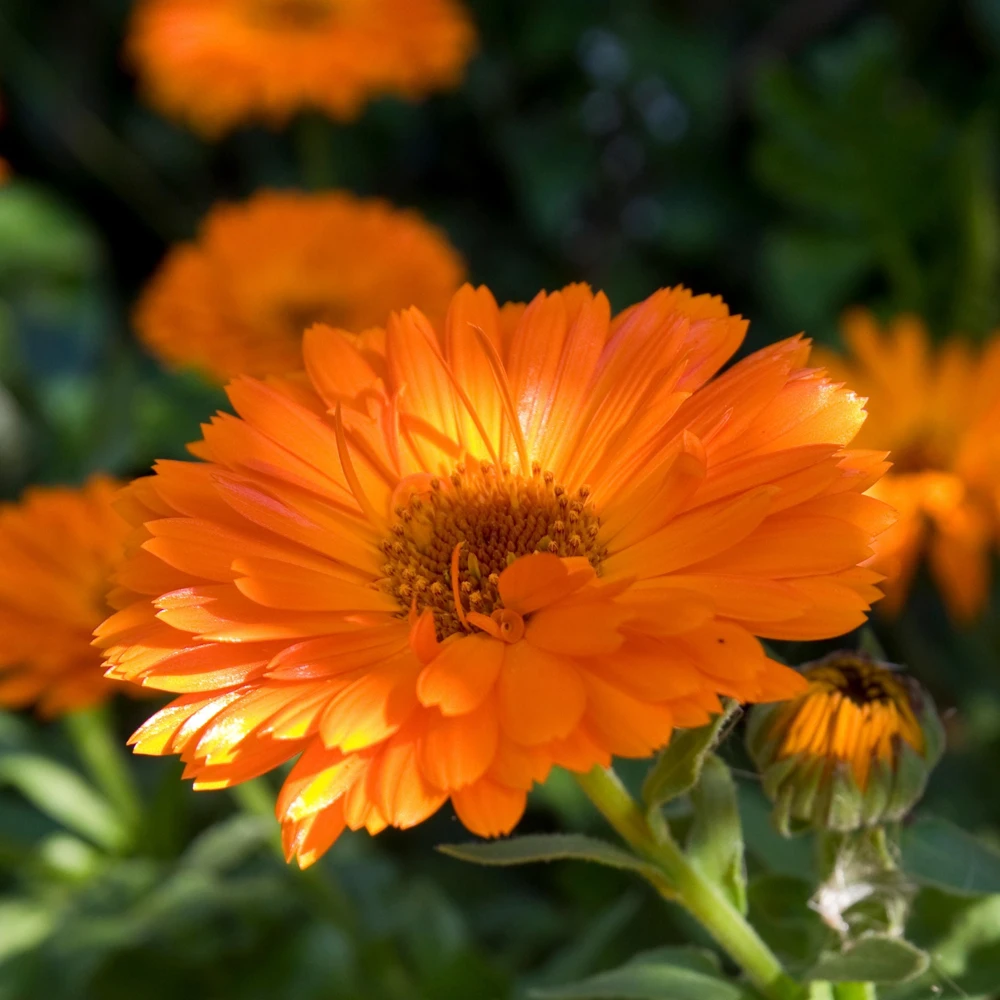
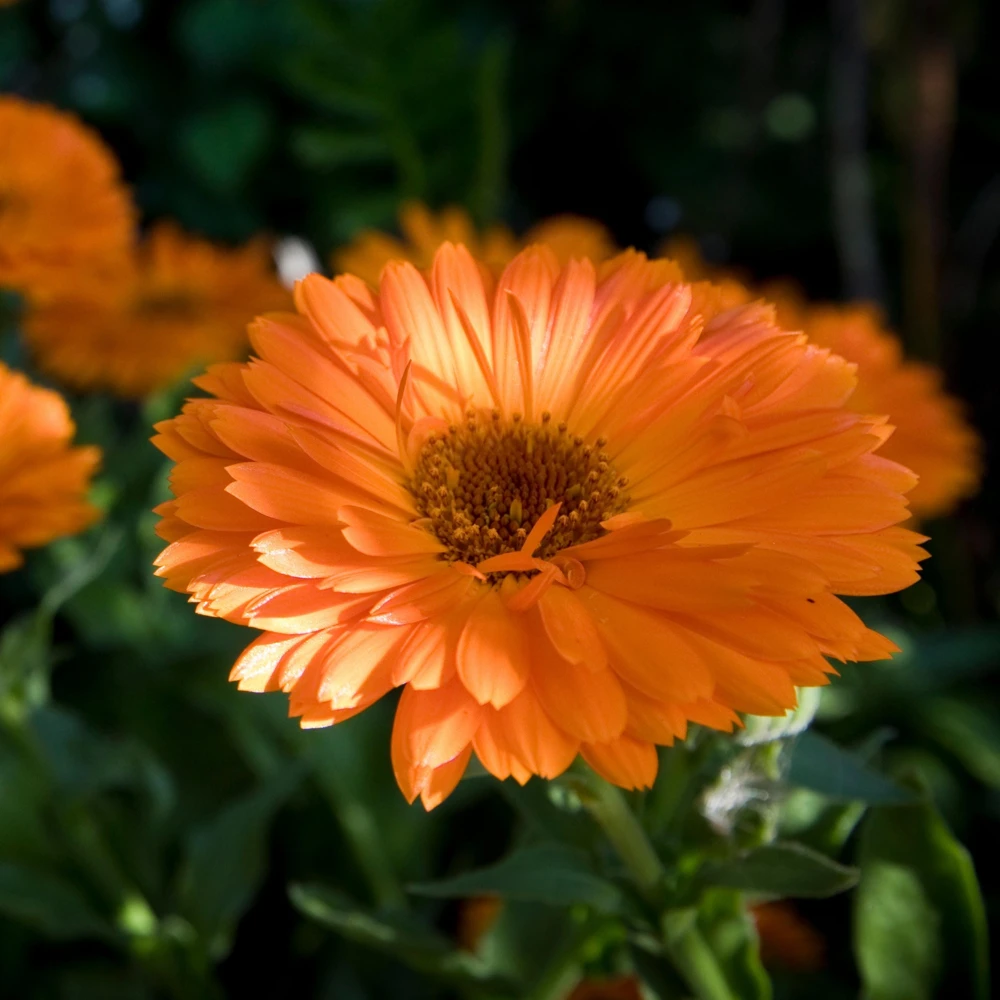
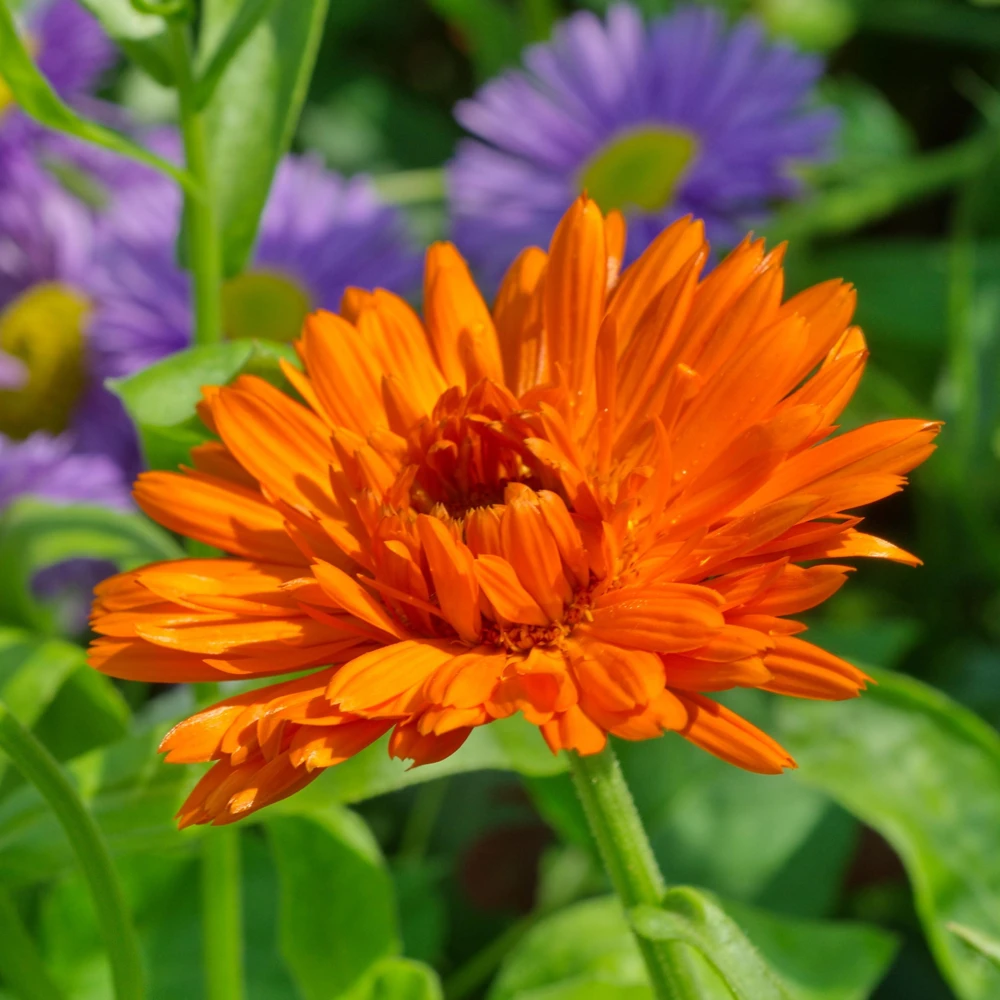
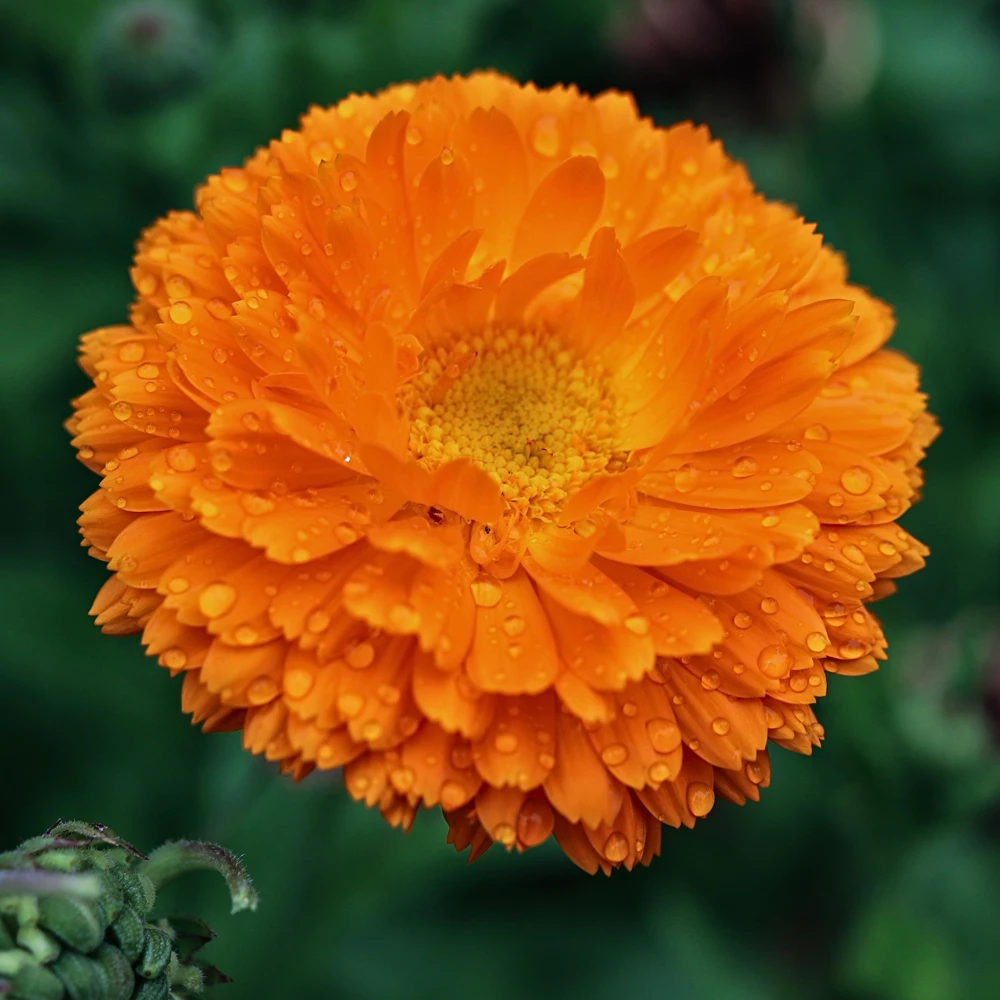
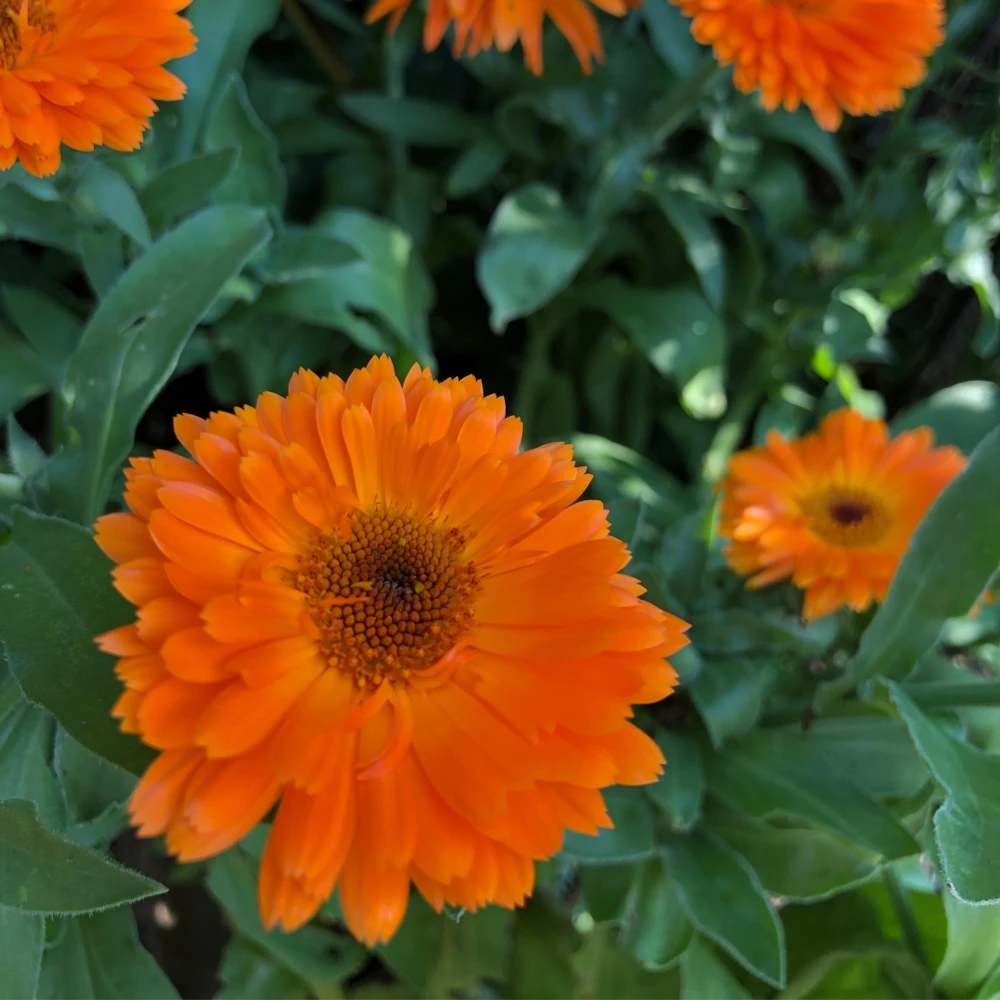
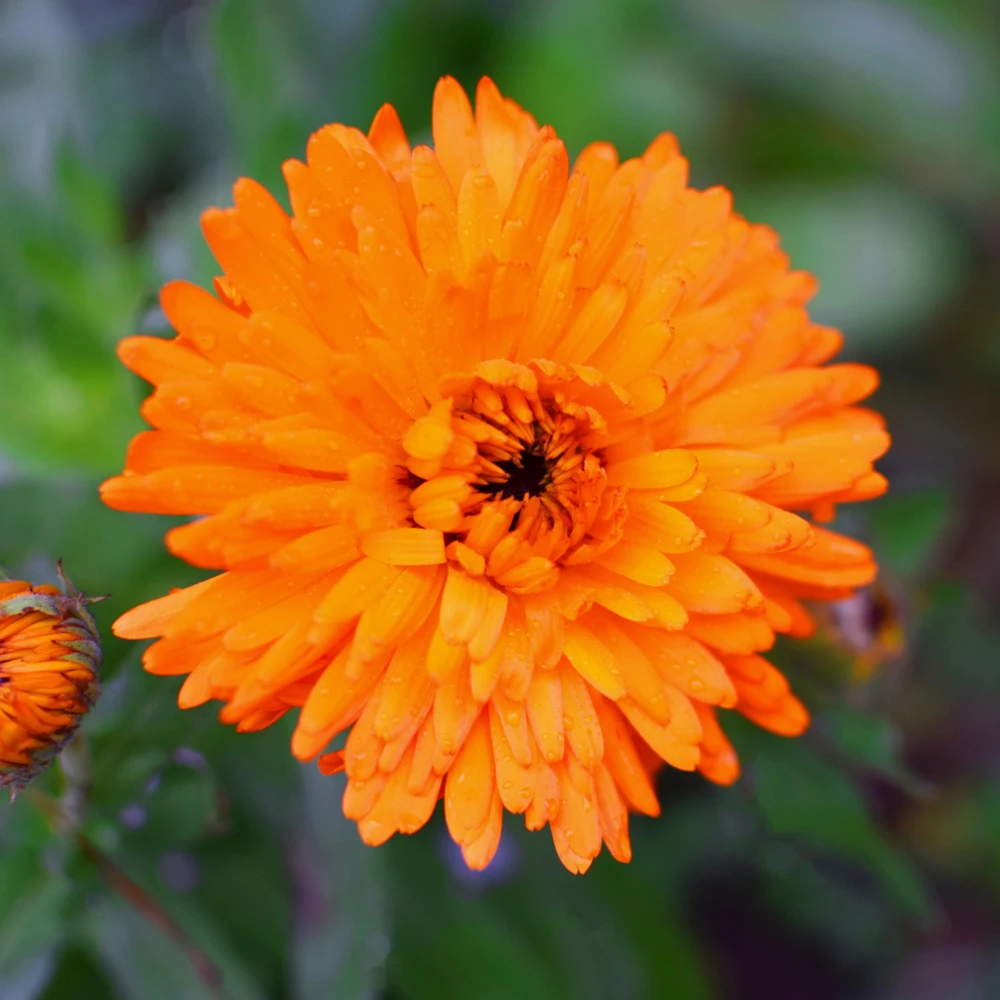
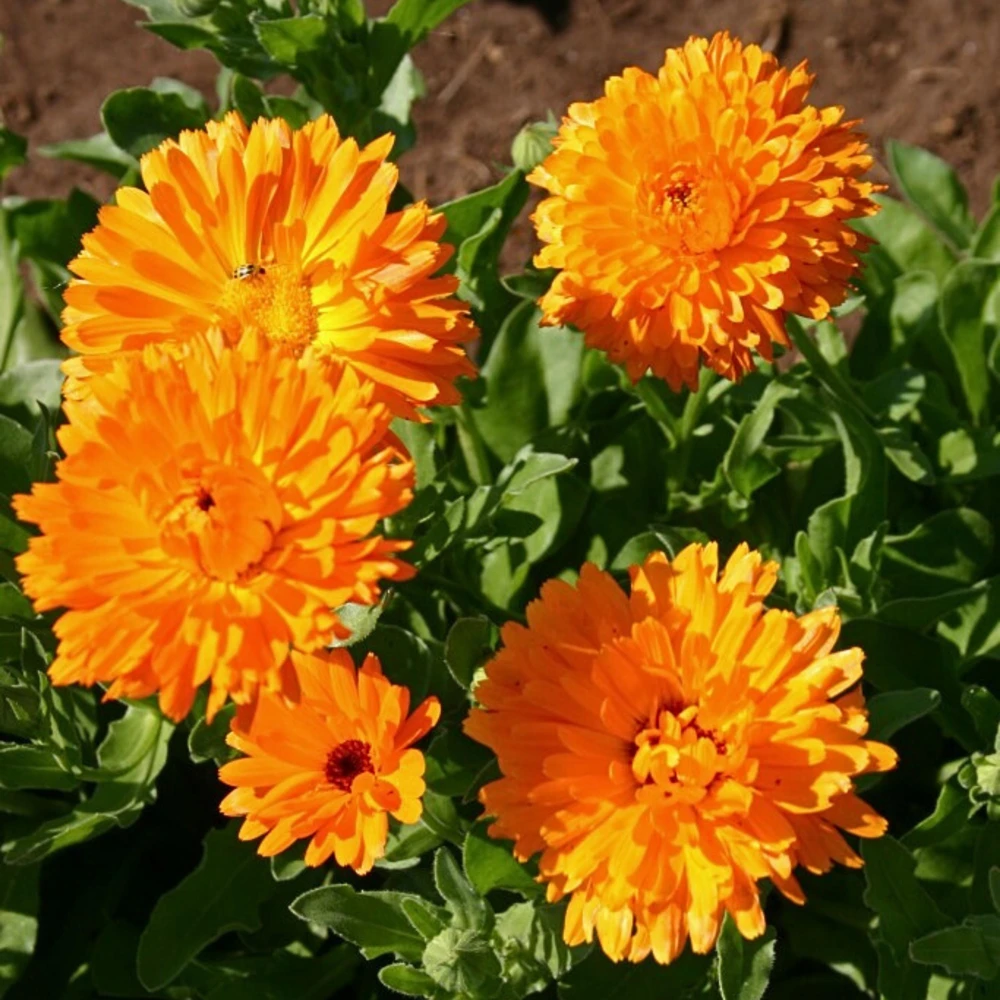
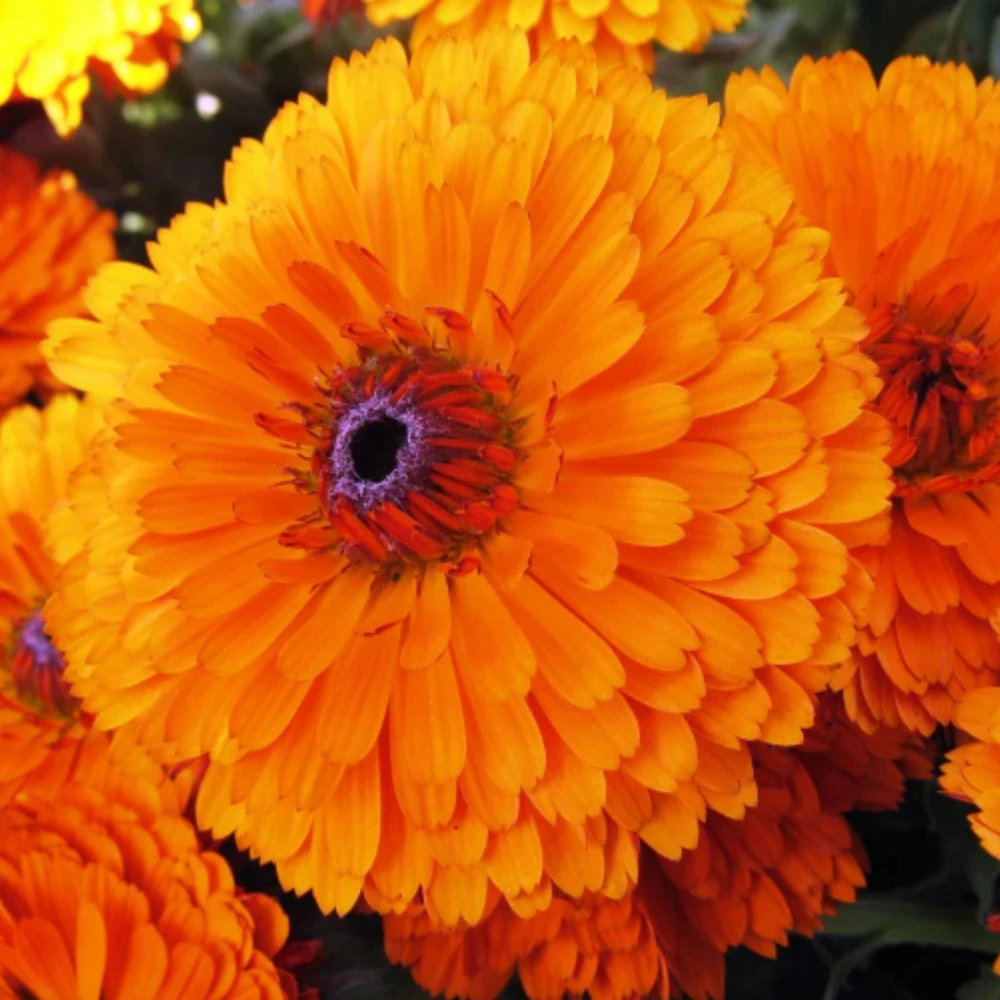
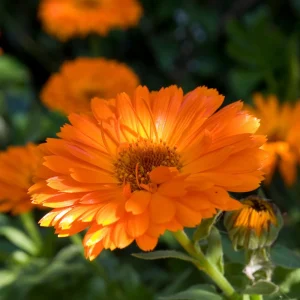
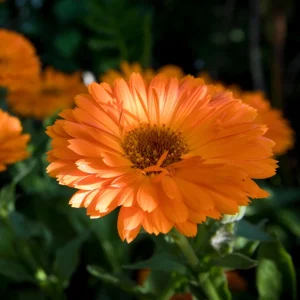
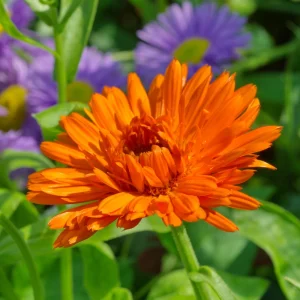
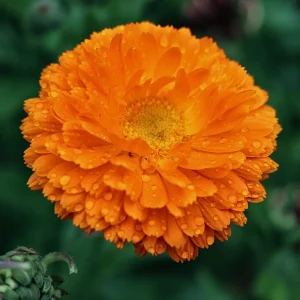
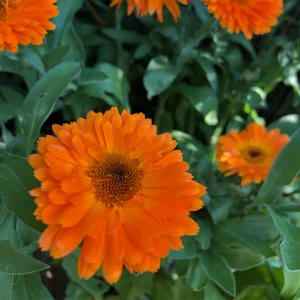
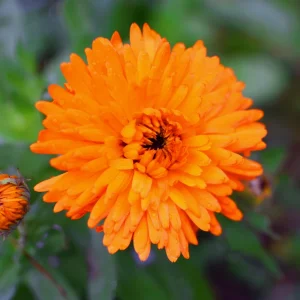
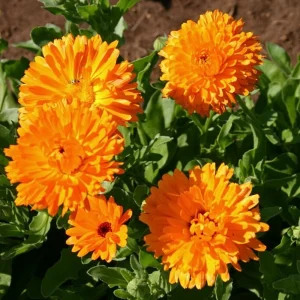
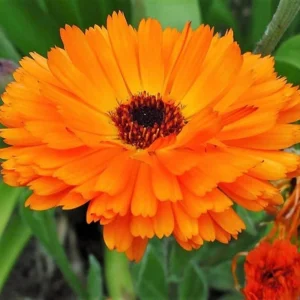
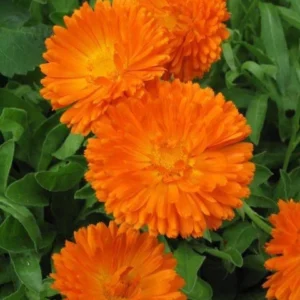
Cultivate a beautiful and beneficial garden with our calendula flower seeds. This pack contains 50 non-GMO, perennial seeds, perfect for creating a vibrant pollinator-friendly space or a healing herb garden. These easy-to-grow seeds produce stunning orange blooms known for their ornamental and medicinal qualities, making them a versatile addition to any home garden.
Original price was: $994.72.$497.36Current price is: $497.36.

With our Alive & Thrive Guarantee, we’ve got your back for the first 30 days! If you have any concerns about your plants, just reach out to us. Our team is here to help answer your questions and guide you in selecting the best plants for your garden, climate, and unique preferences. We're excited to help you create the garden of your dreams!
Estimated arrival
Oct 08
Oct 13 - Oct 15
Oct 18 - Oct 22

Product Details
-
USDA Hardiness Zone
USDA zones 2-11 (as an annual; often self-seeds) -
Soil type
Well-draining soil -
Sunlight Exposure
Full sun to partial shade -
Expected Planting Period
Early spring to early summer
Overview
Transform your garden into a haven of beauty and utility with our premium calendula flower seeds. Each pack contains 50 high-quality, non-GMO seeds, ready to bring vibrant orange hues and a wealth of benefits to your outdoor space. Calendula, also known as pot marigold, is a cherished annual herb, though it often self-seeds, giving the impression of a perennial in many climates. These easy-to-grow seeds are perfect for both seasoned gardeners and beginners, offering a rewarding experience as they blossom into cheerful, sun-kissed flowers. Ideal for creating a stunning visual display, attracting beneficial pollinators, or cultivating for its renowned medicinal properties, calendula is a truly versatile plant.
Known scientifically as Calendula officinalis, these bright flowers are a staple in organic and sustainable gardening practices. They thrive in various conditions and are a fantastic choice for adding continuous color from spring through fall. Beyond their aesthetic appeal, calendula flowers are celebrated for their uses in natural skincare, herbal remedies, and as edible garnishes. Discover the joy of nurturing these remarkable plants from seed to bloom, and enjoy the many gifts they bring to your home and garden.
Key Benefits
Our calendula flower seeds offer a multitude of advantages for any gardener, combining aesthetic appeal with practical applications. These versatile seeds are an excellent choice for enhancing your outdoor environment:
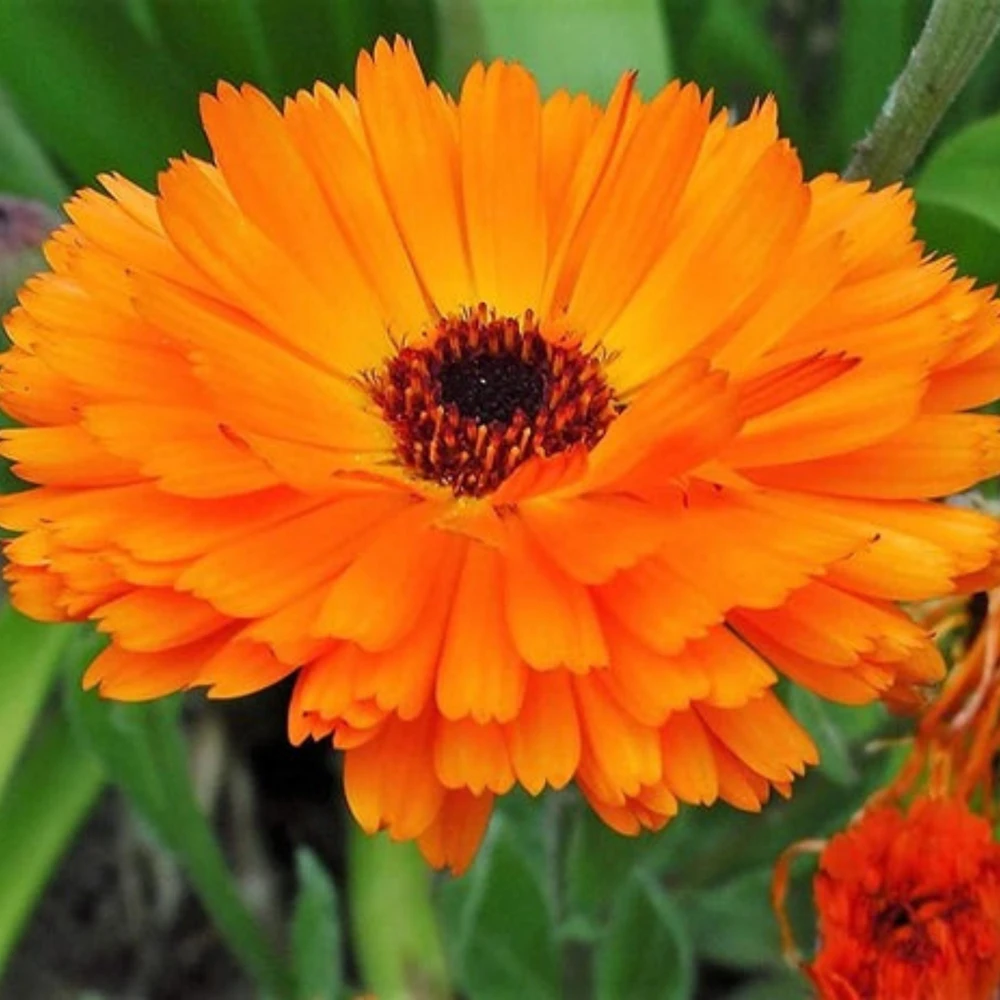
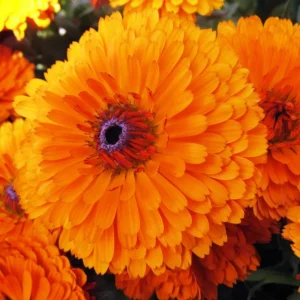
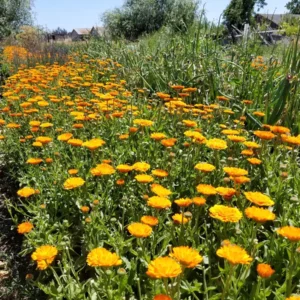
- Vibrant Ornamental Blooms: Enjoy a continuous display of cheerful orange and yellow flowers that brighten up garden beds, borders, and containers, providing long-lasting color throughout the growing season.
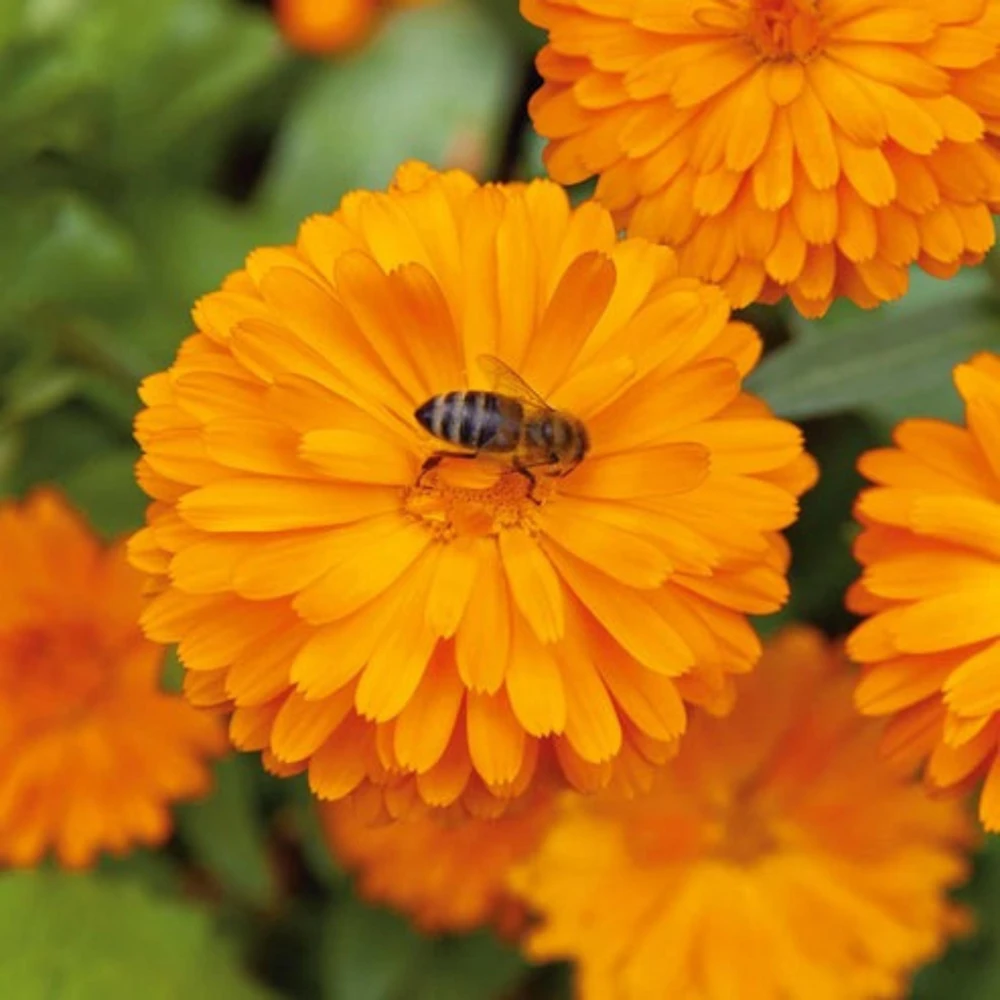
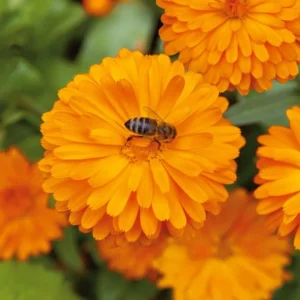
- Attracts Pollinators: Calendula flowers are a magnet for bees, butterflies, and other beneficial insects, making them an essential addition to any pollinator garden and supporting local ecosystems.
- Medicinal Herb Properties: Known for centuries for their healing qualities, calendula petals can be used to make soothing balms, tinctures, and teas, promoting skin health and general well-being. This makes them a valuable component for those interested in calendula medicinal uses.
- Edible Flowers: The petals are not only beautiful but also edible, adding a mild, peppery flavor and a pop of color to salads, desserts, and various culinary dishes. Learning to harvest and prepare edible calendula flowers is a delightful experience.
- Easy to Grow & Low Maintenance: These non-GMO seeds are remarkably forgiving and require minimal care once established, making them perfect for beginner gardeners or those seeking low-effort beauty.
- Drought Tolerant: Once mature, calendula plants exhibit good drought resistance, reducing the need for frequent watering and making them suitable for water-wise gardening.
- Natural Pest Repellent: Calendula can act as a companion plant, helping to deter certain garden pests, thus contributing to a healthier and more balanced garden ecosystem.
Plant Care & Growing Tips
Successfully cultivating calendula flower seeds is a straightforward and rewarding process. To ensure robust growth and abundant blooms, follow these detailed care instructions. Calendula prefers a location with full sun, meaning at least 6 hours of direct sunlight per day, but it can tolerate partial shade, especially in hotter climates where some afternoon shade can prevent scorching. Well-drained soil is crucial for calendula; while it’s tolerant of various soil types, rich, loamy soil amended with compost will yield the best results. Avoid heavy, waterlogged soils as this can lead to root rot.
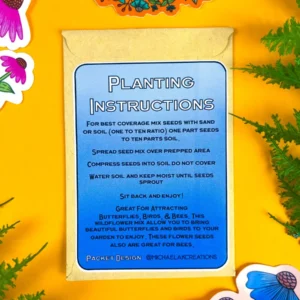
For planting, you can directly sow calendula seeds outdoors after the last frost in early spring, or start them indoors 6-8 weeks before the last frost for an earlier bloom. Sow seeds about 1/4 inch deep and cover lightly with soil. Keep the soil consistently moist during the germination period, which typically takes 7-14 days. Once seedlings emerge, thin them to about 8-12 inches apart to allow for proper air circulation and growth. Regular deadheading (removing spent flowers) is key to encouraging continuous blooming throughout the season. Calendula doesn’t require heavy feeding; a balanced, all-purpose fertilizer applied once a month during the growing season is sufficient. These resilient plants are generally pest-resistant, but occasionally aphids may appear; a natural insecticidal soap can effectively manage them. Learning how to grow calendula seeds successfully means enjoying their beauty and benefits for months.
In many regions, calendula will readily self-seed, ensuring new plants return year after year without additional effort, providing a sustainable and beautiful garden feature. This natural propagation contributes to the plant’s reputation as a reliable and easy-to-manage garden addition. For those looking for perennial flower seeds that behave like perennials in their garden, calendula is an excellent choice due to its strong self-seeding habits.
Size & Details
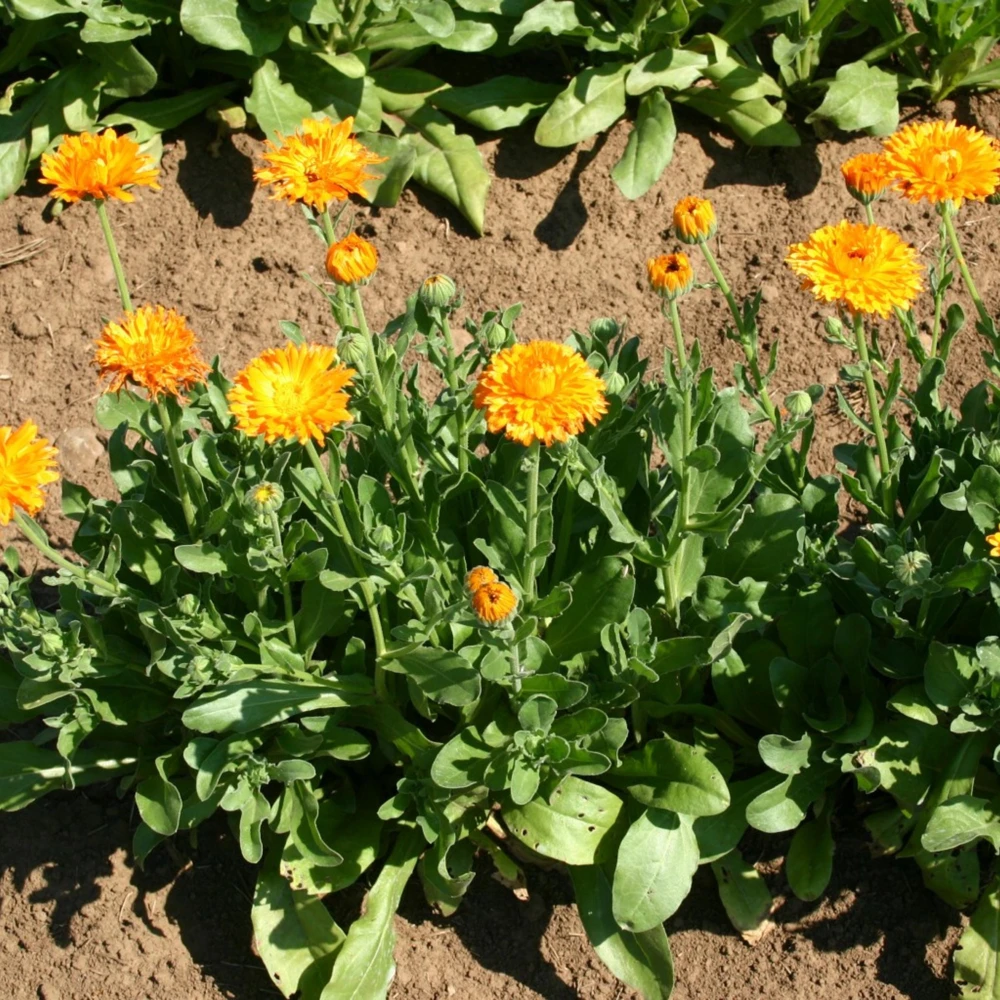
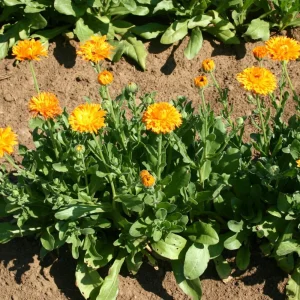
This product includes a pack of 50 premium calendula flower seeds, ensuring you have ample supply to cultivate a vibrant and extensive patch of these beautiful blooms. Each seed is non-GMO, promising a natural and healthy addition to your garden. Once established, calendula plants typically grow to a height of 12 to 24 inches (30-60 cm) and spread about 12 to 18 inches (30-45 cm) wide, forming bushy mounds of bright green foliage adorned with cheerful orange flowers. The flowers themselves usually measure 2-4 inches across. These seeds are shipped in a protective packet, ready for planting upon arrival. With proper care, you can expect blooms approximately 8-10 weeks after sowing, providing continuous color from late spring through fall.
Frequently Asked Questions
- Q: How many calendula flower seeds are included in one pack? A: Each pack contains 50 high-quality, non-GMO calendula flower seeds, providing a generous quantity for planting a beautiful garden bed or several containers.
- Q: Is calendula easy to grow for beginners? A: Yes, calendula is widely considered one of the easiest flowers to grow from seed. It’s forgiving and adaptable, making it an excellent choice for novice gardeners wanting to grow calendula seeds.
- Q: What are the primary uses for calendula flowers? A: Calendula flowers are versatile; they are excellent ornamentals, attract pollinators, have well-known calendula medicinal uses in skincare and herbal remedies, and their petals are safe and delicious as edible calendula flowers in culinary dishes.
- Q: Do these calendula seeds produce perennial plants? A: While botanically an annual, calendula often self-seeds prolifically in many climates, giving the impression of a perennial. For continuous blooms, consider planting these perennial flower seeds annually or allowing them to self-sow.
- Q: How much sunlight does calendula need? A: Calendula thrives in full sun, needing at least 6 hours of direct sunlight per day. It can tolerate partial shade, especially in hot afternoon sun, but may produce fewer blooms.
- Q: When is the best time to plant calendula seeds? A: You can sow calendula seeds directly outdoors after the last spring frost, or start them indoors 6-8 weeks prior to the last frost date for an earlier start.
- Q: What kind of soil does calendula prefer? A: Calendula prefers well-drained soil. While tolerant of various soil types, rich, loamy soil amended with compost will encourage the healthiest growth and most abundant flowers.
- Q: How often should I water calendula plants? A: Keep the soil consistently moist during germination. Once established, calendula is somewhat drought-tolerant but benefits from regular watering, especially during dry spells, to promote continuous blooming.
- Q: Can calendula be grown in containers? A: Absolutely! Calendula is an excellent choice for container gardening, adding vibrant color to patios, balconies, and window boxes. Just ensure the containers have good drainage.
- Q: Are calendula flowers safe for consumption? A: Yes, the petals of calendula flowers are edible and can be used to add color and a mild, peppery flavor to salads, soups, and other dishes.
Related products
-50%
Original price was: $47.96.$23.98Current price is: $23.98.
-50%

Original price was: $38.36.$19.18Current price is: $19.18.
-50%
Original price was: $21.56.$10.78Current price is: $10.78.
-50%
Original price was: $23.96.$11.98Current price is: $11.98.
-50%
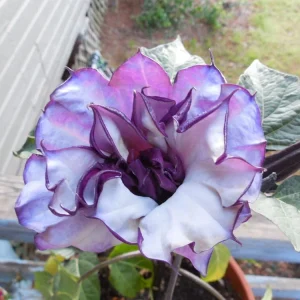
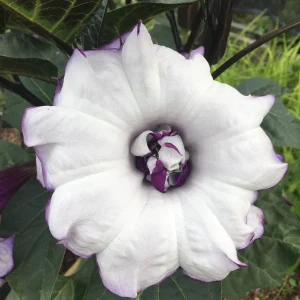
From Original price was: $55.60.$27.80Current price is: $27.80.
-50%
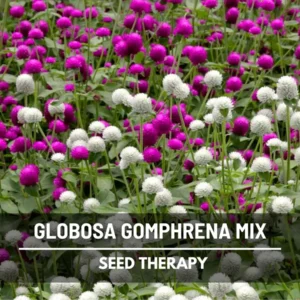
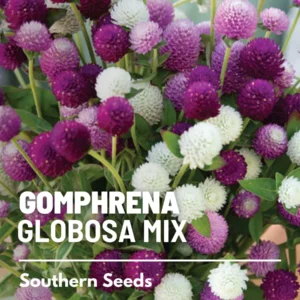
Original price was: $7.98.$3.98Current price is: $3.98.
-50%
Original price was: $23.96.$11.98Current price is: $11.98.
-50%
From Original price was: $63.60.$31.80Current price is: $31.80.
PLANTING & CARE
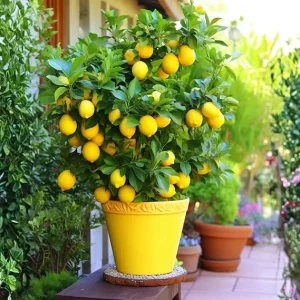
Lemon Tree Growing: Choose, Plant, and Harvest
Learn how to choose, plant, feed, and protect a lemon tree so it fits your
23
Sep
Sep
Dwarf Meyer Lemon Tree Australia: Climate Guide
Learn where dwarf Meyer lemon trees grow, how much cold they tolerate, and whether Australia,
Where to Buy a Dwarf Meyer Lemon Tree: Buyer’s Guide
Find the right dwarf Meyer lemon tree online or locally, compare starter sizes and costs,
Dwarf Meyer Lemon Tree for Sale: Buying Guide
Compare Meyer lemon tree sizes, prices, shipping limits, indoor growing and California options before you
Dwarf Meyer Lemon Tree Guide: Size, Care and Fruit
META: Learn how large a dwarf Meyer lemon tree grows, where it thrives, and how
How to Prune a Dwarf Meyer Lemon Tree
Learn when and how to prune a dwarf Meyer lemon tree, including tools, shaping cuts,
Can You Grow a Dwarf Meyer Lemon Tree in a Pot?
META: Learn how to grow a dwarf Meyer lemon tree in a pot, including container
When Do Dwarf Meyer Lemon Trees Bloom and Fruit?
META: Dwarf Meyer lemon trees usually bloom from winter through spring and may flower again