Organic Catnip Live Plant – Nepeta cataria Starter Plant – 3 inch Pot
Organic Catnip Live Plant – Nepeta cataria Starter Plant – 3 inch Pot
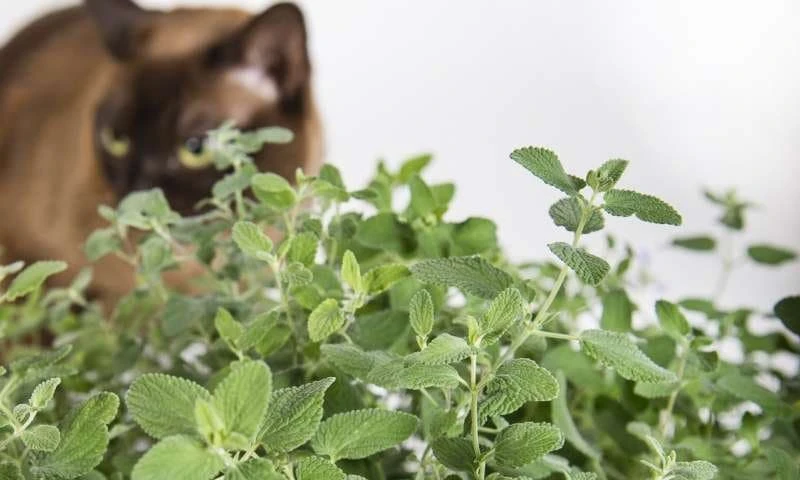
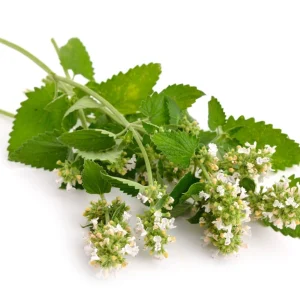
Bring home a healthy organic catnip live plant (Nepeta cataria) in a 3-inch pot. This vigorous catnip starter plant is perfect for engaging your feline friends, providing fresh leaves rich in nepetalactone to delight them. Easy to grow indoors or outdoors, it’s a wonderful addition to any herb garden or windowsill.
$33.98

With our Alive & Thrive Guarantee, we’ve got your back for the first 30 days! If you have any concerns about your plants, just reach out to us. Our team is here to help answer your questions and guide you in selecting the best plants for your garden, climate, and unique preferences. We're excited to help you create the garden of your dreams!
Estimated arrival
Oct 08
Oct 13 - Oct 15
Oct 18 - Oct 22
Product Details
-
USDA Hardiness Zone
USDA zones 3-9 -
Soil type
Well-draining, slightly sandy loam -
Sunlight Exposure
Full sun to partial shade -
Expected Planting Period
Year-round indoors; spring to early summer outdoors
Overview
Introduce your feline companions to the irresistible allure of a fresh organic catnip live plant. This healthy starter plant, scientifically known as Nepeta cataria, is a member of the mint family, renowned for its captivating effect on most domestic cats. Our nepeta cataria plant arrives as a well-rooted specimen in a 3-inch pot, ready to thrive in your home or garden. Catnip produces nepetalactone, a natural compound that, when released, can induce playful and euphoric reactions in many cats. Growing your own catnip ensures a fresh, organic supply, free from pesticides and chemicals, offering a safe and stimulating treat for your beloved pets. This versatile herb is also known for its attractive grayish-green foliage and can be a charming addition to an herb garden or as an indoor potted plant.
Whether you’re looking to provide endless entertainment for your cat or simply enjoy growing a unique herb, this organic catnip live plant is an excellent choice. It’s a robust and relatively low-maintenance plant, making it suitable for gardeners of all experience levels. Get ready to watch your cats enjoy their very own fresh supply of natural enrichment with this delightful plant.
Key Benefits
Growing your own catnip offers a multitude of benefits for both you and your pets. This catnip starter plant is not only a source of joy for cats but also contributes to a healthier home environment. Here are some key advantages:
- Natural Feline Enrichment: Provides a safe and stimulating natural treat for cats, encouraging playfulness, exercise, and relaxation. The nepetalactone in catnip can have a calming or energizing effect, depending on the individual cat.
- Organic & Safe: Cultivate your own organic catnip live plant to ensure a pesticide-free product, giving you peace of mind about what your pets are consuming.
- Easy to Grow: Catnip is a hardy and forgiving plant, making it an ideal choice for both novice and experienced gardeners. It adapts well to various conditions, thriving with minimal fuss.
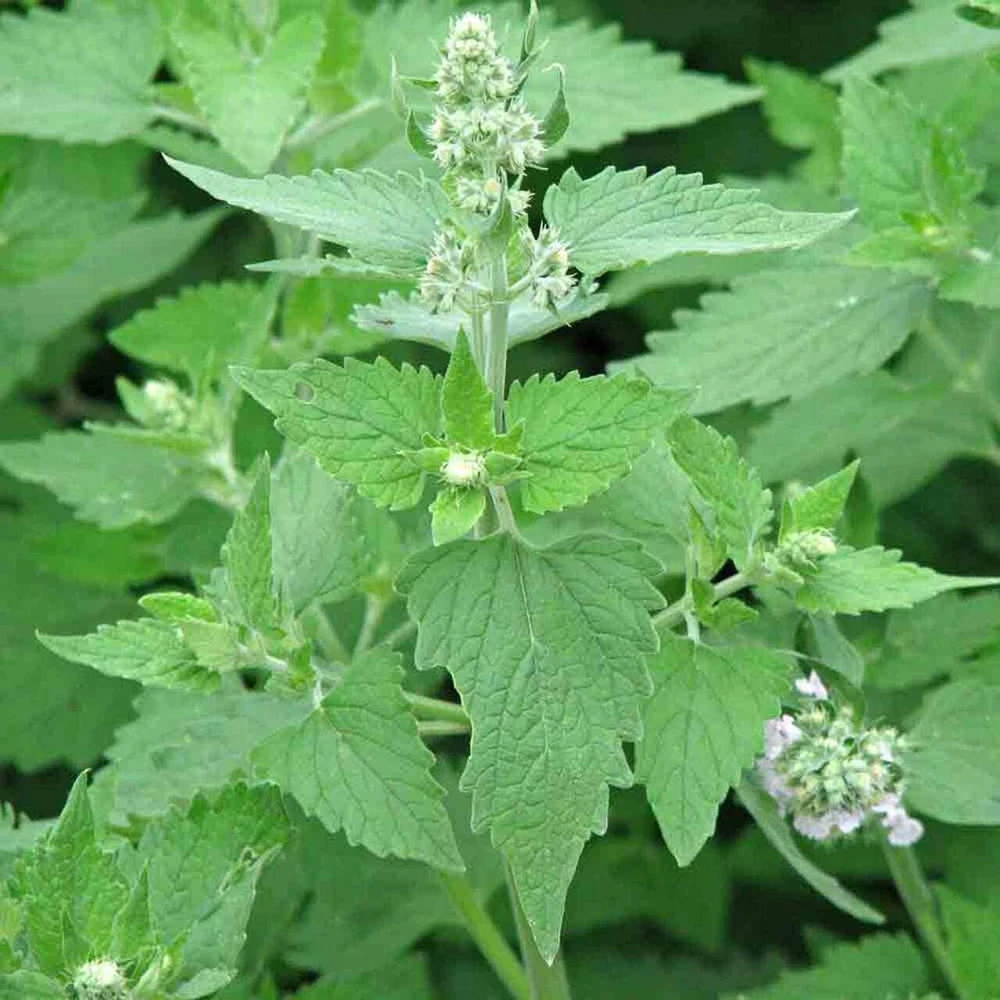
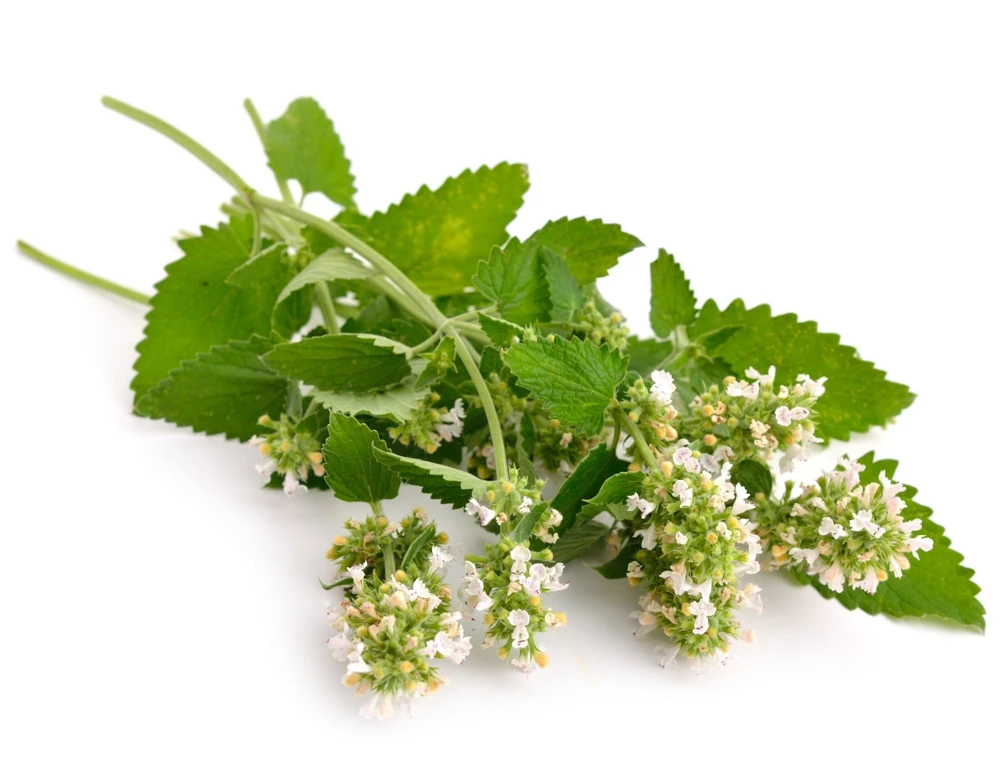
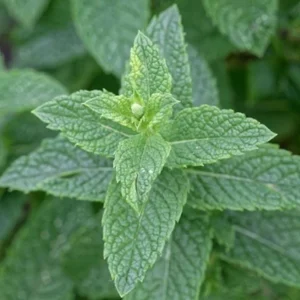
- Aromatic & Decorative: Beyond its effects on cats, the nepeta cataria plant emits a pleasant minty aroma and features attractive grayish-green, heart-shaped foliage, enhancing the sensory appeal of your garden or home.
- Versatile Usage: Fresh catnip leaves can be offered directly to cats, dried for later use in toys, or even brewed into a mild herbal tea for humans (consult a doctor before consuming).
- Supports Pollinators: When allowed to flower, catnip can attract beneficial pollinators like bees to your garden, contributing to local biodiversity.
- Cost-Effective: Growing your own catnip is a more economical alternative to frequently purchasing dried catnip products from stores.
Plant Care & Growing Tips
Caring for your organic catnip live plant is straightforward, making it an excellent choice for gardeners of all skill levels. To ensure your nepeta cataria plant thrives, understanding its basic needs is crucial. Catnip prefers a location with ample sunlight. For best results, aim for at least 6 hours of direct sunlight per day if grown outdoors. If growing indoors, place it near a bright, south-facing window or under a grow light to ensure it receives enough light. Insufficient light can lead to leggy growth and less potent leaves.
When it comes to watering, catnip is relatively drought-tolerant once established, but a consistent watering schedule will promote lush growth. Allow the top inch or two of soil to dry out completely between waterings to prevent root rot. Overwatering is a common issue, so ensure your pot has good drainage. A well-draining potting mix is essential for container-grown plants. For outdoor planting, ensure your garden soil is not overly heavy or compacted. Catnip can tolerate a range of soil types but prefers well-draining, slightly sandy loam with a pH between 6.0 and 7.5. Fertilize sparingly; an all-purpose organic liquid fertilizer diluted to half strength once a month during the growing season (spring and summer) is usually sufficient. Avoid over-fertilizing, as this can reduce the potency of the nepetalactone.
Catnip is a hardy perennial, typically thriving in USDA zones 3-9. It can withstand a wide range of temperatures but will go dormant in colder climates and re-emerge in spring. Indoors, maintain average room temperatures between 65-75°F (18-24°C). Pruning is beneficial to encourage bushier growth and prevent the plant from becoming leggy. Pinch back the stems regularly, especially after flowering, to promote new growth and maximize the production of nepetalactone. Regularly harvesting leaves for your cats will also serve as a form of pruning, keeping the plant healthy and productive. Watch out for common pests like aphids or spider mites, which can be managed with organic insecticidal soap or neem oil. With proper care, your catnip starter plant will provide years of enjoyment for your feline friends.
Size & Details
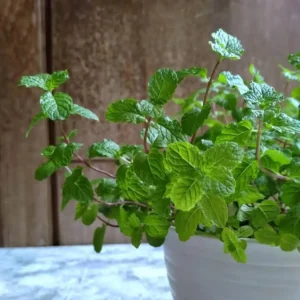
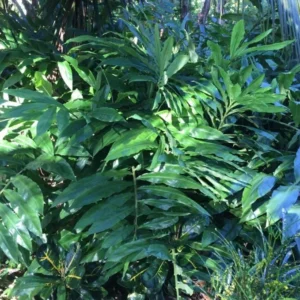
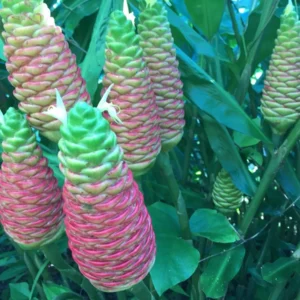
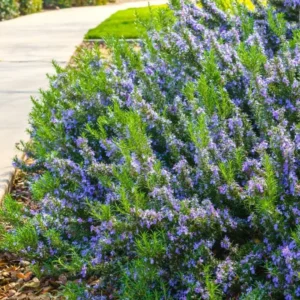
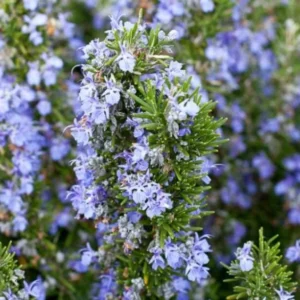
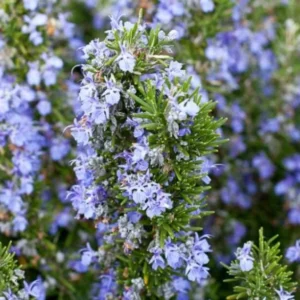
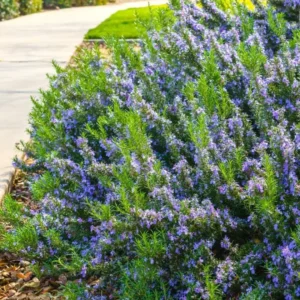
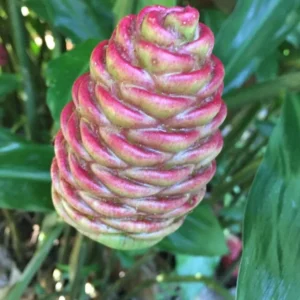
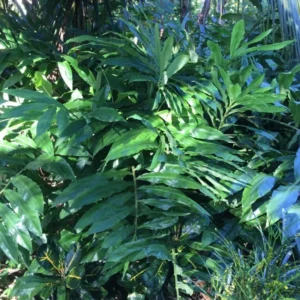
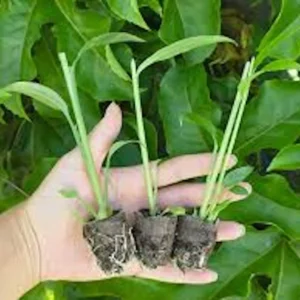
This offering is for one healthy, well-rooted organic catnip live plant. Each plant is carefully cultivated and shipped in a 3-inch nursery pot, ensuring it arrives ready for transplanting into a larger container or directly into your garden. At the time of shipping, the plant typically stands approximately 4-6 inches tall, with established root systems that will quickly adapt to its new environment. While the pictures shown are often of mature plants, your starter plant will be a robust young specimen poised for vigorous growth. The nepeta cataria plant is a fast grower and can reach a mature height of 2-3 feet and a similar spread under ideal conditions. It is a perennial herb, meaning it will return year after year in suitable climates, offering a continuous supply of fresh catnip. Expect to begin harvesting leaves within a few weeks of planting, and it will typically flower from late spring through fall.
Frequently Asked Questions
- Q: How big does this catnip plant get? A: A mature organic catnip live plant can reach heights of 2-3 feet and spread similarly wide, forming a bushy perennial. Regular pruning and harvesting can help manage its size.
- Q: What size pot does it come in? A: Your catnip starter plant will arrive in a standard 3-inch nursery pot, with a healthy root ball ready for transplanting.
- Q: Is this an indoor or outdoor plant? A: The nepeta cataria plant is versatile and can thrive both indoors in a sunny spot or outdoors in a garden bed, provided it receives adequate sunlight and care.
- Q: How much sunlight does it need? A: Catnip prefers full sun, meaning at least 6 hours of direct sunlight daily for optimal growth and potency. Indoors, a south-facing window is ideal.
- Q: Is this plant easy to care for? A: Yes, catnip is known for being a very easy-to-care-for plant. It’s tolerant of various conditions and is an excellent choice for beginners.
- Q: What condition will it arrive in? A: We guarantee that your organic catnip live plant will arrive in good health, well-rooted, and carefully packaged to minimize stress during transit.
- Q: Is it shipped in soil? A: Yes, the plant is shipped in its 3-inch nursery pot with its original soil to ensure minimal disturbance to the root system during shipping.
- Q: Can I use catnip for cats right away? A: Once your catnip starter plant has settled into its new home and started showing new growth, you can begin harvesting a few leaves for your cats to enjoy.
- Q: What’s the best time to plant catnip? A: Catnip can be planted outdoors in spring after the last frost, or indoors year-round.
- Q: Will it survive winter in my zone? A: Catnip is a hardy perennial in USDA zones 3-9. In colder zones, it will die back to the ground in winter and regrow in spring, or you can bring potted plants indoors to overwinter.
Related products
-30%
Original price was: $67.98.$47.58Current price is: $47.58.
-50%
Original price was: $107.96.$53.98Current price is: $53.98.
-34%
Original price was: $75.72.$49.99Current price is: $49.99.
-30%
Original price was: $59.98.$41.98Current price is: $41.98.
-58%
Original price was: $39.99.$16.99Current price is: $16.99.
-67%
From Original price was: $35.22.$11.74Current price is: $11.74.
-50%

Original price was: $47.96.$23.98Current price is: $23.98.
-50%
Original price was: $53.98.$26.99Current price is: $26.99.
PLANTING & CARE
Lemon Tree Growing: Choose, Plant, and Harvest
Learn how to choose, plant, feed, and protect a lemon tree so it fits your
23
Sep
Sep
Dwarf Meyer Lemon Tree Australia: Climate Guide
Learn where dwarf Meyer lemon trees grow, how much cold they tolerate, and whether Australia,
Where to Buy a Dwarf Meyer Lemon Tree: Buyer’s Guide
Find the right dwarf Meyer lemon tree online or locally, compare starter sizes and costs,
Dwarf Meyer Lemon Tree for Sale: Buying Guide
Compare Meyer lemon tree sizes, prices, shipping limits, indoor growing and California options before you
Dwarf Meyer Lemon Tree Guide: Size, Care and Fruit
META: Learn how large a dwarf Meyer lemon tree grows, where it thrives, and how
How to Prune a Dwarf Meyer Lemon Tree
Learn when and how to prune a dwarf Meyer lemon tree, including tools, shaping cuts,
Can You Grow a Dwarf Meyer Lemon Tree in a Pot?
META: Learn how to grow a dwarf Meyer lemon tree in a pot, including container
When Do Dwarf Meyer Lemon Trees Bloom and Fruit?
META: Dwarf Meyer lemon trees usually bloom from winter through spring and may flower again