Organic Purple Fig Plant Seedling Live Plant – 6 inch Pot – 1-2 Years Old
-50%
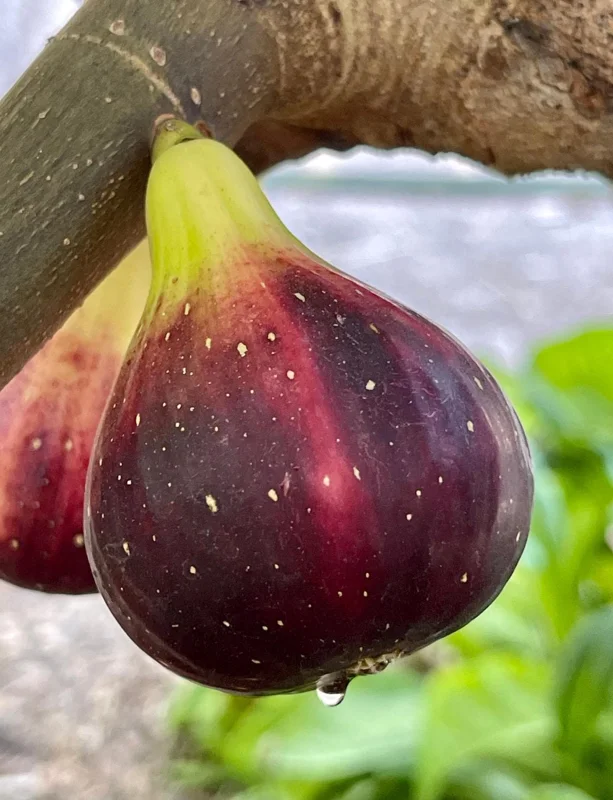
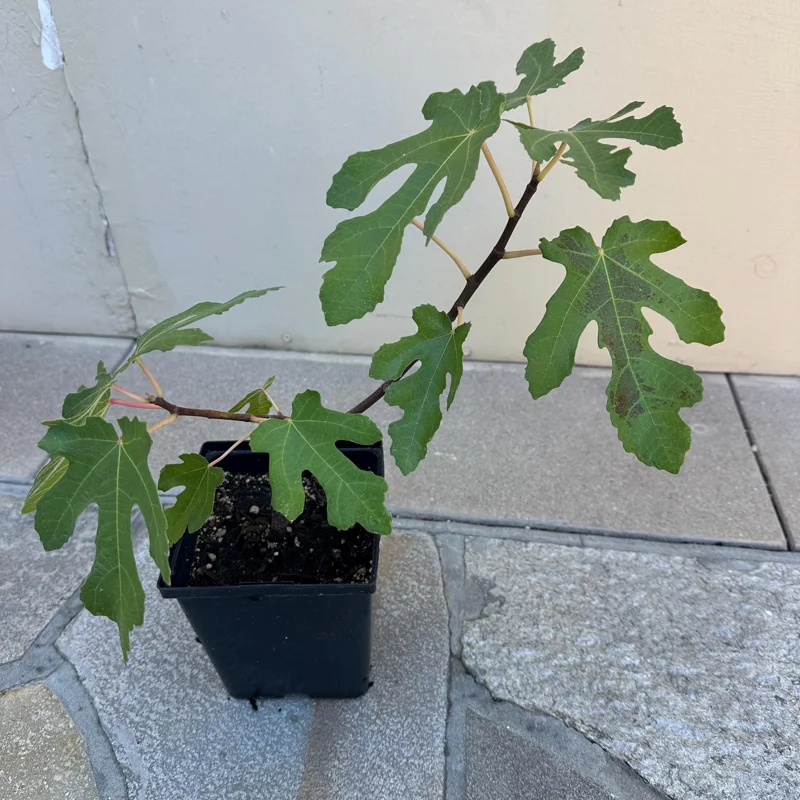
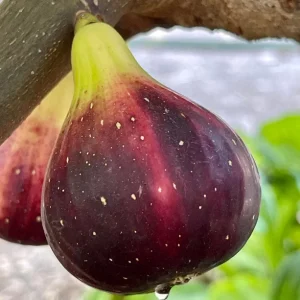
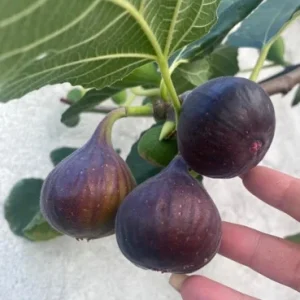
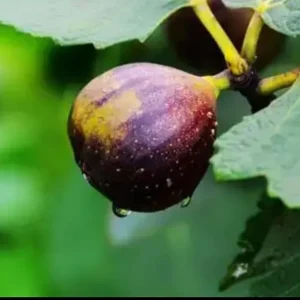
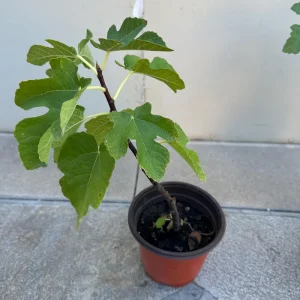
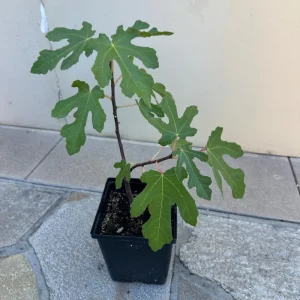
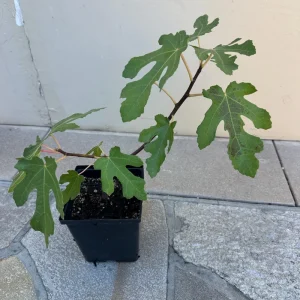
Organic Purple Fig Plant Seedling Live Plant – 6 inch Pot – 1-2 Years Old
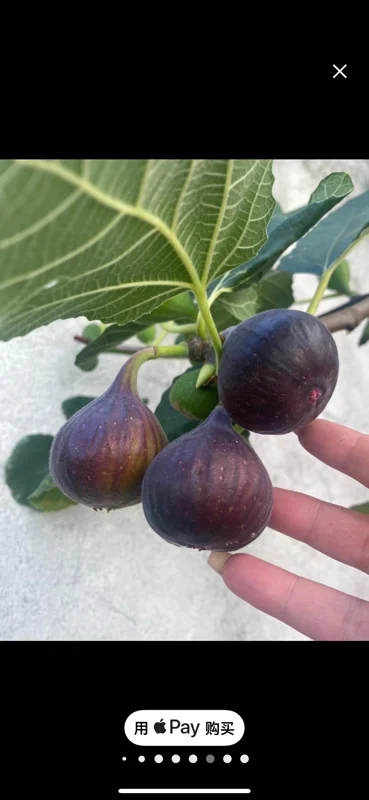
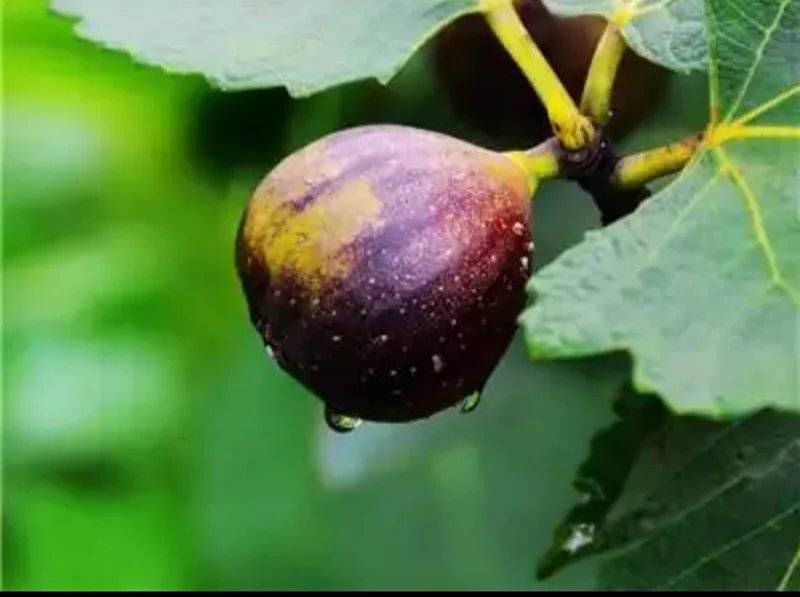
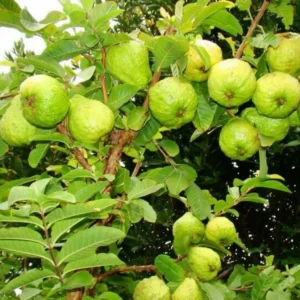
Bring the joy of home-grown fruit to your garden with this organic purple fig plant seedling. This healthy, 1-2 year old plant comes in a 6-inch pot, ready for planting. Enjoy sweet, juicy figs as early as next season with proper care. Perfect for pots, backyard planting, or greenhouses.
Original price was: $79.60.$39.80Current price is: $39.80.

With our Alive & Thrive Guarantee, we’ve got your back for the first 30 days! If you have any concerns about your plants, just reach out to us. Our team is here to help answer your questions and guide you in selecting the best plants for your garden, climate, and unique preferences. We're excited to help you create the garden of your dreams!
Estimated arrival
Oct 21
Oct 26 - Oct 28
Oct 31 - Nov 04
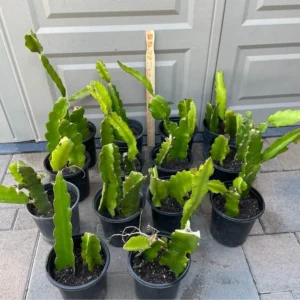
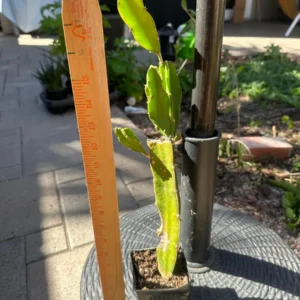
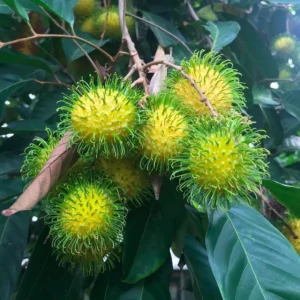
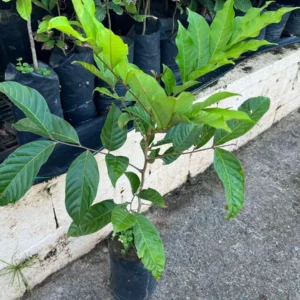
Product Details
-
USDA Hardiness Zone
USDA zones 7-10 (with winter protection in colder zones) -
Soil type
Well-draining soil -
Sunlight Exposure
Full sun (6-8 hours daily) -
Expected Planting Period
Spring to early summer
Overview
Cultivate your own delicious and nutritious fruit with this vibrant organic purple fig plant seedling. This healthy, well-developed live plant arrives ready for planting, offering the promise of fresh figs in your own backyard. Known for their sweet, juicy, and aromatic fruit, purple figs are a delightful addition to any edible garden. Whether you’re an experienced gardener or just starting, this fast-growing and easy-to-care-for fig variety is an excellent choice for home cultivation. The plant is 1-2 years old and comes in a convenient 6-inch pot, ensuring a strong start in its new home. Enjoy the satisfaction of harvesting your own organic fruit, perfect for fresh eating, preserves, or baking. This resilient plant is adaptable to various climates and can thrive in diverse settings, making it a versatile choice for many gardeners.
This particular organic purple fig plant is an ideal specimen for anyone looking to add a productive and ornamental element to their outdoor space. Its attractive foliage and delicious fruit make it a standout choice. With proper care, including adequate sunlight and water, you can look forward to enjoying its bounty. The robust root system ensures a smooth transition to your garden, setting the stage for a thriving fig tree. Experience the simple pleasure of growing your own food with this high-quality fig seedling.
Key Benefits
Investing in an organic purple fig plant offers a multitude of advantages for both your garden and your palate. These plants are not only productive but also add significant aesthetic value to your landscape. Here are some of the key benefits you can expect from your new fig seedling:
- High Fruit Quality: Produce your own sweet, juicy, and aromatic purple figs right at home. The rich flavor surpasses store-bought varieties, offering a truly gourmet experience.
- Fast-Growing & Easy Care: This seedling is known for its vigorous growth and requires minimal fuss once established, making it suitable for gardeners of all skill levels.
- Versatile Planting Options: Perfectly suited for growing in a large pot on your patio, integrating into your backyard garden, or cultivating within a greenhouse environment.
- Cold Hardy & Adaptable: The purple fig seedling demonstrates good resilience, adapting well to a range of climates, ensuring success in many regions.
- Potential for Early Fruiting: With proper care, especially for grafted varieties, you could enjoy your first harvest as early as the next growing season, providing quick gratification.
- Healthy & Well-Developed: Each plant comes with strong, established roots, ensuring a healthy start and robust growth in your garden.
- Organic & Sustainable: Grow your own organic fruit, free from synthetic pesticides and chemicals, contributing to a healthier lifestyle and environment.
Plant Care & Growing Tips
Caring for your organic purple fig plant is a rewarding experience that yields delicious results. Figs thrive with consistent attention, particularly regarding sunlight, water, and soil conditions. This plant prefers a location that receives full sun, meaning 6–8 hours of direct sunlight daily. In hotter climates, some afternoon shade can be beneficial to prevent scorching. For optimal growth and fruit production, ensure your fig tree is planted in well-draining soil. Figs do not tolerate waterlogging, which can lead to root rot. If planting in a pot, use a high-quality potting mix designed for fruit trees or general outdoor plants, ensuring the pot has adequate drainage holes.
Water your fig tree for sale regularly, especially during dry spells and when the plant is actively growing and fruiting. The soil should be kept consistently moist but not soggy. A good way to check is to feel the top inch or two of soil; if it feels dry, it’s time to water. Reduce watering in the dormant season. Fertilize lightly during the growing season (spring and summer) with a balanced, organic fertilizer. Avoid over-fertilizing, which can promote leafy growth at the expense of fruit production. Protecting your plant from extreme cold is essential, especially in colder USDA zones. Mulching around the base can help retain moisture and regulate soil temperature. Pruning can be done in late winter or early spring to maintain shape, remove dead branches, and encourage better fruit production.
This purple fig seedling is generally hardy, but young plants benefit from protection during their first winter in colder zones. Consider bringing potted figs indoors or providing winter protection for in-ground plants. Monitor for common pests and diseases, addressing any issues promptly with organic solutions. Proper air circulation is also important to prevent fungal issues. By following these care tips, your fig plant will flourish and provide you with abundant, sweet fruit for years to come.
Size & Details
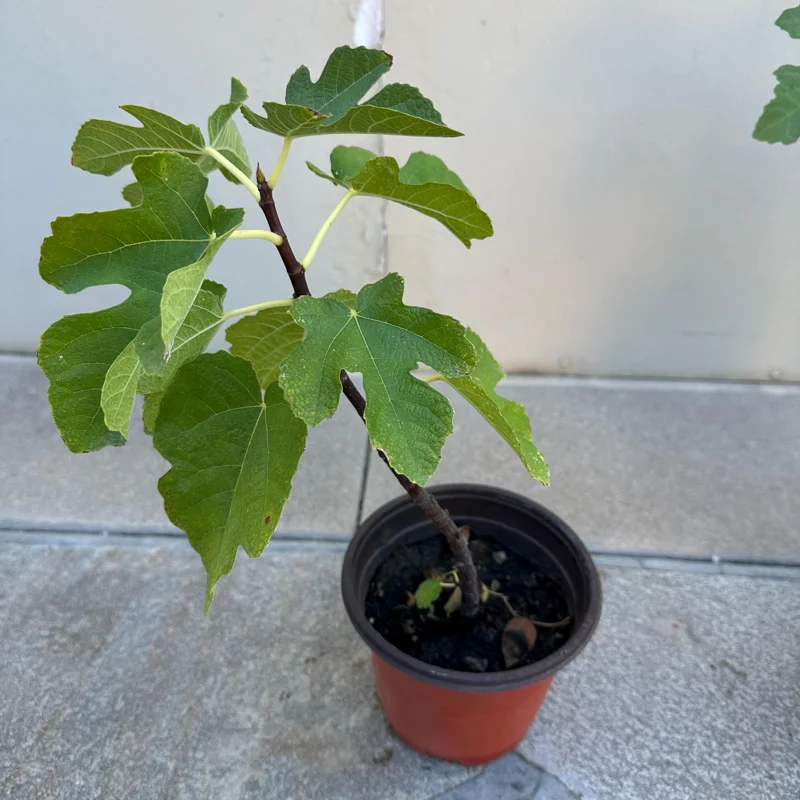
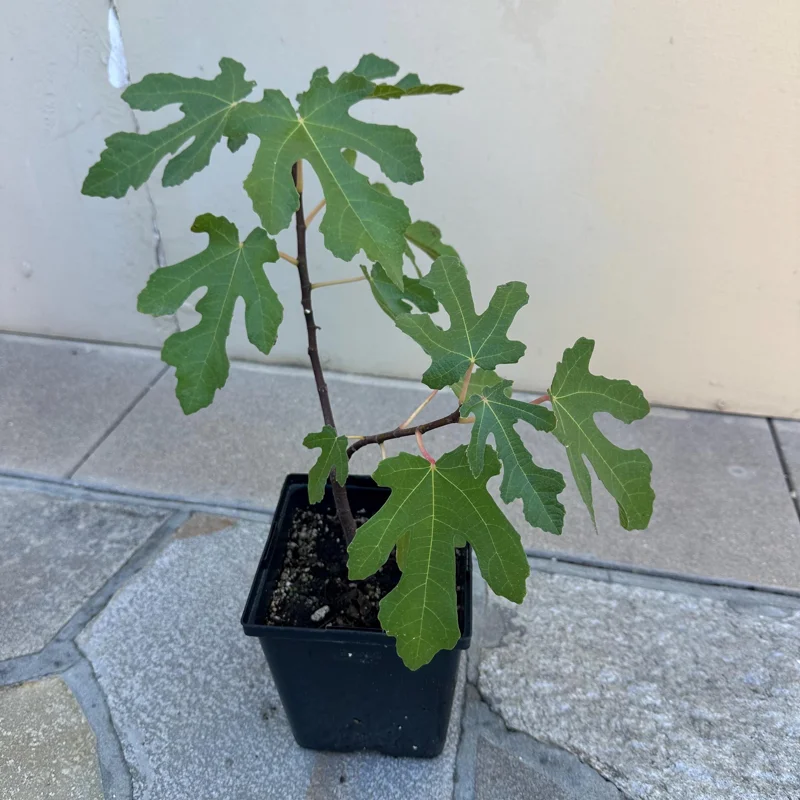
This organic purple fig plant is a healthy, established seedling, typically 1-2 years of age. It is supplied in a 6-inch nursery pot, providing a robust root system ready for transplanting. While plant height can naturally vary due to its living nature and the season, you can generally expect your seedling to be between 12 to 24 inches tall upon arrival. Grafted varieties, if selected, are known to produce fruit earlier and more consistently than non-grafted counterparts. This thoughtful preparation ensures that your growing fig trees will have the best possible start in your garden or container.
The mature size of a purple fig tree can range from 10 to 30 feet tall and wide, depending on the variety, climate, and pruning practices. When grown in containers, their size can be managed to remain more compact, making them ideal for patios and smaller spaces. Expect a moderate to fast growth rate under ideal conditions. This live plant offers a fantastic opportunity to cultivate your own fruit, transitioning from a young seedling to a productive fruit-bearing tree.
Frequently Asked Questions
- Q: How big does this purple fig plant get? A: This organic purple fig plant seedling arrives 12-24 inches tall in a 6-inch pot. Mature trees can reach 10-30 feet tall and wide, but can be kept smaller with pruning or container growing.
- Q: Is this an indoor or outdoor plant? A: While young plants can be started indoors, the purple fig seedling is primarily an outdoor plant. It thrives in full sun and is suitable for backyard planting, patio containers, or greenhouses.
- Q: How much sunlight does it need? A: Fig plants require at least 6-8 hours of direct sunlight daily to produce the best fruit. Choose a sunny location for planting.
- Q: Is this plant easy to care for? A: Yes, this fig seedling is considered fast-growing and relatively easy to care for, making it suitable for both experienced and novice gardeners. Consistent watering and adequate sunlight are key.
- Q: What condition will it arrive in? A: Your fig tree for sale will be shipped with its roots protected and securely packaged to ensure it arrives in a healthy, ready-to-grow condition.
- Q: When is the best time to plant this fig seedling? A: The best time to plant a fig seedling is typically in spring after the last frost, or in early fall in warmer climates, allowing it time to establish before extreme temperatures.
- Q: Can I grow this fig tree in a pot? A: Absolutely! This purple fig seedling is well-suited for container growing, making it an excellent choice for patios, balconies, or for those who wish to move their plant indoors during winter in colder regions.
- Q: How long until it produces fruit? A: With proper care, especially if it’s a grafted variety, your fig plant may begin producing fruit as early as the next growing season. Non-grafted plants may take a bit longer.
- Q: What kind of soil does a fig plant prefer? A: Figs prefer well-draining soil. If planting in the ground, amend heavy clay soils with organic matter. For pots, use a good quality potting mix that drains well.
- Q: Will it survive winter in my climate? A: This fig variety is cold hardy and adaptable to many climates. In colder zones, potted plants can be moved indoors, and in-ground plants may benefit from winter protection like mulching or wrapping. Consult your local USDA hardiness zone for specific guidance on growing fig trees in your area.
Related products
-20%
Original price was: $56.00.$44.80Current price is: $44.80.
-20%
Original price was: $36.00.$28.80Current price is: $28.80.
-20%
Original price was: $32.00.$25.60Current price is: $25.60.
-49%
Original price was: $59.38.$29.99Current price is: $29.99.
-50%
Original price was: $39.98.$19.99Current price is: $19.99.
-20%
Original price was: $80.00.$64.00Current price is: $64.00.
PLANTING & CARE
Lemon Tree Growing: Choose, Plant, and Harvest
Learn how to choose, plant, feed, and protect a lemon tree so it fits your
23
Sep
Sep
Dwarf Meyer Lemon Tree Australia: Climate Guide
Learn where dwarf Meyer lemon trees grow, how much cold they tolerate, and whether Australia,
Where to Buy a Dwarf Meyer Lemon Tree: Buyer’s Guide
Find the right dwarf Meyer lemon tree online or locally, compare starter sizes and costs,
Dwarf Meyer Lemon Tree for Sale: Buying Guide
Compare Meyer lemon tree sizes, prices, shipping limits, indoor growing and California options before you
Dwarf Meyer Lemon Tree Guide: Size, Care and Fruit
META: Learn how large a dwarf Meyer lemon tree grows, where it thrives, and how
How to Prune a Dwarf Meyer Lemon Tree
Learn when and how to prune a dwarf Meyer lemon tree, including tools, shaping cuts,
Can You Grow a Dwarf Meyer Lemon Tree in a Pot?
META: Learn how to grow a dwarf Meyer lemon tree in a pot, including container
When Do Dwarf Meyer Lemon Trees Bloom and Fruit?
META: Dwarf Meyer lemon trees usually bloom from winter through spring and may flower again