Oxalis Obtusa Baby Face Bulbs – Pink, Peach, Yellow Flowers – Late Flowering Oxalis
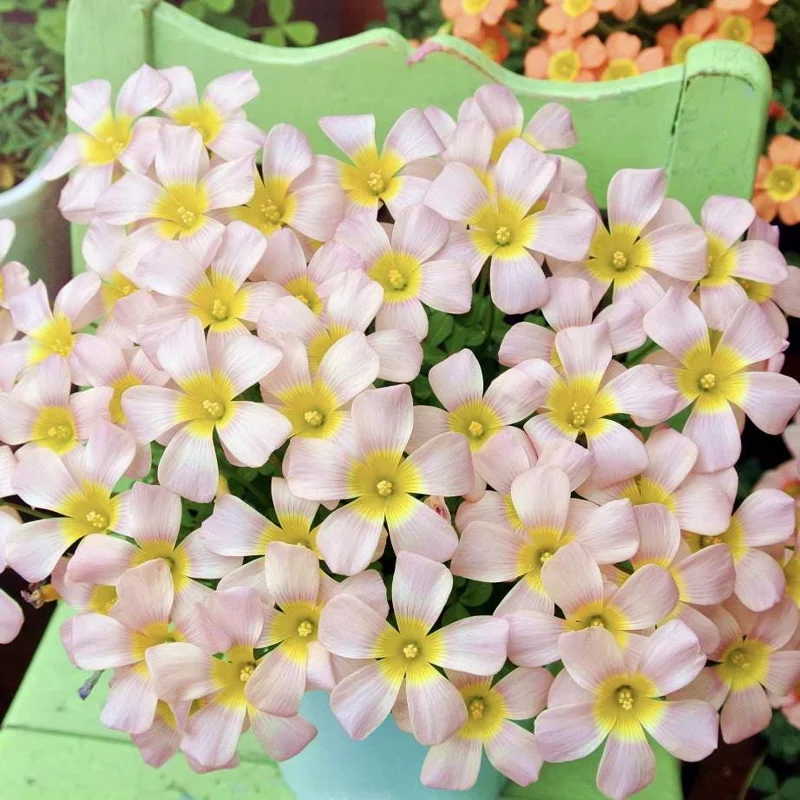
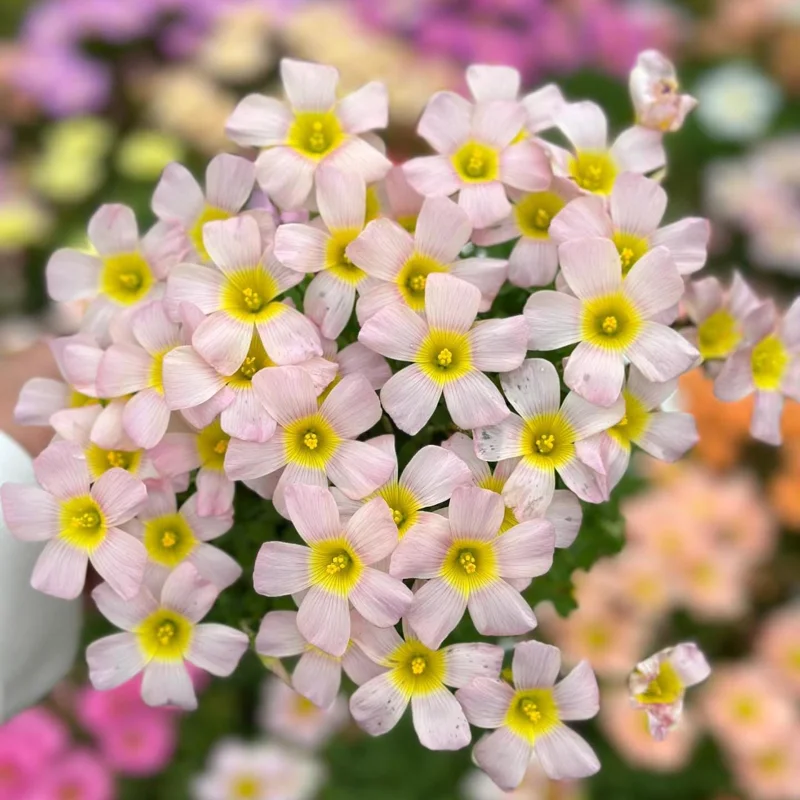
Oxalis Obtusa Baby Face Bulbs – Pink, Peach, Yellow Flowers – Late Flowering Oxalis
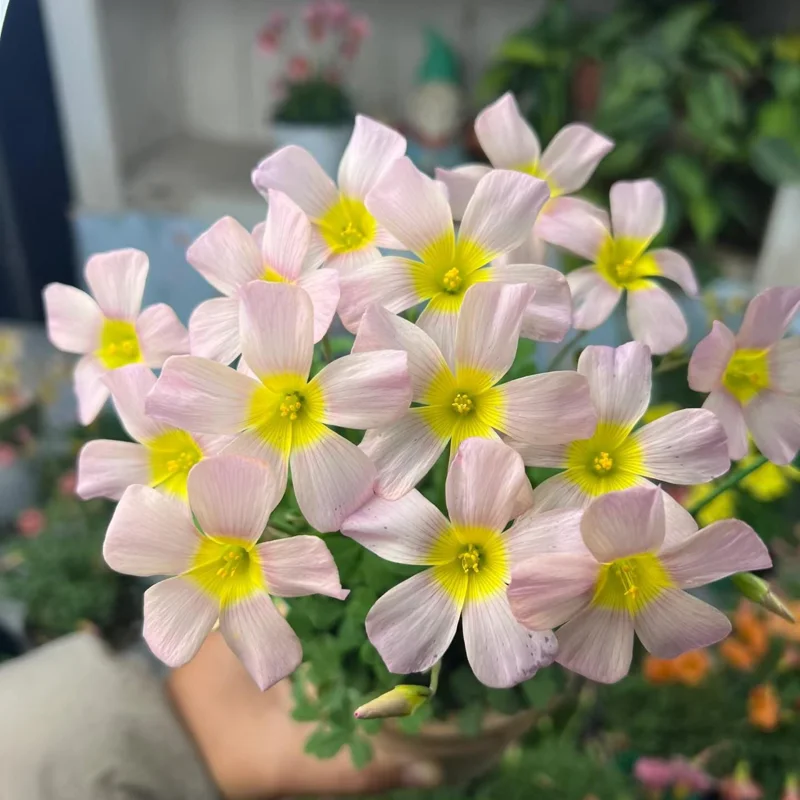
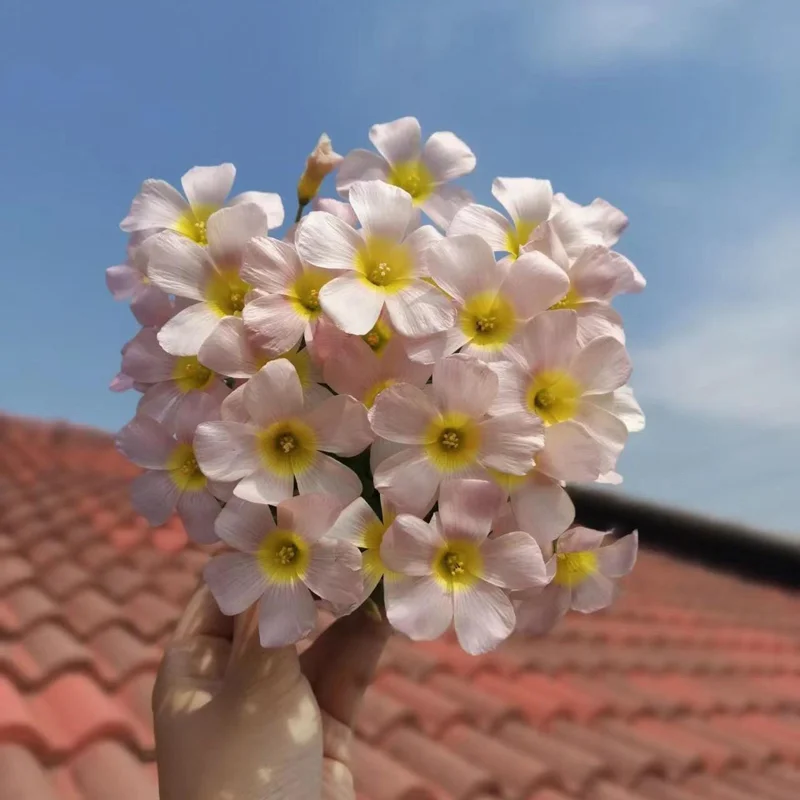
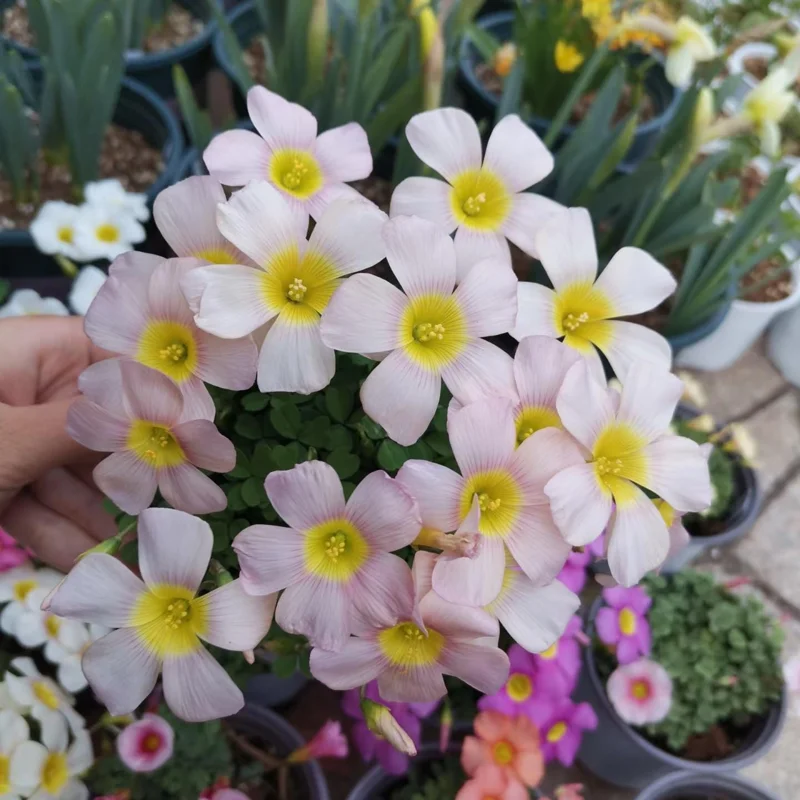
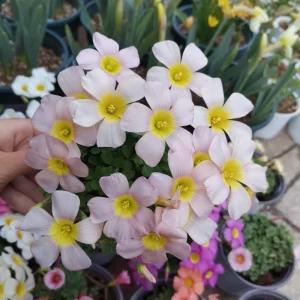
Cultivate stunning beauty with Oxalis Obtusa Baby Face bulbs. These late-flowering bulbs produce a vibrant array of pink, peach, apricot, orange, yellow, and white blooms, perfect for adding color to your garden from December to May. Easy to grow with proper Oxalis plant care.
$0.00

With our Alive & Thrive Guarantee, we’ve got your back for the first 30 days! If you have any concerns about your plants, just reach out to us. Our team is here to help answer your questions and guide you in selecting the best plants for your garden, climate, and unique preferences. We're excited to help you create the garden of your dreams!
Estimated arrival
Oct 21
Oct 26 - Oct 28
Oct 31 - Nov 04



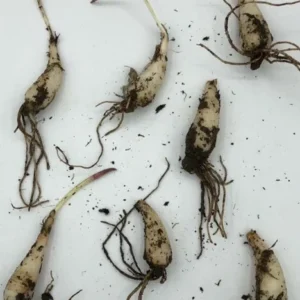
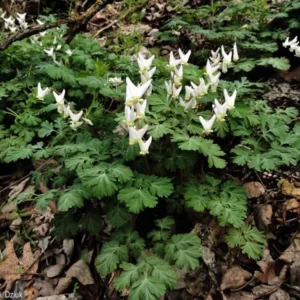
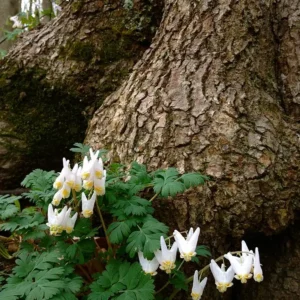
Product Details
-
USDA Hardiness Zone
unknown -
Soil type
Loose, well-draining, aerated soil (leaf mold + peat + perlite) -
Sunlight Exposure
At least 3 hours direct sunlight daily; full sun in spring, fall, winter; shade in summer -
Expected Planting Period
Fall (September to October)
Overview
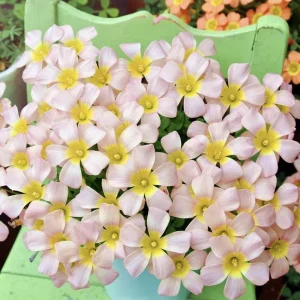
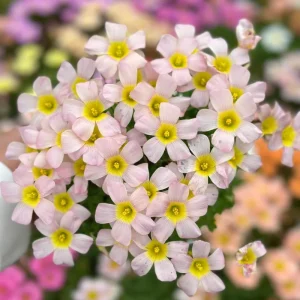
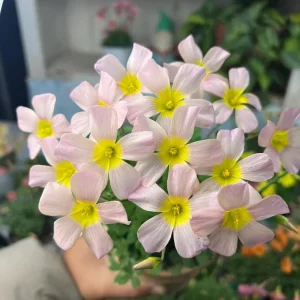
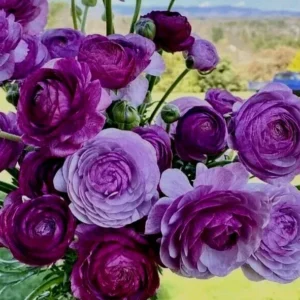
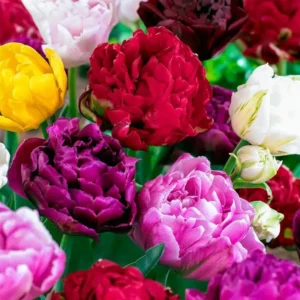
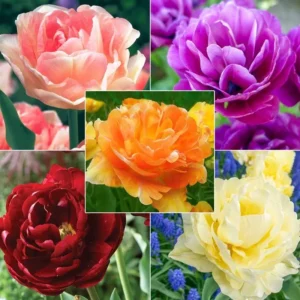
Introduce a kaleidoscope of color to your garden with Oxalis Obtusa Baby Face bulbs. This exceptional variety of Oxalis is renowned for its captivating blooms, featuring an impressive spectrum of colors including delicate pinks, warm shades of peach to apricot and orange, sunny yellow, crisp white, and even multicolored petals. Originating from the diverse landscapes of Namaqualand to Knysna, this species is well-adapted to various soil types, thriving in both sandy and clay conditions. Typically growing to a compact 10 cm, the plant showcases charming hairy or hairless trifoliate leaves, which vary in shape and size, adding textural interest even before the flowers emerge. These bulbs offer a unique opportunity to enjoy vibrant floral displays during the cooler months, blooming from December to May after a fall planting. The late flowering Oxalis characteristic makes it a valuable addition for extending your garden’s visual appeal into winter and spring.
Key Benefits
The Oxalis Obtusa Baby Face bulbs bring numerous advantages to any plant enthusiast, from novice gardeners to seasoned collectors. Their unique flowering period and striking appearance make them a standout choice. With proper Oxalis plant care, you can enjoy these benefits for many seasons.
-
Extended Bloom Season: Unlike many seasonal flowers, these Oxalis varieties bloom from December to May, providing much-needed color and vibrancy during the late fall, winter, and early spring when most other plants are dormant. This makes them ideal for prolonged garden interest.
-
Stunning Color Diversity: The flowers present a remarkable range of hues, from soft pinks and warm peaches to bright yellows and pure whites, often with multicolored variations. This rich palette allows for creative planting schemes and ensures a dazzling display.
-
Compact and Versatile Growth: Reaching only about 10 cm in height, the Oxalis Obtusa Baby Face bulbs are perfect for a variety of settings. They excel in pots, containers, rock gardens, or as a charming ground cover, making them suitable for small spaces or adding intricate detail to larger landscapes.
-
Relatively Low Maintenance: Once established, these bulbs require minimal fuss. With appropriate soil, light, and watering practices, they are quite resilient and can thrive, making them a great choice for those seeking beautiful yet easy-care plants.
-
Easy to Propagate and Store: After their blooming cycle, the bulbs can be easily stored for the next season, ensuring a continuous supply of these beautiful plants year after year. This offers excellent value and the satisfaction of growing your own bulbs.
-
Unique Foliage Interest: Beyond their spectacular flowers, the plants feature distinctive trifoliate leaves that can be hairy or hairless and come in various shapes. This provides an appealing texture and form even when the plant is not in bloom.
Plant Care & Growing Tips
Proper cultivation of your Oxalis Obtusa Baby Face bulbs ensures a spectacular display. The best planting period for these late flowering Oxalis bulbs is in the fall, specifically from September to October, when the ambient temperature hovers around 77°F. This timing allows the bulbs to establish before their blooming cycle from December to May. For optimal growth, select a loose, well-draining, and aerated soil mix. A blend of leaf mold, peat, and perlite is highly recommended to provide the ideal environment for the bulbs. When potting, choose a 6-inch diameter pot and ensure good drainage by adding a layer of gravel at the bottom.
Light and temperature are crucial for the health and bloom production of your Oxalis. These plants thrive with at least 3 hours of direct sunlight daily, preferring full sun exposure during spring, fall, and winter. However, they appreciate some shade during the intense heat of summer. Maintain temperatures between 59°F and 77°F for best results, and ensure winter temperatures do not drop below 41°F. During hot summer temperatures, reduce watering significantly to allow the plant to enter dormancy; this is a natural and necessary phase for bulb health. After the flowering period, gradually reduce watering and fertilizing before storing the bulbs for the next season.
Watering should follow the “dry out, then water thoroughly” principle to prevent root rot, which can be detrimental to your Oxalis plant care. Avoid waterlogging at all costs. Fertilization is best done with a diluted phosphorus and potassium fertilizer every 2-3 weeks during the active growing seasons of spring and fall. Cease fertilizing entirely when the plant enters dormancy. When planting the bulbs, ensure you select plump, healthy specimens. Add a bottom layer of fertilizer in the pot, place the bulbs with the shoots facing upwards, cover with approximately 2 cm of soil, and water thoroughly. Regular daily care includes pruning any dead leaves and flowers to encourage new growth and maintaining good ventilation to prevent common issues like powdery mildew and red spider mites. Following these guidelines will help your buy Oxalis bulbs thrive and produce abundant blooms.
Size & Details
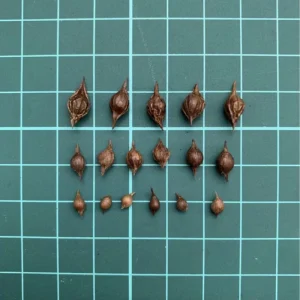
These Oxalis Obtusa Baby Face bulbs are typically sold as healthy, dormant bulbs, ready for planting. Each plant, once mature, will grow to approximately 10 cm in height, forming a compact and attractive clump. The foliage consists of delicate, trifoliate leaves which vary in shape and size, adding to the plant’s unique charm. The flowers are solitary and showcase a remarkable array of colors, including various shades of pink, peach, apricot, orange, brick red, yellow, white, and often multicolored blooms, providing a diverse and captivating display. These bulbs are best suited for container gardening or as a vibrant ground cover in appropriate climates. They are late-flowering, providing blooms from December to May after a fall planting. The bulbs are prepared for optimal growth and ease of planting.
Frequently Asked Questions
-
Q: How big does this Oxalis plant get? A: The Oxalis Obtusa Baby Face bulbs typically grow into plants that reach about 10 cm (approximately 4 inches) in height. They form a compact clump, making them ideal for pots and smaller garden spaces.
-
Q: Is this an indoor or outdoor plant? A: While they can be grown outdoors in suitable climates (see USDA zone info), these Oxalis varieties are often enjoyed as potted plants and can thrive indoors, especially if given adequate sunlight. They are great for adding color to windowsills or conservatories.
-
Q: How much sunlight does it need? A: This Oxalis requires at least 3 hours of direct sunlight daily. It prefers full sun during spring, fall, and winter. In the hot summer months, it’s best to provide some shade to prevent stress and encourage dormancy.
-
Q: Is this plant easy to care for? A: Yes, with proper attention to its basic needs, this Oxalis is considered relatively easy to care for. Following the planting guide for soil, watering, and light will ensure healthy growth and abundant blooms. It’s an excellent choice for those looking to buy Oxalis bulbs for a rewarding gardening experience.
-
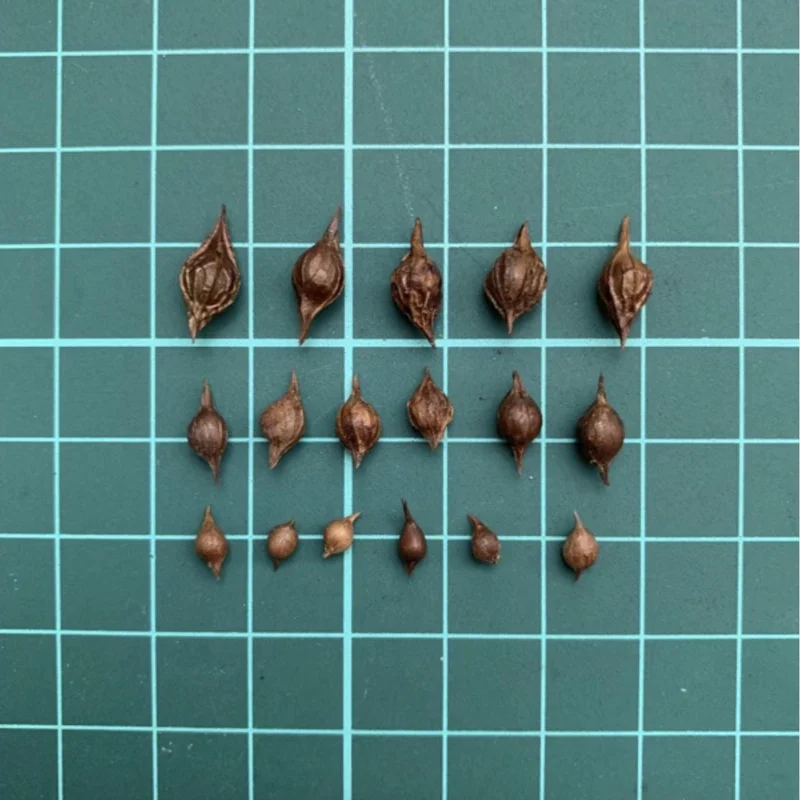
Q: What condition will the bulbs arrive in? A: The Oxalis Obtusa Baby Face bulbs will arrive dormant and healthy, ready for planting. They are carefully packaged to ensure their integrity during transit, preparing them for successful establishment in your garden.
-
Q: When is the best time to plant these Oxalis bulbs? A: The optimal planting time for these late flowering Oxalis bulbs is in the fall, specifically from September to October. This timing allows them to establish well before their blooming period, which typically runs from December to May.
-
Q: What type of soil is best for Oxalis Obtusa Baby Face bulbs? A: These bulbs thrive in loose, well-draining, and aerated soil. A recommended mix includes leaf mold, peat, and perlite to provide the ideal growing medium. Good drainage is crucial to prevent bulb rot.
-
Q: How often should I water my Oxalis? A: Follow the “dry out, then water thoroughly” rule. Allow the topsoil to dry completely between waterings to prevent overwatering. Reduce watering significantly during summer dormancy.
-
Q: Can I store the bulbs for the next season? A: Yes, after the flowering period and as the plant enters dormancy, you can reduce watering and fertilizing. Once the foliage dies back, the bulbs can be dug up, cleaned, and stored in a cool, dry place until the next fall planting season.
-
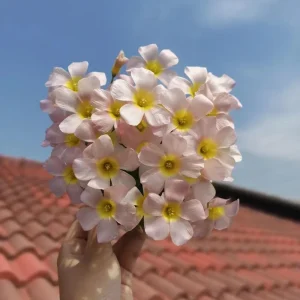
Q: What colors do the flowers come in? A: The colorful Oxalis flowers of the ‘Baby Face’ variety come in a stunning array of colors including pink, shades of peach to apricot and orange, brick red, yellow, white, and often show multicolored patterns, offering a truly vibrant display.
Related products
-50%
Original price was: $59.00.$29.50Current price is: $29.50.
-60%
Original price was: $69.99.$27.99Current price is: $27.99.
-50%
Original price was: $79.96.$39.98Current price is: $39.98.
-50%
Original price was: $87.96.$43.98Current price is: $43.98.
-50%
Original price was: $63.96.$31.98Current price is: $31.98.
-20%
Original price was: $174.00.$139.20Current price is: $139.20.
-20%
Original price was: $28.98.$23.18Current price is: $23.18.
PLANTING & CARE
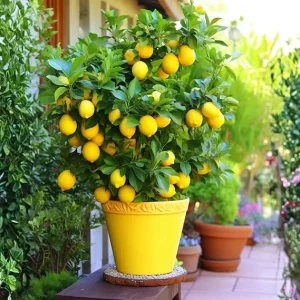
Lemon Tree Growing: Choose, Plant, and Harvest
Learn how to choose, plant, feed, and protect a lemon tree so it fits your
23
Sep
Sep
Dwarf Meyer Lemon Tree Australia: Climate Guide
Learn where dwarf Meyer lemon trees grow, how much cold they tolerate, and whether Australia,
Where to Buy a Dwarf Meyer Lemon Tree: Buyer’s Guide
Find the right dwarf Meyer lemon tree online or locally, compare starter sizes and costs,
Dwarf Meyer Lemon Tree for Sale: Buying Guide
Compare Meyer lemon tree sizes, prices, shipping limits, indoor growing and California options before you
Dwarf Meyer Lemon Tree Guide: Size, Care and Fruit
META: Learn how large a dwarf Meyer lemon tree grows, where it thrives, and how
How to Prune a Dwarf Meyer Lemon Tree
Learn when and how to prune a dwarf Meyer lemon tree, including tools, shaping cuts,
Can You Grow a Dwarf Meyer Lemon Tree in a Pot?
META: Learn how to grow a dwarf Meyer lemon tree in a pot, including container
When Do Dwarf Meyer Lemon Trees Bloom and Fruit?
META: Dwarf Meyer lemon trees usually bloom from winter through spring and may flower again