5 Bulbs -Oxalis Obtusa Rouge Moon Flower Bulbs – Vibrant Multi-Color Blooms
-59%


5 Bulbs -Oxalis Obtusa Rouge Moon Flower Bulbs – Vibrant Multi-Color Blooms
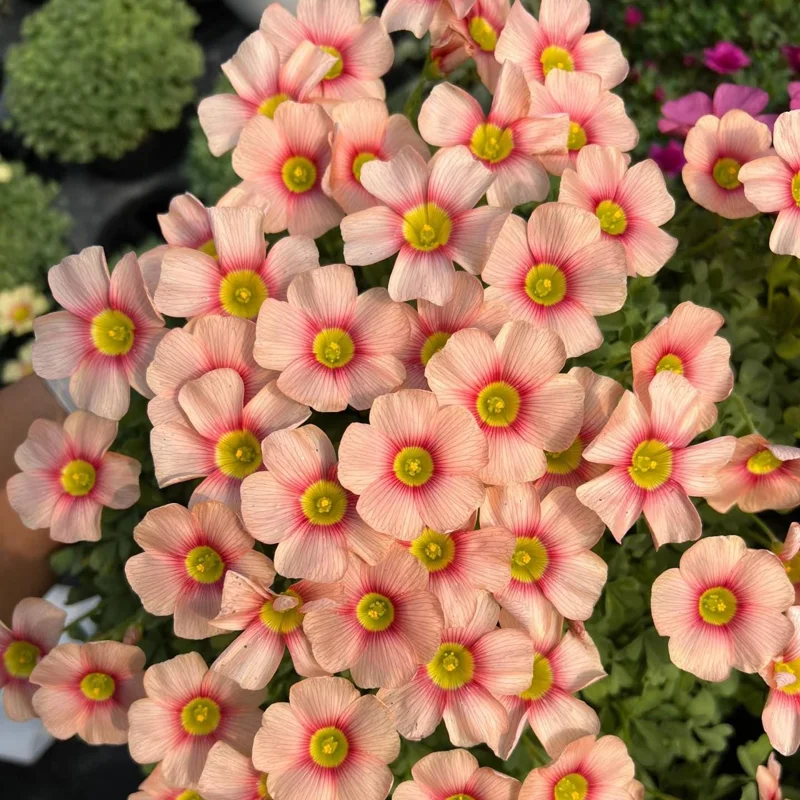
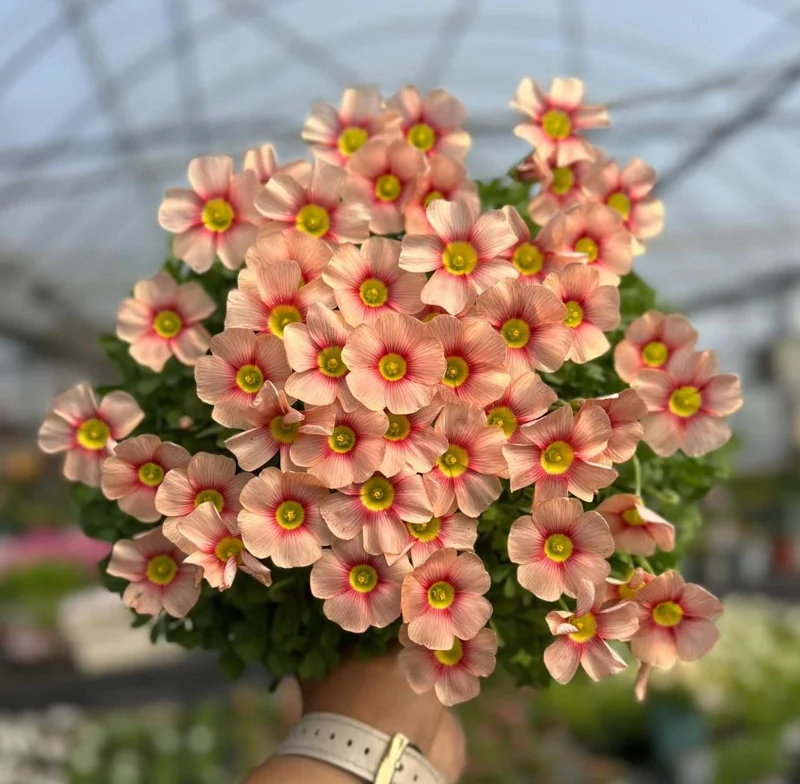
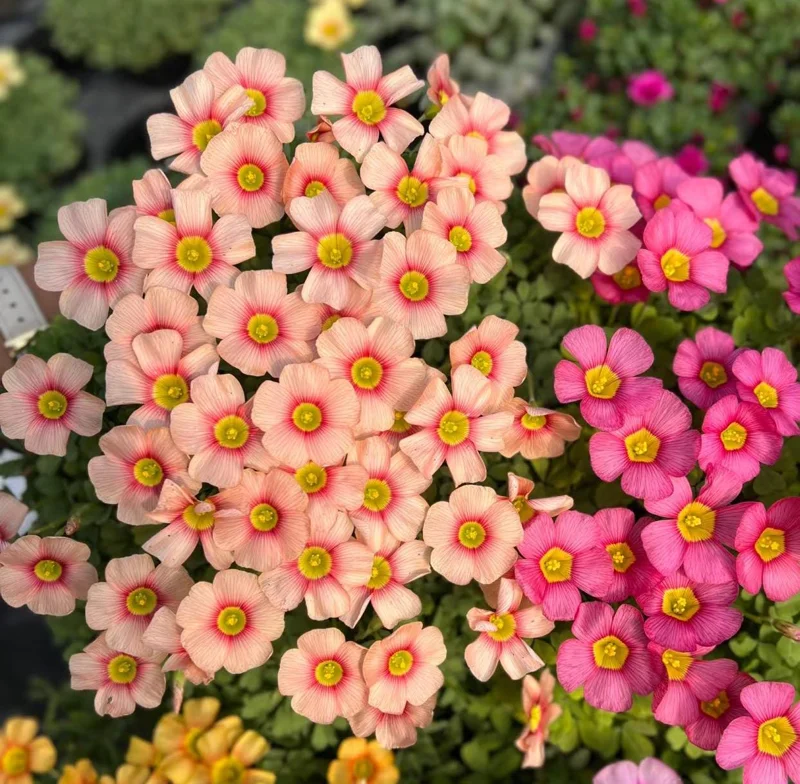
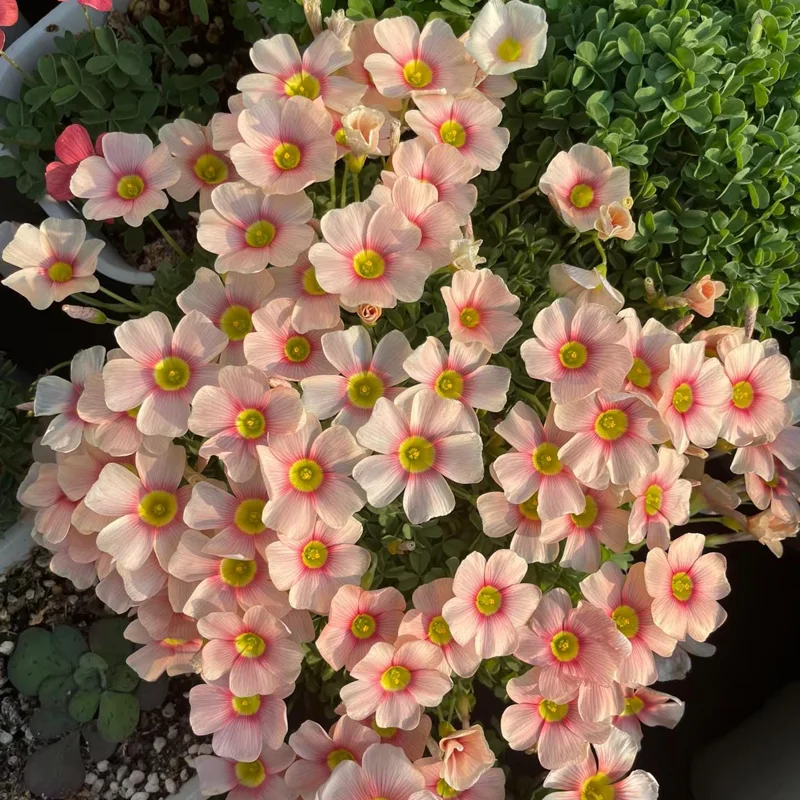
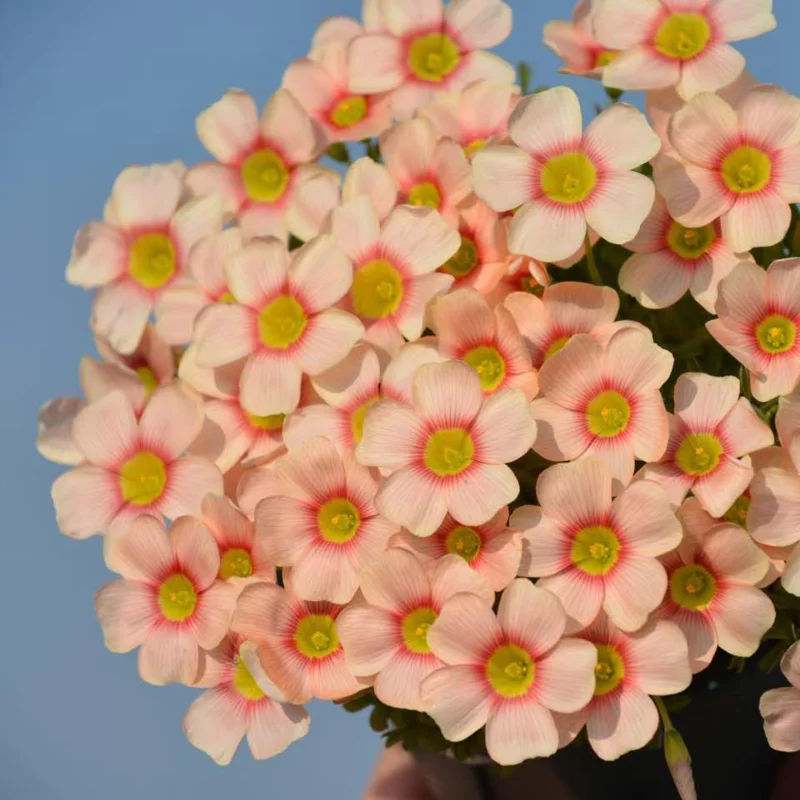
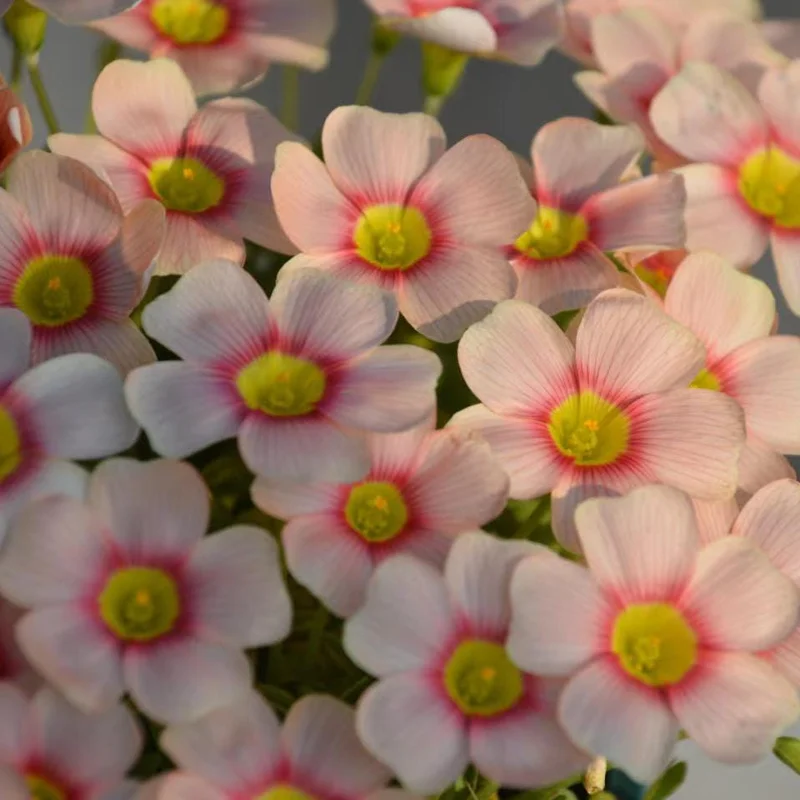
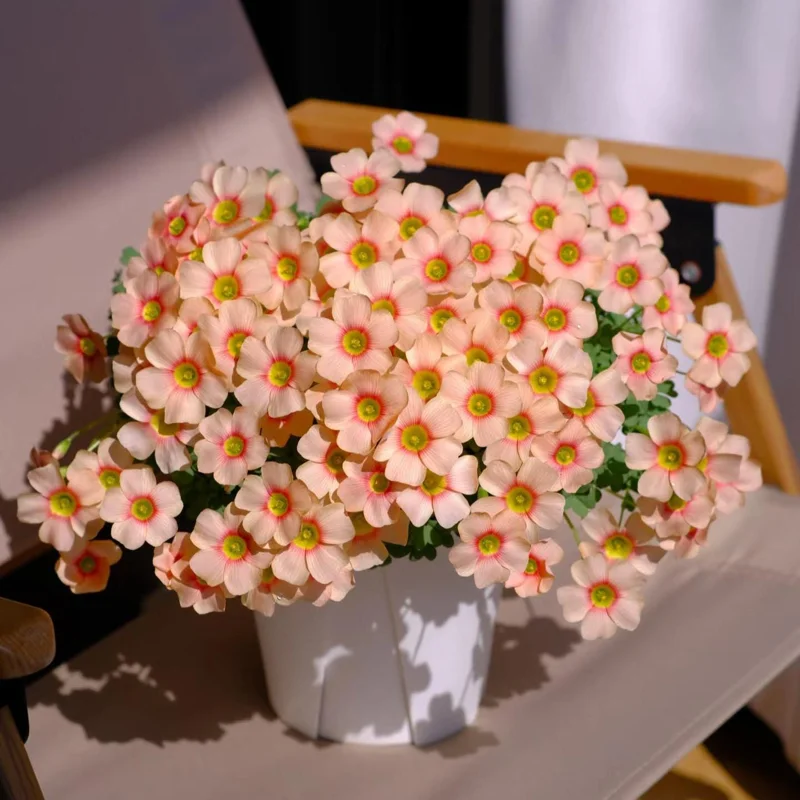
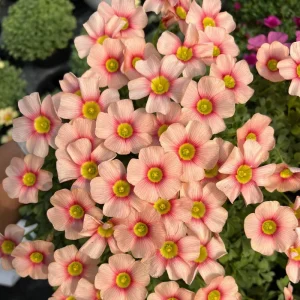
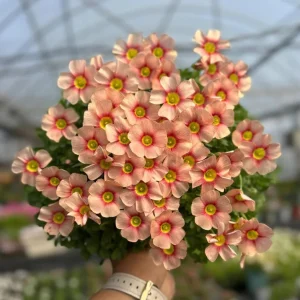
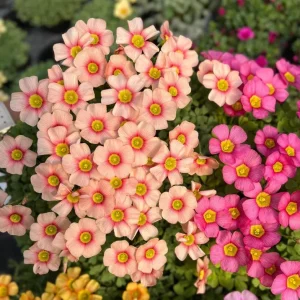
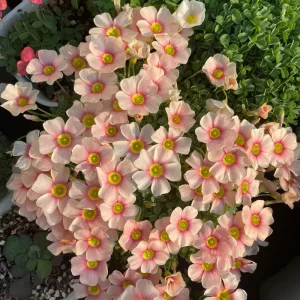
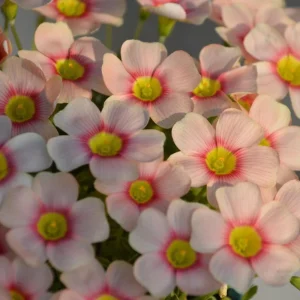
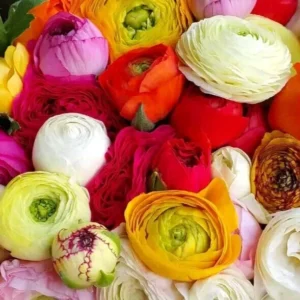
Bring a burst of color to your garden with Oxalis Obtusa Rouge Moon bulbs. These easy-to-grow bulbs produce stunning multi-colored flowers, ranging from vibrant reds and oranges to soft peaches. Ideal for pots or garden beds, they thrive with minimal care.
Original price was: $69.99.$28.99Current price is: $28.99.

With our Alive & Thrive Guarantee, we’ve got your back for the first 30 days! If you have any concerns about your plants, just reach out to us. Our team is here to help answer your questions and guide you in selecting the best plants for your garden, climate, and unique preferences. We're excited to help you create the garden of your dreams!
Estimated arrival
Oct 21
Oct 26 - Oct 28
Oct 31 - Nov 04




Product Details
-
USDA Hardiness Zone
unknown -
Soil type
loose, well-draining, aerated soil -
Sunlight Exposure
full sun to partial shade -
Expected Planting Period
Fall (September to October)
Overview
Introducing the captivating Oxalis Obtusa Rouge Moon bulbs, a delightful addition to any plant enthusiast’s collection. These bulbs promise a spectacular display of vibrant, multi-colored flowers that will brighten up your garden or indoor space. Oxalis obtusa is a common and widespread species, known for its charming, solitary blooms that appear in an impressive array of colors, including pink, various shades of peach to apricot and orange, brick red, yellow, and white. This particular ‘Rouge Moon’ variety highlights the rich red and orange tones, creating a truly eye-catching spectacle. Each purchase provides healthy bulbs ready for planting, offering the joy of watching these beautiful flowers emerge.
Cultivating Oxalis Obtusa Rouge Moon bulbs is a rewarding experience, suitable for both novice and experienced gardeners. Originating from regions spanning Namaqualand to Knysna, these plants are adaptable and robust. They typically grow to about 10 cm in height, forming compact clumps of hairy or hairless trifoliate leaves. The diversity in leaf shapes and sizes adds to the plant’s unique appeal even before its stunning flowers appear. Prepare to transform your garden with these gorgeous and relatively low-maintenance bulbs.
Key Benefits
The Oxalis Obtusa Rouge Moon bulbs offer numerous benefits, making them a fantastic choice for enhancing your living space with natural beauty and ease of care. Their striking appearance and simple requirements contribute to a fulfilling gardening experience. These bulbs are not just about pretty flowers; they bring a host of advantages to your home and garden.
- Vibrant & Diverse Blooms: Enjoy a spectacular range of colors, from deep brick red and bright orange to delicate peach, pink, and yellow. The ‘Rouge Moon’ selection emphasizes these fiery hues, ensuring a dazzling display that captures attention.
- Easy to Grow: These bulbs are incredibly forgiving and straightforward to plant and maintain, making them ideal for gardeners of all skill levels. Follow a simple Oxalis Obtusa planting guide to ensure success.
- Compact Size: Growing to a height of about 10 cm, Oxalis Obtusa Rouge Moon bulbs are perfect for small gardens, rockeries, containers, or even as charming indoor houseplants, fitting easily into various settings.
- Adaptable & Resilient: Known for their robust nature, Oxalis obtusa can thrive in different soil types, from sandy to clay, showcasing their ability to adapt to various environmental conditions.
- Long Blooming Period: With proper care, these plants can provide extended periods of bloom, particularly in fall, spring, and winter, offering continuous color when many other plants are dormant.
- Dormancy for Reblooming: After their flowering cycle, the bulbs enter a dormancy period, allowing them to rest and rejuvenate for another season of beautiful blooms, ensuring longevity and recurring beauty.
- Attractive Foliage: Beyond the flowers, the unique three-lobed leaves, which can be hairy or hairless and vary in shape, add textural interest to your plant arrangements.
Plant Care & Growing Tips
Successfully growing Oxalis Obtusa involves understanding its basic needs for light, water, and soil. These bulbs are quite resilient, but providing optimal conditions will result in the most prolific and vibrant blooms. The best time for planting your Oxalis Obtusa Rouge Moon bulbs is in the fall, specifically from September to October, when temperatures are ideally around 77°F (25°C).
For soil and potting, choose a loose, well-draining, and aerated mixture. A good blend might include leaf mold, peat, and perlite. If potting, a 6-inch diameter pot is suitable, and adding gravel at the bottom will significantly improve drainage, preventing waterlogging which can be detrimental to the bulbs. In terms of light, these plants appreciate at least 3 hours of sunlight daily. They thrive in full sun during spring, fall, and winter but require some shade during the intense summer months. The ideal temperature range for active growth is between 59°F (15°C) and 77°F (25°C). During winter, ensure temperatures stay above 41°F (5°C). When summer heat arrives, reduce watering and allow the plant to enter dormancy. After flowering, reduce watering and fertilizing further, and store the bulbs for the next season’s display.
Watering should follow the “dry out, then water thoroughly” rule to prevent overwatering. Fertilize with a diluted phosphorus and potassium fertilizer every 2-3 weeks during spring and fall to encourage strong growth and abundant flowering. Stop fertilizing during dormancy. Regular pruning of dead leaves and flowers will encourage new growth and more blooms. Keep an eye out for common pests like powdery mildew and red spider mites, and ensure good ventilation to maintain plant health. This comprehensive Oxalis Obtusa care guide will help you achieve stunning results.
Size & Details
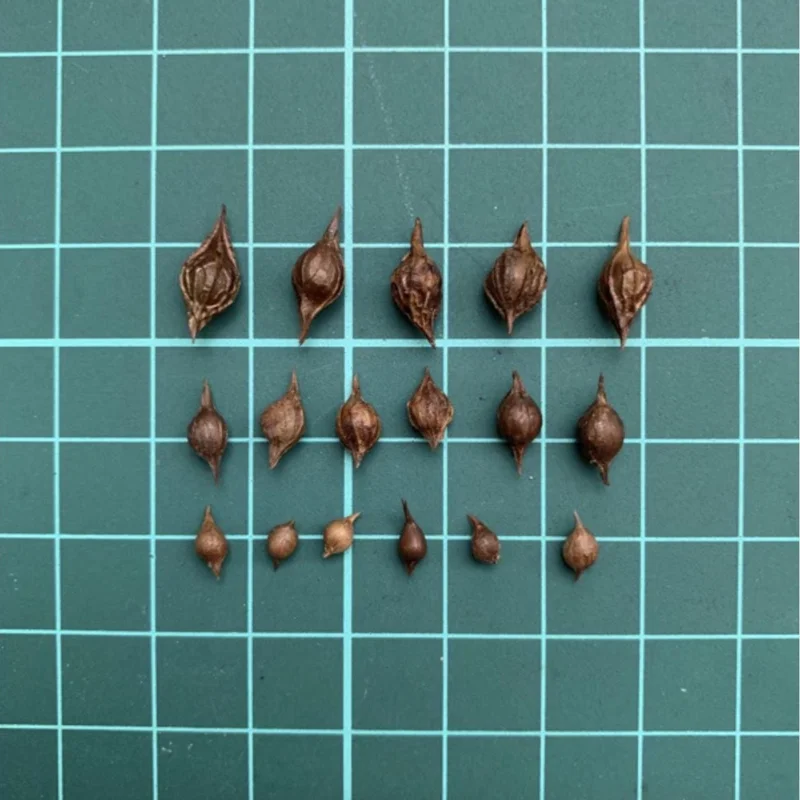
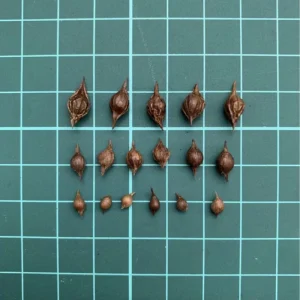
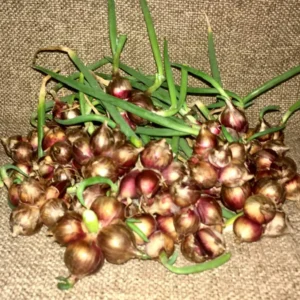
The Oxalis Obtusa Rouge Moon bulbs are typically shipped as plump, healthy bulbs, ready for planting. Once established, these charming plants generally reach a height of up to 10 cm (approximately 4 inches). They form a compact clump, making them an excellent choice for small spaces, container gardening, or as a vibrant groundcover. While specific individual bulb sizes may vary, we select only robust specimens to ensure successful growth. When planting, place the bulbs with the shoots facing up, cover with about 2 cm of soil, and water thoroughly. Expect to see foliage emerge relatively quickly, followed by the appearance of their stunning, multi-colored flowers during their active growing seasons.
These bulbs are perfect for creating a dramatic display in a relatively short period. They are known for their vigorous growth once established and their ability to return year after year with proper care and dormancy management. The flowers are solitary but appear in abundance, creating a lush, colorful carpet or a striking focal point in a pot. The ease of growing Oxalis Obtusa combined with its impressive visual impact makes it a highly desirable plant for any gardener looking for vibrant, low-maintenance beauty.
Frequently Asked Questions
- Q: How big does this plant get? A: The Oxalis Obtusa Rouge Moon bulbs typically grow into plants that reach up to 10 cm (about 4 inches) in height, forming a lovely compact clump perfect for various settings.
- Q: Is this an indoor or outdoor plant? A: Oxalis Obtusa can be grown both indoors in pots or outdoors in garden beds, making it a versatile choice. It thrives with ample sunlight during its active growing seasons.
- Q: How much sunlight does it need? A: This plant requires at least 3 hours of sunlight daily. It prefers full sun in spring, fall, and winter, but needs shade protection during the hot summer months.
- Q: Is this plant easy to care for? A: Yes, growing Oxalis Obtusa is considered easy. It’s a forgiving plant that thrives with basic care, making it suitable for beginners and experienced gardeners alike.
- Q: What condition will the bulbs arrive in? A: Your Oxalis Obtusa Rouge Moon bulbs will arrive as healthy, plump, dormant bulbs, ready for planting according to the provided instructions.
- Q: When is the best time to plant these bulbs? A: The optimal planting period for these bulbs is in the fall, specifically from September to October, when the temperature is around 77°F (25°C).
- Q: Can I store the bulbs for next season? A: Yes, after flowering and during dormancy, you can reduce watering and fertilizing, then store the bulbs in a cool, dry place for replanting in the next season.
- Q: What kind of soil is best for these bulbs? A: A loose, well-draining, and aerated soil mix is ideal. Consider a blend of leaf mold, peat, and perlite for optimal growth of your colorful Oxalis bulbs.
- Q: Will these bulbs produce the ‘Rouge Moon’ colors? A: Yes, these are specifically Oxalis Obtusa Rouge Moon bulbs, known for producing a beautiful range of red, orange, peach, and other vibrant colors as described.
- Q: What is the minimum temperature these plants can tolerate? A: During winter, ensure the temperature stays above 41°F (5°C) to protect the dormant bulbs and ensure their survival for the next growing season.
Related products
-50%

Original price was: $63.96.$31.98Current price is: $31.98.
-60%
Original price was: $69.99.$27.99Current price is: $27.99.
-20%

Original price was: $174.00.$139.20Current price is: $139.20.
-35%
Original price was: $19.90.$12.94Current price is: $12.94.
-50%
Original price was: $87.96.$43.98Current price is: $43.98.
-50%
Original price was: $79.96.$39.98Current price is: $39.98.
-50%

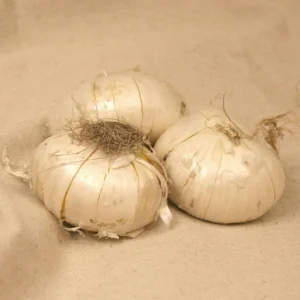
Original price was: $63.96.$31.98Current price is: $31.98.
PLANTING & CARE
Lemon Tree Growing: Choose, Plant, and Harvest
Learn how to choose, plant, feed, and protect a lemon tree so it fits your
23
Sep
Sep
Dwarf Meyer Lemon Tree Australia: Climate Guide
Learn where dwarf Meyer lemon trees grow, how much cold they tolerate, and whether Australia,
Where to Buy a Dwarf Meyer Lemon Tree: Buyer’s Guide
Find the right dwarf Meyer lemon tree online or locally, compare starter sizes and costs,
Dwarf Meyer Lemon Tree for Sale: Buying Guide
Compare Meyer lemon tree sizes, prices, shipping limits, indoor growing and California options before you
Dwarf Meyer Lemon Tree Guide: Size, Care and Fruit
META: Learn how large a dwarf Meyer lemon tree grows, where it thrives, and how
How to Prune a Dwarf Meyer Lemon Tree
Learn when and how to prune a dwarf Meyer lemon tree, including tools, shaping cuts,
Can You Grow a Dwarf Meyer Lemon Tree in a Pot?
META: Learn how to grow a dwarf Meyer lemon tree in a pot, including container
When Do Dwarf Meyer Lemon Trees Bloom and Fruit?
META: Dwarf Meyer lemon trees usually bloom from winter through spring and may flower again