Pack of 2 Sweet Muscadine Grape Vine Live Plant, 4 Inch Pot, Climbing Fruit Vine
-50%
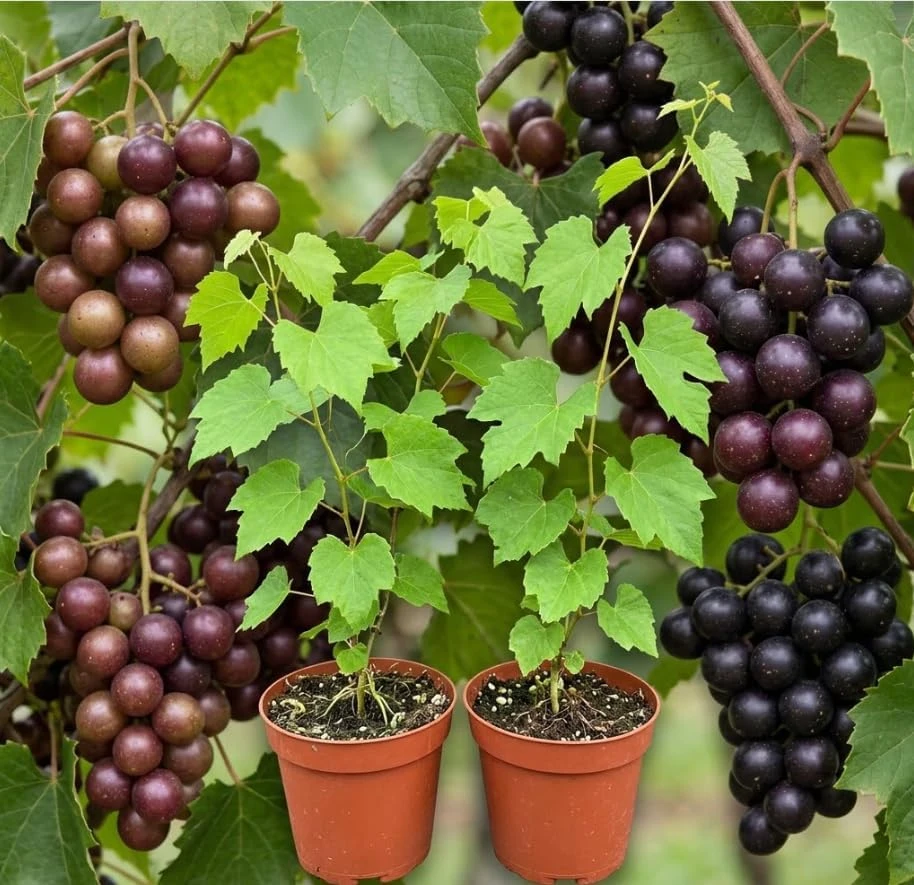
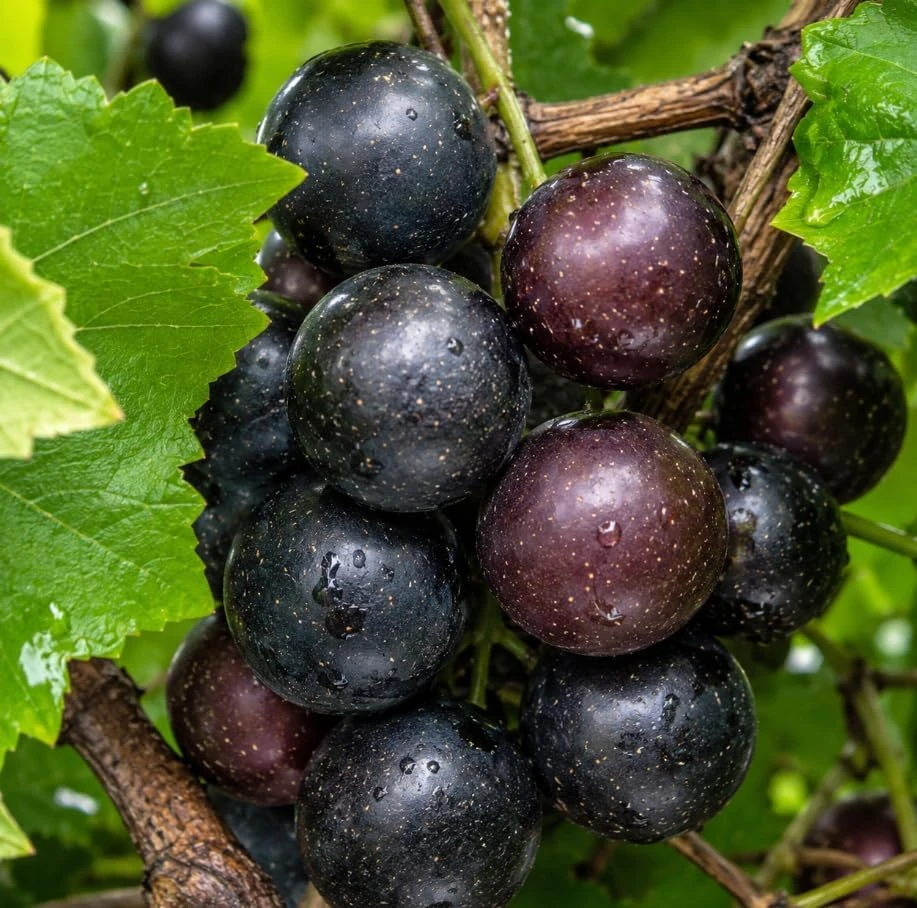
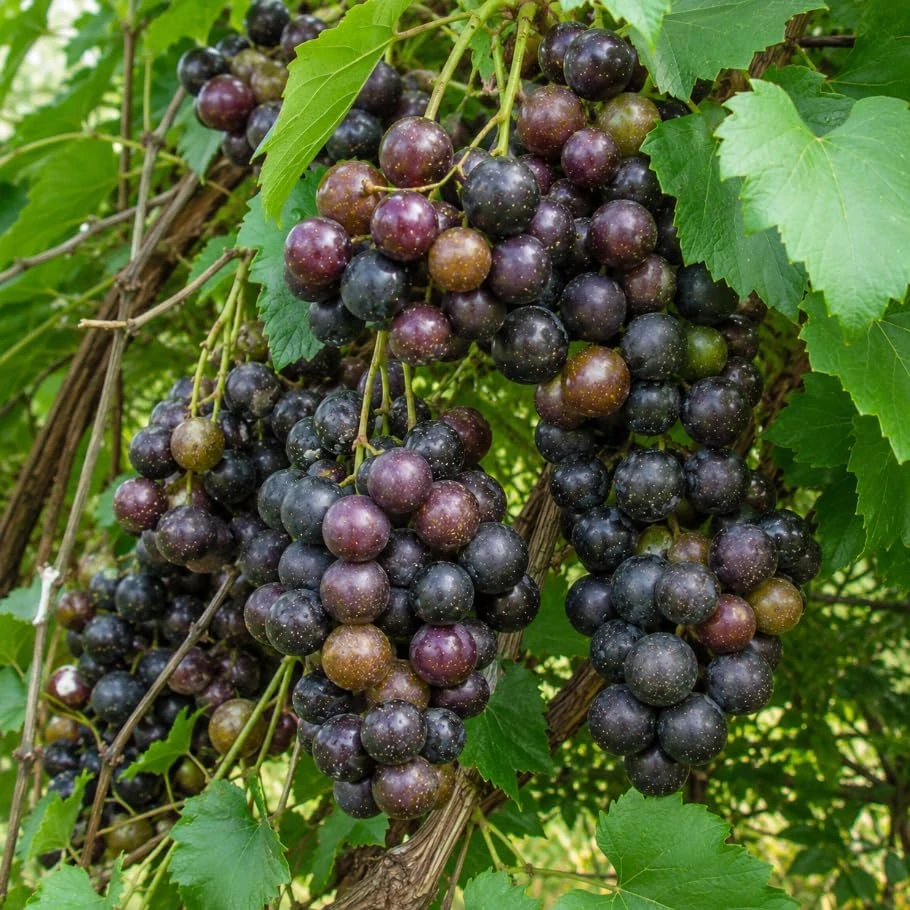
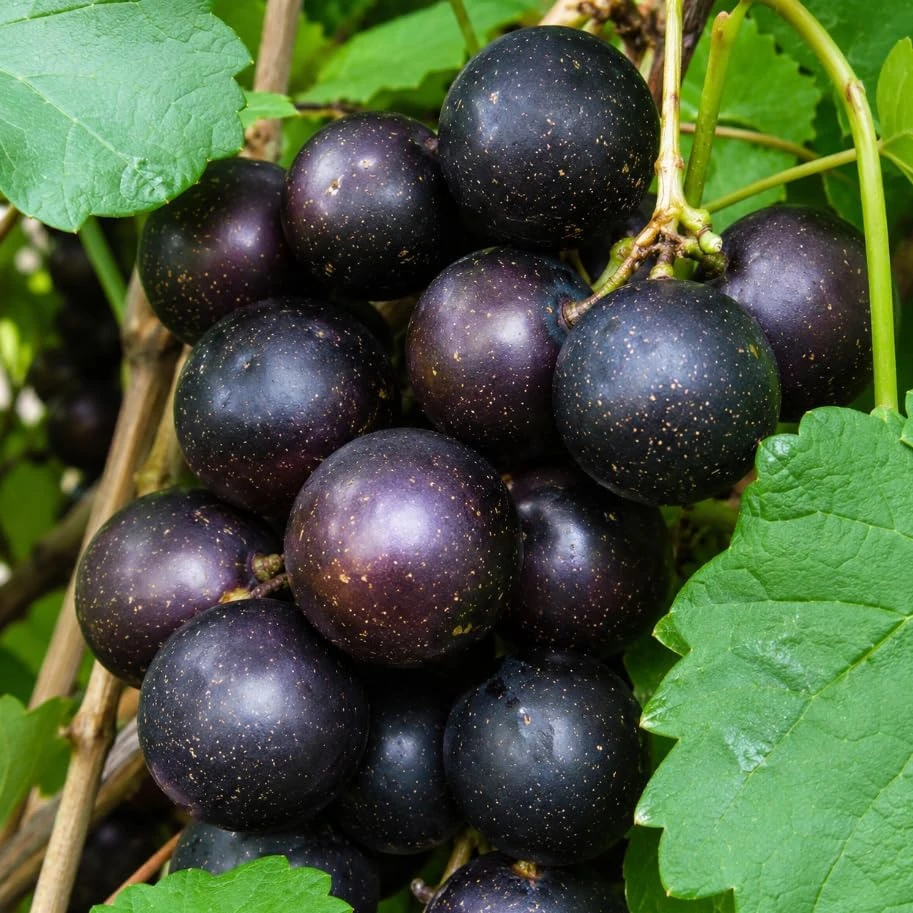
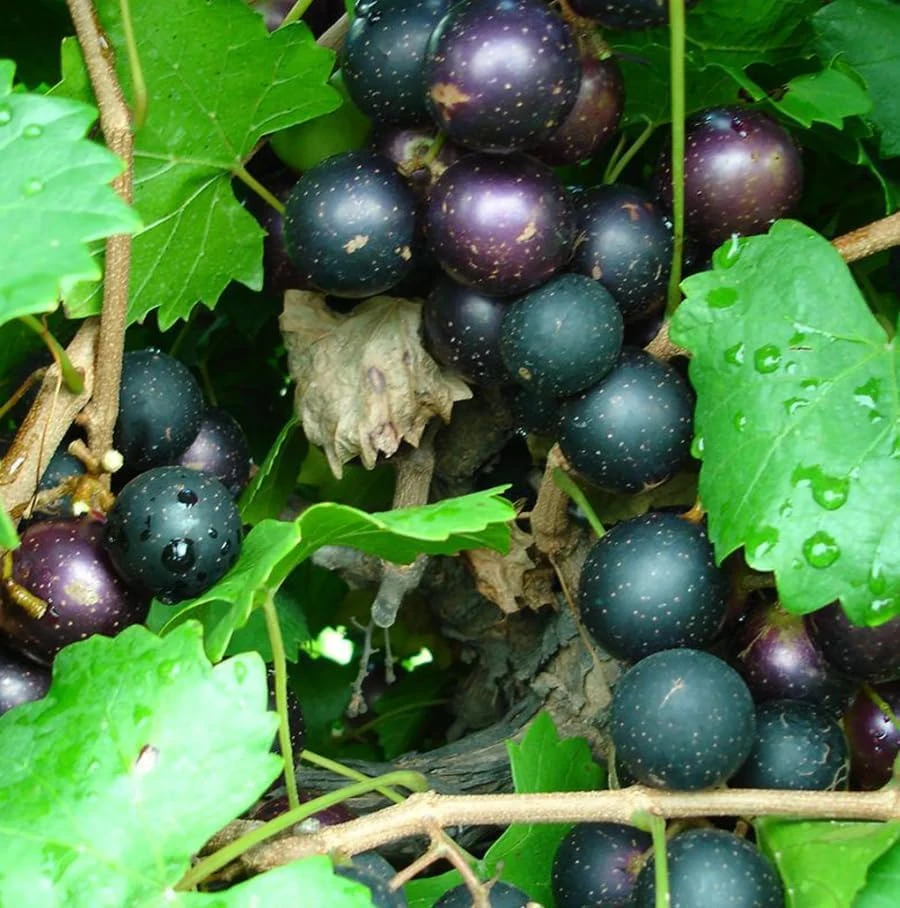
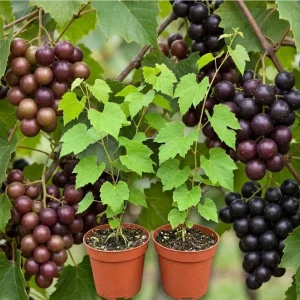
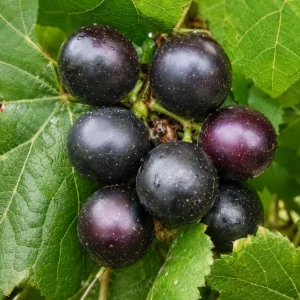
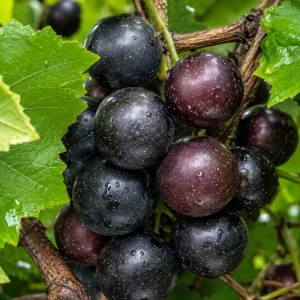
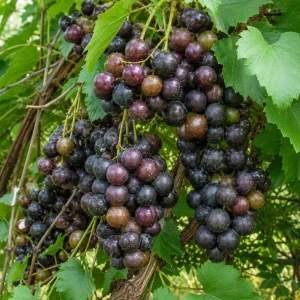
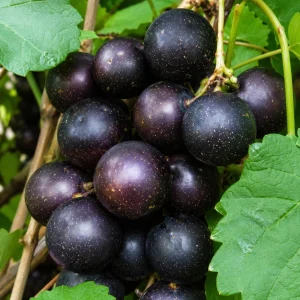
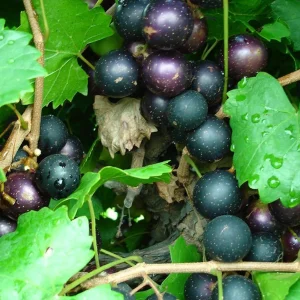
Pack of 2 Sweet Muscadine Grape Vine Live Plant, 4 Inch Pot, Climbing Fruit Vine
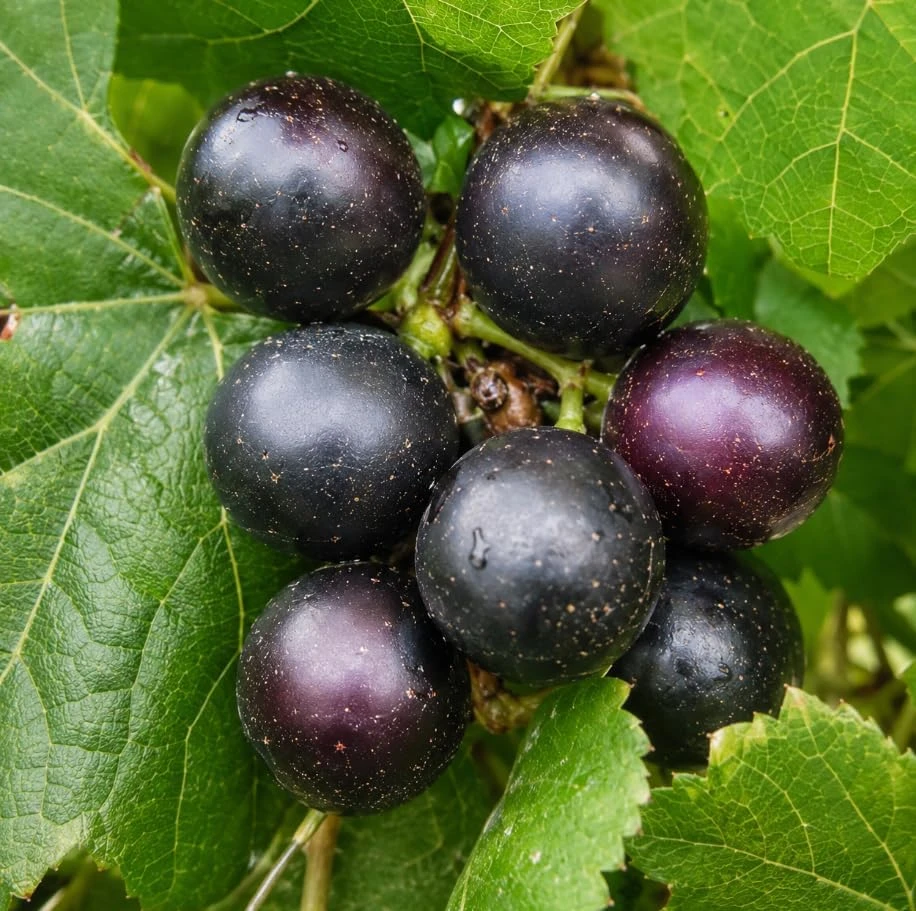
Bring the joy of fresh fruit to your landscape with this muscadine grape vine live plant. This pack of 2 vigorous climbing fruit vines arrives in 4-inch pots, ready to thrive in your home garden or patio. Enjoy sweet muscadine grapes right from your backyard.
Original price was: $81.98.$40.99Current price is: $40.99.

With our Alive & Thrive Guarantee, we’ve got your back for the first 30 days! If you have any concerns about your plants, just reach out to us. Our team is here to help answer your questions and guide you in selecting the best plants for your garden, climate, and unique preferences. We're excited to help you create the garden of your dreams!
Estimated arrival
Nov 03
Nov 08 - Nov 10
Nov 13 - Nov 17





Product Details
-
USDA Hardiness Zone
USDA Zones 6-10 -
Soil type
Well-draining, slightly acidic to neutral soil -
Sunlight Exposure
Full sun -
Expected Planting Period
Spring to early summer
Overview
Cultivate your own delicious harvest with this muscadine grape vine live plant, a fantastic addition to any home garden or landscape. This offering includes a pack of two healthy, established vines, each arriving in a 4-inch pot, ready for planting. Known for their robust growth and sweet, flavorful grapes, muscadine vines are a popular choice for both novice and experienced gardeners. These vigorous climbers will quickly establish themselves, transforming trellises, arbors, or fences into lush, productive features. Perfect for creating an edible landscape, these vines provide both ornamental beauty and a bountiful yield of delightful sweet muscadine grapes, a true southern delicacy.
The Muscadine grape, scientifically known as Vitis rotundifolia, is native to the southeastern United States and is celebrated for its distinctive taste and hardiness. Unlike traditional grapes, muscadines have a thicker skin and a unique, intense flavor profile, making them excellent for fresh eating, jams, jellies, and wine. Our muscadine grape vine live plant is selected for its strong root system, ensuring a healthy start and vigorous growth in your garden. Prepare to enjoy a season of abundant, homegrown fruit with minimal fuss.
Key Benefits
Adding a muscadine grape vine live plant to your garden offers numerous advantages, combining aesthetic appeal with practical benefits. These versatile plants are not only beautiful but also highly productive, providing a sustainable source of fresh, healthy fruit for years to come.
- Homegrown Fruit: Enjoy the satisfaction of harvesting your own sweet muscadine grapes directly from your garden. These grapes are perfect for fresh eating, making juice, jelly, or even homemade wine, offering a truly farm-to-table experience.
- Vigorous Climbing Growth: As a robust climbing fruit vine, it excels at covering trellises, arbors, fences, and pergolas, creating beautiful green screens or shaded areas while producing fruit.
- Established Root System: Each vine arrives in a 4-inch pot, providing a strong, established root system that gives your plant a significant head start for rapid and healthy growth once transplanted.
- Adaptable & Resilient: Muscadine vines are known for their hardiness and adaptability to a variety of soil types and climates, particularly thriving in warm, humid conditions. This makes them a reliable choice for many regions.
- Landscape Enhancement: Beyond their fruit, these vines add significant ornamental value to your landscape, offering lush foliage and an attractive structure as they grow. They are perfect for creating edible landscapes and enhancing outdoor living spaces.
- Low Maintenance: Once established, muscadine plant care is relatively straightforward, requiring minimal intervention compared to many other fruit-bearing plants.
- Long-Term Yield: With proper care, a muscadine grape vine live plant can produce fruit for many decades, becoming a valuable and long-lasting asset to your garden.
Plant Care & Growing Tips
Caring for your muscadine grape vine live plant is generally straightforward, making it an excellent choice for gardeners of all experience levels. These resilient plants are quite forgiving, but providing optimal conditions will ensure a bountiful harvest of sweet muscadine grapes.
Sunlight Requirements: Muscadine vines thrive in full sun, requiring at least 6-8 hours of direct sunlight per day to produce the best fruit. Choose a location in your garden that receives ample sun exposure throughout the day. While they can tolerate some partial shade, fruit production may be reduced.
Watering Schedule: During the first year after planting, keep the soil consistently moist but not waterlogged. Water deeply 2-3 times per week, especially during dry spells. Once established, muscadine vines are quite drought-tolerant, but regular watering during fruit development will improve grape size and quality. Ensure good drainage to prevent root rot.
Soil Type and Drainage: Muscadines prefer well-draining, slightly acidic to neutral soil (pH 5.5-6.5). Amend heavy clay soils with organic matter like compost or pine bark to improve drainage. Sandy loams are ideal. Good drainage is crucial to prevent waterlogging, which can be detrimental to the roots of your climbing fruit vine.
Temperature Range & USDA Hardiness Zone: These vines are hardy in USDA Zones 6-10, tolerating a wide range of temperatures. They are particularly well-suited to warm climates. Protect young plants from severe frost in colder zones. Established vines can withstand winter temperatures, but extreme cold may damage tender new growth.
Fertilization: Fertilize your muscadine grape vine live plant in early spring before new growth begins, and again after fruit set, if needed. Use a balanced fertilizer or one formulated for fruit trees and vines, following the product’s instructions. Avoid excessive nitrogen, which can promote leafy growth at the expense of fruit production.
Pruning: Regular pruning is essential for maintaining vine health, vigor, and maximizing fruit production. Prune in late winter while the plant is dormant. Remove dead, damaged, or weak canes. Train your vine to a strong permanent framework on a trellis or arbor, as this grape vine for garden will benefit from structural support. Proper pruning also improves air circulation, reducing disease risk.
Size & Details
This offering includes a pack of two vibrant muscadine grape vine live plant specimens, each carefully nurtured and shipped in a 4-inch nursery pot. These plants are typically 6-12 inches tall upon arrival, with a robust root system developed in their individual pots, giving them an excellent head start for transplanting. Muscadine vines are known for their rapid growth rate, quickly establishing themselves as a prominent climbing fruit vine in your garden. They can reach lengths of 10-20 feet or more, depending on pruning and growing conditions, making them ideal for covering large structures.
Expect your vines to begin producing a significant harvest of sweet muscadine grapes within 2-3 years of planting, with increasing yields as the plant matures. They are shipped as live, actively growing plants, carefully packaged to ensure safe arrival. The compact 4-inch pot size makes them easy to handle and transplant into your desired garden location or a larger container. These plants are ready to be integrated into your landscape and begin their journey toward becoming a productive source of delicious fruit.
Frequently Asked Questions
- Q: How big does this plant get? A: A muscadine grape vine live plant can grow quite large, typically reaching lengths of 10-20 feet or more, depending on the support structure and pruning. It’s a vigorous climbing fruit vine that needs ample space to spread.
- Q: What size pot does it come in? A: Each muscadine grape vine live plant arrives in a 4-inch nursery pot, providing a well-established root system for successful transplanting.
- Q: Is this an indoor or outdoor plant? A: Muscadine grape vines are primarily outdoor plants. They require full sun and space to climb, making them unsuitable for long-term indoor cultivation.
- Q: How much sunlight does it need? A: For optimal growth and fruit production, your muscadine grape vine live plant needs at least 6-8 hours of direct sunlight per day. Choose a sunny location in your garden.
- Q: Is this plant easy to care for? A: Yes, muscadine vines are considered relatively easy to care for, especially once established. They are hardy and adaptable, making muscadine plant care suitable for beginners.
- Q: What condition will it arrive in? A: Your plants will arrive as live, healthy specimens in their 4-inch pots, carefully packaged to minimize stress during transit. They will be ready for immediate planting.
- Q: How long until it produces fruit? A: You can typically expect your muscadine grape vine live plant to start producing a good harvest of sweet muscadine grapes within 2-3 years after planting.
- Q: When is the best time to plant? A: The best time to plant muscadine vines is in early spring after the last frost, or in early fall in warmer climates. This allows the plant to establish its root system before extreme temperatures.
- Q: Will it survive winter in my zone? A: Muscadine vines are hardy in USDA Zones 6-10. If you are in a colder zone, provide winter protection for young plants. Established vines are quite cold-tolerant within their hardiness range.
- Q: What is the ideal soil for a muscadine grape vine? A: They prefer well-draining, slightly acidic to neutral soil. Amend heavy soils with organic matter to improve drainage and aeration for your grape vine for garden.
Related products
-50%
Original price was: $85.98.$42.99Current price is: $42.99.
-30%

Original price was: $39.99.$27.99Current price is: $27.99.
-50%


Original price was: $59.00.$29.50Current price is: $29.50.
-67%

Original price was: $50.97.$16.99Current price is: $16.99.
-67%
Original price was: $62.22.$20.74Current price is: $20.74.
-50%
Original price was: $179.00.$89.50Current price is: $89.50.
-50%
Original price was: $267.00.$133.50Current price is: $133.50.
PLANTING & CARE
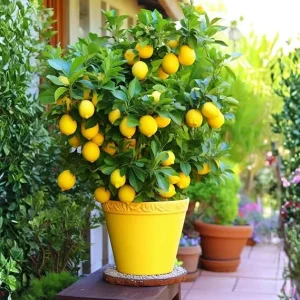
Lemon Tree Growing: Choose, Plant, and Harvest
Learn how to choose, plant, feed, and protect a lemon tree so it fits your
23
Sep
Sep
Dwarf Meyer Lemon Tree Australia: Climate Guide
Learn where dwarf Meyer lemon trees grow, how much cold they tolerate, and whether Australia,
Where to Buy a Dwarf Meyer Lemon Tree: Buyer’s Guide
Find the right dwarf Meyer lemon tree online or locally, compare starter sizes and costs,
Dwarf Meyer Lemon Tree for Sale: Buying Guide
Compare Meyer lemon tree sizes, prices, shipping limits, indoor growing and California options before you
Dwarf Meyer Lemon Tree Guide: Size, Care and Fruit
META: Learn how large a dwarf Meyer lemon tree grows, where it thrives, and how
How to Prune a Dwarf Meyer Lemon Tree
Learn when and how to prune a dwarf Meyer lemon tree, including tools, shaping cuts,
Can You Grow a Dwarf Meyer Lemon Tree in a Pot?
META: Learn how to grow a dwarf Meyer lemon tree in a pot, including container
When Do Dwarf Meyer Lemon Trees Bloom and Fruit?
META: Dwarf Meyer lemon trees usually bloom from winter through spring and may flower again