Pansy Seeds – Cold & Draft Resistant, Open-Pollinating – 25 Seeds
-50%
Pansy Seeds – Cold & Draft Resistant, Open-Pollinating – 25 Seeds
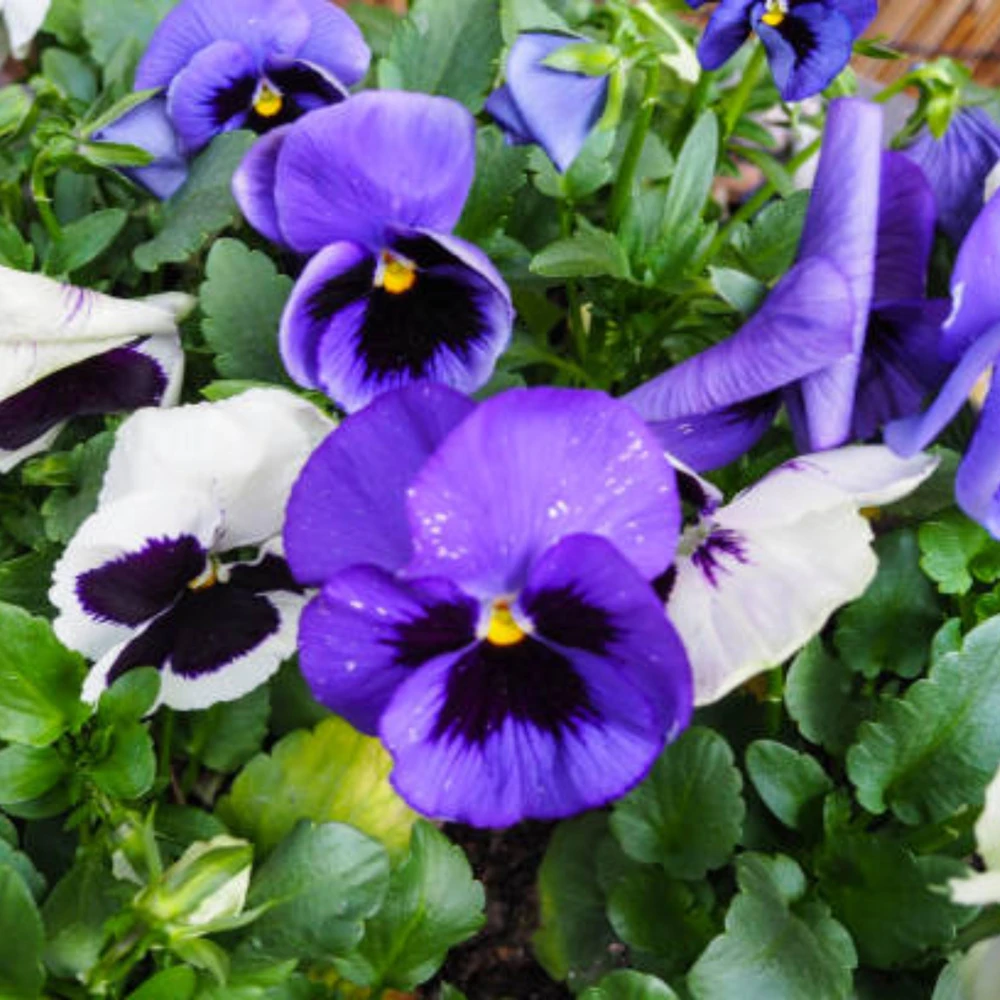
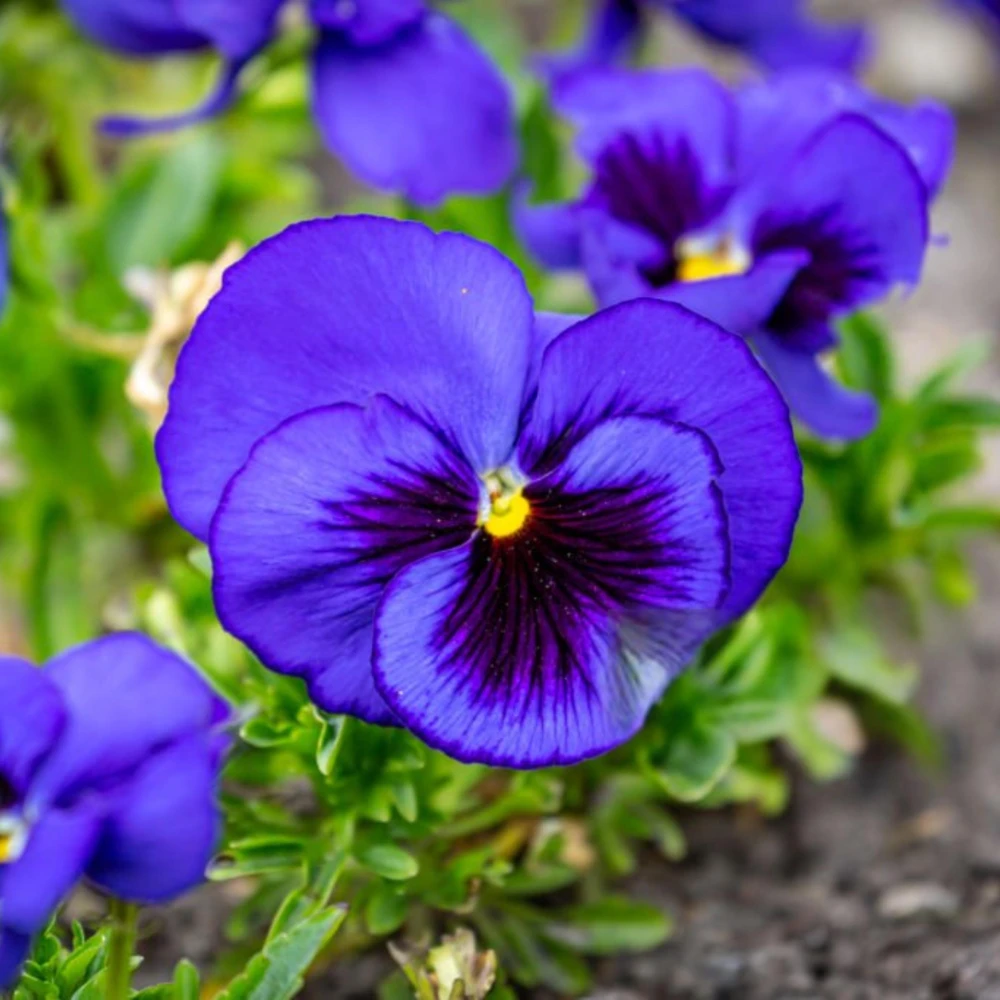
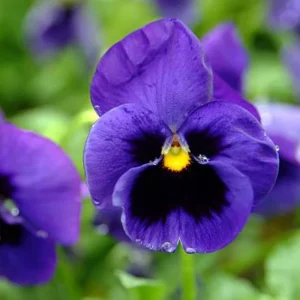
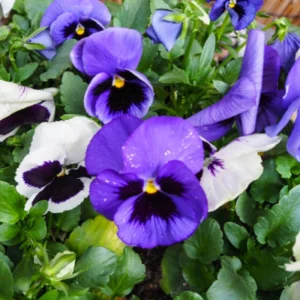
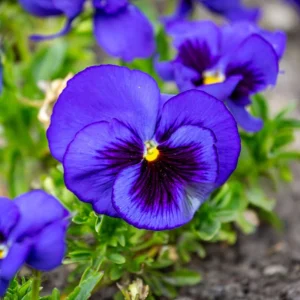
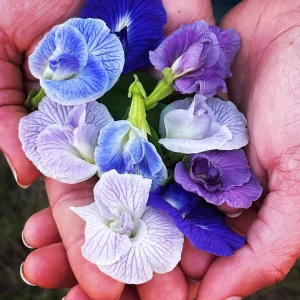
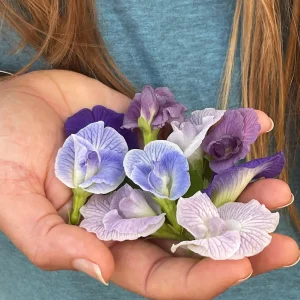
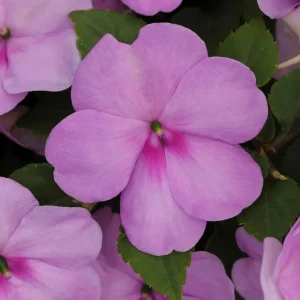
Cultivate stunning blooms with these pansy seeds, known for their vibrant colors and hardiness. This pack contains 25 open pollinating pansy seeds, perfect for adding charm to your garden beds, containers, or borders. Enjoy their beauty from spring through fall, even in cooler conditions.
Original price was: $1,526.00.$764.00Current price is: $764.00.

With our Alive & Thrive Guarantee, we’ve got your back for the first 30 days! If you have any concerns about your plants, just reach out to us. Our team is here to help answer your questions and guide you in selecting the best plants for your garden, climate, and unique preferences. We're excited to help you create the garden of your dreams!
Estimated arrival
Oct 08
Oct 13 - Oct 15
Oct 18 - Oct 22



Product Details
-
USDA Hardiness Zone
Zones 6-11 -
Soil type
Loamy, moist but well-drained soil -
Sunlight Exposure
Full sun to partial shade -
Expected Planting Period
Early spring or late summer to early fall
Overview
Embark on a delightful gardening journey with these versatile pansy seeds. Pansies are beloved for their cheerful, vibrant blooms and ability to thrive in a variety of climates, offering a splash of color when many other flowers fade. These particular seeds are from an open-pollinating variety, ensuring genetic diversity and allowing you to save seeds for future plantings. Pansies, scientifically known as Viola x wittrockiana, are a hybrid flower cultivated for their large, often multi-colored faces that bring a touch of whimsy to any landscape. They are particularly valued for their cold resistance, making them an excellent choice for extending your garden’s blooming season well into cooler months. Each pack contains 25 high-quality seeds, ready to transform your garden into a tapestry of rich hues.
These cold resistant pansy seeds offer a fantastic opportunity for gardeners looking for reliable and beautiful annuals. Pansies are relatively easy to grow from seed, making them a rewarding project for both beginners and experienced gardeners. Their compact growth habit and prolific flowering make them ideal for mass plantings, edging, or mixed containers. The ability to plant them in late summer or early spring provides flexibility, allowing you to enjoy their charming blossoms for an extended period. With proper care, these seeds will yield healthy, robust plants that consistently produce their iconic, velvety petals.
Key Benefits
Choosing these high-quality pansy seeds for your garden provides numerous advantages, ensuring a rewarding and beautiful growing experience. These benefits extend from their aesthetic appeal to their resilience and ease of cultivation.
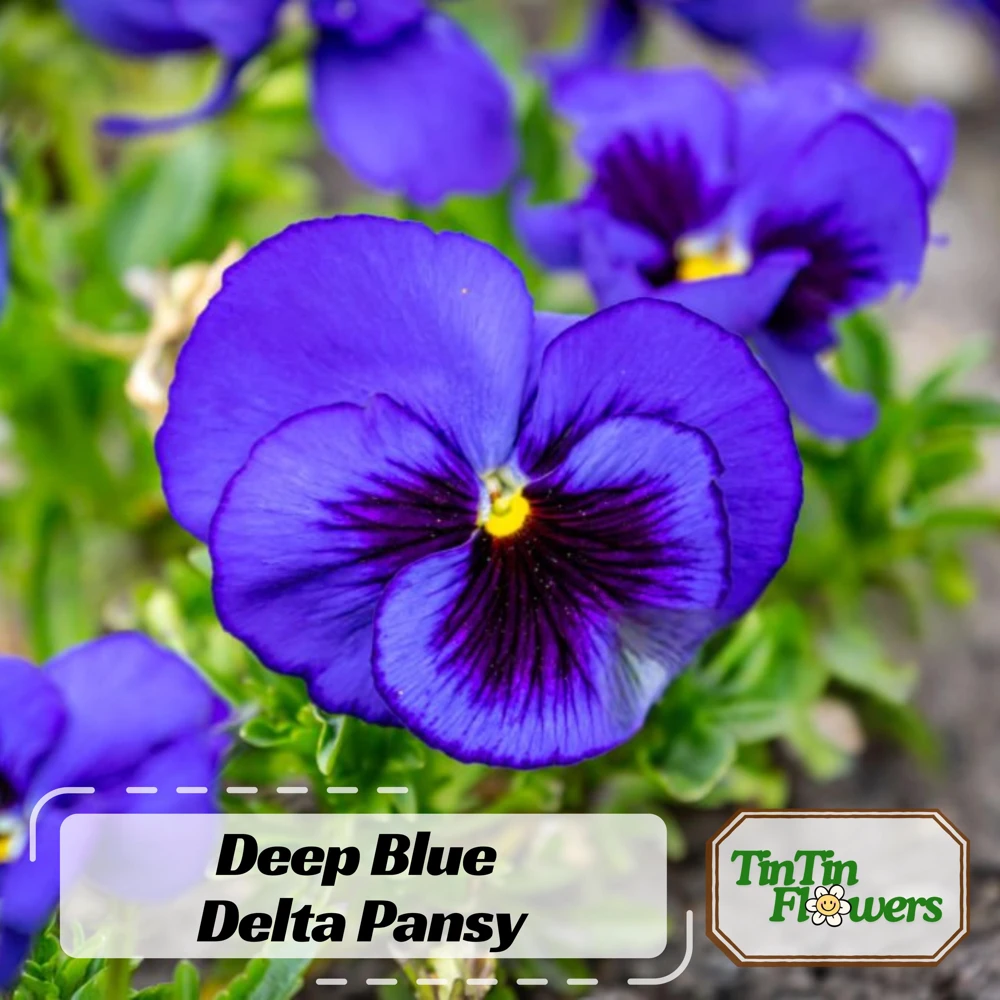
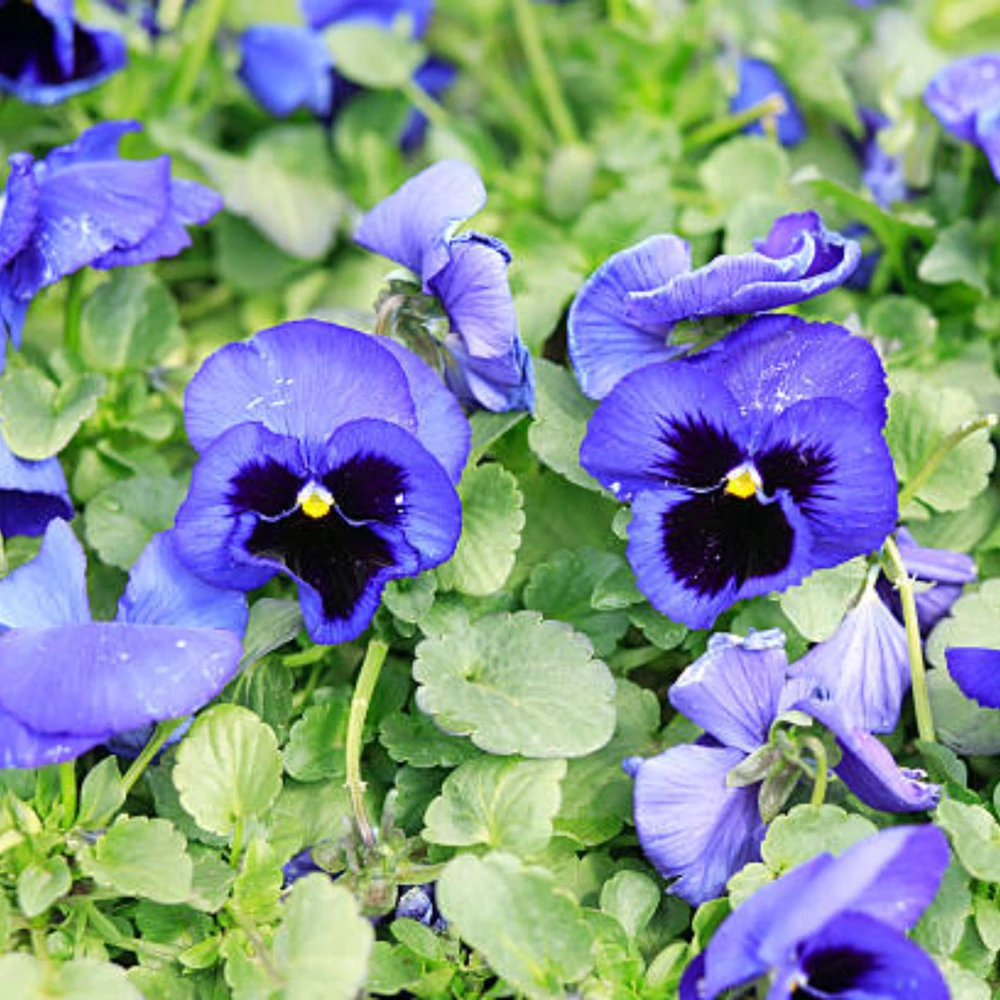
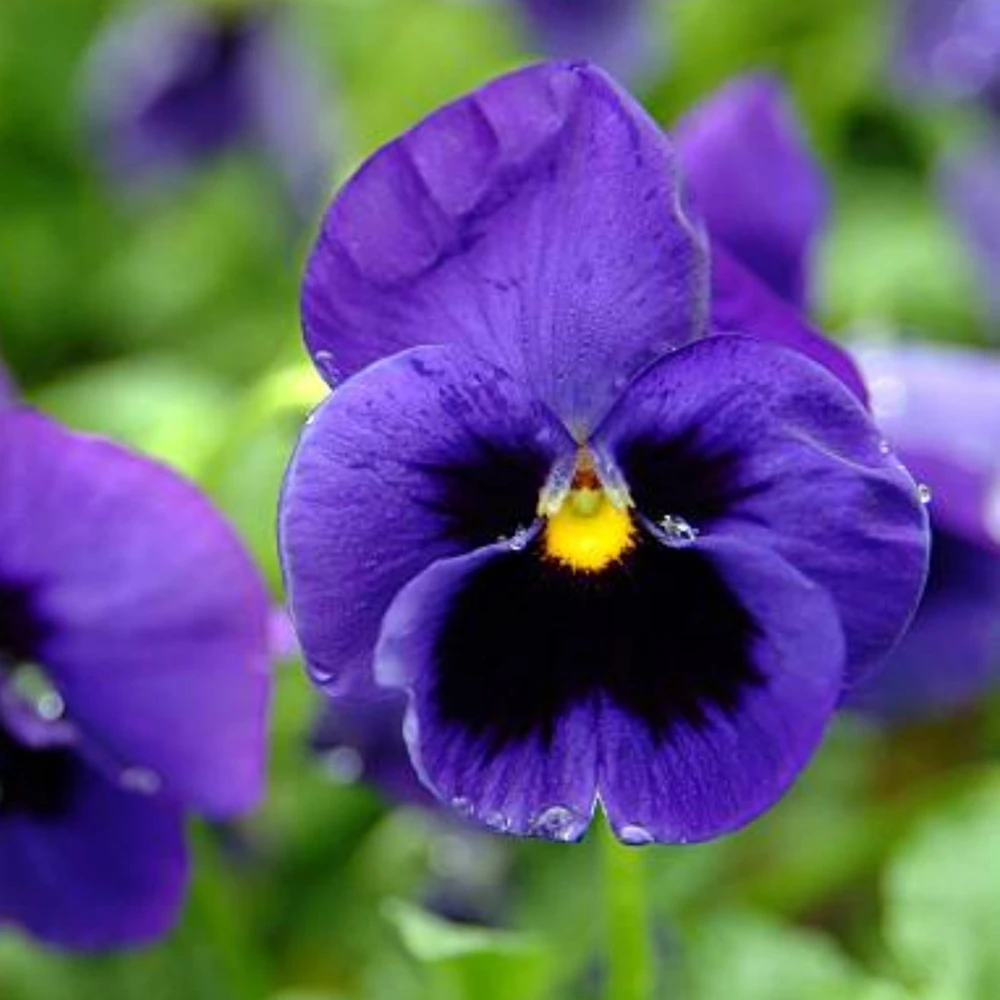
- Vibrant Seasonal Color: Pansies are renowned for their cheerful, face-like flowers that come in a wide spectrum of colors, including deep blues, yellows, and purples. They provide crucial early spring and late fall color when many other plants are dormant, brightening up your garden.
- Cold and Draft Resistant: These particular pansy seeds are selected for their enhanced resistance to cold temperatures and drafts. This makes them exceptionally durable in fluctuating weather conditions, allowing for longer blooming periods and greater success in cooler climates.
- Open-Pollinating Variety: As an open pollinating pansy type, these seeds will produce plants that yield seeds true to the parent plant. This allows you to save seeds from your healthiest plants year after year, fostering self-sufficiency in your gardening endeavors.
- Versatile Garden Use: Pansies are incredibly adaptable and look stunning in various garden settings. They are perfect for container gardening, window boxes, hanging baskets, garden borders, or as charming ground cover, adding a touch of elegance wherever they are planted.
- Easy to Grow from Seed:Growing pansy seeds is a straightforward and satisfying process. With basic care and attention to their specific needs, even novice gardeners can achieve beautiful results, making them an excellent choice for a first-time seed-starting project.
- Attracts Pollinators: While not a primary pollinator magnet, pansies can attract early season bees and other beneficial insects, contributing to the biodiversity and health of your garden ecosystem.
- Low Maintenance Blooms: Once established, pansies require minimal fuss. Regular deadheading encourages more blooms, and their compact size means they won’t outgrow their space quickly, making pansy seed care relatively simple.
Plant Care & Growing Tips
Successful cultivation of your pansy seeds begins with understanding their preferred growing conditions. Pansies thrive in cooler temperatures and appreciate well-draining soil. When planting indoors, start seeds 8–10 weeks before the last frost. For optimal germination, lightly press seeds onto the soil surface, as they require darkness to sprout. Maintain a consistent temperature of 65–70°F (18–21°C) during this crucial germination period, which typically takes 10–14 days. Covering the seed trays with newspaper or a blackout dome can help ensure the necessary darkness. Once seedlings emerge, provide bright, indirect light to prevent legginess. For those interested in growing pansy seeds outdoors, direct sow in early spring for summer blooms or in late summer for fall and winter blooms in milder climates.
When transplanting outdoors, ensure the danger of frost has passed for spring plantings or choose a fall planting in mild zones. Space your pansy plants 6–9 inches apart to allow for proper air circulation and growth. Pansies prefer loamy, moist, but well-drained soil that has been enriched with compost, with an ideal pH range of 6.0–7.0. They perform best in full sun to partial shade, especially in hotter climates where afternoon shade can prevent wilting and extend their blooming period. Regular watering is key; keep the soil consistently moist but never soggy, always watering at the base of the plant to prevent fungal issues. For robust growth and continuous flowering, use a balanced, water-soluble fertilizer every 2–3 weeks. Deadheading spent blooms is vital as it encourages the plant to produce more flowers rather than put energy into seed production, which is a key aspect of effective pansy seed care. Watch out for common pests like aphids and snails, and diseases such as powdery mildew; good air circulation is your best defense against fungal problems. In frost-prone areas, a layer of mulch can help protect roots and retain moisture, while pots can be brought indoors during severe cold snaps.
Size & Details
This product includes one full pack containing 25 pansy seeds. These seeds are ready for planting and will grow into compact, mounding plants typically reaching 6-9 inches in height and spreading 6-9 inches wide. Pansies are known for their relatively fast growth rate, often blooming within 10-14 weeks of germination, depending on growing conditions and climate. The seeds are open-pollinating, meaning they will produce plants that are true to type, allowing for seed saving. They are ideal for various applications, including containers, garden beds, borders, and window boxes. Expect vibrant, multi-colored blooms that can last from early spring through late fall, with proper care and suitable climate conditions.
Frequently Asked Questions
- Q: How many seeds are included in one pack? A: Each pack contains 25 high-quality pansy seeds, providing a good number to start your garden or fill multiple containers.
- Q: Are these pansy seeds suitable for all climates? A: These seeds are selected for their cold resistant pansy qualities, making them suitable for a wide range of climates, particularly zones 6-11. Planting times will vary based on your specific USDA zone.
- Q: Can I save seeds from these plants for next year? A: Yes, these are open pollinating pansy seeds, meaning the plants will produce seeds that are true to type. You can confidently save seeds from your healthiest plants for future seasons.
- Q: What are the sunlight requirements for growing pansies? A: Pansies thrive in full sun to partial shade. In warmer climates, providing afternoon shade can help extend their blooming period and prevent stress from intense heat.
- Q: Is growing pansy seeds difficult for beginners? A: Not at all! Pansies are considered relatively easy to grow from seed, making them an excellent choice for gardeners of all experience levels. The detailed instructions provided will guide you through the process.
- Q: When is the best time to plant these pansy seeds? A: For cooler climates (Zones 6-8), start indoors in late summer for fall blooms or direct sow in early spring for spring/summer blooms. In warmer climates (Zones 9-11), sow in fall for winter and early spring blooms.
- Q: What kind of soil do pansies prefer? A: Pansies prefer loamy, moist, but well-drained soil enriched with compost. The ideal pH range is 6.0–7.0. Ensuring good drainage is crucial for healthy root development and preventing rot.
- Q: How often should I water my pansy plants? A: Keep the soil consistently moist but not soggy. Water at the base of the plant to avoid wetting the foliage, which can help prevent fungal diseases. Adjust frequency based on weather and soil type.
- Q: What is the best way to ensure continuous blooms? A: Regular deadheading, or removing faded flowers, is essential. This encourages the plant to produce new blooms rather than diverting energy into seed production, a key aspect of good pansy seed care.
- Q: Will these pansies attract pests? A: While generally robust, pansies can occasionally attract pests like aphids and snails. Good air circulation and regular inspection are the best preventative measures.
Related products
-50%

Original price was: $38.36.$19.18Current price is: $19.18.
-50%


Original price was: $23.96.$11.98Current price is: $11.98.
-50%
Original price was: $23.96.$11.98Current price is: $11.98.
-50%

Original price was: $23.96.$11.98Current price is: $11.98.
-50%

Original price was: $23.96.$11.98Current price is: $11.98.
-50%
Original price was: $23.96.$11.98Current price is: $11.98.
-50%
Original price was: $7.98.$3.98Current price is: $3.98.
PLANTING & CARE
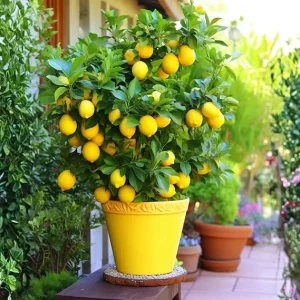
Lemon Tree Growing: Choose, Plant, and Harvest
Learn how to choose, plant, feed, and protect a lemon tree so it fits your
23
Sep
Sep
Dwarf Meyer Lemon Tree Australia: Climate Guide
Learn where dwarf Meyer lemon trees grow, how much cold they tolerate, and whether Australia,
Where to Buy a Dwarf Meyer Lemon Tree: Buyer’s Guide
Find the right dwarf Meyer lemon tree online or locally, compare starter sizes and costs,
Dwarf Meyer Lemon Tree for Sale: Buying Guide
Compare Meyer lemon tree sizes, prices, shipping limits, indoor growing and California options before you
Dwarf Meyer Lemon Tree Guide: Size, Care and Fruit
META: Learn how large a dwarf Meyer lemon tree grows, where it thrives, and how
How to Prune a Dwarf Meyer Lemon Tree
Learn when and how to prune a dwarf Meyer lemon tree, including tools, shaping cuts,
Can You Grow a Dwarf Meyer Lemon Tree in a Pot?
META: Learn how to grow a dwarf Meyer lemon tree in a pot, including container
When Do Dwarf Meyer Lemon Trees Bloom and Fruit?
META: Dwarf Meyer lemon trees usually bloom from winter through spring and may flower again