Partridge Pea Seeds – Native Yellow Wildflower – 30 Seeds – Chamaecrista Fasciculata
-50%
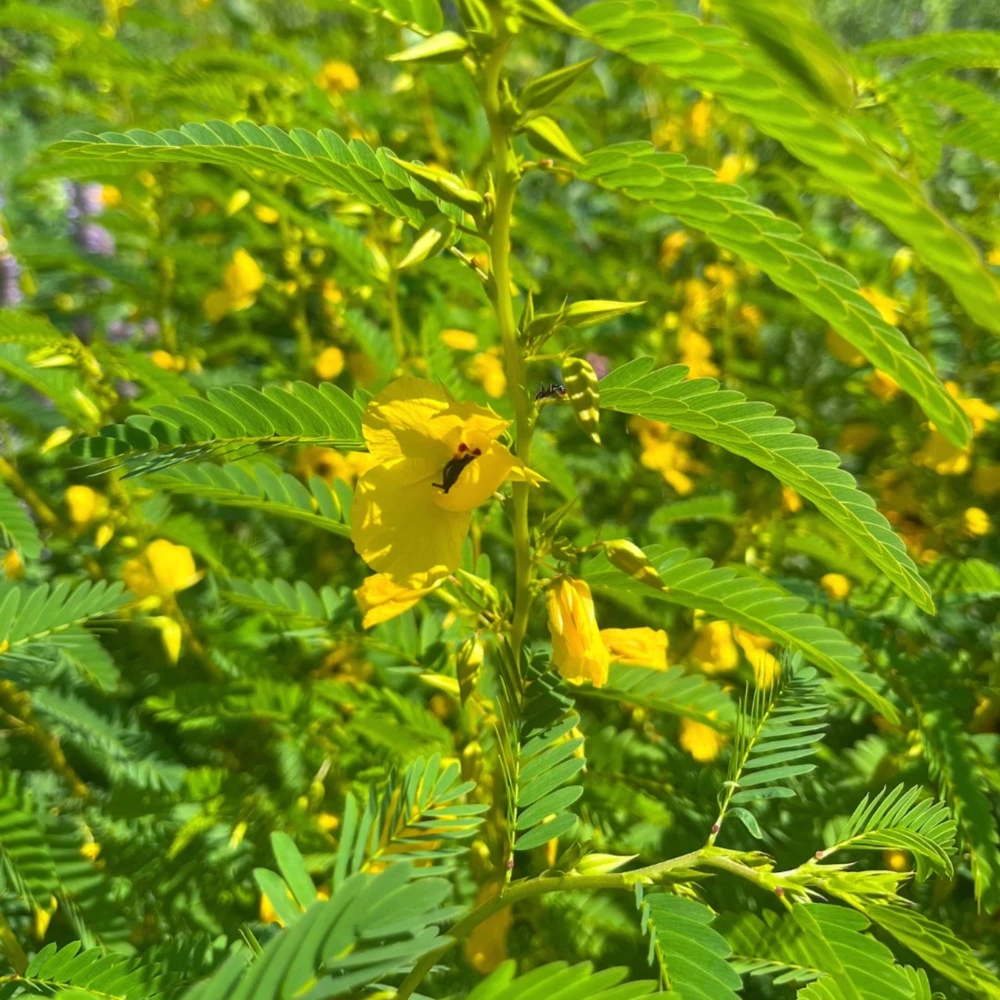
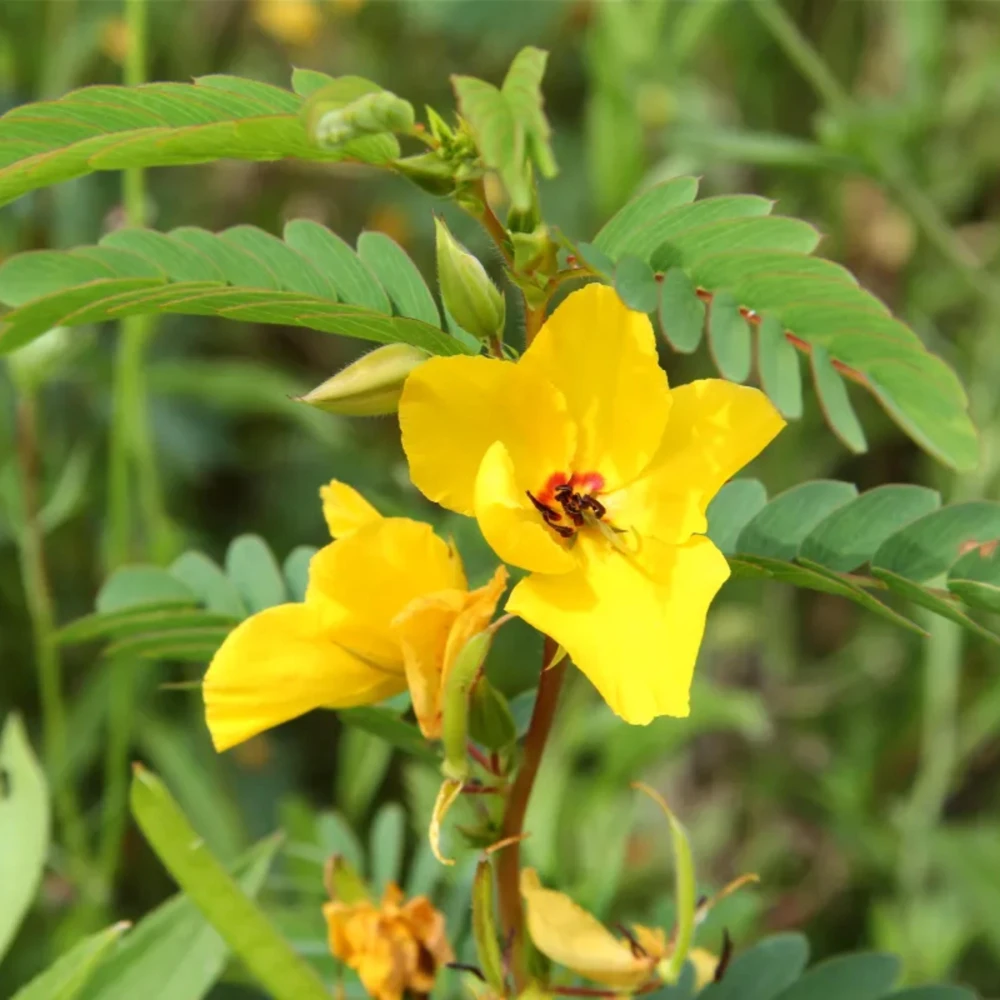
Partridge Pea Seeds – Native Yellow Wildflower – 30 Seeds – Chamaecrista Fasciculata
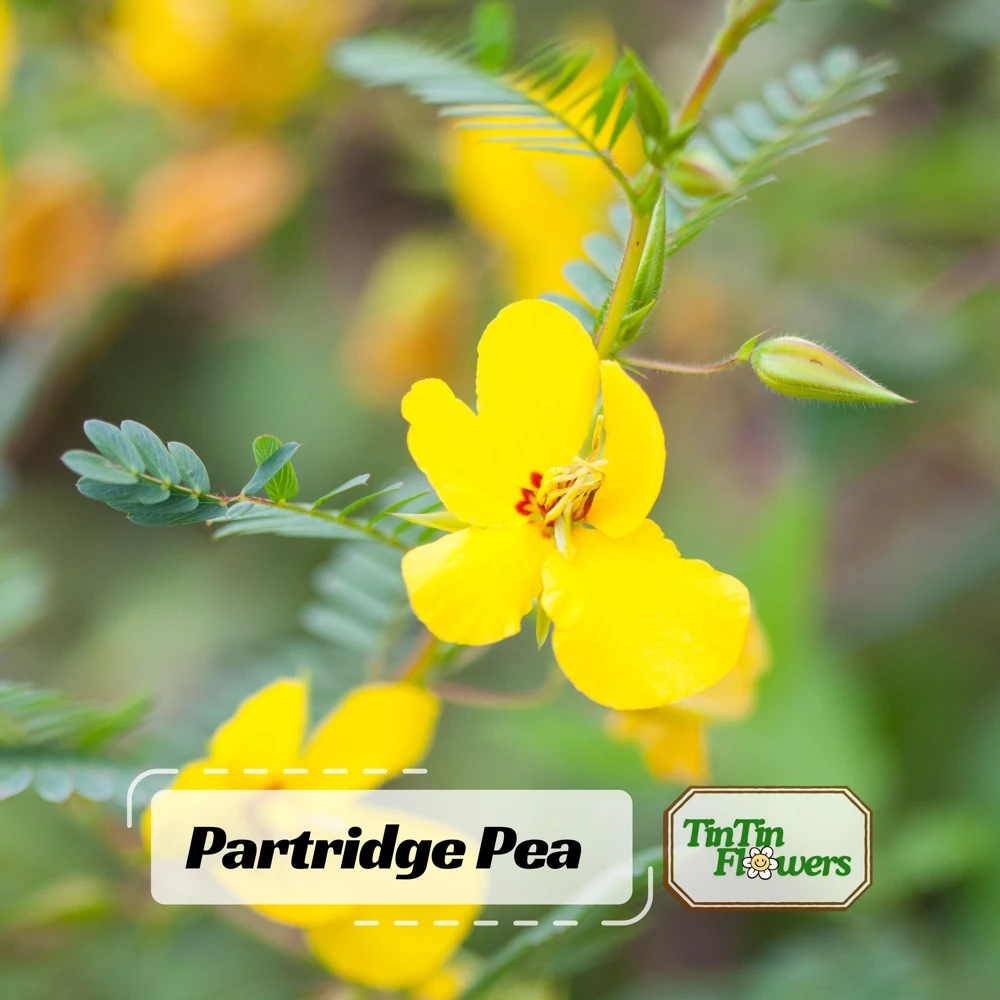
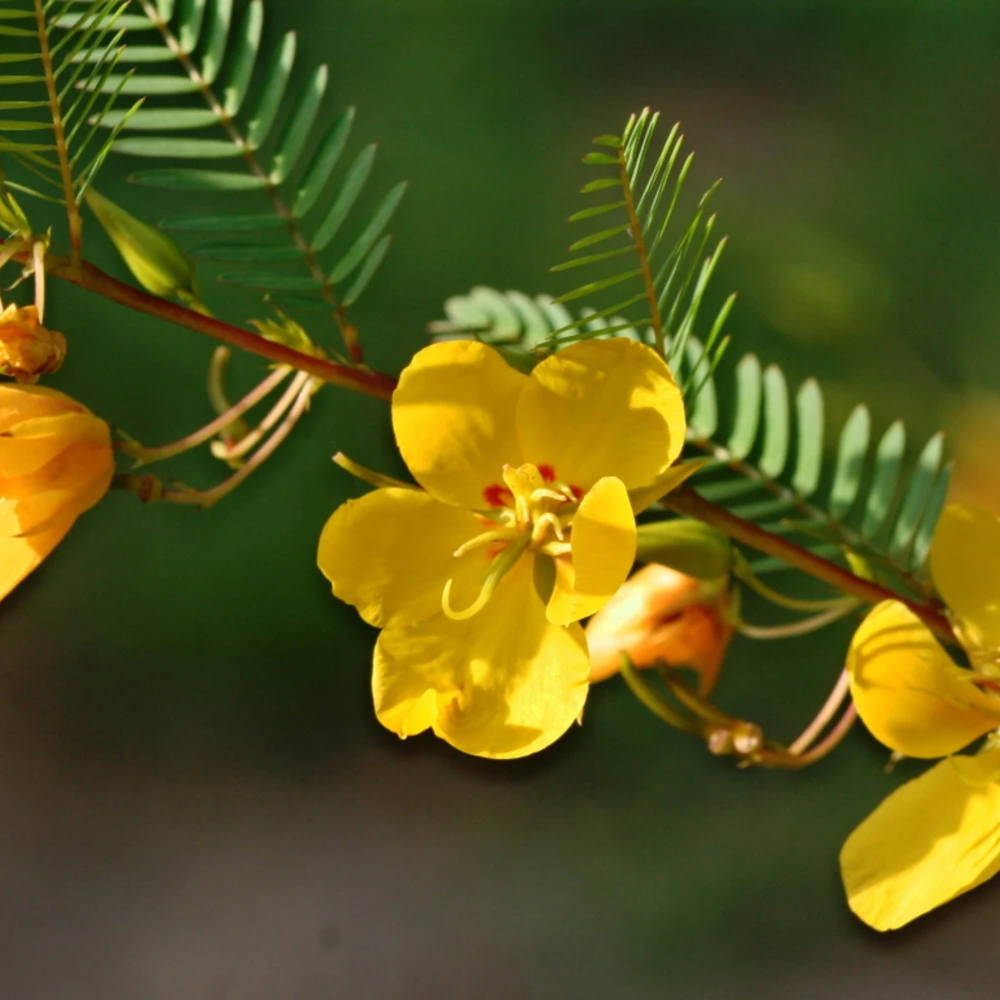
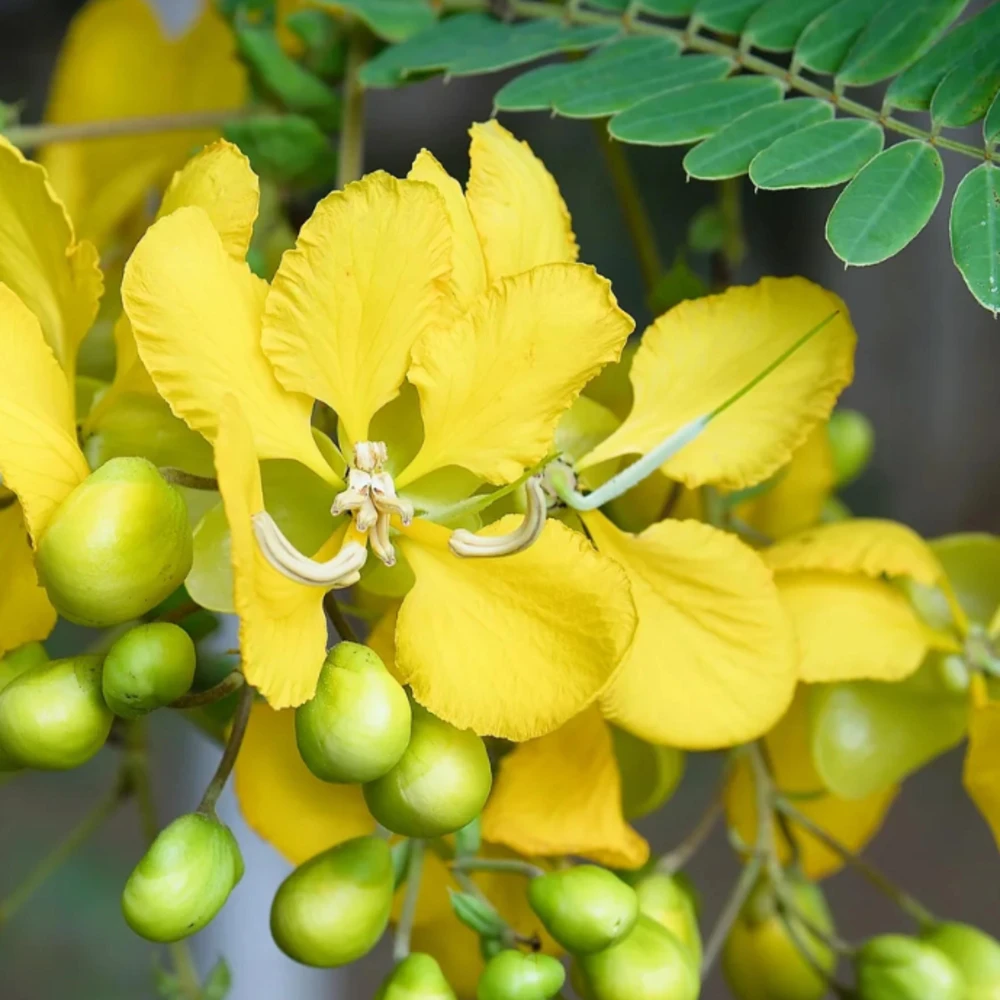
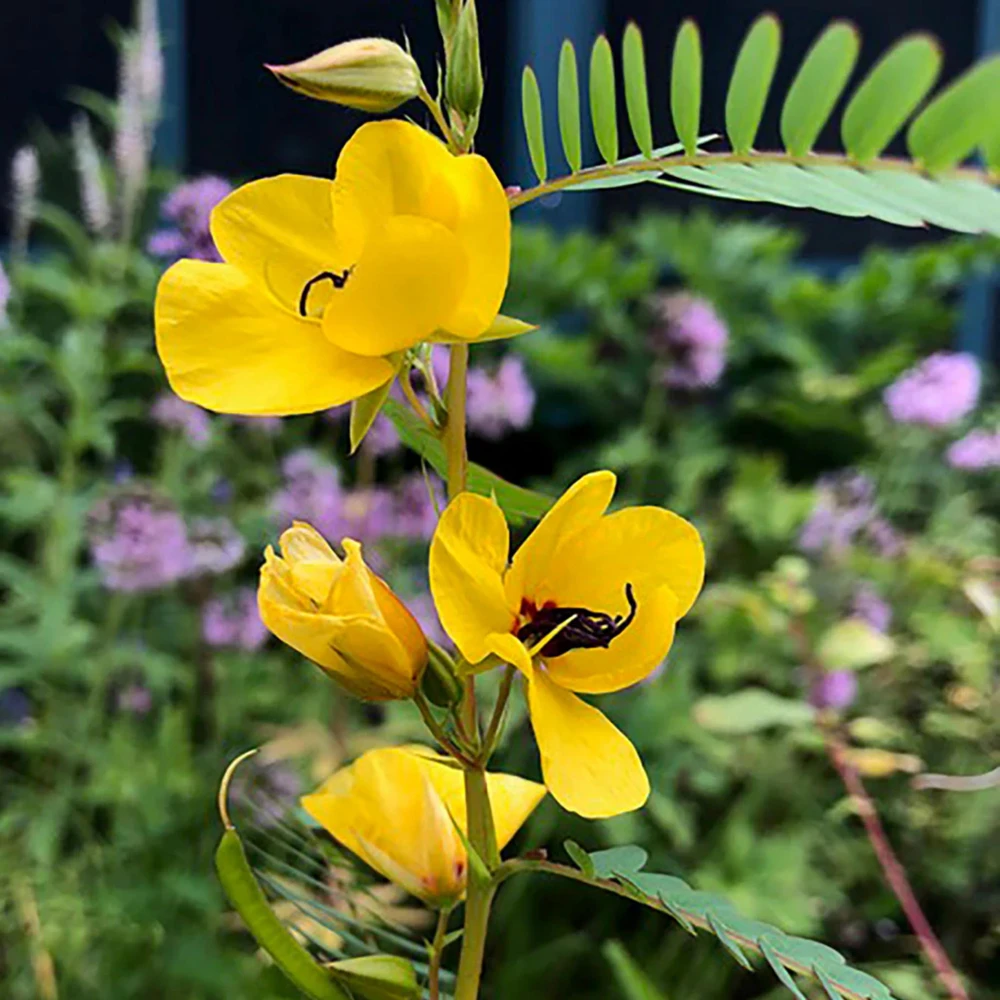
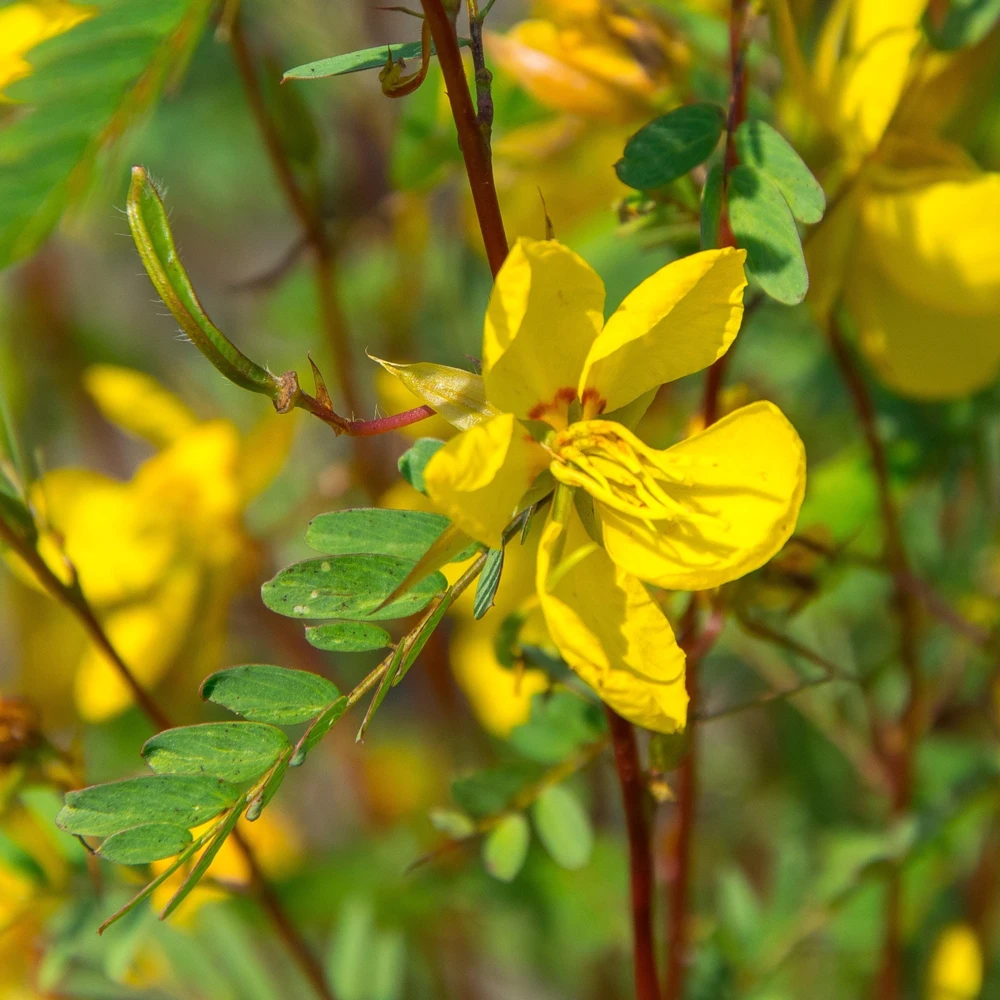
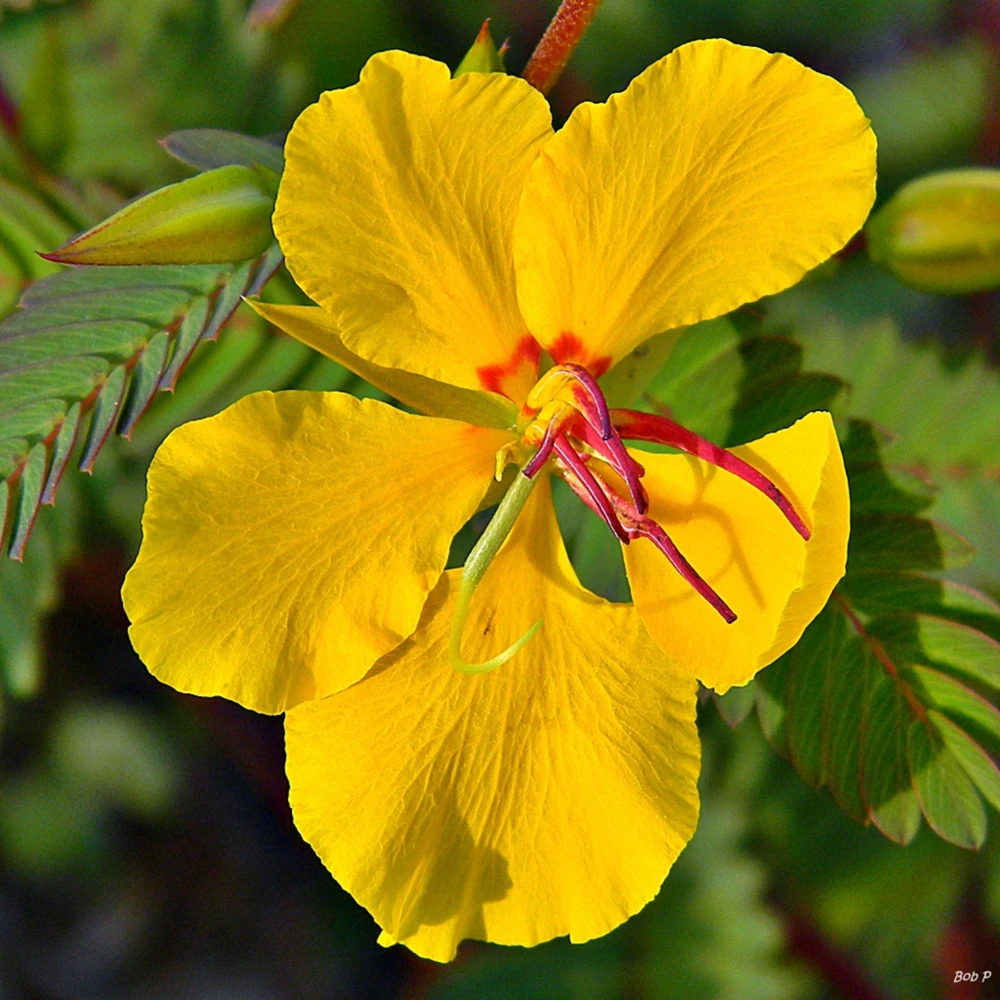
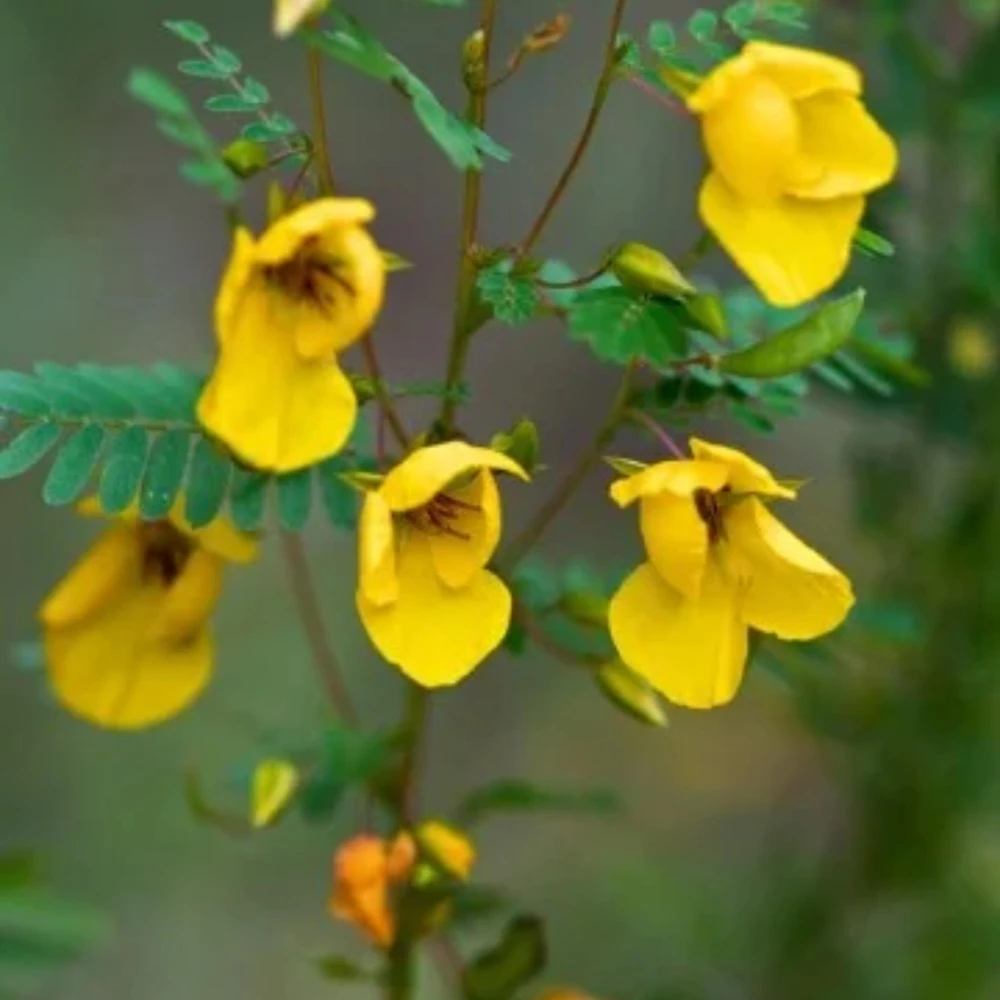
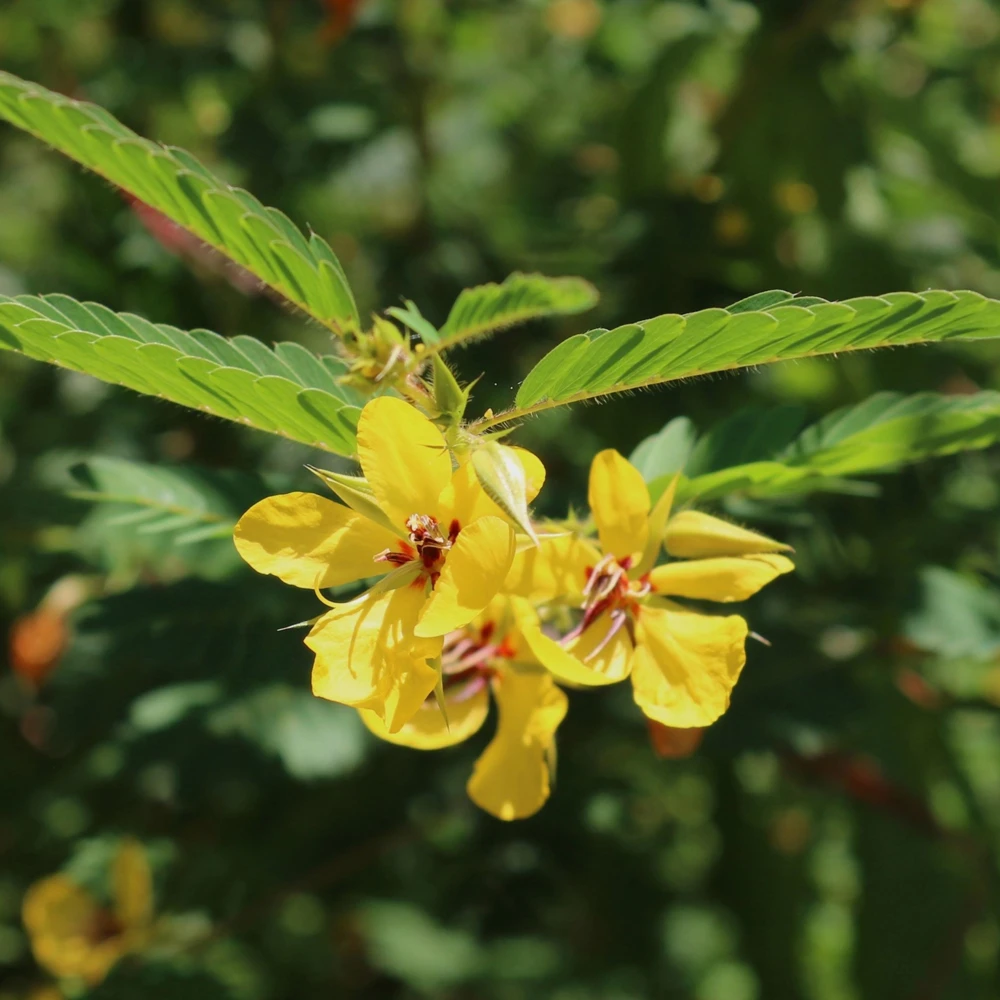
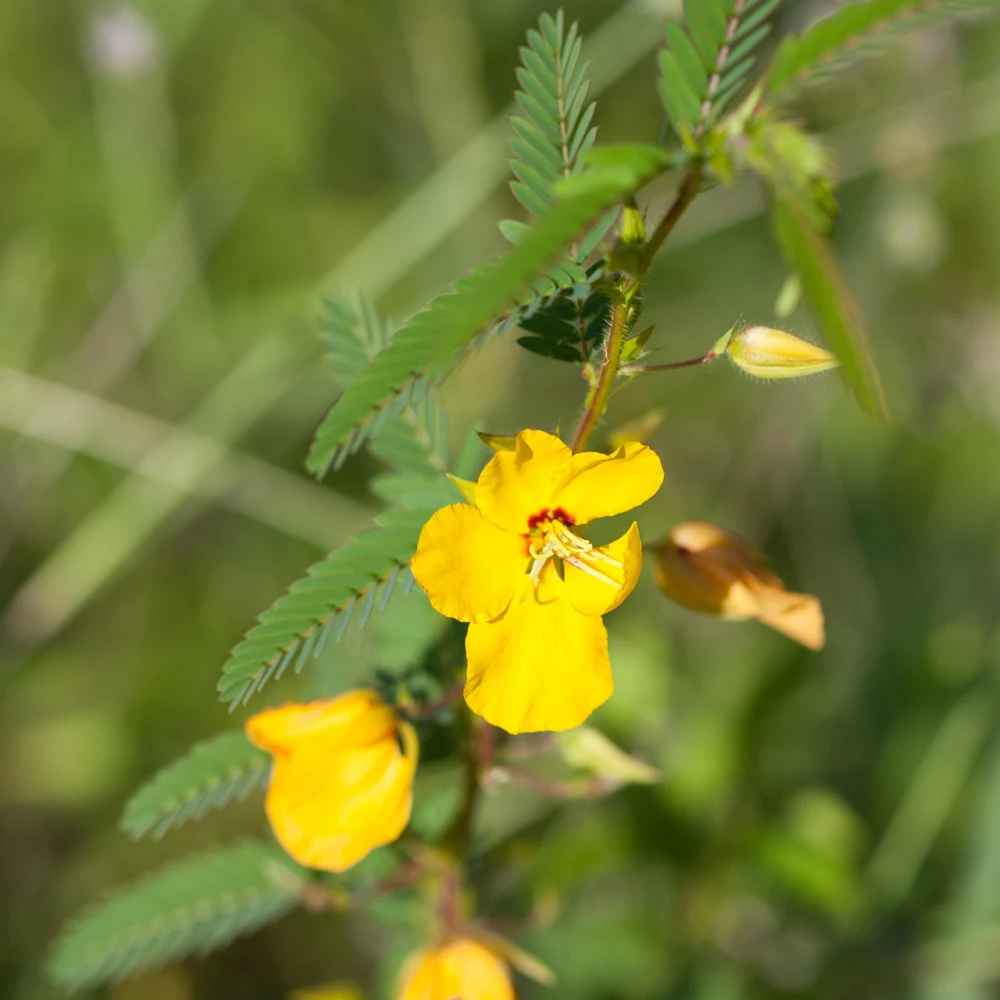
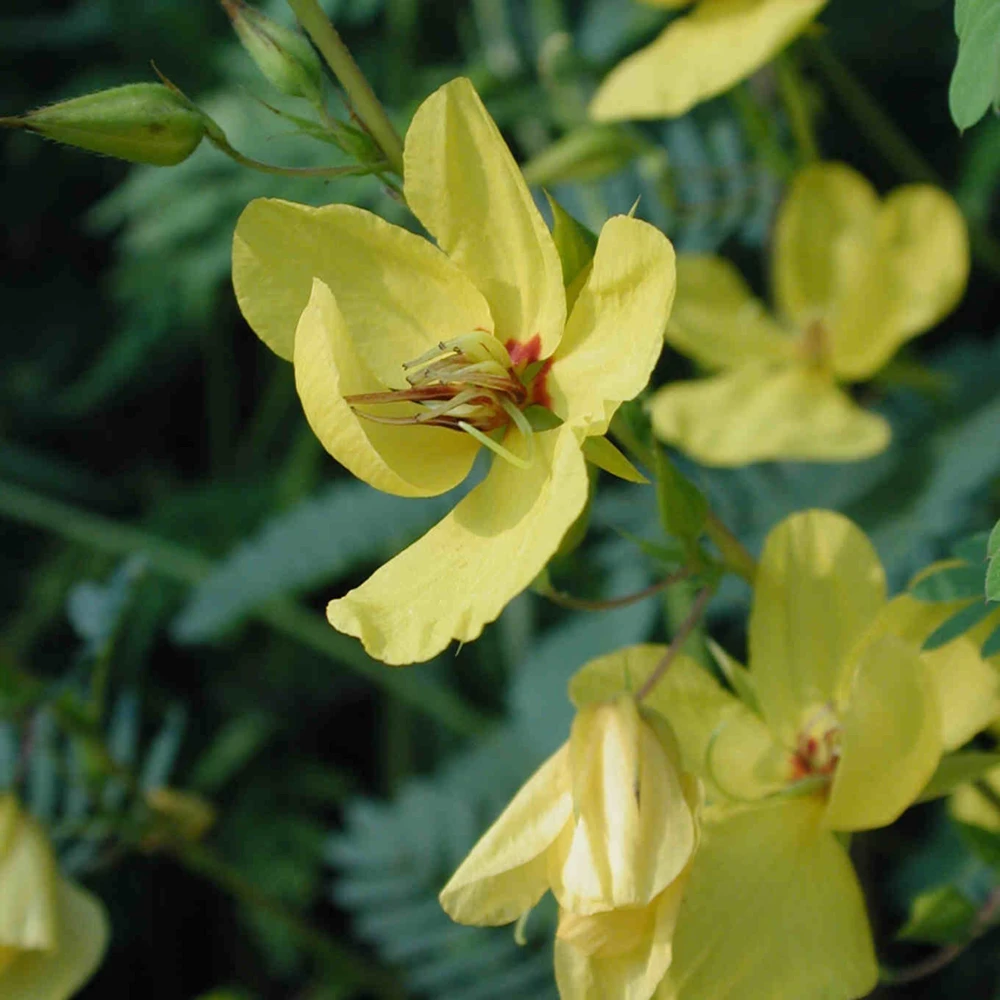
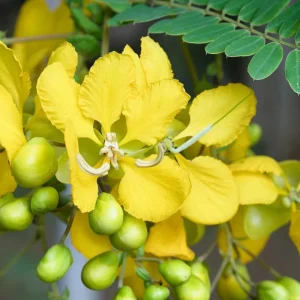
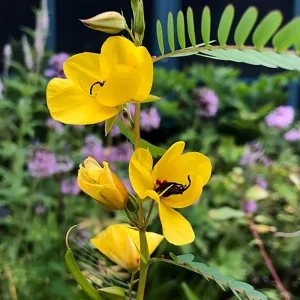
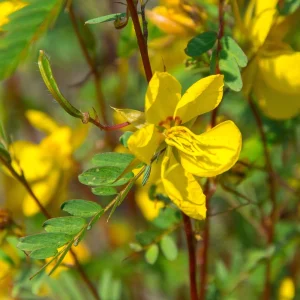
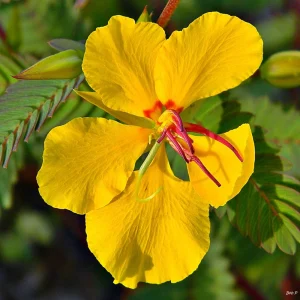
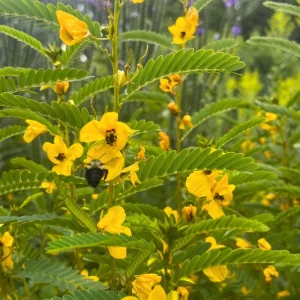
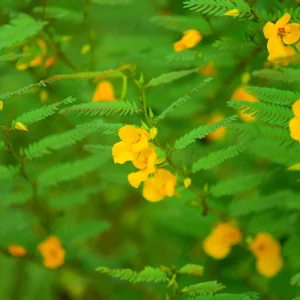
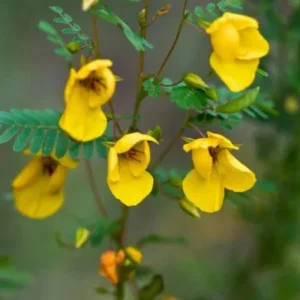
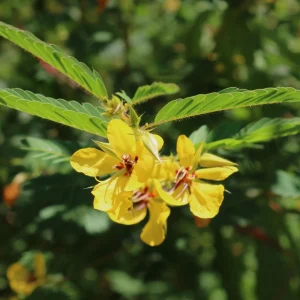
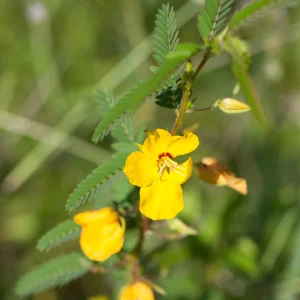
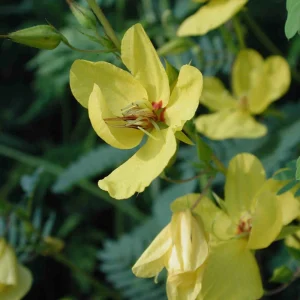
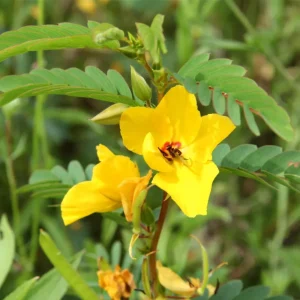
Cultivate beautiful partridge pea seeds, a native yellow wildflower (Chamaecrista fasciculata) known for its vibrant blooms and sensitivity to touch. These pollinator friendly seeds are perfect for attracting bees and butterflies, enhancing biodiversity in your garden or restoration project. Easy to grow in full sun, they support excellent soil health.
Original price was: $285.96.$142.98Current price is: $142.98.

With our Alive & Thrive Guarantee, we’ve got your back for the first 30 days! If you have any concerns about your plants, just reach out to us. Our team is here to help answer your questions and guide you in selecting the best plants for your garden, climate, and unique preferences. We're excited to help you create the garden of your dreams!
Estimated arrival
Oct 08
Oct 13 - Oct 15
Oct 18 - Oct 22




Product Details
-
USDA Hardiness Zone
USDA zones 3-9 (as an annual) -
Soil type
Sandy, dry, well-draining soil -
Sunlight Exposure
Full sun -
Expected Planting Period
Spring after last frost
Overview
Introduce a burst of native beauty and ecological benefit to your landscape with our premium partridge pea seeds. Scientifically known as Chamaecrista fasciculata, this charming annual wildflower is celebrated for its bright yellow flowers and unique sensitive foliage that gently folds upon touch. Ideal for gardeners and conservationists alike, these seeds offer a straightforward way to establish a vibrant, low-maintenance habitat. The partridge pea is not just a visual delight; it plays a crucial role in supporting local ecosystems, making it an excellent choice for anyone looking to cultivate native wildflower seeds that contribute positively to their environment. Each packet contains 30 seeds, providing a robust start for your planting endeavors.
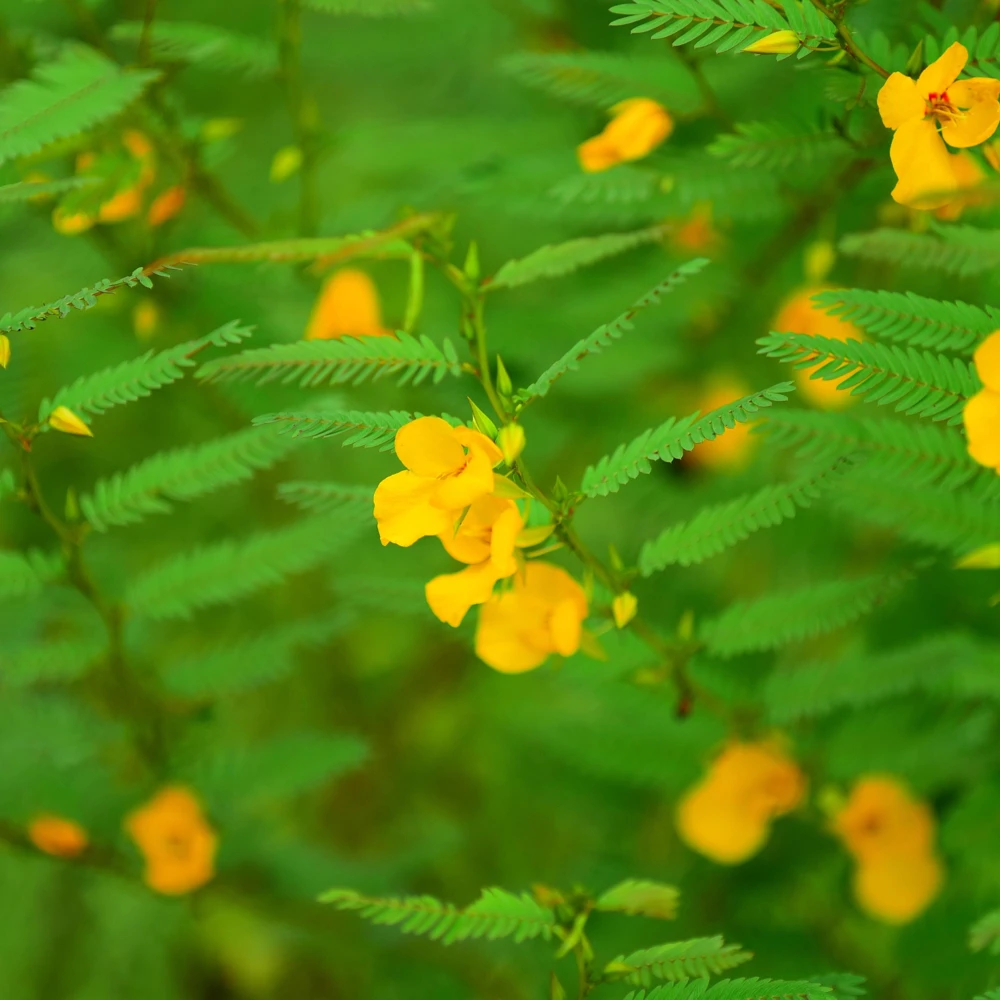
The Chamaecrista fasciculata is a resilient and adaptable plant, thriving in various conditions and providing continuous blooms throughout the growing season. Its delicate appearance belies its tough nature, making it suitable for a wide range of planting projects from home gardens to larger restoration sites. By choosing these seeds, you’re investing in more than just a plant; you’re fostering a healthier, more biodiverse space. Experience the joy of watching bees and butterflies flock to your garden, drawn by the irresistible charm of these striking yellow wildflower seeds.
Key Benefits
Planting partridge pea seeds offers a multitude of advantages for both your garden and the environment. These native beauties are not only easy to grow but also provide significant ecological benefits. They are an excellent choice for creating a vibrant, living landscape.
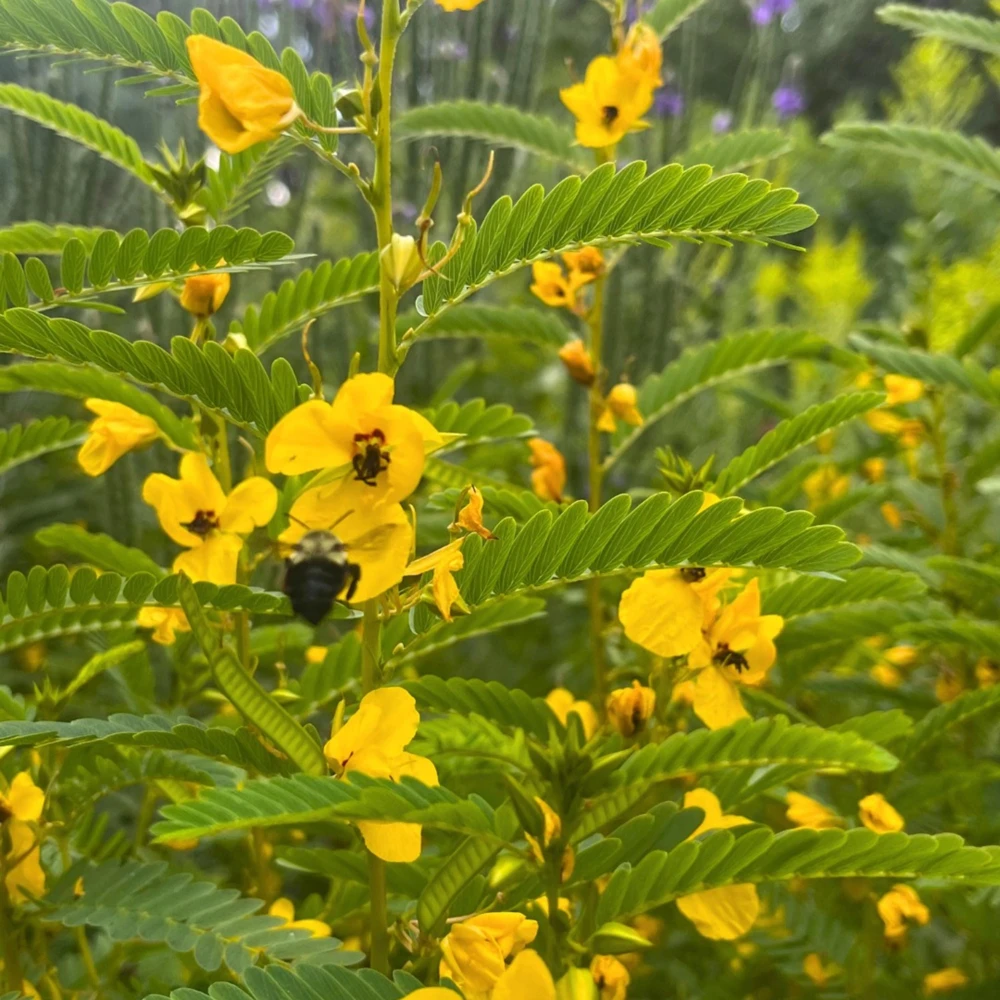
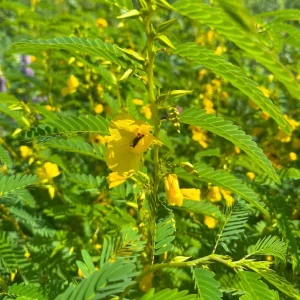
- Attracts Pollinators: The bright yellow flowers of the partridge pea are a magnet for bees, butterflies, and other beneficial insects, making them essential pollinator friendly seeds for any garden aiming to support local wildlife populations.
- Enhances Soil Health: As a legume, Chamaecrista fasciculata is a natural nitrogen fixer, enriching the soil and reducing the need for chemical fertilizers, contributing to a healthier garden ecosystem.
- Low Maintenance: Once established, these native wildflowers require minimal care, tolerating heat and drought conditions, which makes them perfect for busy gardeners or restoration projects.
- Vibrant Aesthetic Appeal: The cheerful yellow blooms and unique sensitive foliage add a dynamic and engaging visual element to any garden, meadow, or naturalized area.
- Erosion Control: Their robust root systems help stabilize soil, making them an excellent choice for preventing erosion in sloped areas or restored landscapes.
- Drought and Heat Tolerant: These resilient plants thrive in full sun and well-drained soils, enduring hot, dry periods with grace where other plants might falter.
- Supports Biodiversity: By planting native wildflower seeds like the partridge pea, you create a vital food source and habitat for a variety of native insects and small animals, fostering a richer, more diverse environment.
Plant Care & Growing Tips
Growing partridge pea seeds is a rewarding experience, even for novice gardeners. These native wildflowers are relatively fuss-free, but understanding their preferences will ensure a thriving display of Chamaecrista fasciculata. They prefer a location with full sun, meaning at least 6-8 hours of direct sunlight per day. Well-drained soil is crucial, and they particularly thrive in sandy or dry soil types. They are highly adaptable and can tolerate less-than-ideal soil conditions, making them excellent candidates for restoration sites.
For successful germination, it’s recommended to scarify the seeds lightly before planting. This can be done by gently rubbing them with sandpaper or nicking the seed coat. Sow the partridge pea seeds outdoors after the last frost date in your area, or start them indoors 4-6 weeks prior to transplanting. Press the seeds onto the soil surface, covering them very lightly. Maintain consistent moisture until the seedlings are well-established. Once mature, these plants are remarkably drought-tolerant, requiring minimal watering.
Space plants 12 to 18 inches apart to allow for proper expansion and air circulation as they mature. While generally robust, ensuring adequate sunlight and well-drained soil will prevent most common issues. Fertilization is typically not necessary due to their nitrogen-fixing capabilities. Enjoy the vibrant display of these yellow wildflower seeds and the pollinators they attract with minimal effort.
Size & Details
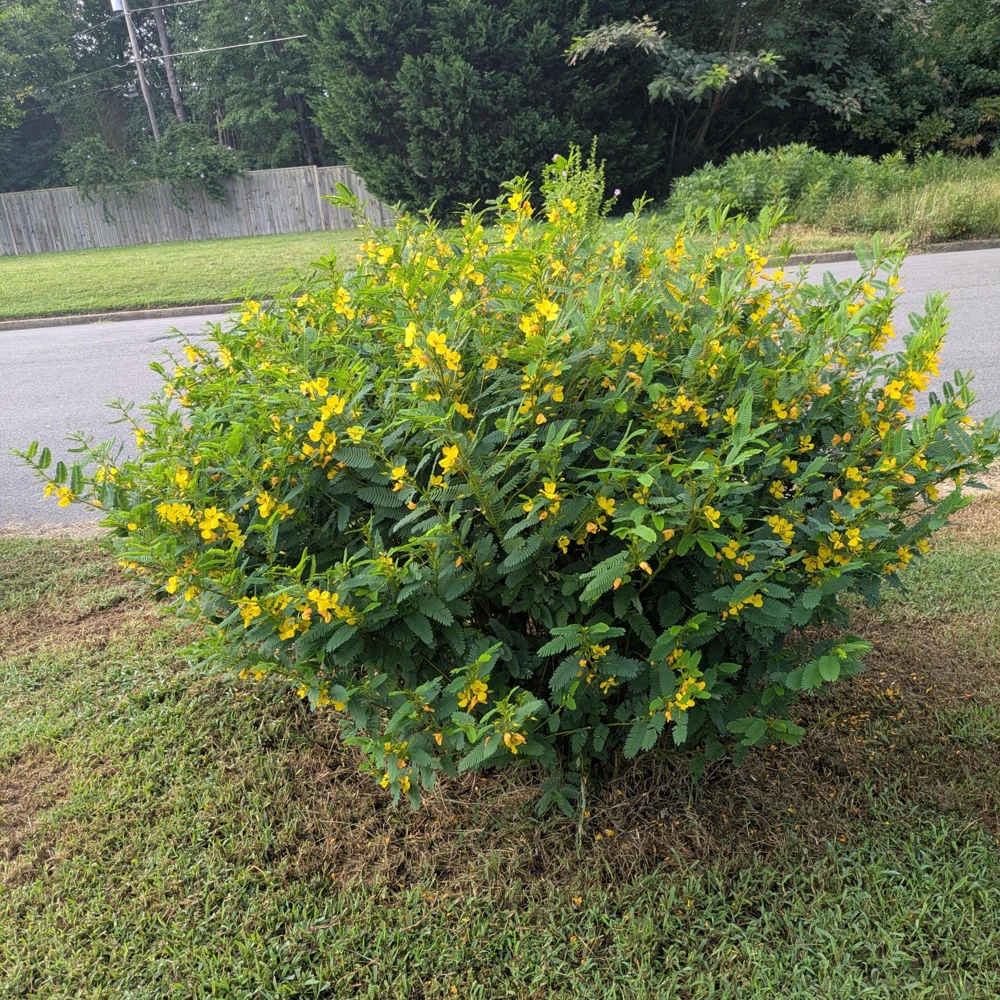
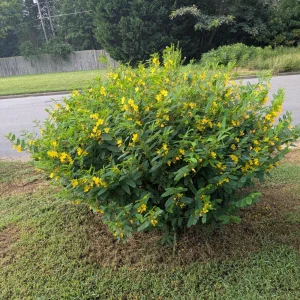
Our partridge pea seeds are provided in a single packet containing 30 high-quality seeds, ready for planting. Once established, these annual wildflowers typically grow to a height of 1 to 3 feet, creating a bushy, upright habit. They spread approximately 1 to 2 feet wide, forming attractive clumps of sensitive foliage and bright yellow flowers. The growth rate is moderate, with blooms appearing from mid-summer through fall, providing a long season of color and pollinator activity.
These native wildflower seeds are shipped as dormant seeds, ensuring their viability upon arrival. With proper planting and care, you can expect a beautiful display within their first growing season. The plant’s sensitive leaves, which fold when touched or at night, add an intriguing element to its overall appeal. This species is an excellent choice for naturalizing areas, meadows, borders, or even larger containers, offering both aesthetic beauty and ecological benefits.
Frequently Asked Questions
- Q: How big does the Partridge Pea plant get? A: The partridge pea seeds typically grow into plants that reach a height of 1 to 3 feet tall and spread 1 to 2 feet wide, forming a bushy annual plant.
- Q: How much sunlight does Chamaecrista fasciculata need? A: This plant thrives in full sun, requiring at least 6-8 hours of direct sunlight per day for optimal growth and flowering.
- Q: Is this plant easy to care for? A: Yes, the partridge pea is considered a low-maintenance plant. Once established, it is drought-tolerant and requires minimal watering and care, making it suitable for beginners.
- Q: What condition will the seeds arrive in? A: The partridge pea seeds will arrive as dormant, viable seeds in a protective packet, ready for planting.
- Q: Is the Partridge Pea pet-safe? A: While partridge pea is generally considered non-toxic, it’s always best to prevent pets from consuming large quantities of any plant material.
- Q: When is the best time to plant these yellow wildflower seeds? A: Plant outdoors after the last frost date in your region, or start indoors 4-6 weeks before the last frost.
- Q: Will these pollinator friendly seeds attract bees and butterflies? A: Absolutely! The bright yellow flowers of the partridge pea are highly attractive to a variety of bees, butterflies, and other beneficial pollinators.
- Q: What type of soil does the Partridge Pea prefer? A: It prefers well-drained soils, especially sandy or dry soil types, and can tolerate poor soil conditions.
- Q: How many seeds are included in one packet? A: Each packet contains 30 high-quality partridge pea seeds, providing a good quantity for your planting project.
- Q: Can I grow Partridge Pea in a container? A: Yes, you can grow partridge pea in containers, provided they are large enough to accommodate the plant’s mature size and have good drainage.
Related products
-50%
Original price was: $23.96.$11.98Current price is: $11.98.
-50%
Original price was: $23.96.$11.98Current price is: $11.98.
-50%
Original price was: $7.98.$3.98Current price is: $3.98.
-15%
From Original price was: $28.00.$23.80Current price is: $23.80.
-50%
Original price was: $23.96.$11.98Current price is: $11.98.
-50%
Original price was: $47.96.$23.98Current price is: $23.98.
-50%
Original price was: $23.96.$11.98Current price is: $11.98.
-50%
Original price was: $95.96.$47.98Current price is: $47.98.
PLANTING & CARE
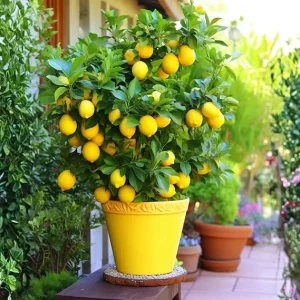
Lemon Tree Growing: Choose, Plant, and Harvest
Learn how to choose, plant, feed, and protect a lemon tree so it fits your
23
Sep
Sep
Dwarf Meyer Lemon Tree Australia: Climate Guide
Learn where dwarf Meyer lemon trees grow, how much cold they tolerate, and whether Australia,
Where to Buy a Dwarf Meyer Lemon Tree: Buyer’s Guide
Find the right dwarf Meyer lemon tree online or locally, compare starter sizes and costs,
Dwarf Meyer Lemon Tree for Sale: Buying Guide
Compare Meyer lemon tree sizes, prices, shipping limits, indoor growing and California options before you
Dwarf Meyer Lemon Tree Guide: Size, Care and Fruit
META: Learn how large a dwarf Meyer lemon tree grows, where it thrives, and how
How to Prune a Dwarf Meyer Lemon Tree
Learn when and how to prune a dwarf Meyer lemon tree, including tools, shaping cuts,
Can You Grow a Dwarf Meyer Lemon Tree in a Pot?
META: Learn how to grow a dwarf Meyer lemon tree in a pot, including container
When Do Dwarf Meyer Lemon Trees Bloom and Fruit?
META: Dwarf Meyer lemon trees usually bloom from winter through spring and may flower again