Pasque Flower Seeds – 20 Count Heirloom Anemone patens wolfgangiana for Gardens & Pollinators
-61%
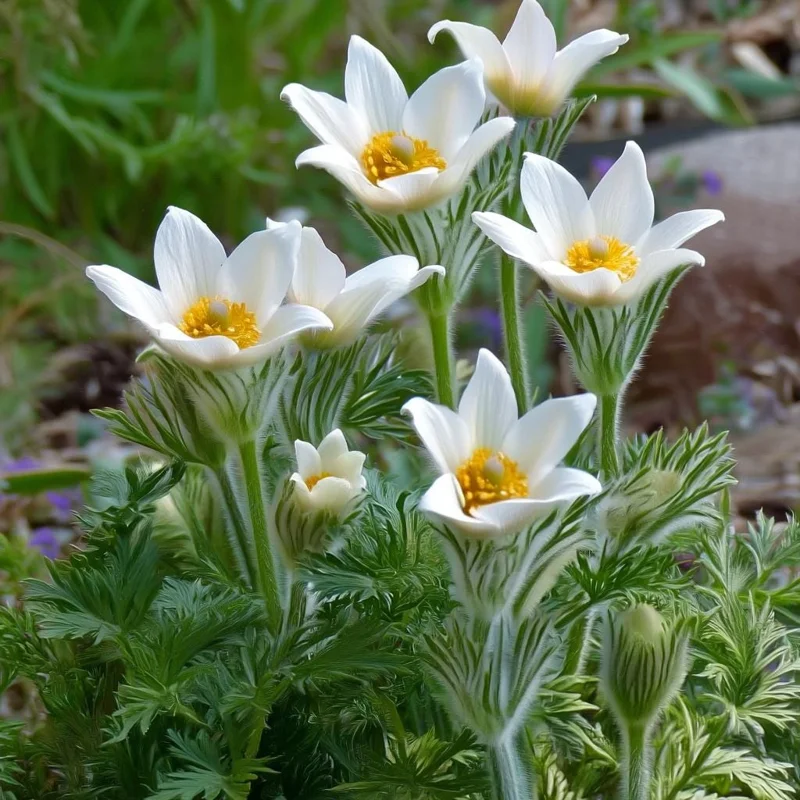
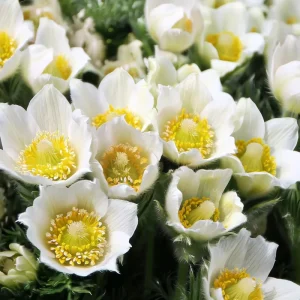
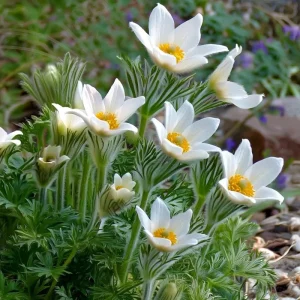
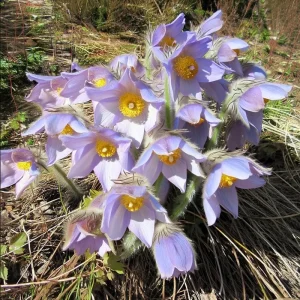
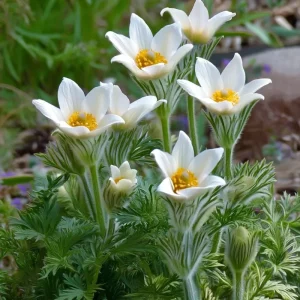
Pasque Flower Seeds – 20 Count Heirloom Anemone patens wolfgangiana for Gardens & Pollinators
Cultivate stunning Pasque Flower seeds (Anemone patens wolfgangiana) in your garden. These heirloom flower seeds produce beautiful purple blooms, perfect for attracting pollinators and enhancing early spring landscapes. Easy to grow and low-maintenance.
Original price was: $32.99.$12.99Current price is: $12.99.

With our Alive & Thrive Guarantee, we’ve got your back for the first 30 days! If you have any concerns about your plants, just reach out to us. Our team is here to help answer your questions and guide you in selecting the best plants for your garden, climate, and unique preferences. We're excited to help you create the garden of your dreams!
Estimated arrival
Oct 14
Oct 19 - Oct 21
Oct 24 - Oct 28






Product Details
-
USDA Hardiness Zone
USDA zones 3-7 -
Soil type
Well-draining, fertile soil -
Sunlight Exposure
Full sun to partial shade -
Expected Planting Period
Early spring or fall
Overview
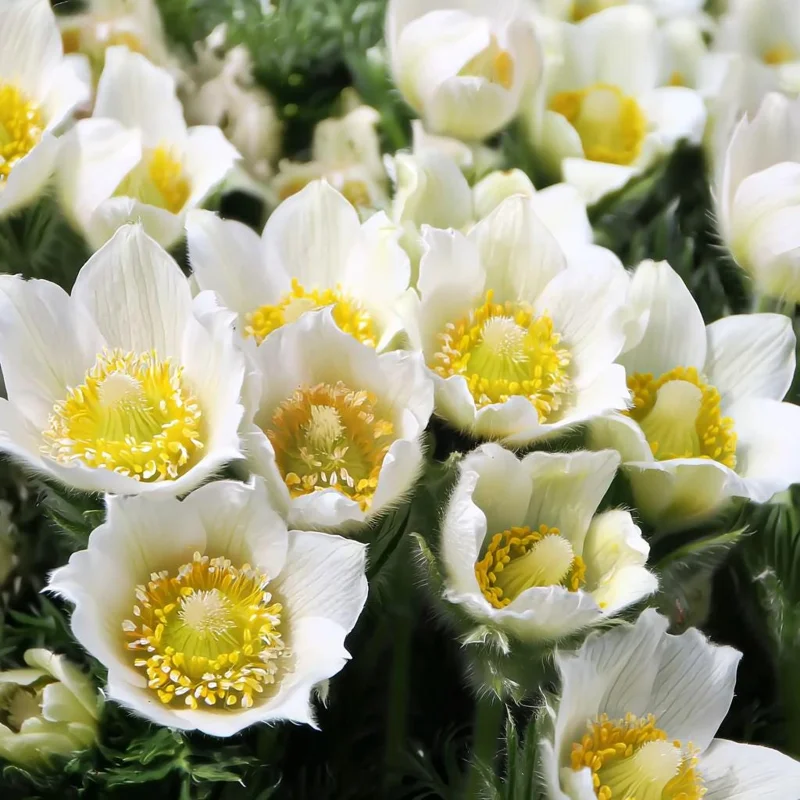
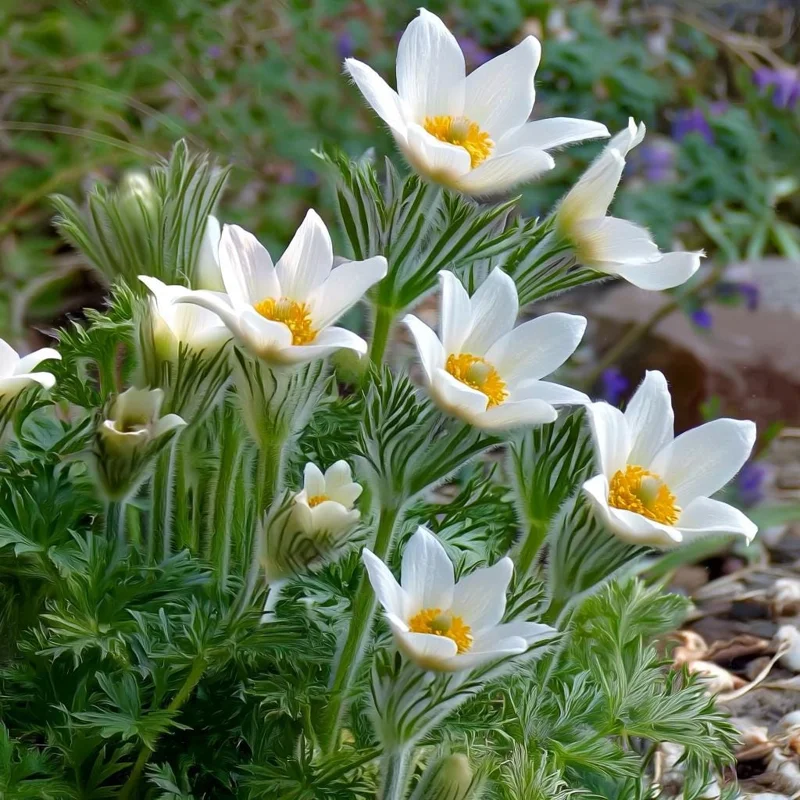
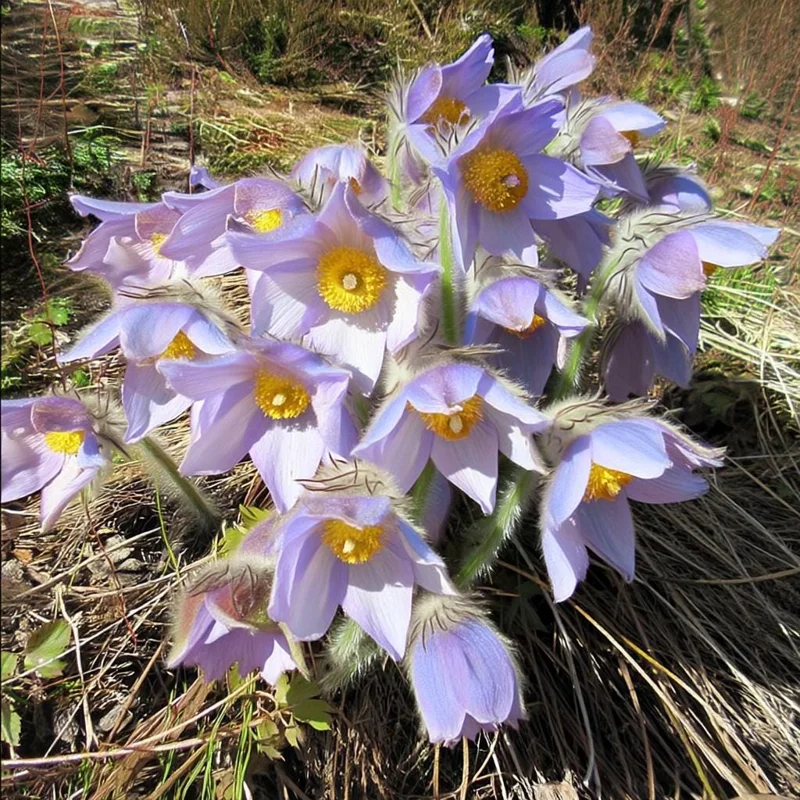
Bring enchanting beauty to your garden with our premium Pasque Flower seeds. Also known by its botanical name, Anemone patens wolfgangiana, this exquisite perennial is celebrated for its distinctive, large, cup-shaped purple flowers, each adorned with a vibrant yellow center. These heirloom flower seeds will allow you to cultivate a truly special plant that adds elegant early spring color and texture to any outdoor space. Ideal for rock gardens, borders, and pollinator-friendly landscapes, the Pasque Flower is a hardy and low-maintenance choice that provides long-lasting ornamental appeal. Gardeners seeking to create a visually stunning and ecologically beneficial environment will find these seeds a rewarding addition.
The Pasque Flower is a member of the buttercup family (Ranunculaceae) and is native to various regions, including parts of North America and Eurasia. Its common name, Pasque, is derived from “Paschal,” referring to Easter, as its blooms often coincide with the Easter season. This plant is not only beautiful but also plays a vital role in supporting local ecosystems by attracting beneficial insects. Growing Anemone patens wolfgangiana from seed is an economical and satisfying way to introduce this charming perennial to your home garden.
Key Benefits
Cultivating Pasque Flower seeds offers a myriad of benefits for both your garden and the environment. These plants are a fantastic choice for gardeners looking to combine aesthetic appeal with ecological responsibility. The unique characteristics of the Pasque Flower make it a standout addition.
- Early Spring Blooms: Enjoy some of the first vibrant purple flowers of the season, bringing much-needed color and life to your garden when most other plants are still dormant. This early bloom time is especially cherished by gardeners eager for color after winter.
- Attracts Pollinators: The bright, open flowers are a magnet for bees and butterflies, making the Pasque Flower an excellent choice for a pollinator garden seeds project. Supporting pollinators is crucial for ecosystem health.
- Low Maintenance: Once established, these plants are remarkably hardy and require minimal care, making them suitable for both experienced gardeners and beginners. Their resilience is a key advantage.
- Drought Tolerant: After establishment, Pasque Flowers are quite tolerant of dry conditions, reducing the need for frequent watering. This makes them ideal for xeriscaping or areas with water restrictions.
- Versatile Landscaping: Perfect for rock gardens, perennial borders, and naturalized areas, its unique form and early bloom provide architectural interest and focal points. The plant’s adaptability allows for various design uses.
- Heirloom Quality: Grow a piece of gardening history with these heirloom flower seeds, ensuring genetic diversity and a connection to traditional gardening practices. Heirloom varieties often possess unique qualities not found in modern hybrids.
- Beautiful Foliage: Beyond the flowers, the finely dissected, fern-like foliage adds texture and interest to the garden throughout the growing season. The leaves remain attractive even when the plant is not in bloom.
Plant Care & Growing Tips
Growing Anemone patens wolfgangiana from our Pasque Flower seeds is a straightforward and rewarding experience with the right care. These plants thrive in conditions that mimic their natural habitats. Understanding their specific needs will ensure robust growth and abundant flowering. Proper site selection and initial care are crucial for successful establishment.
For optimal growth, plant Pasque Flower seeds in full sun to partial shade. In hotter climates, some afternoon shade can be beneficial to protect the plant from intense heat. Well-drained soil is paramount; Pasque Flowers are intolerant of soggy conditions, which can lead to root rot. Amend heavy clay soils with organic matter like compost and grit to improve drainage. The ideal soil pH is slightly acidic to neutral. Sow seeds directly outdoors in early spring or fall. Plant seeds approximately ¼ inch deep, pressing the soil lightly over them to ensure good seed-to-soil contact. Germination typically occurs within 14–28 days. Once seedlings emerge, thin them to be 6–12 inches apart to allow for mature growth and adequate airflow.
Water regularly during the plant’s establishment phase, ensuring the soil remains consistently moist but not waterlogged. Once established, Pasque Flowers become quite drought-tolerant and require only moderate watering. Mulch lightly around the base of the plants to help conserve soil moisture, regulate soil temperature, and suppress weeds. Fertilize sparingly in the spring with a balanced, slow-release granular fertilizer to encourage healthy growth and prolific flowering. Avoid over-fertilizing, as this can lead to lush foliage at the expense of blooms. Pasque Flowers are generally pest and disease resistant, making them a relatively trouble-free addition to your garden. These plants are known to attract pollinators, enhancing the biodiversity of your garden space.
Size & Details
This offering includes 20 high-quality Pasque Flower seeds (Anemone patens wolfgangiana) from an heirloom variety, carefully selected for purity and viability. Each seed has the potential to grow into a robust perennial plant. Once mature, Pasque Flowers typically reach a height of 6-12 inches and spread about 6-12 inches wide, forming a compact, mounding habit. The plant’s moderate growth rate means you will see established plants within one to two seasons, with flowering beginning in the second year from seed. The seeds are packaged to ensure freshness and are ready for planting upon arrival, providing a direct path to cultivating this charming species.
The plants produce their striking purple, cup-shaped flowers in early spring, often in March or April, depending on your local climate. After flowering, attractive silky seed heads develop, adding further visual interest. These plants are shipped as a seed packet, providing a convenient and economical way to start your own patch of Anemone patens wolfgangiana. With proper care, these seeds will yield beautiful, long-lived plants that will enhance your garden for many years to come.
Frequently Asked Questions
- Q: How big does this plant get? A: Pasque Flowers typically grow to a compact size, reaching about 6-12 inches tall and spreading 6-12 inches wide. They form a neat, mounding habit ideal for various garden settings.
- Q: Is this an indoor or outdoor plant? A: The Pasque Flower seeds are intended for outdoor cultivation. These perennials thrive in garden beds, rockeries, and borders where they can receive appropriate sunlight and drainage.
- Q: How much sunlight does it need? A: Pasque Flowers prefer full sun to partial shade. In regions with intense summer heat, providing some afternoon shade can help protect the plant and prolong its blooming period.
- Q: Is this plant easy to care for? A: Yes, Pasque Flowers are considered low-maintenance once established. They are hardy and drought-tolerant, making them a good choice for both beginner and experienced gardeners looking for heirloom flower seeds.
- Q: How long until it blooms? A: Pasque Flowers typically bloom in their second year from seed. After germination and establishment in the first growing season, you can expect to see their beautiful purple flowers in early spring of the following year.
- Q: When is the best time to plant? A: You can sow Pasque Flower seeds directly outdoors in early spring or in the fall. Fall planting allows for natural stratification over winter, which can aid germination.
- Q: Will it survive winter in my zone? A: Pasque Flowers are very hardy perennials, generally thriving in USDA Zones 3-7. They are well-adapted to cold winters and will return year after year.
- Q: Can I grow these in containers? A: While primarily a garden plant, Pasque Flowers can be grown in containers, provided the containers are large enough and have excellent drainage. Ensure the soil does not become waterlogged.
- Q: What condition will the seeds arrive in? A: Your Pasque Flower seeds will arrive in a protective packet, ensuring their viability and freshness for successful planting in your garden.
- Q: Are these seeds good for a pollinator garden? A: Absolutely! Pasque Flowers are known to attract early-season pollinators like bees and butterflies, making them an excellent choice for a pollinator garden seeds collection.
Related products
-50%
Original price was: $23.96.$11.98Current price is: $11.98.
-50%
Original price was: $21.56.$10.78Current price is: $10.78.
-50%
Original price was: $23.96.$11.98Current price is: $11.98.
-50%
Original price was: $23.96.$11.98Current price is: $11.98.
-50%


Original price was: $23.96.$11.98Current price is: $11.98.

-50%
Original price was: $23.96.$11.98Current price is: $11.98.
-50%
Original price was: $47.96.$23.98Current price is: $23.98.
PLANTING & CARE
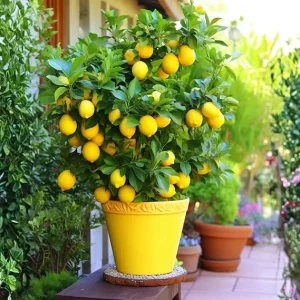
Lemon Tree Growing: Choose, Plant, and Harvest
Learn how to choose, plant, feed, and protect a lemon tree so it fits your
23
Sep
Sep
Dwarf Meyer Lemon Tree Australia: Climate Guide
Learn where dwarf Meyer lemon trees grow, how much cold they tolerate, and whether Australia,
Where to Buy a Dwarf Meyer Lemon Tree: Buyer’s Guide
Find the right dwarf Meyer lemon tree online or locally, compare starter sizes and costs,
Dwarf Meyer Lemon Tree for Sale: Buying Guide
Compare Meyer lemon tree sizes, prices, shipping limits, indoor growing and California options before you
Dwarf Meyer Lemon Tree Guide: Size, Care and Fruit
META: Learn how large a dwarf Meyer lemon tree grows, where it thrives, and how
How to Prune a Dwarf Meyer Lemon Tree
Learn when and how to prune a dwarf Meyer lemon tree, including tools, shaping cuts,
Can You Grow a Dwarf Meyer Lemon Tree in a Pot?
META: Learn how to grow a dwarf Meyer lemon tree in a pot, including container
When Do Dwarf Meyer Lemon Trees Bloom and Fruit?
META: Dwarf Meyer lemon trees usually bloom from winter through spring and may flower again