Paw Paw Tree Live Plant (Asimina triloba) – 6-14 Inch Starter Plant, Quart Pot, Outdoor Fruit Tree
-50%
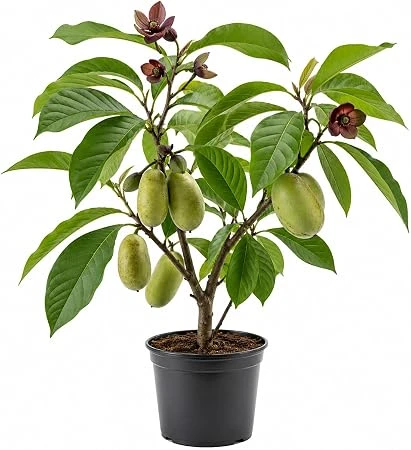
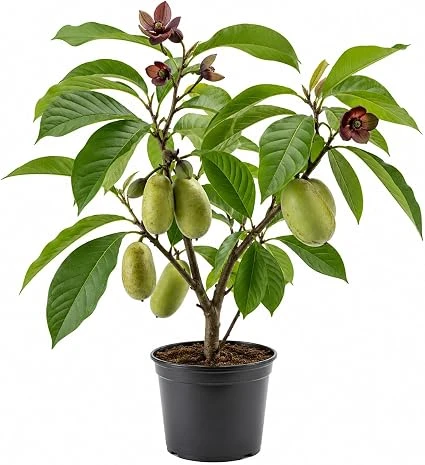
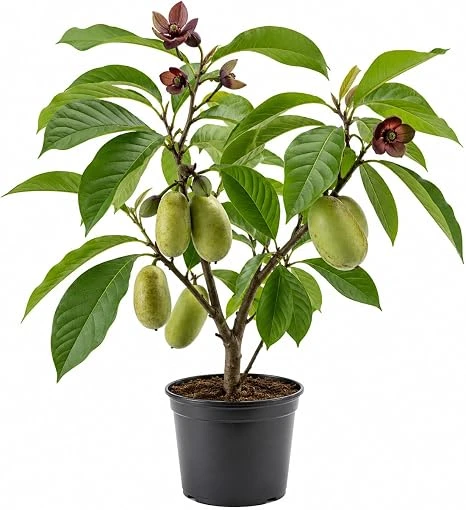
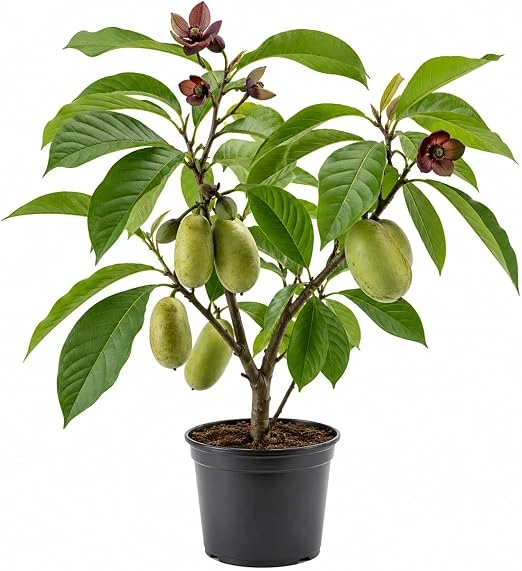
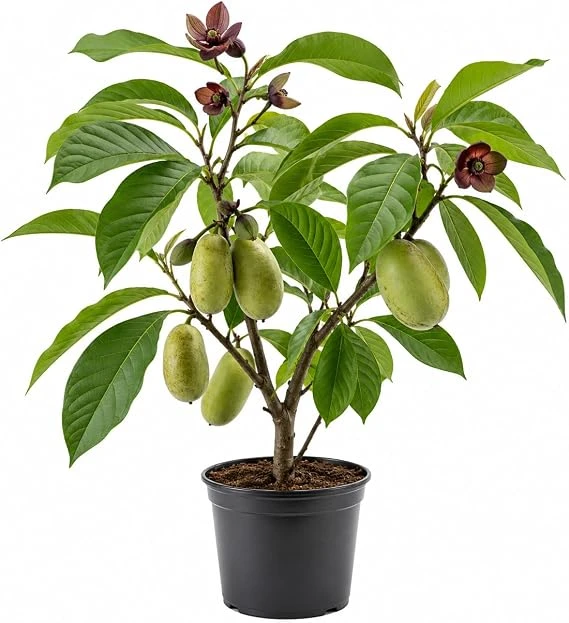
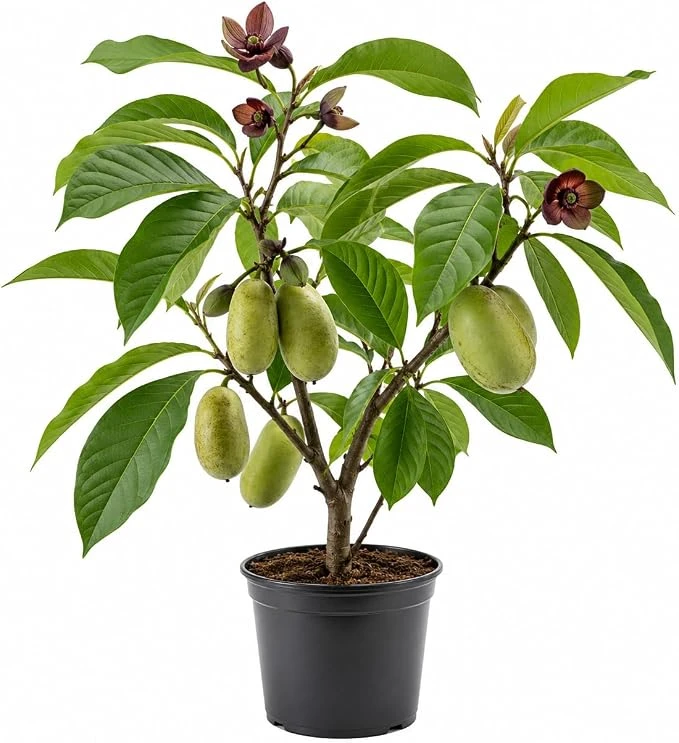
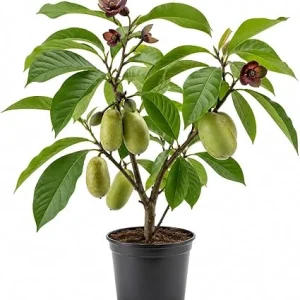
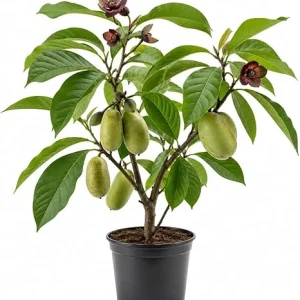
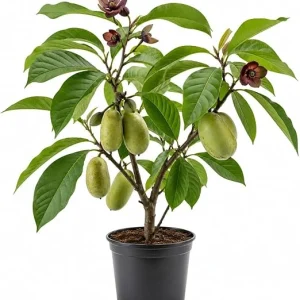
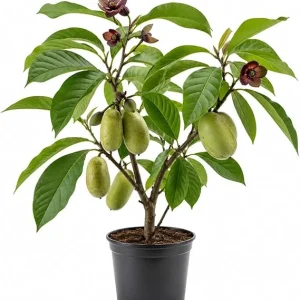
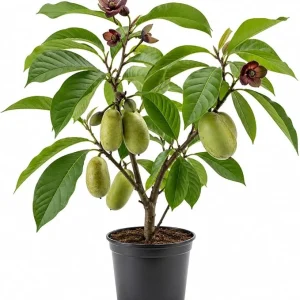
Paw Paw Tree Live Plant (Asimina triloba) – 6-14 Inch Starter Plant, Quart Pot, Outdoor Fruit Tree
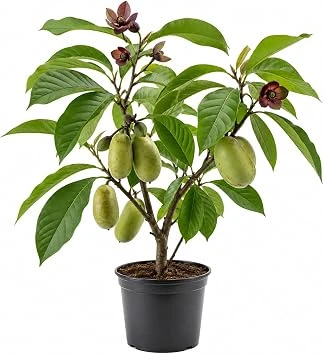
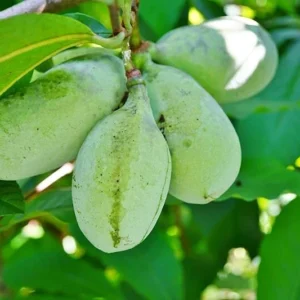
Cultivate a unique and delicious fruit in your own backyard with this paw paw tree live plant. You will receive a healthy Asimina triloba plant, approximately 6-14 inches tall, growing in a quart pot. Perfect for outdoor gardens, orchards, and food forests, this young starter plant will eventually yield sweet, custard-like fruit, often called the sweet pawpaw tree.
Original price was: $133.98.$66.99Current price is: $66.99.

With our Alive & Thrive Guarantee, we’ve got your back for the first 30 days! If you have any concerns about your plants, just reach out to us. Our team is here to help answer your questions and guide you in selecting the best plants for your garden, climate, and unique preferences. We're excited to help you create the garden of your dreams!
Estimated arrival
Nov 03
Nov 08 - Nov 10
Nov 13 - Nov 17
Product Details
-
USDA Hardiness Zone
USDA zones 5-9 -
Soil type
Well-draining, slightly acidic to neutral loamy soil -
Sunlight Exposure
Partial shade (young plants), Full sun (mature plants) -
Expected Planting Period
Spring to early summer
Overview
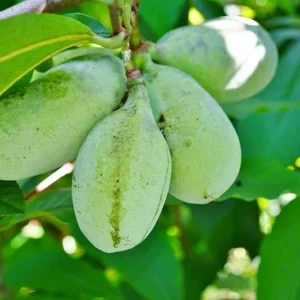
Embark on a rewarding gardening journey by adding a paw paw tree live plant to your landscape. This offering includes one healthy Asimina triloba plant, carefully cultivated and ready for transplanting into your garden. Often referred to as the American Pawpaw, this deciduous tree is native to the eastern United States and is renowned for producing large, greenish-yellow, tropical-tasting fruit. Despite its exotic flavor, the pawpaw is incredibly hardy, making it a fantastic choice for temperate climates. This young starter tree, approximately 6-14 inches tall and growing in a quart pot, is a testament to sustainable gardening and the joy of homegrown produce.
The pawpaw fruit is unique, often described as a blend of banana, mango, and pineapple, with a creamy, custard-like texture. Growing your own Asimina triloba plant allows you to enjoy fresh, organic fruit straight from your yard. While this starter plant will not arrive with flowers or fruit, with proper care and patience, it will mature into a productive tree, enriching your garden with both ornamental beauty and delicious bounty. It’s an excellent choice for those seeking an unusual yet easy-to-grow fruit tree.
Key Benefits
A paw paw tree live plant offers a multitude of benefits, transforming your garden into a productive and visually appealing space. From its unique fruit to its hardiness, this tree is a fantastic addition for any gardener.
- Unique Edible Fruit: Enjoy the distinct, tropical flavor of pawpaw fruit, often compared to a blend of banana, mango, and pineapple. Growing your own ensures fresh, organic produce that is rarely found in supermarkets.
- North American Native: As a native species, the Asimina triloba plant is well-adapted to many US climates, requiring less intensive care once established and supporting local wildlife.
- Hardy & Resilient: This tree is remarkably cold-hardy, thriving in a wide range of USDA zones and capable of withstanding colder temperatures than most other fruit trees. It’s a truly hardy banana tree for temperate regions.
- Ornamental Value: Beyond its fruit, the pawpaw tree boasts attractive large leaves and a pleasant pyramidal shape, adding aesthetic appeal to your landscape, making it an excellent ornamental fruit tree.
- Low Maintenance: Once established, pawpaw trees are relatively low-maintenance, requiring less attention than many other fruit-bearing trees. This makes the paw paw tree live plant an ideal choice for both novice and experienced gardeners.
- Pest & Disease Resistant: Pawpaw trees generally exhibit good resistance to most common pests and diseases, reducing the need for chemical interventions.
- Supports Local Ecosystem: The pawpaw tree serves as a host plant for the zebra swallowtail butterfly, contributing to local biodiversity.
Plant Care & Growing Tips
Caring for your paw paw tree live plant is straightforward, especially once it’s established. Pawpaws prefer moist, well-draining soil with a slightly acidic to neutral pH. When transplanting your young tree, enrich the soil with compost to provide essential nutrients. Ensure the planting site offers good drainage to prevent root rot, which can be detrimental to the health of your Asimina triloba plant. Mulching around the base of the tree will help retain soil moisture and regulate temperature, mimicking its natural understory environment.
Sunlight requirements for pawpaws change with age. Young paw paw tree live plants benefit from partial shade, especially in hotter climates, as direct, intense sun can scorch their leaves. As the tree matures and its canopy develops, it can tolerate and even thrive in full sun, which is beneficial for fruit production. Water regularly during the first few years to help establish a strong root system, especially during dry spells. Once mature, pawpaws are more drought-tolerant but will still benefit from consistent moisture. Fertilize sparingly with a balanced, organic fertilizer in spring, avoiding high-nitrogen formulas which can promote leafy growth over fruit development. Pawpaw trees may enter dormancy in winter, shedding their leaves; this is a natural process, and new growth will emerge when temperatures warm.
Protection from strong winds can be beneficial for young trees. While generally pest-resistant, keep an eye out for any unusual leaf discoloration or signs of stress. Proper spacing is important, as pawpaws require cross-pollination from a different pawpaw tree for optimal fruit set. If you only have one tree, consider planting another nearby or ensuring there are other pawpaw trees in your neighborhood. This approach will maximize your chances of enjoying the delicious fruit from your sweet pawpaw tree.
Size & Details
This offering is for one paw paw tree live plant (Asimina triloba plant) supplied as a young starter plant. It is currently growing in a quart pot and measures approximately 6-14 inches tall from the top of the soil. This size makes it ideal for safe shipping and easy transplanting into your garden or a larger container upon arrival. As a young plant, it will be focused on root and foliage development and will not have flowers or fruit when you receive it. Pawpaw trees typically begin producing fruit in approximately 2-4 years after successful establishment in your landscape, provided they have adequate sunlight, water, and cross-pollination.
The growth rate of a pawpaw tree can vary depending on growing conditions, but they generally mature to a height of 15-20 feet, with some varieties reaching up to 30 feet. They develop a broad, pyramidal shape, making them a stately addition to any garden. This 1-year-old plant is carefully grown to ensure a robust start for your future hardy banana tree. With proper care, this small starter will grow into a mature, fruit-bearing tree, providing you with years of delicious harvests.
Frequently Asked Questions
- Q: How big does this plant get? A: This paw paw tree live plant is a starter plant, approximately 6-14 inches tall in a quart pot. Mature pawpaw trees typically grow 15-20 feet tall, with a spread of 10-15 feet, though some can reach up to 30 feet.
- Q: What size pot does it come in? A: You will receive one Asimina triloba plant growing in a quart-sized nursery pot, ready for transplanting into your garden or a larger container.
- Q: Is this an indoor or outdoor plant? A: The paw paw tree live plant is an outdoor tree. It thrives in gardens, food forests, and orchards, requiring outdoor conditions to grow and produce fruit.
- Q: How much sunlight does it need? A: Young pawpaw trees prefer partial shade, especially in the afternoon. As they mature, they can tolerate and even prefer full sun for optimal fruit production.
- Q: Is this plant easy to care for? A: Yes, once established, Asimina triloba plants are relatively low-maintenance. They are hardy and resistant to many common pests and diseases, making them suitable for various gardeners.
- Q: What condition will it arrive in? A: Your paw paw tree live plant will arrive as a young starter plant, carefully packaged and healthy. It may be dormant if ordered during the winter months, which is normal.
- Q: How long until it blooms and produces fruit? A: As a young starter plant, it will not have flowers or fruit upon arrival. With proper care, paw paw trees typically begin producing fruit in approximately 2-4 years after establishment.
- Q: When is the best time to plant? A: The best time to plant a paw paw tree live plant is in the spring or early fall, allowing the roots to establish before extreme temperatures.
- Q: Will it survive winter in my zone? A: Pawpaw trees are very cold-hardy and thrive in USDA Zones 5-9. They are deciduous and will lose their leaves in winter, re-sprouting in spring.
- Q: Do I need more than one tree to get fruit? A: Yes, pawpaw trees require cross-pollination from a different pawpaw tree variety to produce fruit. It’s recommended to plant at least two different varieties for optimal fruit set.
Related products
-20%
Original price was: $90.00.$72.00Current price is: $72.00.
-51%

Original price was: $43.99.$21.59Current price is: $21.59.
PLANTING & CARE
Lemon Tree Growing: Choose, Plant, and Harvest
Learn how to choose, plant, feed, and protect a lemon tree so it fits your
23
Sep
Sep
Dwarf Meyer Lemon Tree Australia: Climate Guide
Learn where dwarf Meyer lemon trees grow, how much cold they tolerate, and whether Australia,
Where to Buy a Dwarf Meyer Lemon Tree: Buyer’s Guide
Find the right dwarf Meyer lemon tree online or locally, compare starter sizes and costs,
Dwarf Meyer Lemon Tree for Sale: Buying Guide
Compare Meyer lemon tree sizes, prices, shipping limits, indoor growing and California options before you
Dwarf Meyer Lemon Tree Guide: Size, Care and Fruit
META: Learn how large a dwarf Meyer lemon tree grows, where it thrives, and how
How to Prune a Dwarf Meyer Lemon Tree
Learn when and how to prune a dwarf Meyer lemon tree, including tools, shaping cuts,
Can You Grow a Dwarf Meyer Lemon Tree in a Pot?
META: Learn how to grow a dwarf Meyer lemon tree in a pot, including container
When Do Dwarf Meyer Lemon Trees Bloom and Fruit?
META: Dwarf Meyer lemon trees usually bloom from winter through spring and may flower again