Philodendron Bipennifolium Live Plant – 4 inch Pot – Indoor Tropical Houseplant
-50%
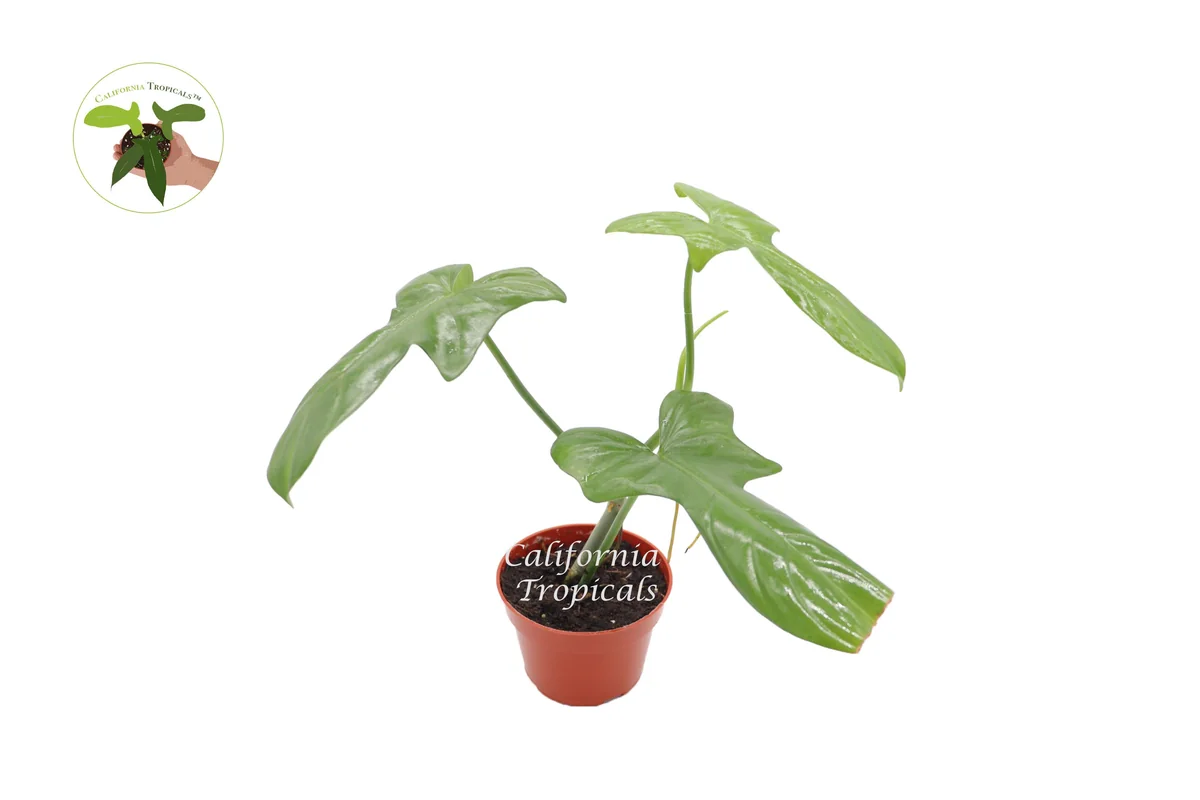
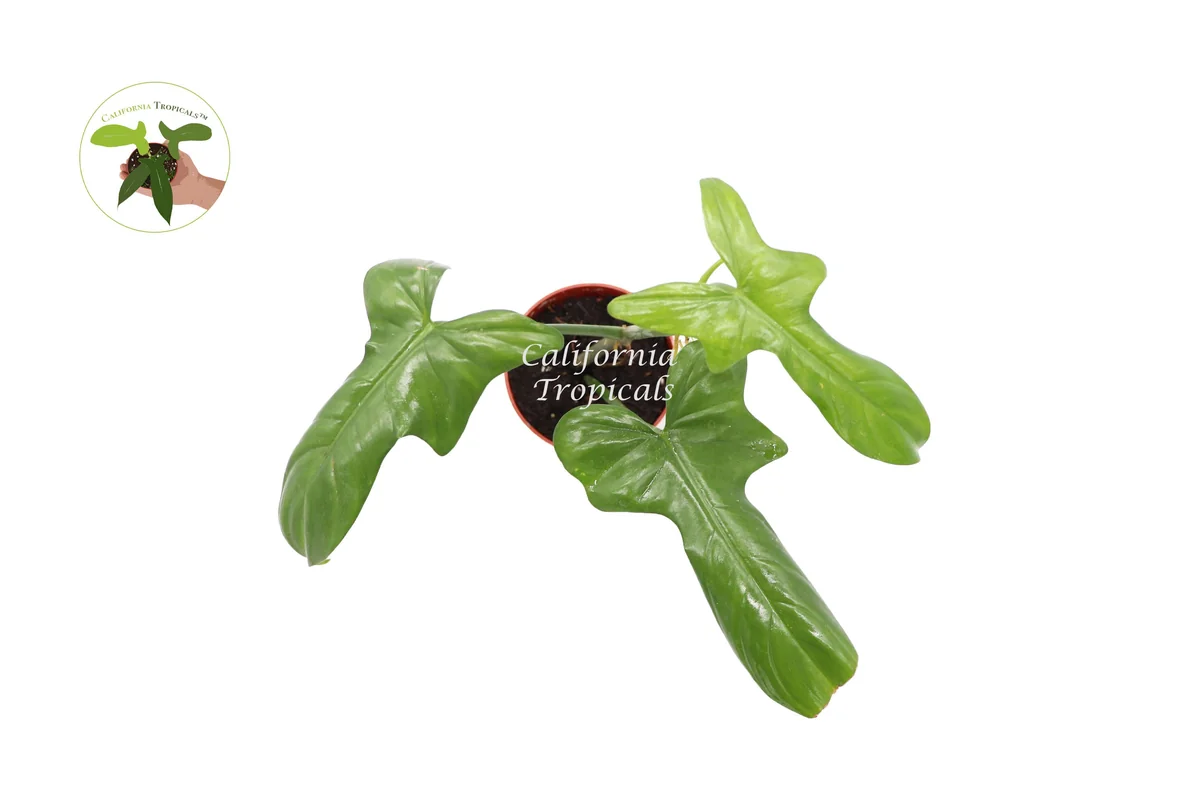
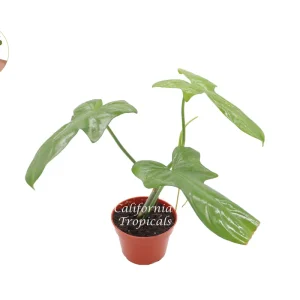
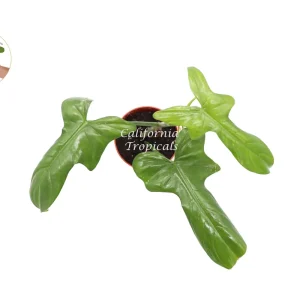
Philodendron Bipennifolium Live Plant – 4 inch Pot – Indoor Tropical Houseplant
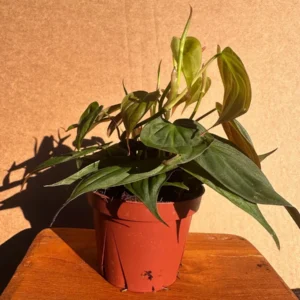
Bring home a beautiful Philodendron Bipennifolium live plant in a 4-inch nursery pot. Known for its unique, deeply lobed leaves, this tropical aroid makes a stunning addition to any indoor plant collection. Easy to care for and visually striking.
Original price was: $183.96.$91.98Current price is: $91.98.

With our Alive & Thrive Guarantee, we’ve got your back for the first 30 days! If you have any concerns about your plants, just reach out to us. Our team is here to help answer your questions and guide you in selecting the best plants for your garden, climate, and unique preferences. We're excited to help you create the garden of your dreams!
Estimated arrival
Oct 21
Oct 26 - Oct 28
Oct 31 - Nov 04


Product Details
-
USDA Hardiness Zone
USDA zones 9-11 (outdoors) or year-round indoors -
Soil type
Well-draining, aerated potting mix for aroids -
Sunlight Exposure
Bright indirect light -
Expected Planting Period
Year-round indoors
Overview
Introduce a touch of the exotic to your indoor space with the magnificent Philodendron Bipennifolium live plant. This offering features a vibrant, healthy specimen in a convenient 4-inch nursery pot, ready to thrive in its new home. Often referred to as the ‘Horse Head Philodendron’ due to its distinctive, deeply lobed foliage, the Philodendron Bipennifolium live plant is a highly sought-after tropical aroid. Its glossy green leaves develop an increasingly intricate shape as they mature, creating a dynamic and captivating display. This plant is perfect for enthusiasts looking to enhance their collection with a unique and relatively easy-to-care-for houseplant. Whether you’re a seasoned plant parent or just starting your green journey, this philodendron offers both beauty and a rewarding growing experience.
The Philodendron Bipennifolium live plant is celebrated for its architectural form and lush greenery, making it an excellent focal point in any room. Its natural habitat includes the tropical rainforests of South America, which informs its preference for warm, humid environments indoors. This plant is not just a decorative item; it’s a living piece of art that continually evolves, showcasing new leaf shapes and sizes as it grows. Its adaptability to indoor conditions makes it a favorite among those seeking low-maintenance yet high-impact tropical foliage.
Key Benefits
Adding a Philodendron Bipennifolium live plant to your home offers numerous advantages beyond its striking appearance. This plant is known for its ability to enhance indoor environments, contributing to a healthier and more aesthetically pleasing space. Enjoy the unique characteristics and benefits this tropical gem brings:
-
Stunning Foliage: The deeply lobed, glossy green leaves of the Philodendron Bipennifolium live plant are truly unique, evolving in shape as they mature. This creates an ever-changing display of natural artistry, making it a captivating focal point in any room.
-
Air Purification: Like many houseplants, this philodendron contributes to cleaner indoor air by absorbing common household toxins. It helps to create a fresher and more pleasant living environment.
-
Relatively Low Maintenance: Despite its exotic appearance, the Philodendron Bipennifolium live plant is surprisingly easy to care for, making it suitable for both beginner and experienced plant enthusiasts. It tolerates a range of indoor conditions.
-
Tropical Aesthetic: Instantly transform your space into a lush, tropical oasis. Its vibrant green and unique leaf structure evoke a sense of calm and natural beauty, enhancing any decor style.
-
Growth and Vining Habit: As it matures, this philodendron can develop a climbing or vining habit, allowing for versatile display options such as on a moss pole or cascading from a shelf. This adds dynamic interest to your plant collection.
-
Unique Aroid Charm: As an aroid, it possesses a distinct beauty and resilience that sets it apart. Collecting unique aroid plants like the Philodendron Bipennifolium live plant is a rewarding hobby for many plant lovers.
-
Stress Reduction: Studies suggest that having plants in your living space can help reduce stress and improve overall well-being. The serene presence of this plant can contribute to a more relaxing home atmosphere.
Plant Care & Growing Tips
Caring for your Philodendron Bipennifolium live plant is straightforward, especially when you understand its basic needs, which mirror its tropical origins. Providing the right environment will ensure healthy growth and vibrant foliage. One of the most important aspects of Philodendron Bipennifolium care is managing its light exposure. This plant thrives in bright, indirect light. Avoid direct sunlight, especially during the harsh afternoon hours, as it can scorch the delicate leaves. An east or north-facing window is often ideal, or a few feet away from a brighter window. Insufficient light can lead to leggy growth and smaller leaves, while too much direct sun can cause yellowing or browning.
When it comes to watering, consistency is key for your Philodendron Bipennifolium live plant. Allow the top inch or two of the soil to dry out between waterings. Overwatering can lead to root rot, a common issue for many houseplants. Conversely, prolonged dryness will cause the leaves to droop. Always check the soil moisture with your finger before watering. High humidity is also beneficial for this tropical plant. You can increase humidity by misting the leaves regularly, placing the pot on a pebble tray with water, or using a humidifier. The ideal temperature range for this philodendron is between 65-80°F (18-27°C). It is not tolerant of cold drafts or temperatures below 55°F (13°C), so ensure it’s kept away from open windows during colder months. The horse head philodendron also benefits from regular feeding during its growing season, typically spring and summer. Use a balanced liquid fertilizer diluted to half strength every 2-4 weeks. Reduce fertilization in fall and winter when the plant’s growth slows.
For optimal growth, use a well-draining potting mix that retains some moisture but doesn’t become waterlogged. A mix formulated for aroids or tropical plants, often containing peat moss, perlite, and orchid bark, works well. Repot your Philodendron Bipennifolium live plant every 1-2 years or when it becomes root-bound, moving it to a pot one size larger. Pruning can help maintain its shape and encourage bushier growth. Simply trim any leggy stems or yellowing leaves with clean, sharp shears. Keep an eye out for common houseplant pests like spider mites or mealybugs; regular inspection and prompt treatment with insecticidal soap will keep your plant healthy.
Size & Details
This offering is for one healthy Philodendron Bipennifolium live plant, carefully cultivated and shipped in a 4-inch nursery pot. At the time of shipment, the plant typically stands approximately 6-10 inches tall from the base of the pot, with a spread of similar dimensions, showcasing several developing leaves. As a young specimen, it is perfectly sized for placement on a desk, shelf, or as part of a larger indoor plant arrangement. The plant will be shipped in its pot with soil, ensuring minimal stress during transit and an easy transition to your home.
The horse head philodendron is known for its moderate to fast growth rate under ideal conditions. With proper Philodendron Bipennifolium care, it can eventually reach impressive sizes, with leaves growing quite large and developing distinct lobes. While this plant is currently compact, it has the potential to become a significant focal point in your indoor garden. Expect new leaves to unfurl regularly during the growing season, gradually showcasing the characteristic ‘horse head’ shape that makes this philodendron so unique. It is a true indoor tropical plant, offering continuous beauty and growth.
Frequently Asked Questions
-
Q: How big does this Philodendron Bipennifolium live plant get? A: While shipped in a 4-inch pot and relatively small, a mature Philodendron Bipennifolium live plant can grow quite large, with leaves reaching over a foot in length. Its overall height can be managed with pruning, but it can become a substantial floor plant over time.
-
Q: Is this an indoor or outdoor plant? A: The Philodendron Bipennifolium live plant is primarily an indoor tropical plant for most climates in the US. It can be grown outdoors in USDA zones 9-11 or warmer, provided it’s in a shaded, humid environment, but it generally thrives as a houseplant.
-
Q: How much sunlight does the horse head philodendron need? A: The horse head philodendron prefers bright, indirect light. Avoid direct sun exposure, which can burn its leaves. A spot near an east or north-facing window, or several feet from a south or west-facing window, is ideal.
-
Q: Is this plant easy to care for? A: Yes, with consistent Philodendron Bipennifolium care, this plant is considered relatively easy to care for. It’s forgiving of minor neglect but truly thrives with proper watering, light, and humidity.
-
Q: What condition will the plant arrive in? A: Your Philodendron Bipennifolium live plant will arrive carefully packaged in its 4-inch nursery pot, with soil intact. We take great care to ensure it reaches you in healthy, vibrant condition, ready to be placed in your home.
-
Q: What kind of soil is best for aroid plants? A: For aroid plants like the Philodendron Bipennifolium, a well-draining yet moisture-retentive potting mix is best. Look for mixes containing perlite, orchid bark, and peat moss to provide good aeration and drainage.
-
Q: How often should I water my Philodendron Bipennifolium? A: Water when the top 1-2 inches of soil feel dry to the touch. This typically means watering every 7-10 days, but it can vary based on your home’s humidity, light, and the season. Always check the soil before watering.
-
Q: Will the leaves of my Philodendron Bipennifolium always look like this? A: No, the leaves of the Philodendron Bipennifolium live plant will change as they mature. Young leaves are often more heart-shaped, while older leaves will develop the distinctive deep lobes, resembling a ‘horse head’ or violin.
-
Q: Is this plant pet-safe? A: Like many philodendrons, the Philodendron Bipennifolium live plant is considered toxic if ingested due to calcium oxalate crystals. It’s best to keep it out of reach of pets and small children.
-
Q: Can I propagate my Philodendron Bipennifolium? A: Yes, you can propagate your horse head philodendron through stem cuttings. Take a cutting with at least one node and a few leaves, and root it in water or a moist potting mix.
Related products
-30%
Original price was: $13.98.$9.78Current price is: $9.78.
-35%
Original price was: $72.52.$47.14Current price is: $47.14.
-36%
Original price was: $39.00.$25.00Current price is: $25.00.

-50%
Original price was: $39.98.$19.98Current price is: $19.98.
PLANTING & CARE
Lemon Tree Growing: Choose, Plant, and Harvest
Learn how to choose, plant, feed, and protect a lemon tree so it fits your
23
Sep
Sep
Dwarf Meyer Lemon Tree Australia: Climate Guide
Learn where dwarf Meyer lemon trees grow, how much cold they tolerate, and whether Australia,
Where to Buy a Dwarf Meyer Lemon Tree: Buyer’s Guide
Find the right dwarf Meyer lemon tree online or locally, compare starter sizes and costs,
Dwarf Meyer Lemon Tree for Sale: Buying Guide
Compare Meyer lemon tree sizes, prices, shipping limits, indoor growing and California options before you
Dwarf Meyer Lemon Tree Guide: Size, Care and Fruit
META: Learn how large a dwarf Meyer lemon tree grows, where it thrives, and how
How to Prune a Dwarf Meyer Lemon Tree
Learn when and how to prune a dwarf Meyer lemon tree, including tools, shaping cuts,
Can You Grow a Dwarf Meyer Lemon Tree in a Pot?
META: Learn how to grow a dwarf Meyer lemon tree in a pot, including container
When Do Dwarf Meyer Lemon Trees Bloom and Fruit?
META: Dwarf Meyer lemon trees usually bloom from winter through spring and may flower again