Philodendron Prince of Orange Live Plant – Starter Houseplant
Philodendron Prince of Orange Live Plant – Starter Houseplant
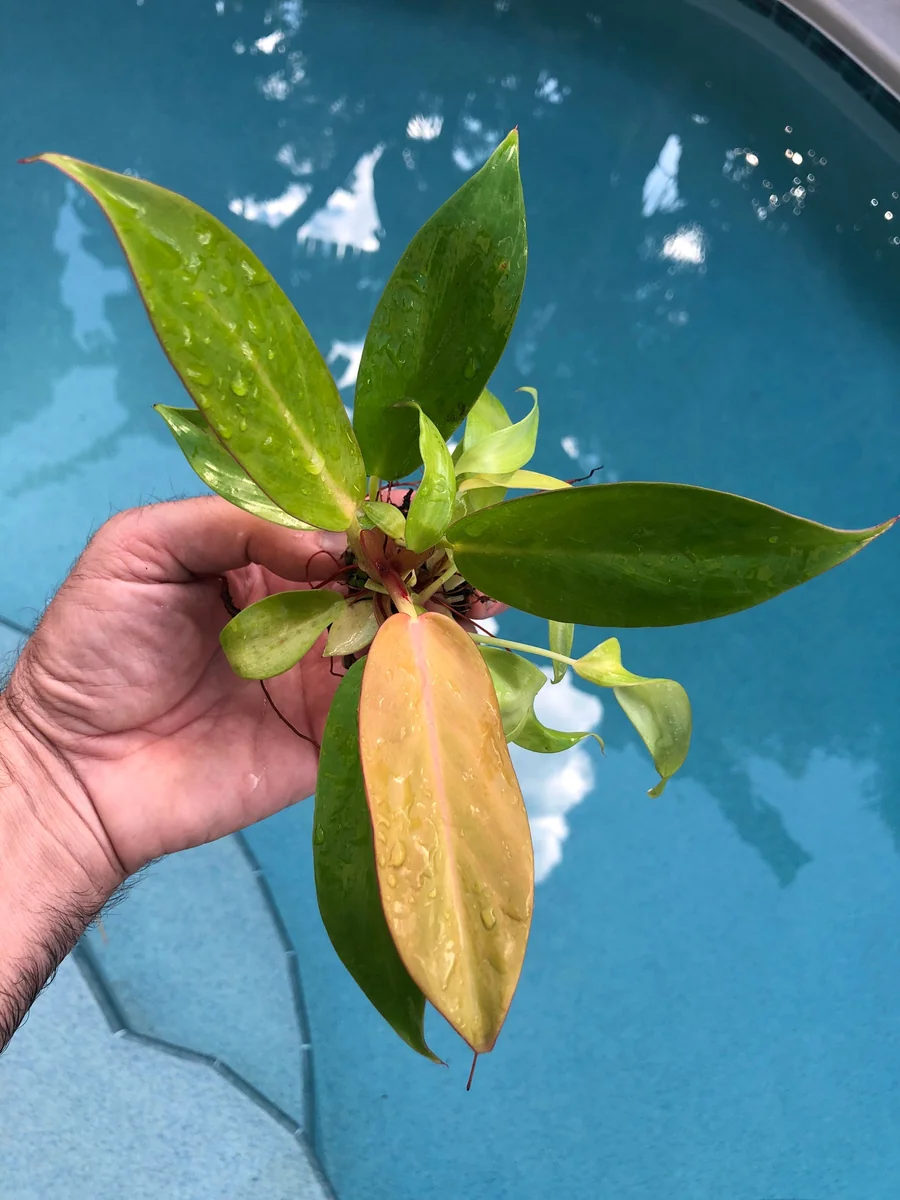
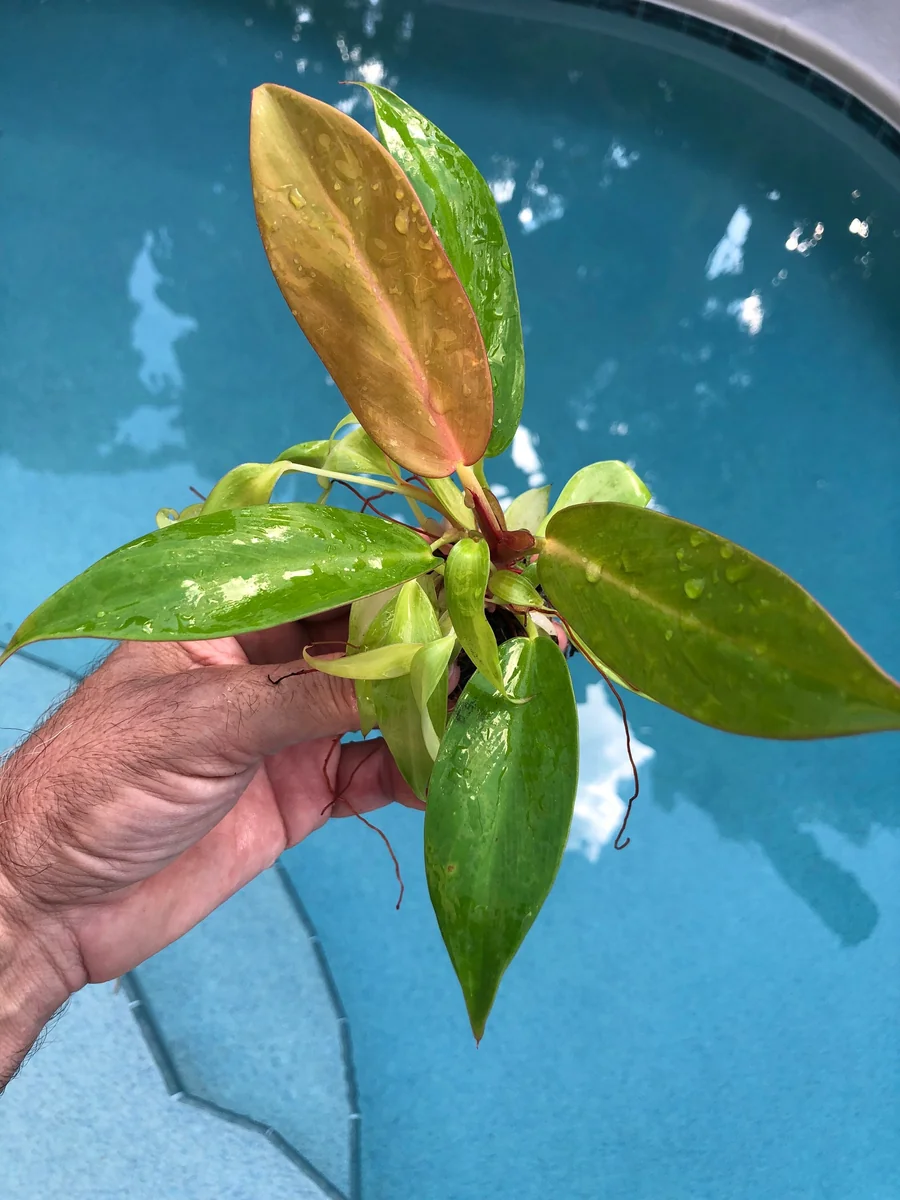
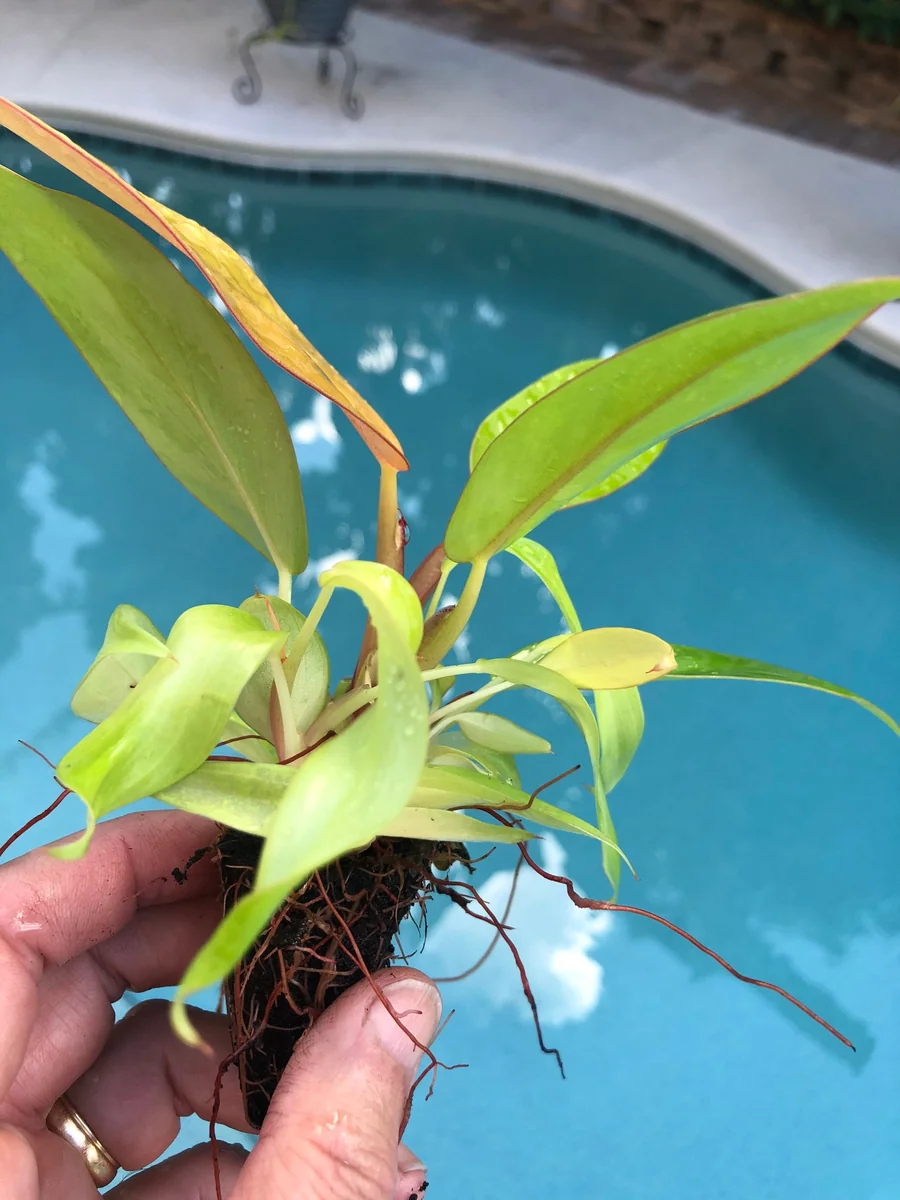
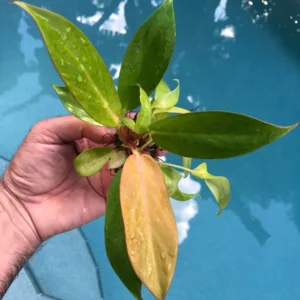
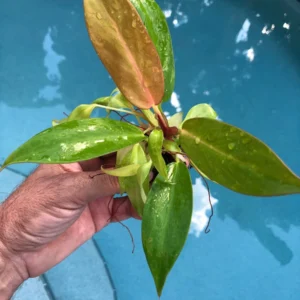
Bring vibrant color to your home with the Philodendron Prince of Orange live plant. This captivating Philodendron indoor plant features leaves that evolve from bright yellow to orange, then mature to a lush dark green. An easy-care, ornamental choice for any plant lover.
$20.98

With our Alive & Thrive Guarantee, we’ve got your back for the first 30 days! If you have any concerns about your plants, just reach out to us. Our team is here to help answer your questions and guide you in selecting the best plants for your garden, climate, and unique preferences. We're excited to help you create the garden of your dreams!
Estimated arrival
Oct 21
Oct 26 - Oct 28
Oct 31 - Nov 04



Product Details
-
USDA Hardiness Zone
USDA zones 10-11 (if grown outdoors), otherwise suitable for all indoor zones -
Soil type
Well-draining, aerated potting mix -
Sunlight Exposure
Bright indirect light -
Expected Planting Period
Year-round indoors
Overview
Introduce a splash of ever-changing color to your indoor garden with the magnificent Philodendron Prince of Orange live plant. This exceptional aroid is celebrated for its dynamic foliage, which undergoes a stunning transformation as it matures. New leaves emerge in a brilliant, almost neon yellow hue, gradually shifting to a warm, fiery orange, and finally settling into a rich, deep green. This continuous display of color makes the Philodendron Prince of Orange live plant a true spectacle and a focal point in any room. As a popular Philodendron indoor plant, it’s cherished by enthusiasts for its relatively easy care requirements and its striking visual appeal. Originating from the tropical rainforests, this hybrid philodendron brings a touch of exotic beauty and lushness to your home environment, promising a vibrant and evolving display of natural artistry.
Key Benefits
The Philodendron Prince of Orange live plant offers a multitude of benefits, making it an excellent addition to any indoor plant collection. From its striking aesthetics to its ease of care, this plant is designed to delight and thrive. Its unique coloring ensures it stands out amongst other foliage plants.
- Stunning Color Transformation: Enjoy a dynamic display as its leaves transition from bright yellow to vibrant orange, then to a deep green, providing continuous visual interest. This makes it a truly ornamental Philodendron.
- Air Purification: Like many philodendrons, the Prince of Orange contributes to healthier indoor air by helping to filter out common airborne toxins, creating a fresher living space.
- Low Maintenance: This philodendron is known for its resilience and adaptability, making Prince of Orange care relatively simple and suitable for both novice and experienced plant parents.
- Compact Growth Habit: It typically maintains a manageable size, making it ideal for tabletops, shelves, and smaller spaces without requiring extensive pruning.
- Enhances Decor: Its bold and vibrant foliage plant colors add a modern and tropical touch to any interior design, complementing various decor styles.
- Boosts Mood: The presence of lush, living plants has been shown to reduce stress and improve overall well-being, contributing to a more serene and enjoyable home environment.
- Year-Round Beauty: Unlike flowering plants, the Philodendron Prince of Orange provides consistent, attractive foliage throughout the entire year, ensuring continuous aesthetic appeal.
Plant Care & Growing Tips
Proper Prince of Orange care is crucial for maintaining its vibrant colors and healthy growth. This Philodendron indoor plant thrives with consistent attention to its environmental needs, though it is quite forgiving. Providing the right conditions will ensure your plant flourishes and continues to produce its spectacular color-changing leaves.
For sunlight, the Philodendron Prince of Orange prefers bright, indirect light. Avoid direct sun exposure, which can scorch its delicate leaves and fade its vibrant colors. An east-facing window or a few feet away from a south or west-facing window is often ideal. Insufficient light can lead to leggy growth and less intense leaf coloration. When it comes to watering, allow the top 1-2 inches of soil to dry out completely between waterings. Overwatering is a common issue for philodendrons and can lead to root rot. Ensure your pot has drainage holes to prevent waterlogging. High humidity is appreciated, so consider misting regularly, using a pebble tray, or placing it near a humidifier, especially in drier climates or during winter.
The ideal soil for this vibrant foliage plant is a well-draining, aerated potting mix rich in organic matter. A mix designed for aroids, containing perlite, orchid bark, and peat moss, works wonderfully. Maintain indoor temperatures between 65-80°F (18-27°C) and protect it from sudden temperature drops or cold drafts. The Philodendron Prince of Orange is generally suited for USDA zones 10-11 if grown outdoors, but it thrives as an indoor specimen in all zones. Fertilize every 2-4 weeks during the growing season (spring and summer) with a balanced liquid fertilizer diluted to half strength. Reduce feeding in fall and winter. Keep an eye out for common pests like spider mites and mealybugs; treat promptly with insecticidal soap if detected. Regular dusting of the leaves will also help with photosynthesis and overall plant health, contributing to its status as a beautiful ornamental Philodendron.
Size & Details
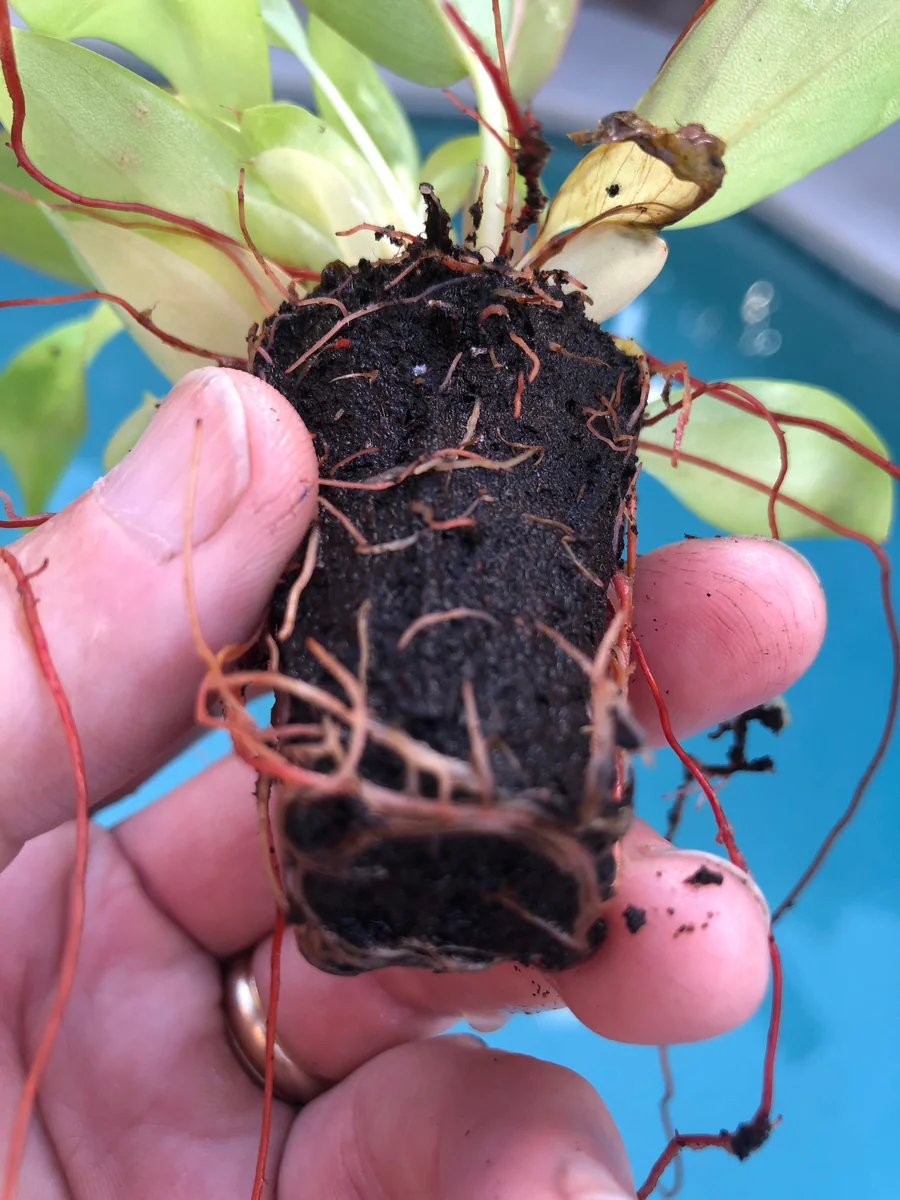
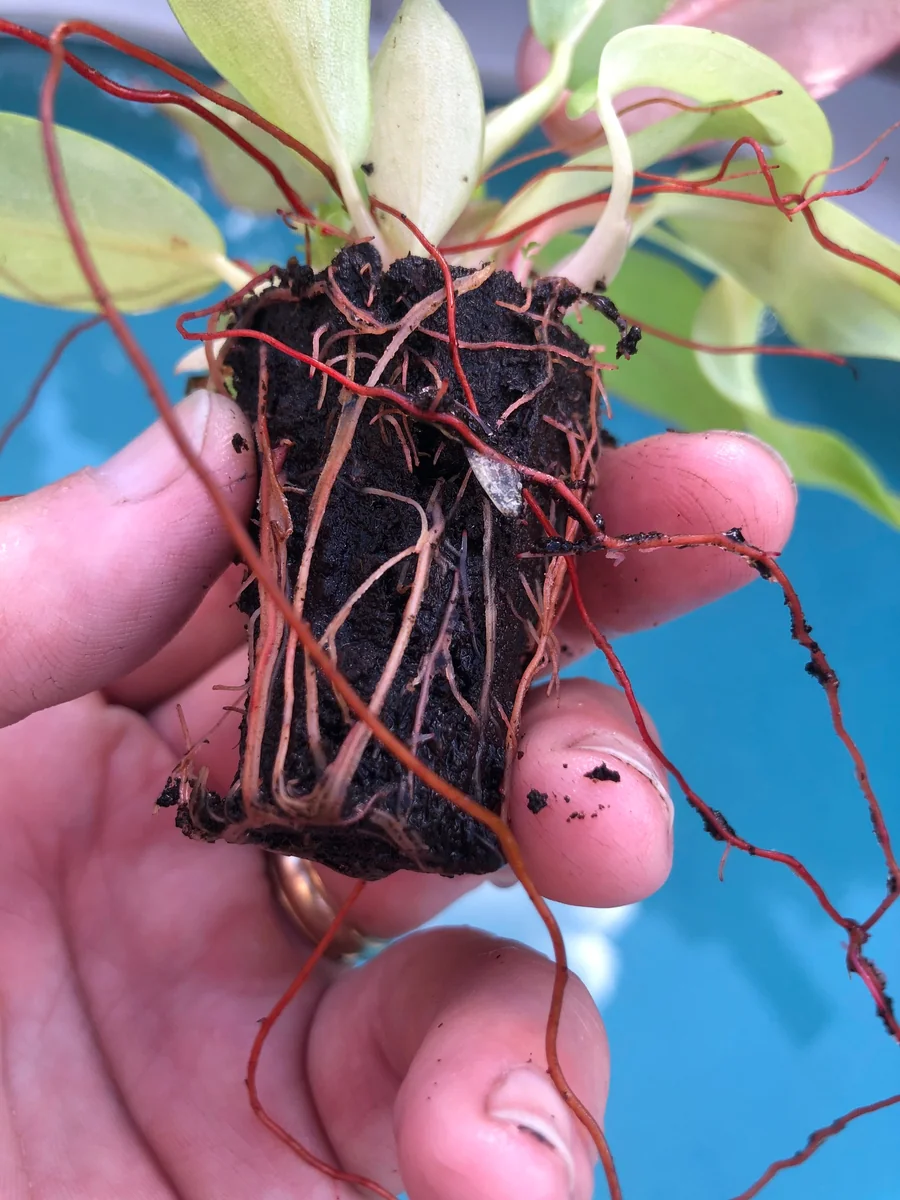
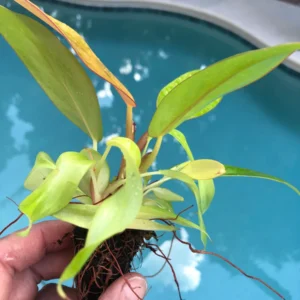
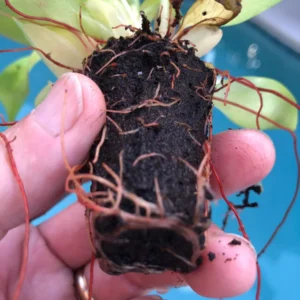
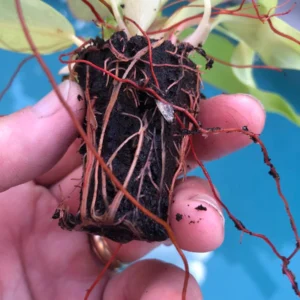
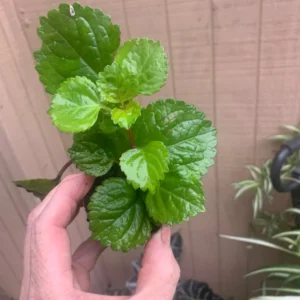
This listing is for a Philodendron Prince of Orange live plant starter, ready to be nurtured into a magnificent specimen. The plant typically arrives in a small nursery pot, allowing for easy transplantation into your preferred decorative container. While specific dimensions can vary, starter plants are generally compact, perfect for establishing strong roots and acclimating to their new environment. With proper Prince of Orange care, this plant can grow to a mature height of 2-3 feet and a similar spread indoors, creating a lush, bushy appearance. Its growth rate is moderate, allowing you to enjoy its development over time.
The plant will be shipped securely, typically potted in its nursery container with appropriate soil to ensure its health upon arrival. Expect vibrant, healthy foliage with the characteristic color changes already beginning to show. This Philodendron indoor plant is a fantastic way to introduce a specimen known for its striking appearance and relatively easy care into your home or office. It’s a rewarding plant that continuously offers new visual interest with each developing leaf, truly a remarkable vibrant foliage plant.
Frequently Asked Questions
- Q: How big does this Philodendron Prince of Orange get? A: With optimal Prince of Orange care, this plant typically matures to an indoor height and spread of about 2-3 feet. Its compact growth makes it suitable for various indoor spaces, including shelves and tabletops.
- Q: Is this an indoor or outdoor plant? A: While it can thrive outdoors in tropical climates (USDA zones 10-11), the Philodendron Prince of Orange live plant is primarily grown as an indoor houseplant in most regions due to its sensitivity to cold temperatures.
- Q: How much sunlight does it need? A: This Philodendron indoor plant prefers bright, indirect light. Direct sunlight can scorch its leaves, while too little light can cause leggy growth and less vibrant leaf coloration.
- Q: Is this plant easy to care for? A: Yes, the Philodendron Prince of Orange is considered relatively easy to care for, making it a good choice for beginners. Consistent watering and appropriate light are key to its health and the development of its vibrant foliage plant colors.
- Q: What condition will it arrive in? A: Your Philodendron Prince of Orange live plant will arrive as a healthy starter plant, securely packaged in its nursery pot with soil, ready for acclimatization to its new home. We take great care to ensure safe transit.
- Q: What type of soil is best for this plant? A: It thrives in a well-draining, aerated potting mix rich in organic matter. A mix specifically formulated for aroids, often containing perlite and orchid bark, is ideal for good drainage and aeration.
- Q: Does this ornamental Philodendron need high humidity? A: While not strictly required, the Philodendron Prince of Orange appreciates higher humidity levels, mimicking its natural tropical habitat. Supplemental humidity can be provided by misting or using a pebble tray.
- Q: How often should I fertilize my Prince of Orange? A: During the spring and summer growing seasons, fertilize every 2-4 weeks with a balanced liquid fertilizer diluted to half strength. Reduce or stop fertilizing during fall and winter.
- Q: Is the Philodendron Prince of Orange toxic to pets? A: Yes, like most philodendrons, the Prince of Orange contains calcium oxalate crystals and can be toxic if ingested by pets or humans. Keep it out of reach of children and animals.
- Q: How quickly do the leaves change color? A: The color transformation of the leaves is a gradual process. New leaves will typically emerge yellow, slowly transition to orange over several weeks, and then mature to green, providing a continuous show of evolving hues.
Related products
-5%
Original price was: $91.98.$87.38Current price is: $87.38.
-30%
Original price was: $79.98.$55.98Current price is: $55.98.
-30%
Original price was: $25.98.$18.18Current price is: $18.18.
-35%
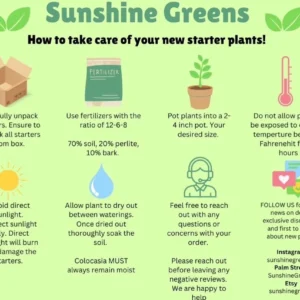
Original price was: $72.52.$47.14Current price is: $47.14.
PLANTING & CARE
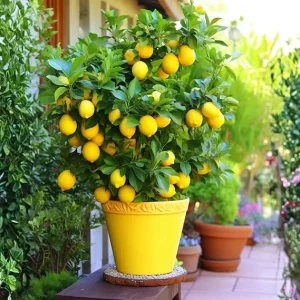
Lemon Tree Growing: Choose, Plant, and Harvest
Learn how to choose, plant, feed, and protect a lemon tree so it fits your
23
Sep
Sep
Dwarf Meyer Lemon Tree Australia: Climate Guide
Learn where dwarf Meyer lemon trees grow, how much cold they tolerate, and whether Australia,
Where to Buy a Dwarf Meyer Lemon Tree: Buyer’s Guide
Find the right dwarf Meyer lemon tree online or locally, compare starter sizes and costs,
Dwarf Meyer Lemon Tree for Sale: Buying Guide
Compare Meyer lemon tree sizes, prices, shipping limits, indoor growing and California options before you
Dwarf Meyer Lemon Tree Guide: Size, Care and Fruit
META: Learn how large a dwarf Meyer lemon tree grows, where it thrives, and how
How to Prune a Dwarf Meyer Lemon Tree
Learn when and how to prune a dwarf Meyer lemon tree, including tools, shaping cuts,
Can You Grow a Dwarf Meyer Lemon Tree in a Pot?
META: Learn how to grow a dwarf Meyer lemon tree in a pot, including container
When Do Dwarf Meyer Lemon Trees Bloom and Fruit?
META: Dwarf Meyer lemon trees usually bloom from winter through spring and may flower again