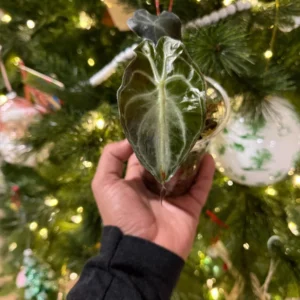
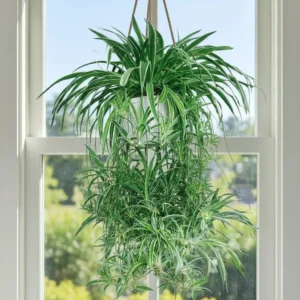
Piggyback Plant – Live Indoor Plant – 6 inch Hanging Pot – Easy Care Houseplant

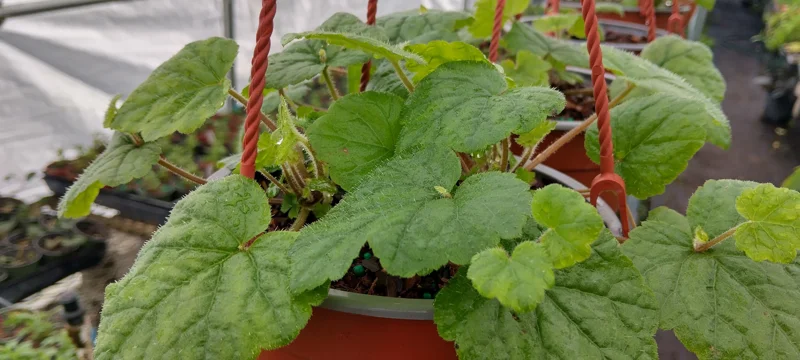
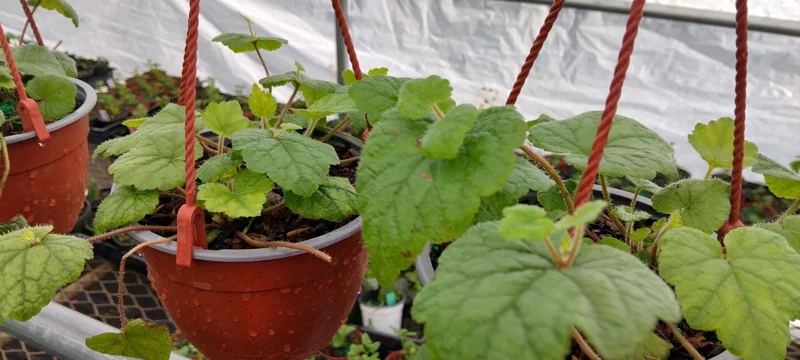
Bring home a delightful piggyback plant live, known for its unique growth habit where new plantlets form directly on the leaves. This 6 inch hanging pot specimen is an ideal indoor houseplant, offering easy care and a charming cascading display. Perfect for adding greenery to any room, it thrives with minimal fuss.

Original price was: $43.98.Current price is: $15.19.

Estimated arrival

May 25

May 30 - Jun 01

Jun 04 - Jun 08

Overview

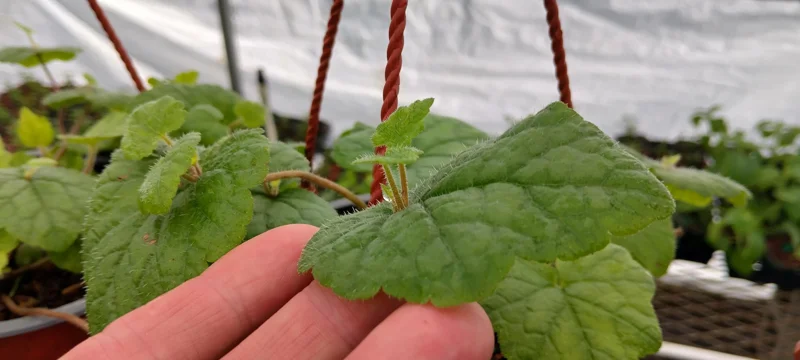
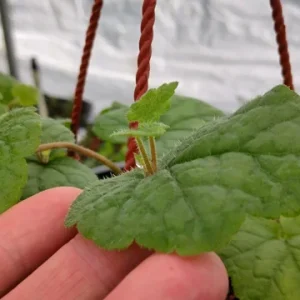
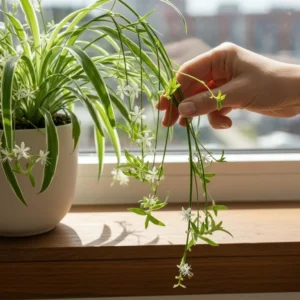
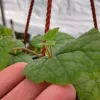
Introduce a touch of whimsical greenery into your home with the fascinating piggyback plant live. Also known by its botanical name, Tolmiea menziesii, and common names like ‘Youth-on-Age’ or ‘Mother of Thousands’ (though not to be confused with Kalanchoe daigremontiana), this unique plant earns its moniker from its distinctive propagation method. New plantlets, or ‘babies,’ emerge directly from the base of mature leaves, giving the appearance of a mother plant carrying its young on its back. This particular offering is a vibrant 6 inch hanging pot specimen, ready to bring immediate charm and life to your indoor space. It’s an excellent choice for those seeking an easy-to-grow, conversation-starting houseplant that offers continuous visual interest and a rewarding propagation experience.

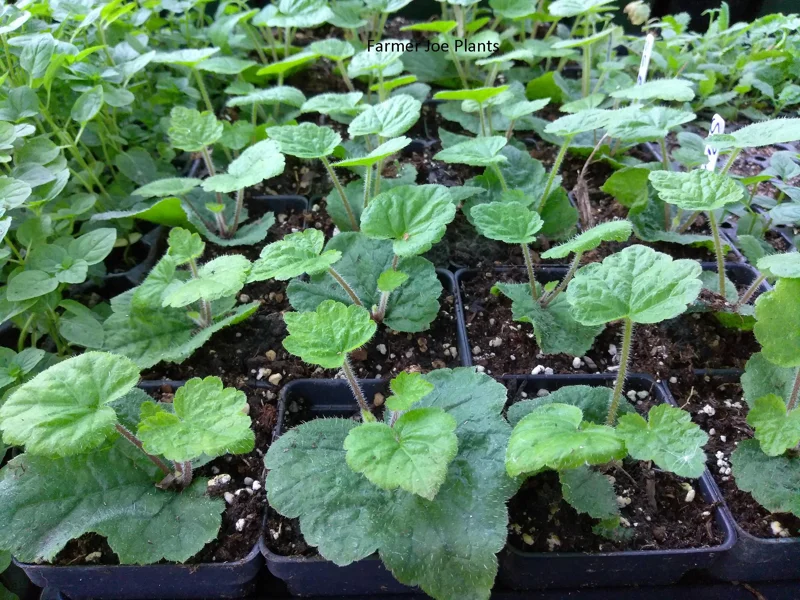
The piggyback plant is native to the Pacific Northwest of North America, where it thrives in cool, moist, and shaded forest environments. As an indoor plant, it adapts well to typical home conditions, making it a popular and forgiving choice for both novice and experienced plant enthusiasts. Its soft, fuzzy, heart-shaped leaves form a lovely mound, and as the plantlets grow, they create a beautiful cascading effect, perfect for hanging baskets or elevated shelves. The ease with which it produces new plants makes it super fun to grow and share with friends and family, truly embodying the spirit of a ‘hard to find’ yet accessible botanical treasure.

Key Benefits

The piggyback plant live offers a multitude of benefits, making it an excellent addition to any home. Its unique characteristics contribute to both aesthetic appeal and ease of care:

  • Unique Propagation: The most distinctive feature is its ability to produce miniature plantlets directly on its leaves. This natural cloning process is not only fascinating to observe but also provides an endless supply of new plants to propagate and share, making it a highly rewarding plant for enthusiasts.

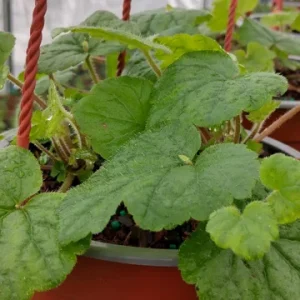
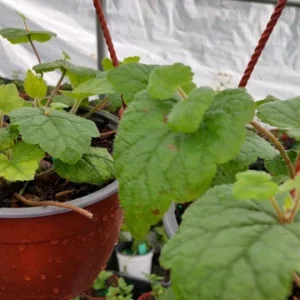
  • Charming Display: With its soft, textured, bright green leaves and cascading growth habit, the piggyback plant creates a beautiful and lush display, especially when grown in a hanging basket. It adds a natural, verdant touch to any room and complements various decor styles.

  • Easy to Care For: This plant is remarkably forgiving and low-maintenance, making it an ideal choice for beginners or those with busy lifestyles. It tolerates a range of indoor conditions and doesn’t require constant attention, allowing you to enjoy its beauty without extensive effort.

  • Air Purification: Like many houseplants, the tolmiea menziesii contributes to a healthier indoor environment by helping to filter airborne toxins and release oxygen, improving the overall air quality in your home or office space.

  • Pet-Friendly: The piggyback plant is generally considered non-toxic to pets, making it a safer option for households with curious cats or dogs. Always supervise pets around plants, but this species offers peace of mind compared to many others.

  • Versatile Placement: Due to its compact size initially and then its graceful trailing nature, it’s suitable for various locations, from windowsills and shelves to desks and hanging installations, allowing for flexible decorative arrangements.

  • Educational Value: For children or those new to gardening, observing how to grow piggyback plant and its unique propagation can be a wonderful educational experience, fostering a love for botany and natural processes.

Plant Care & Growing Tips

Caring for your piggyback plant live is straightforward, especially if you mimic its natural forest floor habitat. It thrives in conditions that are consistently cool and moist, making it an excellent indoor companion. When considering light, aim for bright, indirect light. Direct, harsh sunlight, especially in the afternoon, can scorch its delicate leaves, causing them to turn yellow or brown. An east or north-facing window is often ideal, or a spot a few feet away from a south or west-facing window. If you notice leggy growth, it might be reaching for more light, while scorched leaves indicate too much direct exposure. Providing adequate light is key to a thriving piggyback plant.

Watering is crucial for the tolmiea menziesii. It prefers consistently moist, but not waterlogged, soil. Allow the top inch of soil to dry out slightly between waterings, then water thoroughly until water drains from the bottom of the pot. Never let the plant sit in standing water, as this can lead to root rot. During cooler months, reduce watering frequency, but never let the soil dry out completely. Humidity is also beneficial; consider placing the pot on a pebble tray with water or misting the leaves occasionally, especially in dry indoor environments. The ideal temperature range for a piggyback plant is between 55-75°F (13-24°C). Avoid extreme temperature fluctuations or cold drafts.

For soil, a well-draining, peat-based potting mix is recommended. A standard all-purpose potting mix amended with some perlite or vermiculite for improved drainage works well. Fertilize sparingly; a balanced liquid houseplant fertilizer diluted to half strength can be applied every 2-4 weeks during the growing season (spring and summer). Reduce or cease fertilization during fall and winter. Repotting may be necessary every 1-2 years, or when the plant becomes root-bound. Choose a pot only slightly larger than the current one to avoid overwatering issues. When you see a plant with plantlets, you can easily propagate them by gently removing a leaf with a plantlet attached and rooting it in moist soil.

Size & Details

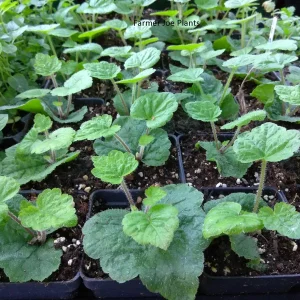
This offering features a beautiful piggyback plant live, carefully cultivated and shipped in a 6 inch hanging pot. The plant is well-established, with lush foliage and typically already beginning to produce its characteristic plantlets. Expect a compact yet full plant upon arrival, with a spread that will gradually expand as it grows. The foliage can reach a width of approximately 8-12 inches, with the trailing plantlets extending further, creating a lovely cascading effect. It has a moderate growth rate, quickly filling out its pot and producing new foliage throughout the growing season.

Your piggyback plant will arrive as a fully rooted plant in its nursery pot, nestled securely in a hanging planter, ready to be displayed immediately. While it can produce small, greenish-brown flower spikes in spring, these are generally inconspicuous, and the plant is primarily grown for its attractive foliage and unique propagation method. With proper care, this plant will provide continuous enjoyment and a steady supply of new plantlets to share, making how to grow piggyback plant a truly rewarding experience for any home gardener.

Frequently Asked Questions

  • Q: How big does this plant get? A: This piggyback plant live is in a 6-inch pot. While it starts compact, its foliage can spread up to 12 inches wide, and its trailing plantlets can extend further, making it perfect for hanging. Its mature size largely depends on the pot size and growing conditions.

  • Q: Is this an indoor or outdoor plant? A: The piggyback plant is primarily grown as an indoor houseplant in most regions. It can be grown outdoors in shaded, moist areas within its hardiness zones, but it thrives well in consistent indoor environments away from direct sunlight.

  • Q: How much sunlight does it need? A: This plant prefers bright, indirect light. Avoid direct afternoon sun, which can scorch its leaves. An east or north-facing window is ideal, or a spot with filtered light. Too little light can lead to leggy growth.

  • Q: Is this plant easy to care for? A: Yes, the tolmiea menziesii is known for being quite easy to care for, making it a great choice for beginners. It’s forgiving of minor care mistakes and doesn’t demand constant attention, especially if you understand its basic needs for light and moisture.

  • Q: What condition will it arrive in? A: Your piggyback plant live will arrive as a healthy, established plant in its 6-inch hanging nursery pot. It will be carefully packaged to ensure it reaches you in excellent condition, ready for display.

  • Q: How do I propagate new plants? A: This plant naturally produces new plantlets on its leaves. To propagate, simply gently remove a mature leaf with a plantlet attached, place it on moist potting mix, and lightly cover the plantlet’s base. It will root easily, showing you how to grow piggyback plant babies.

  • Q: Is the piggyback plant pet-safe? A: The piggyback plant is generally considered non-toxic to cats and dogs, making it a safe choice for homes with pets. However, it’s always best to monitor pets to ensure they don’t consume large quantities of any plant material.

  • Q: What kind of soil does it need? A: A well-draining, peat-based potting mix is ideal for this plant. You can use a standard indoor potting mix, possibly amended with perlite to enhance drainage and aeration, which is crucial for healthy root growth.

  • Q: How often should I water my piggyback plant? A: Water when the top inch of soil feels dry to the touch. It prefers consistently moist, but not soggy, soil. Ensure good drainage and never let the pot sit in standing water to prevent root rot.

  • Q: Does this plant flower? A: The tolmiea menziesii can produce small, greenish-brown flower spikes. However, these flowers are quite inconspicuous, and the plant is primarily grown for its attractive foliage and unique method of producing a plant with plantlets.

Product Details
  • USDA Hardiness Zone

    USDA zones 7-9 (outdoors), typically grown indoors
  • Soil type

    Well-draining, peat-based potting mix
  • Sunlight Exposure

    Bright indirect light
  • Expected Planting Period

    Year-round indoors

PLANTING & CARE

Growing Glencoe Raspberry: A Complete Guide for Gardeners

If you’re looking to add something unique to your garden, look no further than the

The Comprehensive Guide to Growing Bay Leaf Plants for a Flavorful Garden

Imagine stepping into your garden, greeted by the earthy aroma of fresh bay leaves, their

How to Make Comfrey Tea: The Ultimate Organic Plant Food

Growing an organic garden can be surprisingly expensive, especially when most store-bought fertilizers come in

True Comfrey: 7 Essential Tips Before You Plant This Herb

A staple in permaculture practices across the US, True Comfrey easily earns its reputation as

7 Heart-Shaped Plants for a Lasting Valentine’s Gift

If you’ve ever bought a bouquet of roses for Valentine’s Day, you know they are

Best Types of Ivy Plant for Houses: How to Choose the Perfect Ones for Your Home

Are you a garden lover looking to introduce some greenery into your home? Maybe you’ve

When to Harvest Garlic (Especially Fall-Planted Garlic)

TIMING IS EVERYTHING, they say – and for garlic, that truth hits with surprising accuracy.

11 of the Best Sweet Potato Varieties to Grow for Your Garden

If you’ve ever tried growing sweet potatoes, you know that picking the right variety can

Product Details
  • USDA Hardiness Zone

    USDA zones 7-9 (outdoors), typically grown indoors
  • Soil type

    Well-draining, peat-based potting mix
  • Sunlight Exposure

    Bright indirect light
  • Expected Planting Period

    Year-round indoors

Overview

Introduce a touch of whimsical greenery into your home with the fascinating piggyback plant live. Also known by its botanical name, Tolmiea menziesii, and common names like ‘Youth-on-Age’ or ‘Mother of Thousands’ (though not to be confused with Kalanchoe daigremontiana), this unique plant earns its moniker from its distinctive propagation method. New plantlets, or ‘babies,’ emerge directly from the base of mature leaves, giving the appearance of a mother plant carrying its young on its back. This particular offering is a vibrant 6 inch hanging pot specimen, ready to bring immediate charm and life to your indoor space. It’s an excellent choice for those seeking an easy-to-grow, conversation-starting houseplant that offers continuous visual interest and a rewarding propagation experience.

The piggyback plant is native to the Pacific Northwest of North America, where it thrives in cool, moist, and shaded forest environments. As an indoor plant, it adapts well to typical home conditions, making it a popular and forgiving choice for both novice and experienced plant enthusiasts. Its soft, fuzzy, heart-shaped leaves form a lovely mound, and as the plantlets grow, they create a beautiful cascading effect, perfect for hanging baskets or elevated shelves. The ease with which it produces new plants makes it super fun to grow and share with friends and family, truly embodying the spirit of a ‘hard to find’ yet accessible botanical treasure.

Key Benefits

The piggyback plant live offers a multitude of benefits, making it an excellent addition to any home. Its unique characteristics contribute to both aesthetic appeal and ease of care:

  • Unique Propagation: The most distinctive feature is its ability to produce miniature plantlets directly on its leaves. This natural cloning process is not only fascinating to observe but also provides an endless supply of new plants to propagate and share, making it a highly rewarding plant for enthusiasts.

  • Charming Display: With its soft, textured, bright green leaves and cascading growth habit, the piggyback plant creates a beautiful and lush display, especially when grown in a hanging basket. It adds a natural, verdant touch to any room and complements various decor styles.

  • Easy to Care For: This plant is remarkably forgiving and low-maintenance, making it an ideal choice for beginners or those with busy lifestyles. It tolerates a range of indoor conditions and doesn’t require constant attention, allowing you to enjoy its beauty without extensive effort.

  • Air Purification: Like many houseplants, the tolmiea menziesii contributes to a healthier indoor environment by helping to filter airborne toxins and release oxygen, improving the overall air quality in your home or office space.

  • Pet-Friendly: The piggyback plant is generally considered non-toxic to pets, making it a safer option for households with curious cats or dogs. Always supervise pets around plants, but this species offers peace of mind compared to many others.

  • Versatile Placement: Due to its compact size initially and then its graceful trailing nature, it’s suitable for various locations, from windowsills and shelves to desks and hanging installations, allowing for flexible decorative arrangements.

  • Educational Value: For children or those new to gardening, observing how to grow piggyback plant and its unique propagation can be a wonderful educational experience, fostering a love for botany and natural processes.

Plant Care & Growing Tips

Caring for your piggyback plant live is straightforward, especially if you mimic its natural forest floor habitat. It thrives in conditions that are consistently cool and moist, making it an excellent indoor companion. When considering light, aim for bright, indirect light. Direct, harsh sunlight, especially in the afternoon, can scorch its delicate leaves, causing them to turn yellow or brown. An east or north-facing window is often ideal, or a spot a few feet away from a south or west-facing window. If you notice leggy growth, it might be reaching for more light, while scorched leaves indicate too much direct exposure. Providing adequate light is key to a thriving piggyback plant.

Watering is crucial for the tolmiea menziesii. It prefers consistently moist, but not waterlogged, soil. Allow the top inch of soil to dry out slightly between waterings, then water thoroughly until water drains from the bottom of the pot. Never let the plant sit in standing water, as this can lead to root rot. During cooler months, reduce watering frequency, but never let the soil dry out completely. Humidity is also beneficial; consider placing the pot on a pebble tray with water or misting the leaves occasionally, especially in dry indoor environments. The ideal temperature range for a piggyback plant is between 55-75°F (13-24°C). Avoid extreme temperature fluctuations or cold drafts.

For soil, a well-draining, peat-based potting mix is recommended. A standard all-purpose potting mix amended with some perlite or vermiculite for improved drainage works well. Fertilize sparingly; a balanced liquid houseplant fertilizer diluted to half strength can be applied every 2-4 weeks during the growing season (spring and summer). Reduce or cease fertilization during fall and winter. Repotting may be necessary every 1-2 years, or when the plant becomes root-bound. Choose a pot only slightly larger than the current one to avoid overwatering issues. When you see a plant with plantlets, you can easily propagate them by gently removing a leaf with a plantlet attached and rooting it in moist soil.

Size & Details

This offering features a beautiful piggyback plant live, carefully cultivated and shipped in a 6 inch hanging pot. The plant is well-established, with lush foliage and typically already beginning to produce its characteristic plantlets. Expect a compact yet full plant upon arrival, with a spread that will gradually expand as it grows. The foliage can reach a width of approximately 8-12 inches, with the trailing plantlets extending further, creating a lovely cascading effect. It has a moderate growth rate, quickly filling out its pot and producing new foliage throughout the growing season.

Your piggyback plant will arrive as a fully rooted plant in its nursery pot, nestled securely in a hanging planter, ready to be displayed immediately. While it can produce small, greenish-brown flower spikes in spring, these are generally inconspicuous, and the plant is primarily grown for its attractive foliage and unique propagation method. With proper care, this plant will provide continuous enjoyment and a steady supply of new plantlets to share, making how to grow piggyback plant a truly rewarding experience for any home gardener.

Frequently Asked Questions

  • Q: How big does this plant get? A: This piggyback plant live is in a 6-inch pot. While it starts compact, its foliage can spread up to 12 inches wide, and its trailing plantlets can extend further, making it perfect for hanging. Its mature size largely depends on the pot size and growing conditions.

  • Q: Is this an indoor or outdoor plant? A: The piggyback plant is primarily grown as an indoor houseplant in most regions. It can be grown outdoors in shaded, moist areas within its hardiness zones, but it thrives well in consistent indoor environments away from direct sunlight.

  • Q: How much sunlight does it need? A: This plant prefers bright, indirect light. Avoid direct afternoon sun, which can scorch its leaves. An east or north-facing window is ideal, or a spot with filtered light. Too little light can lead to leggy growth.

  • Q: Is this plant easy to care for? A: Yes, the tolmiea menziesii is known for being quite easy to care for, making it a great choice for beginners. It’s forgiving of minor care mistakes and doesn’t demand constant attention, especially if you understand its basic needs for light and moisture.

  • Q: What condition will it arrive in? A: Your piggyback plant live will arrive as a healthy, established plant in its 6-inch hanging nursery pot. It will be carefully packaged to ensure it reaches you in excellent condition, ready for display.

  • Q: How do I propagate new plants? A: This plant naturally produces new plantlets on its leaves. To propagate, simply gently remove a mature leaf with a plantlet attached, place it on moist potting mix, and lightly cover the plantlet’s base. It will root easily, showing you how to grow piggyback plant babies.

  • Q: Is the piggyback plant pet-safe? A: The piggyback plant is generally considered non-toxic to cats and dogs, making it a safe choice for homes with pets. However, it’s always best to monitor pets to ensure they don’t consume large quantities of any plant material.

  • Q: What kind of soil does it need? A: A well-draining, peat-based potting mix is ideal for this plant. You can use a standard indoor potting mix, possibly amended with perlite to enhance drainage and aeration, which is crucial for healthy root growth.

  • Q: How often should I water my piggyback plant? A: Water when the top inch of soil feels dry to the touch. It prefers consistently moist, but not soggy, soil. Ensure good drainage and never let the pot sit in standing water to prevent root rot.

  • Q: Does this plant flower? A: The tolmiea menziesii can produce small, greenish-brown flower spikes. However, these flowers are quite inconspicuous, and the plant is primarily grown for its attractive foliage and unique method of producing a plant with plantlets.

PLANTING & CARE

Growing Glencoe Raspberry: A Complete Guide for Gardeners

If you’re looking to add something unique to your garden, look no further than the

The Comprehensive Guide to Growing Bay Leaf Plants for a Flavorful Garden

Imagine stepping into your garden, greeted by the earthy aroma of fresh bay leaves, their

How to Make Comfrey Tea: The Ultimate Organic Plant Food

Growing an organic garden can be surprisingly expensive, especially when most store-bought fertilizers come in

True Comfrey: 7 Essential Tips Before You Plant This Herb

A staple in permaculture practices across the US, True Comfrey easily earns its reputation as

7 Heart-Shaped Plants for a Lasting Valentine’s Gift

If you’ve ever bought a bouquet of roses for Valentine’s Day, you know they are

Best Types of Ivy Plant for Houses: How to Choose the Perfect Ones for Your Home

Are you a garden lover looking to introduce some greenery into your home? Maybe you’ve

When to Harvest Garlic (Especially Fall-Planted Garlic)

TIMING IS EVERYTHING, they say – and for garlic, that truth hits with surprising accuracy.

11 of the Best Sweet Potato Varieties to Grow for Your Garden

If you’ve ever tried growing sweet potatoes, you know that picking the right variety can

Piggyback Plant – Live Indoor Plant – 6 inch Hanging Pot – Easy Care Houseplant - Image 1
Piggyback Plant – Live Indoor Plant – 6 inch Hanging Pot – Easy Care Houseplant