Pilea Peperomioides Live Plant – Chinese Money Plant – 4 inch Pot – Indoor
Pilea Peperomioides Live Plant – Chinese Money Plant – 4 inch Pot – Indoor
Bring prosperity and vibrant greenery into your home with this beautiful pilea peperomioides live plant, also known as the chinese money plant. This charming plant comes in a 4 inch pot, ready to thrive indoors and add a touch of modern elegance to any room. It’s an easy-care houseplant, perfect for beginners and seasoned plant enthusiasts alike.
$28.58

With our Alive & Thrive Guarantee, we’ve got your back for the first 30 days! If you have any concerns about your plants, just reach out to us. Our team is here to help answer your questions and guide you in selecting the best plants for your garden, climate, and unique preferences. We're excited to help you create the garden of your dreams!
Estimated arrival
Oct 21
Oct 26 - Oct 28
Oct 31 - Nov 04



Product Details
-
USDA Hardiness Zone
year-round indoors -
Soil type
well-draining potting mix -
Sunlight Exposure
bright indirect light -
Expected Planting Period
year-round indoors
Overview
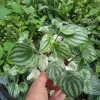
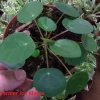
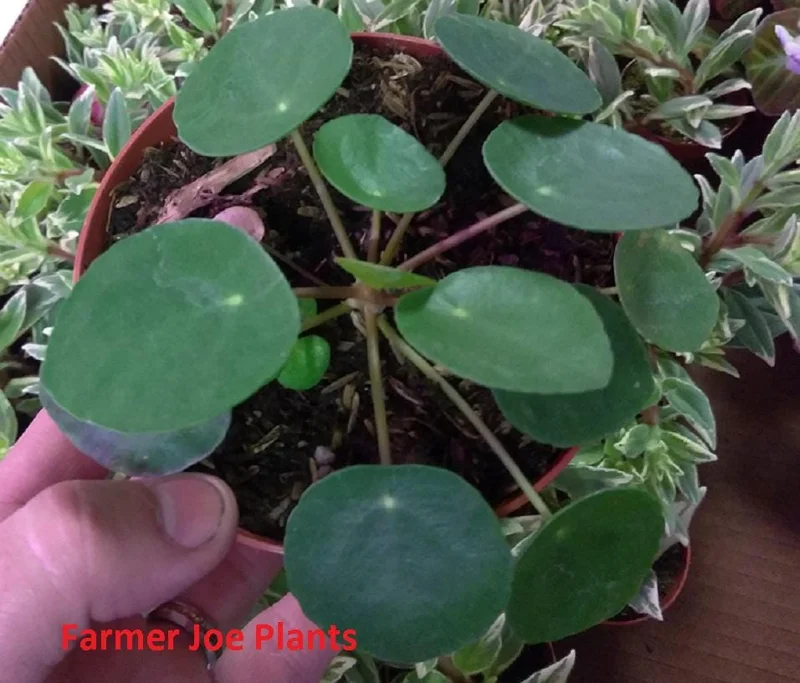
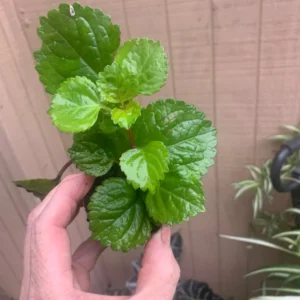
Introduce a touch of modern elegance and a symbol of good fortune to your living space with our exquisite pilea peperomioides live plant. Commonly known as the Chinese Money Plant, Pancake Plant, or UFO Plant, this captivating houseplant is celebrated for its distinctive, coin-shaped leaves and upright growth habit. Originating from the Yunnan and Sichuan provinces of southern China, the Pilea peperomioides has rapidly gained popularity worldwide, becoming a favorite among indoor plant enthusiasts. This particular specimen arrives as a healthy, vibrant plant in a 4 inch pot, perfectly sized for immediate display on a desk, shelf, or windowsill. Its unique appearance makes it a fantastic conversation starter and a delightful addition to any plant collection. The Pilea’s charm lies not only in its aesthetic appeal but also in its relatively easy care requirements, making it an excellent choice for both novice and experienced gardeners looking to enhance their indoor greenery.
The Pilea peperomioides is a perennial evergreen that can thrive for many years with proper care. Its bright green, circular leaves emerge on slender stems, creating a lush, bushy appearance as it matures. Beyond its beauty, the pilea peperomioides live plant is also known for its ability to produce ‘pups’ or offsets, which can be easily propagated to share with friends and family, further cementing its nickname as the ‘friendship plant’. Our plants are carefully selected and nurtured to ensure you receive a healthy, robust specimen ready to flourish in its new home. Embrace the joy of indoor gardening with this charming and auspicious plant.
Key Benefits
The pilea peperomioides live plant offers a multitude of benefits, making it an ideal choice for any indoor setting. Its distinctive appearance and straightforward care contribute to its widespread appeal:
- Unique Aesthetic Appeal: The striking, circular, coin-like leaves of the Pilea peperomioides provide a modern and minimalist aesthetic that complements various interior design styles. Its sculptural form adds visual interest and a sophisticated touch to any room.
- Air Purification: Like many houseplants, the chinese money plant care contributes to improved indoor air quality by absorbing common household toxins and releasing fresh oxygen. This creates a healthier and more pleasant living environment.
- Easy Propagation: One of the most enjoyable aspects of owning a Pilea is its prolific production of ‘pups’ or baby plants. These can be easily separated and grown into new plants, allowing you to expand your collection or share with friends, earning it the nickname ‘friendship plant’.
- Low Maintenance: This plant is remarkably forgiving and requires minimal fuss, making it perfect for busy individuals or those new to plant care. With basic attention to light and watering, it will thrive beautifully indoors.
- Symbol of Good Fortune: In many cultures, the Pilea peperomioides is considered a symbol of good luck and prosperity, especially due to its coin-shaped leaves. Bringing this plant into your home is believed to invite positive energy and financial well-being.
- Compact Size: Its moderate size and upright growth habit make it suitable for smaller spaces, such as desks, shelves, windowsills, or as part of a larger plant arrangement. It won’t overwhelm your space but will still make a significant visual impact.
- Pet-Friendly: While it’s always best to prevent pets from munching on plants, the Pilea peperomioides is generally considered non-toxic to cats and dogs, offering peace of mind for pet owners.
Plant Care & Growing Tips
Caring for your pilea peperomioides live plant is relatively simple, allowing even beginner plant parents to enjoy its beauty. One of the most crucial aspects of chinese money plant care is providing the right light conditions. Pilea thrives in bright, indirect light. Place it near a window that receives plenty of natural light but avoids direct, harsh sunlight, which can scorch its delicate leaves. An east or north-facing window is often ideal. If your home lacks sufficient natural light, a grow light can supplement its needs, ensuring consistent growth and vibrant foliage. Rotate your plant periodically to encourage even growth and prevent it from leaning towards the light source.
Watering is another key element. The Pilea prefers its soil to dry out almost completely between waterings. Overwatering is a common mistake and can lead to root rot, so it’s better to slightly underwater than overwater. Check the soil moisture by sticking your finger about an inch or two into the soil; if it feels dry, it’s time to water thoroughly until water drains from the bottom of the pot. Ensure your pot has drainage holes to prevent water from sitting at the bottom. During winter months, reduce watering frequency as the plant’s growth slows down. The ideal humidity for a pilea plant indoor is moderate, typical of most homes, but it appreciates occasional misting or being placed near a humidifier, especially in dry environments.
For soil, a well-draining potting mix is essential. A mix designed for houseplants or succulents, often containing perlite or sand, works well. Repot your Pilea every 1-2 years, or when it becomes root-bound, moving it up to a pot that is one size larger. Fertilize your pilea peperomioides live plant during the growing season (spring and summer) with a balanced liquid fertilizer diluted to half strength, about once a month. Reduce or stop fertilization during the dormant fall and winter months. Common problems include yellowing leaves (often due to overwatering or lack of nutrients), brown crispy edges (underwatering or low humidity), and small leaves (insufficient light). Addressing these issues promptly will help your Pilea thrive.
Size & Details
This offering includes one healthy pilea peperomioides live plant, carefully cultivated and ready to enhance your indoor space. The plant is shipped in a 4 inch pot, providing a stable and suitable environment for its initial growth. At the time of shipment, the plant typically stands approximately 4-6 inches tall from the top of the soil, with a similar spread, making it a compact desk-friendly size. Pilea peperomioides is known for its moderate growth rate, and with proper care, it can reach a mature height of 10-12 inches (25-30 cm) and a similar width, developing multiple stems and a fuller appearance over time. The plant will arrive well-rooted in its nursery pot, nestled in appropriate growing medium to ensure its health during transit.
The distinctive circular leaves can grow to be 2-4 inches in diameter, creating a striking visual pattern. Expect your Pilea to produce ‘pups’ as it matures, usually emerging from the base of the main stem or from the soil. These can be gently separated and propagated once they have developed a few leaves and their own root system. This plant is a long-lived perennial, promising years of beauty and enjoyment with consistent care. The small pot size makes it versatile for placement in various settings, from office desks to kitchen windowsills, making it an excellent choice for a pancake plant for sale.
Frequently Asked Questions
- Q: How big does this Pilea peperomioides plant get? A: This plant is shipped in a 4 inch pot and typically stands 4-6 inches tall. With good care, it can grow to a mature height of 10-12 inches and a similar spread, developing a bushy form over time.
- Q: Is this an indoor or outdoor plant? A: The pilea peperomioides live plant is primarily an indoor houseplant, thriving in stable indoor temperatures and indirect light. It can be moved outdoors in warm, shaded areas during summer but should be brought inside before temperatures drop.
- Q: How much sunlight does the Chinese Money Plant need? A: It prefers bright, indirect light. Avoid direct harsh sunlight, which can scorch its leaves. An east or north-facing window is usually ideal, providing ample light without intense direct exposure.
- Q: Is this plant easy to care for? Is it good for beginners? A: Yes, the chinese money plant care is considered relatively easy, making it an excellent choice for beginners. Its main requirements are bright, indirect light and allowing the soil to dry out between waterings.
- Q: What condition will the plant arrive in? A: Your pilea peperomioides live plant will arrive carefully packaged in its 4 inch nursery pot, well-rooted in soil, and ready to be placed in your home. We ensure plants are healthy and robust before shipping.
- Q: How often should I water my Pilea? A: Water thoroughly when the top 1-2 inches of soil feel dry to the touch. This typically means once every 1-2 weeks, but can vary based on light, humidity, and season. Always ensure the pot has good drainage.
- Q: Is the Pilea peperomioides pet-safe? A: Yes, the Pilea peperomioides is generally considered non-toxic to cats and dogs, making it a safer option for homes with pets. However, it’s always best to discourage pets from ingesting any houseplants.
- Q: When is the best time to propagate ‘pups’ from my Pilea? A: The best time to propagate is when the ‘pups’ or offsets are a few inches tall and have developed a few leaves and their own small root system. This usually occurs during the growing season in spring or summer.
- Q: Why are the leaves on my pancake plant for sale turning yellow? A: Yellowing leaves on a Pilea are often a sign of overwatering. Ensure the soil is drying out between waterings and that your pot has adequate drainage. It can also indicate a need for nutrients.
- Q: What kind of soil is best for a Pilea plant indoor? A: A well-draining potting mix is crucial. A standard houseplant potting mix amended with perlite or coarse sand for extra drainage works very well for the pilea plant indoor.
Related products
-30%
Original price was: $129.98.$90.98Current price is: $90.98.
-25%
Original price was: $33.90.$25.42Current price is: $25.42.
-39%
Original price was: $49.00.$29.99Current price is: $29.99.

PLANTING & CARE
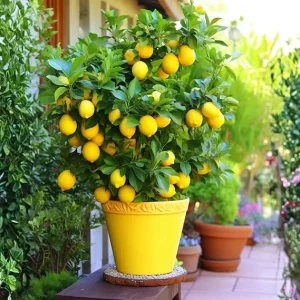
Lemon Tree Growing: Choose, Plant, and Harvest
Learn how to choose, plant, feed, and protect a lemon tree so it fits your
23
Sep
Sep
Dwarf Meyer Lemon Tree Australia: Climate Guide
Learn where dwarf Meyer lemon trees grow, how much cold they tolerate, and whether Australia,
Where to Buy a Dwarf Meyer Lemon Tree: Buyer’s Guide
Find the right dwarf Meyer lemon tree online or locally, compare starter sizes and costs,
Dwarf Meyer Lemon Tree for Sale: Buying Guide
Compare Meyer lemon tree sizes, prices, shipping limits, indoor growing and California options before you
Dwarf Meyer Lemon Tree Guide: Size, Care and Fruit
META: Learn how large a dwarf Meyer lemon tree grows, where it thrives, and how
How to Prune a Dwarf Meyer Lemon Tree
Learn when and how to prune a dwarf Meyer lemon tree, including tools, shaping cuts,
Can You Grow a Dwarf Meyer Lemon Tree in a Pot?
META: Learn how to grow a dwarf Meyer lemon tree in a pot, including container
When Do Dwarf Meyer Lemon Trees Bloom and Fruit?
META: Dwarf Meyer lemon trees usually bloom from winter through spring and may flower again