Pink Manuka Tea Tree Live Plant – 4-6 Inch Tall Leptospermum scoparium, Outdoor Shrub
Pink Manuka Tea Tree Live Plant – 4-6 Inch Tall Leptospermum scoparium, Outdoor Shrub
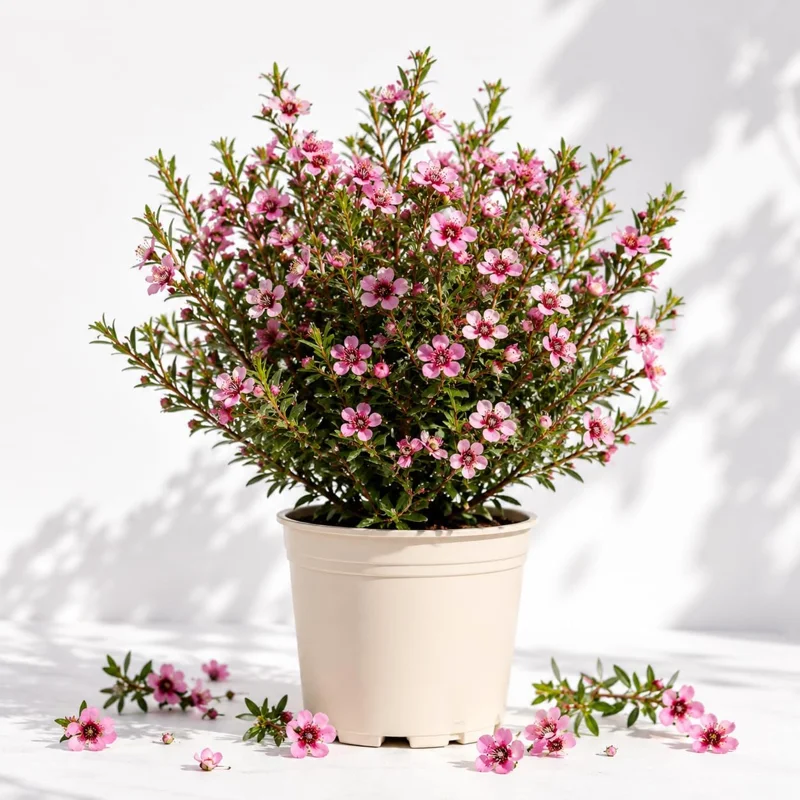
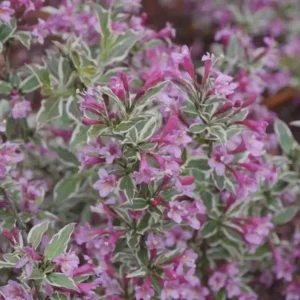
Introduce a vibrant touch with this pink manuka tea tree live plant, typically 4-6 inches tall. This leptospermum scoparium care is easy, featuring abundant pink flowers and evergreen foliage. Perfect for outdoor gardens, attracting pollinators, and offering a beautiful, low-maintenance shrub.
$15.99

With our Alive & Thrive Guarantee, we’ve got your back for the first 30 days! If you have any concerns about your plants, just reach out to us. Our team is here to help answer your questions and guide you in selecting the best plants for your garden, climate, and unique preferences. We're excited to help you create the garden of your dreams!
Estimated arrival
Oct 16
Oct 21 - Oct 23
Oct 26 - Oct 30


Product Details
-
USDA Hardiness Zone
USDA Zones 9–11 -
Soil type
Well-draining, sandy or loamy soil -
Sunlight Exposure
Full sun -
Expected Planting Period
Spring to early fall
Overview
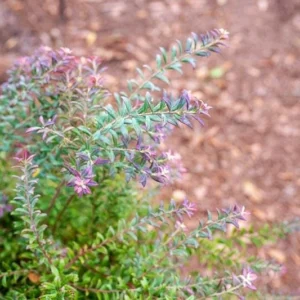
Introduce a touch of elegance to your garden with this exquisite pink manuka tea tree live plant. Known for its delicate yet vibrant pink flowers, this Leptospermum scoparium variety is a captivating addition to any landscape. Originating from New Zealand and Australia, the Manuka Tea Tree is a resilient and attractive shrub, celebrated for its prolific blooming and evergreen foliage. This particular offering provides a young, healthy plant, typically 4-6 inches tall, ready for planting and establishment in your outdoor space. Its charming blossoms appear in abundance, creating a stunning visual display that can transform gardens, patios, or even act as a beautiful low hedge. The pink manuka tea tree live plant is a fantastic choice for gardeners seeking both beauty and a plant with a rich history.
The Manuka Tea Tree, or Leptospermum scoparium, is not only a feast for the eyes but also holds cultural and ecological significance. Its small, needle-like leaves and abundant flowers make it a favorite for ornamental purposes. When mature, these shrubs can become quite dense, providing excellent structure and year-round interest. This live plant is carefully cultivated to ensure it arrives healthy and ready to thrive in its new home, promising years of enjoyment and beautiful blooms, making it an ideal choice for anyone interested in growing manuka bush.
Key Benefits
The pink manuka tea tree live plant offers numerous advantages for both seasoned gardeners and beginners alike. Its aesthetic appeal and robust nature make it a highly desirable choice, especially when considering manuka tea tree outdoor landscaping.
- Stunning Floral Display: Enjoy an abundance of vibrant pink flowers that bloom from spring to early summer, creating a breathtaking focal point in your garden. The cheerful pink hues add a splash of color that is sure to draw attention and admiration, making it a standout among pink flowering shrubs.
- Attracts Pollinators: The nectar-rich flowers are a magnet for bees, butterflies, and other beneficial pollinators, contributing to the biodiversity and health of your garden ecosystem. Supporting local wildlife is a rewarding aspect of growing a pink manuka tea tree live plant.
- Low Maintenance: Once established, this leptospermum scoparium care is relatively low-maintenance, requiring minimal fuss to keep it looking its best. It’s an excellent option for those who desire beauty without constant upkeep.
- Drought Tolerant: After its initial establishment period, the Manuka Tea Tree exhibits good drought tolerance, making it suitable for water-wise gardening in appropriate climates. This resilience helps it endure periods of less frequent watering.
- Versatile Landscaping: Its compact to medium size and attractive form make it versatile for various landscaping uses, including borders, mass plantings, rock gardens, or as a stand-alone specimen. The growing manuka bush can fit into many garden designs.
- Evergreen Foliage: Provides year-round greenery with its small, aromatic leaves, ensuring your garden maintains visual interest even when not in bloom. This evergreen characteristic adds structure and color throughout all seasons.
- Adaptable to Various Soils: While preferring well-draining soil, it can adapt to a range of soil types, increasing its suitability for different garden environments. This adaptability makes this pink manuka tea tree live plant a more accessible endeavor.
Plant Care & Growing Tips
Caring for your pink manuka tea tree live plant is straightforward, ensuring a healthy and flourishing shrub with beautiful blooms. This plant thrives with proper attention to its environmental needs, particularly light, water, and soil. To ensure successful establishment and growth, consider its native habitat and replicate those conditions as closely as possible in your garden for optimal leptospermum scoparium care.
For optimal growth, provide your Manuka Tea Tree with full sun exposure. This means at least 6-8 hours of direct sunlight per day. While it can tolerate some partial shade, too little sun may result in fewer blooms and a less vigorous plant. Ideal temperatures for this plant range between 50 and 85 degrees Fahrenheit. It is hardy in USDA Zones 9–11, meaning it can withstand mild frosts but may require protection in colder climates. Ensure good air circulation around the plant to prevent fungal issues, especially in humid environments.
The Manuka Tea Tree prefers well-draining soil. A sandy or loamy soil mix is ideal. Avoid heavy clay soils that retain too much moisture, as this can lead to root rot. When watering, ensure the soil is consistently moist during the establishment period (the first few months after planting). Once established, it becomes more drought-tolerant. Water moderately, allowing the top inch or two of soil to dry out between waterings. Overwatering is a common mistake and should be avoided; the plant dislikes waterlogged conditions. Fertilize sparingly, if at all, with a balanced, slow-release fertilizer in spring if the soil is poor. Pruning can be done after flowering to maintain shape and encourage bushier growth. Watch out for common pests like scale insects or mealybugs, treating them with insecticidal soap if necessary. Proper care will lead to a robust and beautiful pink flowering shrubs specimen, ensuring your manuka tea tree outdoor thrives.
Size & Details
This offering is for a young, vigorous pink manuka tea tree live plant, typically measuring 4-6 inches tall from the base of the plant to the tip of its foliage. It arrives without a pot, as a bare-root or minimal soil specimen, ready for immediate planting in your garden or a suitable container. The growth rate is moderate, and with proper care, it can reach a mature height of 6-10 feet and a similar spread, forming a dense, rounded shrub. Expect the first significant flush of those characteristic pink flowers in the spring to early summer following establishment. This leptospermum scoparium is a long-lived plant, providing many years of ornamental beauty.
The plant’s compact size upon arrival makes it easy to handle and transplant. While it is young, it is robust and will quickly establish itself in well-prepared soil. The mature size makes it an excellent choice for a variety of landscape applications, from a focal point to a hedging plant. The evergreen nature ensures continuous visual appeal, even when the stunning pink blooms are not present, making it a valuable addition to any garden design. This makes it an excellent choice for growing manuka bush in various settings.
Frequently Asked Questions
- Q: How big does this pink manuka tea tree live plant get? A: This plant typically arrives 4-6 inches tall. With proper care, it can grow to a mature height and spread of 6-10 feet, forming a dense, rounded shrub over time. Its ultimate size depends on growing conditions and pruning.
- Q: Is this an indoor or outdoor plant? A: The pink manuka tea tree live plant is primarily an outdoor plant. It thrives in full sun and is best suited for gardens in USDA Zones 9-11. In colder zones, it can be grown in containers and brought indoors during winter for protection.
- Q: How much sunlight does it need for optimal leptospermum scoparium care? A: This plant requires full sun, meaning at least 6-8 hours of direct sunlight per day, to produce the most abundant and vibrant pink flowers. Less sun may result in fewer blooms.
- Q: Is this plant easy to care for? A: Yes, once established, the leptospermum scoparium is considered relatively low-maintenance. It requires well-draining soil and moderate watering, becoming more drought-tolerant over time. Pruning after flowering helps maintain its shape.
- Q: What condition will it arrive in? A: Your plant will arrive as a healthy, live specimen, typically 4-6 inches tall, without a pot. It will be carefully packaged to ensure it reaches you in optimal condition, ready for planting.
- Q: When is the best time for growing manuka bush? A: The best time to plant is in spring or early fall, allowing the plant sufficient time to establish its root system before extreme summer heat or winter cold. Ensure the soil is well-prepared.
- Q: Will this manuka tea tree outdoor plant survive winter in my zone? What’s the minimum temperature? A: This plant is hardy in USDA Zones 9–11. It can tolerate temperatures down to about 20-25 degrees Fahrenheit. In zones colder than 9, it is best grown in a pot and moved indoors for winter protection.
- Q: What kind of soil does the pink manuka tea tree live plant prefer? A: It prefers well-draining soil, such as a sandy or loamy mix. Avoid heavy clay soils that can become waterlogged, as this can harm the roots. Good drainage is crucial for its health.
- Q: Does this pink flowering shrubs attract pollinators? A: Absolutely! The vibrant pink flowers of the Manuka Tea Tree are highly attractive to bees, butterflies, and other beneficial pollinators, making it a great addition to a pollinator-friendly garden.
- Q: Can I prune this plant? A: Yes, pruning is beneficial for maintaining the plant’s shape and encouraging bushier growth. The best time to prune is after the flowering period, typically in late spring or early summer.
Related products
-20%
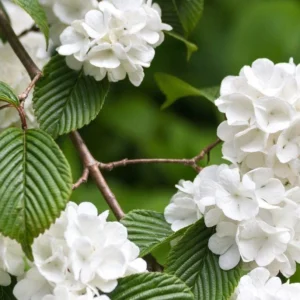
Original price was: $66.00.$52.80Current price is: $52.80.
-20%
Original price was: $20.00.$16.00Current price is: $16.00.
-42%
Original price was: $43.99.$25.59Current price is: $25.59.
-76%
Original price was: $103.96.$24.99Current price is: $24.99.
PLANTING & CARE
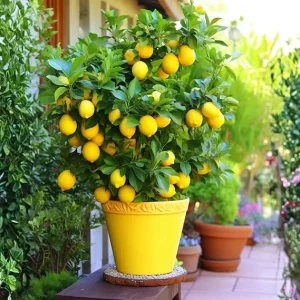
Lemon Tree Growing: Choose, Plant, and Harvest
Learn how to choose, plant, feed, and protect a lemon tree so it fits your
23
Sep
Sep
Dwarf Meyer Lemon Tree Australia: Climate Guide
Learn where dwarf Meyer lemon trees grow, how much cold they tolerate, and whether Australia,
Where to Buy a Dwarf Meyer Lemon Tree: Buyer’s Guide
Find the right dwarf Meyer lemon tree online or locally, compare starter sizes and costs,
Dwarf Meyer Lemon Tree for Sale: Buying Guide
Compare Meyer lemon tree sizes, prices, shipping limits, indoor growing and California options before you
Dwarf Meyer Lemon Tree Guide: Size, Care and Fruit
META: Learn how large a dwarf Meyer lemon tree grows, where it thrives, and how
How to Prune a Dwarf Meyer Lemon Tree
Learn when and how to prune a dwarf Meyer lemon tree, including tools, shaping cuts,
Can You Grow a Dwarf Meyer Lemon Tree in a Pot?
META: Learn how to grow a dwarf Meyer lemon tree in a pot, including container
When Do Dwarf Meyer Lemon Trees Bloom and Fruit?
META: Dwarf Meyer lemon trees usually bloom from winter through spring and may flower again