Pink Milkweed Live Plant 4in Pot – Monarch Butterfly Host Plant
-52%
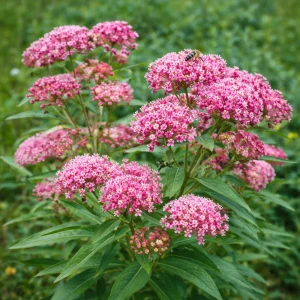
Pink Milkweed Live Plant 4in Pot – Monarch Butterfly Host Plant
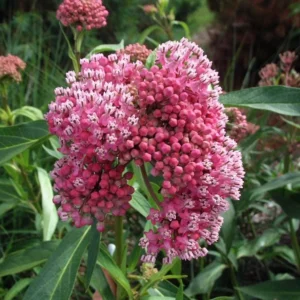
Bring life and color to your garden with this beautiful pink milkweed live plant. Perfect for attracting monarch butterflies, this 4-inch potted plant is a vital host for their caterpillars. Enjoy vibrant blooms and support local pollinators.
SHIP NO POT
Original price was: $24.98.$11.99Current price is: $11.99.

With our Alive & Thrive Guarantee, we’ve got your back for the first 30 days! If you have any concerns about your plants, just reach out to us. Our team is here to help answer your questions and guide you in selecting the best plants for your garden, climate, and unique preferences. We're excited to help you create the garden of your dreams!
Estimated arrival
Oct 21
Oct 26 - Oct 28
Oct 31 - Nov 04









Product Details
-
USDA Hardiness Zone
USDA zones 3-9 -
Soil type
Moist, well-draining soil -
Sunlight Exposure
Full sun -
Expected Planting Period
Spring to early fall
SHIP NO POT
Overview
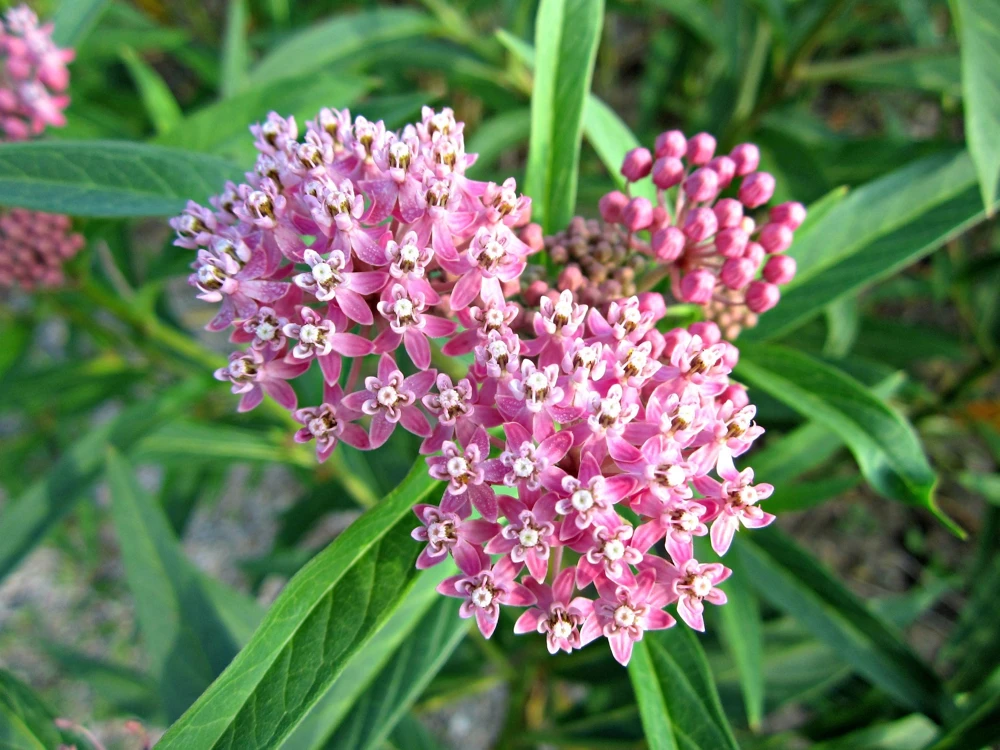
Transform your garden into a vibrant haven for pollinators with the exquisite pink milkweed live plant. Also known as Swamp Milkweed (Asclepias incarnata), this native perennial is renowned for its stunning clusters of rosy-pink flowers and its indispensable role as a host plant for monarch butterfly caterpillars. This 4-inch potted specimen arrives ready to plant, offering an immediate impact on your outdoor space. Unlike many garden plants, pink milkweed live plant provides both aesthetic appeal and critical ecological support, making it a favorite among gardeners and conservationists alike. Its upright growth habit and long blooming season ensure a consistent source of nectar for various beneficial insects, while its foliage serves as the sole food source for monarch larvae.
Choosing a pink milkweed live plant means investing in the health of your local ecosystem. Beyond its ecological benefits, Asclepias incarnata is a resilient and relatively low-maintenance plant, making it suitable for gardeners of all experience levels. Its cheerful blossoms add a touch of wild elegance to borders, rain gardens, or naturalized areas. With its vital connection to the iconic monarch butterfly, this plant offers a unique opportunity to participate in wildlife conservation directly from your backyard. Embrace the beauty and purpose of this remarkable native plant.
Key Benefits
The pink milkweed live plant offers a multitude of benefits, both for your garden’s aesthetic and its ecological health. It’s a powerhouse for biodiversity, providing crucial resources for various pollinators. Incorporating this plant into your landscape means enjoying seasonal beauty while contributing to important conservation efforts.
- Monarch Butterfly Host Plant: This is the primary benefit of the pink milkweed live plant. Its leaves are the only food source for monarch butterfly caterpillars, making it essential for their life cycle and the survival of the species. Planting it directly supports monarch populations.
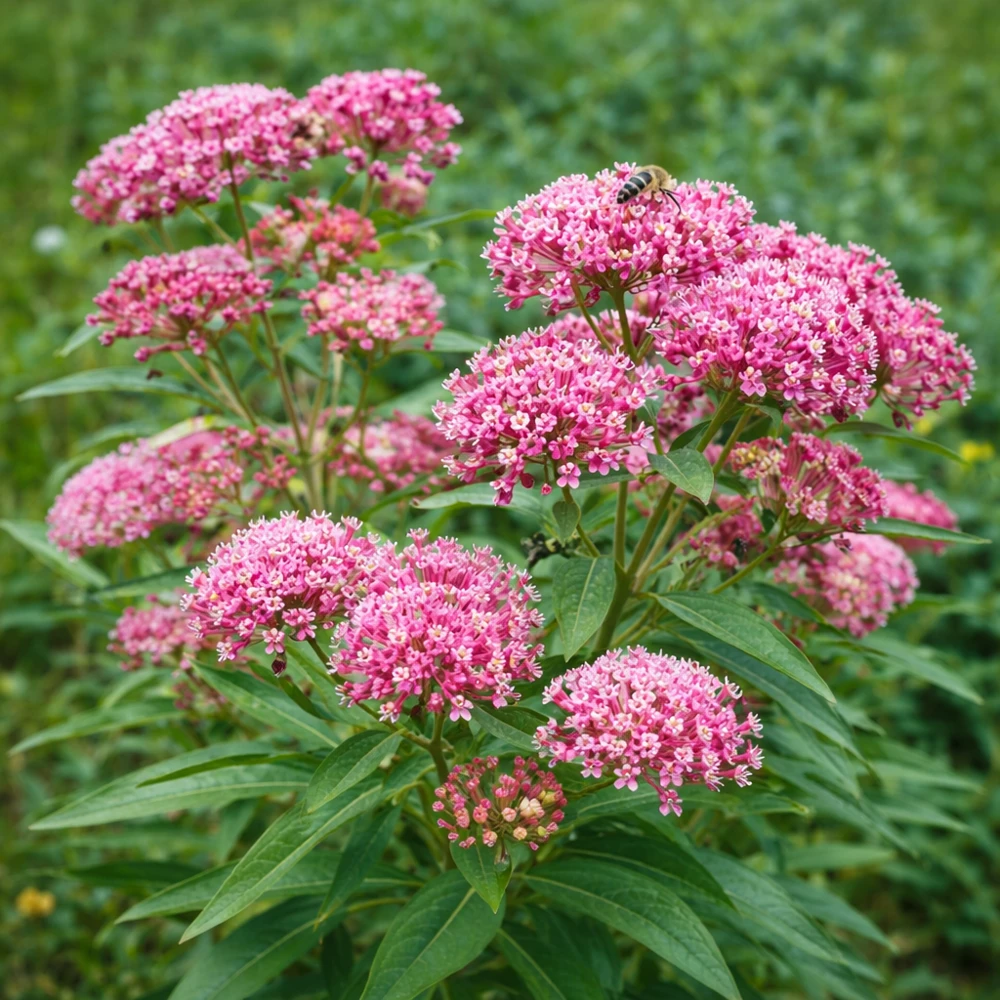
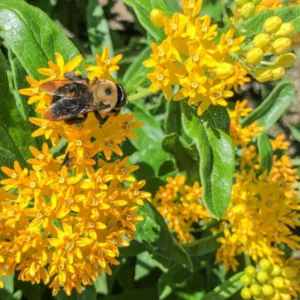
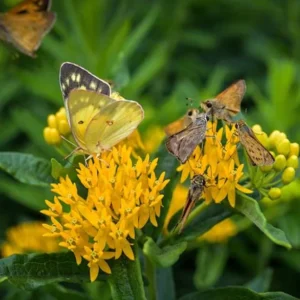
- Attracts Pollinators: Beyond monarchs, the nectar-rich flowers of Asclepias incarnata are highly attractive to a wide array of pollinators, including bees, other butterfly species, and hummingbirds. This helps to increase biodiversity and support local food webs in your garden.
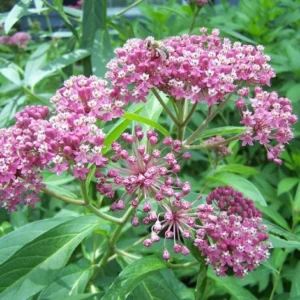
- Vibrant Pink Blooms: Enjoy a long-lasting display of beautiful, fragrant, rosy-pink flower clusters from mid-summer into early fall. These cheerful blossoms add significant visual interest and a pop of color to any garden setting.
- Native and Adaptable: As a native species, pink milkweed live plant is well-adapted to local climates and soils, requiring less intervention once established. It’s particularly tolerant of moist conditions, making it suitable for rain gardens or areas with poor drainage.
- Low Maintenance: Once established, this plant is remarkably easy to care for. It’s generally pest-resistant and drought-tolerant (though prefers consistent moisture), making it a fuss-free addition to your garden.
- Supports Ecosystem Health: By providing food and habitat, this plant contributes significantly to the overall health and resilience of your local ecosystem. It’s a cornerstone plant for creating a wildlife-friendly garden.
- Deer Resistant: While loved by monarchs, Asclepias incarnata is often unappealing to deer and other common garden browsers, helping to protect your investment in your garden.
Plant Care & Growing Tips
Caring for your pink milkweed live plant is straightforward, especially since it’s a native species well-suited to many environments. Providing the right conditions will ensure a thriving plant that consistently attracts and supports monarch butterflies and other pollinators. Understanding its preferences for sun, water, and soil is key to its success in your garden. This resilient perennial will reward you with beautiful blooms and a bustling ecosystem when given proper attention.
For optimal growth, plant your pink milkweed live plant in a location that receives full sun, meaning at least 6-8 hours of direct sunlight per day. While it can tolerate partial shade, flowering will be less prolific. It thrives in consistently moist to wet soil conditions, making it an excellent choice for rain gardens, pond edges, or areas that tend to stay damp. However, it is adaptable and can also grow well in average garden soil, as long as it doesn’t dry out completely. Ensure the soil is rich in organic matter and has good drainage to prevent root rot in overly saturated conditions. The plant is hardy in USDA zones 3-9, tolerating a wide range of temperatures.
Water your pink milkweed live plant regularly, especially during dry spells or its first growing season, to help it establish a strong root system. Once established, it can tolerate some drought but will perform best with consistent moisture. Fertilization is generally not necessary in rich garden soil; however, if your soil is poor, a light application of a balanced, slow-release fertilizer in spring can be beneficial. Deadheading spent flower clusters can encourage more blooms and prevent excessive self-seeding, though leaving some seed pods for winter interest and to allow for natural propagation is also a good option. Watch out for common milkweed pests like aphids; a strong spray of water or insecticidal soap can usually manage them. This monarch host plant is generally robust and provides years of beauty and ecological benefit.
Size & Details
This pink milkweed live plant is provided in a 4-inch nursery pot, offering a well-established root system ready for planting in your garden. At maturity, Asclepias incarnata typically grows to a height of 3 to 5 feet with a spread of 2 to 3 feet, creating a substantial and impactful presence in your landscape. It exhibits an upright, clumping growth habit, with multiple stems emerging from the base. The plant ships as a young, healthy specimen, carefully packaged to ensure its safe arrival. Expect it to begin flowering in mid to late summer of its first year, with blooms continuing into early fall, providing a crucial late-season nectar source for pollinators. Its moderate growth rate means it will quickly establish itself and begin to contribute to your garden’s biodiversity.
Frequently Asked Questions
- Q: How big does this plant get? A: The pink milkweed live plant typically grows to a height of 3 to 5 feet and spreads 2 to 3 feet wide at maturity. It forms an upright, bushy clump in the garden.
- Q: What size pot does it come in? A: This pink milkweed live plant is shipped in a 4-inch nursery pot, with a healthy root system ready for transplanting into your garden or a larger container.
- Q: Is this an indoor or outdoor plant? A: Pink milkweed is primarily an outdoor plant, thriving in garden beds, rain gardens, and naturalized areas. It requires full sun and goes dormant in winter.
- Q: How much sunlight does it need? A: For best flowering and overall health, your pink milkweed live plant needs full sun, which means at least 6-8 hours of direct sunlight per day. It can tolerate partial shade but will produce fewer blooms.
- Q: Is this plant easy to care for? A: Yes, Asclepias incarnata is considered a relatively easy-care plant, especially once established. It’s a native species that is robust and adaptable to various conditions, making it great for beginners and experienced gardeners alike who are looking for butterfly friendly plants.
- Q: What condition will it arrive in? A: Your plant will arrive as a healthy, live specimen in its 4-inch nursery pot, carefully packaged to minimize stress during transit. It will be ready for immediate planting.
- Q: Is it shipped in soil? A: Yes, the pink milkweed live plant is shipped actively growing in its original nursery soil and pot, ensuring its roots remain protected and hydrated during delivery.
- Q: Can I use this plant to attract monarch butterflies? A: Absolutely! This monarch host plant is specifically known for attracting monarch butterflies, as its leaves are the sole food source for monarch caterpillars. It’s an essential addition for creating a habitat for these iconic insects.
- Q: When is the best time to plant? A: The best time to plant your pink milkweed live plant is in spring after the last frost, or in early fall. This allows the plant time to establish its roots before extreme temperatures.
- Q: Will it survive winter in my zone? A: Yes, Asclepias incarnata is hardy in USDA zones 3-9. It is a perennial that will naturally die back to the ground in winter and re-emerge in spring. This makes it an excellent choice for a native milkweed in many climates.
Related products
-82%
Original price was: $56.97.$10.34Current price is: $10.34.
-55%
Original price was: $79.98.$35.99Current price is: $35.99.
-66%
Original price was: $56.97.$19.34Current price is: $19.34.
-20%
Original price was: $31.98.$25.58Current price is: $25.58.
-30%

Original price was: $63.98.$44.78Current price is: $44.78.
-67%
Original price was: $59.97.$19.99Current price is: $19.99.
PLANTING & CARE
Lemon Tree Growing: Choose, Plant, and Harvest
Learn how to choose, plant, feed, and protect a lemon tree so it fits your
23
Sep
Sep
Dwarf Meyer Lemon Tree Australia: Climate Guide
Learn where dwarf Meyer lemon trees grow, how much cold they tolerate, and whether Australia,
Where to Buy a Dwarf Meyer Lemon Tree: Buyer’s Guide
Find the right dwarf Meyer lemon tree online or locally, compare starter sizes and costs,
Dwarf Meyer Lemon Tree for Sale: Buying Guide
Compare Meyer lemon tree sizes, prices, shipping limits, indoor growing and California options before you
Dwarf Meyer Lemon Tree Guide: Size, Care and Fruit
META: Learn how large a dwarf Meyer lemon tree grows, where it thrives, and how
How to Prune a Dwarf Meyer Lemon Tree
Learn when and how to prune a dwarf Meyer lemon tree, including tools, shaping cuts,
Can You Grow a Dwarf Meyer Lemon Tree in a Pot?
META: Learn how to grow a dwarf Meyer lemon tree in a pot, including container
When Do Dwarf Meyer Lemon Trees Bloom and Fruit?
META: Dwarf Meyer lemon trees usually bloom from winter through spring and may flower again