Pink Swamp Milkweed Plants Live (Set of 4), Asclepias Incarnata, 4-8 Inch Tall Perennial for Pollinators, Outdoor
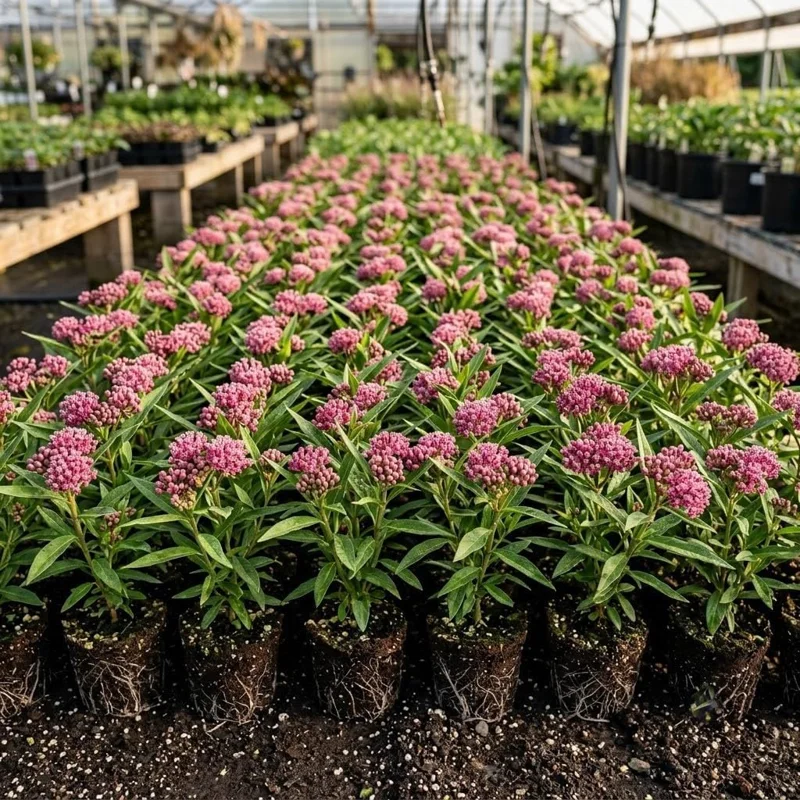
Pink Swamp Milkweed Plants Live (Set of 4), Asclepias Incarnata, 4-8 Inch Tall Perennial for Pollinators, Outdoor
Introduce a set of four vibrant pink swamp milkweed plants (Asclepias incarnata) to your garden. These 4-8 inch tall live starter plants are essential monarch butterfly host plants and attract a variety of pollinators. Enjoy fragrant, rose-pink flowers from this beautiful, low-maintenance pink milkweed perennial, ideal for moist outdoor conditions.
$38.99

With our Alive & Thrive Guarantee, we’ve got your back for the first 30 days! If you have any concerns about your plants, just reach out to us. Our team is here to help answer your questions and guide you in selecting the best plants for your garden, climate, and unique preferences. We're excited to help you create the garden of your dreams!
Estimated arrival
Oct 16
Oct 21 - Oct 23
Oct 26 - Oct 30




Product Details
-
USDA Hardiness Zone
USDA Zones 3-9 -
Soil type
Well-draining, moist soil (loamy or clay with organic content) -
Sunlight Exposure
Full sun (at least 6 hours daily) -
Expected Planting Period
Spring to early fall
Overview
Introduce a burst of natural beauty and ecological support to your landscape with our exquisite pink swamp milkweed plants. This offering includes a set of four live starter plants, ranging from 4 to 8 inches in height, ready to be established in your garden. Known scientifically as Asclepias incarnata, these stunning perennials are celebrated for their clusters of fragrant, rose-pink flowers that bloom profusely from mid to late summer. Beyond their aesthetic appeal, pink swamp milkweed plants are an essential host plant for monarch butterfly caterpillars and a vital nectar source for a wide array of pollinators, making them a cornerstone for any wildlife-friendly garden. These robust plants are well-suited for a variety of conditions, particularly thriving in moist to wet soils, hence their common name, ‘swamp milkweed’. They are a fantastic choice for supporting local ecosystems as a native wetland plant.
Key Benefits
Cultivating pink swamp milkweed plants offers numerous advantages, transforming your garden into a vibrant ecosystem and a haven for beneficial insects. Their easy-care nature and adaptability make them a rewarding addition for gardeners of all experience levels, providing long-term value as a pink milkweed perennial.
- Pollinator Magnet: These plants are incredibly attractive to monarch butterflies, providing crucial food for both caterpillars and adult butterflies, making them an excellent monarch butterfly host plant. They also draw in other beneficial insects like bees and hummingbirds, enhancing your garden’s biodiversity.
- Stunning Floral Display: Enjoy a continuous show of beautiful, fragrant pink flowers throughout the summer, adding a soft, yet striking, color to your perennial beds or naturalized areas.
- Low Maintenance Perennial: Once established, pink swamp milkweed plants are remarkably resilient and require minimal care, returning year after year with increasing vigor. They are a true perennial that offers long-term value.
- Adaptable to Various Soils: While they prefer moist conditions, these plants are surprisingly adaptable and can tolerate a range of soil types, from average garden soil to consistently damp areas.
- Native Plant Benefits: As a native wetland plant, Asclepias incarnata helps support local ecosystems and is naturally resistant to many pests and diseases, reducing the need for chemical interventions. This makes them an ideal asclepias incarnata live plant for sustainable gardening.
- Deer Resistant: Generally, deer tend to avoid milkweed due to its milky sap, making it a good choice for gardens in areas with deer populations.
- Erosion Control: Their fibrous root systems can help stabilize soil in moist areas, contributing to erosion control along pond edges or stream banks.
Plant Care & Growing Tips
Caring for your pink swamp milkweed plants is straightforward, ensuring a thriving display of flowers and a bustling pollinator habitat. These plants are relatively forgiving, but understanding their preferred conditions will lead to the best results for your asclepias incarnata live plant.
Sunlight Requirements: These plants absolutely thrive in full sun, meaning they need at least 6 hours of direct sunlight per day. While they can tolerate partial sun, flowering will be less prolific. Ensure they are planted in a location where they receive ample light throughout the growing season.
Watering Schedule and Soil Moisture: As their name suggests, pink swamp milkweed plants prefer consistent moisture. Water regularly, especially during dry periods and when the plants are young and establishing. The soil should remain consistently moist but not waterlogged. Avoid letting the soil dry out completely between waterings. Mature plants show good drought tolerance once established in suitable conditions, but consistent moisture will promote lusher growth and more abundant blooms.
Soil Type and Drainage: They are adaptable to a variety of soil types but perform best in well-draining soil that retains moisture. Loamy or clay soils are often suitable, especially if they have good organic content. While they tolerate moist conditions, good drainage is still important to prevent root rot. The ideal pH range is slightly acidic to neutral.
Temperature Range and USDA Hardiness Zone: These resilient plants are hardy in USDA Zones 3-9. They can withstand winter temperatures in these zones, dying back to the ground in fall and re-emerging in spring. Optimal growth temperatures are between 65°F and 85°F. They are tolerant of both heat and humidity once established, making them a reliable pink milkweed perennial.
Fertilization: Generally, pink swamp milkweed plants do not require heavy fertilization. If your soil is poor, a balanced, slow-release granular fertilizer applied in early spring can be beneficial. Avoid over-fertilizing, as this can lead to excessive foliage growth at the expense of flowers. Composted organic matter worked into the soil annually is often sufficient to provide necessary nutrients.
Common Problems and Solutions: Aphids can sometimes be an issue; a strong spray of water or insecticidal soap can manage them. Black swallowtail caterpillars also feed on milkweed, but these are beneficial insects that will eventually turn into beautiful butterflies, so it’s best to let them be, as this plant is a crucial monarch butterfly host plant. Overwatering in poorly draining soil can lead to root rot, so ensure adequate drainage.
Size & Details
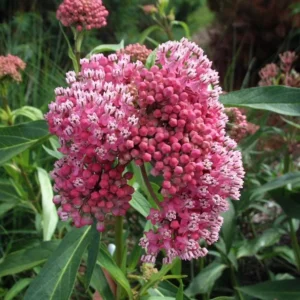
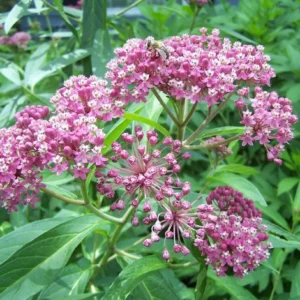
This offering includes a set of 4 Pink Swamp Milkweed plants, each a healthy young starter plant measuring approximately 4-8 inches tall. These plants are shipped without a pot, as bare roots or small plugs, ready for immediate planting upon arrival. They are carefully packaged to ensure their safe journey to your garden. Once established, Asclepias incarnata typically grows to an impressive height of 3-5 feet tall and spreads 2-3 feet wide, forming a sturdy clump. They have a moderate to fast growth rate, quickly filling out their space in the garden. Expect vibrant pink flowers to appear from mid to late summer, attracting a lively array of pollinators. The plants you receive are young and may not have flowers or the full size of mature specimens shown in reference images, but they are robust and ready to thrive as a pink milkweed perennial.
Frequently Asked Questions
- Q: How big do these pink swamp milkweed plants get? A: Once mature, these plants typically reach a height of 3 to 5 feet tall and spread about 2 to 3 feet wide. They form substantial clumps over time, providing a significant presence in the garden.
- Q: What size pot does it come in? A: These pink swamp milkweed plants are shipped as young starter plants, approximately 4-8 inches tall, without a pot. They are either bare root or small plugs, ready for direct planting in your garden.
- Q: Is this an indoor or outdoor plant? A: Pink swamp milkweed is primarily an outdoor perennial plant. It is best suited for garden beds, naturalized areas, or large outdoor containers where it can receive full sun and ample moisture. It’s a great choice for a native wetland plant garden.
- Q: How much sunlight does it need? A: This plant thrives in full sun, requiring at least 6 hours of direct sunlight per day to produce the most abundant blooms and healthiest growth. Partial sun can be tolerated, but flowering may be reduced.
- Q: Is this plant easy to care for? A: Yes, pink swamp milkweed plants are considered easy to care for, especially once established. They are low-maintenance perennials that are quite resilient and adaptable to various garden conditions, particularly moist soils.
- Q: What condition will it arrive in? A: You will receive healthy, young starter plants, approximately 4-8 inches tall. They are carefully packaged to ensure they arrive in good condition, ready for planting. They may not have flowers or fully developed foliage upon arrival, but are robust asclepias incarnata live plants.
- Q: Can I grow Asclepias incarnata in a container? A: Yes, you can grow pink swamp milkweed in large containers, but ensure the pot is big enough to accommodate its mature size and provides good drainage while retaining moisture. Regular watering will be crucial for container-grown plants.
- Q: How long until it blooms? A: Depending on when they are planted and growing conditions, these young plants typically begin to bloom in their first or second year. They will produce beautiful pink flowers from mid to late summer.
- Q: When is the best time to plant? A: The best time to plant these pink swamp milkweed plants is in spring after the last frost, or in early fall. This allows them sufficient time to establish their root systems before extreme temperatures.
- Q: Will it survive winter in my zone? A: Yes, these plants are hardy perennials in USDA Zones 3-9. They will die back to the ground in winter and reliably re-emerge from their roots in the spring. This makes them a dependable monarch butterfly host plant year after year.
Related products
-83%
Original price was: $44.97.$7.74Current price is: $7.74.
-82%
Original price was: $56.97.$10.34Current price is: $10.34.
-30%
Original price was: $79.98.$55.98Current price is: $55.98.
-30%
Original price was: $63.98.$44.78Current price is: $44.78.
-20%
Original price was: $27.98.$22.38Current price is: $22.38.
-30%
Original price was: $63.98.$44.78Current price is: $44.78.
-67%


Original price was: $41.97.$13.99Current price is: $13.99.
PLANTING & CARE
Lemon Tree Growing: Choose, Plant, and Harvest
Learn how to choose, plant, feed, and protect a lemon tree so it fits your
23
Sep
Sep
Dwarf Meyer Lemon Tree Australia: Climate Guide
Learn where dwarf Meyer lemon trees grow, how much cold they tolerate, and whether Australia,
Where to Buy a Dwarf Meyer Lemon Tree: Buyer’s Guide
Find the right dwarf Meyer lemon tree online or locally, compare starter sizes and costs,
Dwarf Meyer Lemon Tree for Sale: Buying Guide
Compare Meyer lemon tree sizes, prices, shipping limits, indoor growing and California options before you
Dwarf Meyer Lemon Tree Guide: Size, Care and Fruit
META: Learn how large a dwarf Meyer lemon tree grows, where it thrives, and how
How to Prune a Dwarf Meyer Lemon Tree
Learn when and how to prune a dwarf Meyer lemon tree, including tools, shaping cuts,
Can You Grow a Dwarf Meyer Lemon Tree in a Pot?
META: Learn how to grow a dwarf Meyer lemon tree in a pot, including container
When Do Dwarf Meyer Lemon Trees Bloom and Fruit?
META: Dwarf Meyer lemon trees usually bloom from winter through spring and may flower again