Ponderosa Pine Live Tree Saplings (Set of 4) – 3 Inch Pots – Hardy Outdoor Evergreen Conifers
-33%
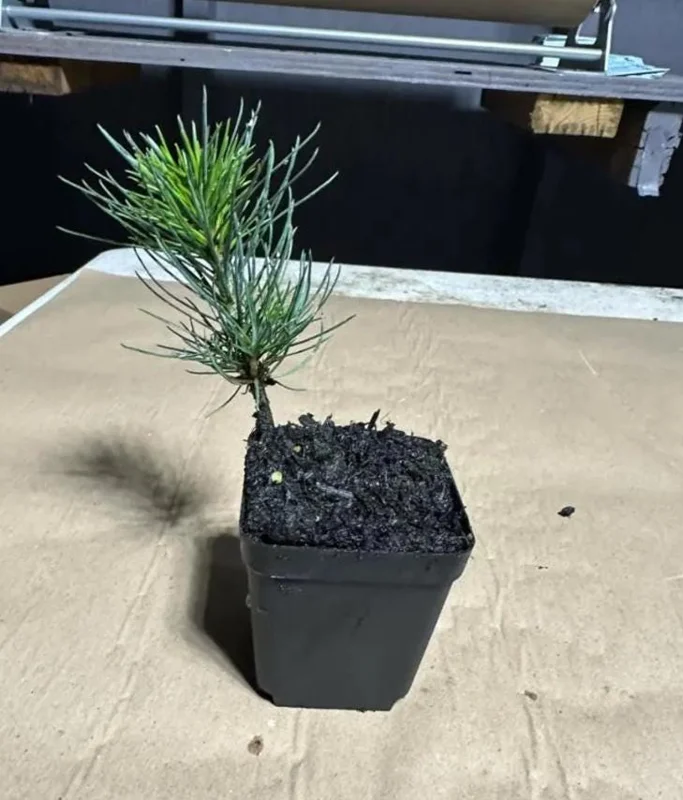
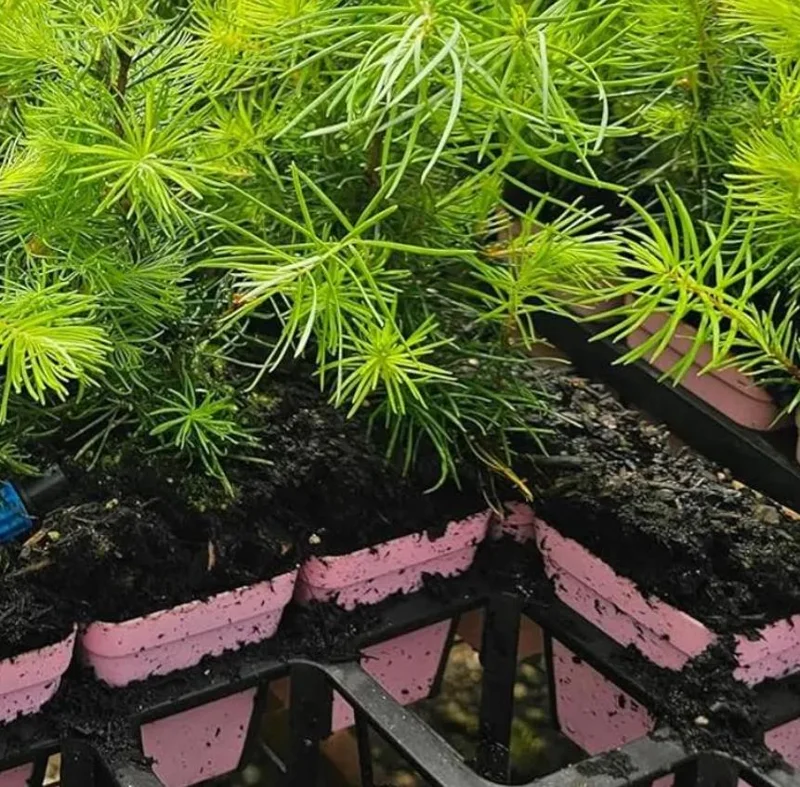
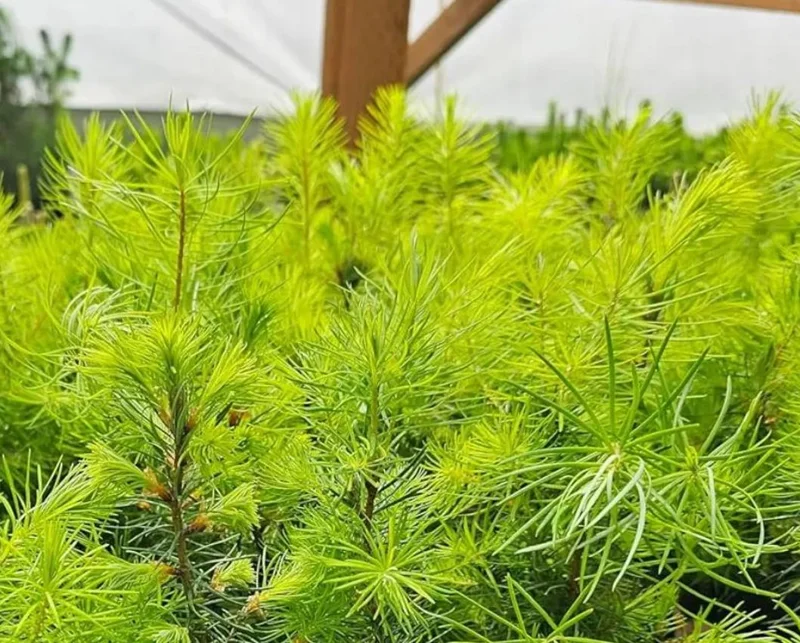
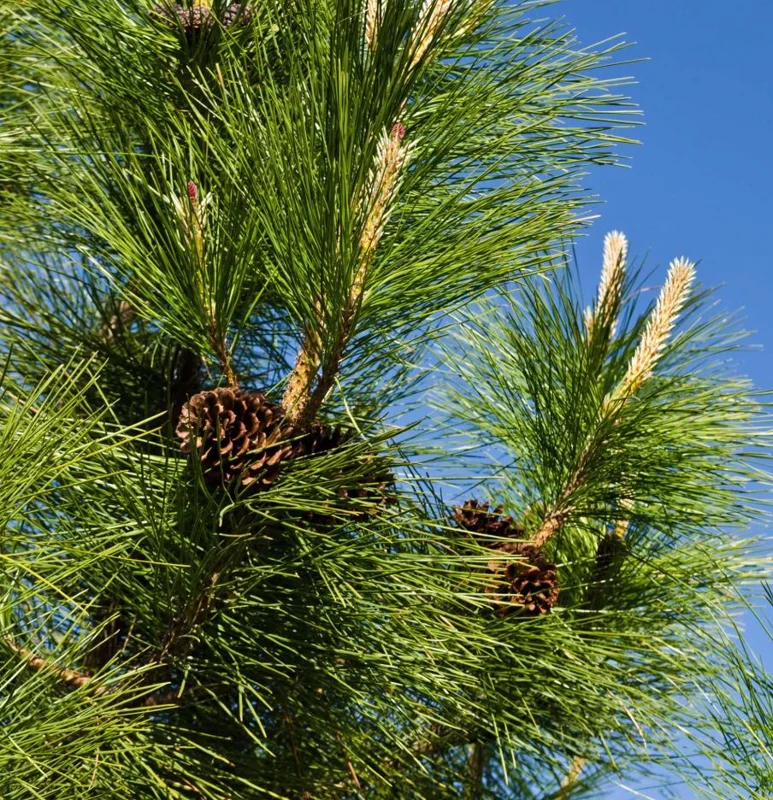
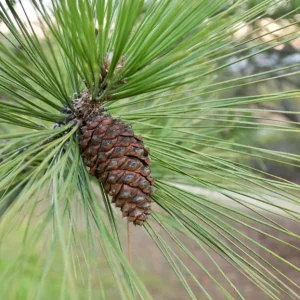
Ponderosa Pine Live Tree Saplings (Set of 4) – 3 Inch Pots – Hardy Outdoor Evergreen Conifers
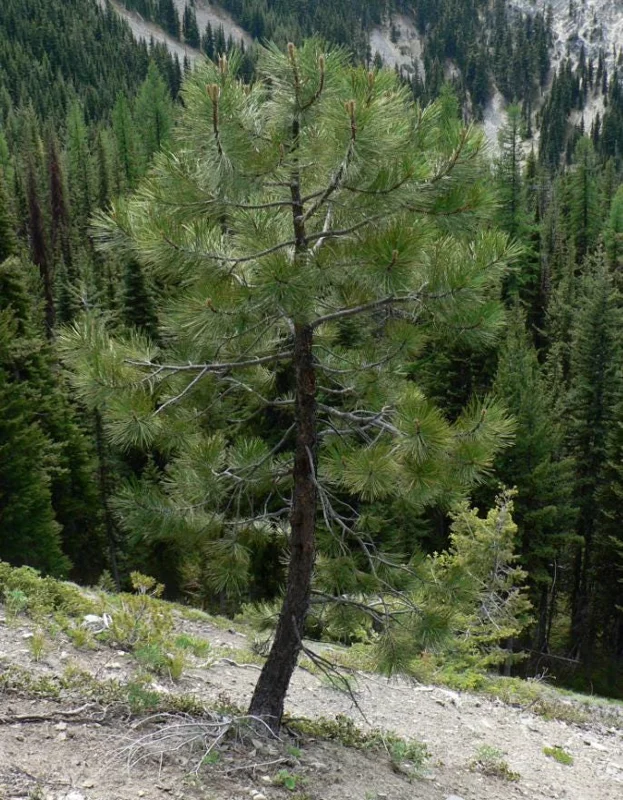
Bring the majestic ponderosa pine live tree to your property with this set of four healthy saplings, each in a 3-inch pot. These hardy evergreen conifers are ideal for creating natural windbreaks, reforestation projects, and sustainable landscaping. Known for their drought tolerance and low maintenance, they’re a resilient choice for various climates.
Original price was: $60.99.$40.99Current price is: $40.99.

With our Alive & Thrive Guarantee, we’ve got your back for the first 30 days! If you have any concerns about your plants, just reach out to us. Our team is here to help answer your questions and guide you in selecting the best plants for your garden, climate, and unique preferences. We're excited to help you create the garden of your dreams!
Estimated arrival
Oct 08
Oct 13 - Oct 15
Oct 18 - Oct 22
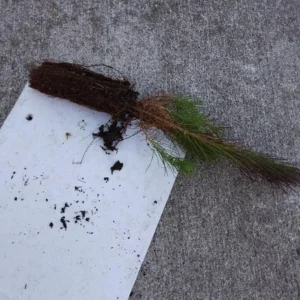
Product Details
-
USDA Hardiness Zone
USDA Zones 3-7 -
Soil type
Well-drained sandy or loamy soil -
Sunlight Exposure
Full sun (at least 6 hours daily) -
Expected Planting Period
Early spring or fall
Overview
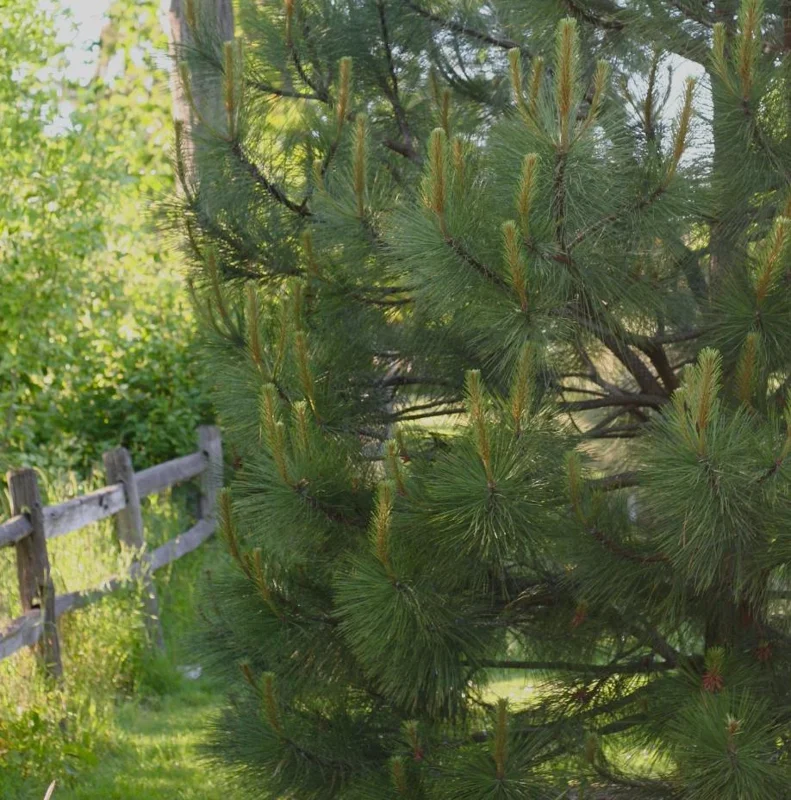
Introduce the majestic ponderosa pine live tree to your landscape with this set of four healthy saplings, each nurtured in a 3-inch pot. These iconic conifers, scientifically known as Pinus ponderosa, are native to the western U.S. and are celebrated for their distinctive rugged beauty, fragrant long needles, and characteristic orange-brown bark. Perfect for reforestation efforts, establishing natural windbreaks, or creating large-scale, low-maintenance landscapes, these fast-growing trees are also highly valued for their exceptional drought tolerance, fire adaptability, and impressive longevity. Unlike seeds or cuttings, these are real, rooted saplings, ready to thrive and grow into towering forest icons, providing a significant ecological and aesthetic contribution to your outdoor space.
The ponderosa pine live tree offers an unparalleled opportunity to bring a piece of the wild American West into your garden or property. Its adaptability to various conditions, including drought-prone and high-altitude regions, makes it a resilient and wise choice for sustainable landscaping. This set provides a solid foundation for creating a vibrant, enduring natural space, ensuring a beautiful and beneficial addition for years to come. These saplings are carefully cultivated to ensure robust health and successful establishment, making them an excellent investment for both novice and experienced gardeners seeking to create a lasting natural impact.
Key Benefits
Integrating ponderosa pine for landscaping offers a multitude of advantages, enhancing both the aesthetic and ecological value of your property. These trees are not only visually striking but also contribute significantly to environmental health and property protection, making them a wise choice for any large-scale planting project.
- Exceptional Drought Tolerance: Once established, these Ponderosa Pines are highly resistant to dry conditions, making them an ideal choice for arid or water-wise landscapes. This reduces the need for frequent watering, saving resources and effort, and aligning with sustainable gardening practices.
- Effective Windbreaks: Their dense growth habit and mature height create powerful natural barriers, protecting your property, other plants, and even livestock from strong winds. This can also help in reducing heating costs by sheltering buildings, offering practical benefits beyond aesthetics.
- Reforestation & Habitat Support: Perfect for large-scale planting projects, these ponderosa pine live tree saplings contribute to ecological restoration, soil stabilization, and provide vital habitat for local wildlife, supporting biodiversity and creating a thriving ecosystem.
- Low Maintenance: Once established, ponderosa pine care is minimal. They require little pruning and are generally robust against common pests and diseases, allowing you to enjoy their beauty with less effort and more time to appreciate your natural surroundings.
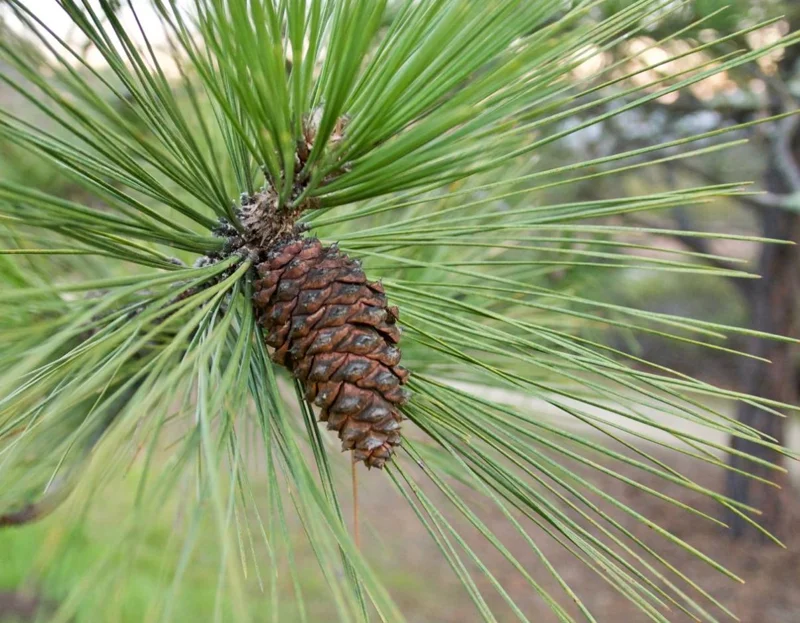
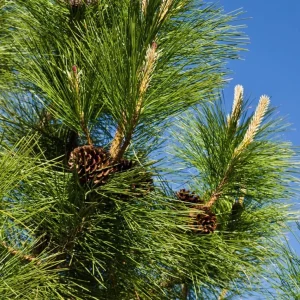
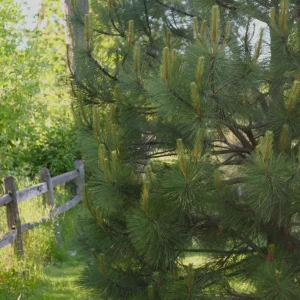
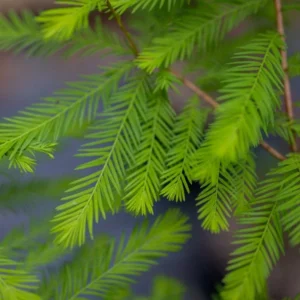
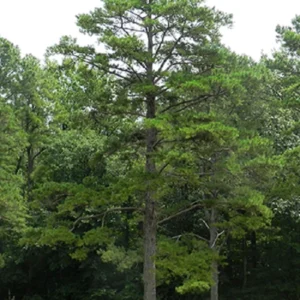
- Iconic Beauty & Fragrance: Known for their straight central trunks, open airy crowns, and bright green to yellow-green needles, they add significant visual appeal. The needles also emit a pleasant, distinct fragrance, enhancing the sensory experience of your garden or property.
- Cold Hardiness: These conifers are remarkably cold-hardy, capable of withstanding harsh winters without protection, making them suitable for a wide range of climates and ensuring their survival in challenging conditions.
- Longevity & Fire Adaptability: Ponderosa Pines are known for their long lifespans and unique adaptations that help them survive wildfires, contributing to a resilient ecosystem and offering a lasting legacy for generations.
Plant Care & Growing Tips
Proper ponderosa pine care begins with thoughtful planting and attentive early-stage nurturing. Upon arrival, promptly transplant your saplings into a sunny, open area that provides ample room for their mature growth. These trees thrive in full sun, meaning they need at least six hours of direct sunlight daily to develop robustly. While they are adaptable, choosing a location with optimal light exposure will ensure the best growth and health for your western yellow pine. Avoid planting in heavily shaded areas, as this can hinder their development and overall vigor, leading to weaker growth and reduced resilience.
When it comes to soil and watering, these conifers prefer well-drained sandy or loamy soil but can tolerate poorer soil conditions. It is crucial to avoid heavy, wet soils, as excessive moisture can lead to root issues and disease. During their first growing season, regular watering is essential to help the young trees establish a strong root system. Once established, the drought tolerant conifer characteristic of the Ponderosa Pine becomes evident, requiring significantly less water. For optimal growth, ensure the soil drains well and consider light spring feeding in nutrient-poor soils, though this is optional. Pruning should be minimal, focusing only on removing dead or damaged branches to maintain the tree’s health and natural form. With these care guidelines, your ponderosa pine live tree will flourish, growing into a magnificent specimen.
Size & Details
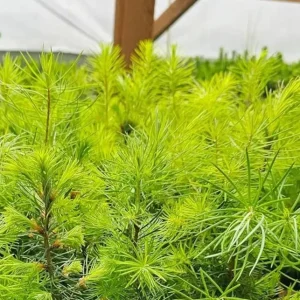
This offering includes a set of four individual ponderosa pine live tree saplings, each carefully grown in a 3-inch nursery pot. These are robust, rooted plants, not seeds or bare roots, ensuring a higher success rate for transplanting and establishment. At maturity, Ponderosa Pines typically reach impressive heights of 60–130 feet (18–40 meters) in cultivated landscapes, and can grow even taller in their natural habitats. They exhibit a straight central trunk with an open, airy crown, developing their iconic orange-brown bark as they mature. The needles are bright green to yellow-green, bundled in threes, contributing to their distinctive appearance. These fast-growing trees are cold-hardy, capable of withstanding harsh winters, making them suitable for various climates. They are delivered ready for transplanting, offering a direct path to creating a significant impact on your outdoor space with a long-lived, resilient conifer, perfect for those seeking substantial growth and ecological benefit.
Frequently Asked Questions
- Q: How big do these Ponderosa Pine trees get? A: At maturity, these ponderosa pine live tree specimens typically reach heights of 60–130 feet (18–40 meters) in cultivated landscapes, and can grow even taller in their native environments. They develop a substantial spread, so plan for ample space when planting.
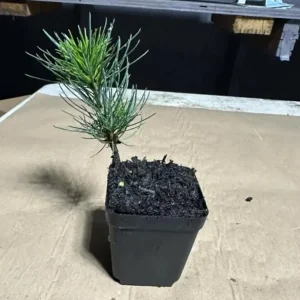
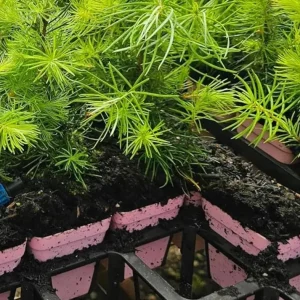
- Q: What size pot do the trees come in? A: Each sapling in this set is individually grown and shipped in a 3-inch nursery pot, providing a healthy root system ready for transplanting into your garden or larger containers.
- Q: Is this an indoor or outdoor plant? A: The Ponderosa Pine is a large, hardy conifer meant exclusively for outdoor planting. It is not suitable for indoor cultivation due to its mature size and specific environmental needs for sun and space.
- Q: How much sunlight does it need? A: This drought tolerant conifer thrives in full sun, requiring at least 6 hours of direct sunlight per day. Choose a planting location that receives abundant sunlight throughout the day for optimal growth.
- Q: Is this plant easy to care for? A: Yes, once established, ponderosa pine care is relatively low-maintenance. They are drought-tolerant and cold-hardy, requiring minimal pruning and watering. Initial care during the first growing season is crucial for successful establishment.
- Q: What condition will it arrive in? A: Your ponderosa pine for landscaping will arrive as live, rooted saplings in their 3-inch nursery pots, carefully packaged to ensure their health and vitality during transit and ready for immediate planting.
- Q: When is the best time to plant Ponderosa Pines? A: The best time to plant Ponderosa Pines is typically in early spring or fall, allowing the trees to establish their root systems before extreme temperatures of summer or winter.
- Q: Will it survive winter in my zone? A: Ponderosa Pines are known for their exceptional cold hardiness and can withstand harsh winters without special protection, making them suitable for a wide range of USDA zones across North America.
- Q: What type of soil do they prefer? A: These trees prefer well-drained sandy or loamy soils but can tolerate poorer soil types. Good drainage is key; avoid heavy, waterlogged soils to prevent root rot and ensure healthy growth.
- Q: Can these trees be used for creating a windbreak? A: Absolutely! One of the primary uses for western yellow pine is creating effective natural windbreaks due to their mature height, dense foliage, and strong growth habit, offering protection and privacy.
Related products
-42%
Original price was: $56.99.$33.29Current price is: $33.29.
-51%
Original price was: $43.99.$21.59Current price is: $21.59.
-36%
Original price was: $279.98.$179.98Current price is: $179.98.
PLANTING & CARE
Lemon Tree Growing: Choose, Plant, and Harvest
Learn how to choose, plant, feed, and protect a lemon tree so it fits your
23
Sep
Sep
Dwarf Meyer Lemon Tree Australia: Climate Guide
Learn where dwarf Meyer lemon trees grow, how much cold they tolerate, and whether Australia,
Where to Buy a Dwarf Meyer Lemon Tree: Buyer’s Guide
Find the right dwarf Meyer lemon tree online or locally, compare starter sizes and costs,
Dwarf Meyer Lemon Tree for Sale: Buying Guide
Compare Meyer lemon tree sizes, prices, shipping limits, indoor growing and California options before you
Dwarf Meyer Lemon Tree Guide: Size, Care and Fruit
META: Learn how large a dwarf Meyer lemon tree grows, where it thrives, and how
How to Prune a Dwarf Meyer Lemon Tree
Learn when and how to prune a dwarf Meyer lemon tree, including tools, shaping cuts,
Can You Grow a Dwarf Meyer Lemon Tree in a Pot?
META: Learn how to grow a dwarf Meyer lemon tree in a pot, including container
When Do Dwarf Meyer Lemon Trees Bloom and Fruit?
META: Dwarf Meyer lemon trees usually bloom from winter through spring and may flower again