Pregnant Onion Plant Live Succulent – Ornithogalum Caudatum – 2 inch pot
-50%
Pregnant Onion Plant Live Succulent – Ornithogalum Caudatum – 2 inch pot
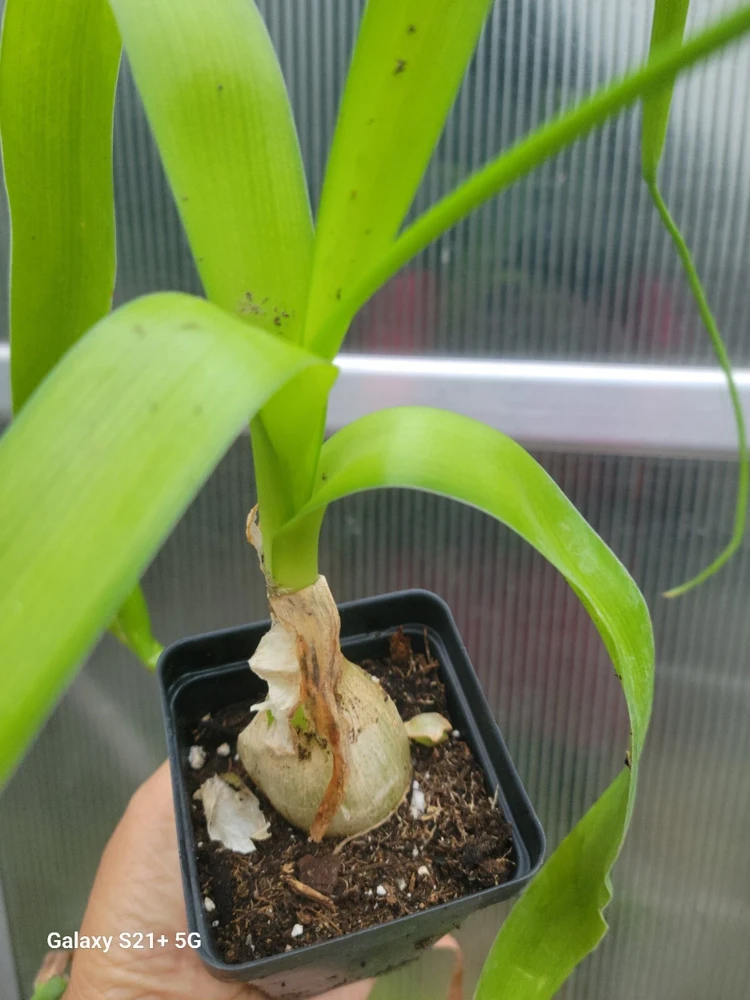
Bring home a unique botanical wonder with the pregnant onion live plant. This fascinating Ornithogalum caudatum care is easy to grow, featuring distinctive bulblets forming on its main bulb. Perfect for collectors and beginners alike, this giant sea onion succulent adds an exotic touch to any indoor space.
Original price was: $100.00.$50.00Current price is: $50.00.

With our Alive & Thrive Guarantee, we’ve got your back for the first 30 days! If you have any concerns about your plants, just reach out to us. Our team is here to help answer your questions and guide you in selecting the best plants for your garden, climate, and unique preferences. We're excited to help you create the garden of your dreams!
Estimated arrival
Oct 08
Oct 13 - Oct 15
Oct 18 - Oct 22

Product Details
-
USDA Hardiness Zone
USDA zones 9-11 (outdoors) or year-round indoors -
Soil type
Well-draining cactus or succulent potting mix -
Sunlight Exposure
Bright indirect light -
Expected Planting Period
Year-round indoors
Overview
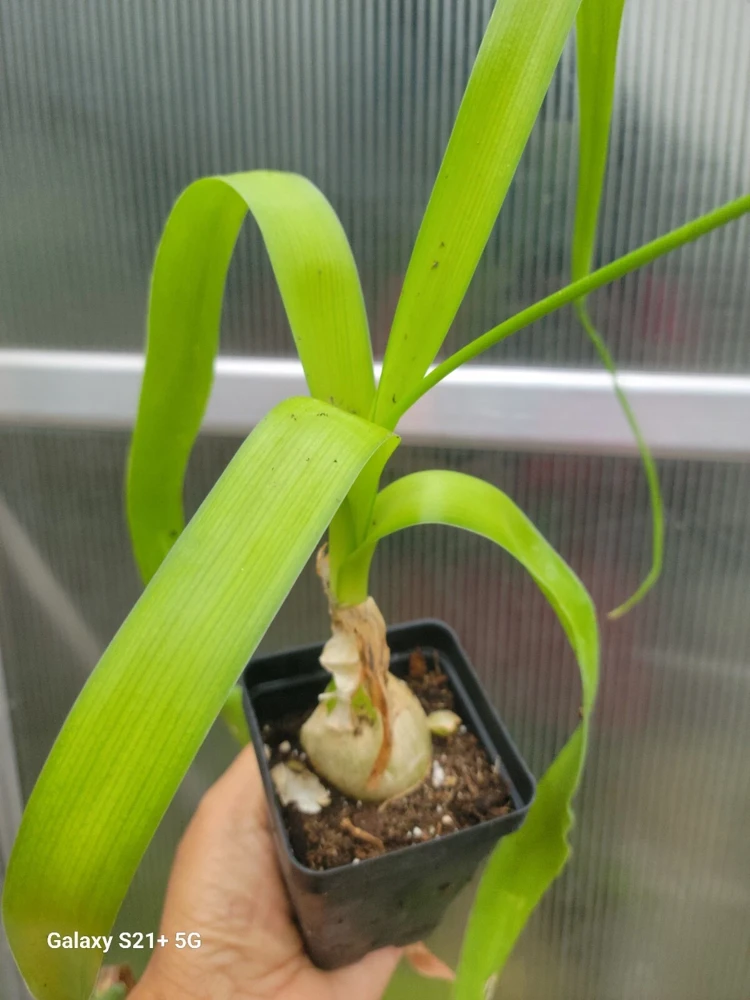
Introduce an intriguing botanical specimen to your collection with the pregnant onion live plant. Scientifically known as Ornithogalum caudatum, this remarkable succulent is a true conversation starter. Originating from South Africa, it’s often referred to by common names like False Sea Onion, Sea Onion, or even sometimes Giant Sea Onion. What makes this plant truly unique is its characteristic of producing numerous small bulblets on the surface of its main bulb, giving it the appearance of being ‘pregnant’. This Ornithogalum caudatum care is surprisingly straightforward, making it an excellent choice for both novice and experienced plant enthusiasts looking for something out of the ordinary. Its striking appearance and low-maintenance nature make it a captivating addition to any home or office environment.
The pregnant onion live plant is not only visually appealing but also offers a glimpse into the diverse world of succulents. Its robust nature and distinctive growth habit ensure it stands out among other houseplants. The bulb sits partially above the soil, often developing a papery skin as it matures, adding to its rustic charm. Over time, these plants can grow quite large, showcasing an impressive display of foliage and bulb development. Embrace the unique beauty and effortless elegance of this extraordinary succulent.
Key Benefits
The pregnant onion live plant offers a multitude of benefits, making it a highly desirable addition to any plant lover’s collection. Its unique features and ease of care contribute to a rewarding ownership experience.
- Unique Ornamental Appeal: The most striking feature of this plant is its bulb, which sits partially above the soil and produces smaller ‘baby’ bulblets. This unusual growth pattern makes it a fascinating focal point and a great conversation starter, adding an exotic and captivating element to your decor.
- Low Maintenance: Known for its resilience, the Ornithogalum caudatum care requirements are minimal. It thrives on neglect, making it perfect for busy individuals or those new to plant care. It’s an ideal choice for an easy care succulent that doesn’t demand constant attention.
- Drought Tolerant: As a succulent, the pregnant onion plant stores water in its bulb and leaves, allowing it to withstand periods of drought. This reduces the frequency of watering, making it a forgiving plant if you occasionally forget.
- Adaptable to Various Conditions: While it prefers bright light, this plant is quite adaptable and can tolerate a range of light conditions, though growth may be slower in lower light. This flexibility allows it to thrive in different areas of your home.
- Air Purifying Qualities: Like many houseplants, the pregnant onion contributes to a healthier indoor environment by helping to filter toxins from the air, improving overall air quality in your living space.
- Long Lifespan: With proper care, a pregnant onion live plant can live for many years, becoming a cherished and long-lasting part of your plant family. Its robust nature ensures enduring beauty.
- Easy Propagation: The bulblets that form on the main bulb can be easily removed and rooted to create new plants, allowing you to share this unique succulent with friends or expand your own collection effortlessly. This makes the false sea onion plant a joy to propagate.
Plant Care & Growing Tips
Caring for your pregnant onion live plant, or Ornithogalum caudatum, is remarkably simple, making it an excellent choice for gardeners of all experience levels. Understanding its basic needs will ensure a healthy and thriving plant.
Sunlight Requirements: This succulent thrives in bright, indirect light. A south or west-facing window with some protection from intense afternoon sun is ideal. While it can tolerate some direct morning sun, too much harsh direct sunlight can scorch its leaves. If growing outdoors in a suitable climate, choose a spot with partial shade. Insufficient light may lead to leggy growth and fewer bulblets. For optimal growth and to encourage the distinctive ‘pregnant’ appearance, aim for at least 4-6 hours of bright, indirect light daily.
Watering Schedule & Soil Moisture: Overwatering is the most common cause of problems for the pregnant onion live plant. Allow the soil to dry out completely between waterings. During the active growing season (spring and summer), water thoroughly until water drains from the bottom of the pot. In fall and winter, reduce watering significantly, perhaps once every 3-4 weeks, or even less, as the plant enters a dormant period. Always check the soil moisture with your finger before watering; if it feels damp, wait a few more days. Proper Ornithogalum caudatum care hinges on this crucial step.
Soil Type & Drainage: A well-draining potting mix is essential for this succulent. A standard cactus or succulent mix is perfect. You can also create your own by mixing equal parts potting soil, coarse sand, and perlite or pumice. Good drainage prevents root rot, which can be fatal to the bulb. Ensure the pot has drainage holes. The giant sea onion succulent will appreciate this well-aerated medium.
Temperature Range & USDA Hardiness Zone: The pregnant onion prefers average room temperatures between 65-80°F (18-27°C). It is not frost-tolerant and should be protected from temperatures below 50°F (10°C). If grown outdoors, it is best suited for USDA hardiness zones 9-11, where it can survive mild winters. In colder zones, it must be brought indoors before the first frost. This makes it an ideal indoor plant for most regions.
Fertilization Schedule: This plant is not a heavy feeder. Fertilize sparingly, if at all. During the growing season (spring and summer), you can apply a balanced, diluted liquid fertilizer (half strength) once every 2-3 months. Avoid fertilizing in fall and winter when the plant’s growth slows. Over-fertilization can lead to leggy growth and potential damage. Adhering to these simple guidelines will help maintain your false sea onion plant and ensure its longevity.
Size & Details
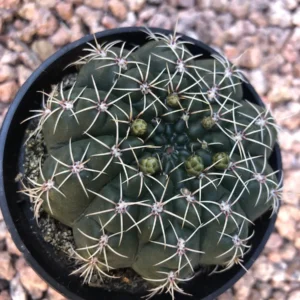
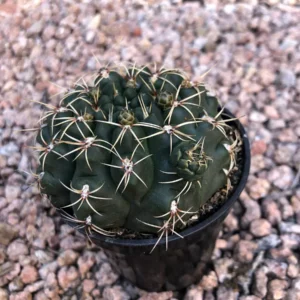
This pregnant onion live plant is typically shipped in a 2-inch nursery pot, providing a healthy start for your new succulent. At this stage, the plant is young but already showcases its distinctive bulb, often with nascent bulblets beginning to form. The foliage consists of strap-like leaves that emerge from the top of the bulb, which can grow to be quite long, often arching gracefully. As the plant matures, the main bulb can reach several inches in diameter, and the leaves can extend up to 2-3 feet in length under ideal conditions. The growth rate is moderate, allowing enthusiasts to observe its fascinating development over time.
The giant sea onion succulent will continue to grow and produce more bulblets, which can be carefully removed and propagated to create new plants. It’s a relatively long-lived plant, providing years of enjoyment with minimal effort. This easy care succulent is perfect for windowsills, desks, or as part of a larger succulent arrangement. It ships as a healthy, rooted plant, ready to be nurtured in its new home. Expect a compact, desk-friendly size upon arrival, with the potential for significant growth as it matures.
Frequently Asked Questions
- Q: How big does this plant get? A: The main bulb of the pregnant onion live plant can grow several inches in diameter, and its strap-like leaves can reach lengths of 2-3 feet when mature. It starts quite compact in a 2-inch pot but will expand significantly over time.
- Q: What size pot does it come in? A: This pregnant onion live plant is shipped in a 2-inch nursery pot, providing a good foundation for its initial growth. You can repot it into a slightly larger container (e.g., a 4-inch pot) once it outgrows its current one.
- Q: Is this an indoor or outdoor plant? A: The Ornithogalum caudatum care makes it primarily an indoor plant in most climates due to its sensitivity to frost. It can be grown outdoors in USDA zones 9-11 in a sheltered location, but it thrives indoors with bright, indirect light.
- Q: How much sunlight does it need? A: This succulent prefers bright, indirect light for at least 4-6 hours daily. It can tolerate some direct morning sun but should be protected from harsh afternoon sun to prevent leaf scorching.
- Q: Is this plant easy to care for? A: Yes, the pregnant onion live plant is considered an easy care succulent. It’s very forgiving and low-maintenance, making it an excellent choice for beginners or those with busy schedules.
- Q: What condition will it arrive in? A: Your plant will arrive as a healthy, well-rooted live specimen in its nursery pot, carefully packaged to ensure its safety during transit. It will be ready to be placed in your home or garden.
- Q: Is it shipped in soil? A: Yes, the pregnant onion live plant is shipped potted in its original nursery soil, ensuring it remains hydrated and stable during its journey to you.
- Q: What’s the best way to water my false sea onion plant? A: Water thoroughly only when the soil has completely dried out. Allow excess water to drain from the bottom of the pot. Reduce watering significantly during the cooler, dormant months.
- Q: Can I propagate the bulblets? A: Absolutely! The bulblets that form on the main bulb can be gently removed and planted in well-draining soil to create new giant sea onion succulent plants. This is a very rewarding aspect of owning this plant.
- Q: What’s the minimum temperature this plant can tolerate? A: The pregnant onion plant is sensitive to cold and should not be exposed to temperatures below 50°F (10°C). It thrives in typical indoor room temperatures.
Related products
-30%
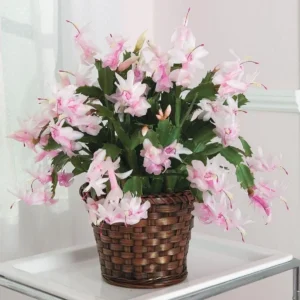
Original price was: $79.98.$55.98Current price is: $55.98.
-40%
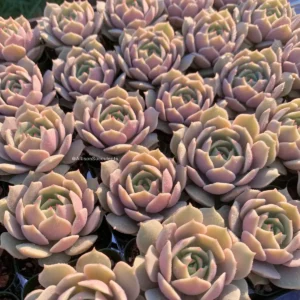

Original price was: $19.60.$11.76Current price is: $11.76.
-30%
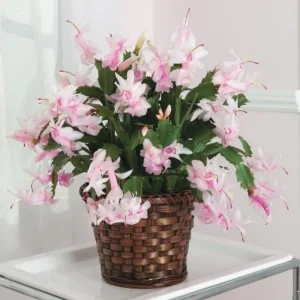
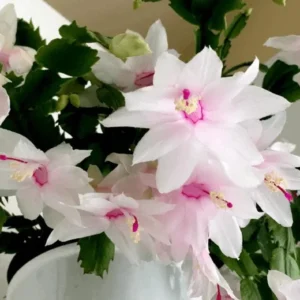
Original price was: $79.98.$55.98Current price is: $55.98.
-97%
Original price was: $316.80.$9.92Current price is: $9.92.
-30%
Original price was: $79.98.$55.98Current price is: $55.98.
PLANTING & CARE
Lemon Tree Growing: Choose, Plant, and Harvest
Learn how to choose, plant, feed, and protect a lemon tree so it fits your
23
Sep
Sep
Dwarf Meyer Lemon Tree Australia: Climate Guide
Learn where dwarf Meyer lemon trees grow, how much cold they tolerate, and whether Australia,
Where to Buy a Dwarf Meyer Lemon Tree: Buyer’s Guide
Find the right dwarf Meyer lemon tree online or locally, compare starter sizes and costs,
Dwarf Meyer Lemon Tree for Sale: Buying Guide
Compare Meyer lemon tree sizes, prices, shipping limits, indoor growing and California options before you
Dwarf Meyer Lemon Tree Guide: Size, Care and Fruit
META: Learn how large a dwarf Meyer lemon tree grows, where it thrives, and how
How to Prune a Dwarf Meyer Lemon Tree
Learn when and how to prune a dwarf Meyer lemon tree, including tools, shaping cuts,
Can You Grow a Dwarf Meyer Lemon Tree in a Pot?
META: Learn how to grow a dwarf Meyer lemon tree in a pot, including container
When Do Dwarf Meyer Lemon Trees Bloom and Fruit?
META: Dwarf Meyer lemon trees usually bloom from winter through spring and may flower again