Purple Heart Live Plant or Cuttings – Tradescantia Pallida – Indoor/Outdoor
-10%
Purple Heart Live Plant or Cuttings – Tradescantia Pallida – Indoor/Outdoor
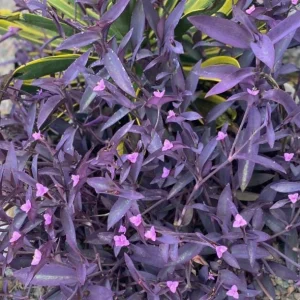
Bring a splash of rich color to your space with the versatile purple heart live plant (Tradescantia pallida). This low-maintenance plant features striking purple foliage, perfect for hanging baskets, containers, or as a vibrant ground cover. Choose between an established rooted plant or 6 fresh purple heart cuttings, ideal for propagation and filling multiple pots.
Original price was: $838.76.$754.80Current price is: $754.80.

With our Alive & Thrive Guarantee, we’ve got your back for the first 30 days! If you have any concerns about your plants, just reach out to us. Our team is here to help answer your questions and guide you in selecting the best plants for your garden, climate, and unique preferences. We're excited to help you create the garden of your dreams!
Estimated arrival
Nov 12
Nov 17 - Nov 19
Nov 22 - Nov 26
Product Details
-
USDA Hardiness Zone
USDA Zones 10–11 (outdoors year-round); typically grown as houseplant or annual in colder zones -
Soil type
Well-draining potting mix or garden soil -
Sunlight Exposure
Full sun to partial shade -
Expected Planting Period
Year-round indoors; spring to early summer outdoors
Overview
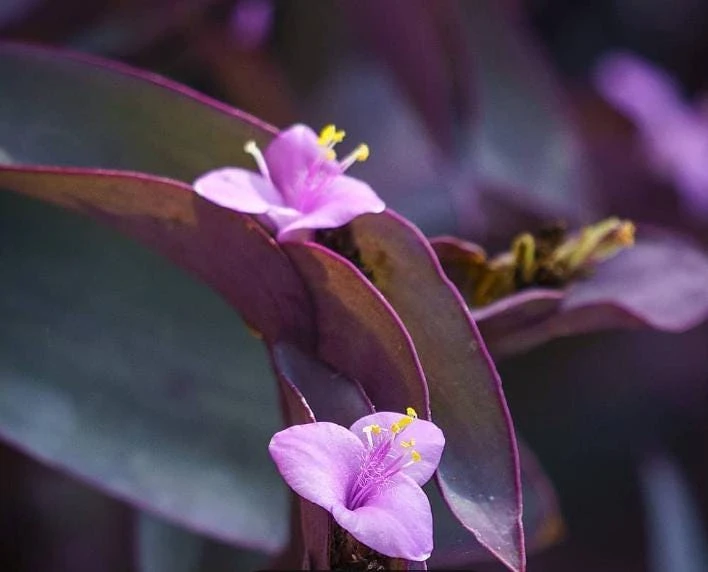
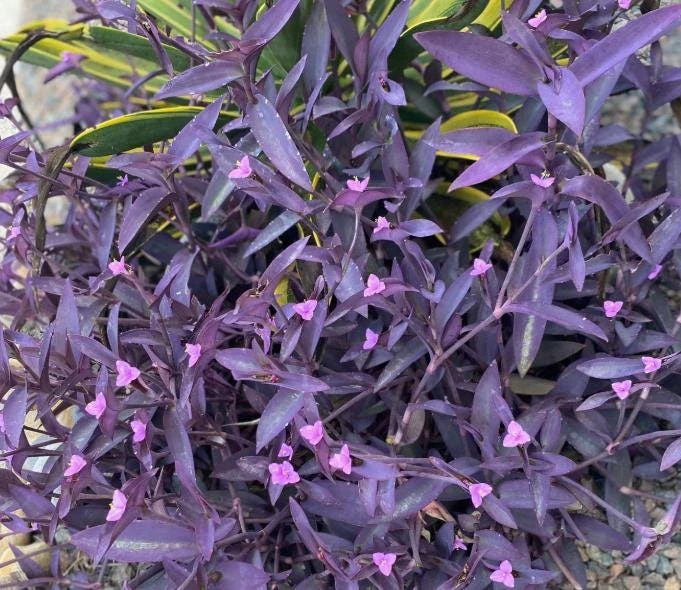
Transform your home or garden with the stunning purple heart live plant (Tradescantia pallida). Known for its dramatic, deep purple foliage and trailing growth habit, this easy-to-grow plant adds a vibrant touch wherever it’s placed. Whether you’re a seasoned gardener or just starting your plant journey, the Purple Heart plant is a fantastic choice due to its resilience and eye-catching appearance. This tender perennial is often grown as a houseplant in cooler climates or as an annual, but thrives outdoors year-round in warmer zones. Its striking purple stems and long, pointed leaves create a beautiful visual impact, making it a popular choice for both indoor and outdoor settings. We offer this versatile beauty either as 6 fresh purple heart cuttings, perfect for propagation, or as an established rooted plant with approximately 5-6 stems, ready for immediate transplanting.
Key Benefits
The purple heart live plant offers numerous advantages, making it a beloved choice for plant enthusiasts seeking both beauty and ease of care. Its unique attributes contribute to its popularity and versatility in various settings.
- Vibrant Purple Foliage: Enjoy a continuous display of rich, deep purple leaves and stems that intensify in color with adequate sunlight, providing year-round visual interest. This plant is a true standout with its unique coloration.
- Low Maintenance: This plant is incredibly forgiving and requires minimal care, making it an excellent option for beginners or those with busy schedules. It tolerates a range of conditions once established.
- Versatile Decor: Perfect for hanging baskets where its trailing stems can cascade beautifully, patio containers, garden borders, or as an attractive ground cover in warm climates. It also thrives as an indoor houseplant near a bright window.
- Easy Propagation: If you choose the purple heart cuttings, you’ll find them incredibly easy to root in water or soil, allowing you to grow multiple plants from a single purchase or share with friends.
- Fast Growing: Experience rapid growth, quickly filling out containers or spreading in garden beds, providing instant gratification and a lush, full appearance.
- Air Purifying Qualities: Like many houseplants, the tradescantia pallida care contributes to a healthier indoor environment by helping to filter common airborne toxins, enhancing your living space.
- Striking Contrast: Its deep purple color creates a beautiful contrast against green foliage plants or lighter colored containers, making it an excellent accent plant.
Plant Care & Growing Tips
Caring for your purple heart live plant is straightforward, ensuring vibrant growth and beautiful foliage. Whether you’re growing it indoors or out, understanding its basic needs will help it thrive. This plant prefers bright light conditions; more sunlight generally leads to a deeper, more vibrant purple color in its leaves. If growing indoors, place it near a bright window. For outdoor planting, full sun to partial shade is ideal.
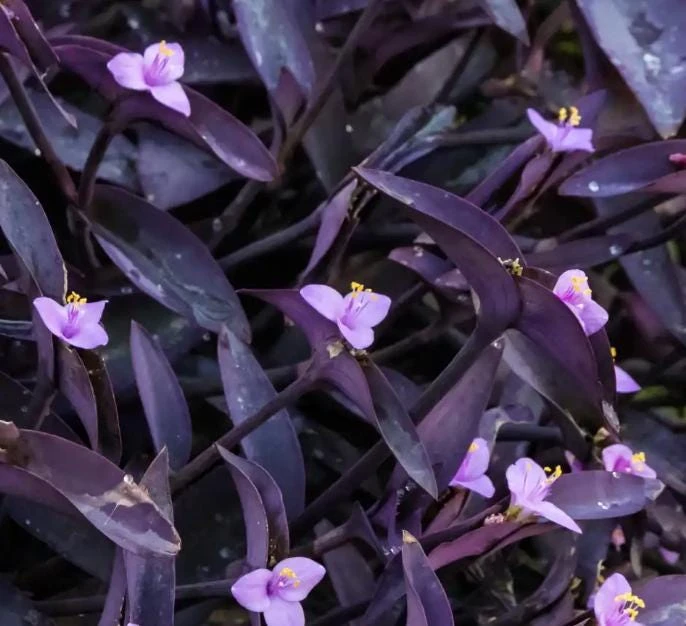
Watering should be done when the top layer of soil begins to dry out. It’s crucial to avoid overwatering, as constantly waterlogged roots can lead to rot. Use a well-draining potting mix or garden soil to ensure proper drainage. The plant has a spreading and trailing growth habit, with fleshy purple stems. To encourage a fuller, bushier plant, pinch or trim the stem tips regularly. During the active growing season, a balanced, diluted fertilizer can be applied occasionally. For those wondering about tradescantia pallida care in colder regions, it’s a tender perennial, meaning it typically needs protection or to be brought indoors when temperatures drop below approximately 50°F (10°C). Small pink to lavender flowers may appear during the growing season, adding another layer of charm to this already captivating plant.
For unrooted purple heart cuttings, prepare a small pot with drainage holes and well-draining potting soil. Remove any leaves that would sit below the soil line and insert the lower portion of each cutting into the soil, ensuring at least one stem node is buried. Water lightly and place in a warm location with bright, indirect light while roots establish. Keep the soil lightly moist. Alternatively, root cuttings in water before transplanting to soil. For a rooted plant, choose a pot or outdoor location with well-draining soil, gently remove the plant from its packaging, position the roots, cover with soil, and water thoroughly. Gradually introduce the plant to stronger direct sunlight if needed.
Size & Details
The purple heart live plant is a relatively compact yet vigorous grower, typically reaching approximately 8–12 inches tall. Its impressive stems have a spreading and trailing habit, capable of extending 18 inches or more under favorable growing conditions. This makes it an ideal choice for creating a lush, overflowing look in hanging baskets or ground cover. You will receive either 6 fresh purple heart cuttings, ready for immediate planting and propagation, or one established rooted plant with approximately 5-6 healthy stems, prepared for transplanting into your chosen pot or garden space. Please note that as living products, the exact size, leaf count, and appearance of individual plants or cuttings may vary slightly upon arrival, reflecting their natural growth variations.
This plant is generally grown outdoors year-round in USDA Hardiness Zones 10–11. In colder climates, it is best cultivated as an annual or brought indoors as an indoor purple plant during winter months. Its mature size makes it suitable for various applications, from small decorative pots to larger landscape features. The trailing nature of the plant also means it can be trained to climb or spread as desired, offering flexibility in design. The rapid rooting of the purple heart cuttings ensures a quick start to your new plants.
Frequently Asked Questions
- Q: How big does this plant get? A: The Purple Heart plant typically grows 8–12 inches tall, with stems that can trail or spread 18 inches or more, making it excellent for hanging displays or ground cover.
- Q: Is this an indoor or outdoor plant? A: It’s a versatile plant that thrives both indoors as an indoor purple plant near a bright window and outdoors in containers, garden borders, or as ground cover in warm climates (USDA Zones 10–11).
- Q: How much sunlight does it need? A: This plant prefers full sun to partial shade. More sunlight generally produces a deeper, more vibrant purple color in its foliage.
- Q: Is this plant easy to care for? A: Yes, the Purple Heart is a low-maintenance and easy-to-grow plant, making it an excellent choice for beginners and experienced gardeners alike. Following basic tradescantia pallida care ensures success.
- Q: What condition will it arrive in? A: Depending on your selection, you will receive either 6 fresh purple heart cuttings or one established rooted plant with approximately 5-6 stems, ready for planting. As living products, slight variations in appearance are normal.
- Q: When is the best time to plant? A: Cuttings and rooted plants can be planted year-round indoors. For outdoor planting, spring to early summer is ideal, especially in zones where it’s grown as an annual.
- Q: Will it survive winter in my zone? A: The Purple Heart is generally hardy outdoors in USDA Zones 10–11. In colder climates, it’s recommended to bring containers indoors or provide winter protection when temperatures drop below 50°F.
- Q: How do I get a deeper purple color? A: To achieve the most vibrant, deep purple foliage, ensure your plant receives plenty of direct sunlight. More light equals more intense color.
- Q: Can I grow more plants from the cuttings? A: Absolutely! The purple heart cuttings are specifically provided for easy propagation. They root readily in water or moist soil, allowing you to expand your collection.
- Q: Is this plant toxic to pets? A: While generally considered mildly irritating if ingested, it’s always best to keep plants out of reach of pets. Consult a vet if you have concerns.
Related products
-30%
Original price was: $79.98.$55.98Current price is: $55.98.
-30%
Original price was: $79.98.$55.98Current price is: $55.98.
-30%
Original price was: $129.98.$90.98Current price is: $90.98.


-30%
Original price was: $25.98.$18.18Current price is: $18.18.
PLANTING & CARE
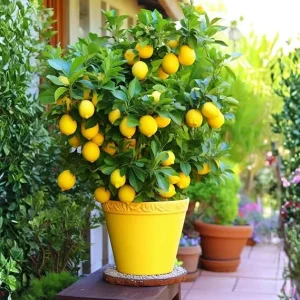
Lemon Tree Growing: Choose, Plant, and Harvest
Learn how to choose, plant, feed, and protect a lemon tree so it fits your
23
Sep
Sep
Dwarf Meyer Lemon Tree Australia: Climate Guide
Learn where dwarf Meyer lemon trees grow, how much cold they tolerate, and whether Australia,
Where to Buy a Dwarf Meyer Lemon Tree: Buyer’s Guide
Find the right dwarf Meyer lemon tree online or locally, compare starter sizes and costs,
Dwarf Meyer Lemon Tree for Sale: Buying Guide
Compare Meyer lemon tree sizes, prices, shipping limits, indoor growing and California options before you
Dwarf Meyer Lemon Tree Guide: Size, Care and Fruit
META: Learn how large a dwarf Meyer lemon tree grows, where it thrives, and how
How to Prune a Dwarf Meyer Lemon Tree
Learn when and how to prune a dwarf Meyer lemon tree, including tools, shaping cuts,
Can You Grow a Dwarf Meyer Lemon Tree in a Pot?
META: Learn how to grow a dwarf Meyer lemon tree in a pot, including container
When Do Dwarf Meyer Lemon Trees Bloom and Fruit?
META: Dwarf Meyer lemon trees usually bloom from winter through spring and may flower again