Purple Lilac Bush Live Plant 6-12″ Tall – Reblooming Syringa for Outdoor Gardens
-50%

Purple Lilac Bush Live Plant 6-12″ Tall – Reblooming Syringa for Outdoor Gardens
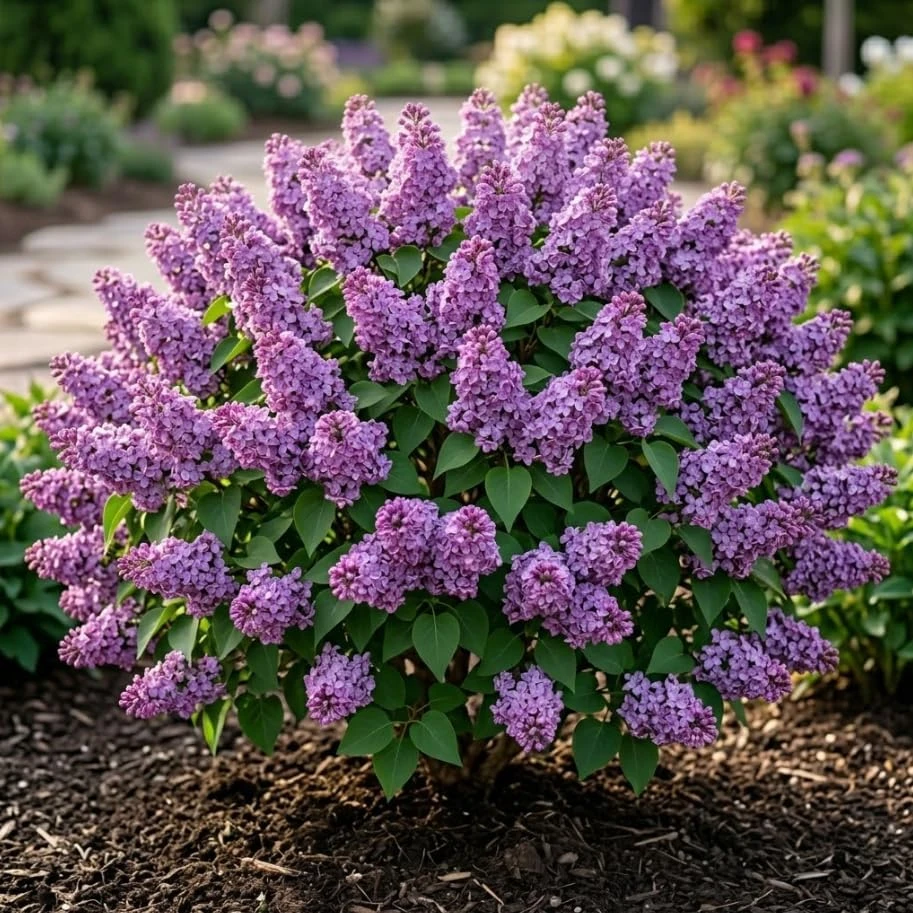
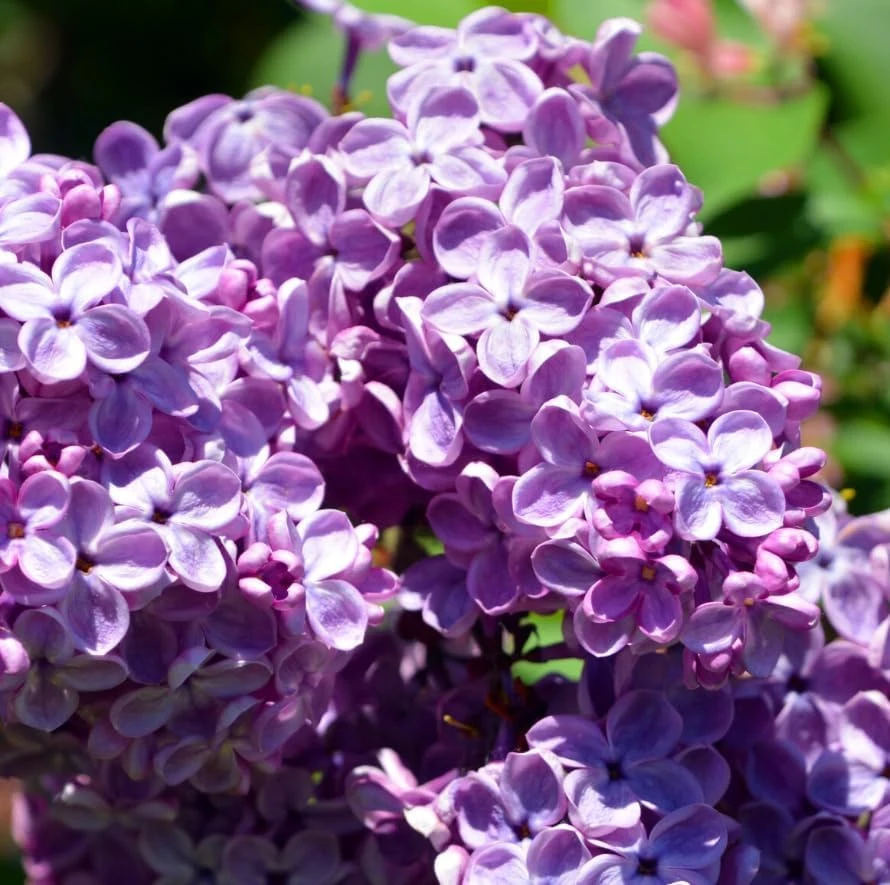
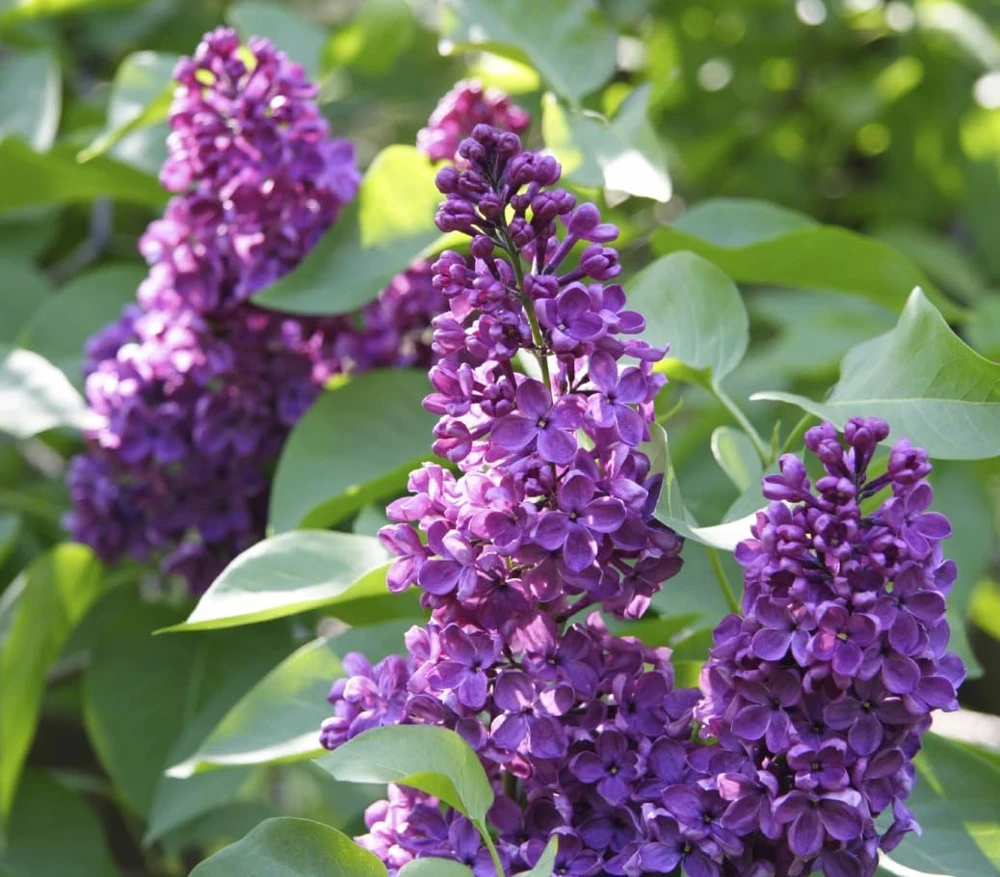
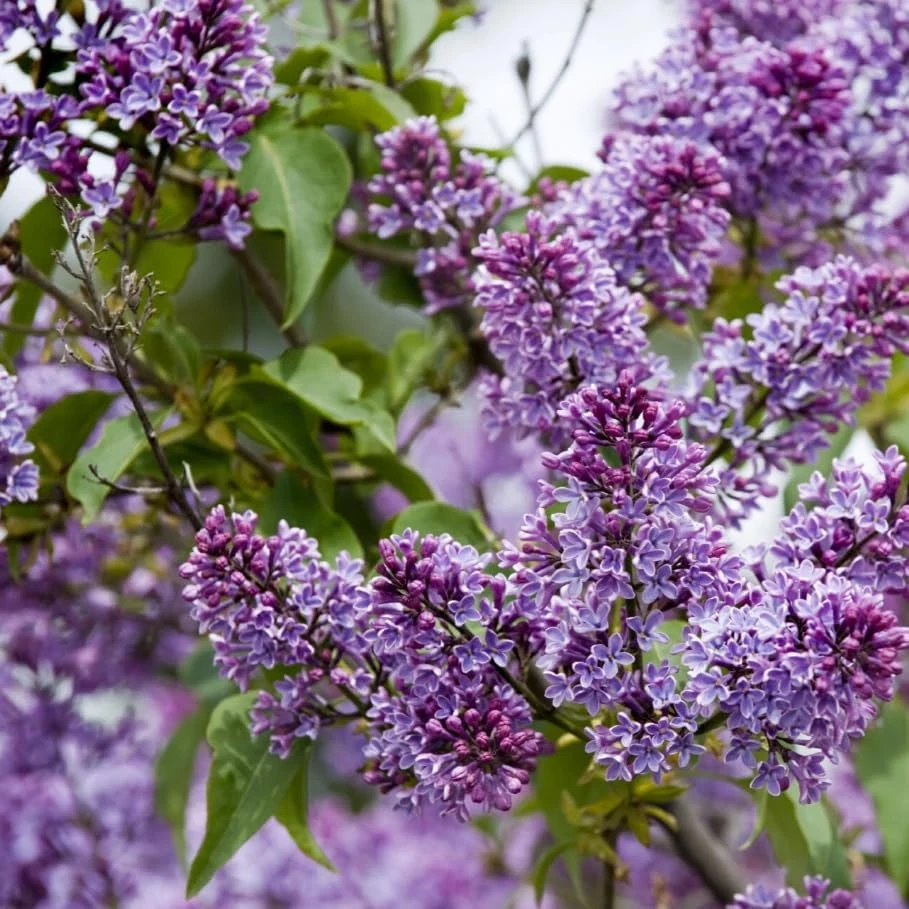
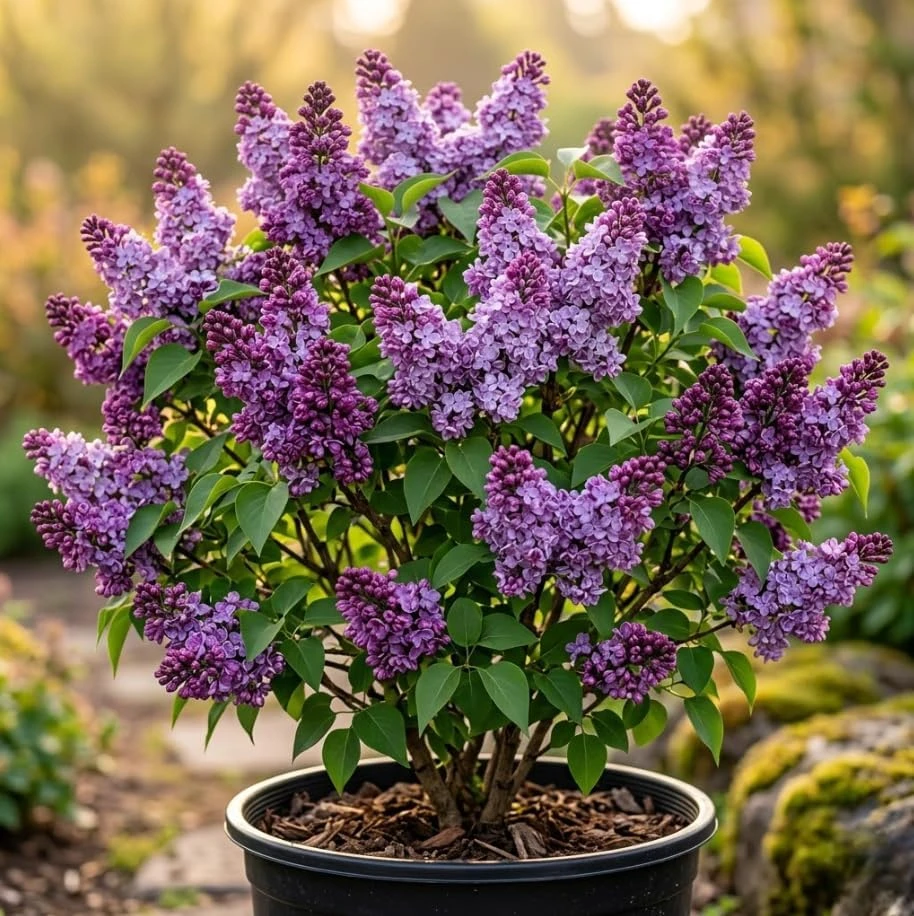
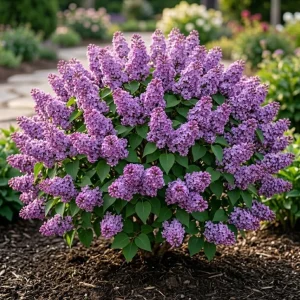
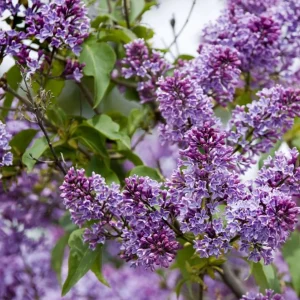
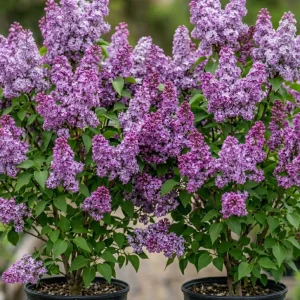
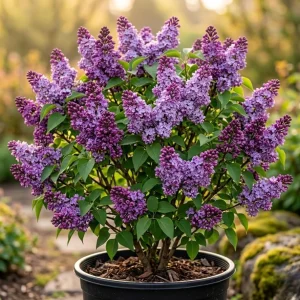
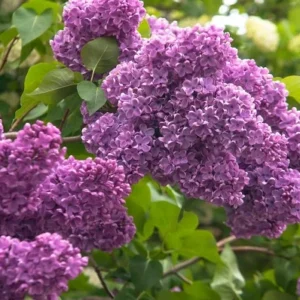
Bring classic fragrance and beauty to your landscape with this purple lilac bush. Standing 6-12 inches tall, this live plant is ready to thrive outdoors, producing rich purple blooms in spring and often reblooming later in the season. Enjoy the timeless appeal of a fragrant lilac bush in your garden.
Original price was: $37.98.$18.99Current price is: $18.99.

With our Alive & Thrive Guarantee, we’ve got your back for the first 30 days! If you have any concerns about your plants, just reach out to us. Our team is here to help answer your questions and guide you in selecting the best plants for your garden, climate, and unique preferences. We're excited to help you create the garden of your dreams!
Estimated arrival
Oct 29
Nov 03 - Nov 05
Nov 08 - Nov 12





Product Details
-
USDA Hardiness Zone
USDA zones 3-7 -
Soil type
Well-draining soil -
Sunlight Exposure
Full sun -
Expected Planting Period
Spring to early fall
Overview
Introduce timeless beauty and intoxicating fragrance to your garden with a stunning purple lilac bush. This vigorous live plant, a variety of Syringa, arrives 6-12 inches tall and is perfectly established for immediate transplanting into your garden beds, landscape, or a decorative container. Known for its spectacular clusters of rich purple blooms, this particular lilac offers the delightful bonus of reblooming, extending its vibrant display and classic aroma through more of the season. The syringa plant is a beloved addition to any outdoor space, celebrated for its low maintenance once established and its ability to thrive in a wide range of climates, bringing an old-fashioned charm that never goes out of style.
The Common Lilac, or Syringa vulgaris, is a deciduous shrub highly prized for its ornamental value and sweet-smelling flowers. This specific offering provides a robust plant ready to grow into a magnificent specimen, providing years of enjoyment. Its attractive foliage and prolific blooming habit make it an ideal choice for hedges, specimen plantings, or adding a burst of color and scent near patios and walkways. Experience the joy of a garden filled with the sweet perfume of a truly exceptional purple lilac bush.
Key Benefits
Adding a purple lilac bush to your landscape offers numerous advantages, enhancing both the aesthetic and sensory appeal of your outdoor living space. These plants are not only beautiful but also remarkably resilient and rewarding.
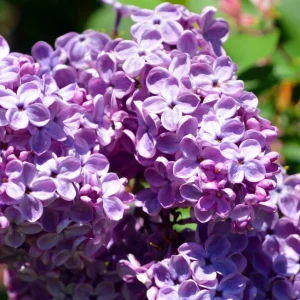
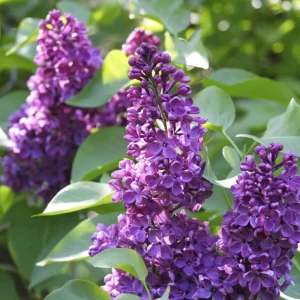
- Stunning Fragrant Blooms: Enjoy the iconic, sweet perfume of rich purple flowers that emerge in abundant clusters each spring. This variety is also a reblooming lilac, providing extended periods of fragrance and color.
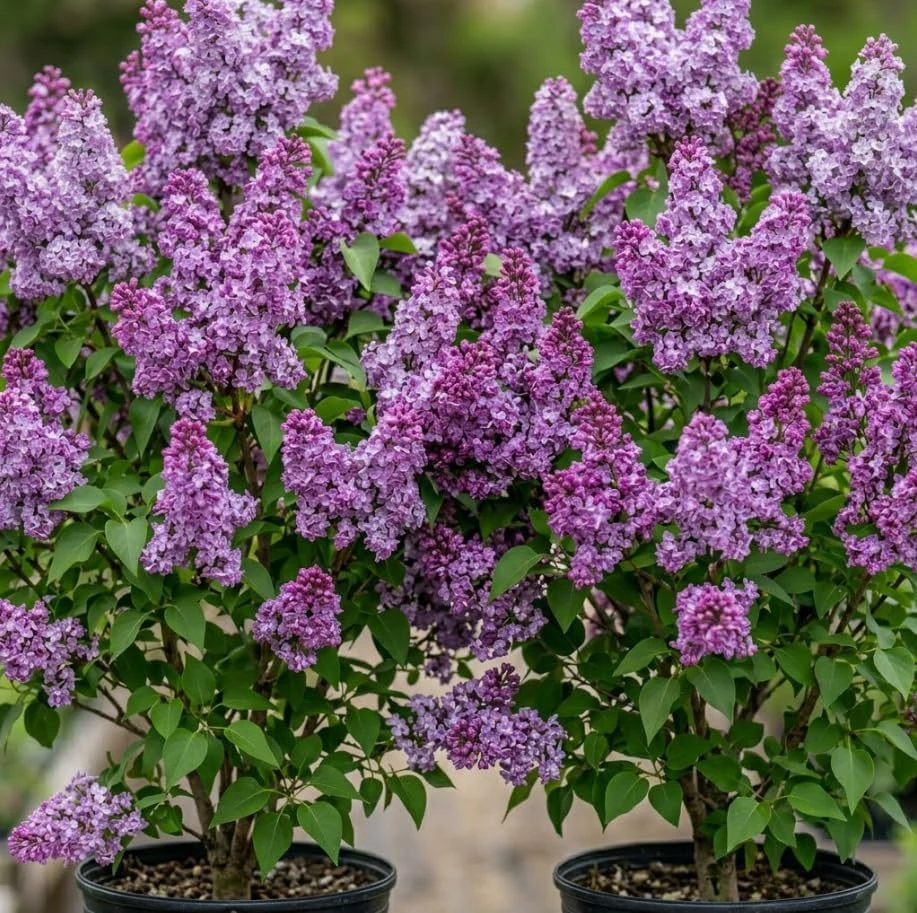
- Extended Bloom Season: Unlike traditional lilacs, this variety is known for its ability to rebloom, offering multiple flushes of captivating purple flowers throughout the growing season, maximizing your garden’s visual appeal.
- Low Maintenance Beauty: Once established, the syringa plant is incredibly easy to care for, requiring minimal attention. It’s an excellent choice for gardeners seeking high impact with low effort.
- Versatile Landscape Use: Ideal for creating beautiful hedges, privacy screens, or as a striking standalone specimen. Its moderate size makes it suitable for various garden designs, from formal to cottage-style.
- Attracts Pollinators: The fragrant blooms are a magnet for bees, butterflies, and other beneficial pollinators, contributing to a healthy and vibrant garden ecosystem.
- Durable and Adaptable: This robust lilac is suitable for a wide range of climates and soil conditions, demonstrating excellent hardiness and resilience once settled into its new home.
- Classic Appeal: The timeless charm of the common lilac care is unmatched, evoking nostalgic feelings and adding a touch of traditional elegance to any garden or landscape.
Plant Care & Growing Tips
Caring for your purple lilac bush is straightforward, ensuring a thriving plant with abundant blooms. To get the best results, understanding its basic needs for sunlight, water, and soil is crucial. Lilacs are sun-loving plants, so choose a location in your garden that receives at least 6 hours of direct sunlight per day. Full sun exposure is key for prolific flowering and strong growth. While relatively tolerant, consistent sunlight will yield the most vibrant and numerous blooms from your reblooming lilac.
When it comes to watering, newly planted lilacs require regular moisture to establish a strong root system. Water deeply 2-3 times a week during the first growing season, especially during dry spells. Once established, lilacs are quite drought-tolerant but will benefit from occasional deep watering during prolonged dry periods. Ensure the soil is well-draining, as lilacs do not like “wet feet.” A slightly alkaline to neutral soil pH is preferred. Amending heavy clay soils with organic matter can improve drainage and aeration, creating an ideal environment for your syringa plant. Fertilize in early spring with a balanced slow-release fertilizer or one formulated for flowering shrubs, but avoid over-fertilizing, which can promote foliage growth at the expense of flowers.
Pruning is important for maintaining the shape and vigor of your fragrant lilac bush. The best time to prune is immediately after spring flowering, as lilacs bloom on old wood. Remove spent flower clusters to encourage energy towards new growth rather than seed production. You can also thin out older, less productive stems to improve air circulation and sunlight penetration. During winter dormancy, your plant may arrive without leaves; this is completely normal and indicates it is resting before its spring growth surge. Providing good common lilac care will ensure a beautiful display year after year.
Size & Details
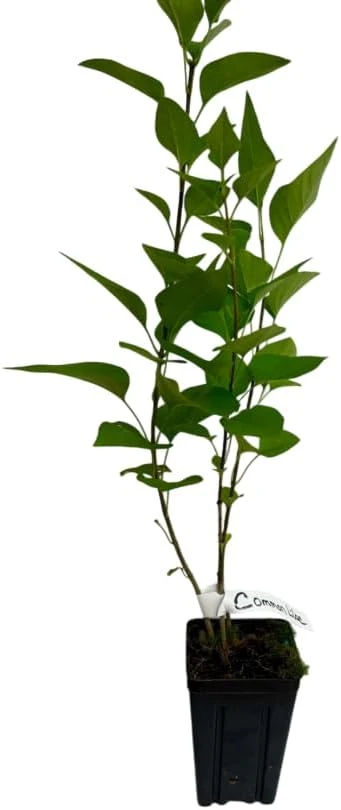
This offering includes one robust purple lilac bush, a live plant measuring approximately 6-12 inches in height from the top of the soil. It arrives established in a 4-inch nursery pot, with a healthy root system ready for immediate transplanting into your garden. Lilacs are moderate to fast growers, and with proper common lilac care, this plant will quickly establish itself and begin to flourish. Expect a mature height of 8-10 feet and a spread of 6-8 feet, though size can vary based on growing conditions and pruning.
The plant is shipped in its nursery pot with soil, ensuring minimal stress during transit and a smooth transition to its new home. While it may arrive dormant or with some leaf drop depending on the season, this is a natural part of the plant’s cycle and does not affect its health. This reblooming lilac typically begins to flower in spring, with subsequent flushes of blooms later in the season. Planting in spring or fall is ideal for best establishment, allowing the roots to develop before extreme temperatures. Its mature size makes it perfect for creating a stunning focal point or a fragrant hedge in your garden.
Frequently Asked Questions
- Q: How big does this purple lilac bush get? A: This purple lilac bush typically grows to a mature height of 8-10 feet and a spread of 6-8 feet. Its ultimate size can be influenced by growing conditions and annual pruning practices.
- Q: What size pot does it come in? A: The live plant is shipped in a 4-inch nursery pot, ensuring it has an established root system and is ready for transplanting into your garden or a larger decorative container.
- Q: Is this an indoor or outdoor plant? A: This syringa plant is an outdoor shrub, thriving best in garden beds, landscapes, or large outdoor containers where it can receive full sun. It is not suitable for long-term indoor cultivation.
- Q: How much sunlight does it need? A: A fragrant lilac bush requires full sun exposure, meaning at least 6 hours of direct sunlight per day, to produce the most abundant and vibrant blooms.
- Q: Is this plant easy to care for? A: Yes, once established, this lilac is considered low-maintenance. It’s a great choice for both experienced and beginner gardeners looking for a beautiful and rewarding shrub. Proper common lilac care involves adequate sunlight and well-draining soil.
- Q: What condition will it arrive in? A: Your lilac plant will arrive in a 4-inch pot, established and ready for planting. Depending on the season, it may be actively growing, or it may be dormant with no leaves, which is a normal and healthy state for lilacs during cooler months.
- Q: Is it shipped in soil? A: Yes, the plant is shipped in its nursery pot with soil to ensure the roots remain moist and protected during transit, facilitating a smooth transition to your garden.
- Q: How long until it blooms? A: Established plants like this reblooming lilac may bloom in their first year after planting, especially if planted in spring. Expect more prolific flowering as the plant matures over subsequent seasons.
- Q: When is the best time to plant? A: The ideal times for planting your lilac are in early spring after the last frost or in early fall before the ground freezes, allowing the roots to establish well.
- Q: Will it survive winter in my zone? A: Lilacs are very hardy and generally thrive in USDA zones 3-7. This plant is well-suited for a wide range of climates, tolerating cold winters and hot summers once established.
Related products
-20%
Original price was: $36.00.$28.80Current price is: $28.80.
-50%
Original price was: $49.98.$24.99Current price is: $24.99.
-50%
Original price was: $55.98.$27.99Current price is: $27.99.
-30%
Original price was: $73.98.$51.78Current price is: $51.78.
-50%

Original price was: $133.98.$66.99Current price is: $66.99.
PLANTING & CARE
Lemon Tree Growing: Choose, Plant, and Harvest
Learn how to choose, plant, feed, and protect a lemon tree so it fits your
23
Sep
Sep
Dwarf Meyer Lemon Tree Australia: Climate Guide
Learn where dwarf Meyer lemon trees grow, how much cold they tolerate, and whether Australia,
Where to Buy a Dwarf Meyer Lemon Tree: Buyer’s Guide
Find the right dwarf Meyer lemon tree online or locally, compare starter sizes and costs,
Dwarf Meyer Lemon Tree for Sale: Buying Guide
Compare Meyer lemon tree sizes, prices, shipping limits, indoor growing and California options before you
Dwarf Meyer Lemon Tree Guide: Size, Care and Fruit
META: Learn how large a dwarf Meyer lemon tree grows, where it thrives, and how
How to Prune a Dwarf Meyer Lemon Tree
Learn when and how to prune a dwarf Meyer lemon tree, including tools, shaping cuts,
Can You Grow a Dwarf Meyer Lemon Tree in a Pot?
META: Learn how to grow a dwarf Meyer lemon tree in a pot, including container
When Do Dwarf Meyer Lemon Trees Bloom and Fruit?
META: Dwarf Meyer lemon trees usually bloom from winter through spring and may flower again