Purple Sage Live Plant – Salvia Officinalis – 4.5” Pot – Culinary Herb
Purple Sage Live Plant – Salvia Officinalis – 4.5” Pot – Culinary Herb
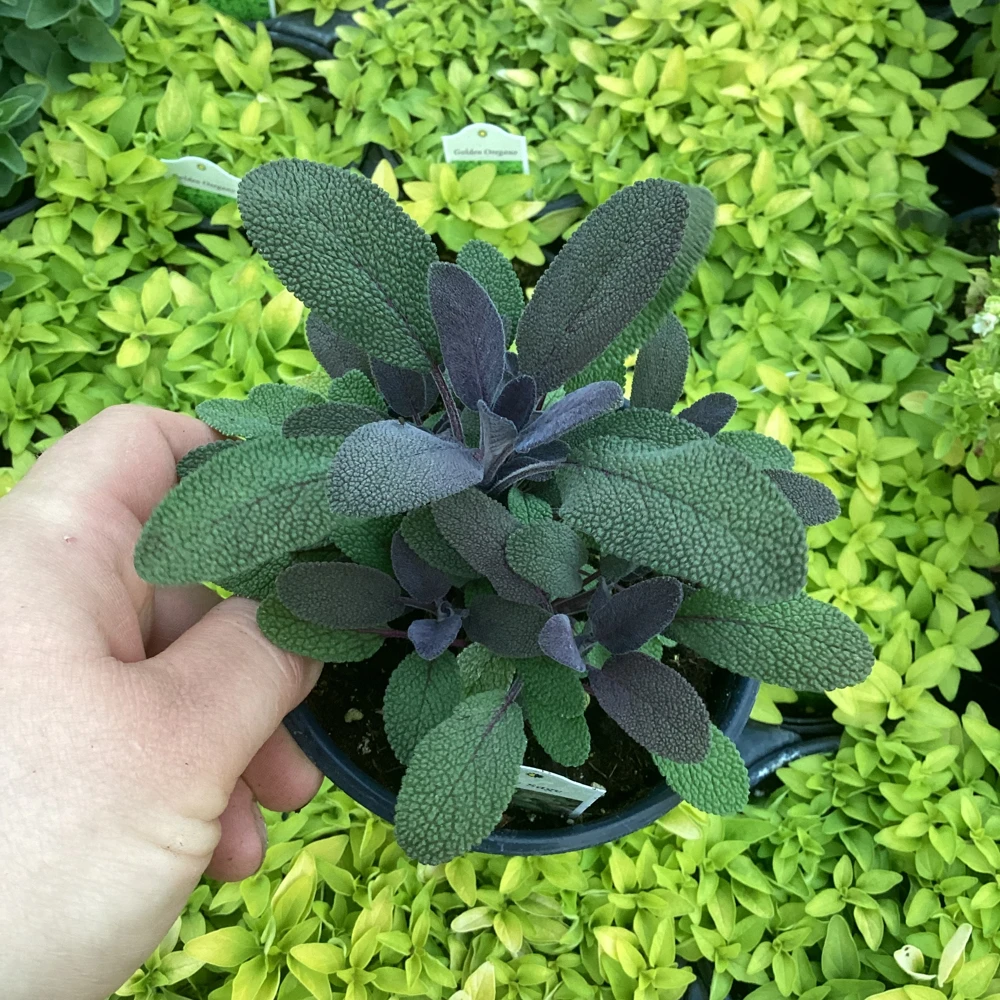
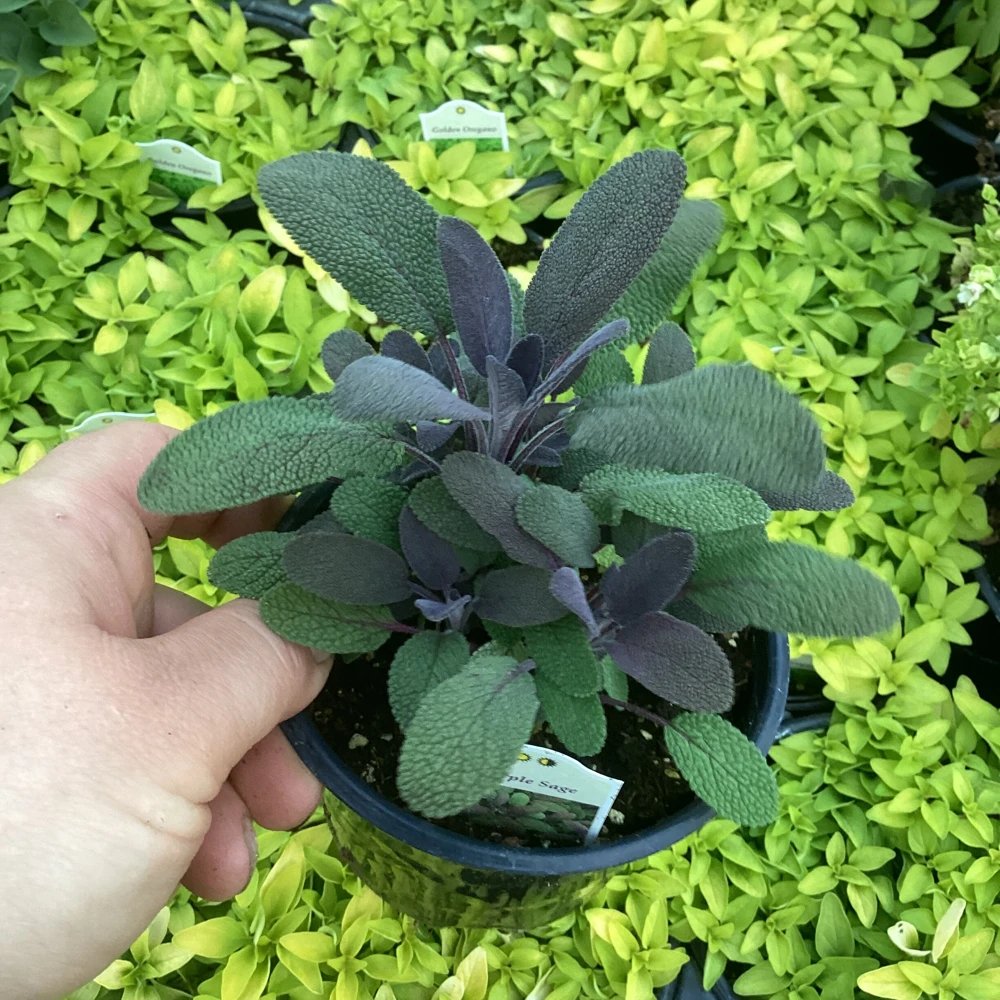
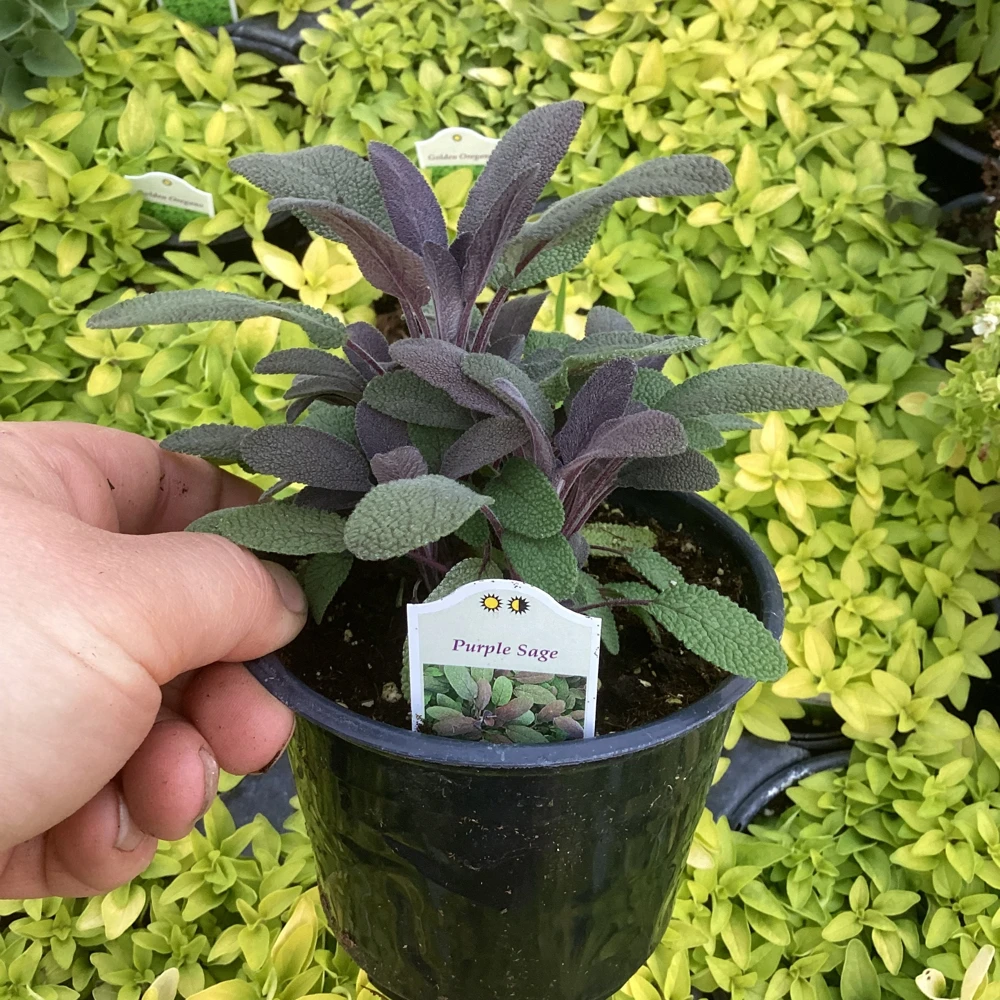
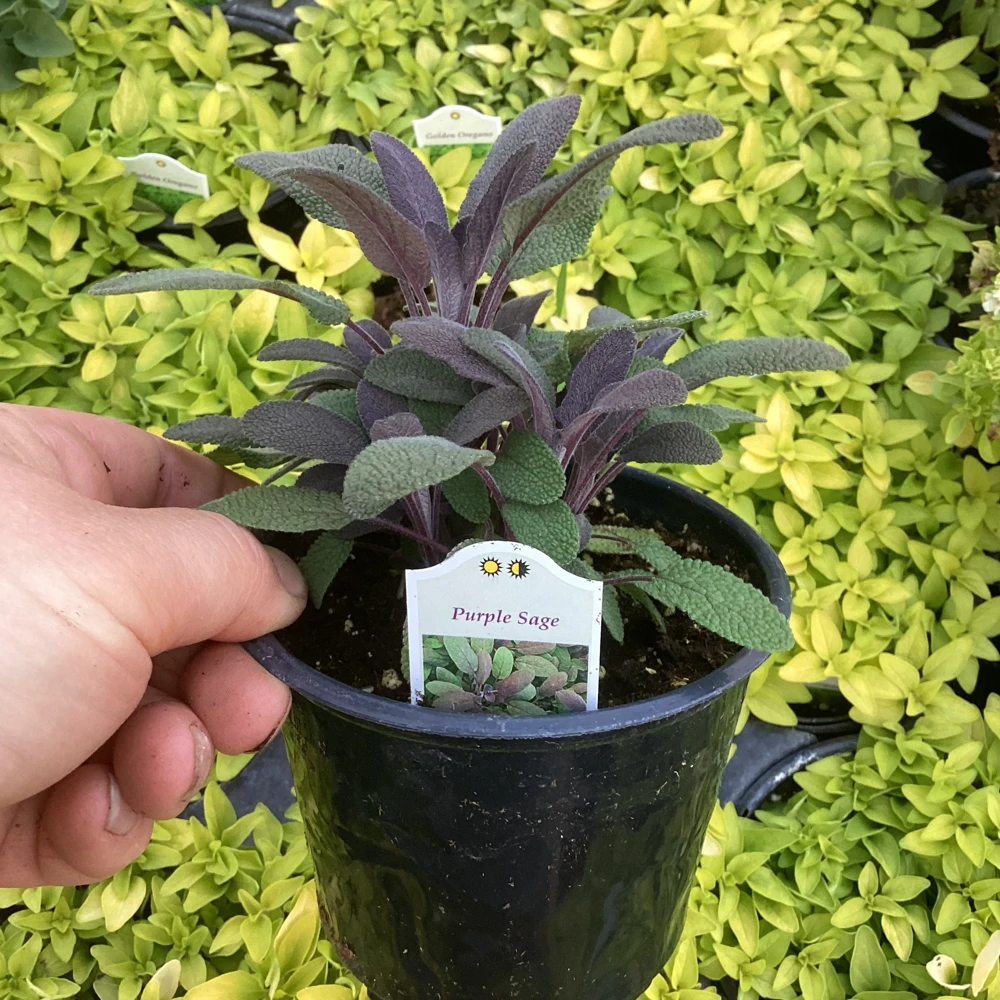
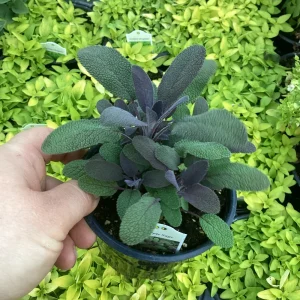
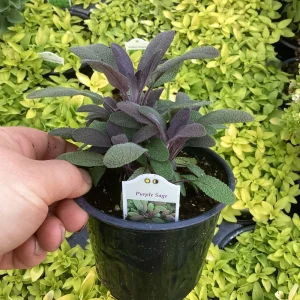
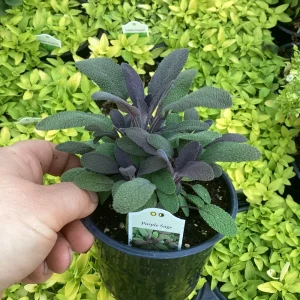
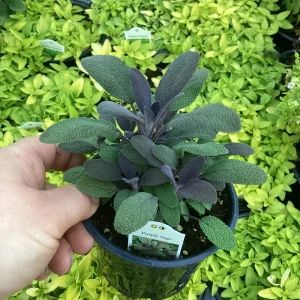
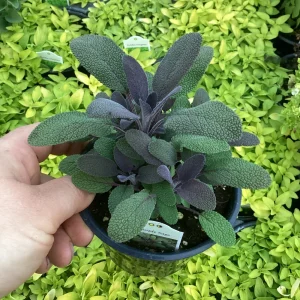
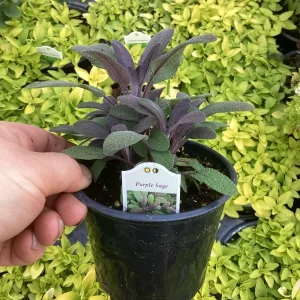
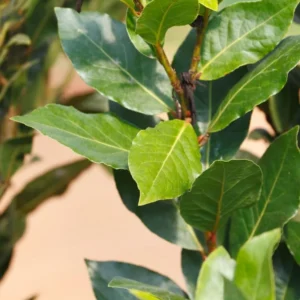
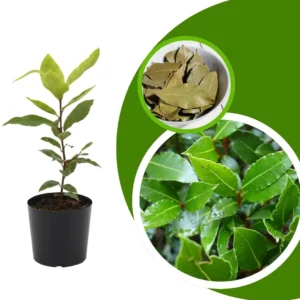
Add flavor and beauty to your garden with this vibrant purple sage live plant. This Salvia officinalis variety is well-established in a 4.5” nursery pot, ready for planting. Ideal for culinary uses and as an attractive ornamental herb.
$21.98

With our Alive & Thrive Guarantee, we’ve got your back for the first 30 days! If you have any concerns about your plants, just reach out to us. Our team is here to help answer your questions and guide you in selecting the best plants for your garden, climate, and unique preferences. We're excited to help you create the garden of your dreams!
Estimated arrival
Oct 08
Oct 13 - Oct 15
Oct 18 - Oct 22
Product Details
-
USDA Hardiness Zone
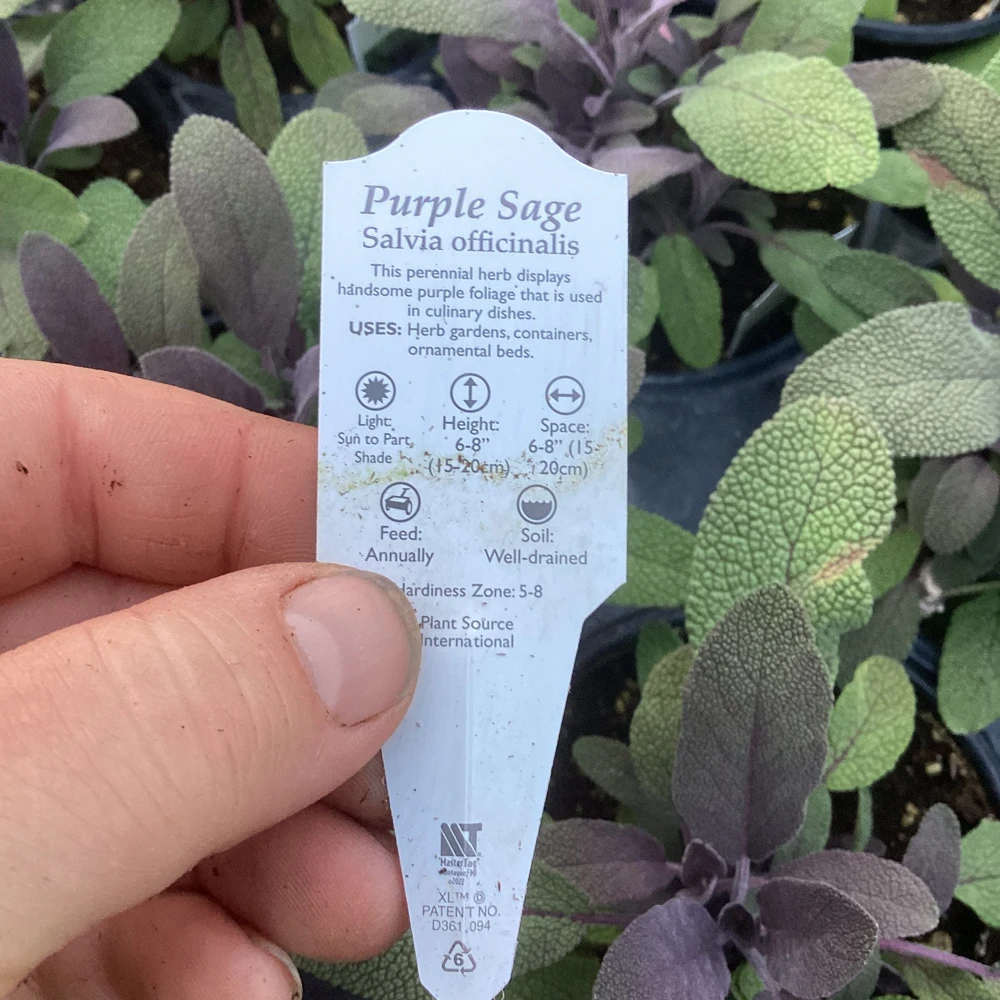
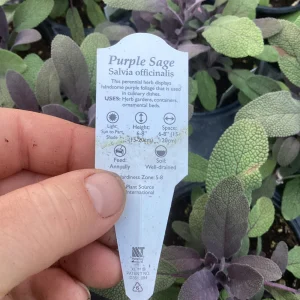
USDA zones 5–9 -
Soil type
Well-draining, sandy, or loamy soil -
Sunlight Exposure
Full sun (6+ hours daily) -
Expected Planting Period
Spring to early summer
Overview
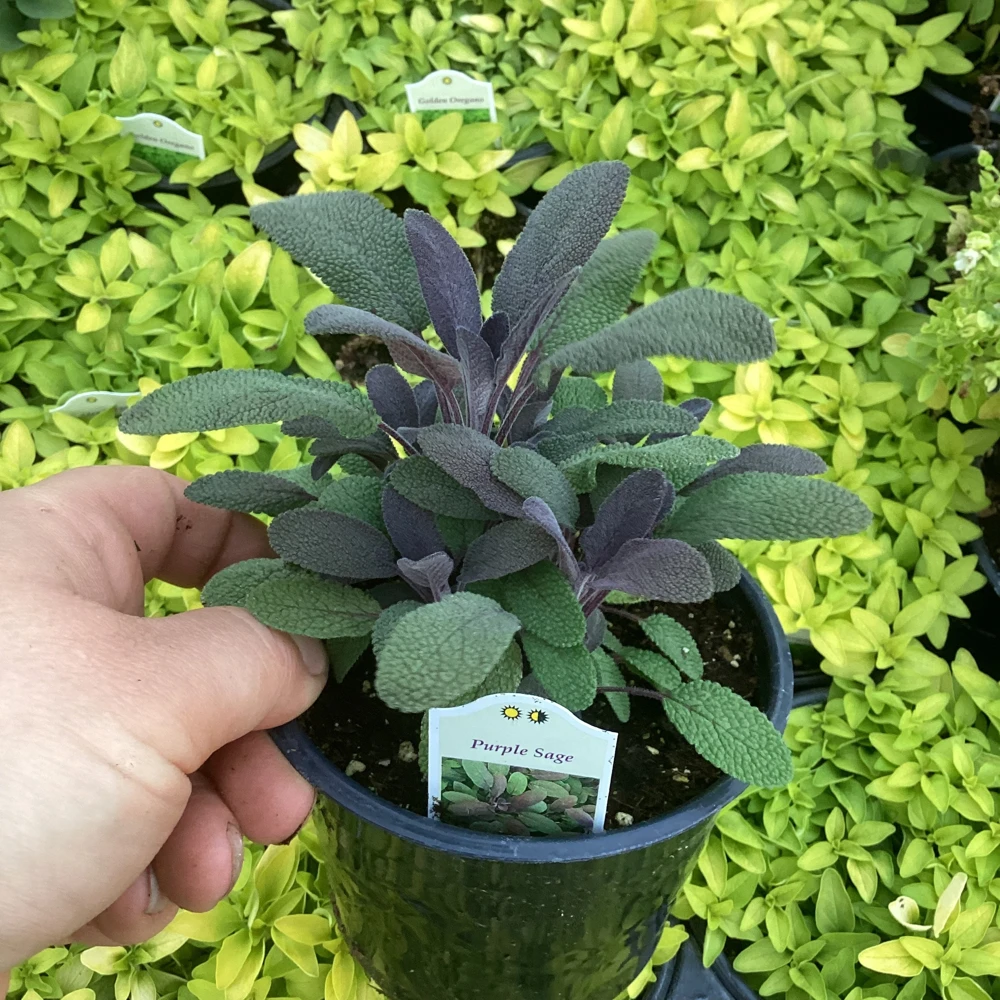
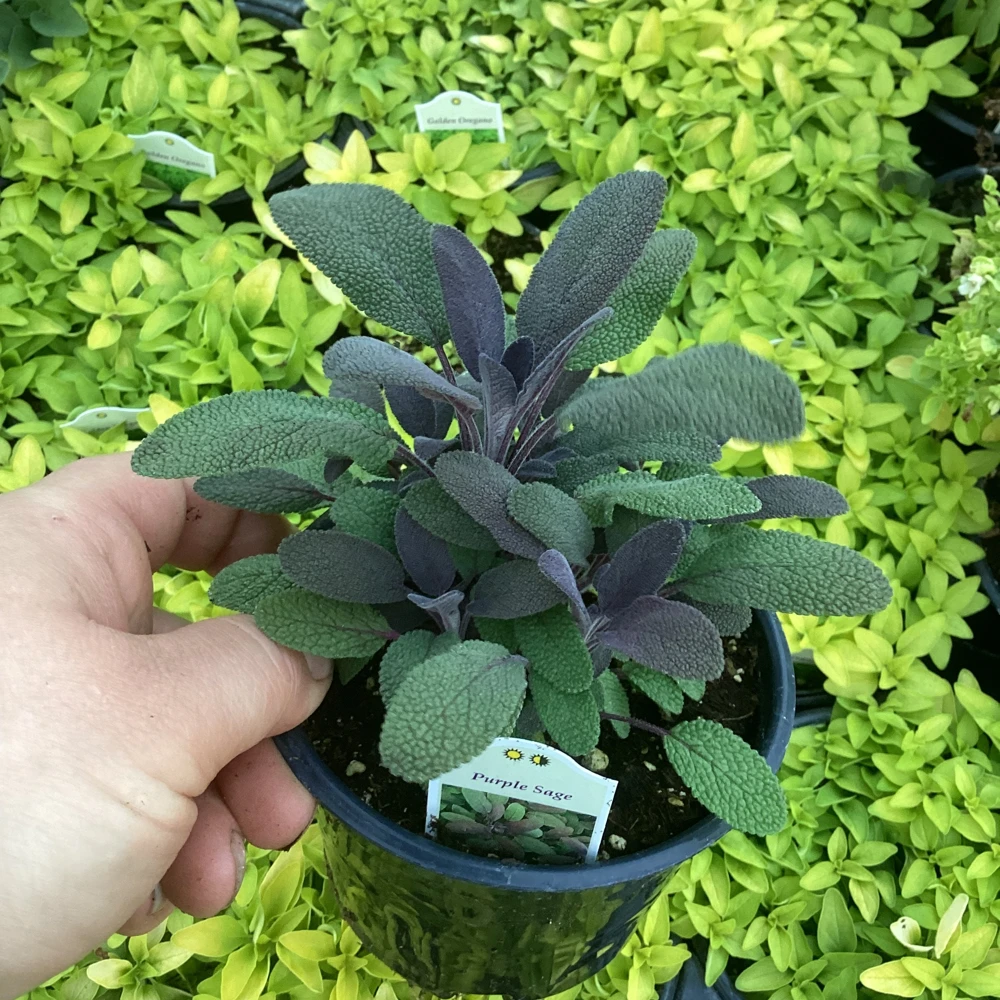
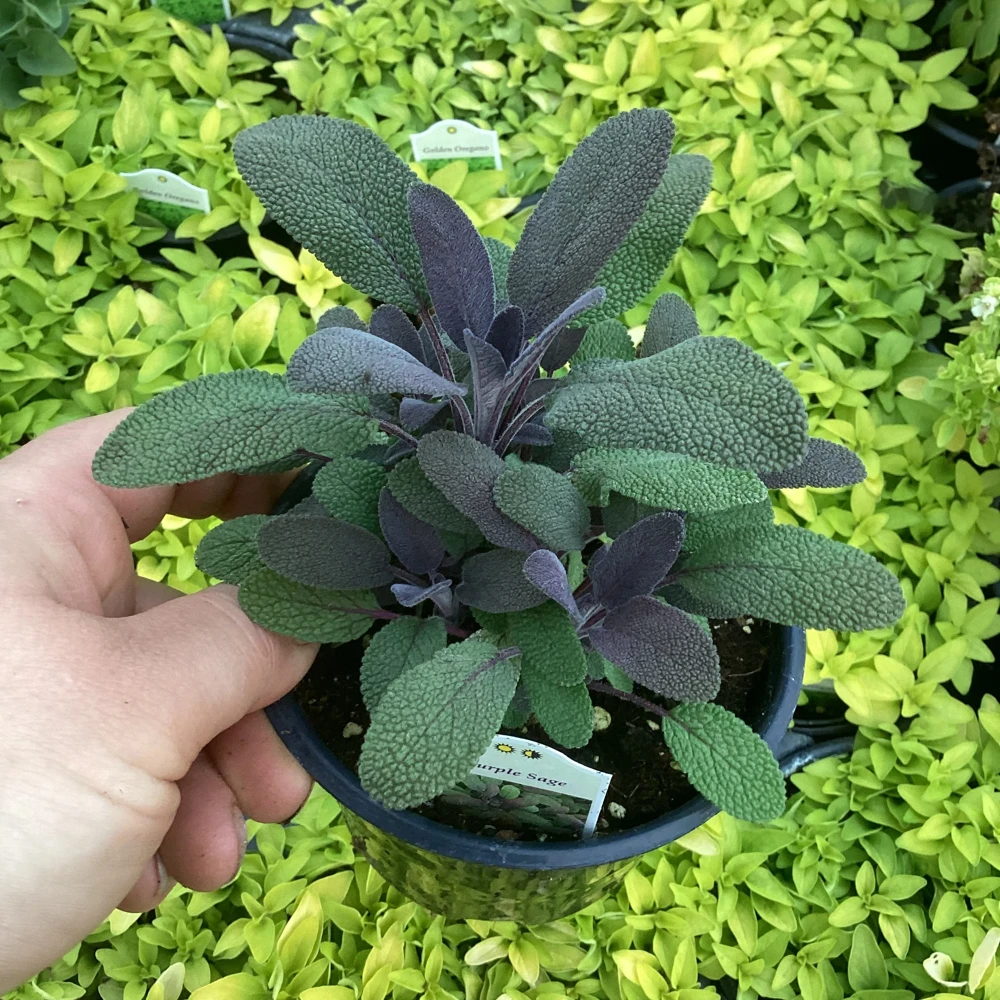
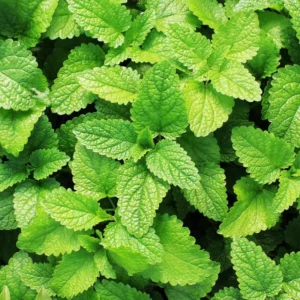
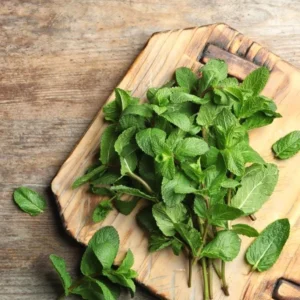
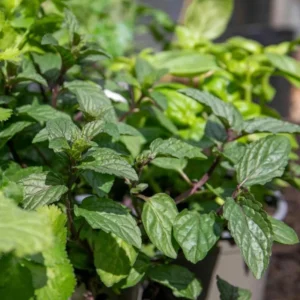
Introduce a touch of vibrant color and aromatic flavor to your garden with this exquisite purple sage live plant. This well-established Salvia officinalis ‘Purpurascens’, commonly known as purple sage plant, arrives thriving in a 4.5-inch plastic nursery pot, ready to be transplanted into your herb garden, vegetable patch, or a decorative container. Known for its striking deep purple-green foliage and classic sage aroma, this plant is a dual-purpose delight, offering both significant ornamental appeal and a rich culinary resource. Whether you’re an experienced gardener or just starting, this robust herb is an excellent choice for adding depth to your landscape and your dishes.
Our salvia officinalis plant is carefully nurtured to ensure it reaches your home in prime condition, promising a strong start in its new environment. Its distinctive leaf coloration makes it a standout, providing visual interest throughout the growing season. Beyond its beauty, purple sage is a staple in many kitchens, offering a pungent, earthy flavor that complements a wide array of savory dishes, from poultry and pork to stews and dressings. Embrace the joy of growing your own fresh herbs with this versatile and beautiful plant.
Key Benefits
The purple sage live plant offers a multitude of benefits, making it a highly desirable addition to any garden or kitchen. Its unique attributes contribute to its popularity among gardeners and chefs alike.
- Culinary Versatility: The leaves of this culinary sage plant are perfect for seasoning meats, stuffing, sauces, and roasted vegetables. Its robust flavor stands up well to cooking and adds an authentic touch to Mediterranean and traditional American dishes.
- Ornamental Appeal: With its stunning purple-tinged foliage, this sage variety serves as an attractive border plant, container specimen, or accent in mixed perennial beds. The subtle color variation provides year-round visual interest.
- Aromatic Qualities: Crushing the leaves releases a distinct, pleasant aroma that can deter certain garden pests and adds a lovely fragrance to your outdoor space. It’s a treat for the senses.
- Low Maintenance: Once established, growing purple sage is remarkably easy. It tolerates various soil conditions and is relatively drought-tolerant, making it suitable for busy gardeners or those new to herb cultivation.
- Pollinator Attractor: When it blooms in late spring to early summer, the small lavender-blue flowers attract beneficial pollinators like bees and butterflies, contributing to a healthier garden ecosystem.
- Drought Tolerance: This sage variety is quite resilient and can withstand periods of dry weather once mature, reducing the need for frequent watering.
- Hardy and Resilient:Salvia officinalis is a robust perennial herb that can thrive in many climates, returning year after year with proper care.
Plant Care & Growing Tips
Caring for your purple sage live plant is straightforward, ensuring a bountiful harvest and beautiful garden display. Understanding its basic needs will help you cultivate a healthy, thriving plant. This salvia officinalis plant prefers conditions that mimic its Mediterranean origins.
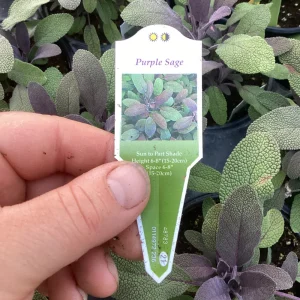
For optimal growth, plant your purple sage live plant in a location that receives full sun, meaning at least 6 hours of direct sunlight per day. While it can tolerate some partial shade, too little sun may result in leggy growth and less vibrant foliage color. Good air circulation is also important to prevent fungal issues. When it comes to watering, sage prefers soil that dries out between waterings. Overwatering is a common mistake and can lead to root rot. Water deeply when the top inch or two of soil feels dry to the touch, and then allow it to dry out again before the next watering. Ensure excellent drainage, as sage does not like wet feet.
The ideal soil for growing purple sage is well-draining, sandy, or loamy soil with a neutral to slightly alkaline pH. If you have heavy clay soil, amend it with sand or compost to improve drainage. Fertilization is generally not heavily required for sage. A light feeding with a balanced, organic fertilizer in the spring is usually sufficient. Avoid over-fertilizing, especially with nitrogen-rich fertilizers, as this can encourage leafy growth at the expense of flavor. Pruning is essential for maintaining plant shape, encouraging bushier growth, and preventing the plant from becoming woody. Trim back about one-third of the plant in early spring, and lightly prune after flowering to encourage new growth. For those seeking an ornamental sage, consider companion planting with other drought-tolerant herbs or flowers like rosemary, thyme, or lavender.
Size & Details
Each purple sage live plant is shipped as a well-established specimen, actively growing in a 4.5-inch plastic nursery pot. This size ensures the plant has a robust root system and is ready for successful transplanting into your garden or a larger container. Mature Salvia officinalis typically reaches a height of 18 to 24 inches and spreads about 24 to 30 inches wide, forming a dense, bushy mound. The growth rate is moderate, and with proper care, you can expect your plant to fill out nicely within the first growing season. It’s a perennial herb, meaning it will return year after year in suitable climates, providing continuous harvests and beauty. This culinary sage plant is a perfect starter size for gardeners looking to cultivate their own herbs.
Frequently Asked Questions
- Q: How big does this plant get? A: A mature purple sage live plant typically grows to about 18-24 inches tall and spreads 24-30 inches wide. Its bushy habit makes it a great addition to garden beds or containers.
- Q: What size pot does it come in? A: Your salvia officinalis plant will arrive well-established in a 4.5-inch plastic nursery pot, ready for transplanting into its permanent home.
- Q: Is this an indoor or outdoor plant? A: While sage thrives outdoors in full sun, it can be grown indoors in a bright, sunny window with good air circulation. It’s primarily an outdoor plant for optimal growth and flavor.
- Q: How much sunlight does it need? A: For best results, your purple sage live plant requires at least 6 hours of direct sunlight per day. Full sun encourages dense growth and vibrant leaf color.
- Q: Is this plant easy to care for? A: Yes, growing purple sage is considered easy to moderate. It’s quite drought-tolerant and low-maintenance once established, making it suitable for beginners.
- Q: Is it good for beginners? A: Absolutely! Its resilience and relatively simple care requirements make it an excellent choice for novice gardeners looking to grow herbs.
- Q: What condition will it arrive in? A: We ship healthy, well-established plants from our greenhouse, carefully packaged to ensure they arrive in excellent condition, ready to thrive.
- Q: Is it shipped in soil? A: Yes, the purple sage live plant is shipped in its 4.5-inch nursery pot with soil, ensuring minimal shock during transit and easy replanting.
- Q: Can I use this sage in cooking? A: Definitely! This is a culinary sage plant variety, and its leaves are perfect for adding flavor to a wide range of savory dishes, including poultry, pork, and vegetables.
- Q: Is it pet-safe? A: Sage is generally considered non-toxic to cats and dogs, but consuming large quantities may cause mild digestive upset. It’s always best to monitor pets around plants.
- Q: How long until it’s ready to harvest? A: You can begin light harvesting of leaves once the plant is established and actively growing, typically a few weeks after planting.
- Q: When is the best time to plant? A: The best time to plant your ornamental sage is in spring after the last frost, or in early fall in warmer climates.
- Q: Will it survive winter in my zone? A: Salvia officinalis is hardy in USDA Zones 5-9. In colder zones, it may need winter protection or can be grown as an annual.
- Q: What’s the minimum temperature it can tolerate? A: This plant can tolerate temperatures down to about -20°F in its hardiness zones when established, but young plants or those in pots may need protection from severe freezes.
Related products
-30%
Original price was: $59.98.$41.98Current price is: $41.98.
-67%
Original price was: $39.72.$13.24Current price is: $13.24.
-30%
Original price was: $57.98.$40.58Current price is: $40.58.
-34%
Original price was: $75.72.$49.99Current price is: $49.99.
-48%
Original price was: $39.99.$20.99Current price is: $20.99.
-30%
Original price was: $59.98.$41.98Current price is: $41.98.
-10%
Original price was: $75.00.$67.50Current price is: $67.50.
-58%
Original price was: $39.99.$16.99Current price is: $16.99.
PLANTING & CARE
Lemon Tree Growing: Choose, Plant, and Harvest
Learn how to choose, plant, feed, and protect a lemon tree so it fits your
23
Sep
Sep
Dwarf Meyer Lemon Tree Australia: Climate Guide
Learn where dwarf Meyer lemon trees grow, how much cold they tolerate, and whether Australia,
Where to Buy a Dwarf Meyer Lemon Tree: Buyer’s Guide
Find the right dwarf Meyer lemon tree online or locally, compare starter sizes and costs,
Dwarf Meyer Lemon Tree for Sale: Buying Guide
Compare Meyer lemon tree sizes, prices, shipping limits, indoor growing and California options before you
Dwarf Meyer Lemon Tree Guide: Size, Care and Fruit
META: Learn how large a dwarf Meyer lemon tree grows, where it thrives, and how
How to Prune a Dwarf Meyer Lemon Tree
Learn when and how to prune a dwarf Meyer lemon tree, including tools, shaping cuts,
Can You Grow a Dwarf Meyer Lemon Tree in a Pot?
META: Learn how to grow a dwarf Meyer lemon tree in a pot, including container
When Do Dwarf Meyer Lemon Trees Bloom and Fruit?
META: Dwarf Meyer lemon trees usually bloom from winter through spring and may flower again