Purple Violet Pansy Viola Seeds – 25 Seeds – Cold & Draft Resistant, Open-Pollinating
-50%
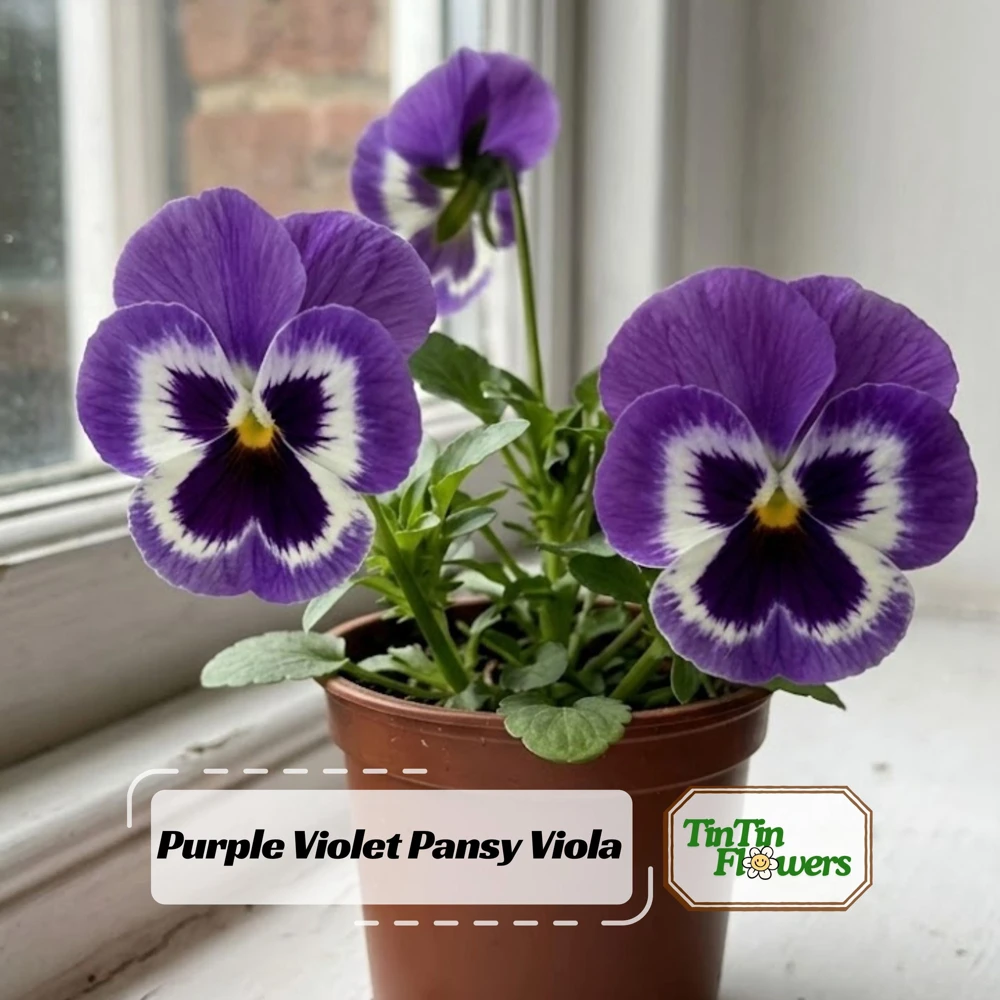
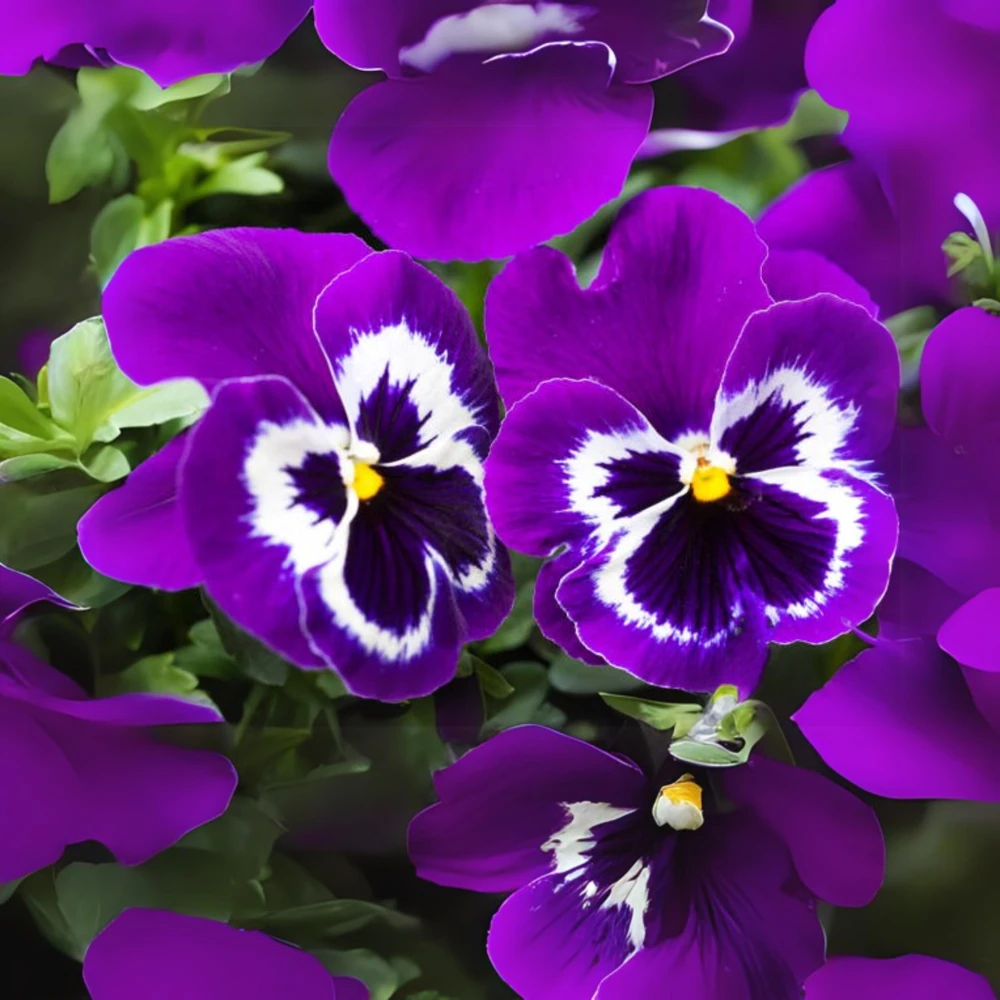
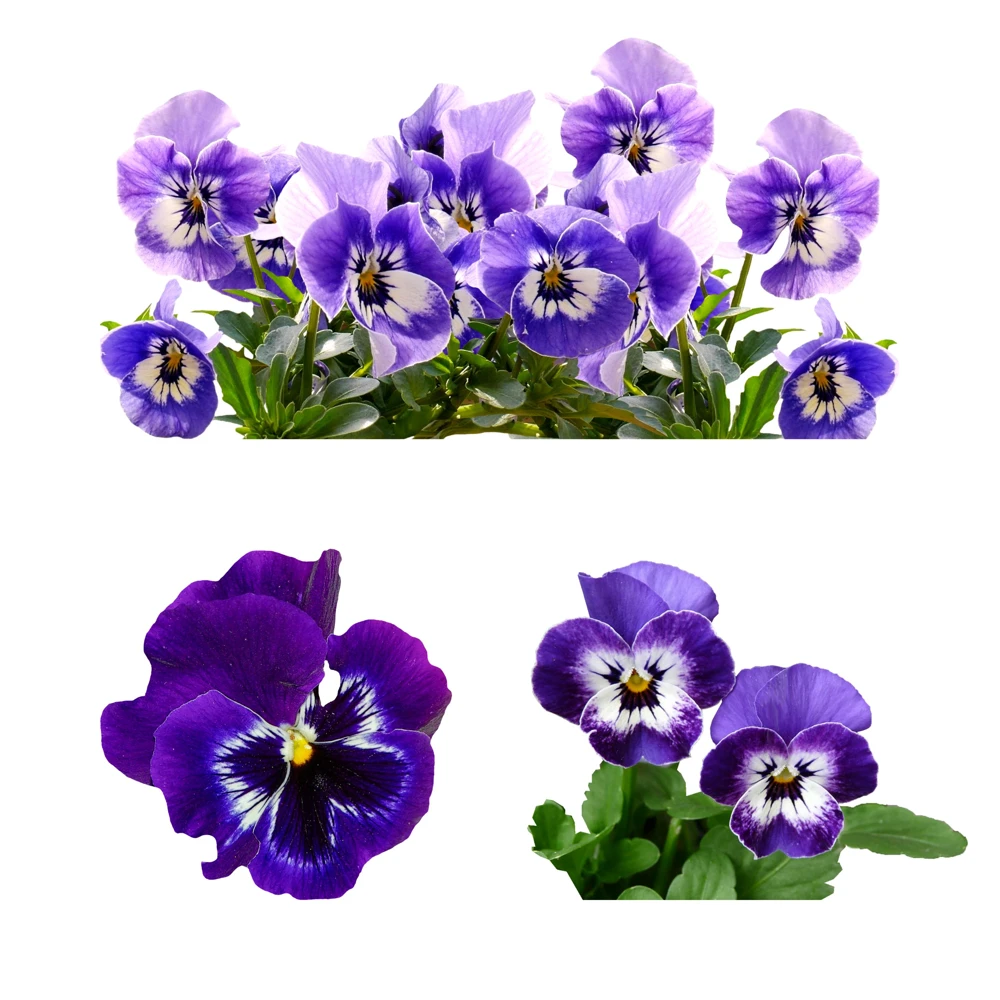
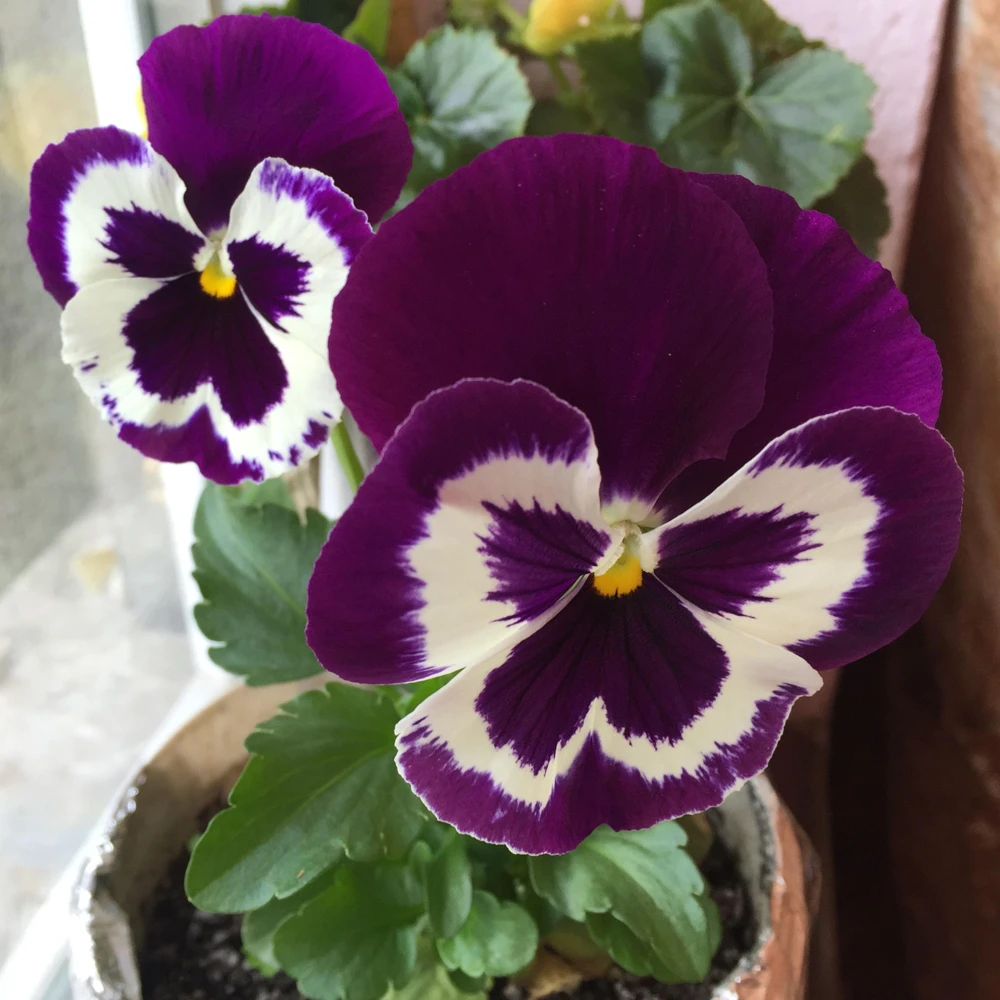
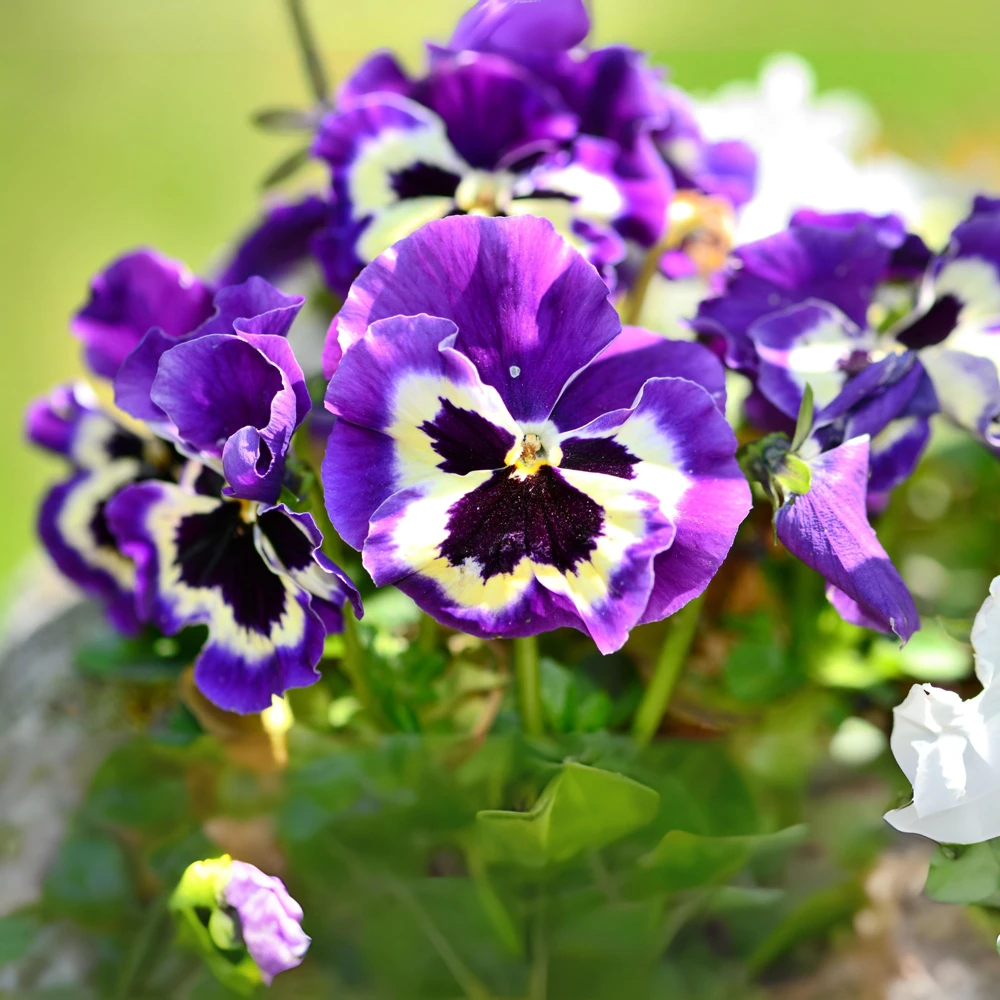
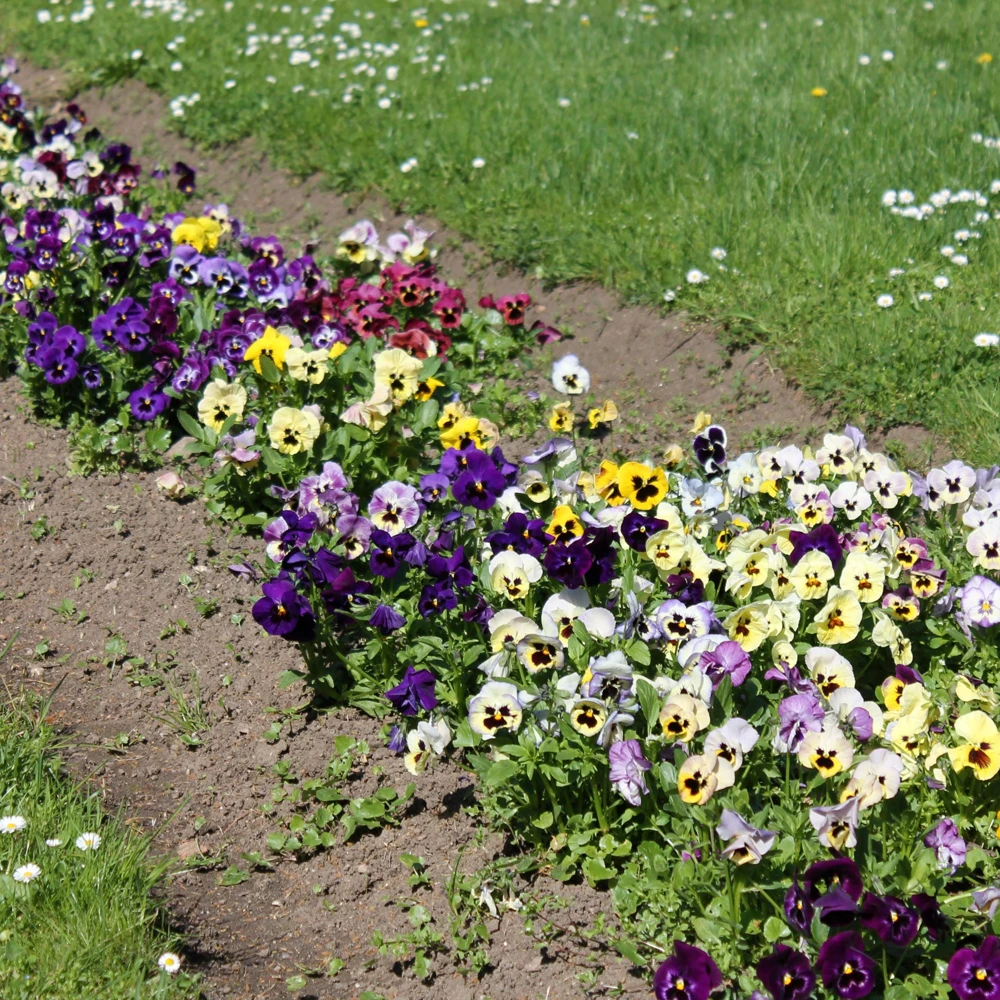
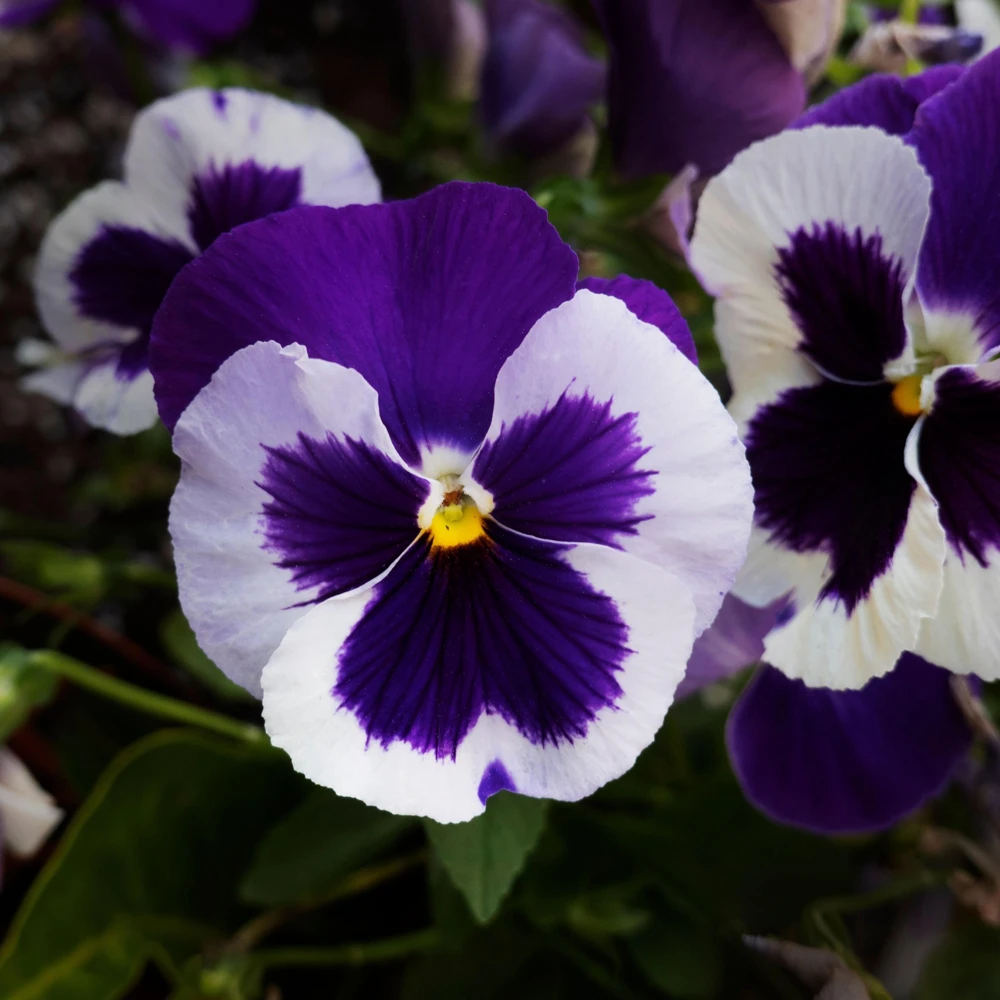
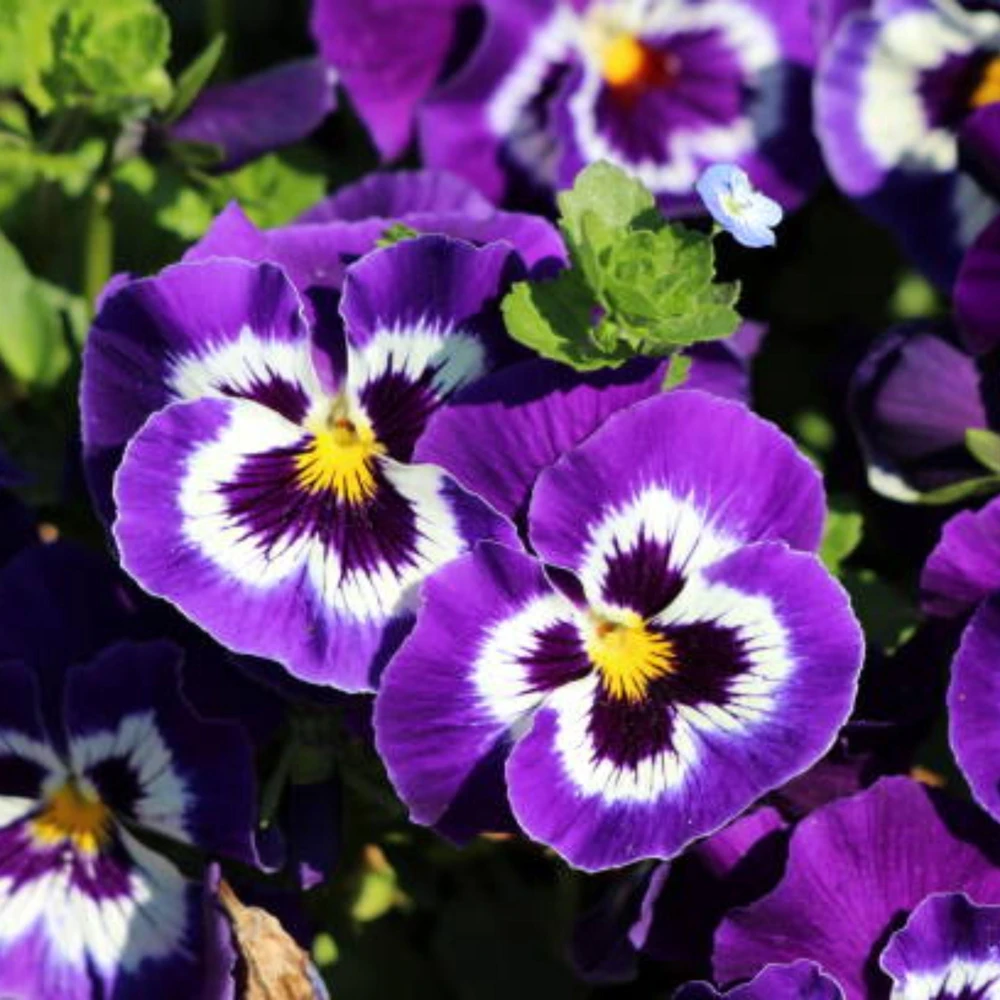
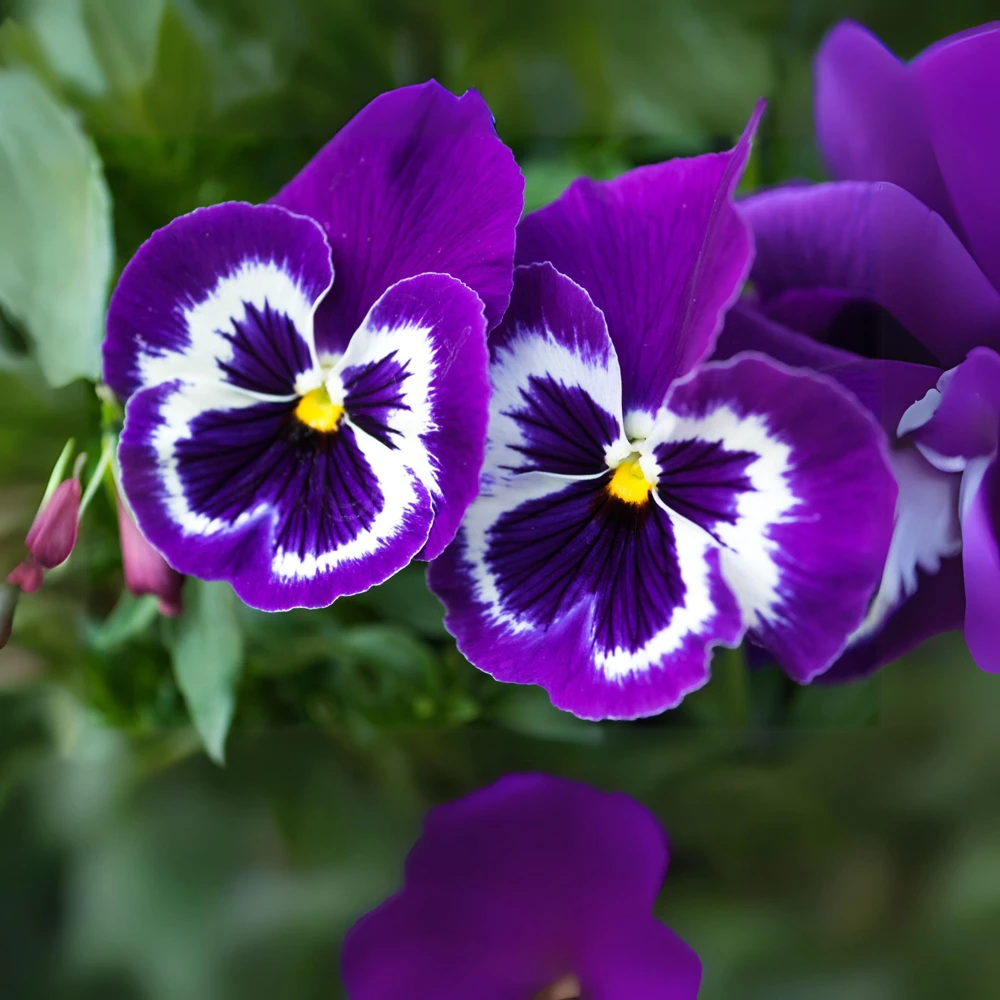
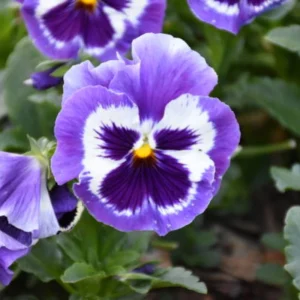
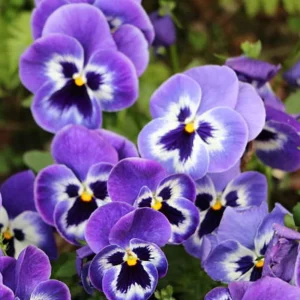
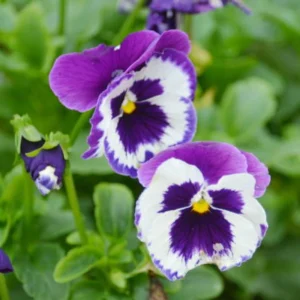
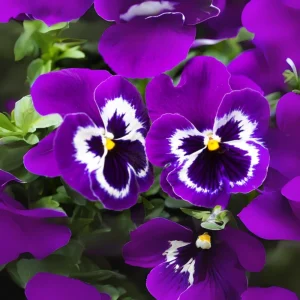
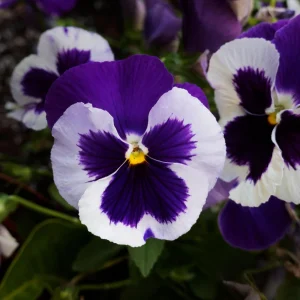
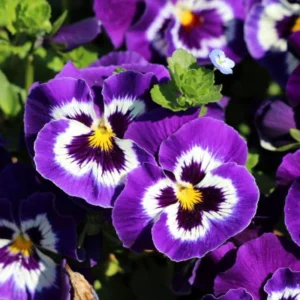
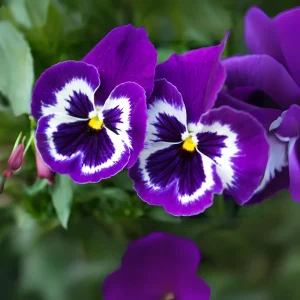
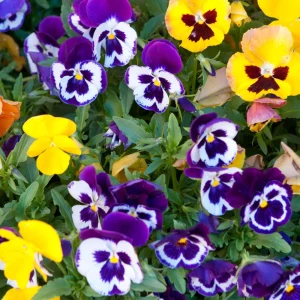
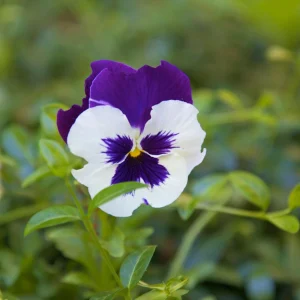
Purple Violet Pansy Viola Seeds – 25 Seeds – Cold & Draft Resistant, Open-Pollinating
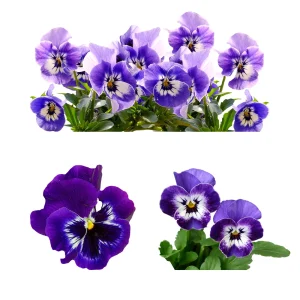
Cultivate stunning purple violet pansy seeds designed for resilience. These viola seeds are open-pollinating seeds and boast excellent cold and draft resistance, making them ideal for various climates. Enjoy vibrant blooms year after year.
Original price was: $79.16.$39.58Current price is: $39.58.

With our Alive & Thrive Guarantee, we’ve got your back for the first 30 days! If you have any concerns about your plants, just reach out to us. Our team is here to help answer your questions and guide you in selecting the best plants for your garden, climate, and unique preferences. We're excited to help you create the garden of your dreams!
Estimated arrival
Oct 08
Oct 13 - Oct 15
Oct 18 - Oct 22




Product Details
-
USDA Hardiness Zone
USDA Zones 6-11 -
Soil type
Loamy, moist, well-draining soil -
Sunlight Exposure
Full sun to partial shade -
Expected Planting Period
Late summer for fall blooms, early spring for spring/summer blooms, or fall for winter/early spring blooms
Overview
Embark on a delightful gardening journey with these exquisite purple violet pansy seeds. Pansies, scientifically known as Viola x wittrockiana, are beloved for their charming, face-like flowers and their ability to bring a splash of vibrant color to any garden space. This particular variety offers beautiful purple-violet hues, promising a stunning display. Pansies are a classic choice for gardeners looking for both beauty and hardiness. These viola seeds are open-pollinating, meaning they will produce seeds that grow true to the parent plant, allowing you to save and replant for future seasons. They are also celebrated for their resistance to cold and drafts, ensuring a robust and successful growing experience even in less-than-ideal conditions. Whether you’re a seasoned gardener or just starting, these seeds provide an opportunity to grow a truly enchanting floral display.
Key Benefits
Growing these pansy seeds offers numerous advantages, transforming your garden into a haven of color and charm. Their inherent qualities make them a rewarding choice for many gardeners.
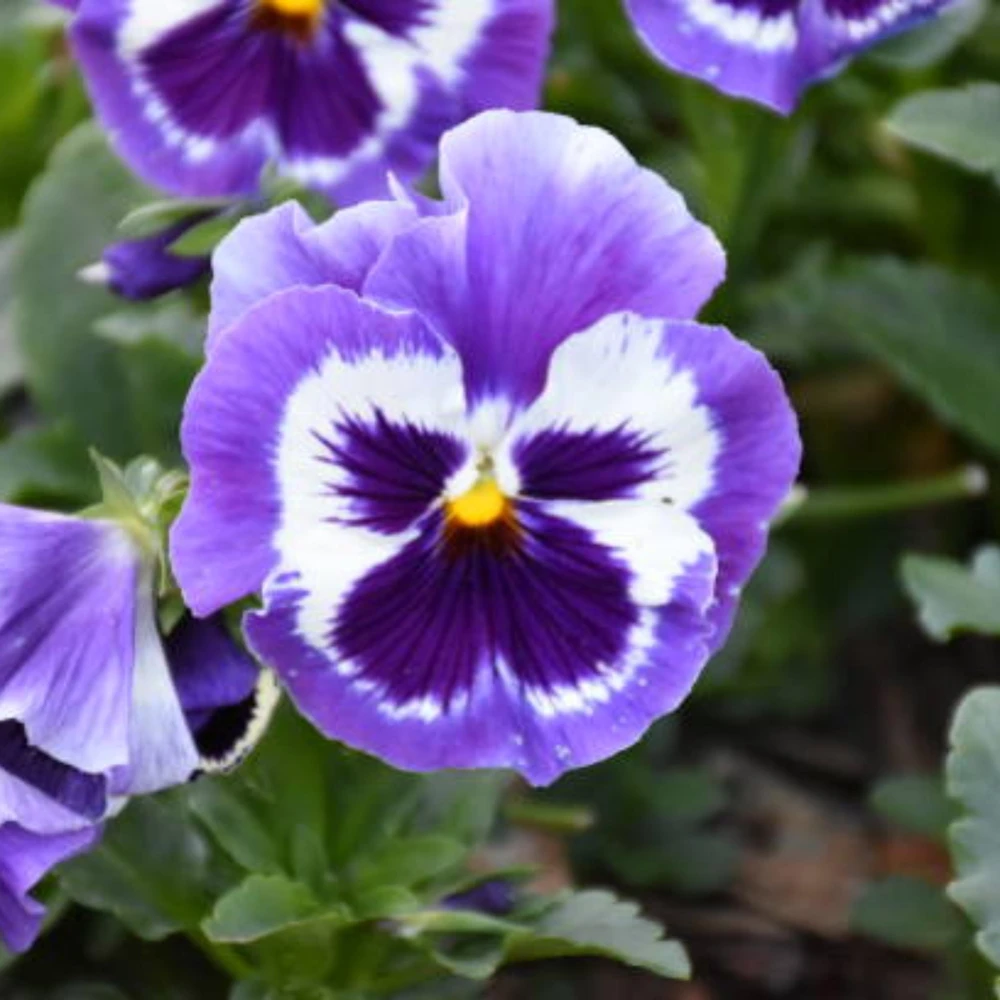
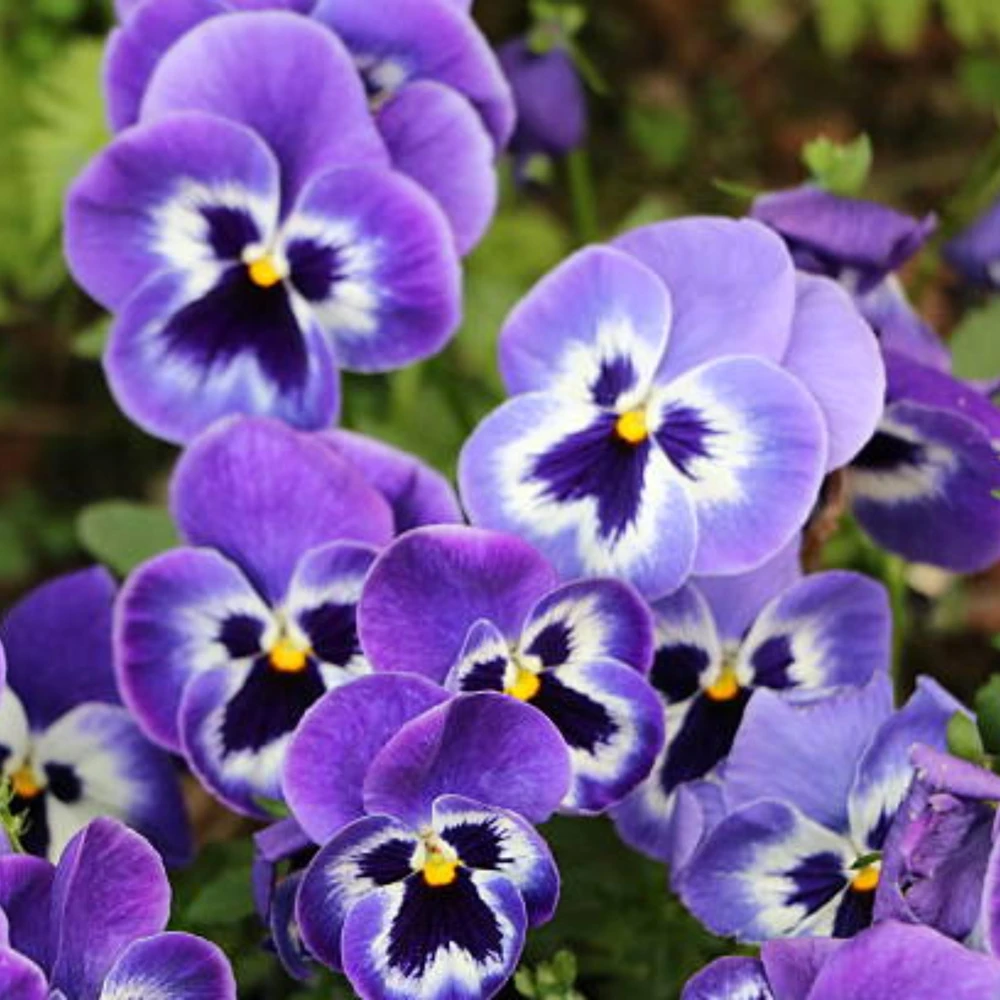
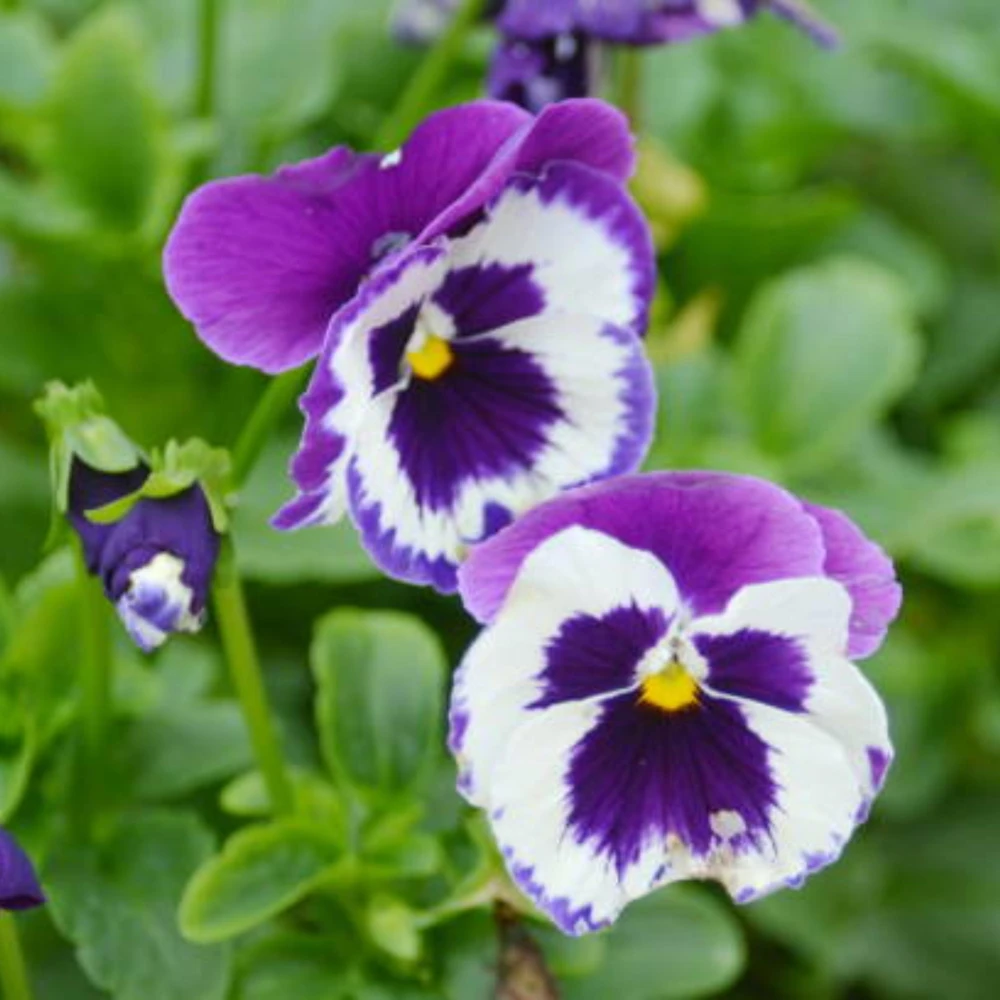
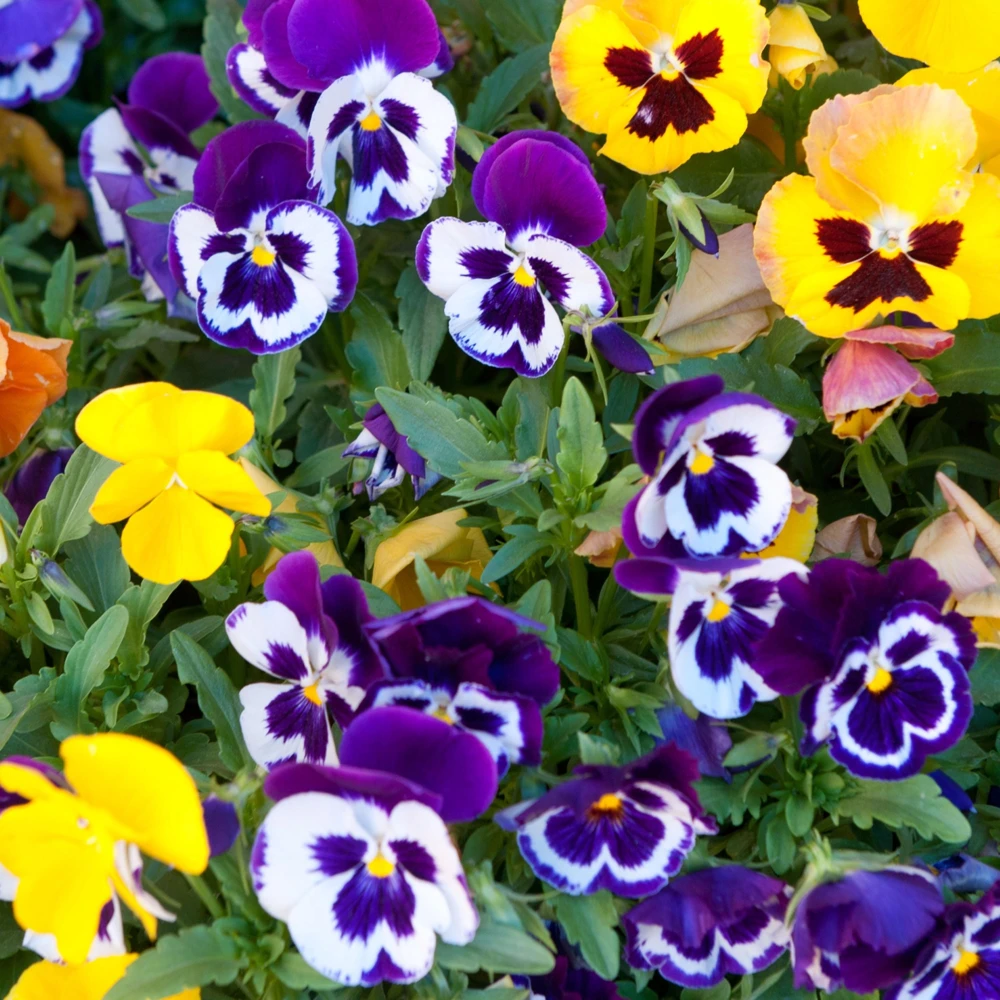
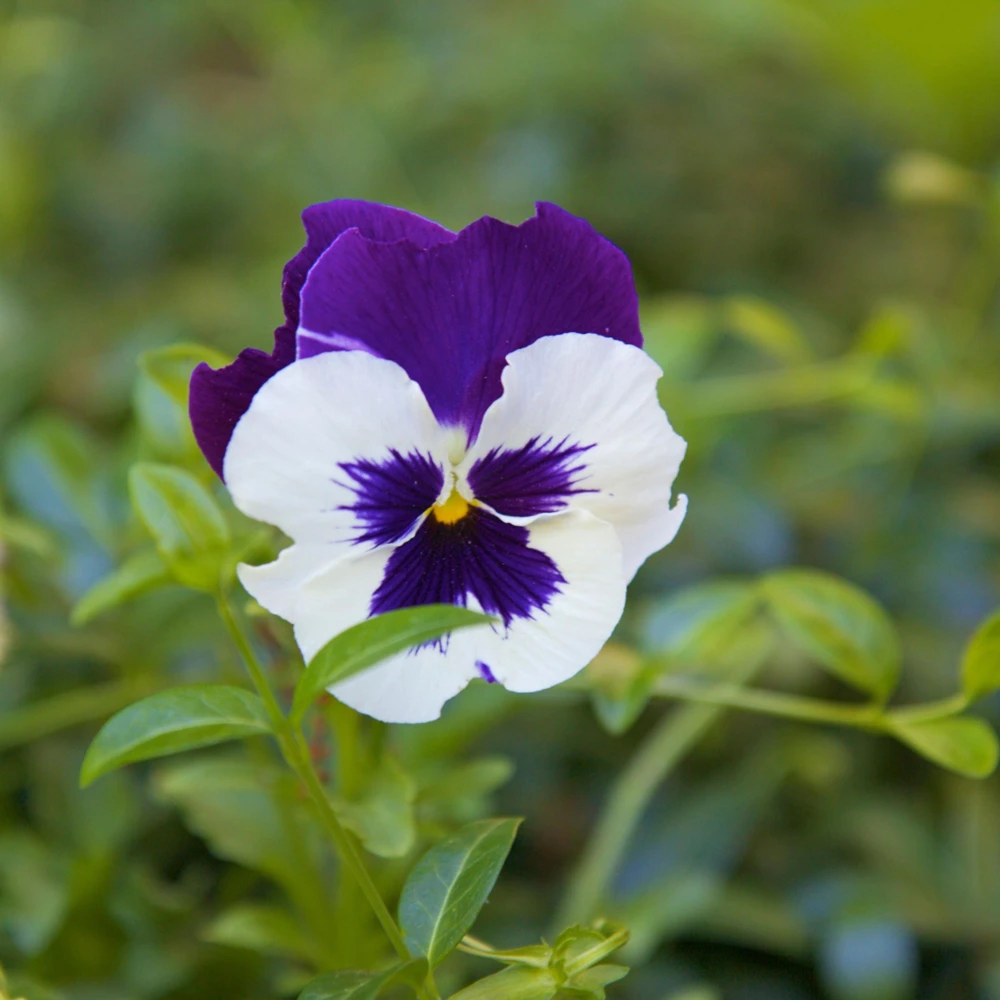
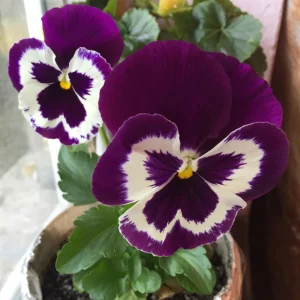
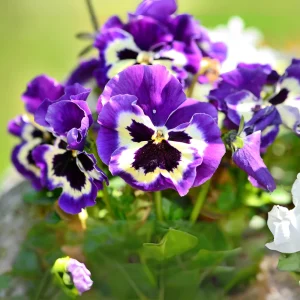
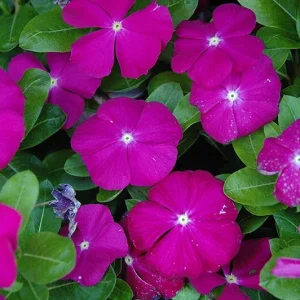
- Vibrant Purple-Violet Blooms: Enjoy a stunning array of rich purple and violet flowers that add depth and beauty to borders, containers, and garden beds. The distinctive ‘faces’ of pansies are a joy to behold.
- Cold Resistant Pansy: These seeds are specially selected to produce plants that can withstand cooler temperatures, extending their blooming season into late fall and early spring. This resilience makes them a reliable choice for many climates.
- Draft Resistant Plants: The robust nature of these pansies means they can tolerate breezy conditions better than many other delicate annuals, making them suitable for exposed areas.
- Open-Pollinating Seeds: As an open-pollinating seeds variety, you can confidently save seeds from your healthiest plants to grow new generations, preserving the characteristics you love without needing to purchase new seeds each year. This also supports biodiversity in your garden.
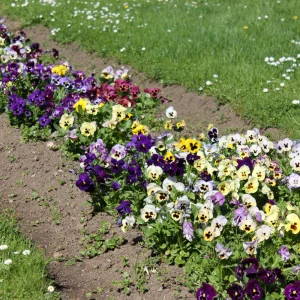
- Versatile Garden Use: Perfect for mass plantings, edging, rock gardens, window boxes, and hanging baskets. Their compact growth habit allows them to fit seamlessly into various landscape designs.
- Long Blooming Season: With proper care and planting, pansies can provide continuous blooms for several months, offering prolonged visual interest in your garden.
- Easy to Grow: Pansies are generally forgiving and straightforward to cultivate from seed, making them an excellent project for gardeners of all skill levels.
Plant Care & Growing Tips
Cultivating beautiful purple violet pansy seeds into thriving plants is a rewarding experience. Pansies prefer cooler weather and can be planted in late summer for fall blooms or early spring for spring/summer blooms in cooler climates (USDA Zones 6-8). In warmer climates (USDA Zones 9-11), sow in fall for winter and early spring blooms. When starting indoors, begin 8–10 weeks before the last frost. Use a light, well-draining seed starting mix and lightly press the seeds onto the surface; they require darkness to germinate, so do not cover deeply. Maintain a temperature of 65–70°F (18–21°C) and cover the trays with newspaper or a blackout dome until germination, which typically takes 10–14 days. Once seedlings emerge, provide ample light.
Transplant outdoors after the danger of frost has passed in spring, or in fall in mild zones, spacing plants 6–9 inches apart. Pansies thrive in loamy, moist, but well-drained soil enriched with compost, with a pH between 6.0–7.0. They prefer full sun to partial shade; afternoon shade is particularly beneficial in hot climates to prevent wilting and extend bloom time. Consistent watering is crucial; keep the soil moist but not soggy, watering at the base of the plant. Fertilize every 2–3 weeks with a balanced, water-soluble fertilizer to encourage continuous blooming. Deadheading, or removing faded flowers, is essential to promote new blooms and prevent the plant from going to seed prematurely. Mulching around the plants helps retain soil moisture and keeps the roots cool in warmer weather. Watch out for common pests like aphids and snails, and diseases such as powdery mildew. Good air circulation is key to preventing fungal issues in these draft resistant plants.
Size & Details
This offering includes 25 purple violet pansy seeds, providing a generous quantity to start your garden. Each seed holds the potential to grow into a compact, bushy plant typically reaching 6–9 inches in height and spread. The vibrant purple-violet flowers, often 1–3 inches across, will emerge in abundance, creating a lush carpet of color. Pansies are generally fast growers once established, with blooms appearing several weeks after transplanting. These viola seeds are packaged to ensure viability and are suitable for direct sowing or indoor starting. They are known for their ability to self-seed if allowed, potentially returning year after year, especially in favorable conditions. Expect a cheerful and robust display from these hardy, cold resistant pansy varieties, perfect for adding charm and elegance to your outdoor spaces throughout the cooler seasons.
Frequently Asked Questions
- Q: How big do these pansy plants get? A: These pansy plants typically grow to a compact size, reaching about 6-9 inches in both height and spread, making them ideal for borders and containers.
- Q: Is this an indoor or outdoor plant? A: Pansies are primarily outdoor plants, thriving in garden beds, containers, and window boxes. While they can be started indoors, they are not typically grown as long-term houseplants.
- Q: How much sunlight do these purple violet pansy seeds need? A: Pansies prefer full sun to partial shade. In hotter climates, providing afternoon shade can help prolong their blooming period and prevent stress.
- Q: Are these pansies easy to care for? A: Yes, pansies are considered relatively easy to grow from seed and maintain. With consistent watering, proper soil, and deadheading, they will reward you with abundant blooms.
- Q: What condition will the seeds arrive in? A: The seeds will arrive in a protective packet, ensuring their viability and readiness for planting. You will receive 25 high-quality open-pollinating seeds.
- Q: When is the best time to plant these viola seeds? A: In cooler climates (Zones 6-8), plant in late summer for fall blooms or early spring for spring/summer blooms. In warmer climates (Zones 9-11), sow in fall for winter and early spring blooms.
- Q: Will these cold resistant pansy plants survive winter in my zone? A: These pansies are cold resistant, meaning they can tolerate cooler temperatures. In zones where winter temperatures drop significantly, mulching or bringing potted plants indoors during severe cold snaps can help them overwinter.
- Q: Can I save seeds from these plants for next year? A: Yes, as these are open-pollinating seeds, you can save seeds from your mature plants and expect them to grow true to type in the following season.
- Q: What type of soil do pansies prefer? A: Pansies thrive in loamy, moist, but well-drained soil that is rich in organic matter. A soil pH between 6.0 and 7.0 is ideal for optimal growth.
- Q: Are these draft resistant plants suitable for windy areas? A: Yes, their natural resilience makes them more tolerant of breezy conditions compared to more delicate annuals, making them a good choice for areas that experience some wind.
Related products
-50%
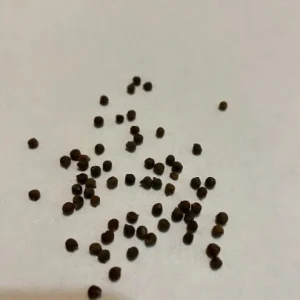
From Original price was: $63.60.$31.80Current price is: $31.80.
-50%
Original price was: $23.96.$11.98Current price is: $11.98.
-15%
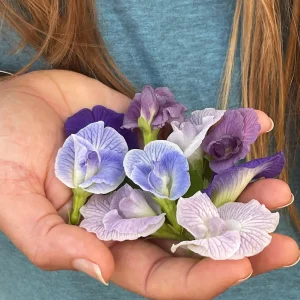
From Original price was: $28.00.$23.80Current price is: $23.80.
-50%

Original price was: $23.96.$11.98Current price is: $11.98.
-50%
Original price was: $15.96.$7.98Current price is: $7.98.
-50%

Original price was: $23.96.$11.98Current price is: $11.98.
-50%
From Original price was: $55.60.$27.80Current price is: $27.80.
-50%

Original price was: $38.36.$19.18Current price is: $19.18.
PLANTING & CARE
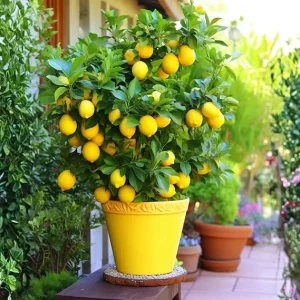
Lemon Tree Growing: Choose, Plant, and Harvest
Learn how to choose, plant, feed, and protect a lemon tree so it fits your
23
Sep
Sep
Dwarf Meyer Lemon Tree Australia: Climate Guide
Learn where dwarf Meyer lemon trees grow, how much cold they tolerate, and whether Australia,
Where to Buy a Dwarf Meyer Lemon Tree: Buyer’s Guide
Find the right dwarf Meyer lemon tree online or locally, compare starter sizes and costs,
Dwarf Meyer Lemon Tree for Sale: Buying Guide
Compare Meyer lemon tree sizes, prices, shipping limits, indoor growing and California options before you
Dwarf Meyer Lemon Tree Guide: Size, Care and Fruit
META: Learn how large a dwarf Meyer lemon tree grows, where it thrives, and how
How to Prune a Dwarf Meyer Lemon Tree
Learn when and how to prune a dwarf Meyer lemon tree, including tools, shaping cuts,
Can You Grow a Dwarf Meyer Lemon Tree in a Pot?
META: Learn how to grow a dwarf Meyer lemon tree in a pot, including container
When Do Dwarf Meyer Lemon Trees Bloom and Fruit?
META: Dwarf Meyer lemon trees usually bloom from winter through spring and may flower again