Pussy Willow Live Plant 2-3 ft Tall, Native Shrub Salix Discolor, Quart Pot, Outdoor
-10%


Pussy Willow Live Plant 2-3 ft Tall, Native Shrub Salix Discolor, Quart Pot, Outdoor
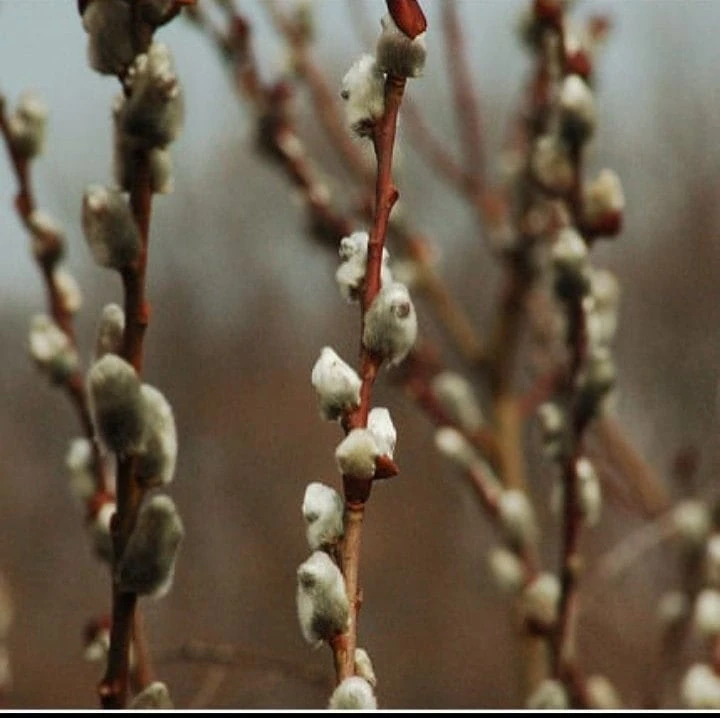
Bring the beauty of a pussy willow live plant into your garden. This native pussy willow (Salix discolor) is a fast-growing shrub, reaching 2-3 ft in a quart pot, known for its iconic catkins and appeal to butterflies. Ideal for outdoor landscapes.
Original price was: $32.00.$28.80Current price is: $28.80.

With our Alive & Thrive Guarantee, we’ve got your back for the first 30 days! If you have any concerns about your plants, just reach out to us. Our team is here to help answer your questions and guide you in selecting the best plants for your garden, climate, and unique preferences. We're excited to help you create the garden of your dreams!
Estimated arrival
Oct 14
Oct 19 - Oct 21
Oct 24 - Oct 28





Product Details
-
USDA Hardiness Zone
USDA Zones 4-8 -
Soil type
Well-draining, moist soil -
Sunlight Exposure
Full sun to partial shade -
Expected Planting Period
Late fall to early spring (dormant planting)
Overview
Introduce a touch of natural elegance to your landscape with the pussy willow live plant, specifically the Salix discolor variety. This remarkable native shrub is cherished for its distinctive, soft, furry catkins that emerge in late winter to early spring, signaling the arrival of warmer weather. Often considered a herald of spring, the salix discolor shrub provides significant visual interest when many other plants are still dormant. Growing 2-3 feet tall in a quart pot, this young plant is ready to establish itself in your garden. Beyond its ornamental appeal, the pussy willow live plant is a vital food source for early pollinators, especially butterflies, making it an excellent choice for supporting local ecosystems and biodiversity. Its robust nature and attractive features make it a favorite among gardeners seeking a blend of beauty and ecological benefit.
Key Benefits
The pussy willow live plant offers a multitude of benefits for any garden, from its aesthetic charm to its ecological contributions. Choosing a native pussy willow means selecting a plant that is well-adapted to its environment and supports local wildlife.
- Early Spring Interest: Be among the first to witness the soft, silvery catkins that emerge in late winter, providing much-needed visual appeal and a sign of spring when other plants are still bare. These unique structures are a highlight of the plant.
- Pollinator Magnet: The catkins are an early and crucial food source for various pollinators, including butterflies and bees, helping to kickstart their season and fostering a healthy garden ecosystem. This makes the pussy willow live plant a valuable addition for wildlife enthusiasts.
- Fast Growing Shrub: With a rapid growth rate, you won’t have to wait long to enjoy the full beauty and stature of this plant. It quickly establishes itself, providing a significant presence in your garden within a few seasons.
- Adaptable & Hardy: Thriving in a wide range of conditions, this robust shrub is suitable for USDA Zones 4-8, making it a versatile choice for many climates. Its resilience ensures it will flourish with minimal fuss.
- Versatile Landscape Use: Whether you want a striking specimen plant, a privacy screen, or an accent in a mixed border, the salix discolor shrub can fulfill various roles in your garden design. It can be grown as a large shrub or even a small tree.
- Attractive Foliage: While renowned for its catkins, the foliage also contributes to its appeal, offering a pleasant green backdrop throughout the growing season and occasionally displaying colorful autumn leaves.
- Erosion Control: Its strong, spreading root system makes it an excellent choice for stabilizing soil, particularly in areas prone to erosion near water features or slopes.
Plant Care & Growing Tips
Caring for your pussy willow live plant is relatively straightforward, making it an excellent choice for both experienced gardeners and beginners. This fast growing shrub is quite forgiving, but providing optimal conditions will ensure its most vigorous growth and abundant catkin production. For best results, plant your native pussy willow in a location that receives full sun to partial shade. Full sun (at least 6 hours of direct sunlight per day) will encourage the most prolific catkin development and strongest growth, while partial shade (4-6 hours of sun, especially in the afternoon) is also tolerated, particularly in warmer climates.
When it comes to watering, Salix discolor prefers consistently moist soil. It is naturally found in wetlands and along stream banks, so it thrives in areas with good moisture retention. However, it also adapts well to average garden soils, provided they are well-drained. Avoid overly dry conditions, especially during the establishment phase. Water regularly, particularly during dry spells or in its first year after planting, to help it establish a strong root system. Once established, it can tolerate some drought, but consistent moisture will yield the best results.
The ideal soil type for your salix discolor shrub is a rich, loamy, well-draining soil. It can tolerate a range of soil pH levels but generally prefers slightly acidic to neutral soil. Amending heavy clay soils with organic matter can improve drainage, while adding compost to sandy soils can enhance moisture retention. Fertilization is generally not heavily required for this vigorous grower. A balanced, slow-release fertilizer applied in early spring can promote healthy growth, but avoid over-fertilizing. The pussy willow live plant is hardy in USDA Zones 4-8, meaning it can withstand winter temperatures down to -30°F (-34°C). Pruning is best done in late winter or early spring while the plant is still dormant, or just after the catkins fade. This encourages new growth and helps maintain its desired shape and size. Regular pruning can also help rejuvenate older plants and promote more catkin production.
Size & Details
This offering is for a pussy willow live plant, Salix discolor, standing approximately 2-3 feet tall at the time of shipment. It is grown in a quart-sized pot, providing a well-developed root system ready for planting. The plant is a vigorous, fast growing shrub, capable of increasing its height by 24 inches per year under ideal conditions. At maturity, this native pussy willow can reach an impressive height of 15-25 feet and spread similarly, forming a large shrub or small multi-stemmed tree. It is shipped as a dormant plant between October and April, which is the ideal time for transplanting to minimize shock and encourage successful establishment. Planting instructions are included to guide you through the process, ensuring your new salix discolor shrub gets the best start in its new home.
Frequently Asked Questions
- Q: How big does this pussy willow live plant get? A: This pussy willow live plant is currently 2-3 feet tall in a quart pot. At maturity, it can grow to be a large shrub or small tree, reaching heights of 15-25 feet with a similar spread, making it a substantial addition to your landscape.
- Q: Is this an indoor or outdoor plant? A: The salix discolor shrub is an outdoor plant, perfectly suited for garden landscapes. It thrives in various outdoor conditions and is hardy in USDA Zones 4-8. It is not recommended for indoor cultivation.
- Q: How much sunlight does the native pussy willow need? A: This plant performs best in full sun, meaning at least 6 hours of direct sunlight per day. It can also tolerate partial shade, especially in hotter climates, but full sun encourages the most abundant catkin production.
- Q: What condition will the pussy willow live plant arrive in? A: Your pussy willow live plant will arrive well-packaged in its quart pot, typically dormant if shipped between October and April. It will be ready for planting, and detailed instructions are included to help with its successful establishment.
- Q: Is this plant easy to care for? A: Yes, the fast growing shrub is known for its ease of care. It’s a robust and adaptable plant, making it suitable for gardeners of all experience levels. Providing adequate moisture and sunlight are the main requirements.
- Q: When is the best time to plant this native pussy willow? A: The best time to plant your native pussy willow is during its dormant period, typically from late fall to early spring (October to April). This allows the roots to establish before the stress of active growth.
- Q: What kind of soil does the salix discolor shrub prefer? A: This salix discolor shrub prefers moist, well-draining soil. It is adaptable to various soil types but thrives in loamy, rich soil. Ensure the planting site has good drainage to prevent waterlogging.
Related products
-50%

Original price was: $49.98.$24.99Current price is: $24.99.
-50%


Original price was: $63.00.$31.50Current price is: $31.50.
-60%
Original price was: $53.99.$21.59Current price is: $21.59.
-76%
Original price was: $103.96.$24.99Current price is: $24.99.
-50%

Original price was: $59.98.$29.99Current price is: $29.99.
-20%
Original price was: $36.00.$28.80Current price is: $28.80.
PLANTING & CARE
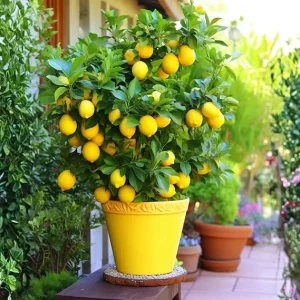
Lemon Tree Growing: Choose, Plant, and Harvest
Learn how to choose, plant, feed, and protect a lemon tree so it fits your
23
Sep
Sep
Dwarf Meyer Lemon Tree Australia: Climate Guide
Learn where dwarf Meyer lemon trees grow, how much cold they tolerate, and whether Australia,
Where to Buy a Dwarf Meyer Lemon Tree: Buyer’s Guide
Find the right dwarf Meyer lemon tree online or locally, compare starter sizes and costs,
Dwarf Meyer Lemon Tree for Sale: Buying Guide
Compare Meyer lemon tree sizes, prices, shipping limits, indoor growing and California options before you
Dwarf Meyer Lemon Tree Guide: Size, Care and Fruit
META: Learn how large a dwarf Meyer lemon tree grows, where it thrives, and how
How to Prune a Dwarf Meyer Lemon Tree
Learn when and how to prune a dwarf Meyer lemon tree, including tools, shaping cuts,
Can You Grow a Dwarf Meyer Lemon Tree in a Pot?
META: Learn how to grow a dwarf Meyer lemon tree in a pot, including container
When Do Dwarf Meyer Lemon Trees Bloom and Fruit?
META: Dwarf Meyer lemon trees usually bloom from winter through spring and may flower again