Rare Easter Cactus Live Plant – Rhipsalisdopsis – 4 inch Pot – Indoor/Outdoor
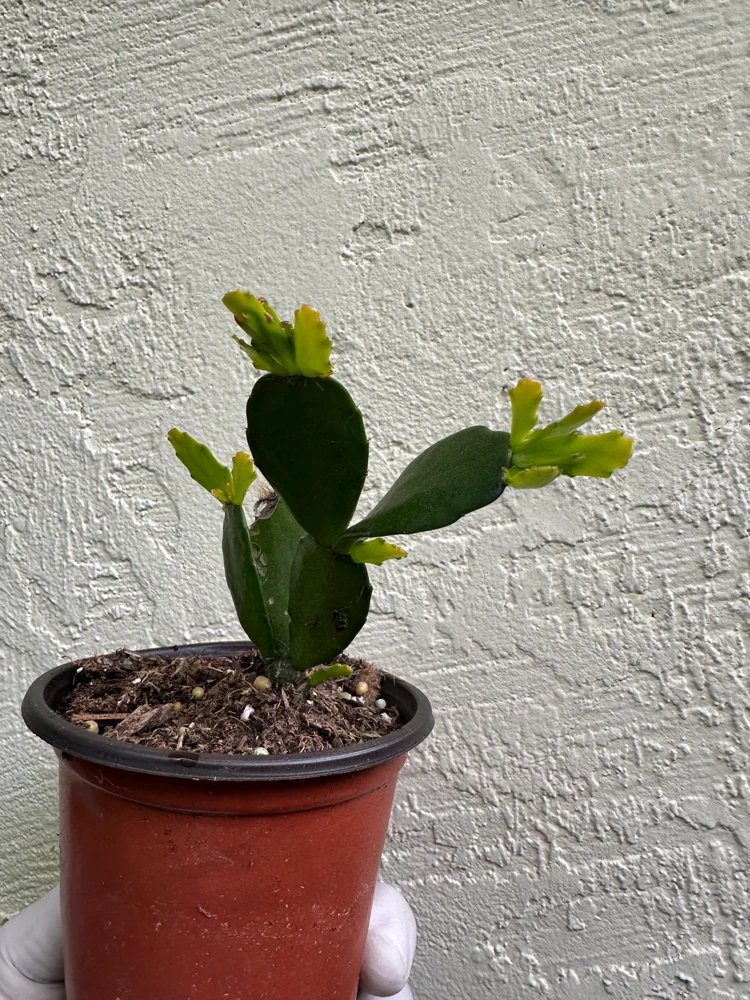
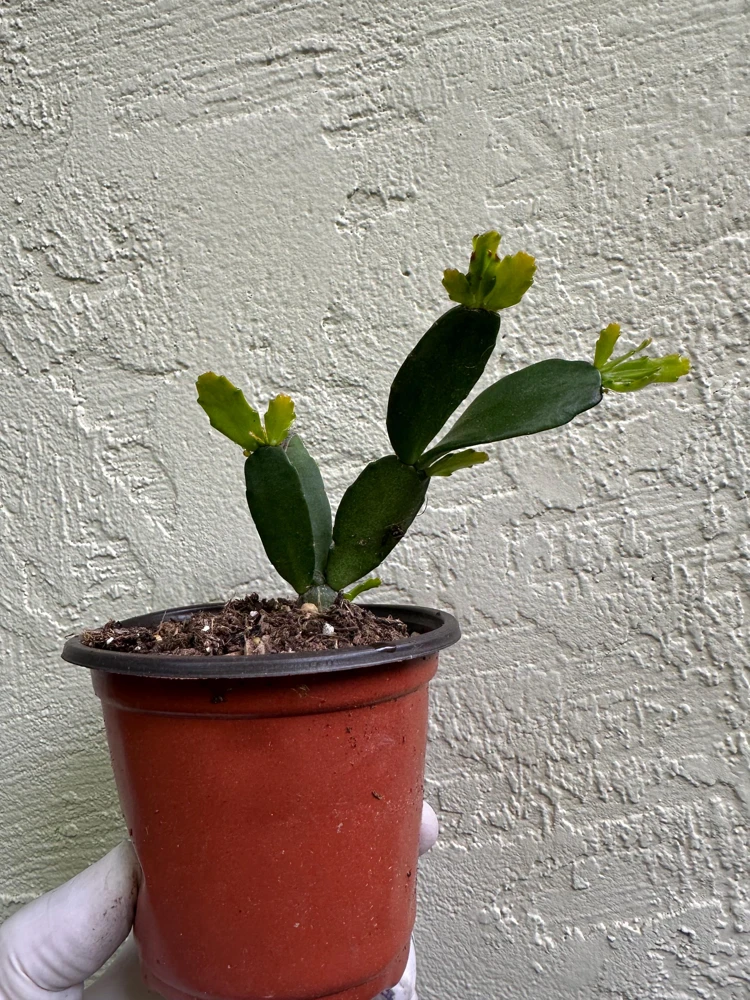
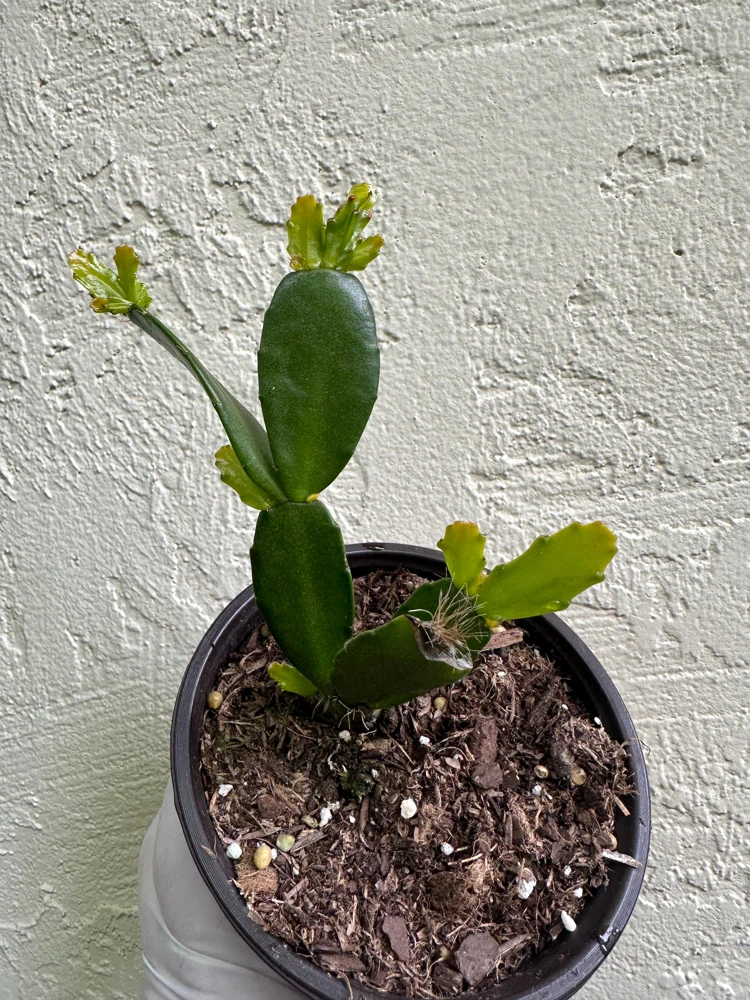
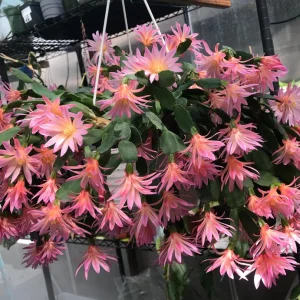
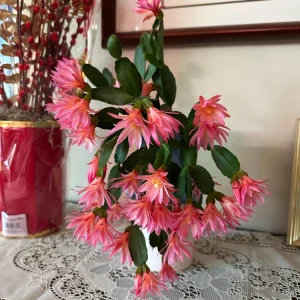
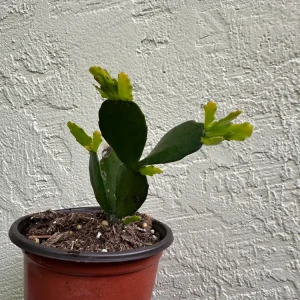
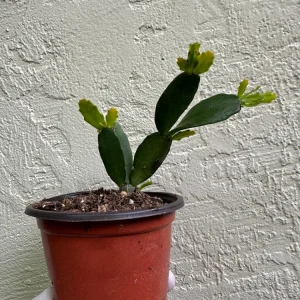
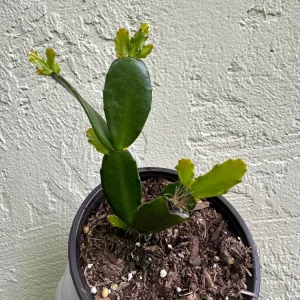
Rare Easter Cactus Live Plant – Rhipsalisdopsis – 4 inch Pot – Indoor/Outdoor
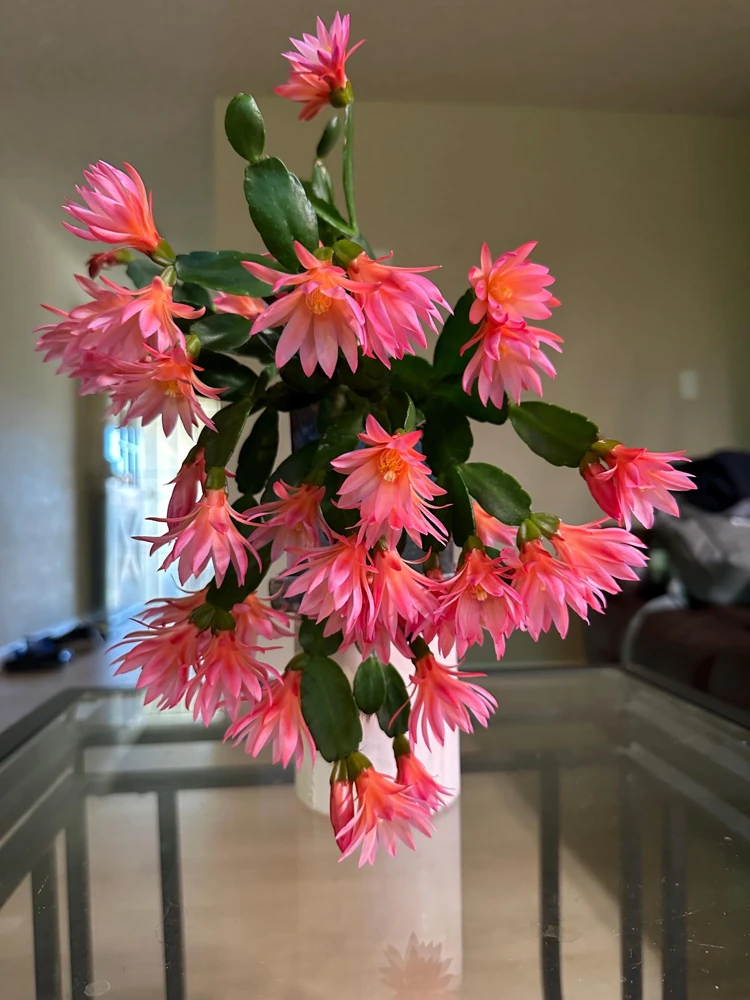
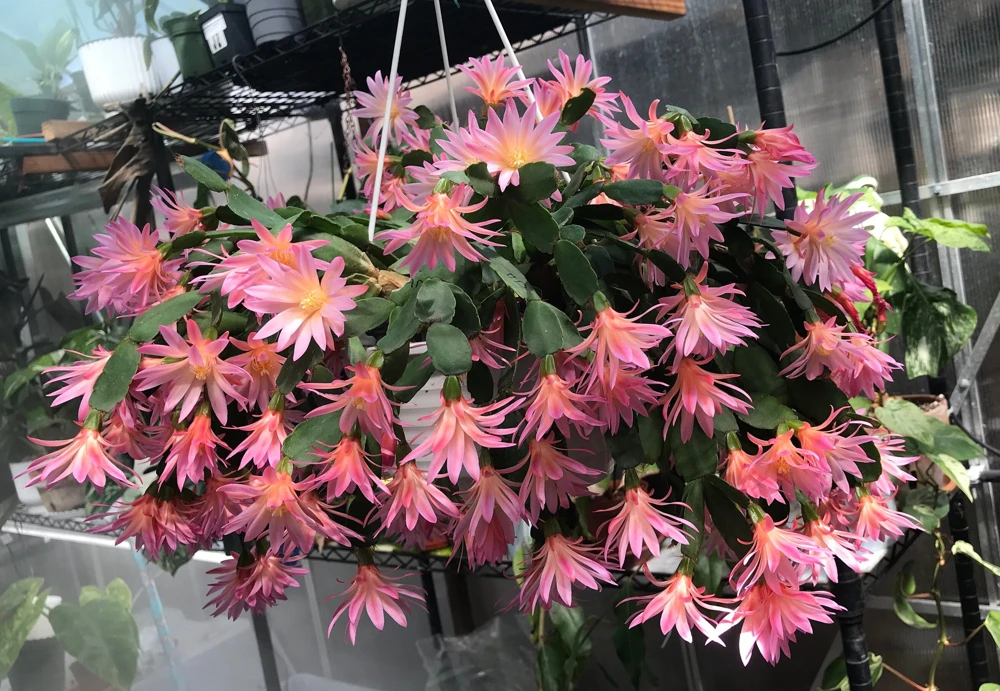
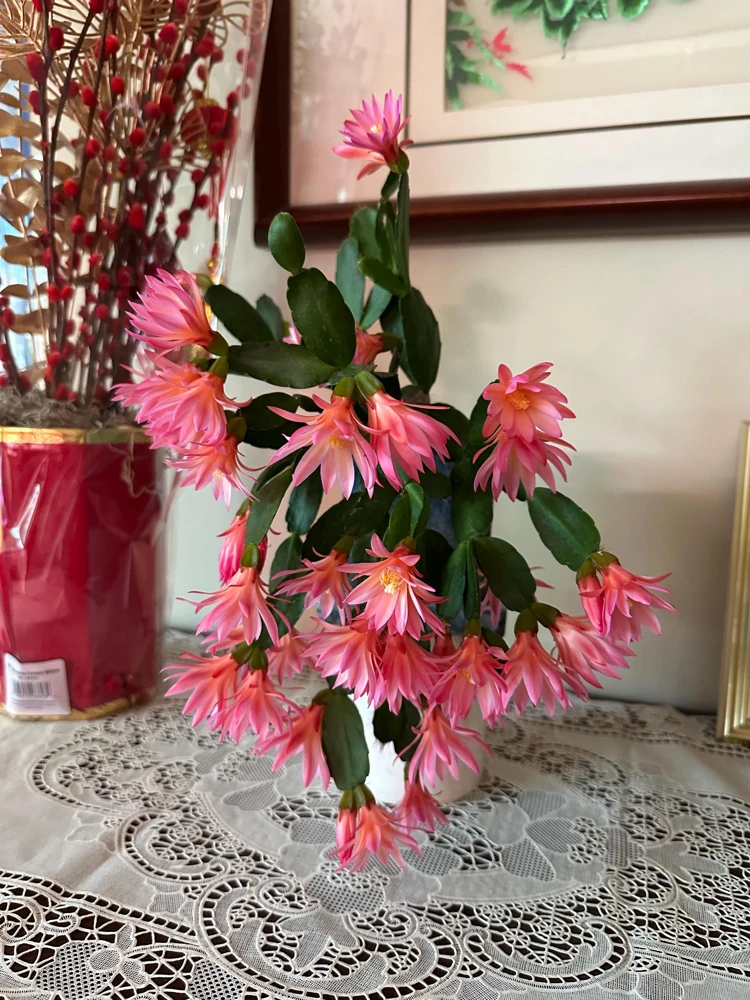
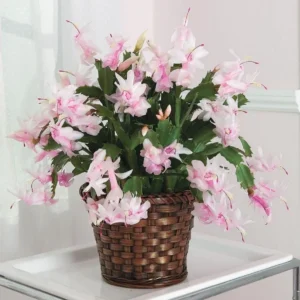
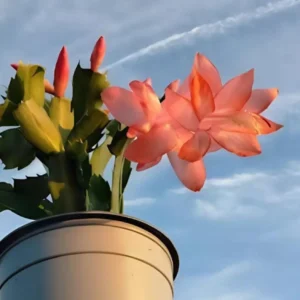
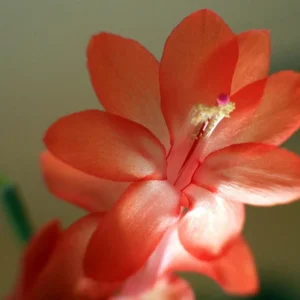
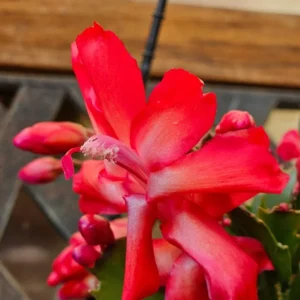
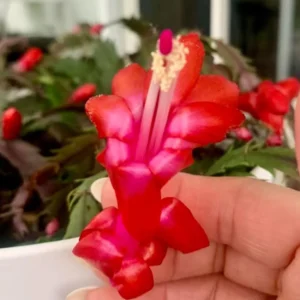
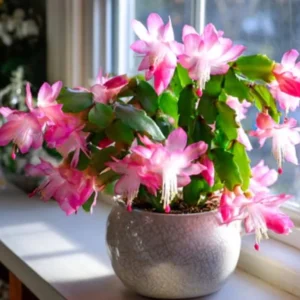
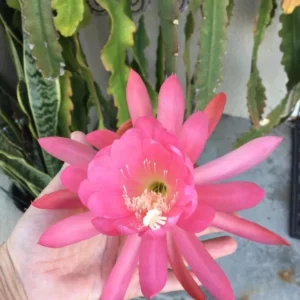
Bring home a beautiful Easter Cactus live plant, also known as Rhipsalisdopsis or Schlumbergera, in a 4-inch pot. This charming rare succulent plant is perfect for adding a splash of color to your indoor space, especially during its blooming season. Enjoy its unique appeal and relatively easy care.
$50.00

With our Alive & Thrive Guarantee, we’ve got your back for the first 30 days! If you have any concerns about your plants, just reach out to us. Our team is here to help answer your questions and guide you in selecting the best plants for your garden, climate, and unique preferences. We're excited to help you create the garden of your dreams!
Estimated arrival
Nov 03
Nov 08 - Nov 10
Nov 13 - Nov 17
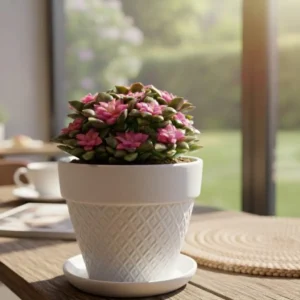
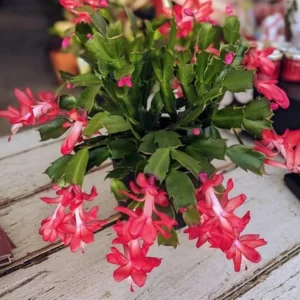
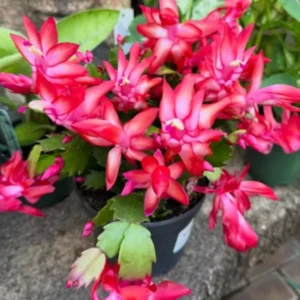
Product Details
-
USDA Hardiness Zone
USDA zones 9-11 (when grown outdoors, otherwise indoor plant) -
Soil type
Well-draining potting mix for succulents/epiphytes -
Sunlight Exposure
Bright indirect light -
Expected Planting Period
Year-round indoors
Overview
Introduce a touch of springtime beauty to your home with the exquisite Easter Cactus live plant. Scientifically known as Rhipsalisdopsis gaertneri (often grouped with Schlumbergera), this captivating succulent is a true delight for plant enthusiasts. Unlike its desert cactus cousins, the Easter Cactus is an epiphytic plant, naturally growing on trees in humid forests. Our offering is a healthy, rooted specimen presented in a convenient 4-inch pot, ready to thrive in its new environment. Known for its vibrant, star-shaped flowers that typically bloom around the Easter season, this plant makes a fantastic focal point or a thoughtful gift. Its unique segmented stems and lush green foliage provide year-round interest, even when not in bloom. This particular rare succulent plant is a wonderful addition to any collection, offering both beauty and a fascinating growth habit.
The Easter Cactus live plant is an excellent choice for those looking for an easy-to-care-for indoor flowering plant. Its distinctive appearance and seasonal blooms make it a popular choice for windowsills, shelves, and tabletops. With proper care, you can enjoy its stunning display for many years. This Schlumbergera plant relative brings a tropical forest feel indoors, reminding us of its origins in the rainforests of Brazil. It’s not just a plant; it’s a living piece of art that brightens any room.
Key Benefits
The Easter Cactus live plant offers numerous benefits, making it a cherished addition to any home or office. Its beauty and resilience are just a few reasons why it’s so beloved:
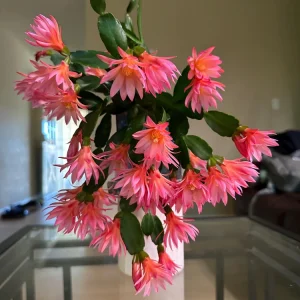
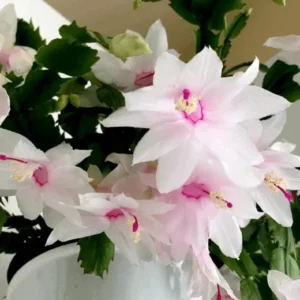
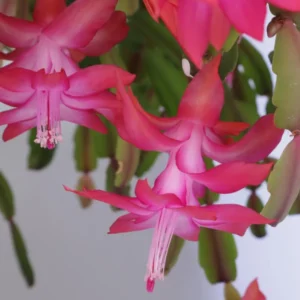
- Stunning Seasonal Blooms: Enjoy a spectacular display of star-shaped flowers, typically around Easter, that can last for several weeks. These vibrant blooms add a burst of color and cheer to your indoor space, making it a true highlight of the spring season.
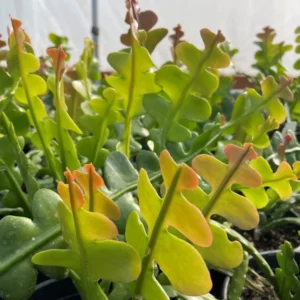
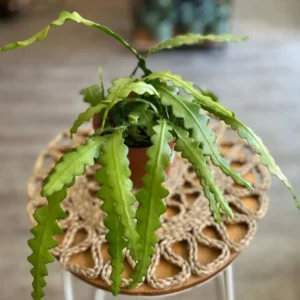
- Unique Foliage: Even without flowers, the segmented, paddle-like stems of the Easter Cactus live plant provide interesting texture and lush green color, offering year-round visual appeal. Its distinctive growth habit makes it a conversation starter.
- Low Maintenance: This succulent is relatively easy to care for, making it suitable for both beginner and experienced plant parents. It doesn’t demand constant attention and can tolerate some neglect, fitting well into busy lifestyles.
- Air Purifying Qualities: Like many houseplants, the Easter Cactus contributes to a healthier indoor environment by helping to filter airborne toxins and improve air quality, creating a fresher living space.
- Compact & Versatile: Its moderate size and attractive cascading habit make it perfect for hanging baskets, elevated shelves, or as a centerpiece on a table. The 4-inch pot size makes it ideal for smaller spaces or as part of a larger plant collection.
- Long Lifespan: With proper care, an indoor flowering cactus like the Easter Cactus can live for many decades, becoming a cherished family heirloom that provides beauty for generations.
- Pet-Friendly Option: The Easter Cactus is generally considered non-toxic to pets, making it a safer choice for homes with curious cats and dogs.
Plant Care & Growing Tips
Caring for your Easter Cactus live plant is straightforward, and with the right conditions, it will reward you with beautiful blooms. Originating from tropical forests, it prefers conditions that mimic its natural habitat rather than a dry desert. For optimal growth and flowering, ensure it receives bright, indirect light. Direct, harsh sunlight can scorch its delicate leaves, especially during the hottest parts of the day. An east or north-facing window is often ideal, providing gentle morning sun or consistent indirect light throughout the day. If placed outdoors during warmer months, choose a shaded or partially shaded location.
Watering is crucial for the Rhipsalisdopsis care. Unlike desert cacti, the Easter Cactus prefers consistently moist but not waterlogged soil. Water thoroughly when the top inch or two of soil feels dry to the touch, allowing excess water to drain completely from the pot. Reduce watering slightly during its dormant period after flowering. Overwatering can lead to root rot, so good drainage is essential. Use a well-draining potting mix specifically formulated for succulents or epiphytic plants, typically a blend of peat moss, perlite, and bark. Fertilize every 2-4 weeks during the growing season (spring through fall) with a balanced liquid fertilizer diluted to half strength. Avoid fertilizing during winter or when the plant is dormant.
The ideal temperature range for an Easter Cactus live plant is between 65-75°F (18-24°C) during the growing season. For optimal bud formation, the plant benefits from cooler night temperatures (around 50-55°F or 10-13°C) in late fall and early winter. This cool period, combined with reduced watering and longer nights (12-14 hours of darkness), helps initiate flowering. Protect your plant from extreme temperature fluctuations and cold drafts. Common problems include bud drop (due to sudden changes in temperature, light, or over/underwatering) and mealybugs. Regular inspection and prompt treatment can keep your indoor flowering cactus healthy and vibrant.
Size & Details
This offering includes one healthy Easter Cactus live plant, rooted and established in a 4-inch nursery pot. The plant’s height and spread will vary slightly but are typically well-suited for its pot size, creating a compact and attractive specimen. The plant will be shipped in its nursery pot with soil, carefully packaged to ensure a safe arrival. Expect a moderate growth rate, with the plant gradually increasing in size and producing more segments over time. With proper care, it can grow into a lush, mature plant capable of producing abundant blooms each spring. The specific variety of Schlumbergera plant provided is known for its robust growth and beautiful seasonal flowers, making it a cherished addition to any indoor garden. This rare succulent plant is a fantastic choice for those looking for a long-term companion.
Frequently Asked Questions
- Q: How big does this plant get? A: This Easter Cactus live plant is currently in a 4-inch pot. While individual growth varies, mature Easter Cacti can develop a spread of 8-12 inches, with some cascading varieties growing longer. They generally remain a manageable size for indoor display.
- Q: Is this an indoor or outdoor plant? A: The Easter Cactus is primarily an indoor plant in most climates. It can be moved outdoors to a shaded or partially shaded location during warm summer months, but it must be brought indoors before temperatures drop below 50°F (10°C).
- Q: How much sunlight does it need? A: This indoor flowering cactus thrives in bright, indirect light. Avoid direct, intense sunlight, which can scorch its leaves. An east or north-facing window is usually ideal, or a spot several feet away from a south or west-facing window.
- Q: Is this plant easy to care for? A: Yes, the Easter Cactus live plant is considered relatively easy to care for, making it a great choice for beginners. Its main requirements are consistent moisture (not soggy), bright indirect light, and a cool period for blooming.
- Q: What condition will it arrive in? A: Your Easter Cactus live plant will arrive rooted in its 4-inch nursery pot with soil. It will be carefully packaged to minimize stress during transit, ensuring it reaches you in good health and ready to thrive.
- Q: How long until it blooms? A: With proper care, particularly the cool, dark period in late fall/early winter, your Easter Cactus should bloom around the Easter season. If it has buds upon arrival, they should continue to develop.
- Q: Is this plant pet-safe? A: Yes, the Easter Cactus live plant is generally considered non-toxic to cats and dogs according to the ASPCA, making it a safer option for homes with pets. However, it’s always best to prevent pets from consuming large quantities of any plant material.
- Q: What is the best soil for Rhipsalisdopsis care? A: A well-draining potting mix is crucial. A good option is a mix specifically for succulents or epiphytic plants, often containing peat moss, perlite, and orchid bark to ensure proper drainage and aeration.
- Q: How do I encourage more blooms for my Schlumbergera plant? A: To encourage abundant blooms, provide a cool period (around 50-55°F or 10-13°C) and 12-14 hours of uninterrupted darkness each night for 6-8 weeks in late fall/early winter. Reduce watering slightly during this time.
- Q: Can I propagate this rare succulent plant? A: Yes, Easter Cacti are relatively easy to propagate from stem cuttings. Simply take a segment with 2-3 paddles, let it callus for a day or two, and then plant it in moist potting mix.
Related products
-30%
Original price was: $79.98.$55.98Current price is: $55.98.
-39%
Original price was: $39.98.$24.50Current price is: $24.50.
-30%
Original price was: $79.98.$55.98Current price is: $55.98.
-97%
Original price was: $316.80.$9.92Current price is: $9.92.
-30%
Original price was: $85.98.$60.18Current price is: $60.18.
PLANTING & CARE
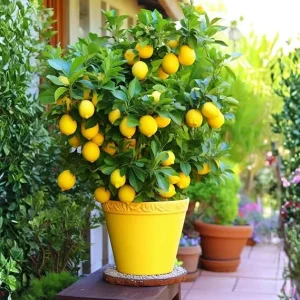
Lemon Tree Growing: Choose, Plant, and Harvest
Learn how to choose, plant, feed, and protect a lemon tree so it fits your
23
Sep
Sep
Dwarf Meyer Lemon Tree Australia: Climate Guide
Learn where dwarf Meyer lemon trees grow, how much cold they tolerate, and whether Australia,
Where to Buy a Dwarf Meyer Lemon Tree: Buyer’s Guide
Find the right dwarf Meyer lemon tree online or locally, compare starter sizes and costs,
Dwarf Meyer Lemon Tree for Sale: Buying Guide
Compare Meyer lemon tree sizes, prices, shipping limits, indoor growing and California options before you
Dwarf Meyer Lemon Tree Guide: Size, Care and Fruit
META: Learn how large a dwarf Meyer lemon tree grows, where it thrives, and how
How to Prune a Dwarf Meyer Lemon Tree
Learn when and how to prune a dwarf Meyer lemon tree, including tools, shaping cuts,
Can You Grow a Dwarf Meyer Lemon Tree in a Pot?
META: Learn how to grow a dwarf Meyer lemon tree in a pot, including container
When Do Dwarf Meyer Lemon Trees Bloom and Fruit?
META: Dwarf Meyer lemon trees usually bloom from winter through spring and may flower again