Red Cedar Tree Live Plant 10-16 inch – Eastern Red Cedar Evergreen
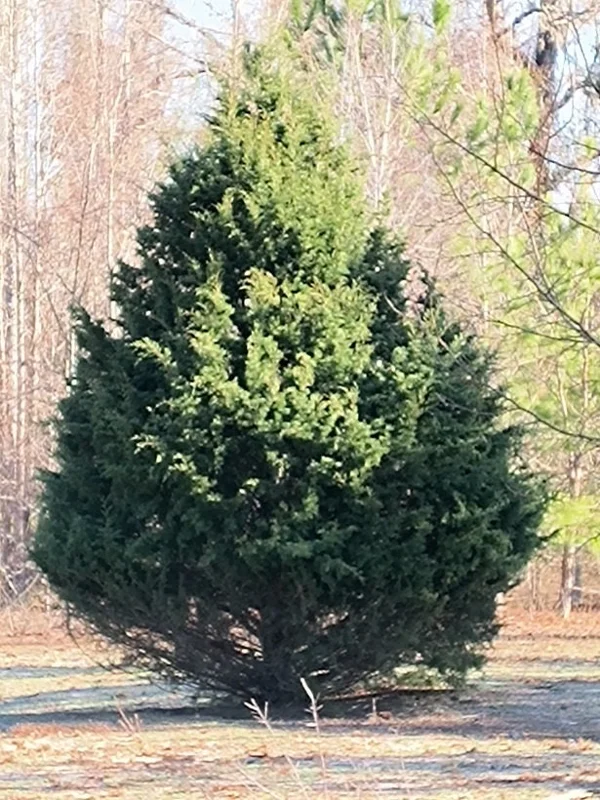
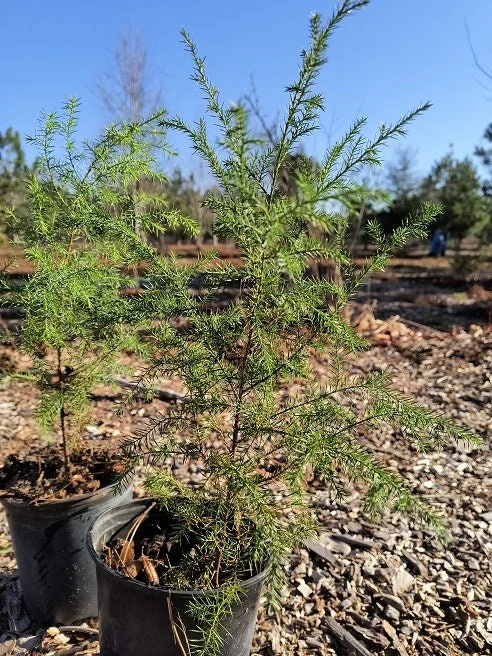
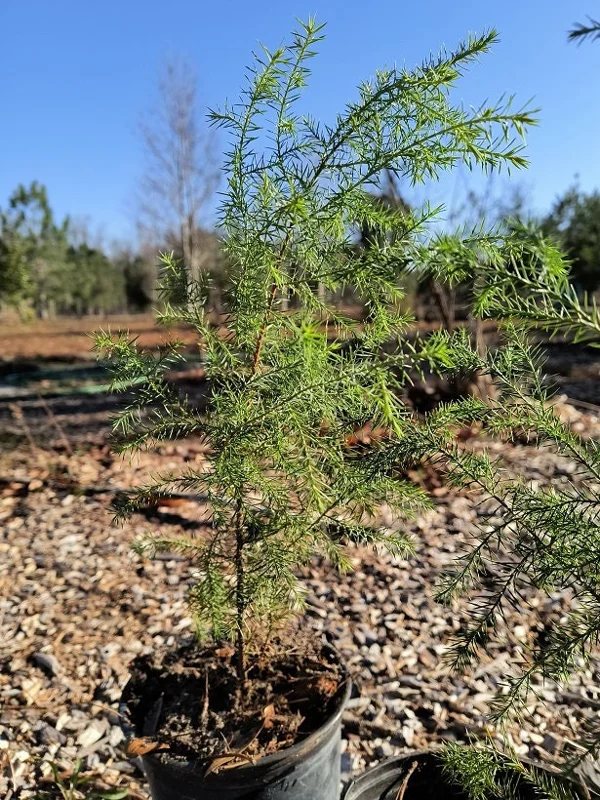
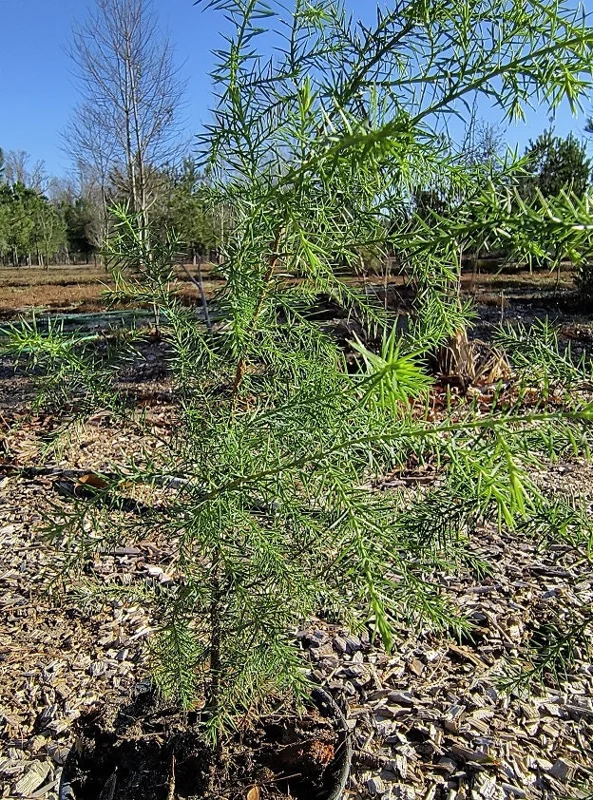
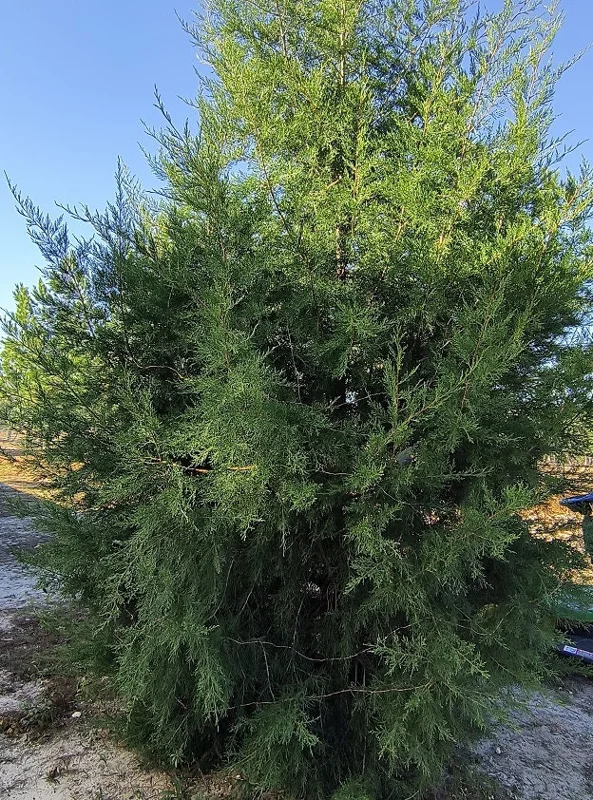
Red Cedar Tree Live Plant 10-16 inch – Eastern Red Cedar Evergreen
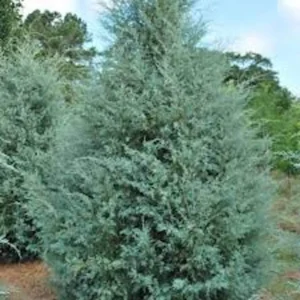
Bring a touch of natural beauty and evergreen charm to your landscape with this red cedar tree live plant. Perfect for creating privacy screens or windbreaks, this hardy tree offers year-round interest and requires minimal maintenance.
- Hardy and adaptable
- Excellent for privacy and windbreaks
- Low maintenance evergreen
$49.96

With our Alive & Thrive Guarantee, we’ve got your back for the first 30 days! If you have any concerns about your plants, just reach out to us. Our team is here to help answer your questions and guide you in selecting the best plants for your garden, climate, and unique preferences. We're excited to help you create the garden of your dreams!
Estimated arrival
Mar 31
Apr 05 - Apr 07
Apr 10 - Apr 14
Product Details
-
USDA Hardiness Zone
USDA Zones 2-9 -
Soil type
Well-draining soil, adaptable to various types -
Sunlight Exposure
Full sun -
Expected Planting Period
Early spring to early fall
Overview
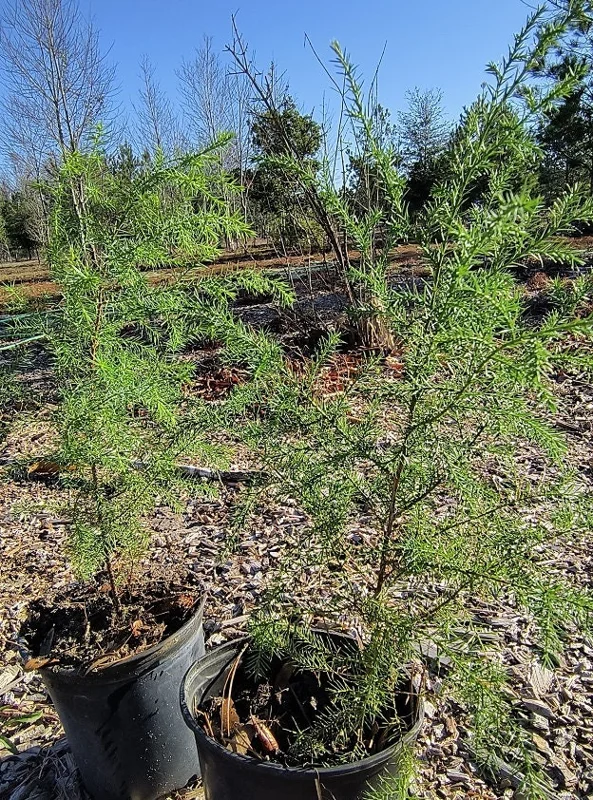
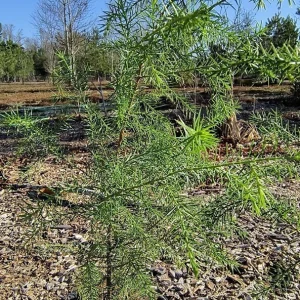
Introduce a classic American evergreen to your garden with the red cedar tree live plant. Known botanically as Juniperus virginiana, this resilient conifer is often referred to as Eastern Red Cedar, reflecting its widespread presence across the eastern United States. Despite its common name, it is actually a type of juniper, celebrated for its dense, aromatic foliage and adaptability to a variety of growing conditions. This particular offering provides a vibrant young specimen, approximately 10-16 inches tall, ready to establish itself and begin its journey as a prominent feature in your outdoor space. Whether you’re aiming to create a natural privacy fence, a windbreak, or simply add a distinctive ornamental tree, the red cedar tree live plant is an excellent choice for both its aesthetic appeal and ecological benefits.
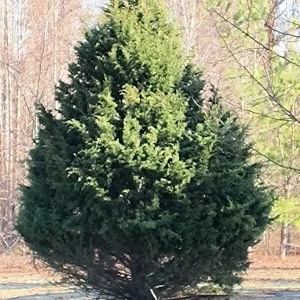
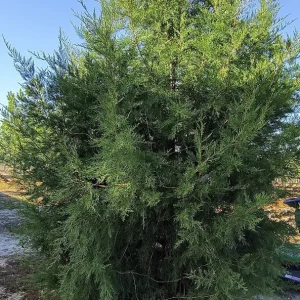
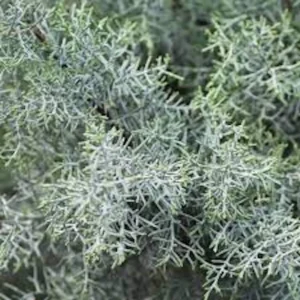
The red cedar tree live plant is a versatile and robust addition to any landscape. Its distinctive scale-like leaves, which can range from green to a bronze-purple in winter, provide year-round color. The tree also produces small, bluish-gray, berry-like cones that are a vital food source for many bird species. This makes the eastern red cedar tree not only beautiful but also a significant contributor to local wildlife habitats, enhancing the biodiversity of your property. Its columnar to pyramidal shape makes it suitable for various garden designs, from formal to naturalistic.
Key Benefits
Choosing a red cedar tree live plant for your garden offers a wealth of advantages, contributing both to the beauty and functionality of your outdoor environment. Its hardiness and aesthetic appeal make it a popular choice for a range of landscaping needs.
- Natural Privacy Screen: The dense, evergreen foliage of the red cedar tree live plant makes it an ideal candidate for creating effective and beautiful privacy screens or living fences, offering seclusion and year-round greenery.
- Effective Windbreak: Its sturdy structure and thick foliage provide excellent protection against strong winds, helping to shield your home, garden, and other plants from harsh weather conditions.
- Wildlife Habitat: The berry-like cones are a crucial food source for numerous bird species, especially in winter, and its dense branches offer shelter, making it a valuable addition for attracting and supporting local wildlife.
- Drought Tolerant: Once established, the eastern red cedar tree is remarkably drought-tolerant, requiring minimal supplemental watering, which makes it an environmentally friendly and low-maintenance option.
- Adaptable to Various Soils: This resilient tree can thrive in a wide range of soil types, from sandy to clay, and tolerates both acidic and alkaline conditions, making it suitable for many different planting sites.
- Aromatic Foliage: The distinctive, pleasant aroma of the cedar foliage adds a sensory dimension to your garden, often associated with freshness and natural wood.
- Low Maintenance: Known for its hardiness, the red cedar tree live plant requires little care once established, making it perfect for busy gardeners or those seeking a beautiful yet undemanding landscape solution.
Plant Care & Growing Tips
Caring for your red cedar tree live plant is relatively straightforward, thanks to its inherent hardiness and adaptability. To ensure optimal growth and health, understanding its basic needs is key. When it comes to sunlight, the eastern red cedar tree thrives in full sun, meaning at least 6 hours of direct sunlight per day. While it can tolerate partial shade, its growth will be less dense and vigorous. Choose a planting location that receives ample sunshine for the best results.
Watering requirements are minimal once the tree is established. During the first year after planting, regular watering is essential to help the root system develop. Aim for consistently moist soil, but avoid waterlogging. After establishment, the red cedar tree live plant is quite drought-tolerant and will only need supplemental watering during prolonged dry spells. As for soil, it is highly adaptable, preferring well-draining soil but tolerating poor, rocky, or clay soils. It can grow in a wide pH range. For best growth, a slightly acidic to neutral soil is ideal. The junipers virginiana is a tough plant.
The red cedar tree live plant is remarkably cold hardy, typically thriving in USDA zones 2 through 9. It can withstand a wide range of temperatures, from freezing winters to hot summers. Fertilization is generally not necessary for established trees, especially if planted in reasonably fertile soil. If your soil is very poor, a balanced, slow-release fertilizer can be applied in early spring. Pruning is usually limited to removing dead or damaged branches, or for shaping if desired, but avoid heavy pruning as it can stress the tree. Keep an eye out for bagworms, a common pest; early detection and removal can prevent significant damage. Knowing how to grow red cedar successfully involves these simple steps.
Size & Details
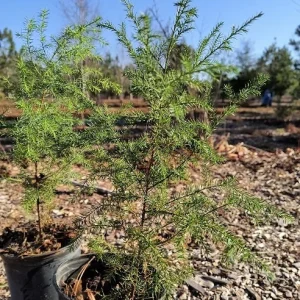
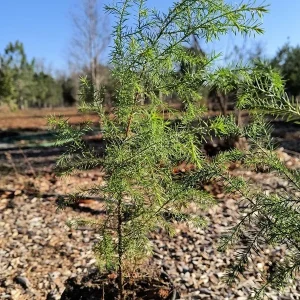
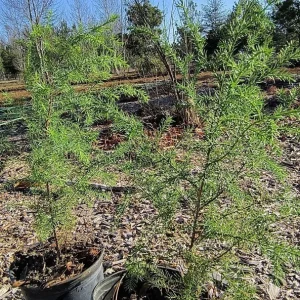
This offering features a red cedar tree live plant, which stands approximately 10-16 inches tall from the base of the root ball to the top of the foliage. These young trees are typically shipped as healthy, well-rooted specimens, ready for immediate planting. The growth rate of the eastern red cedar tree is moderate, averaging about 1 to 2 feet per year once established, eventually reaching mature heights of 30-60 feet with a spread of 8-20 feet, depending on conditions and cultivar. They are usually supplied in a nursery pot, ensuring the root system is protected during transit and ready for a smooth transition into your garden. Expect these plants to establish quickly and begin contributing to your landscape’s beauty within their first growing season. For those looking for red cedar for privacy, planting multiple trees with adequate spacing will create a robust screen over time.
Frequently Asked Questions
- Q: How big does this plant get? A: This red cedar tree live plant is currently 10-16 inches tall. At maturity, the eastern red cedar tree can reach heights of 30-60 feet with a spread of 8-20 feet, making it a substantial landscape feature.
- Q: Is this an indoor or outdoor plant? A: The red cedar tree live plant is an outdoor plant. It is a hardy evergreen conifer that thrives in a variety of outdoor climates and is not suitable for long-term indoor cultivation.
- Q: How much sunlight does it need? A: This tree requires full sun, meaning at least 6 hours of direct sunlight per day, for optimal growth and density. While it can tolerate some partial shade, full sun is highly recommended.
- Q: Is this plant easy to care for? A: Yes, the red cedar tree live plant is considered very easy to care for once established. It is drought-tolerant, adaptable to various soils, and generally low maintenance, making it suitable for beginners.
- Q: What condition will it arrive in? A: Your red cedar tree live plant will arrive as a healthy, well-rooted specimen, typically in a nursery pot with its root system intact and protected, ready for planting.
- Q: When is the best time to plant a red cedar tree? A: The best time to plant a red cedar tree live plant is in early spring or early fall. This allows the tree to establish its root system before the stress of extreme summer heat or winter cold.
- Q: Will it survive winter in my zone? A: The eastern red cedar tree is very cold hardy and typically thrives in USDA Zones 2-9, making it suitable for a wide range of climates across the United States.
- Q: What is the Latin name for this tree? A: The botanical name for the red cedar tree live plant is Juniperus virginiana. This is the scientific name for the common Eastern Red Cedar.
- Q: Can I use red cedar for privacy? A: Absolutely! The dense, evergreen foliage and moderate growth rate of the red cedar tree live plant make it an excellent choice for creating natural and effective privacy screens or windbreaks in your garden.
- Q: What kind of soil does it prefer? A: While adaptable to many soil types, the red cedar tree live plant prefers well-draining soil. It can tolerate sandy, rocky, or clay soils and a wide range of pH levels, making it very versatile.
Related products
-20%
Original price was: $36.00.$28.80Current price is: $28.80.
-50%
Original price was: $73.98.$36.99Current price is: $36.99.
PLANTING & CARE

Growing Glencoe Raspberry: A Complete Guide for Gardeners
If you’re looking to add something unique to your garden, look no further than the
31
Mar
Mar

The Comprehensive Guide to Growing Bay Leaf Plants for a Flavorful Garden
Imagine stepping into your garden, greeted by the earthy aroma of fresh bay leaves, their
09
Feb
Feb

How to Make Comfrey Tea: The Ultimate Organic Plant Food
Growing an organic garden can be surprisingly expensive, especially when most store-bought fertilizers come in
02
Feb
Feb

True Comfrey: 7 Essential Tips Before You Plant This Herb
A staple in permaculture practices across the US, True Comfrey easily earns its reputation as
27
Jan
Jan

7 Heart-Shaped Plants for a Lasting Valentine’s Gift
If you’ve ever bought a bouquet of roses for Valentine’s Day, you know they are
26
Jan
Jan

Best Types of Ivy Plant for Houses: How to Choose the Perfect Ones for Your Home
Are you a garden lover looking to introduce some greenery into your home? Maybe you’ve
14
Nov
Nov

When to Harvest Garlic (Especially Fall-Planted Garlic)
TIMING IS EVERYTHING, they say – and for garlic, that truth hits with surprising accuracy.
13
Nov
Nov

11 of the Best Sweet Potato Varieties to Grow for Your Garden
If you’ve ever tried growing sweet potatoes, you know that picking the right variety can
12
Nov
Nov